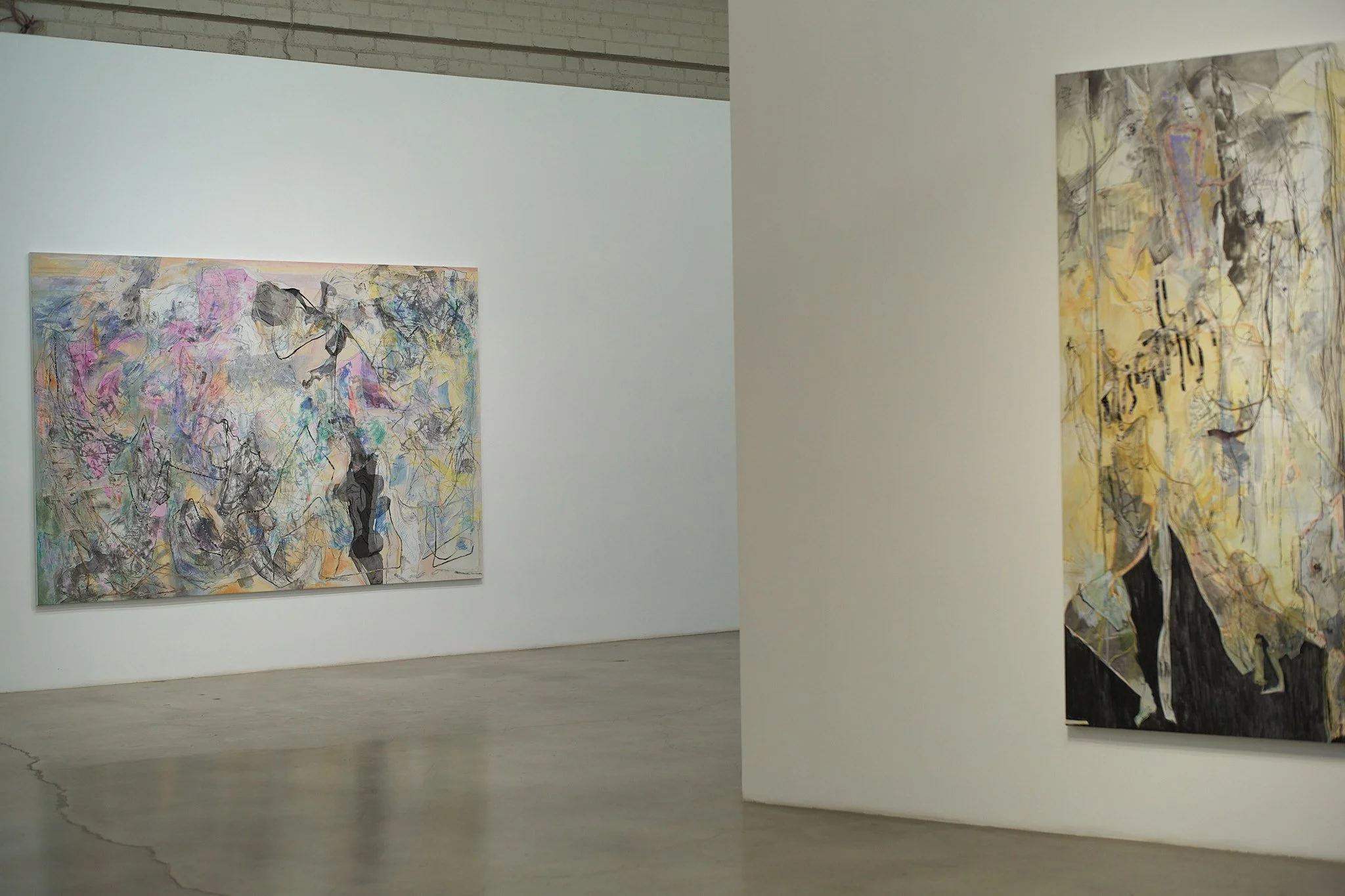
Tokyo International Gallery
Saturday, June 1, 2024 – Saturday, June 29, 2024
Tokyo International Gallery
Saturday, June 1, 2024 – Saturday, June 29, 2024
At issue with Aquinas's systemization isn't that passages such as the one quoted above don't make sense, but rather that they make too much sense. Serpentine though the reasoning may be, Aquinas's logic is unassailable and, based on the axioms he assumes, conceives of an angelology as rigorous as Euclidian geometry. What's unclear is whether any of it corresponds to an actual reality. With the rise of Scholasticism toward the end of the Middle Ages, what we see in evidence isn't an overabundance of faith but rather a crisis of it. What's clear in reading Aquinas-especially once it's remembered that he abandoned his own philosophy after a mystical experience that was supposedly infinite in its beauty-is that the Summa Theologica is a project of trying to convince yourself of something. Neoplatonists had the benefit of admitting that their systems were forever deferred, always falling short of whatever ultimate things flit unseen beyond the veil of human senses. When it comes to approaching angels, science is deficient in a manner that poetry simply isn't. A powerful tool, poetry — as long as it isn't mistaken for the referent-one that dominated until the High Middle Ages, only to return with the Renaissance humanists, occultists, and Neoplatonists. The Areopagite was among the most subtle of thinkers in this regard, in avoiding intellectual idolatry that confuses the painting of a winged being with intangible celestial forces themselves—a feature of the aforementioned apophatic tradition of which he is an exemplar, a wisdom that understands that the spoken god is never the real God. This is the "being beyond being" as he calls it in Divine Names, something that "is cause of all; / but itself: nothing." What Dionysius's angelology offered was a system of symbol, metaphor, simile, and cipher in which to express the experience of the inexpressible, to hear that which is silent, to see that which is invisible. A language to speak of those without tongues, a hand to write among those lacking limbs, a mind to envision for the thought that is greater than all experience. For Dionysius, angels were both agents of inspiration and a metaphor for meaning; returning celestial beings to their most crucial function, his was a theory of the message. - ED SIMON Elysium page 64
Again and again, I return to this question of who among us can see the angels, and why they are so often invisible to the preponderance of people in the contemporary world. In past epochs, visionaries and prophets, mystics and poets were privy to the shimmering resplendence of the celestial choir flitting about in the cosmos. I, who have never seen an angel, and can scarcely believe that such a creature is possible, am envious of William Blake with his espying them in the trees at nightfall, every golden wing quivering in the sunset, every halo glowing in the dusk. As with so much of that which ails us—our nihilism and our prejudices, our alienations and our oppressions-I've long favored that myth of disenchantment, that faith that at one point the ladder to heaven was a bit sturdier and one need not have been as remarkable a soul as Blake to hear the flapping of the angels' wings. "There is a widespread sense of loss here," writes the philosopher Charles Taylor in A Secular Age, "if not always of God, then at least of meaning." I'm not sure that an overabundance of meaning was ever the birthright of humanity, but like all creation myths, this parable about disenchantment does what it needs to do in aiding me to make sense of the world. Because an angel is not something to be etherized and anatomized, dissected and categorized; an angel refers to nothing so vulgar as a body that can be examined with scalpel and calipers, but is closer to a fleeting feeling, a figure of speech, a turn of phrase, a sense that there is something greater and truer and more beautiful than you, and that despite it all you are loved and are capable of loving in return. For you see, an angel is merely love that is given a proper name, grace that is imagined with a face. A blessed wisdom that is so close we can sometimes hear it call to us in our names, the reminder of a wholly foreign and holy Other beautiful and irrational goodness. -ED SIMON Elysium page 15
https://www.artizon.museum/
Tokyo
March 30 [Sat] - July 7 [Sun], 2024
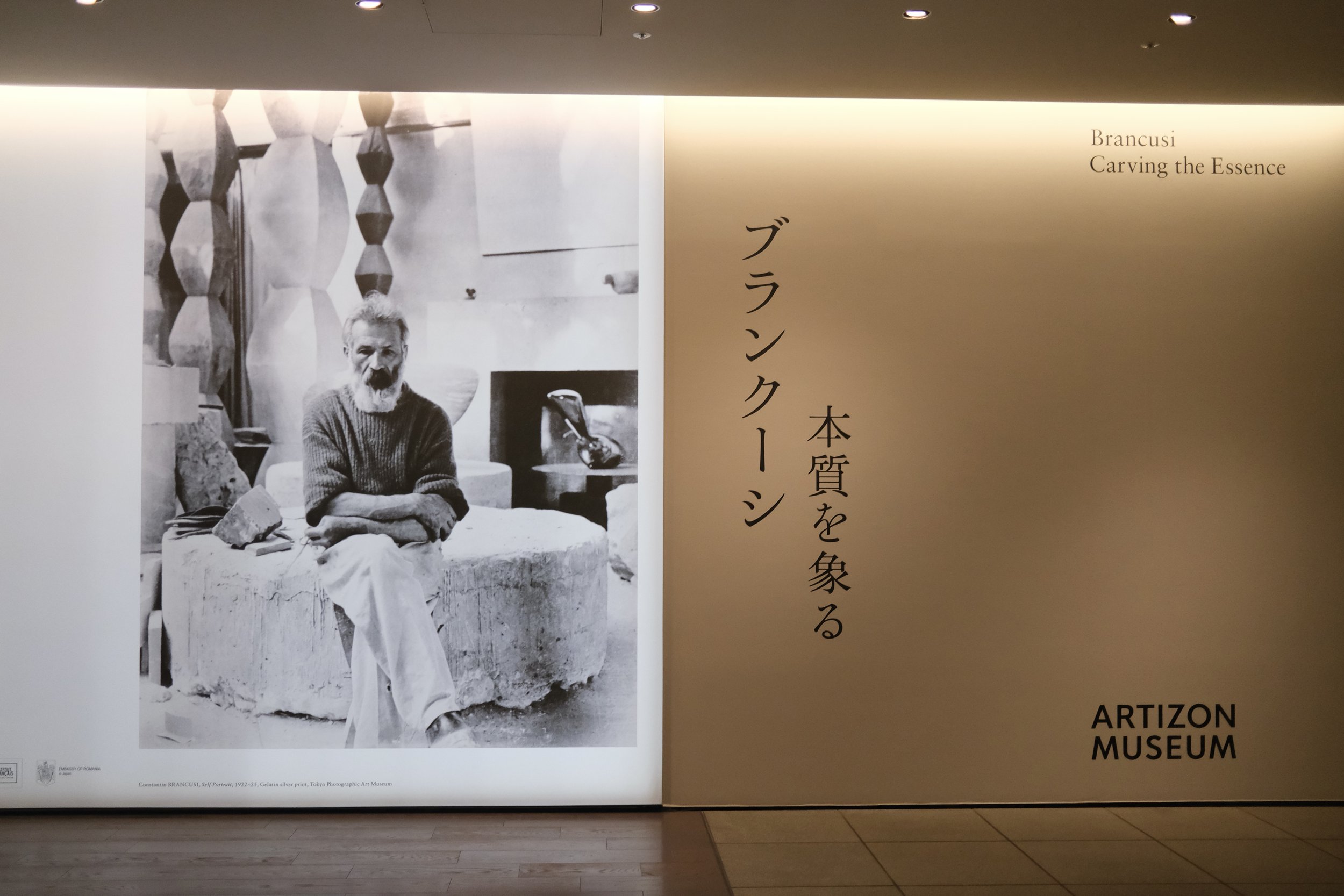
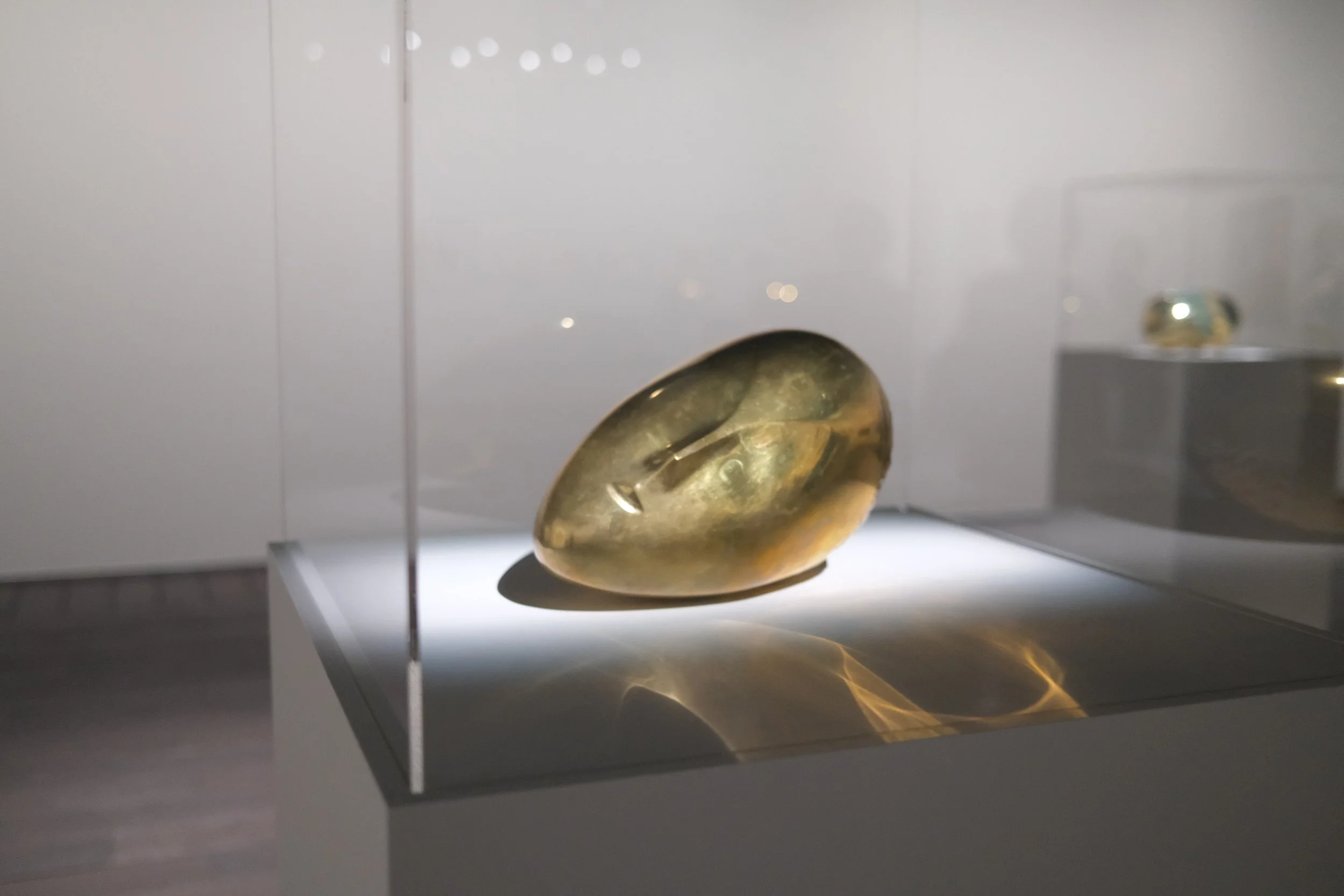
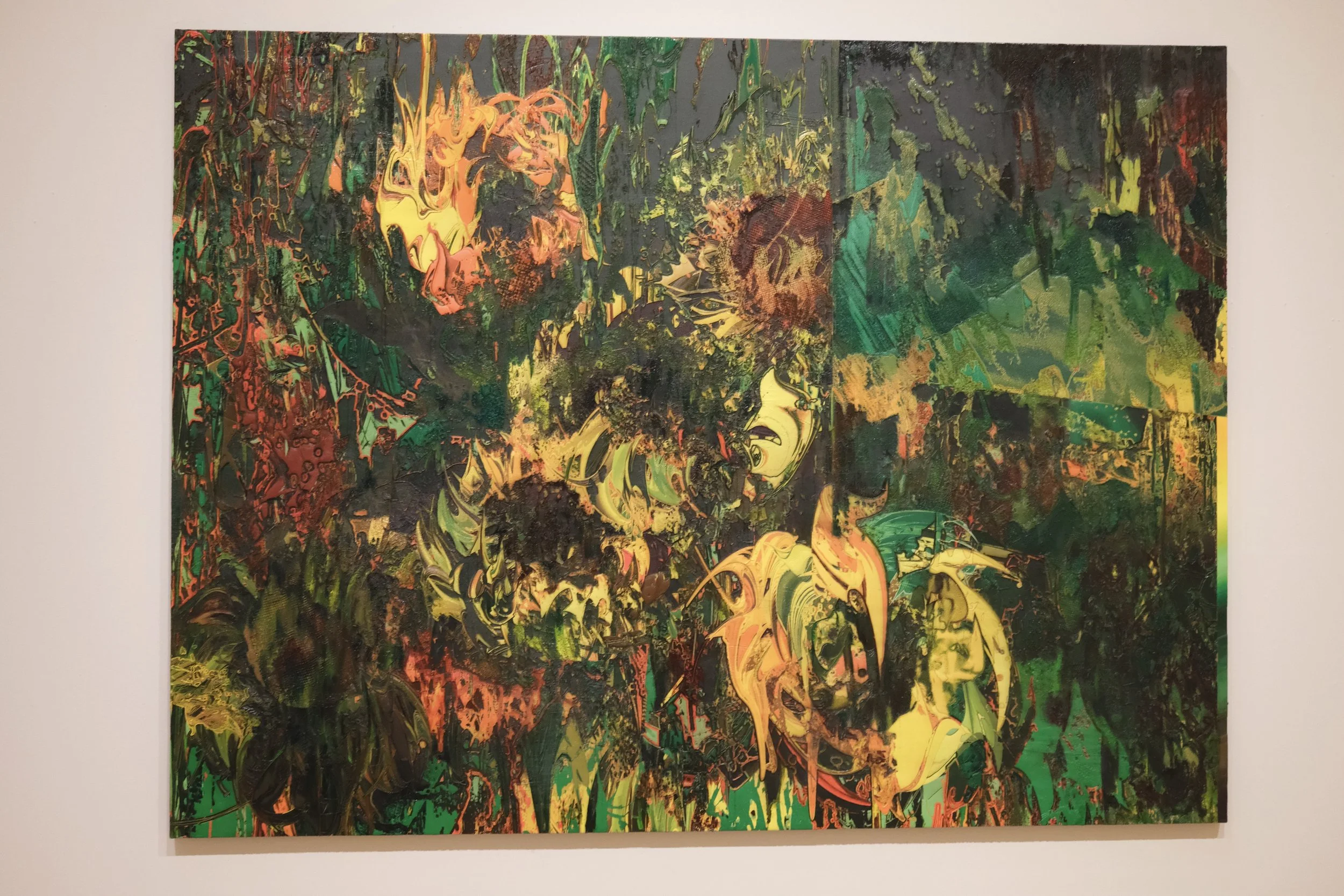
Artizon Museum, Tokyo
GINZA TSUTAYA BOOKS
May 18 - June 5th, 2024
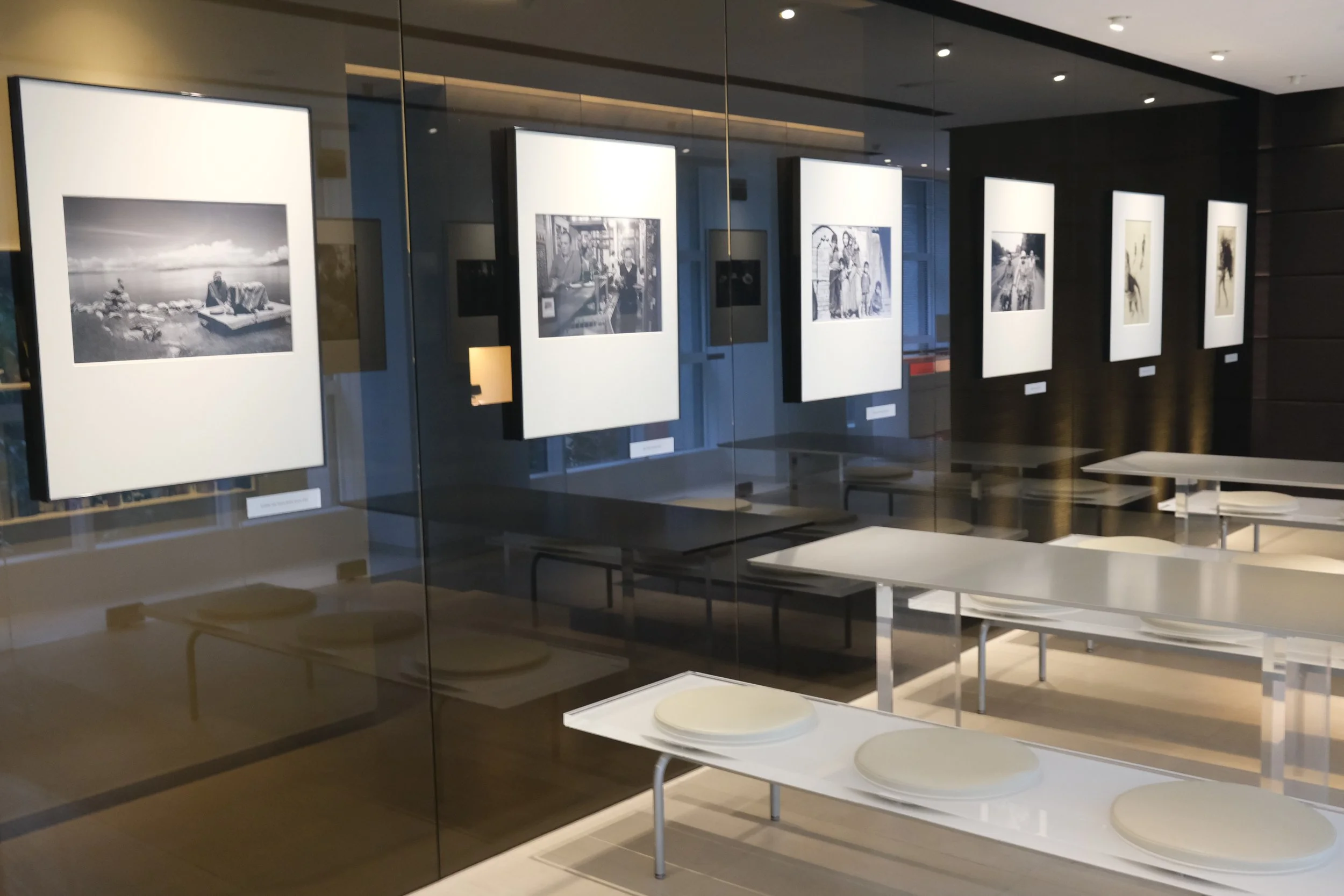
Leica Gallery Tokyo
5 April to 7 July 2024.
Ekphrasis page 128
One final concept from Greek antiquity that deserves some explanation here, even though it is not directly related to art theory, is ekphrasis (Exparis or descriptio in Latin) meaning an artful description. Ekphrasis was a standard part of the progymnasmata, the exercises given to students of rhetoric. Would-be orators had to describe a sculpture or painting as vividly and accurately as possible, so that the visual narrative they created would allow their audience to form a clear idea of the work. Theorists of rhetoric were quick to appreciate this ability to 'speak to the imagination'. Ekphrasis had a substantial impact on art in the Renaissance as it enabled the artists of the time to work in the opposite direction. Knowledge of antique art was limited in the fourteenth and early fifteenth centuries, not only outside Italy but within the birthplace of Renaissance art itself. Barely any trace had survived of paintings from antiquity; all that remained of Zeuxis and Apelles' masterpieces were the beautiful descriptions of Horace and Pliny, and so their texts, along with those of other authors, began to be used in an attempt to reconstruct antique art. The translation from image to word was thus reversed, as words were turned back into images. The so-called Calumny of Apelles - a description of an allegorical composition by the most famous Greek sculptor - is an example as striking as it is well known. The painting was described by Lucian and was drawn and painted by numerous Renaissance masters, including Botticelli, Mantegna, Raphael and Bruegel.