NEW HISTORY OF WESTERN ART

Science and technology laid claim to the image as a mechanism for visual registration, with the result that it was scientists at this juncture in history who oversaw the birth of new imaging techniques. Where Jan van Eyck (if Vasari is to be believed) had experimented with alchemy and distillation' to improve the binding and drying of oil paint, the key inventions in the nineteenth century were mechanical and chemical applications developed in the laboratory. Visual images were still the indispensable key to intellectual development they had been in the mind of Leonardo, but now it was no longer necessarily the artist who would shape those images. The academic artists of the eighteenth and nineteenth centuries had been swayed by the ancient idea of ut pictura poesis, becoming caught up in the notion that visual art is fundamentally linguistic and narrative in character and hence, like language, can and must be encoded in clear grammar. Painting (and to a lesser extent sculpture), which still held out the promise in the Renaissance of becoming a vital link in the epistemological chain, was now reduced to the same status as literature - not even poetry - with the emphasis on the narrative component. History painting, in other words.

It ought not to be a surprise, therefore, that it was poets and novelists such as Charles Baudelaire (1821-67) and Émile Zola (1840-1902) who became fervent champions of the visual arts from the mid-nineteenth century, as we saw in a previous chapter. They stressed the role of imagination and emotion in the artistic interpretation of the world - something that was too important for mechanical photography, which was still in its infancy at the time. In a famous passage from 'Le moment artistique' (L'Événement, 1866), Zola argued, in what would become an important dictum for the twentieth century, that what art can add to reality is humanity.

PHOTOGRAPHY: THE ULTIMATE MARRIAGE OF ART AND SCIENCE

Chapter 3 ART(S) AND SCIENCE 253 

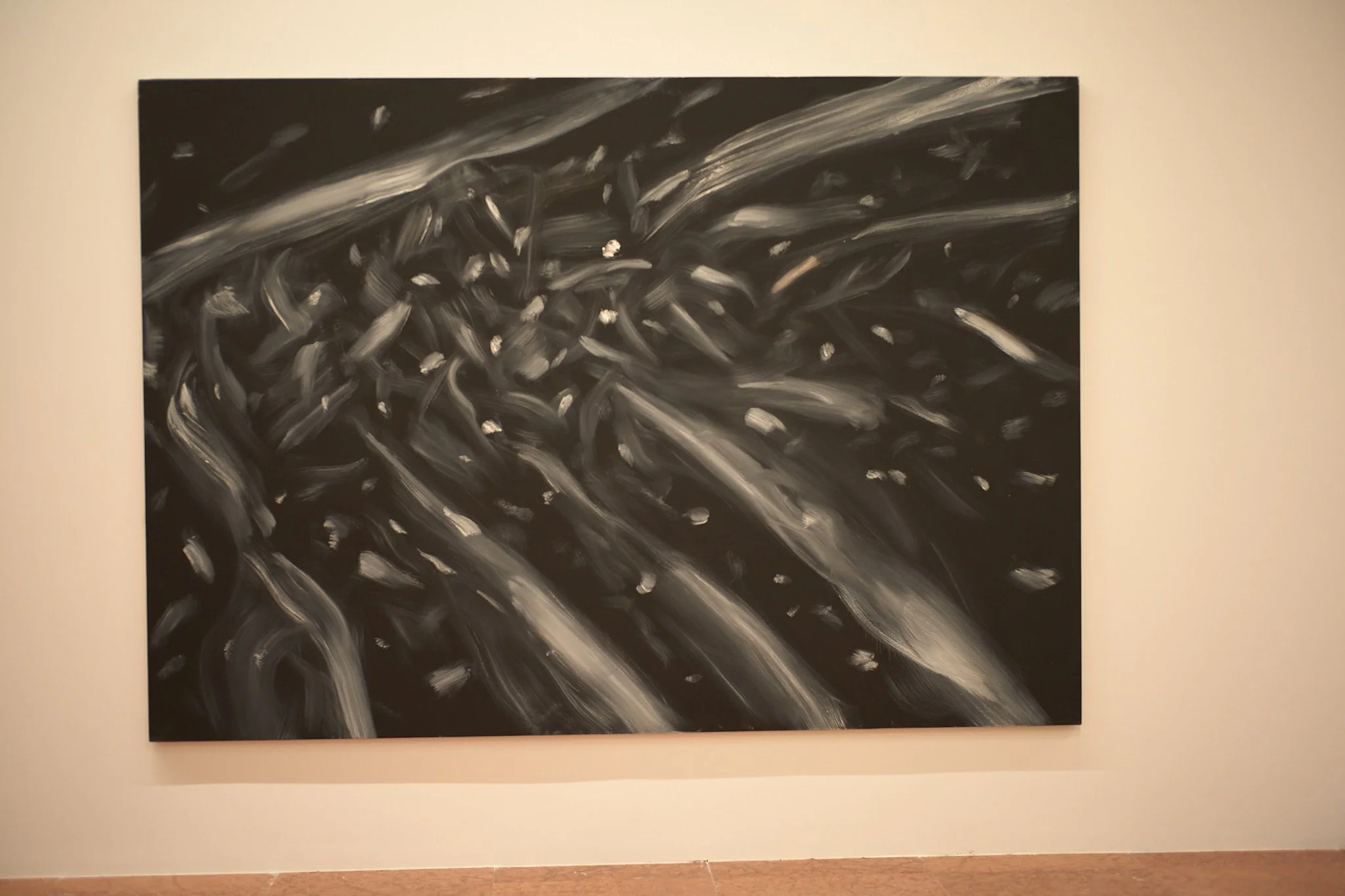
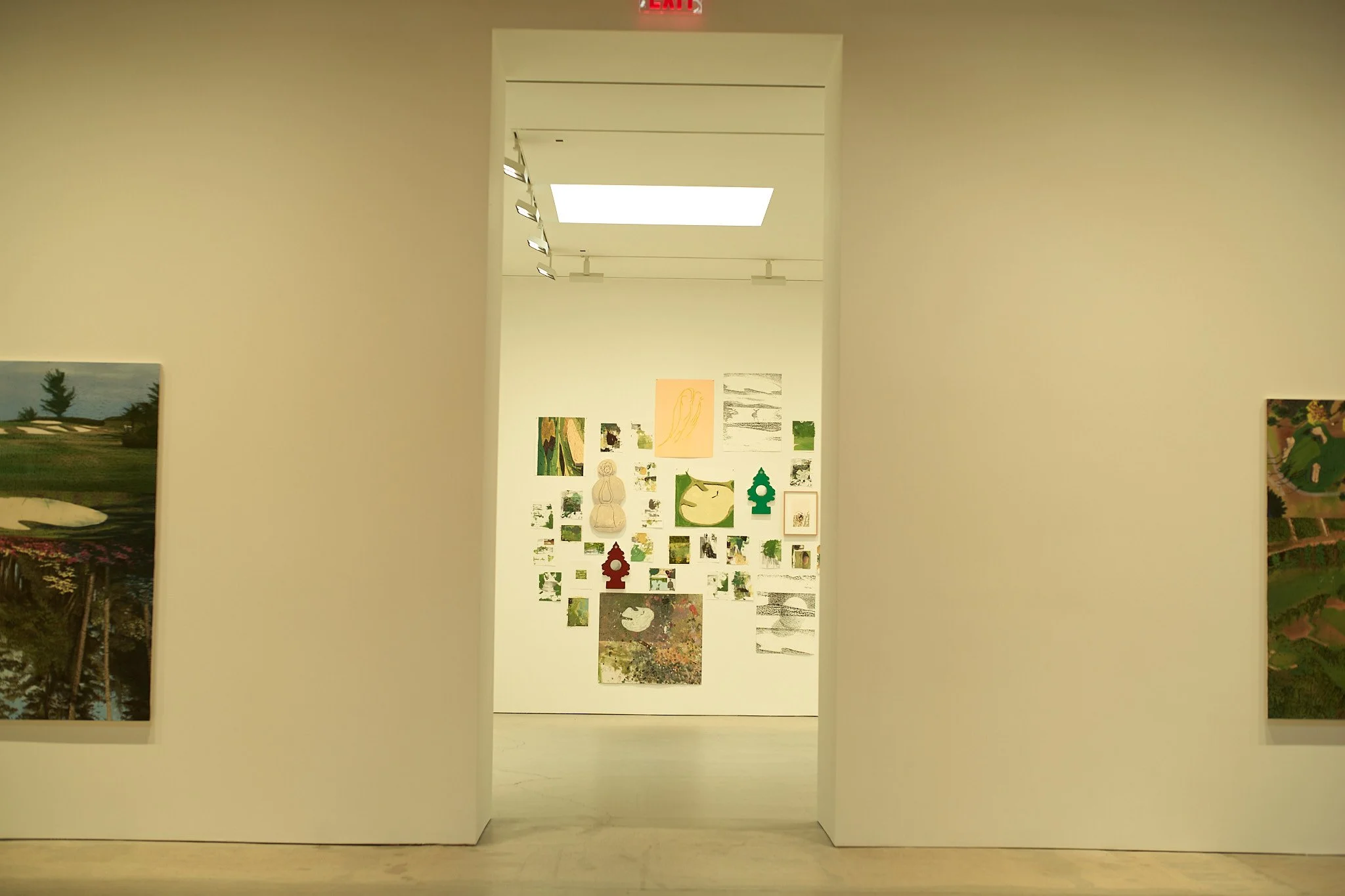
Alex Katz: Claire, Grass and Water

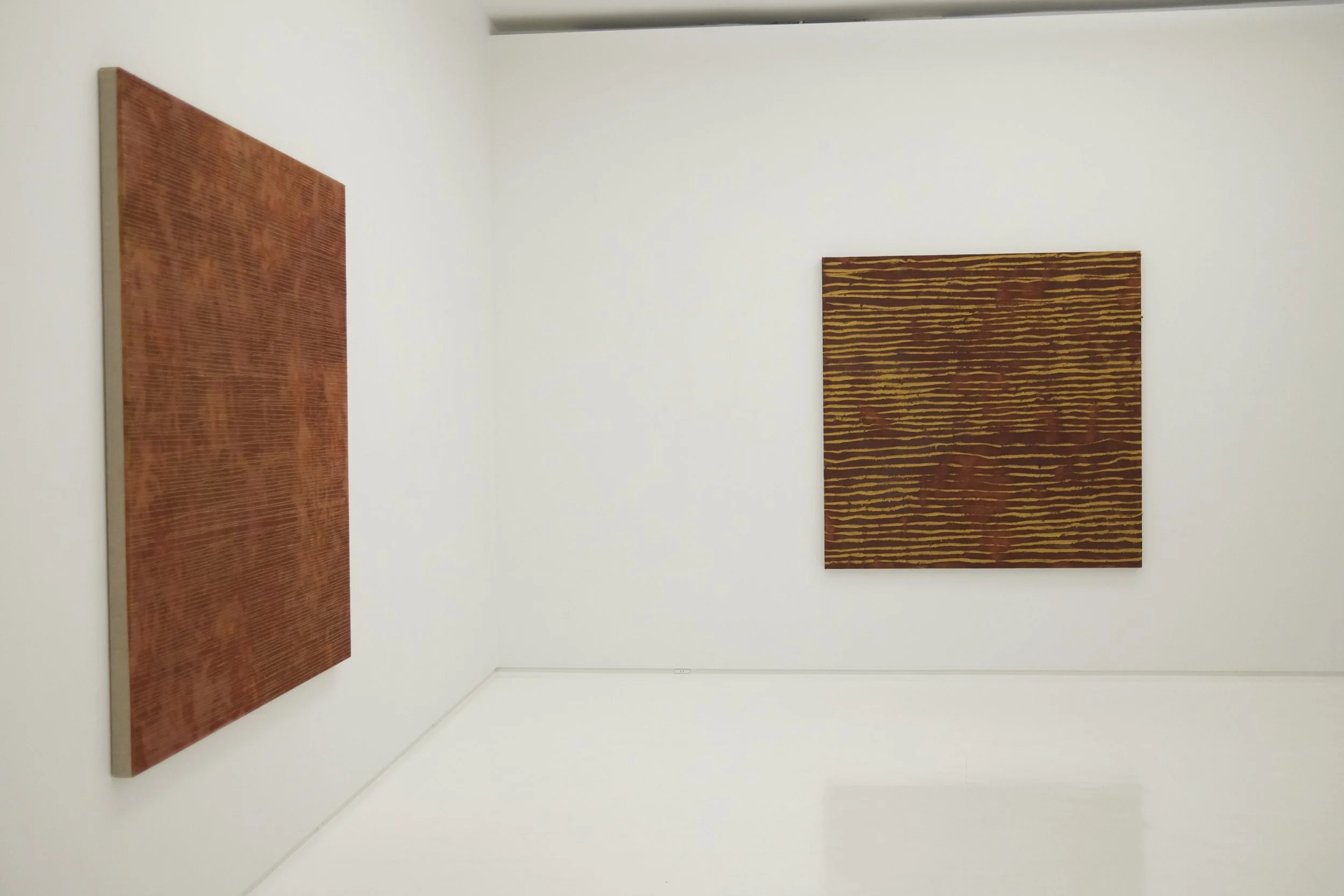
Yoriko TAKABATAKE LINE(N)

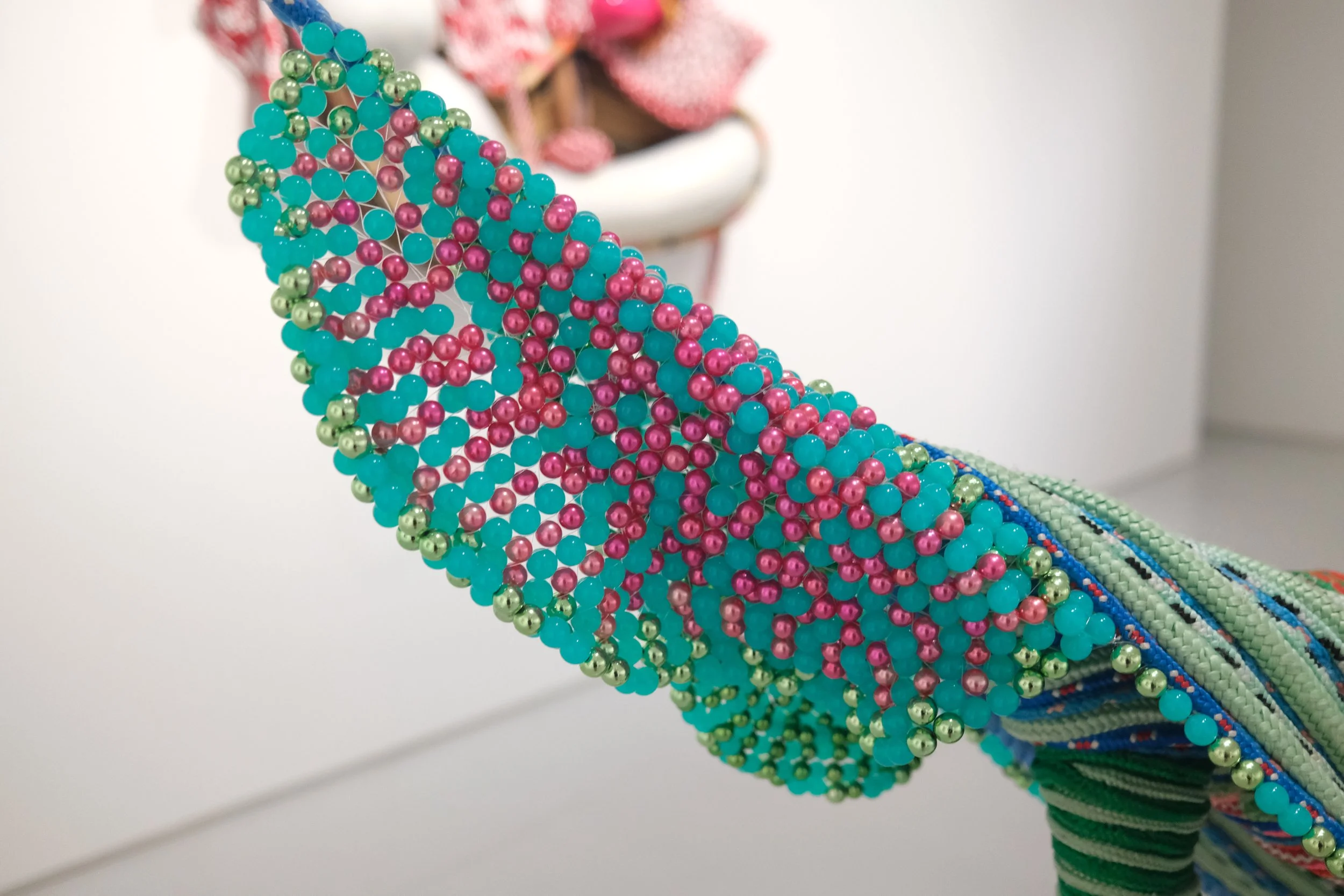
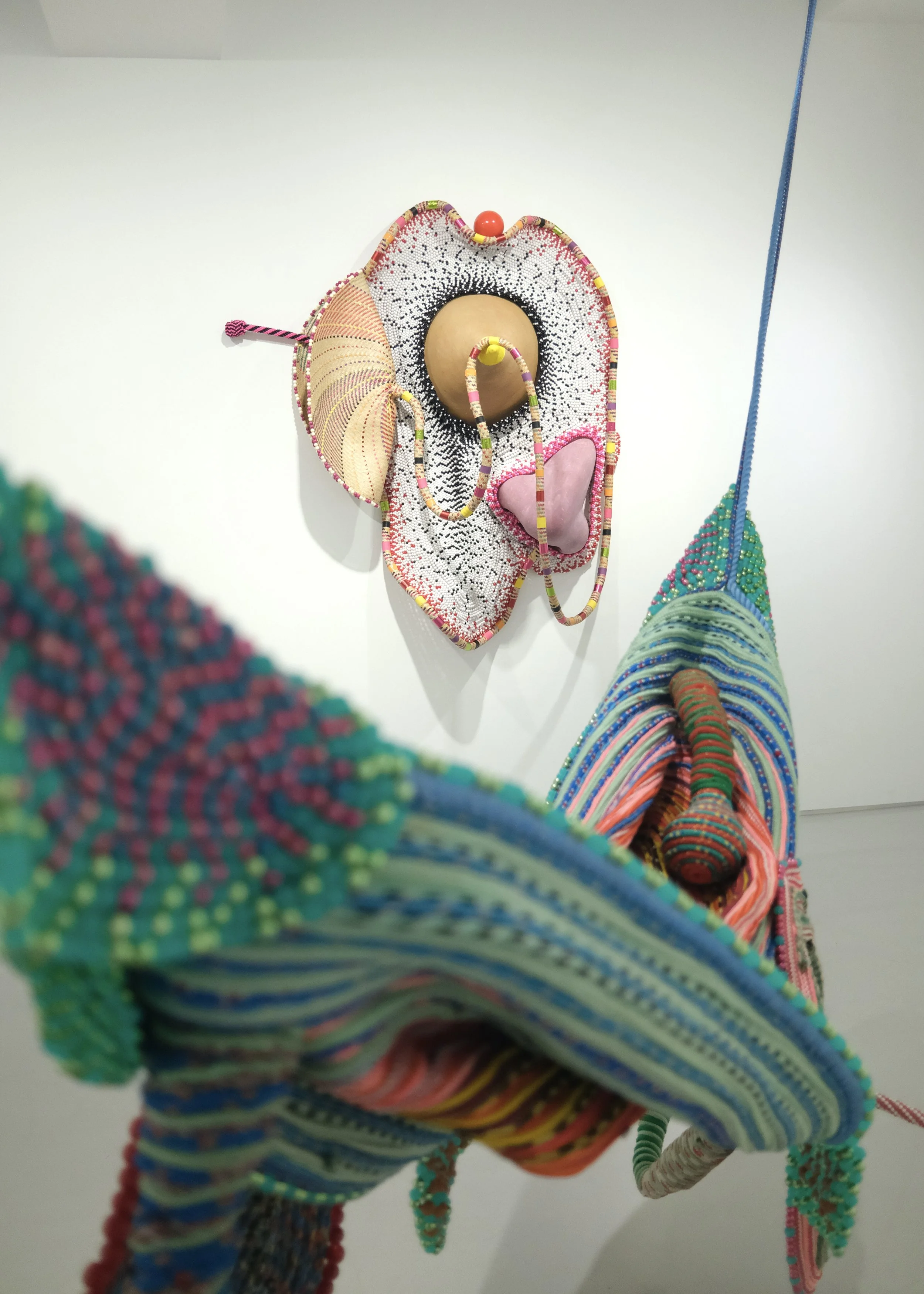
Maria Nepomuceno: Nasci de uma flor

Mario García Torres “La Paradoja del Esfuerzo”

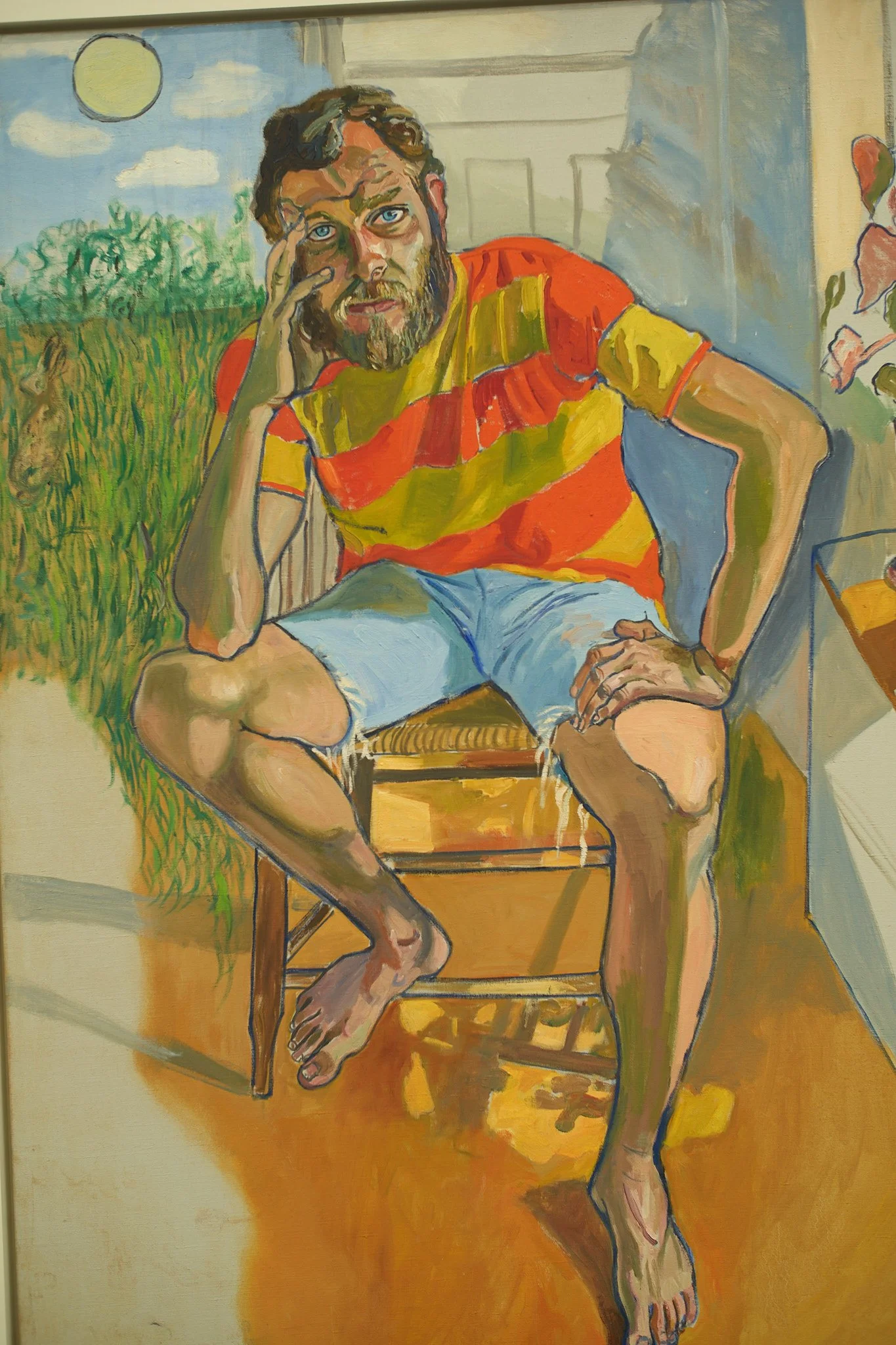
At Home: Alice Neel in the Queer World

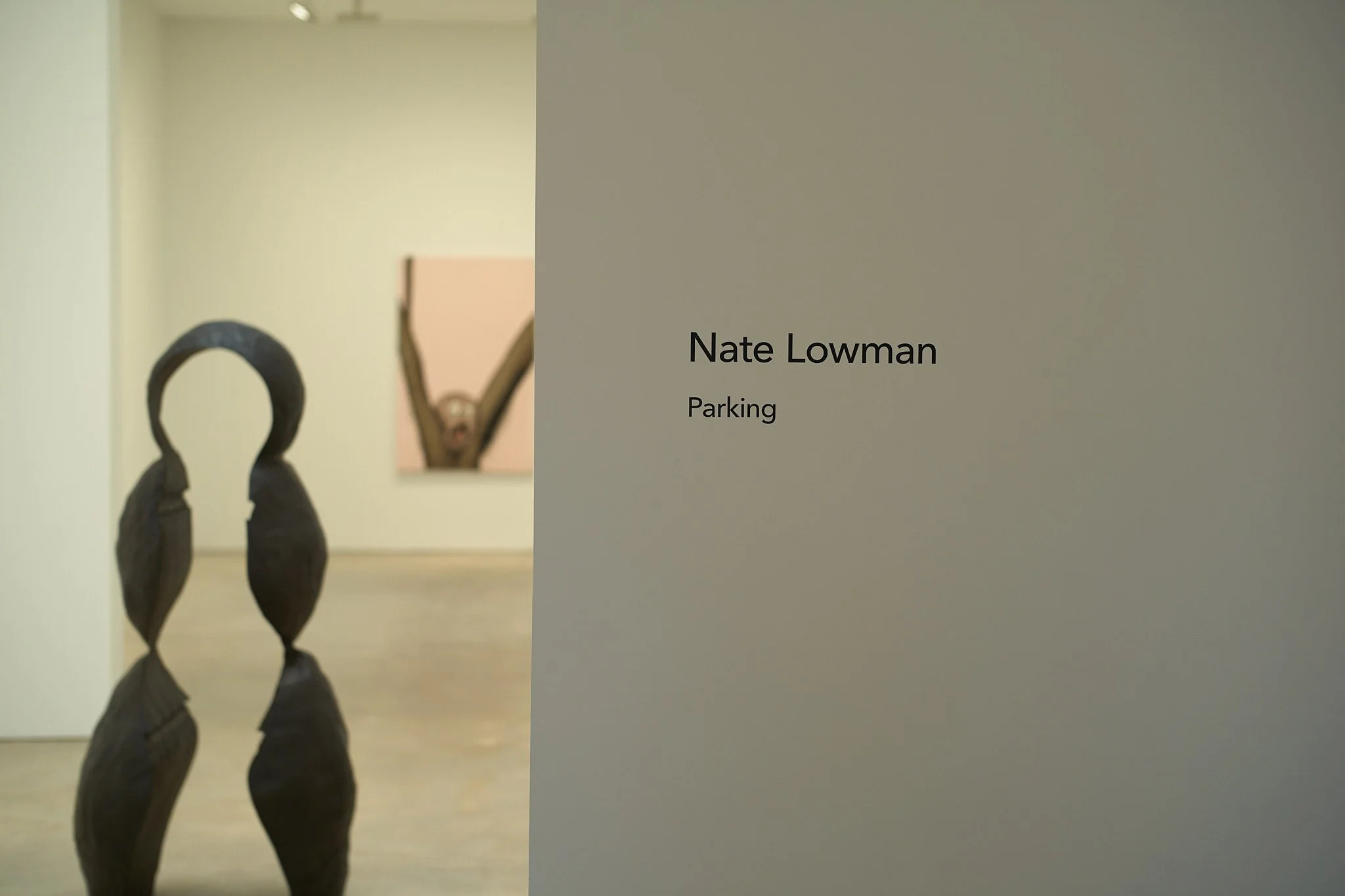
Nate Lowman: Parking

Titus Kaphar - Exhibiting Forgiveness

FIRELEI BÁEZ - The Fact That It Amazes Me Does Not Mean I Relinquish It

Torkwase Dyson - Here

Conversations with Cezanne

Here is the way Cézanne's palette was prepared when I met him in Aix:

Yellows

Brilliant yellow

Viridian (Veronese green)

Naples yellow

Greens

Emerald green

Yellows

Chrome yellow

Green earth

Yellow ochre

Raw sienna

Vermillion

Blues

Indian red (red earth)

Cobalt blue

Ultramarine blue

Prussian blue

Peach black

Burnt sienna

Reds

Madder lake

Carmine lake

Burnt crimson lake

EMILE BERNARD

page 72 -

Documents of Twentieth-Century Art

Conversations with Cézanne

Michael Scott Doran, Julie Lawrence Cochran (Translator), Richard Shiff (Introduction)

Conversations with Cezanne

He claims that this method of working, which is his alone, is the only correct one, the only one leading to a serious result. He mercilessly condemns all preference for simplification which does not pass through submission to nature by means of a meditative and progressive analysis. If a painter is easily satisfied, it is because, according to Paul Cézanne, his vision is mediocre, his temperament practically worthless.

Leonardo da Vinci put forth a similar idea in his treatise on painting when he said, "The painter who has no doubts will profit little from his studies. When a work of art surpasses the judgment of the creator, he who works advances little; but when his judgment rules his works, those works become more and more perfect if inconsistency does not interfere." The artist will arrive at self-knowledge and the perfection of his art not through patience, therefore, but through love that gives insight and the desire to analyze in greater depth and to improve. He must extract from Nature an image which will be, properly speaking, his own; and only through analysis, if he has the strength to press it to the end, will he make himself known ultimately, unambiguously, abstractly.

page 37 -

Documents of Twentieth-Century Art

Conversations with Cézanne

Michael Scott Doran, Julie Lawrence Cochran (Translator), Richard Shiff (Introduction)

Conversations with Cezanne

At the beginning of the twentieth century, Denis (like many others) observed that artists of his own age were being dehumanized by the leveling effects of modern urban life mechanization, commodification, standardization, social regulation-all leading to impoverishment of both intellectual and spiritual experience. He argued that the remedy could be found in an "abstract ideal, the expression of inner [mental] life or a simple decoration for the pleasure of the eyes." Under the circumstances, the representational arts would strive to mask out dull environmental realities, "evolving toward abstraction." However much this kind of "abstraction" might appeal to the intellect and imagination (subjective "inner life"), it would retain a distinct material component, located in a purified form and a straightforward procedure (the objective "beauty" of "a simple decoration"). Cézanne was exemplary because his marks appeared independent of any strict mimetic function and were also very physical, therefore representing a material (not conceptual) abstraction of the painting process. This was an aestheticized, humanized materialism, intense in both sensation and spirit; it seemed fit to counter the anesthetizing materialism of modern bourgeois existence.

page 31 -

Documents of Twentieth-Century Art

Conversations with Cézanne

Michael Scott Doran, Julie Lawrence Cochran (Translator), Richard Shiff (Introduction)

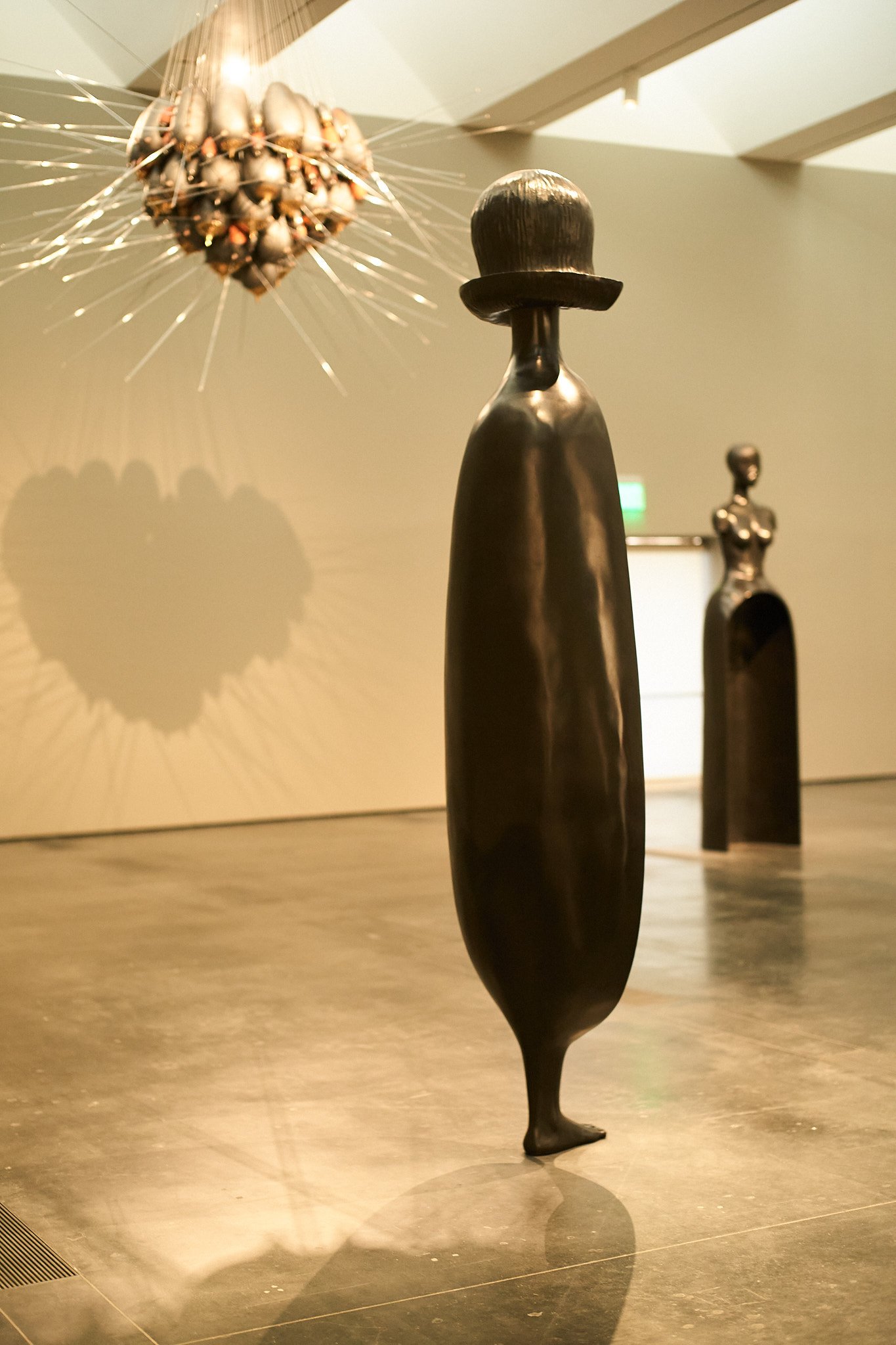
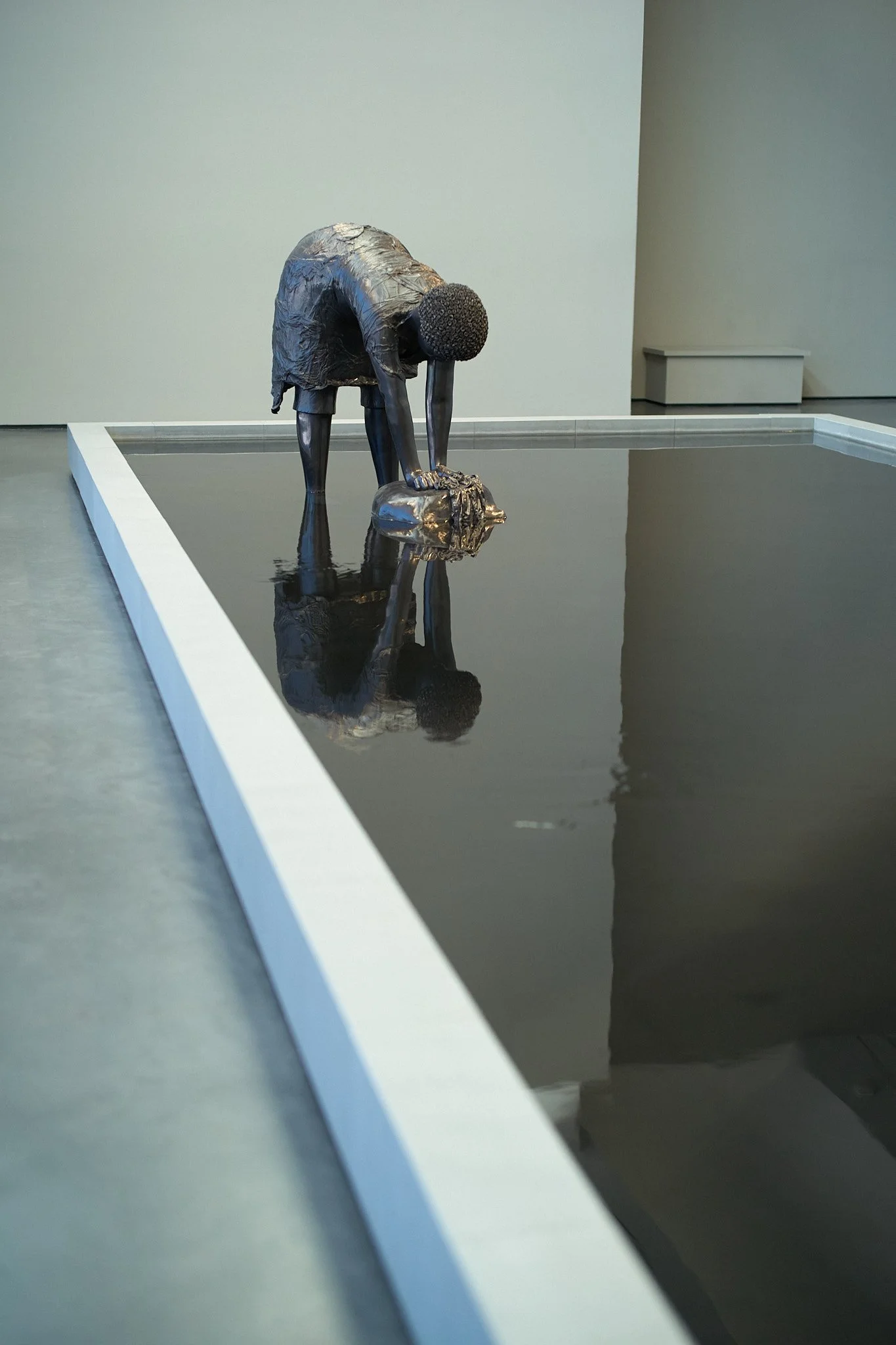
Simone Leigh

May 26, 2024–Jan 20, 2025

LACMA, Los Angeles

Daniel Pešta - Venezia 2024

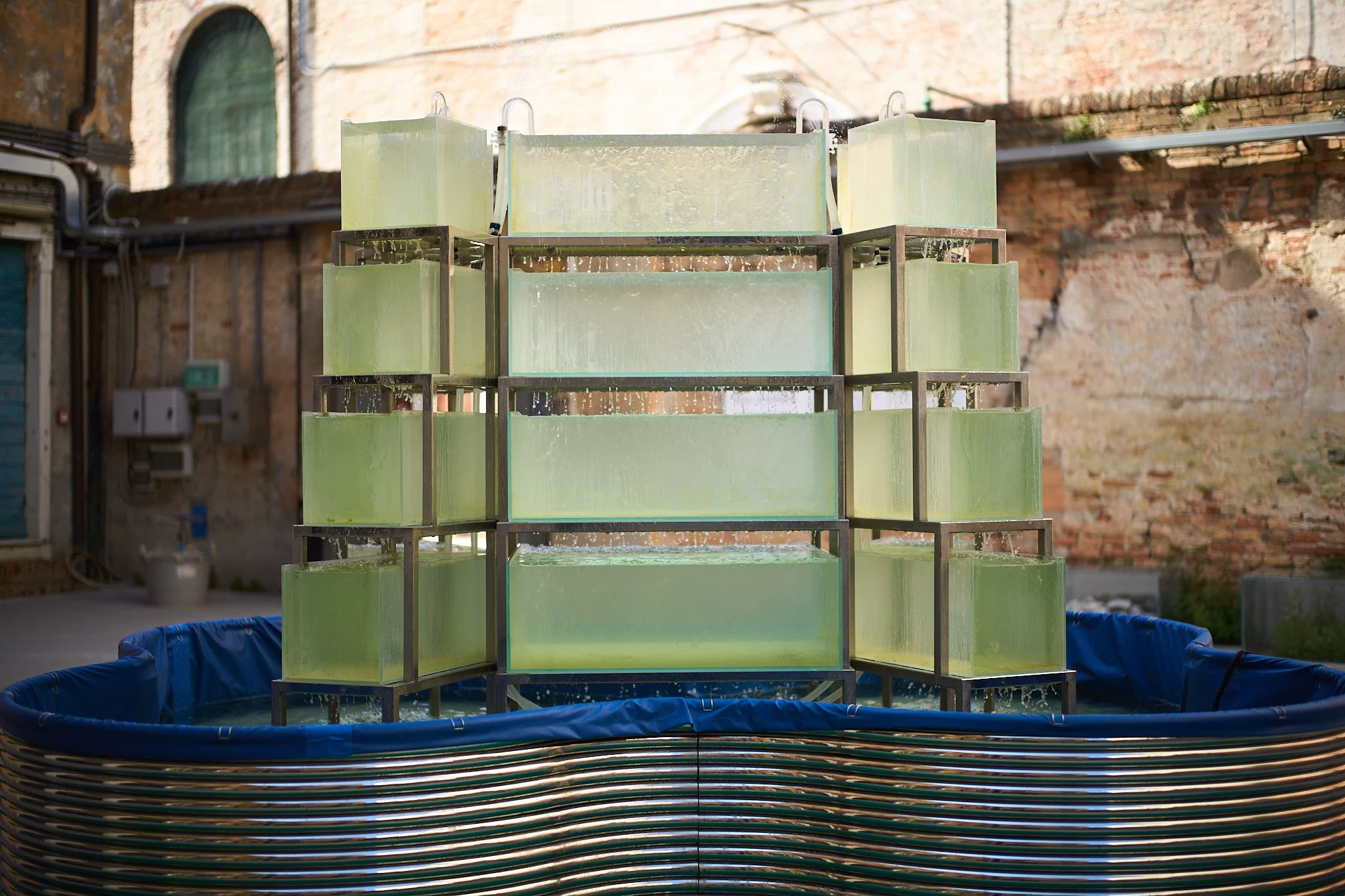
Venezia Biennale Arte - Trevor Yeung, Hong Kong

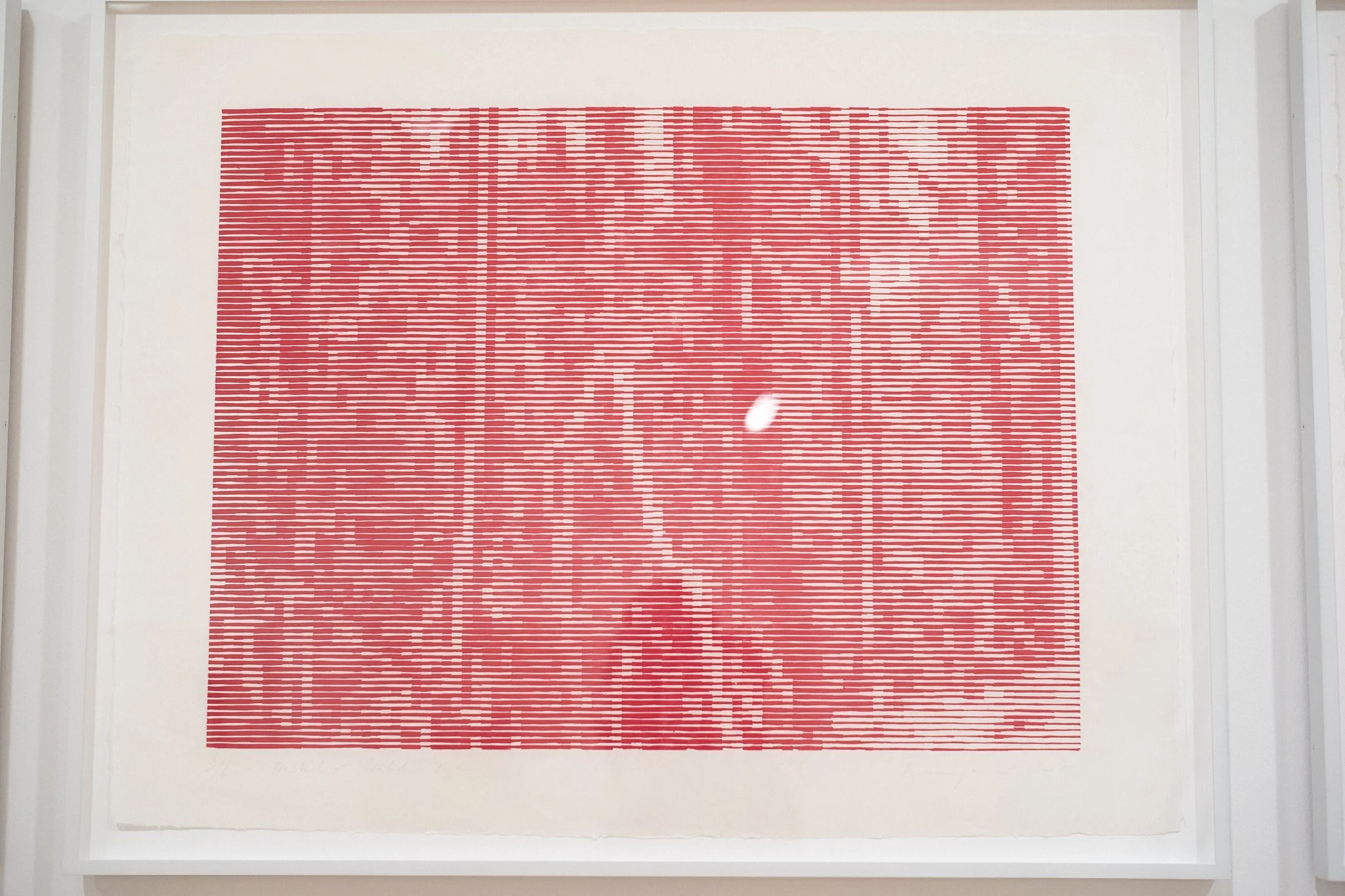
Sum of the Parts: Serial Imagery in Printmaking, 1500 to Now

Esthella Provas

Jacqueline Surdell

Conversations with Cezanne

When Lecomte evaluated Cézanne so intelligently in 1899, "abstraction" had not yet settled into its twentieth-century, formalist definition. Nor had images called "abstract" abandoned representational reference, as they would begin to do not long after Cézanne's passing. The meaning of

"abstraction," circa 1900, was fluid and confused, an amalgam of contested notions. Regardless of anything Cézanne said, it was his technique that caused many of his witnesses to link the autonomy of his form and the purity of its beauty to a process of abstraction. This turn in interpretation entailed a certain irony: "form" and "beauty" were conceptual entities suited to endless verbal philosophizing, precisely what Cézanne disliked in Bernard among others. To reconcile abstraction, itself an "abstract" notion with the very physical nature of Cézanne's painting, most of those familiar with him claimed that his abstraction developed from the senses, not the intellect—more intuitive harmony than science of color, more spontaneous rhythm than planned geometry. This variant of "abstraction" broke from the term's nineteenth-century connotation of intellectual excess (we still say that certain arguments are "too abstract," or that a mentally distracted person has an "abstract" look). Lecomte's perception that Cézanne's style satisfied antithetical demands coming from impressionist naturalism and symbolist idealism was ingenious and should have been adequate to the situation; but other commentators began to acknowledge somewhat different alignments, cognizant of competing notions of "abstraction." For Denis, the conflict between Monet's impressionism and Gauguin's symbolism amounted to a dispute between sensualist lovers of nature and rationalist devotees of abstract form. Reacting to attitudes that troubled him in others, Denis complicated matters by switching sides in the ongoing debate. First he praised, then he denigrated abstraction, lamenting Cézanne's inadvertent role in furthering it.

     Why all this happened is crucial to the historical fortune of Cézanne's art. At the beginning of the twentieth century, Denis (like many others) observed that artists of his own age were being dehumanized by the leveling effects of modern urban life-mechanization, commodification, standardization, social regulation—all leading to impoverishment of both intellectual and spiritual experience. He argued that the remedy could be found in an "abstract ideal, the expression of inner [mental] life or a simple decoration for the pleasure of the eyes.", Under the circumstances, the representational arts would strive to mask out dull environmental realities, "evolving toward abstraction." However much this kind of "abstraction" might appeal to the intellect and imagination (subjective "inner life"), it would retain a distinct material component, located in a purified form and a straightforward procedure (the objective "beauty" of "a simple decoration"). Cézanne was exemplary because his marks appeared independent of any strict mimetic function and were also very physical, therefore representing a material (not conceptual) abstraction of the painting process. This was an aestheticized, humanized materialism, intense in both sensation and spirit; it seemed fit to counter the anesthetizing materialism of modern bourgeois existence.

page 30 -

Documents of Twentieth-Century Art

Conversations with Cézanne

Michael Scott Doran, Julie Lawrence Cochran (Translator), Richard Shiff (Introduction)