
May 10 – August 7, 2025
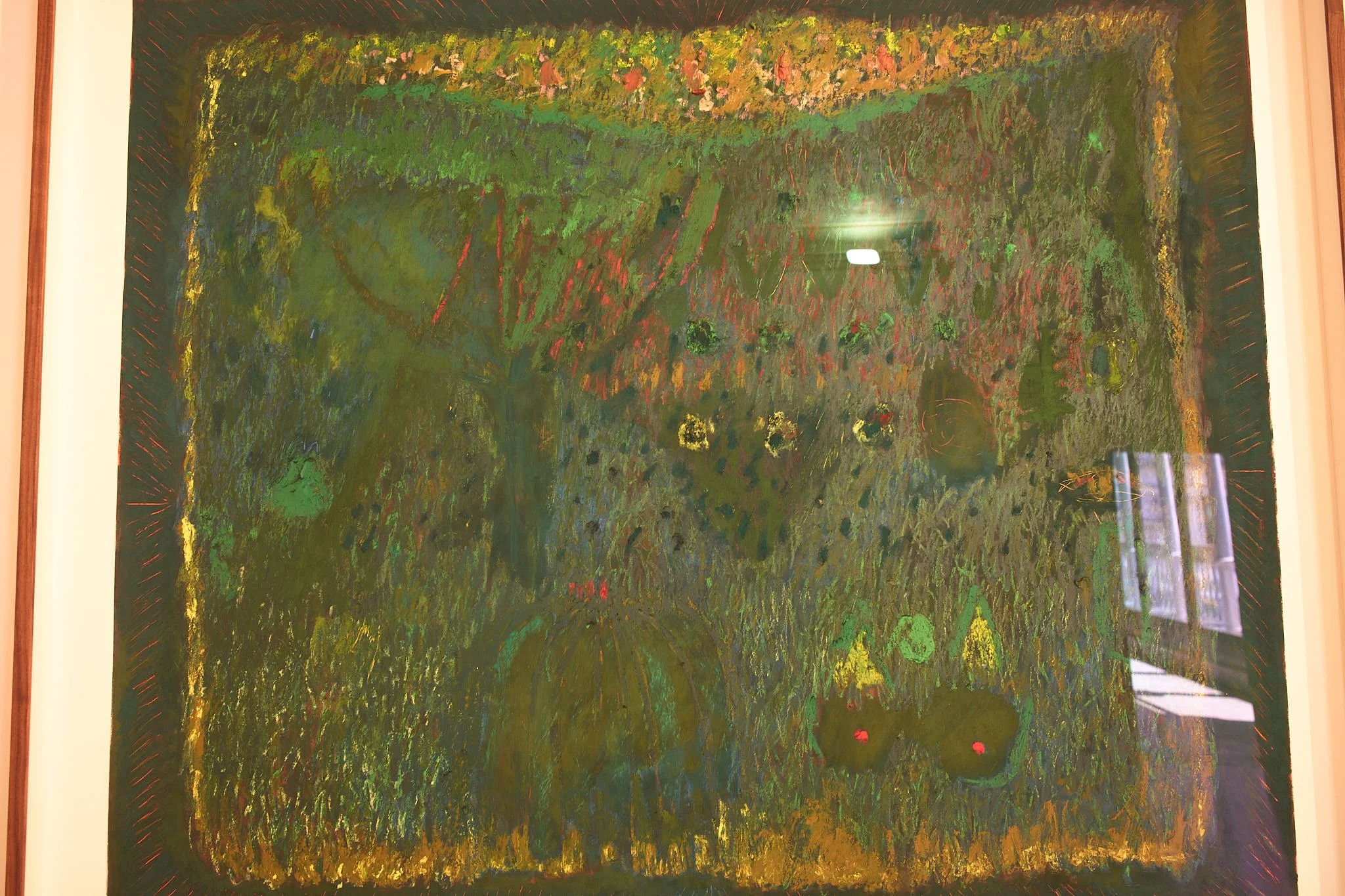
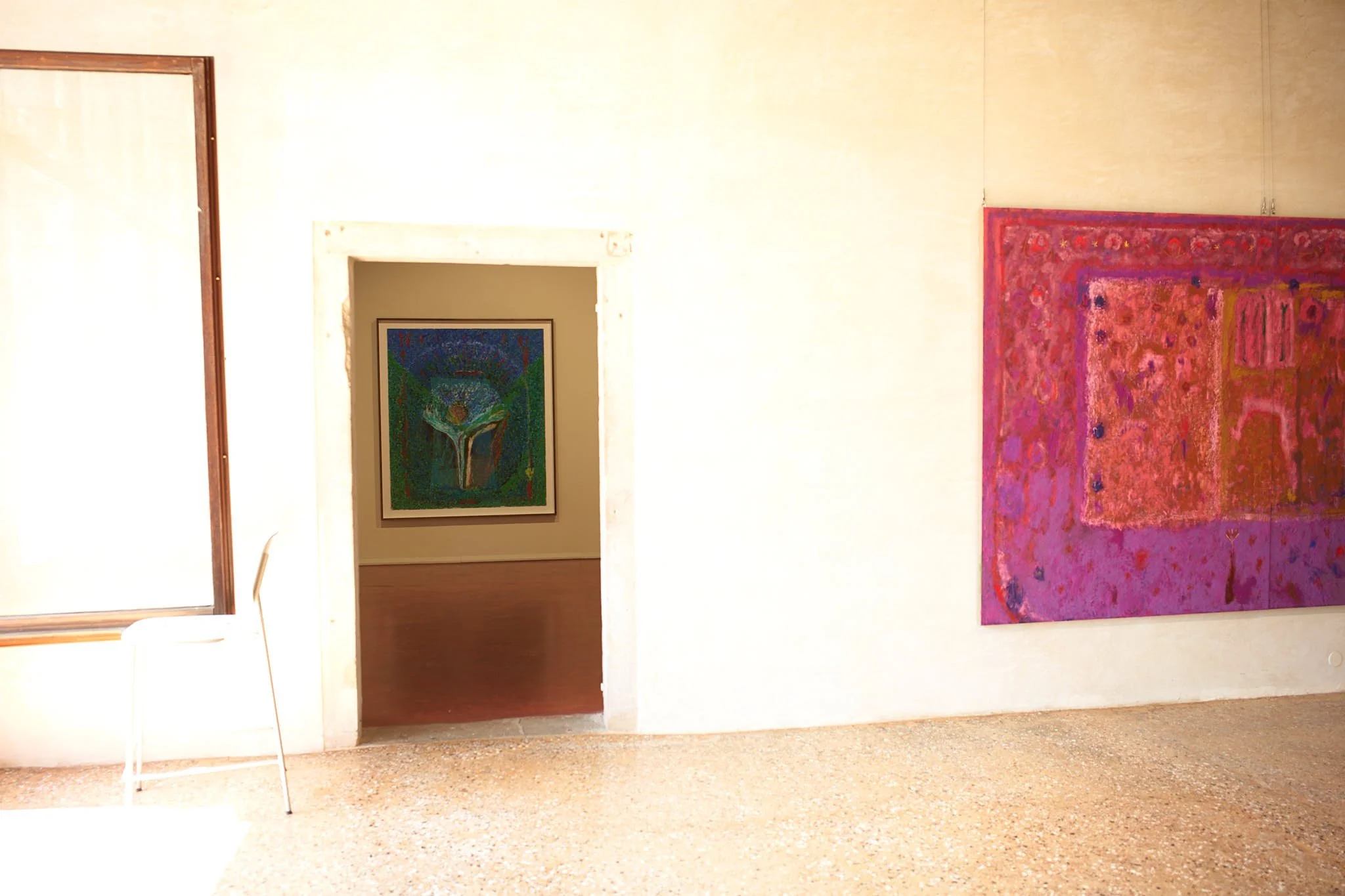
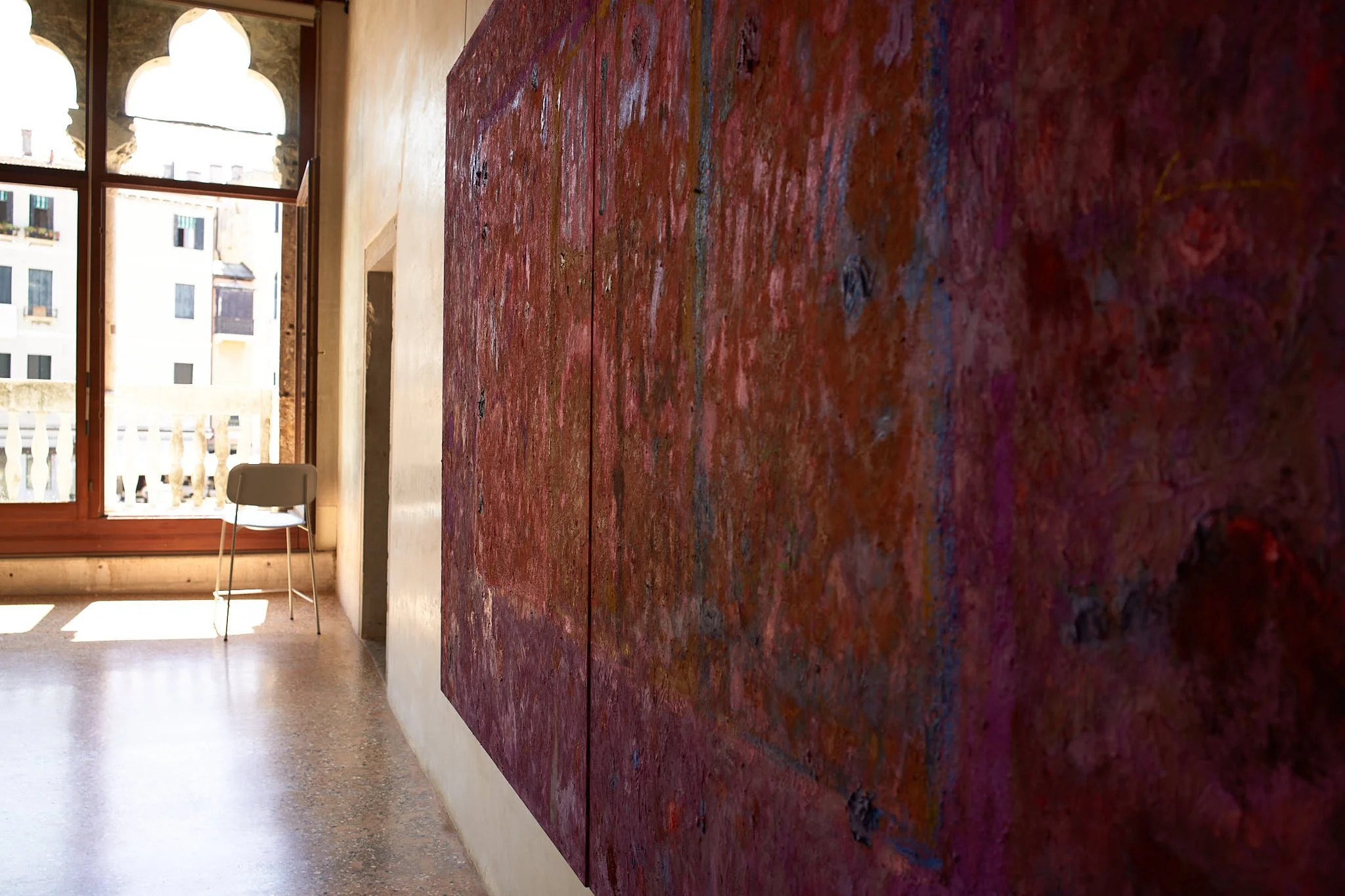
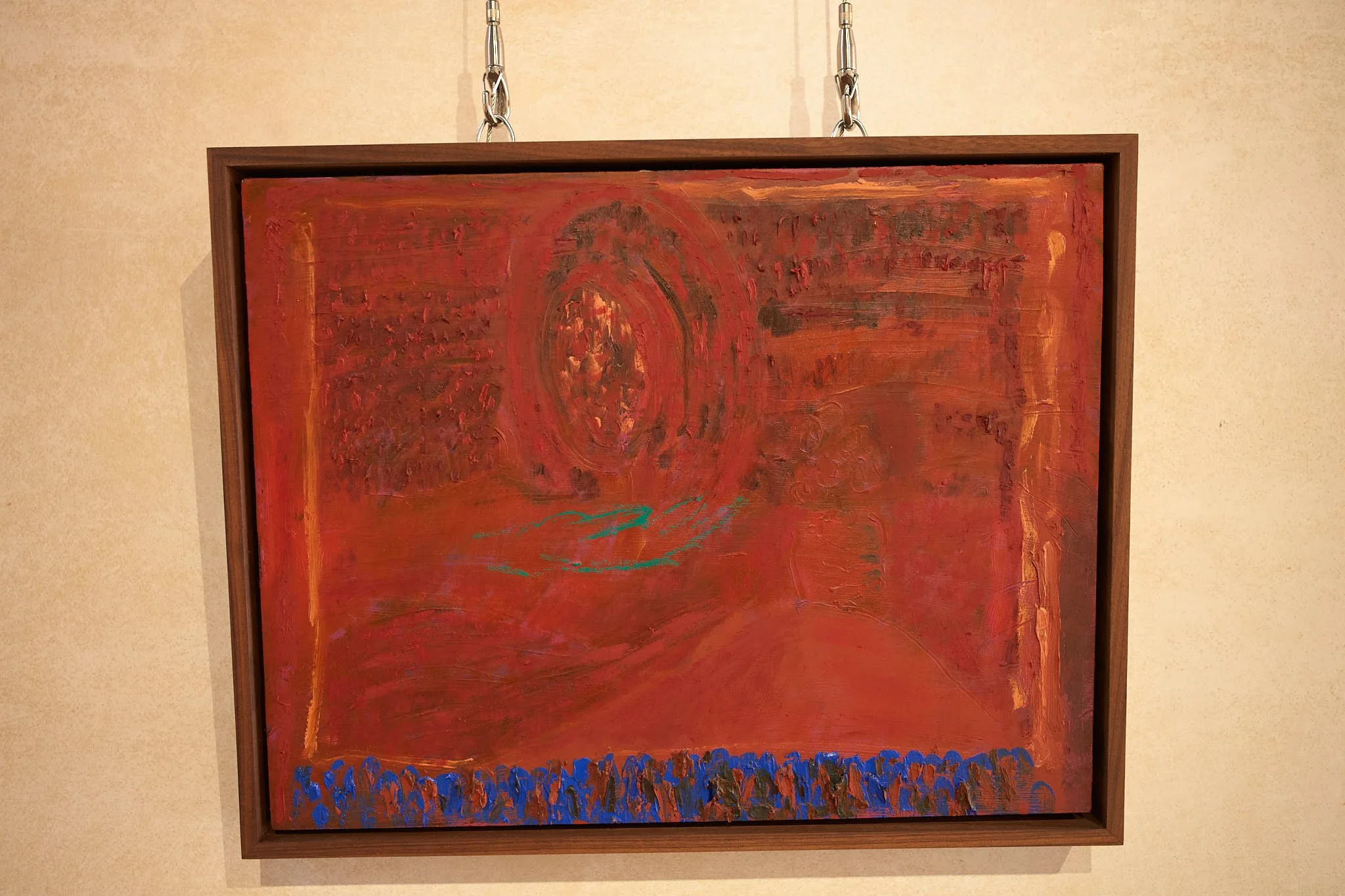
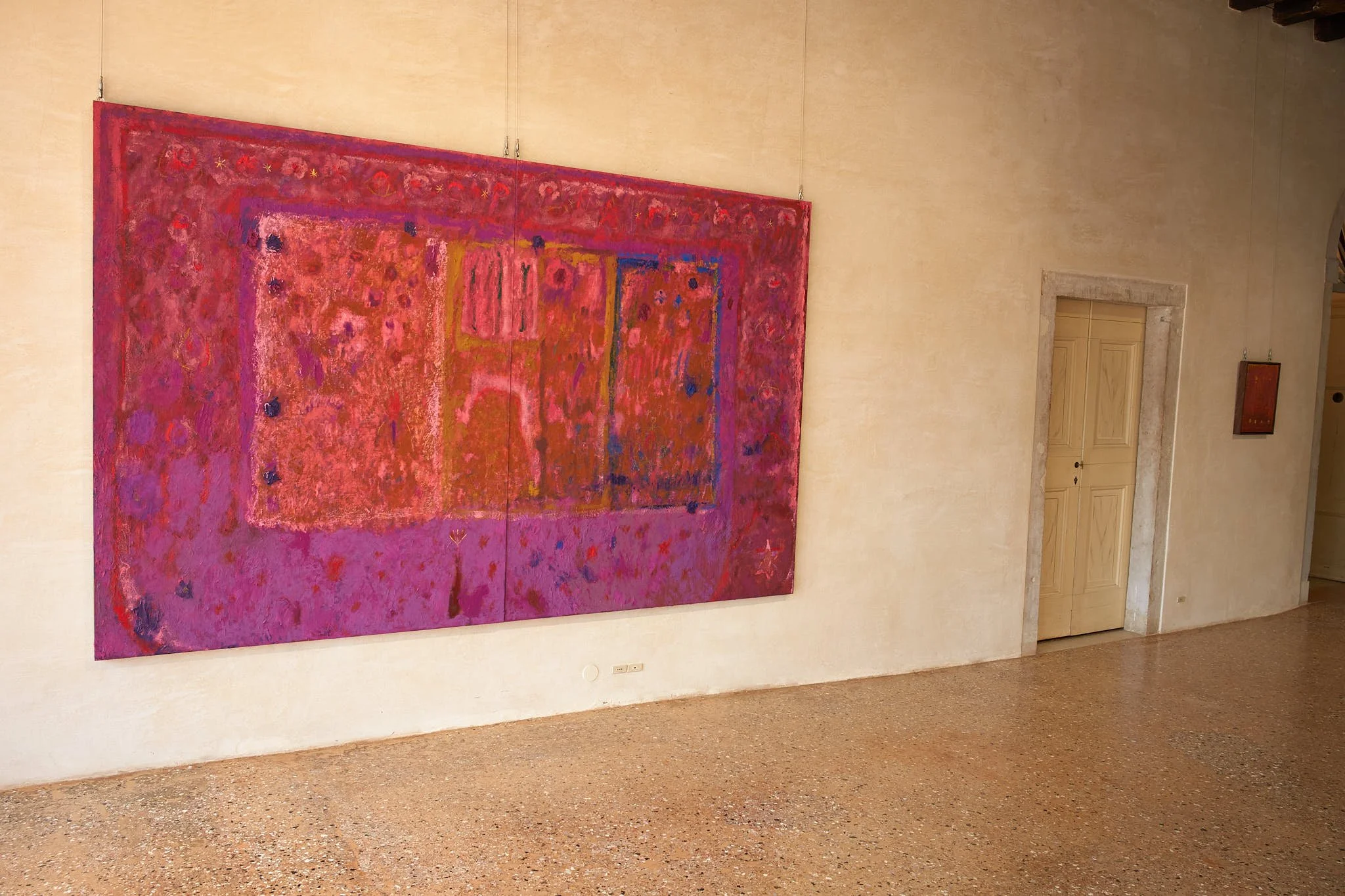
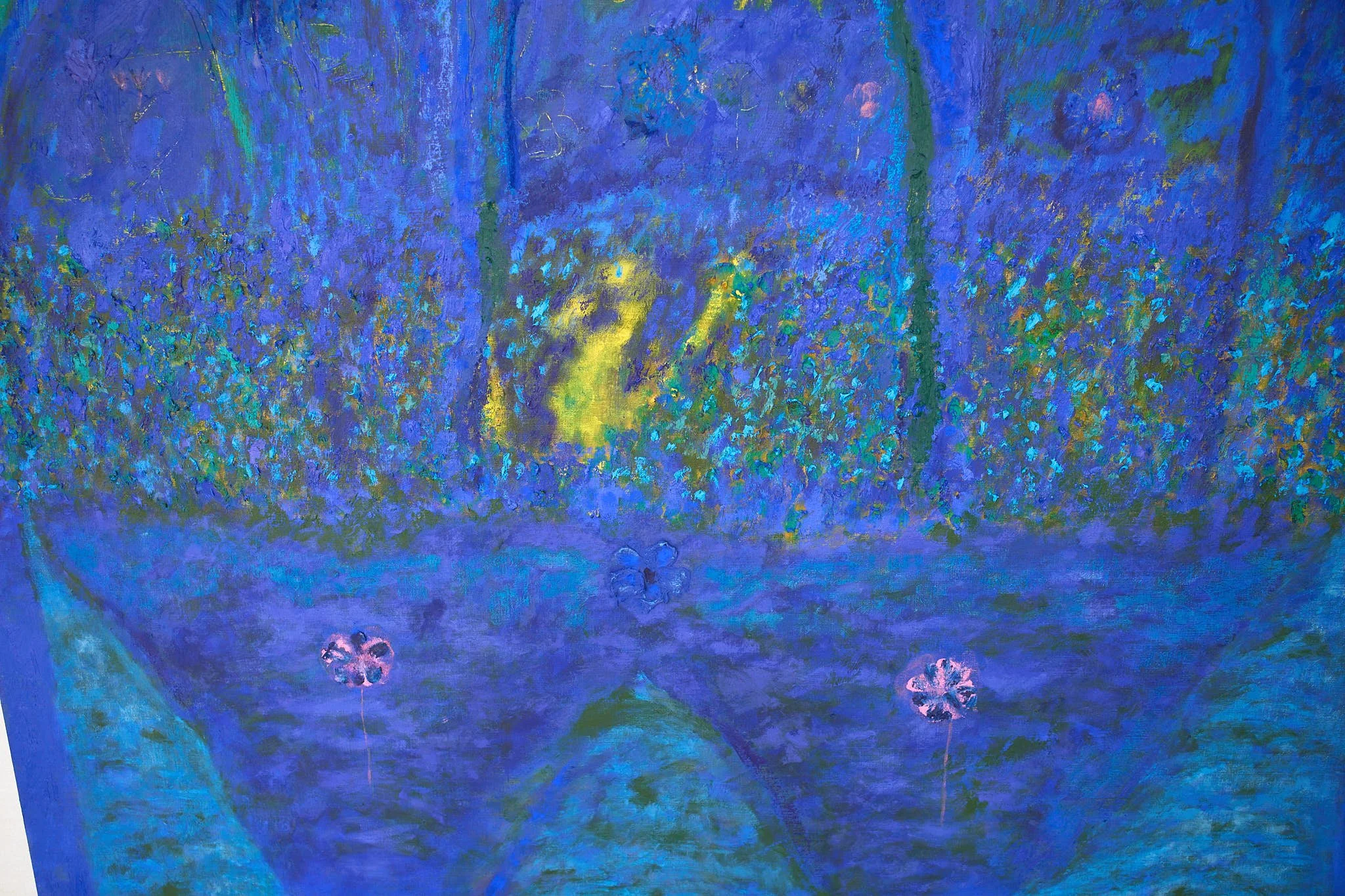
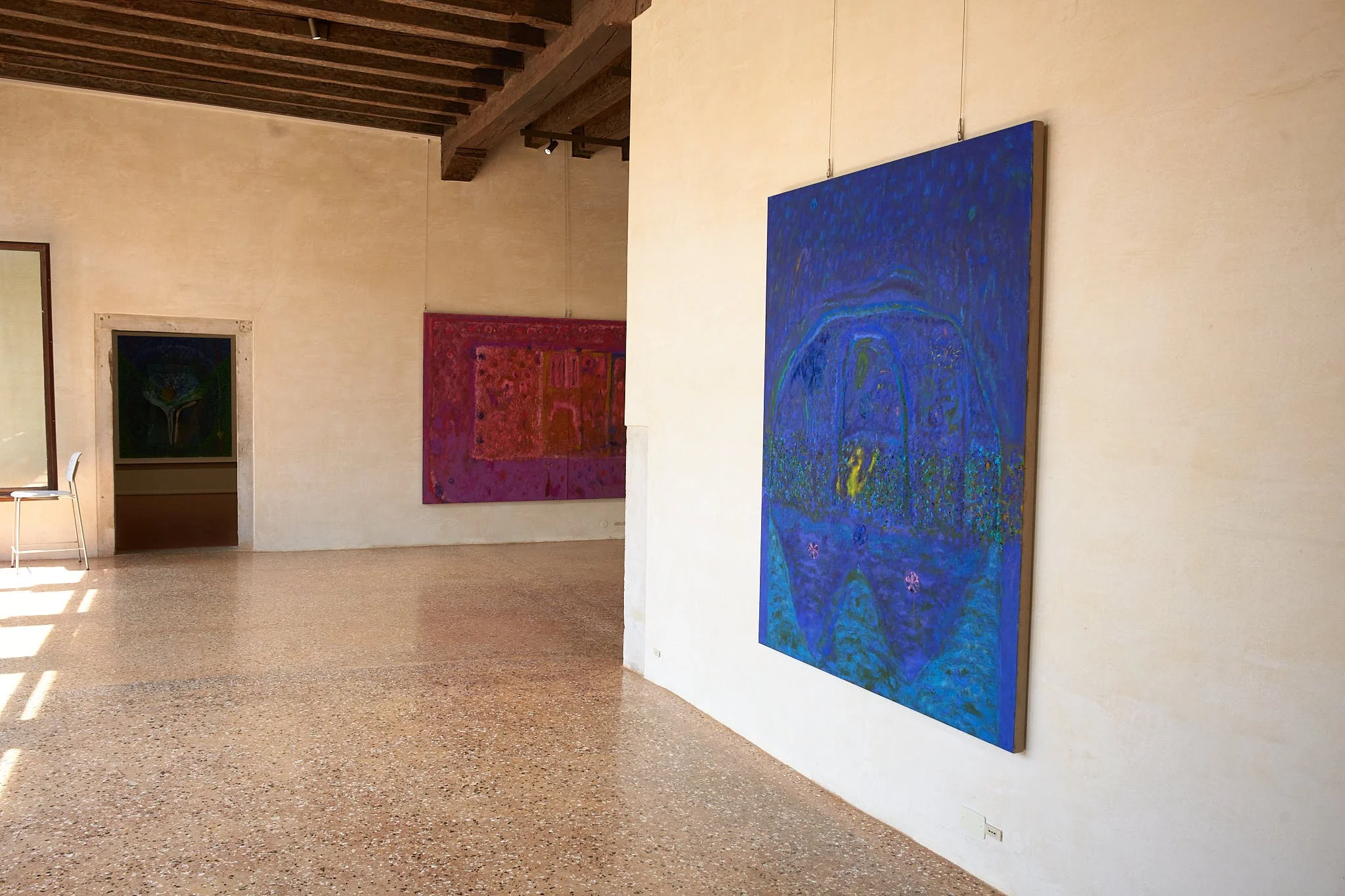
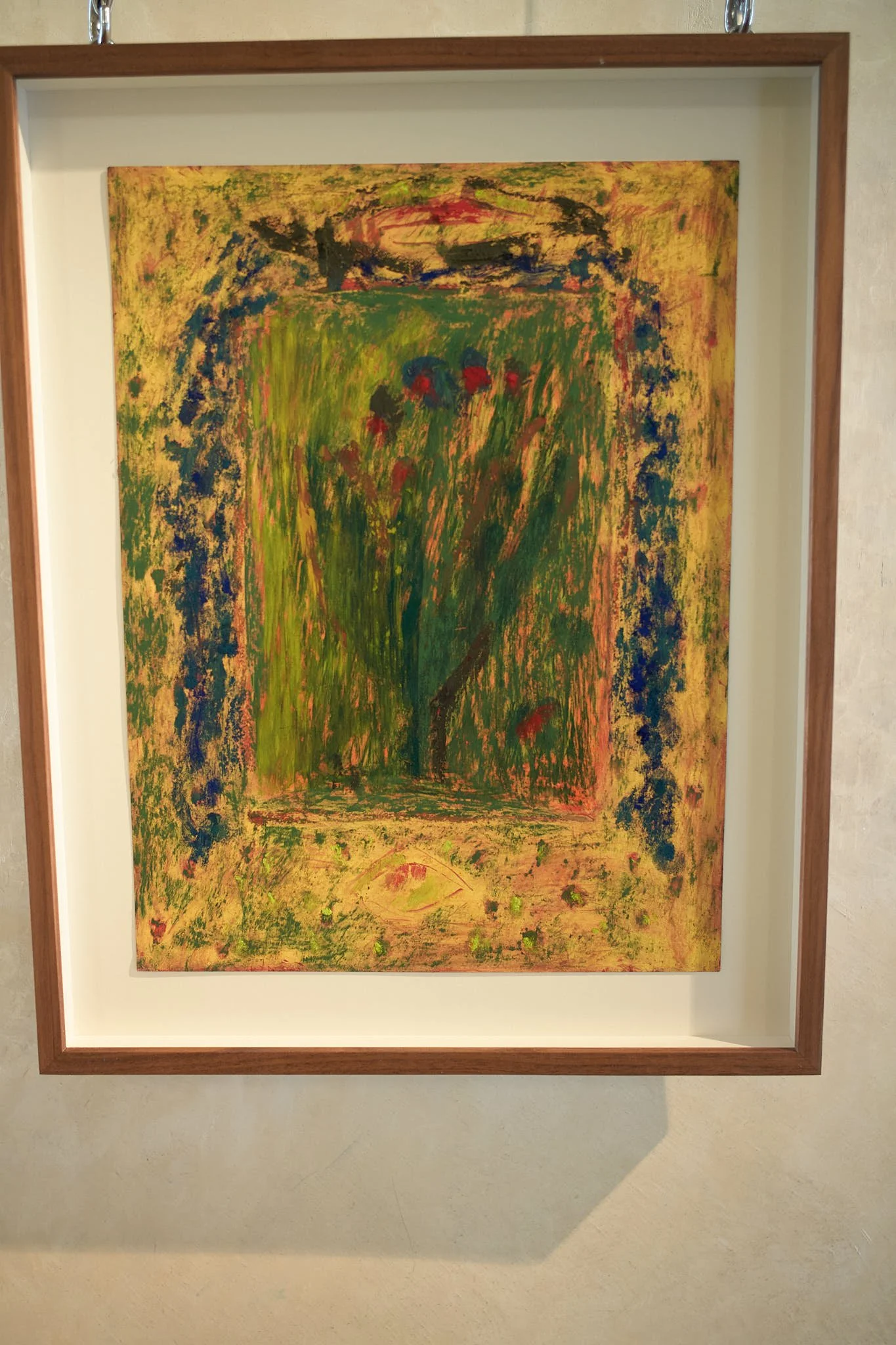
Mimi Lauter - Cultivating the landscape



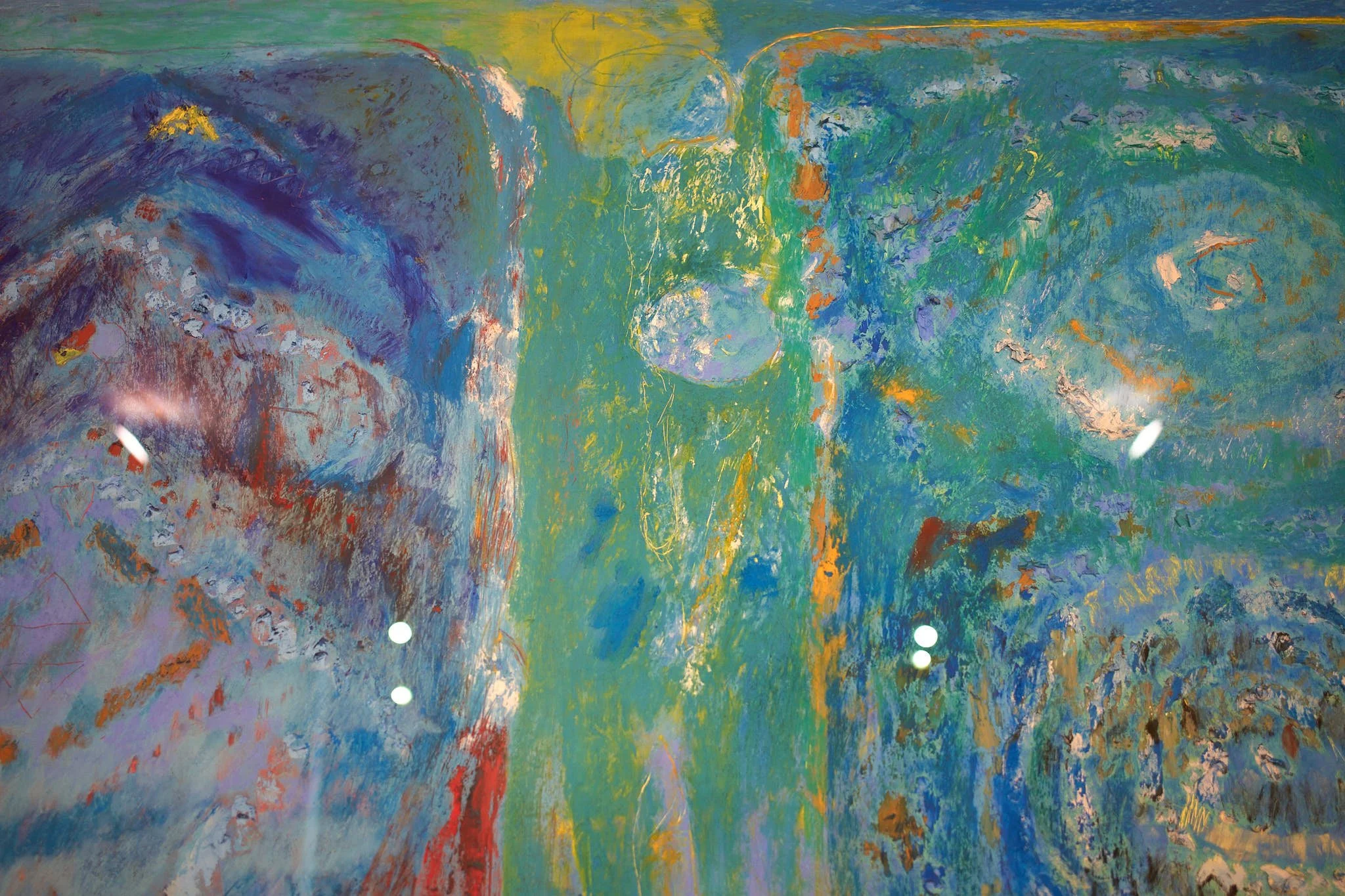
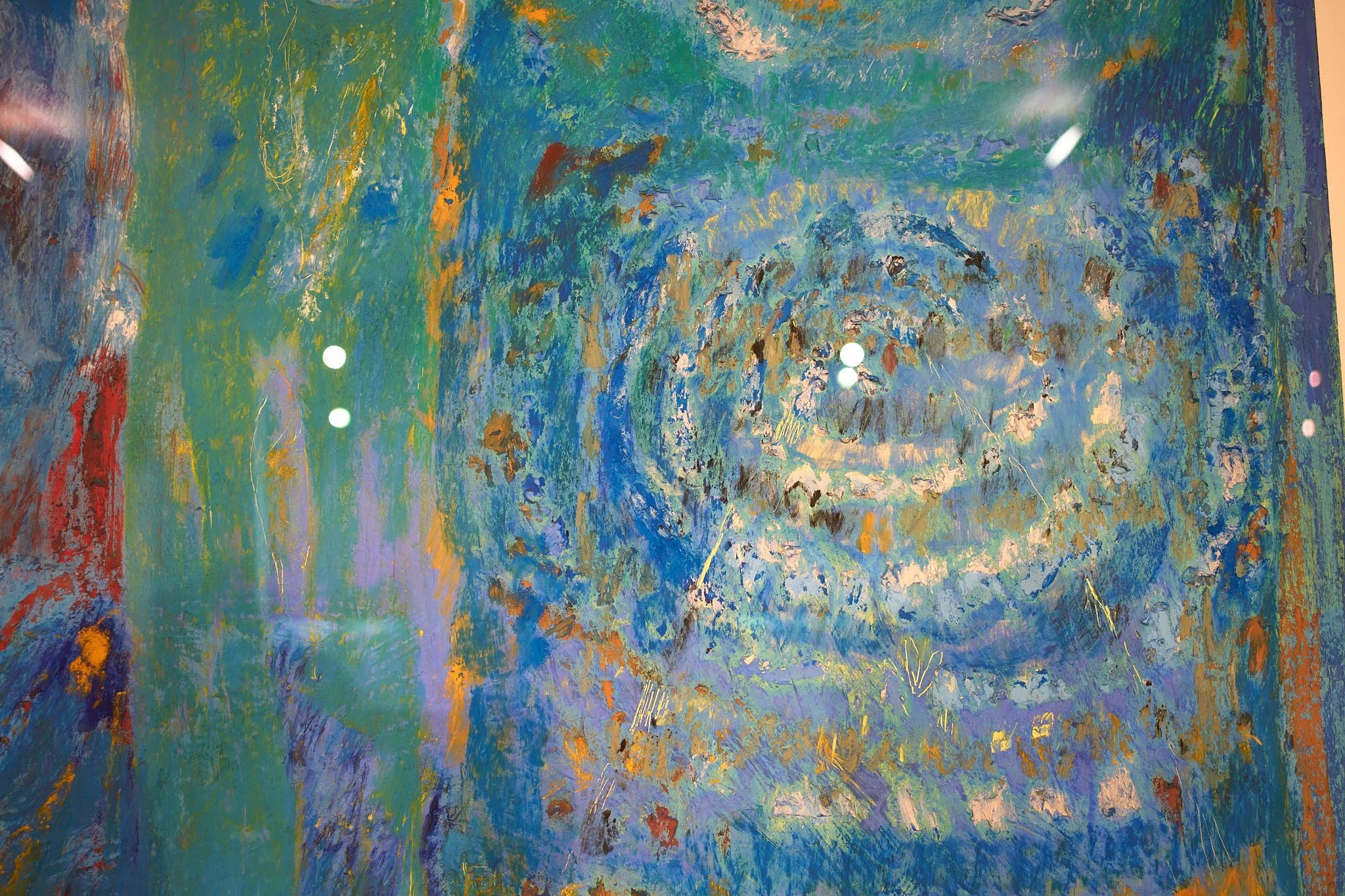
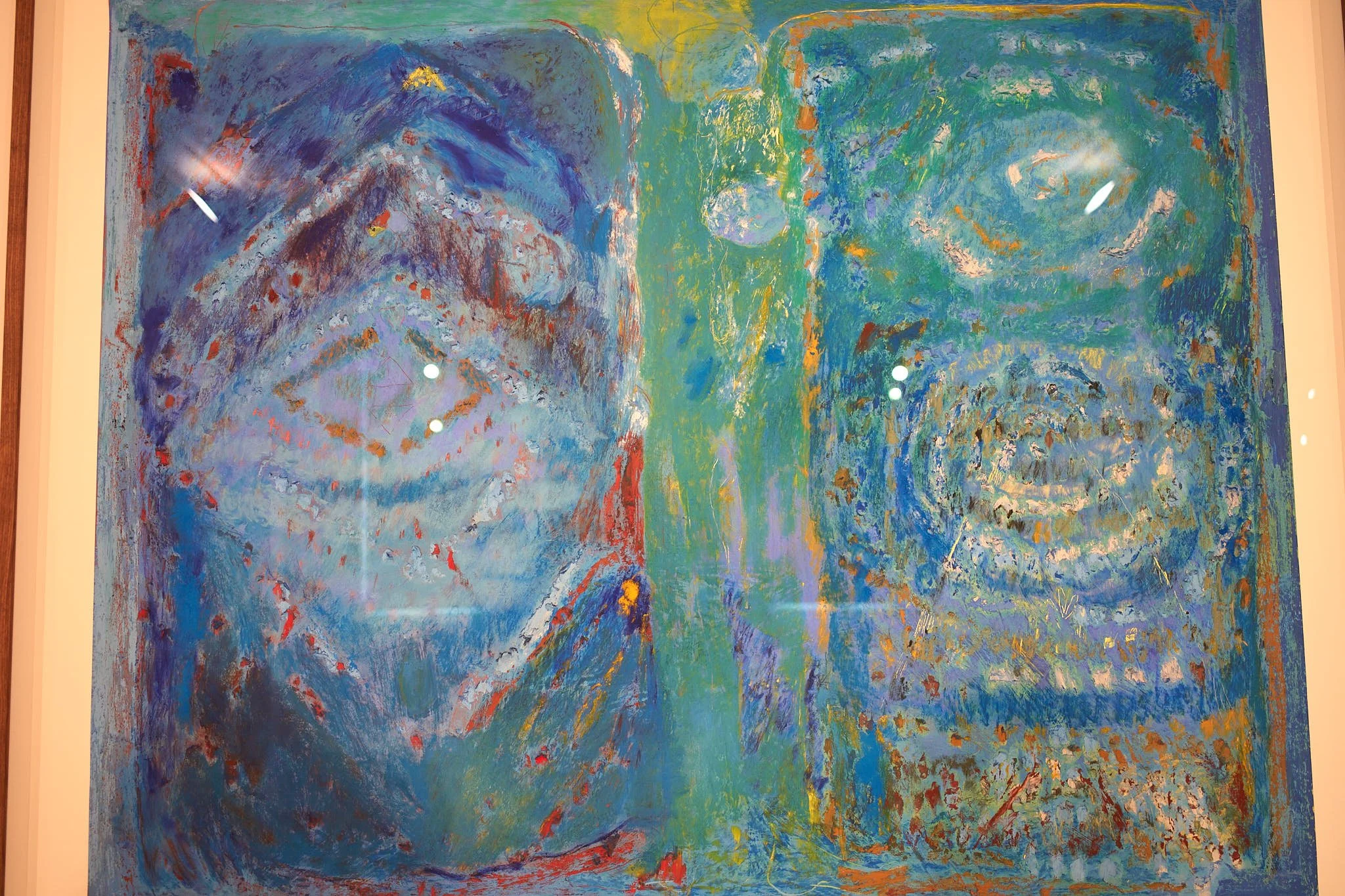
Thomas Schütte. Genealogies
06.04.25 — 23.11.25


Tatiana Trouvé. The Strange Life of Things
06.04.25 — 04.01.26


Cerith Wyn Evans
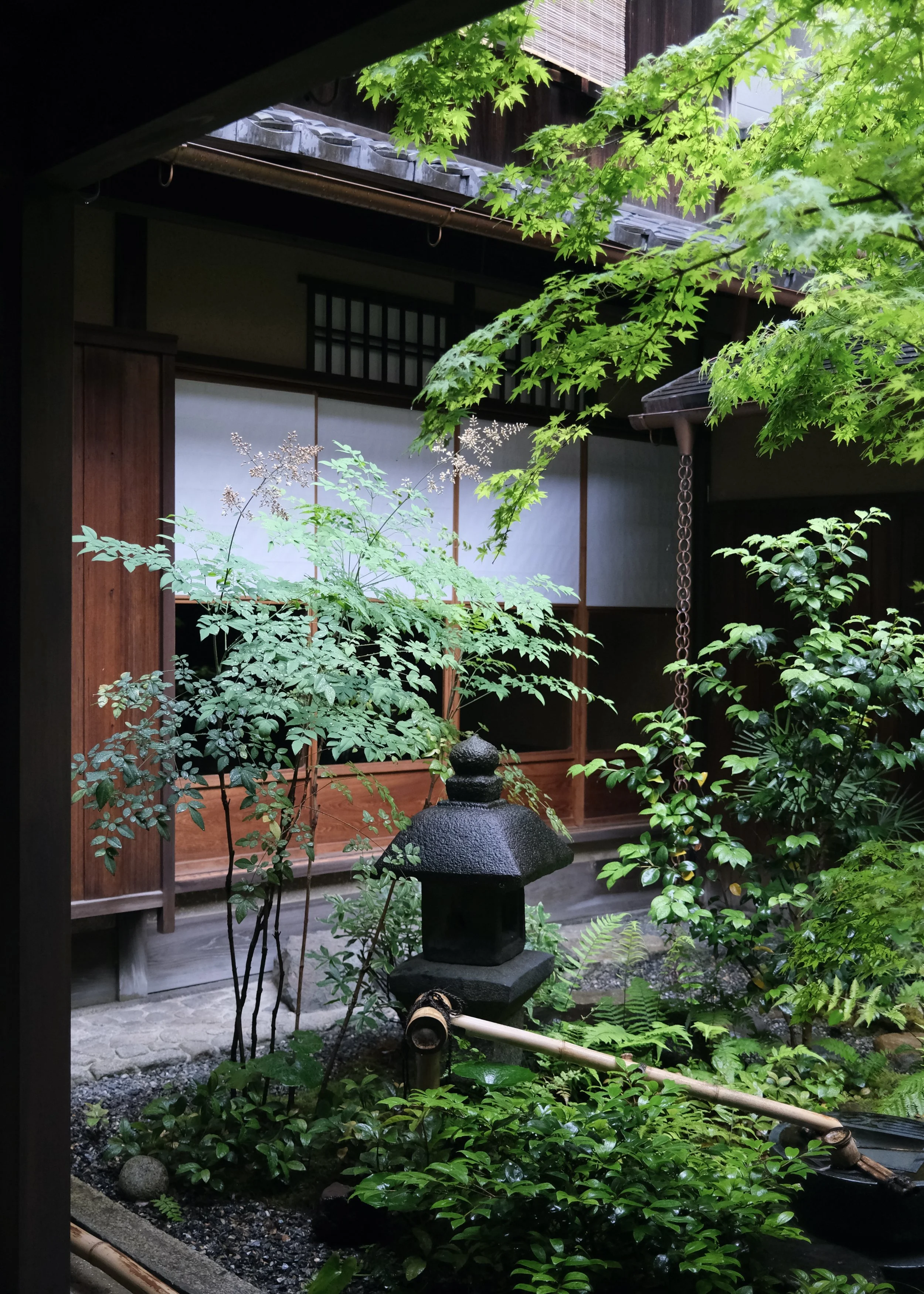
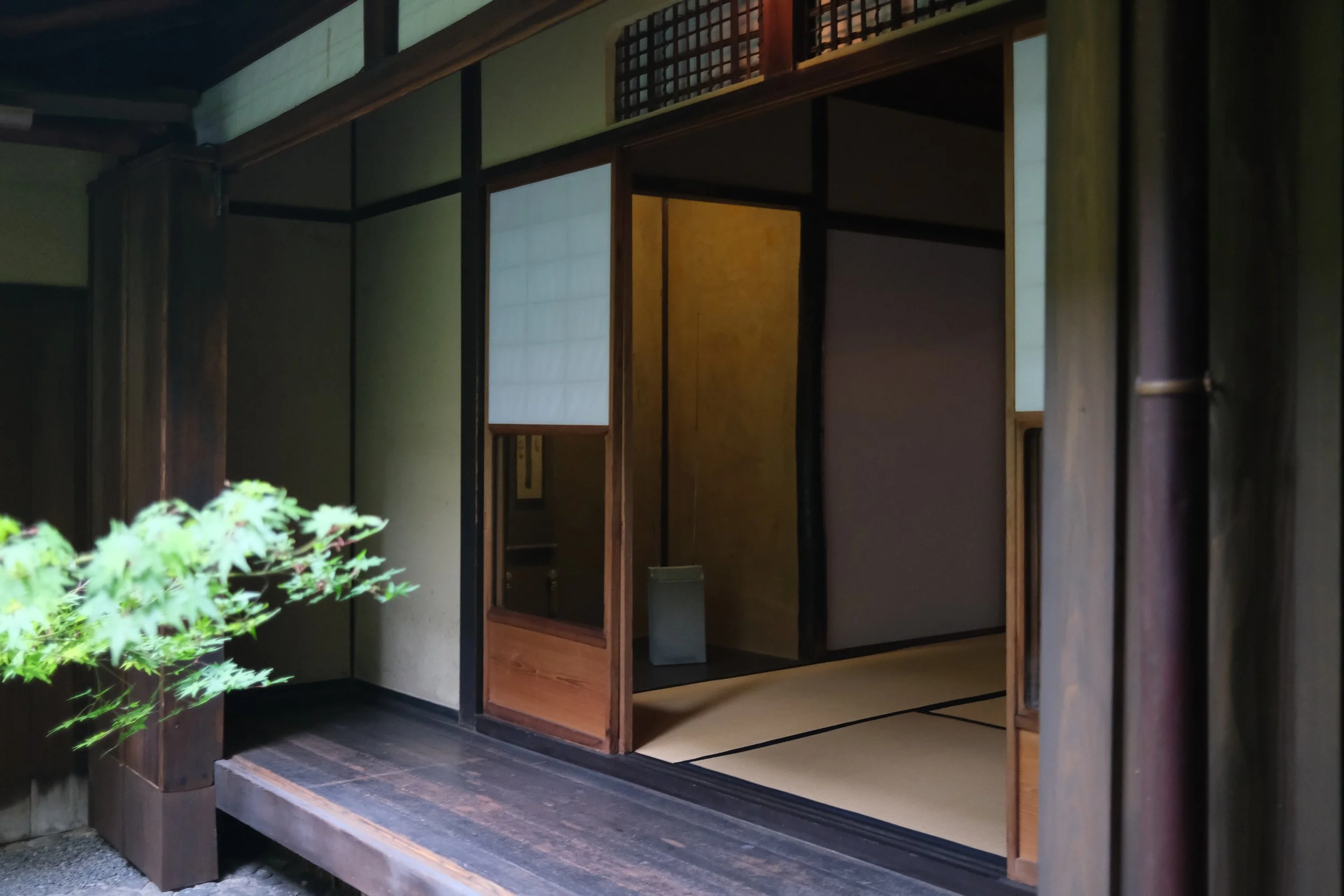
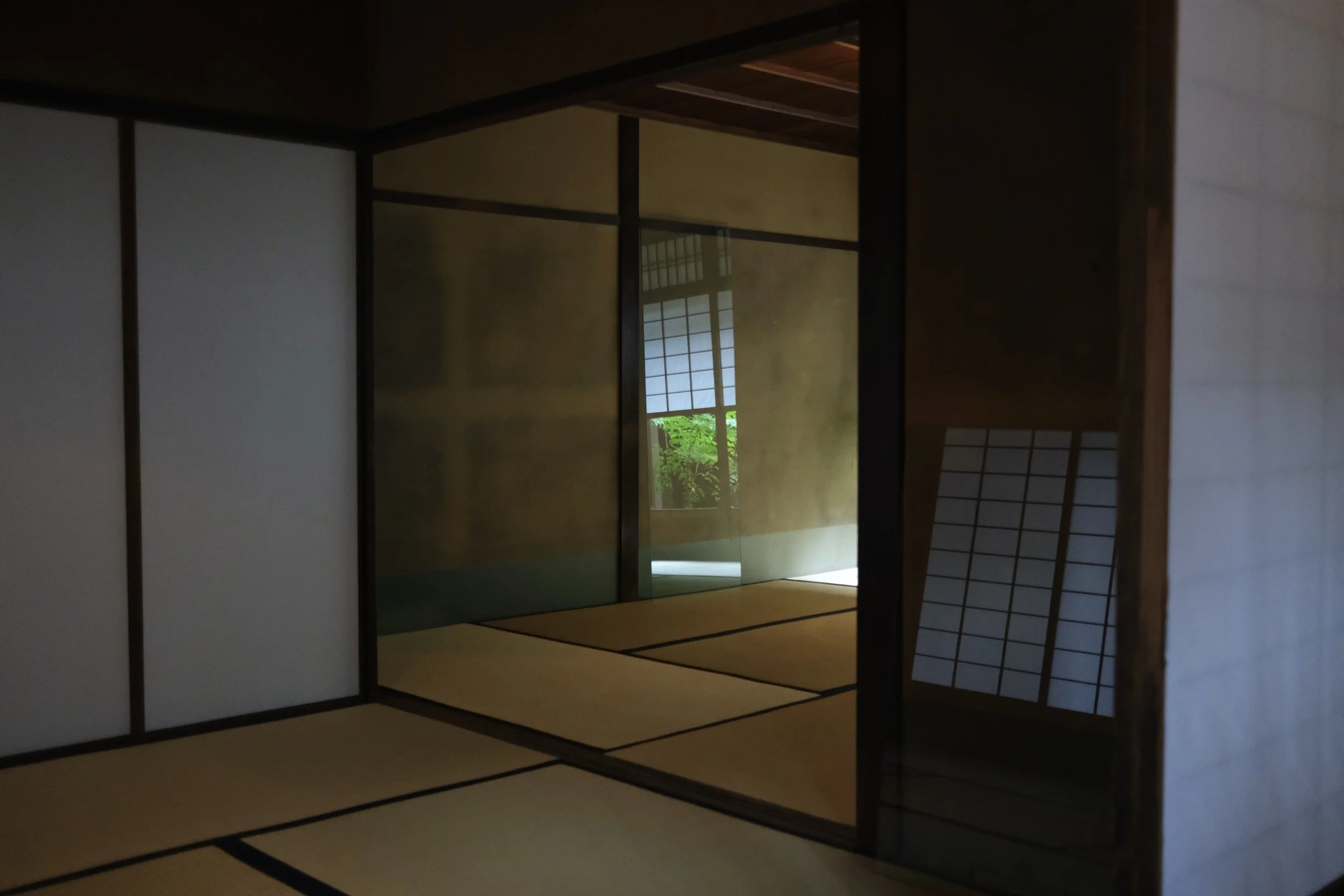
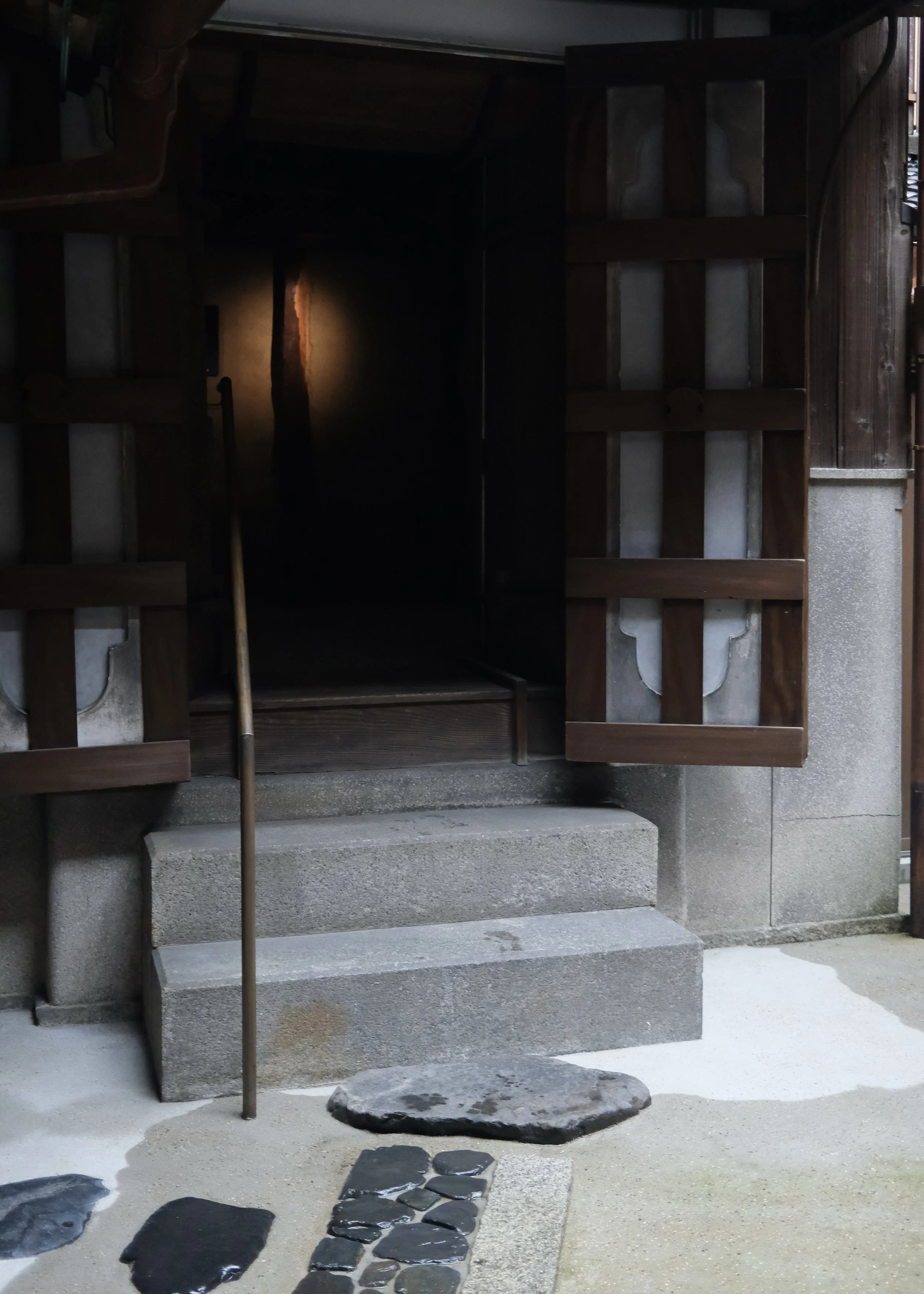
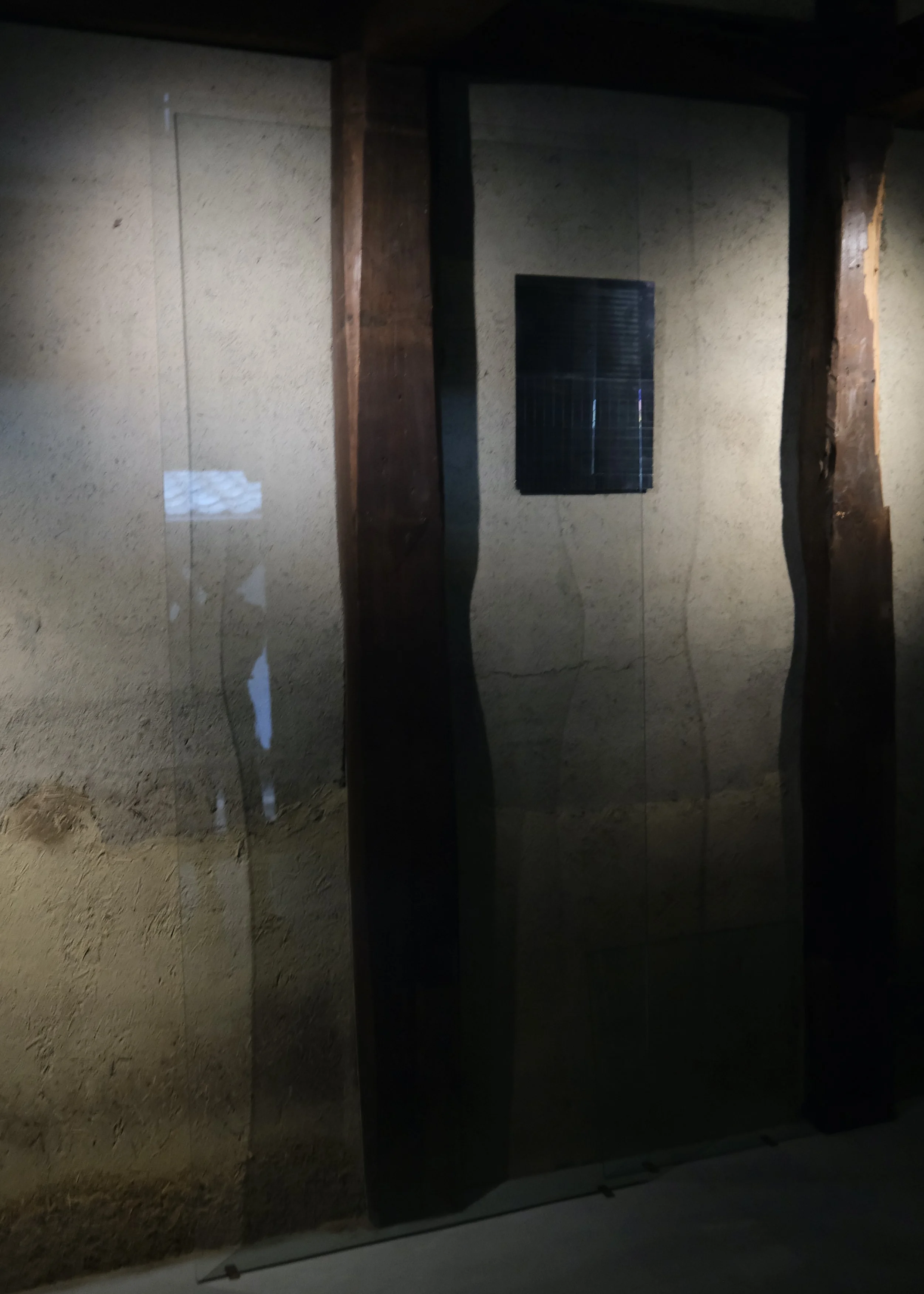
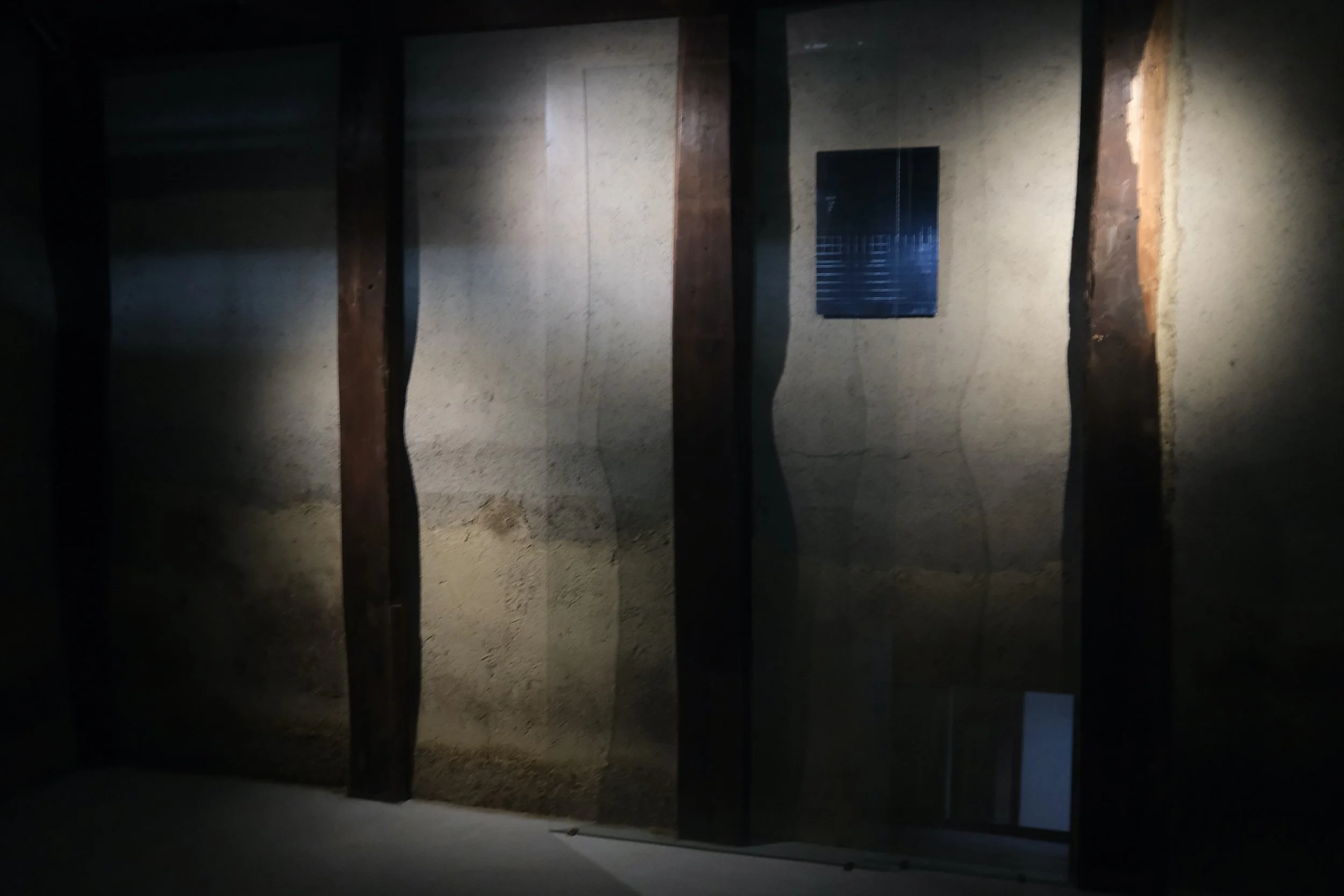
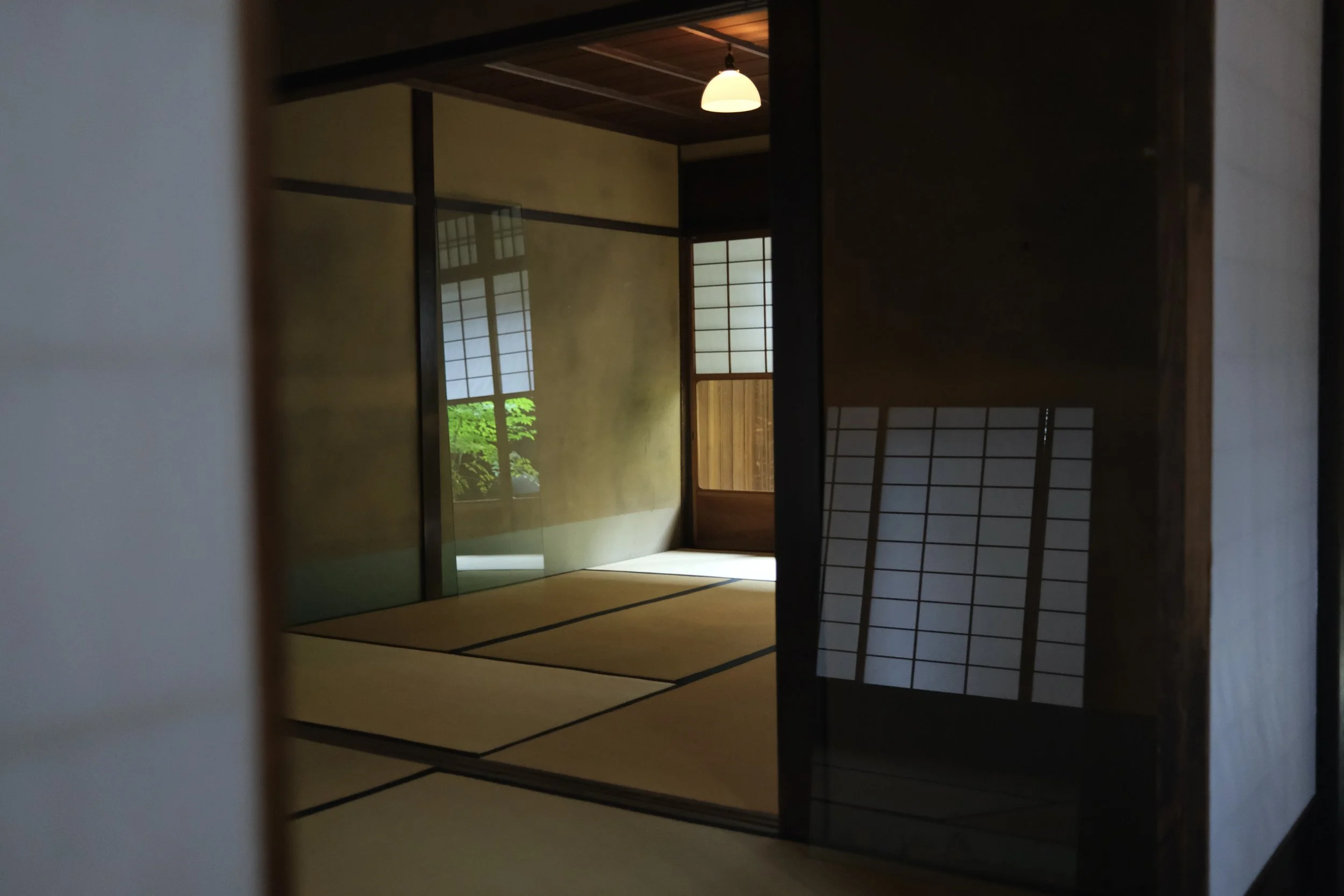

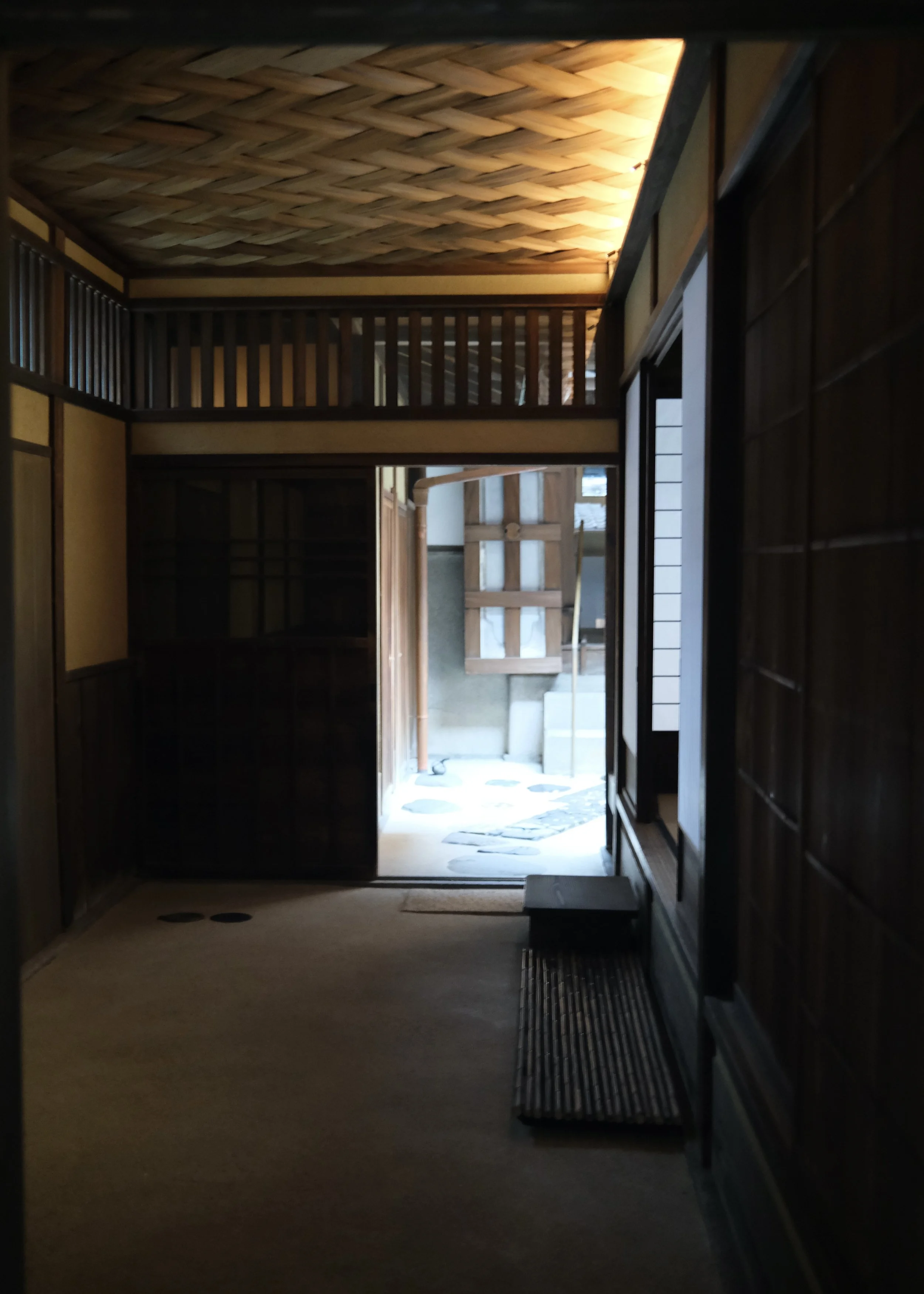
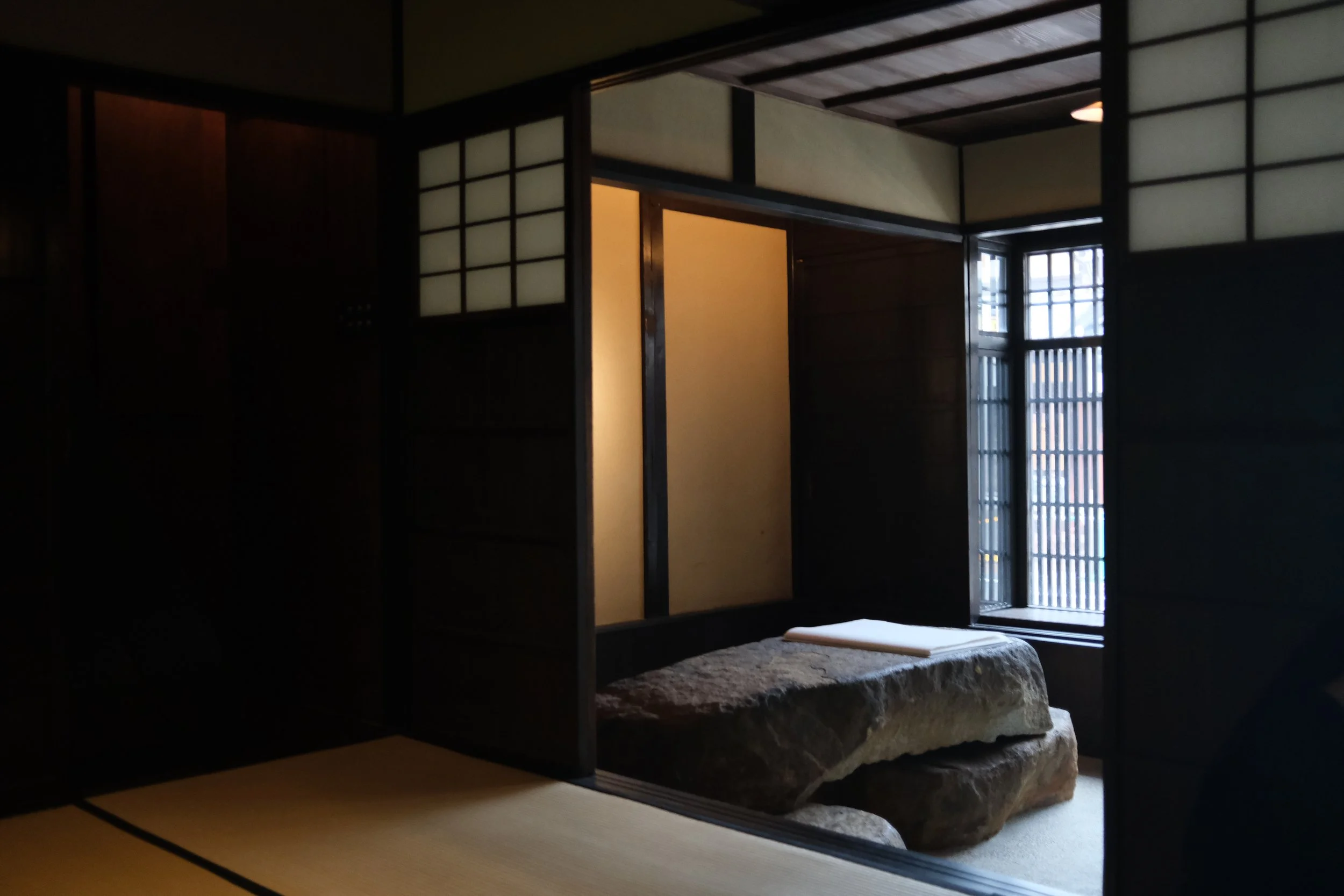
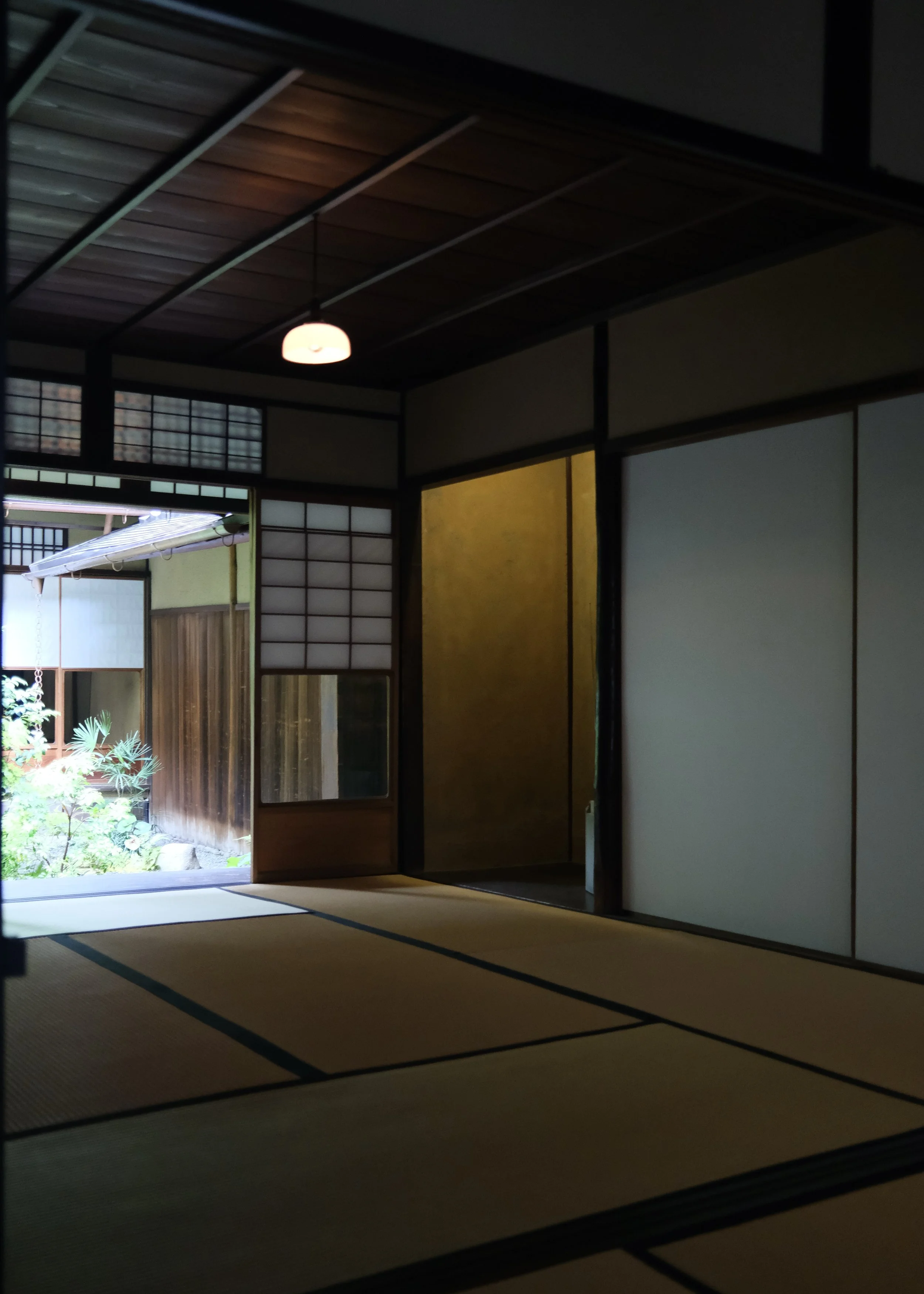
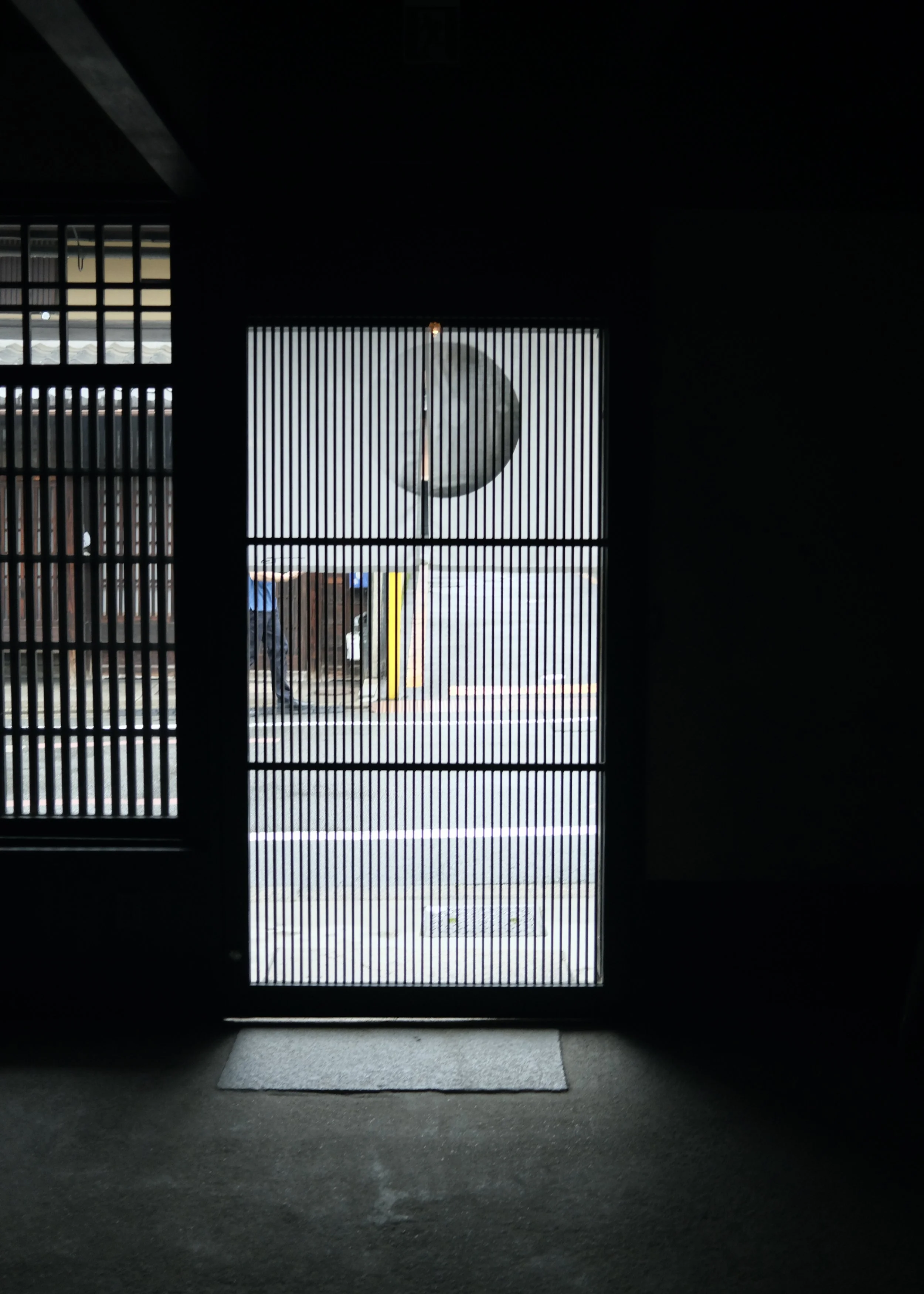
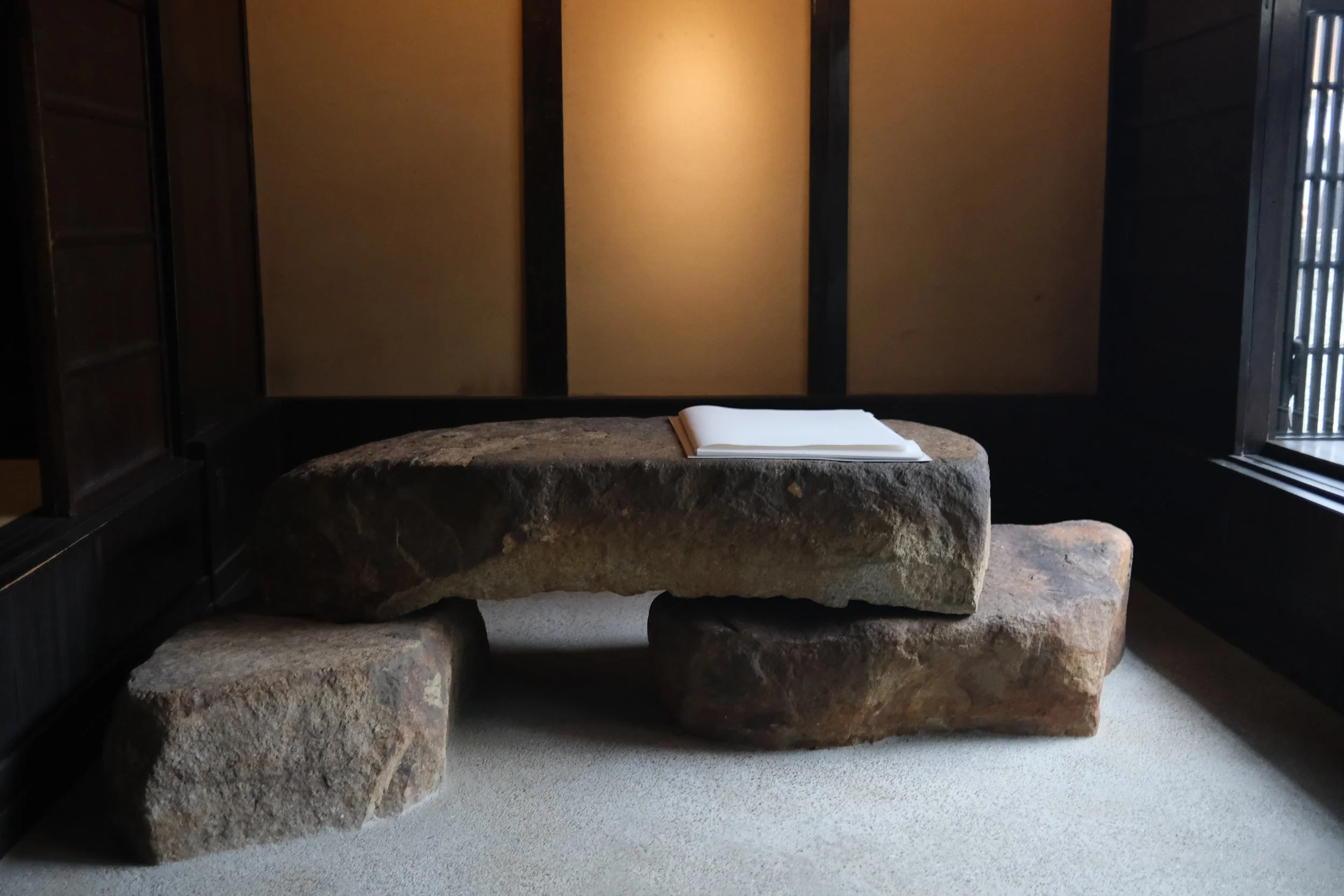
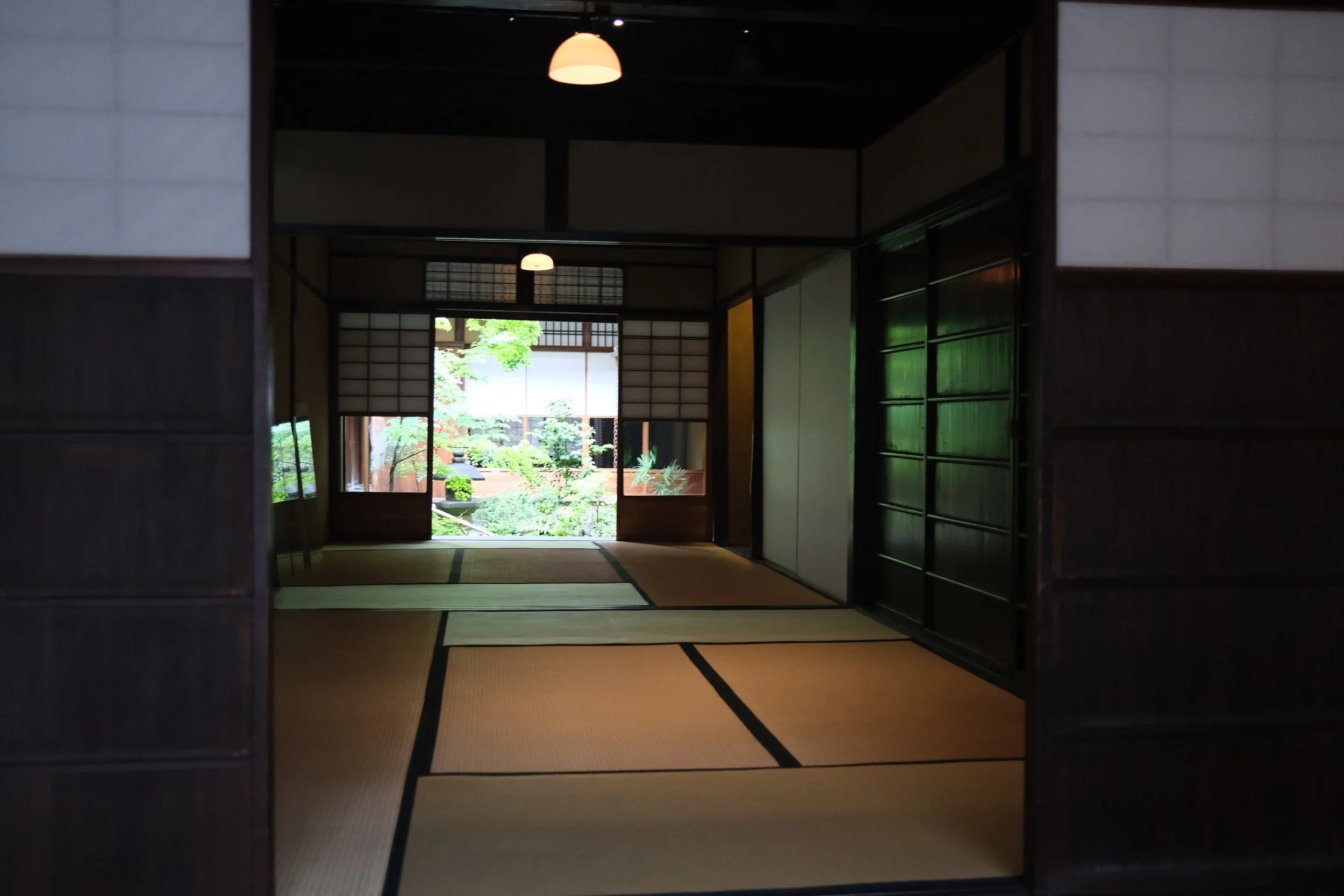
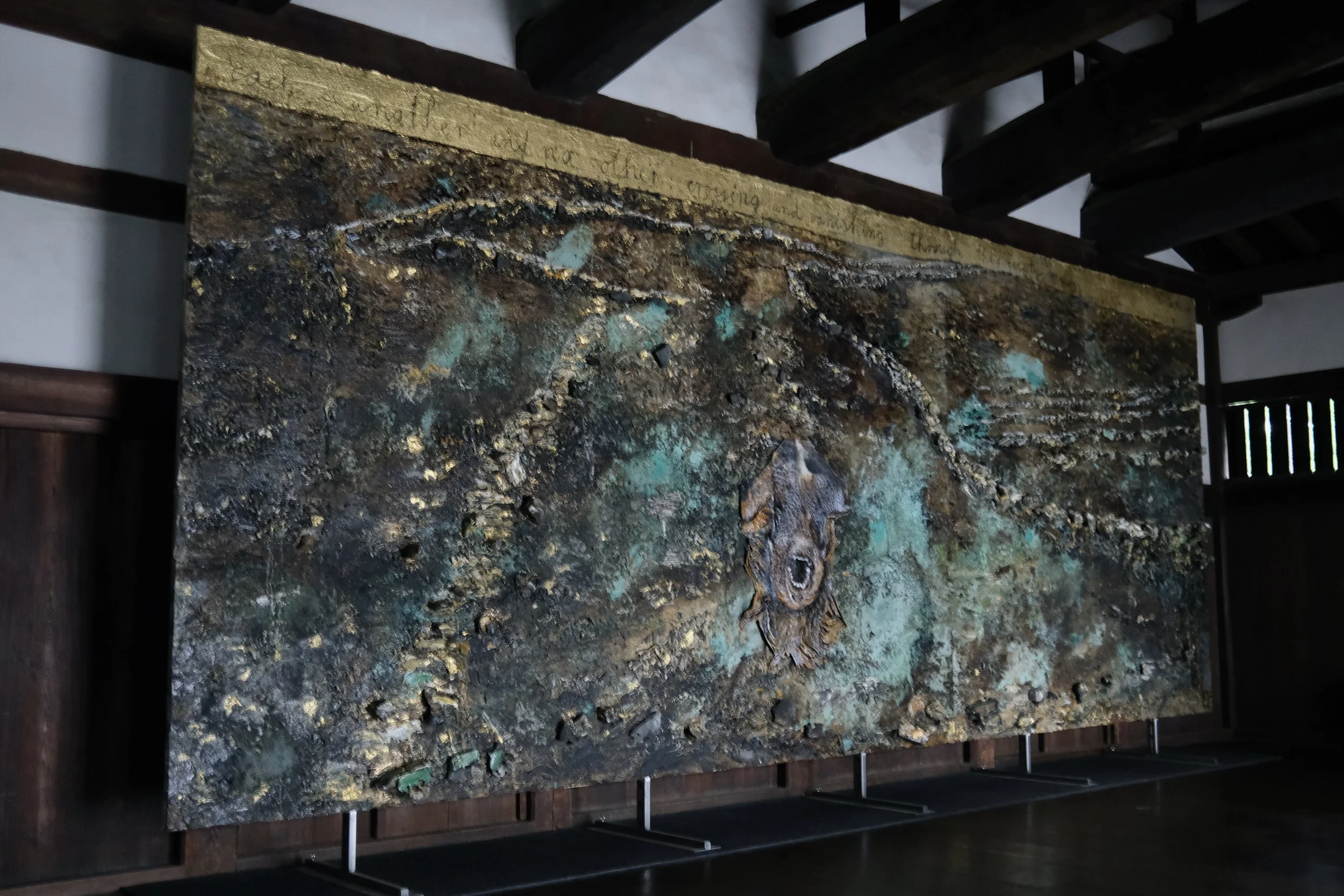
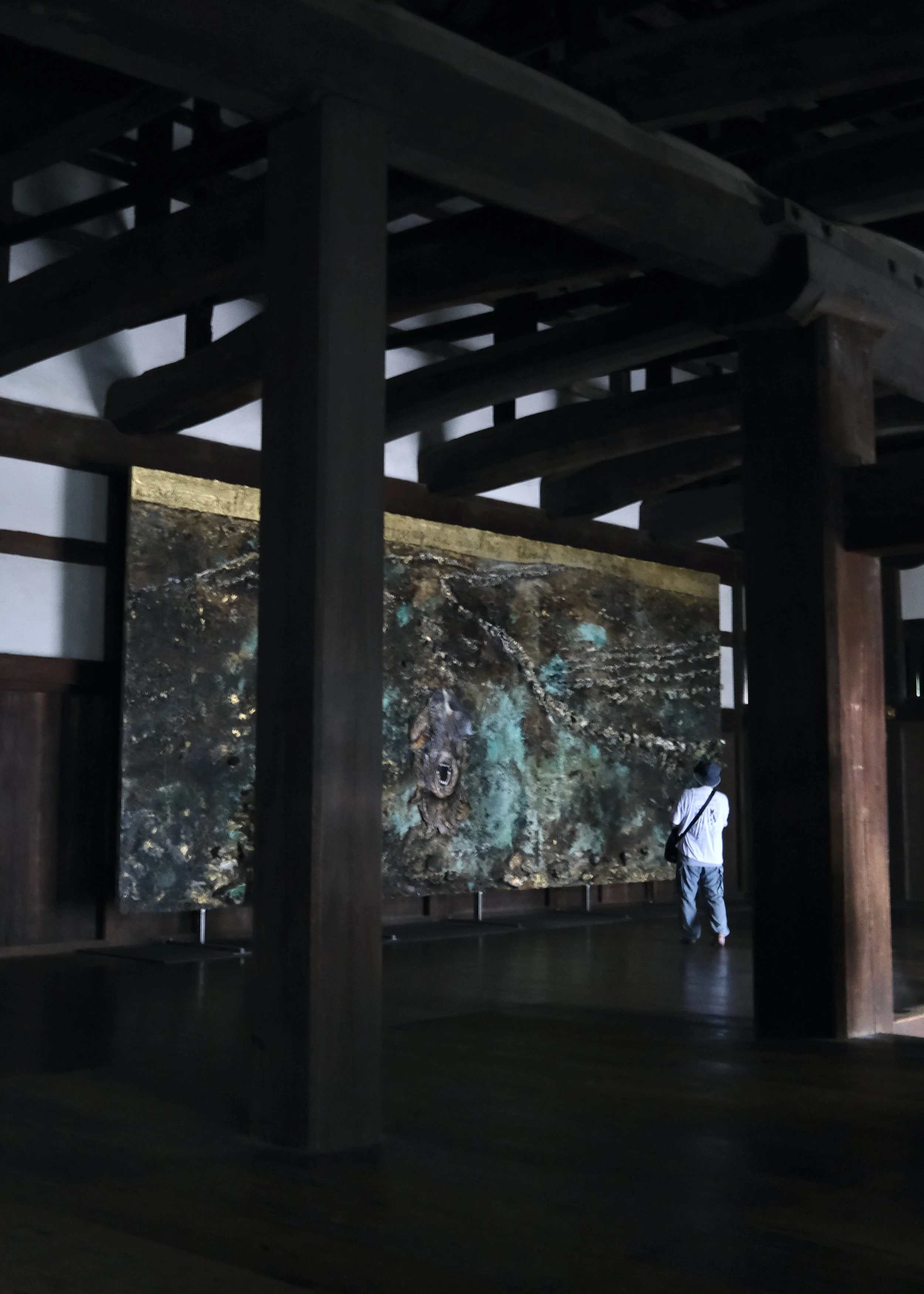
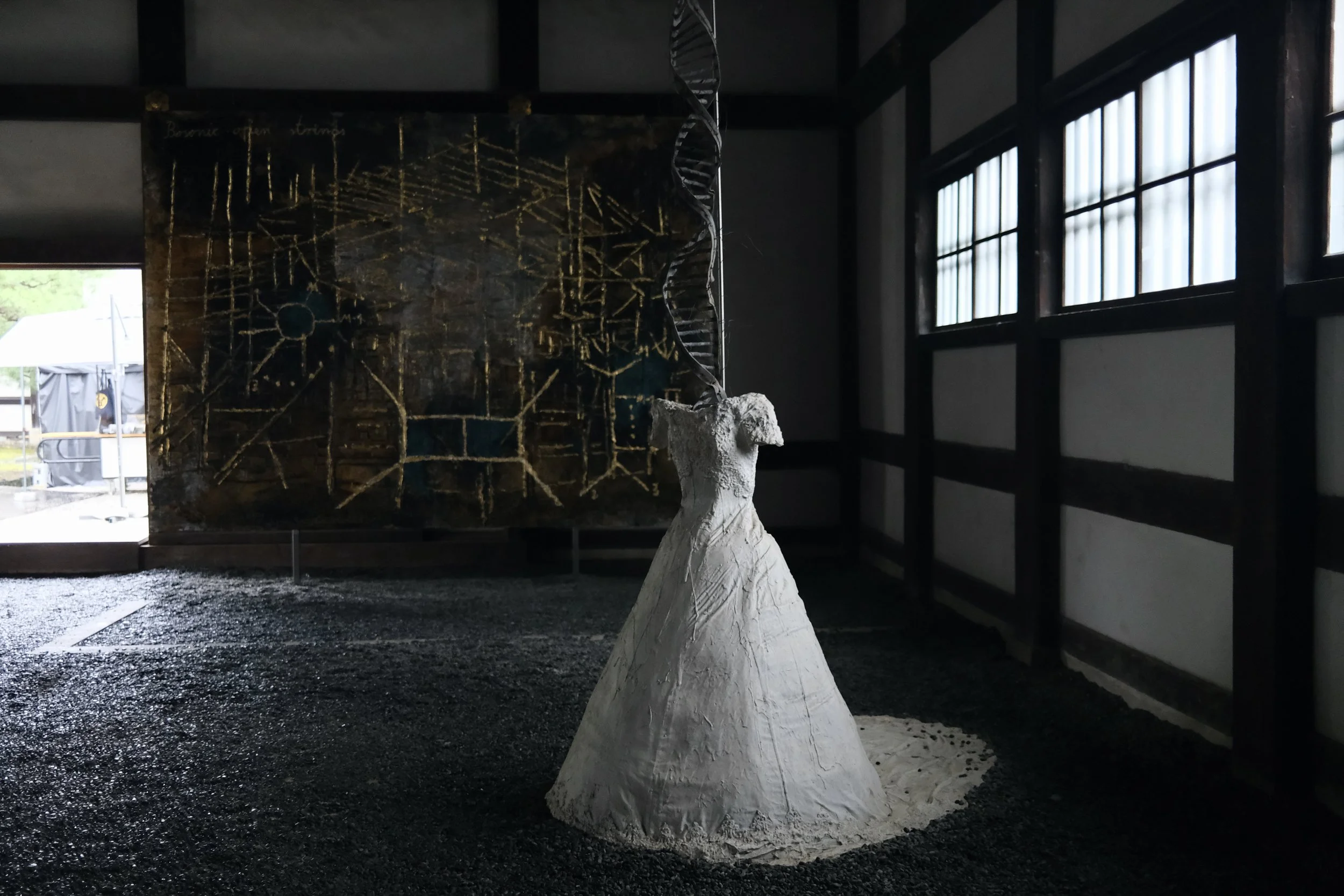
Anselm Kiefer SOLARIS
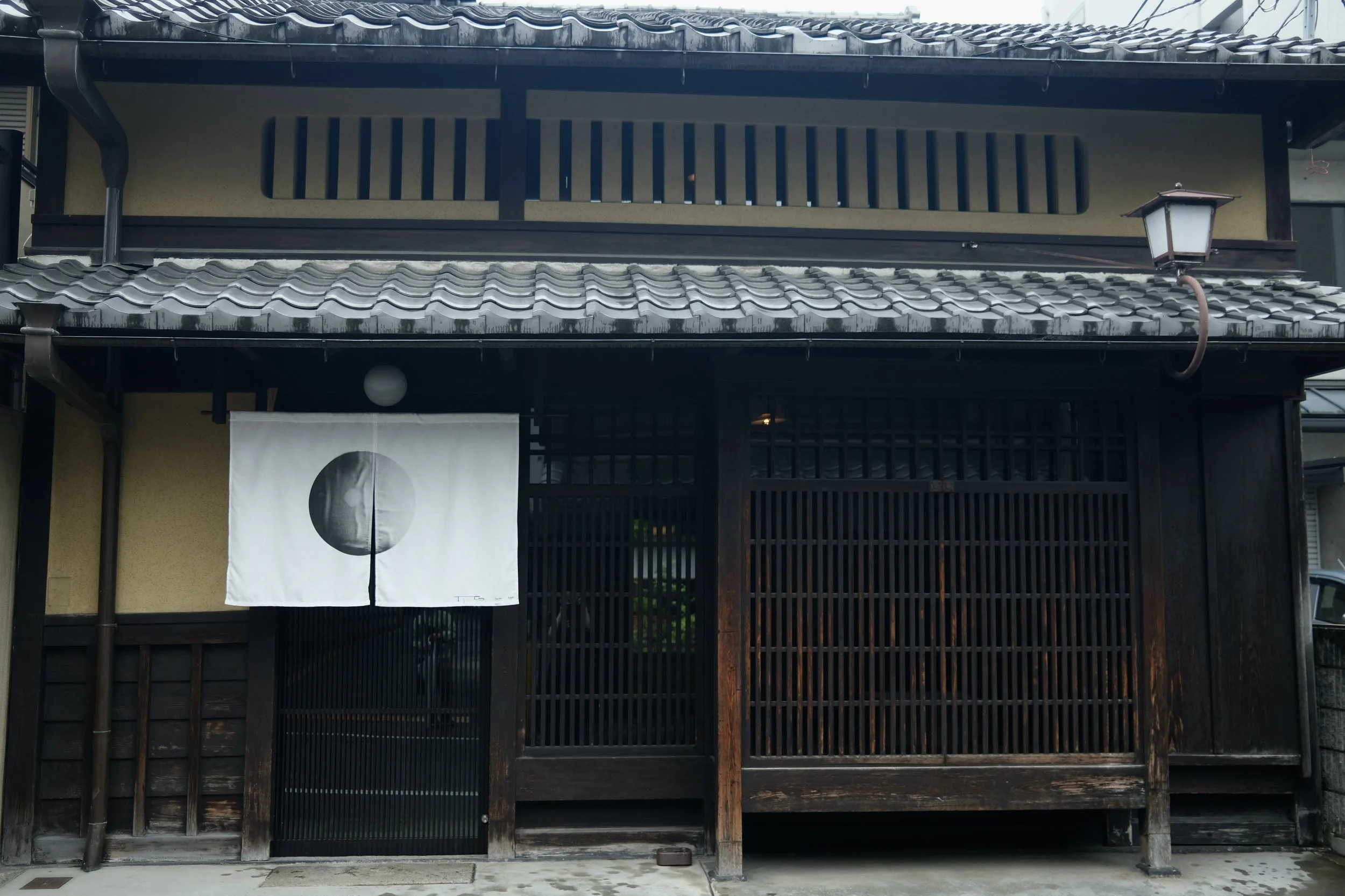
Nijo Castle in Kyoto
March 31, 2025 - June 22, 2025
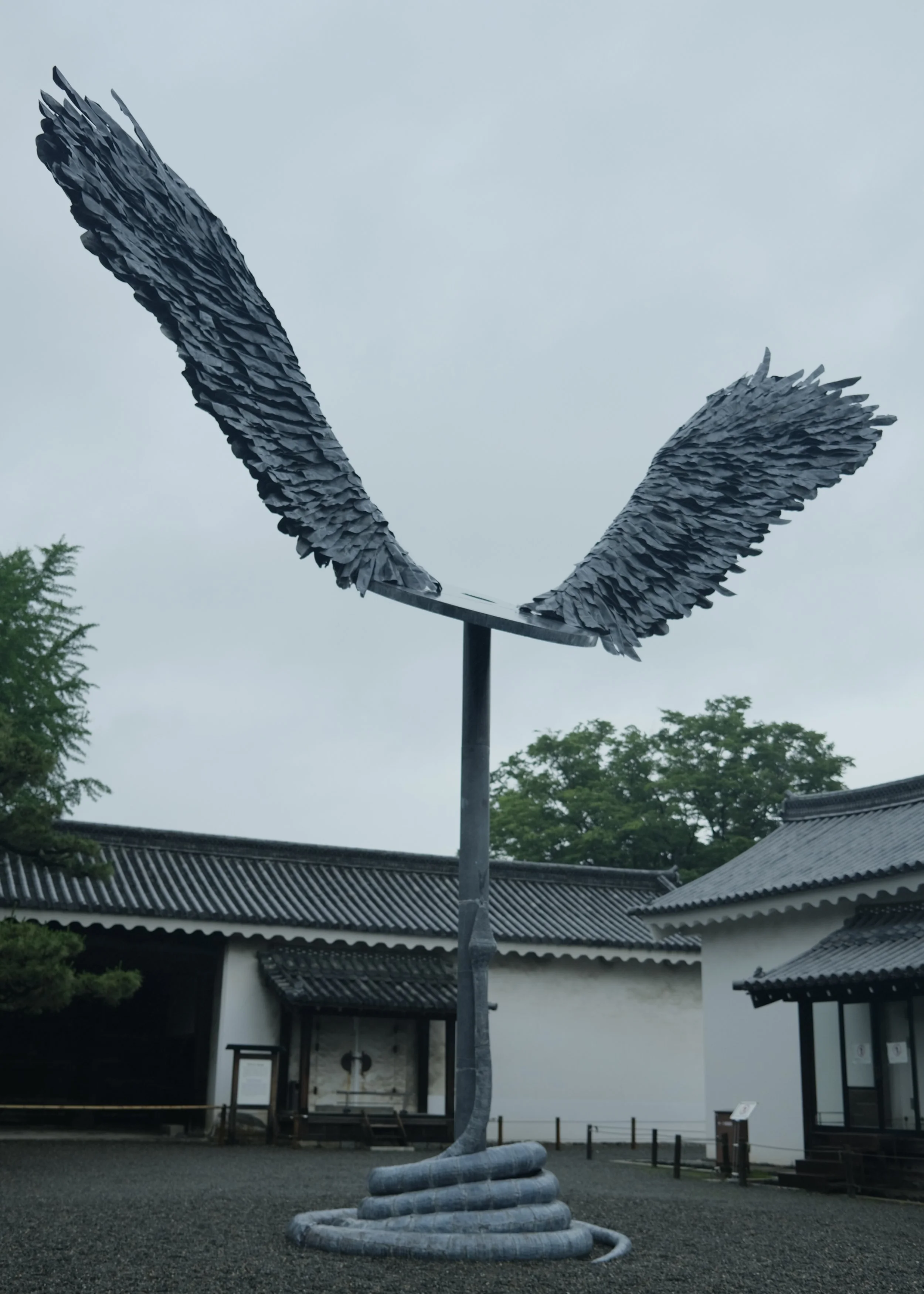
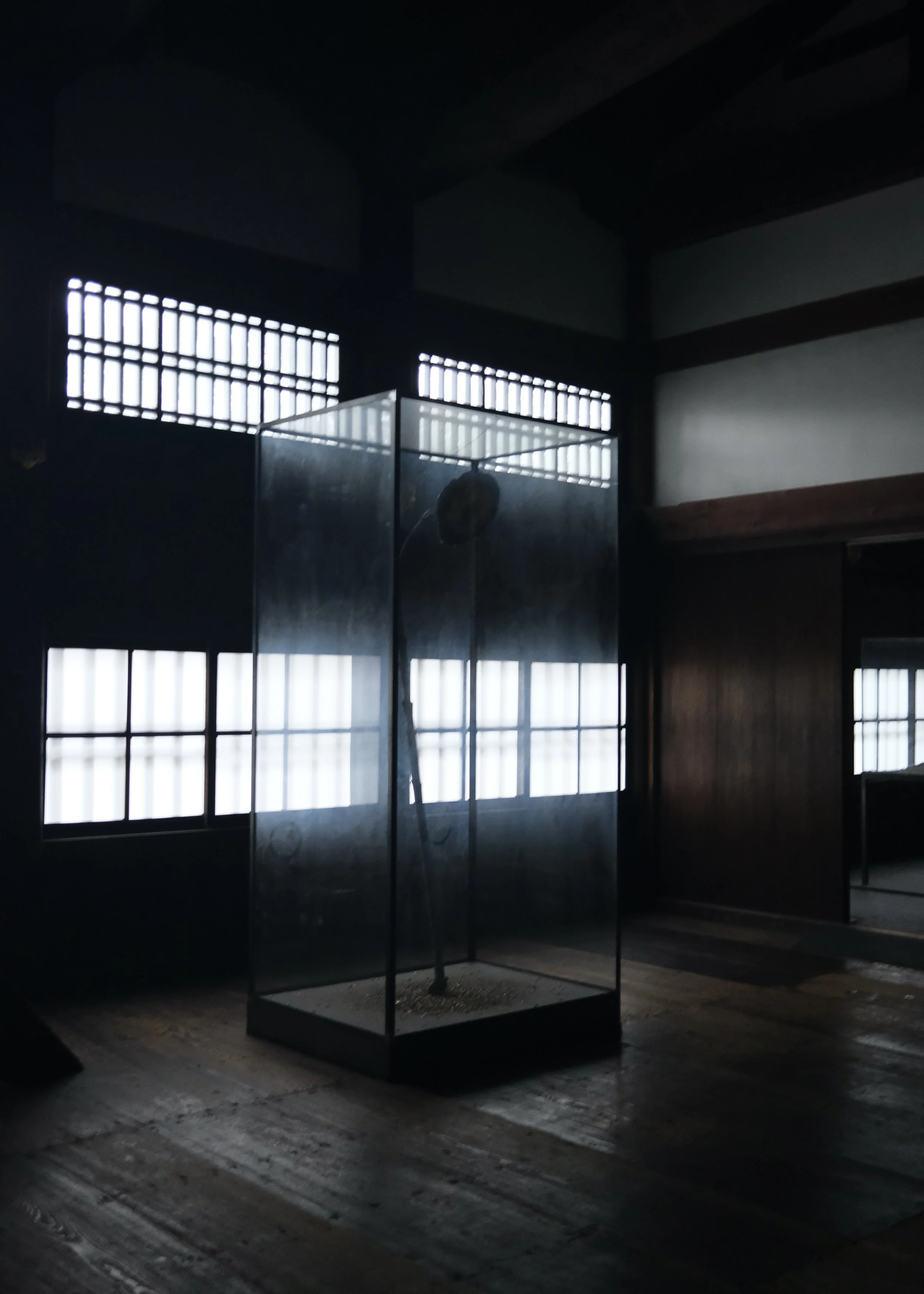
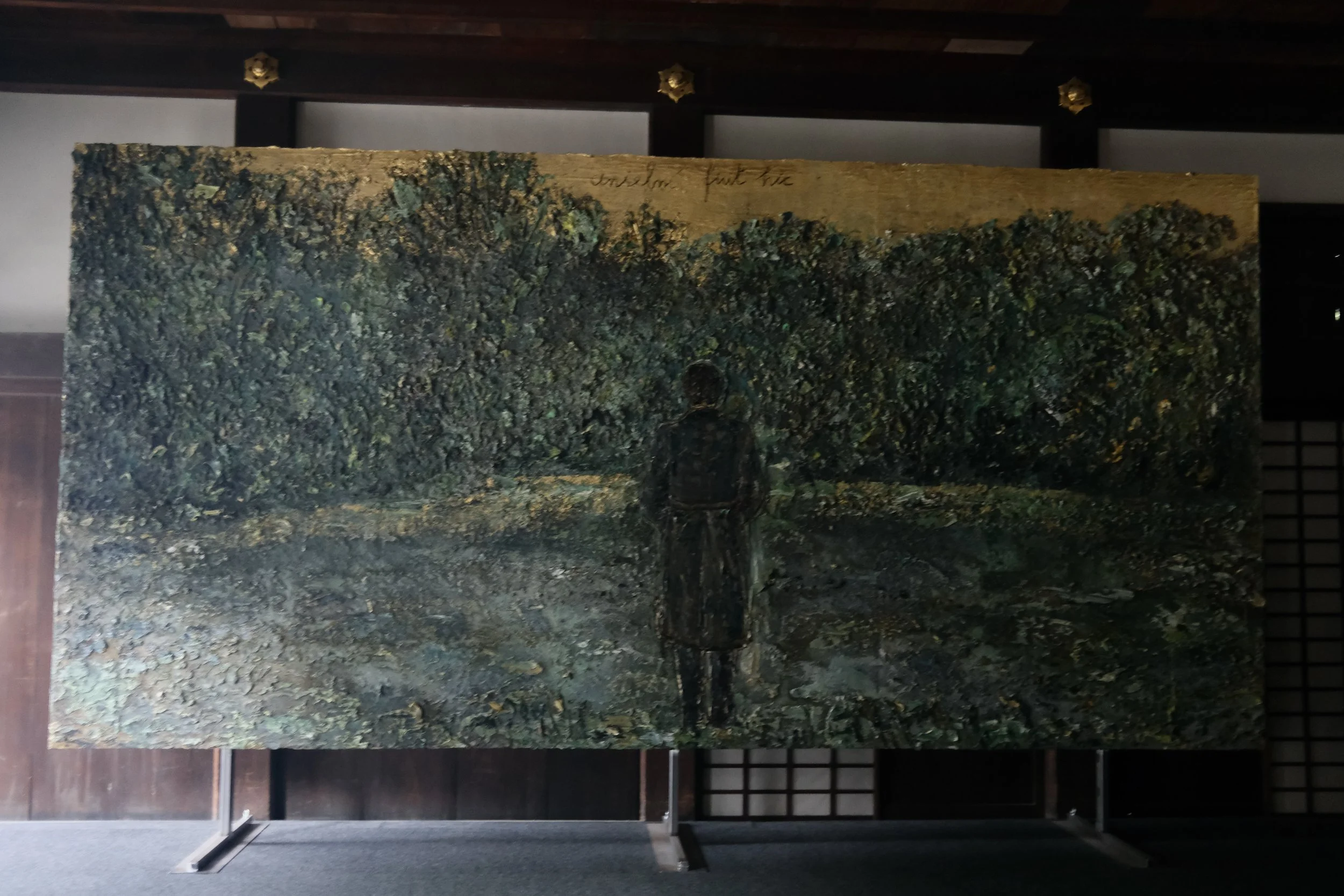
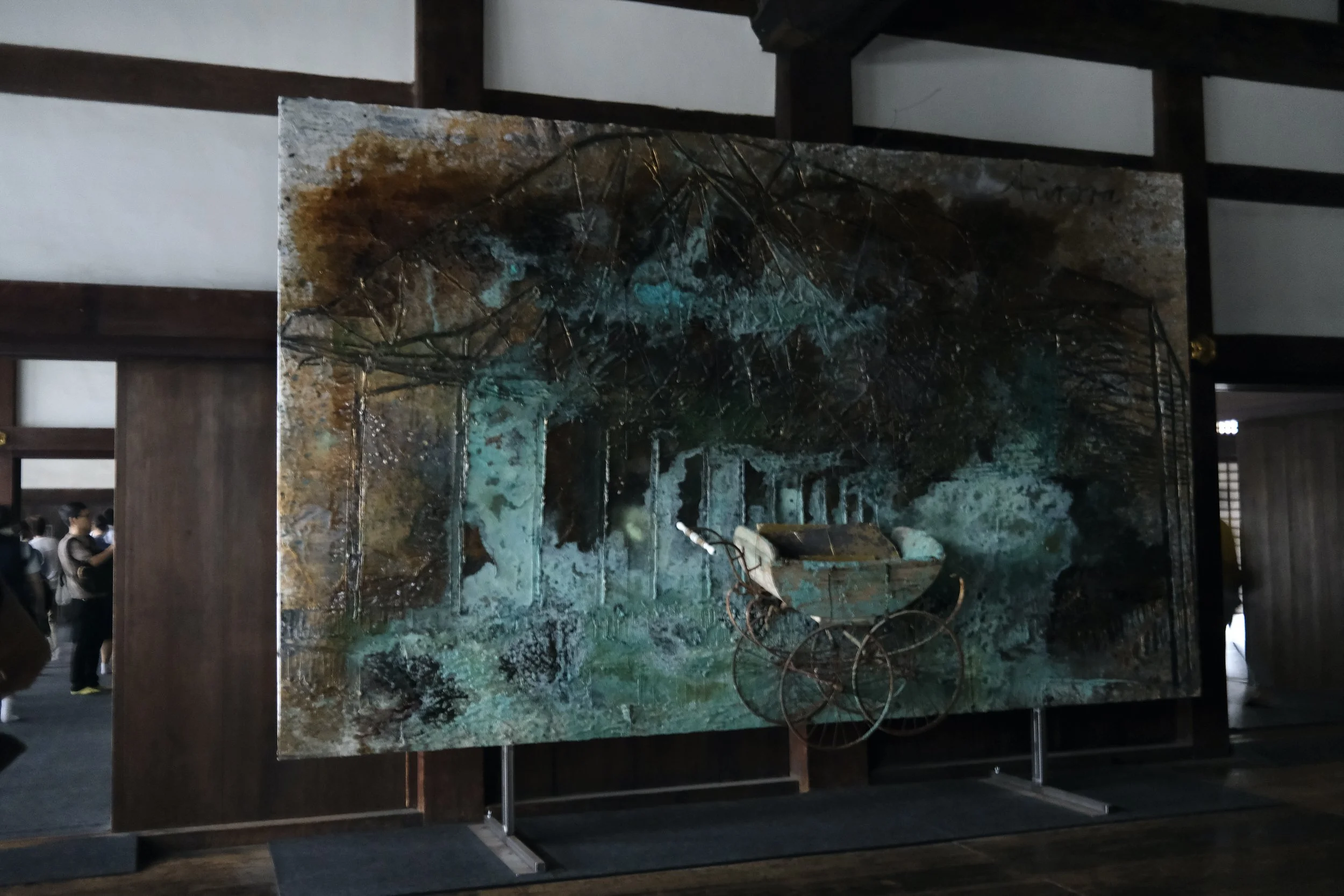
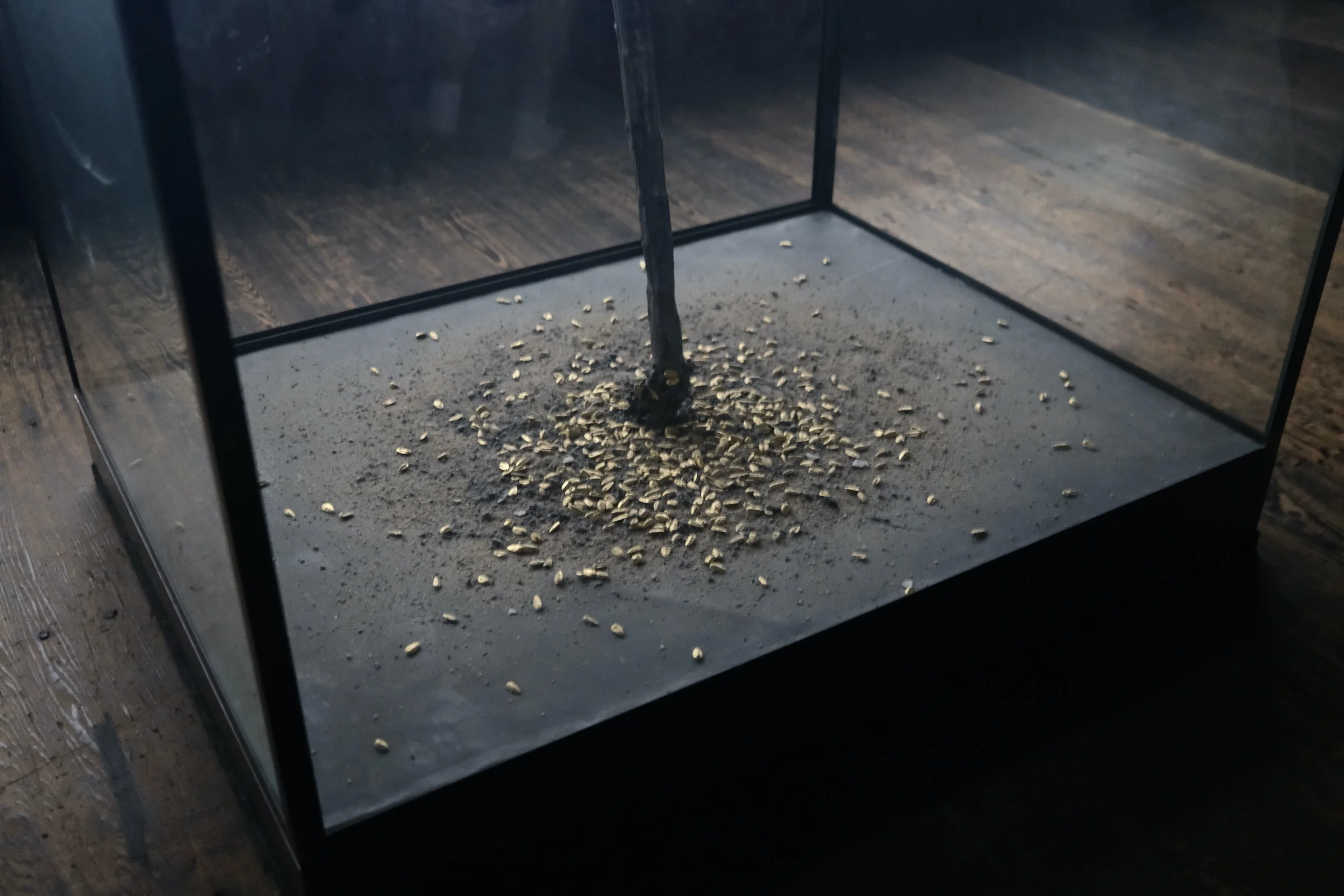
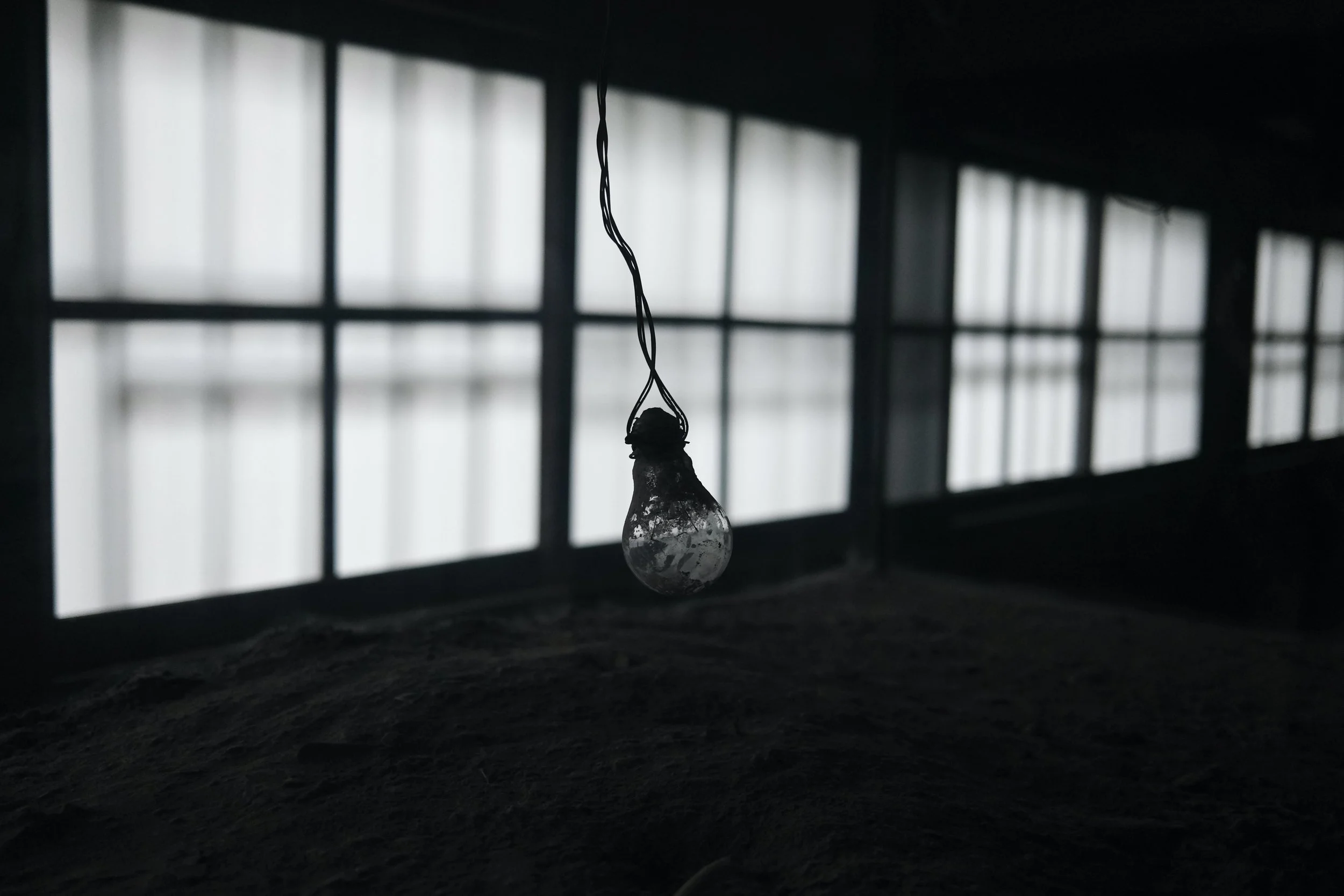
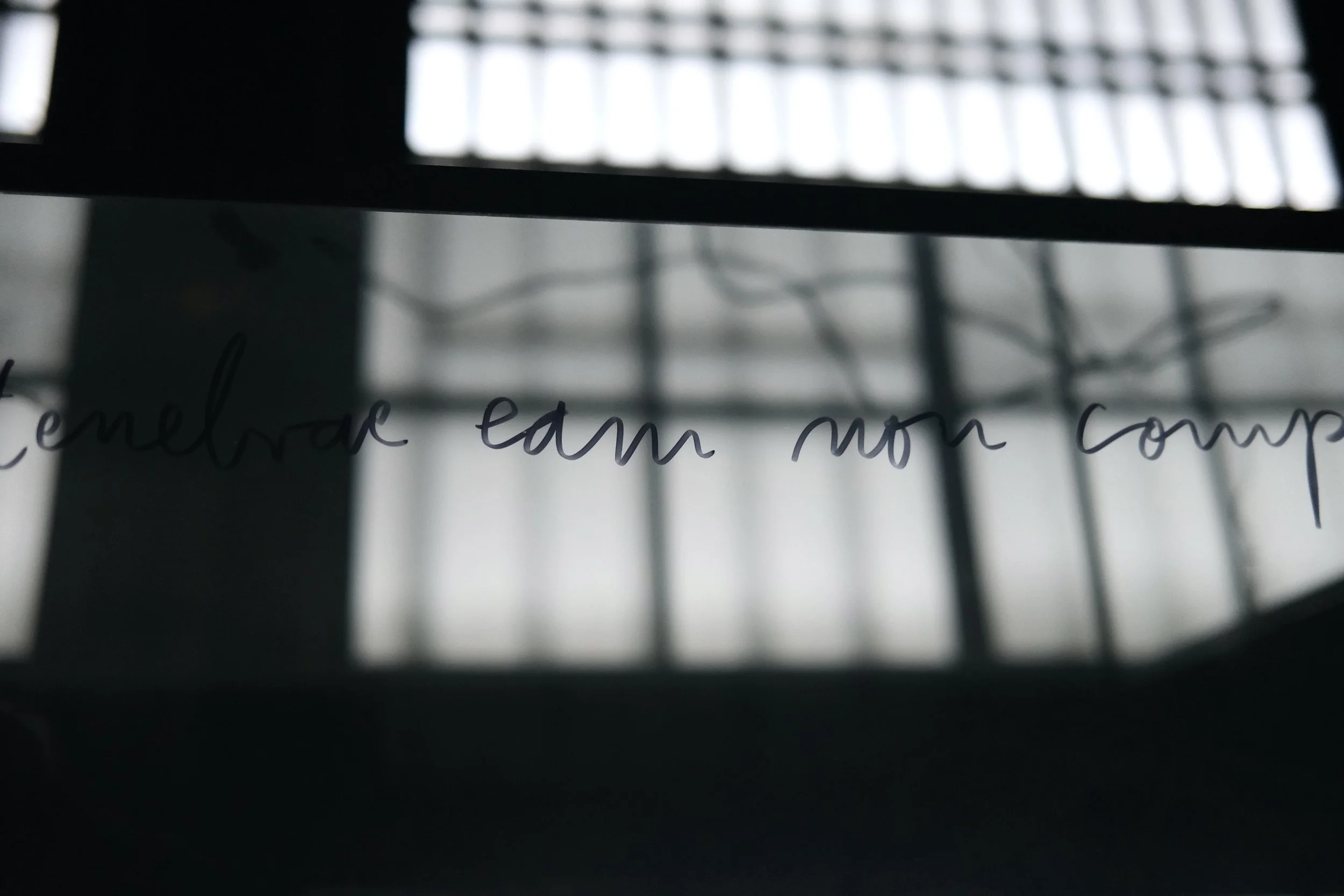
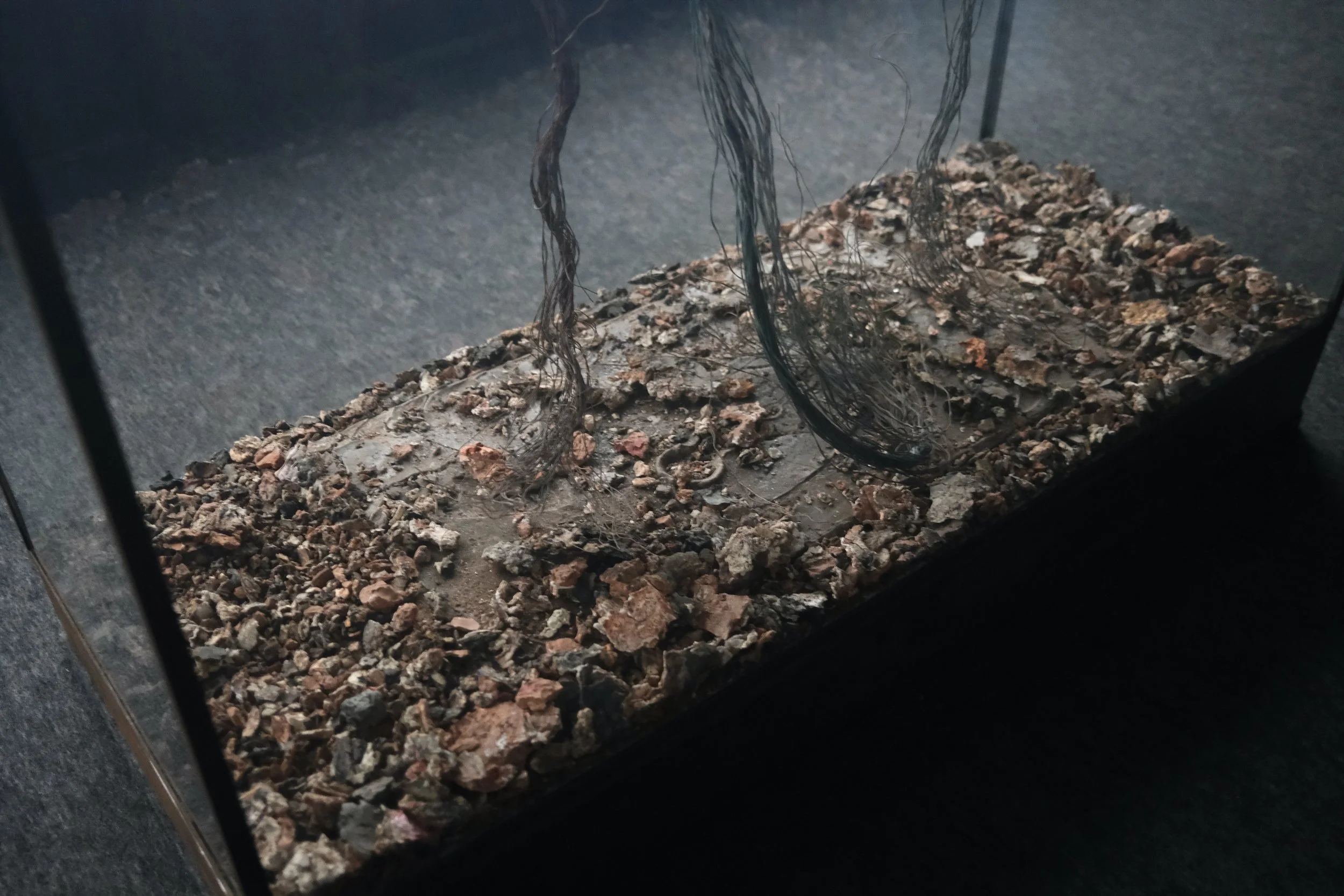
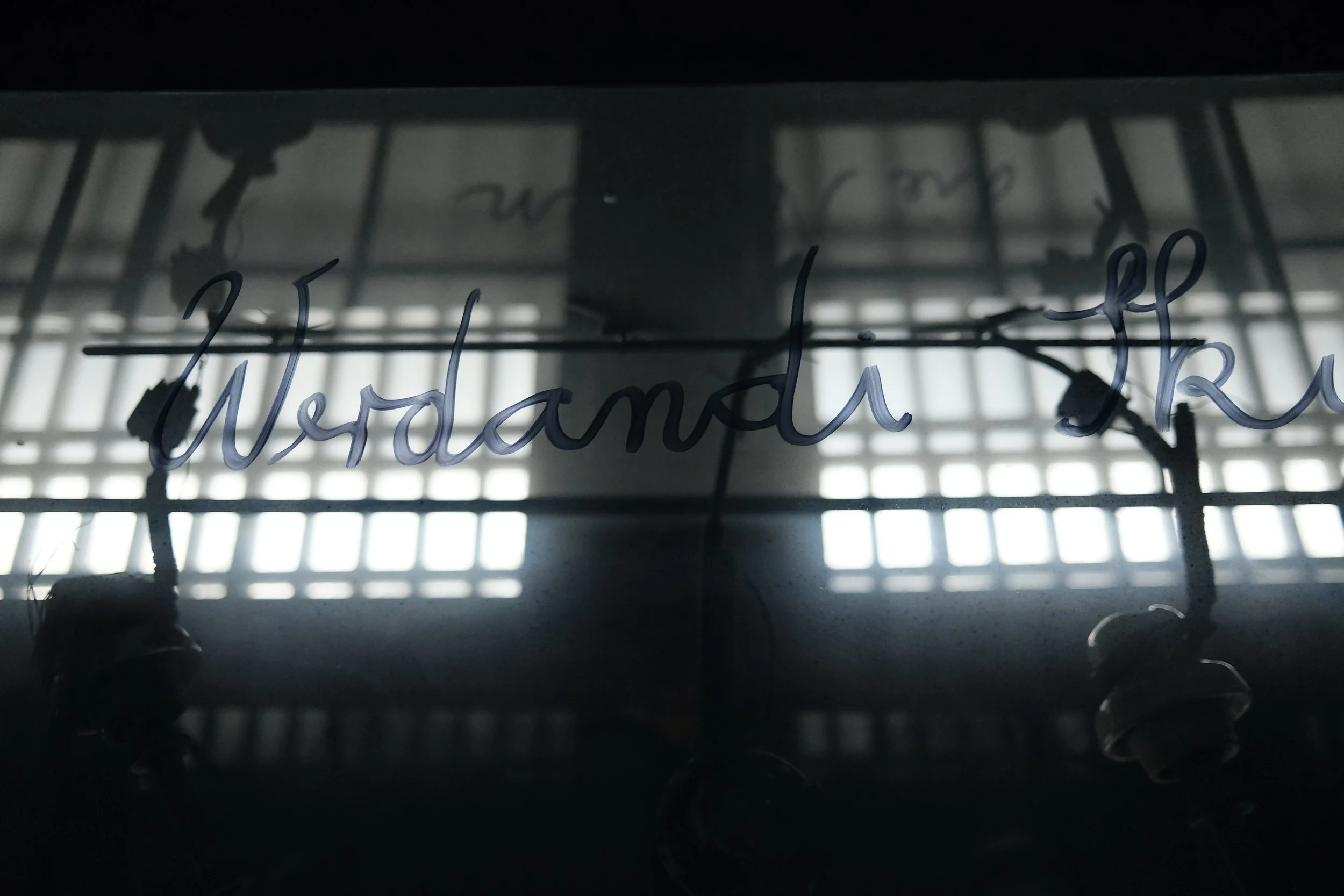
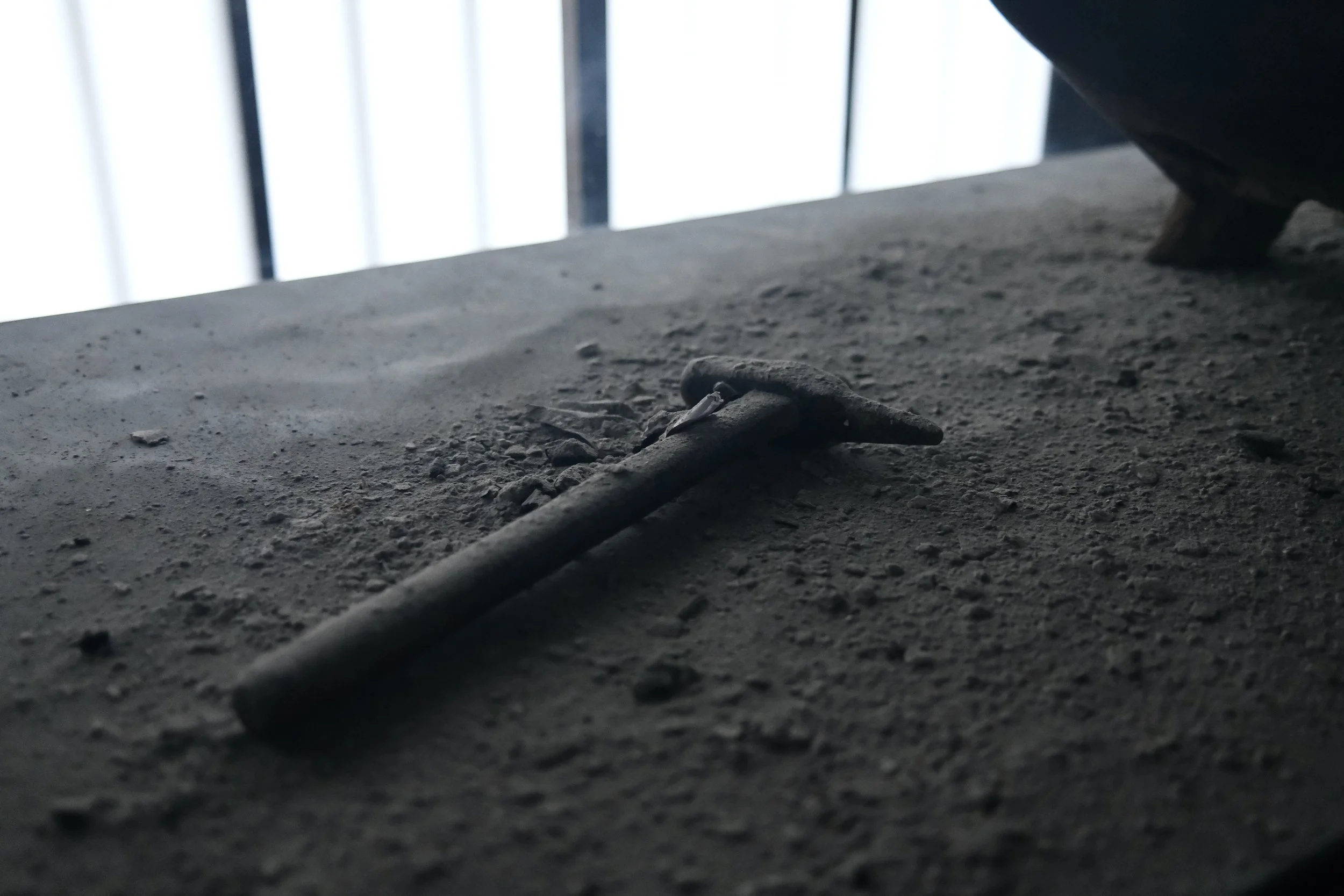
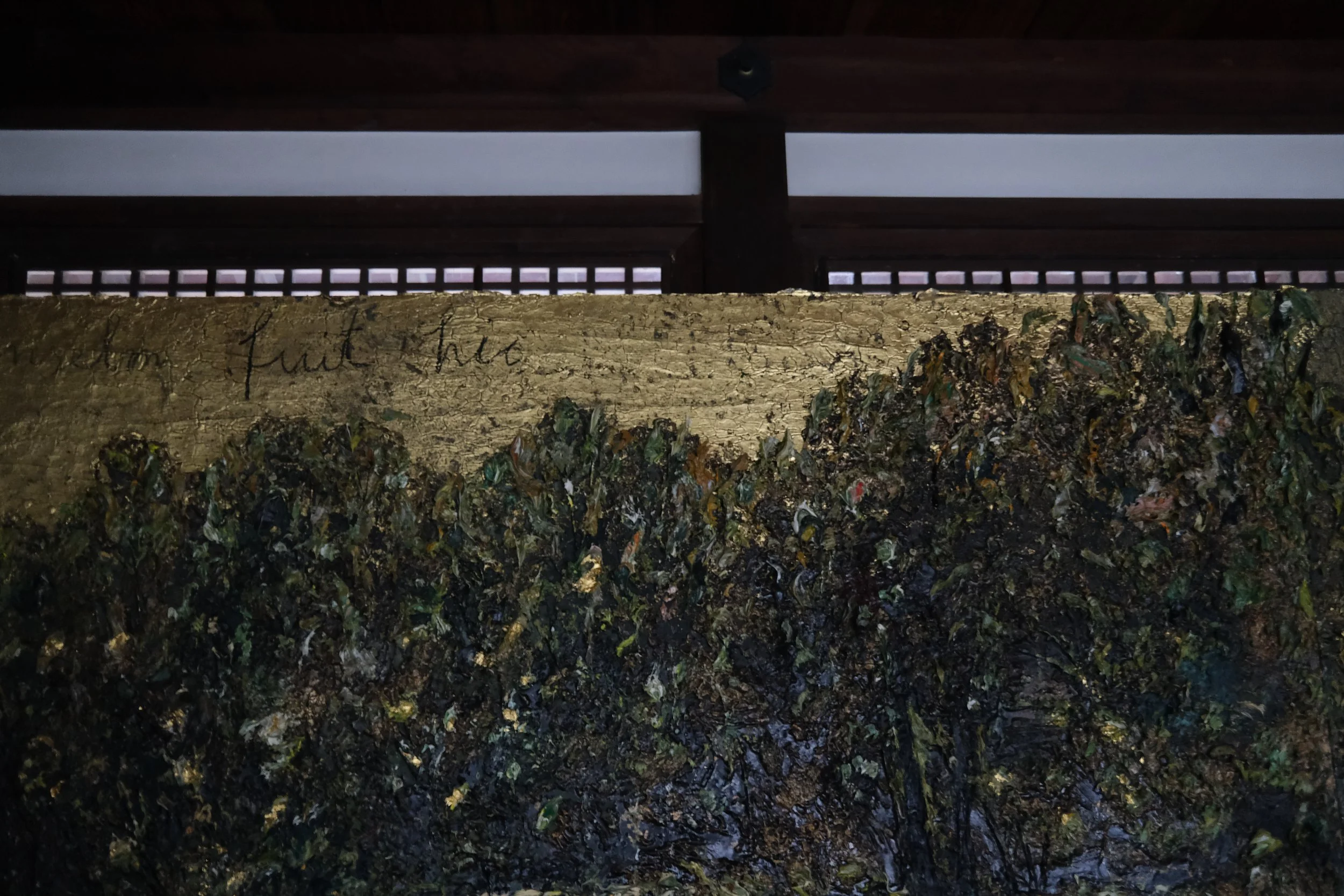
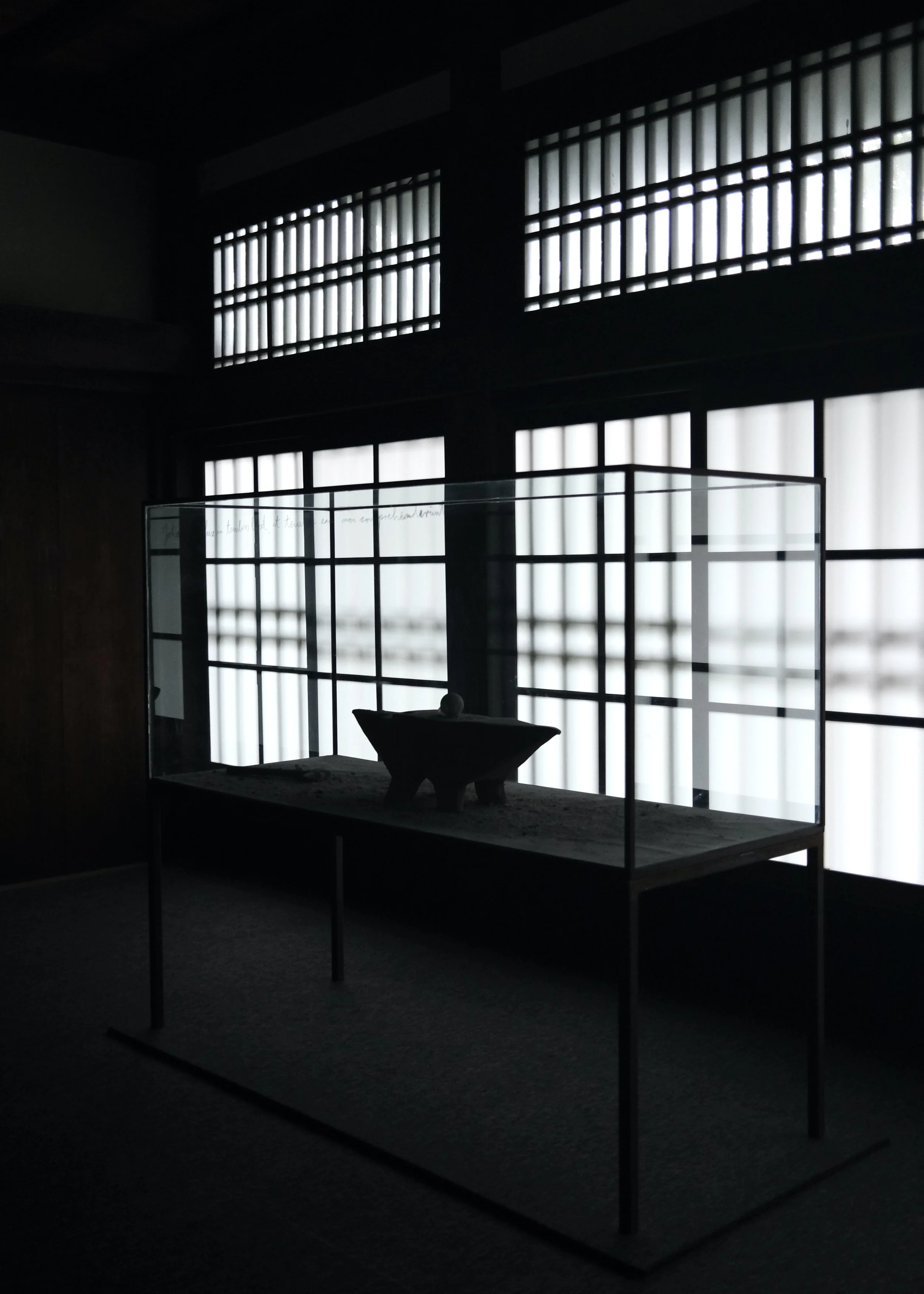
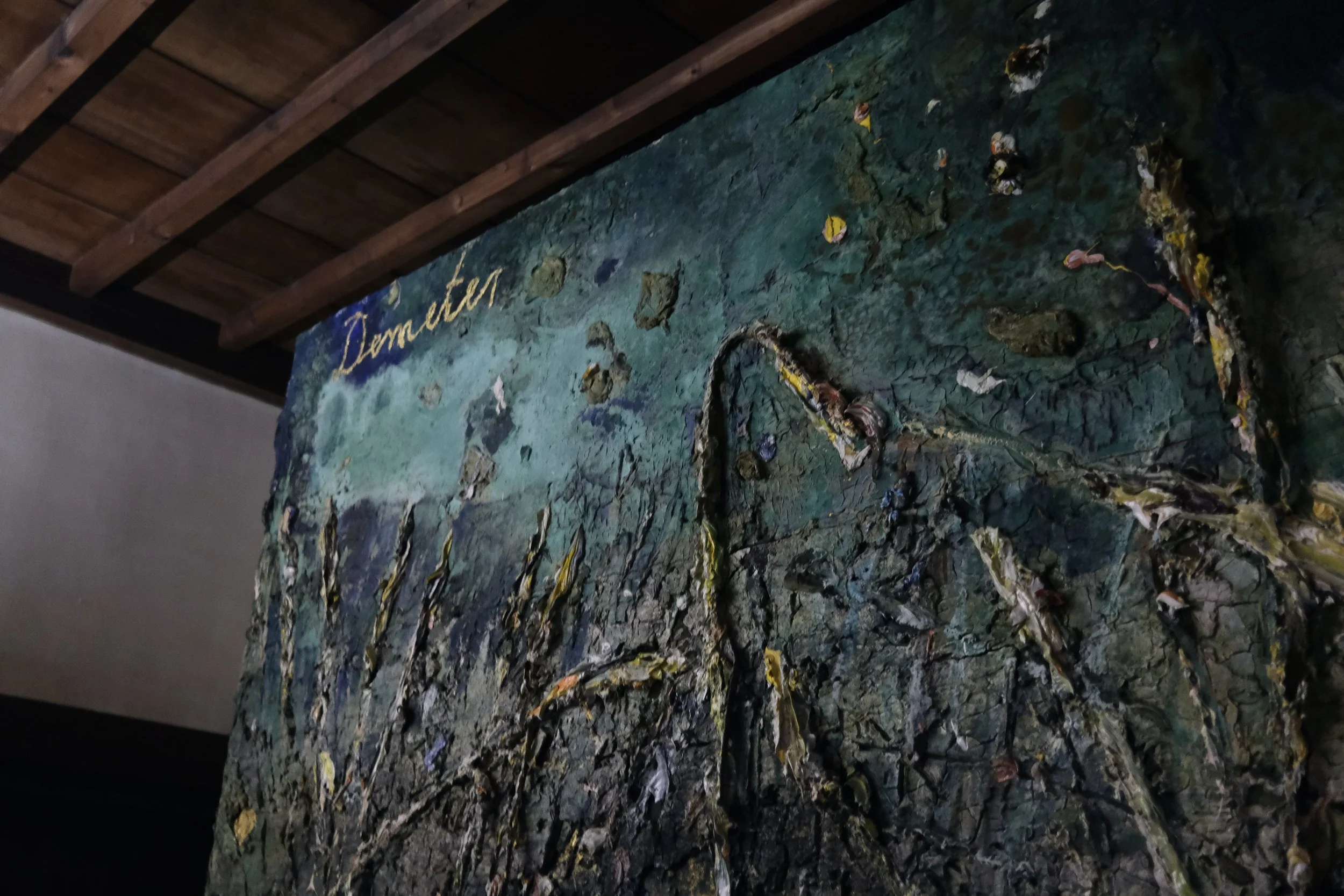
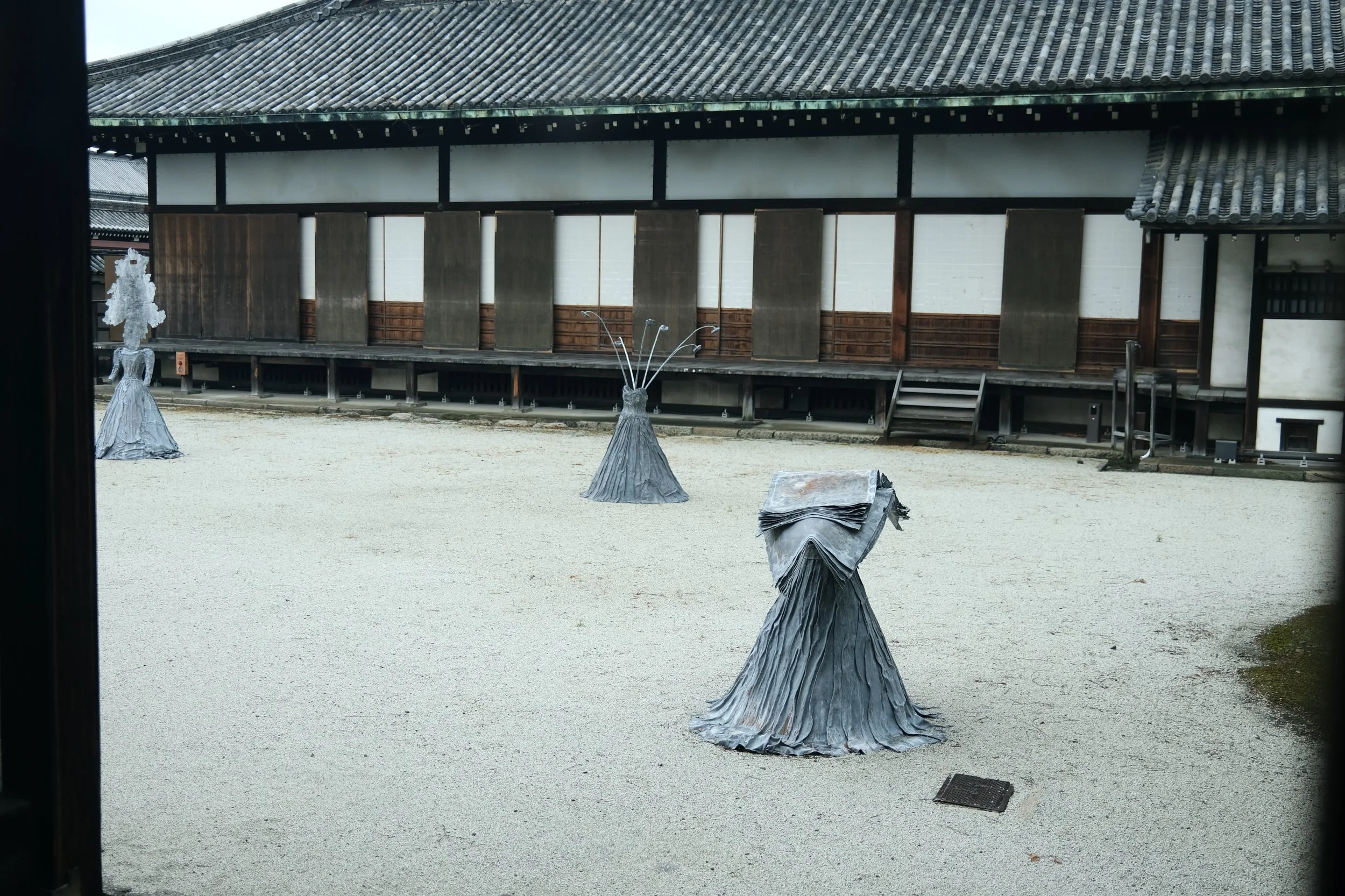
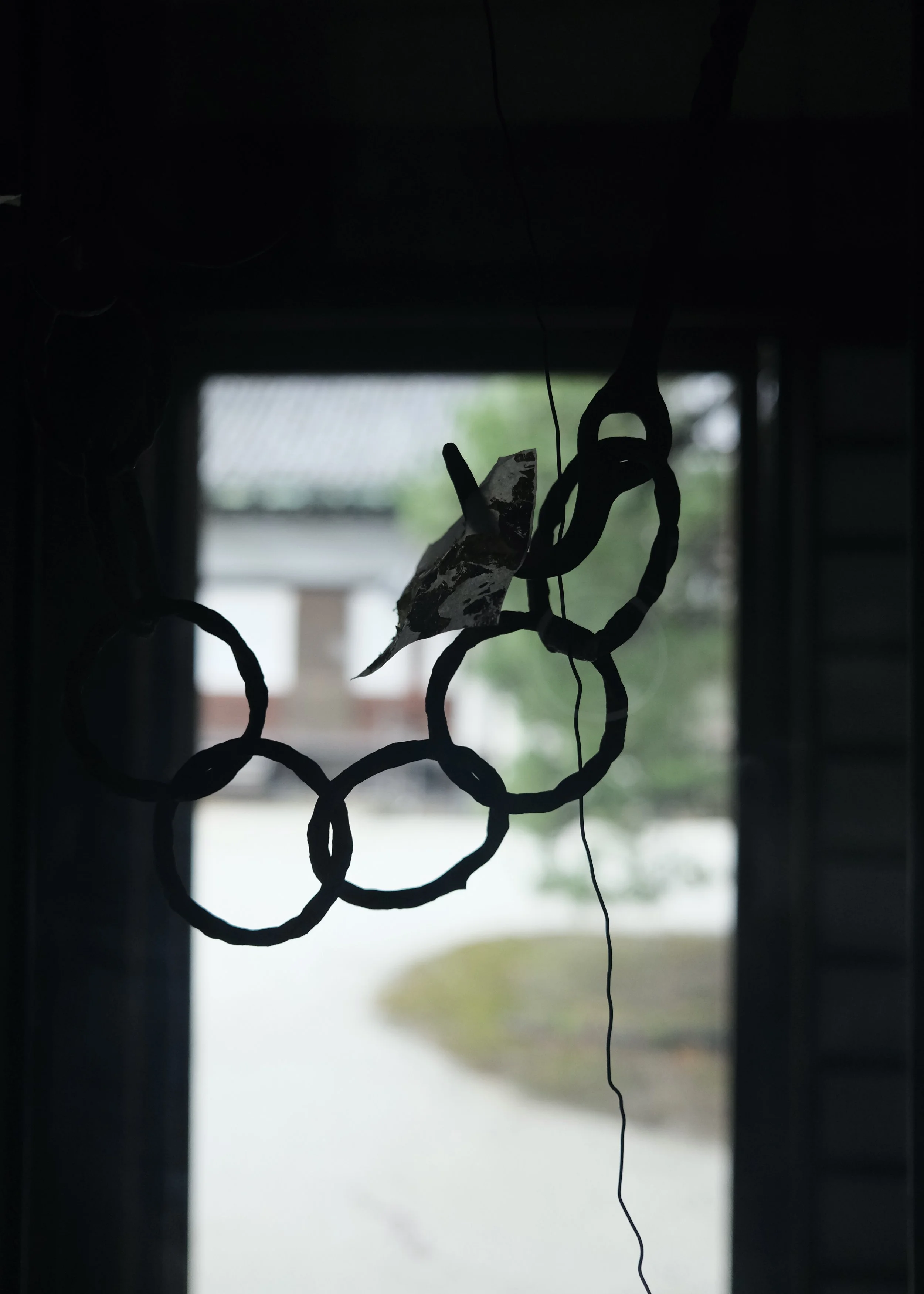
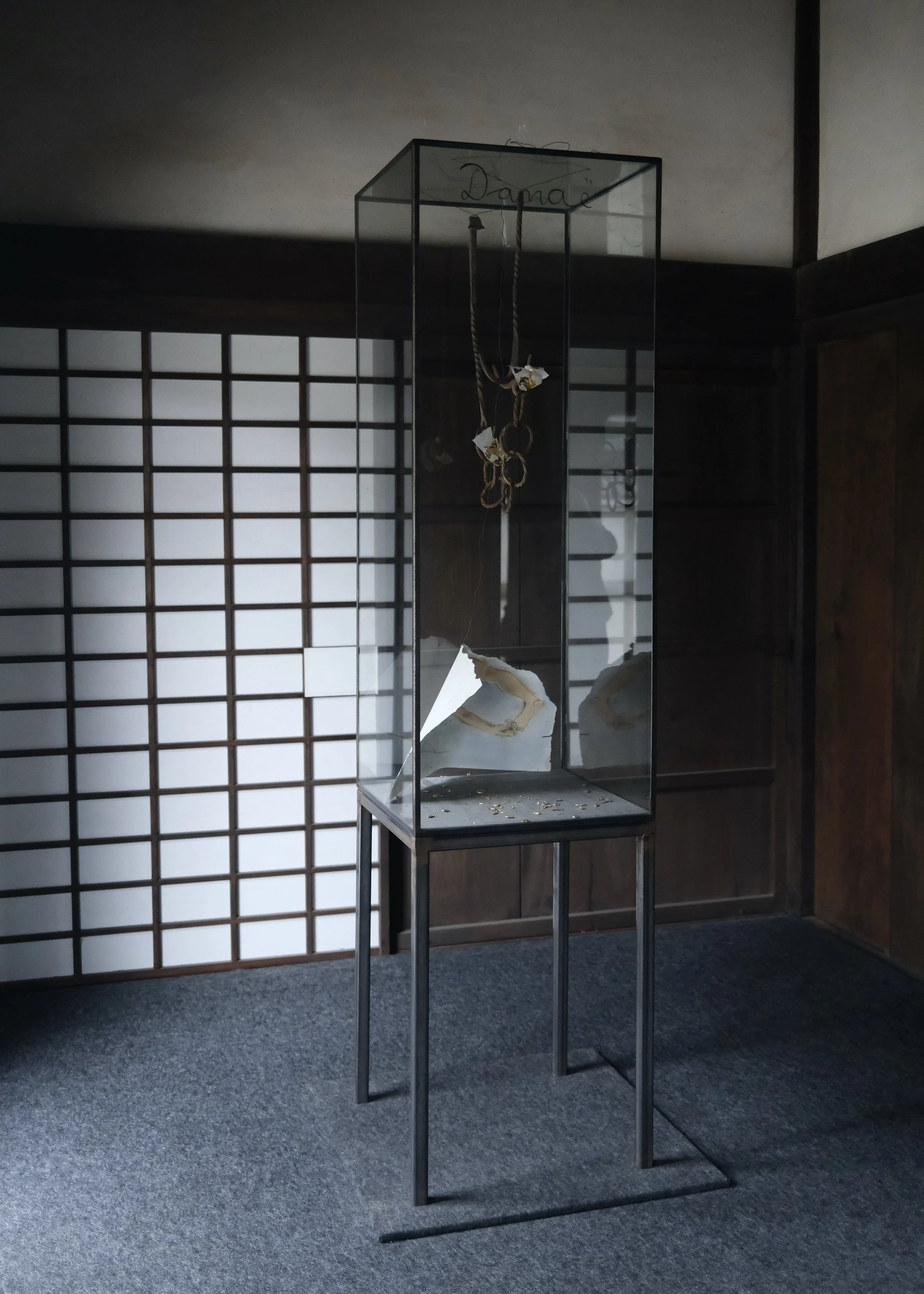
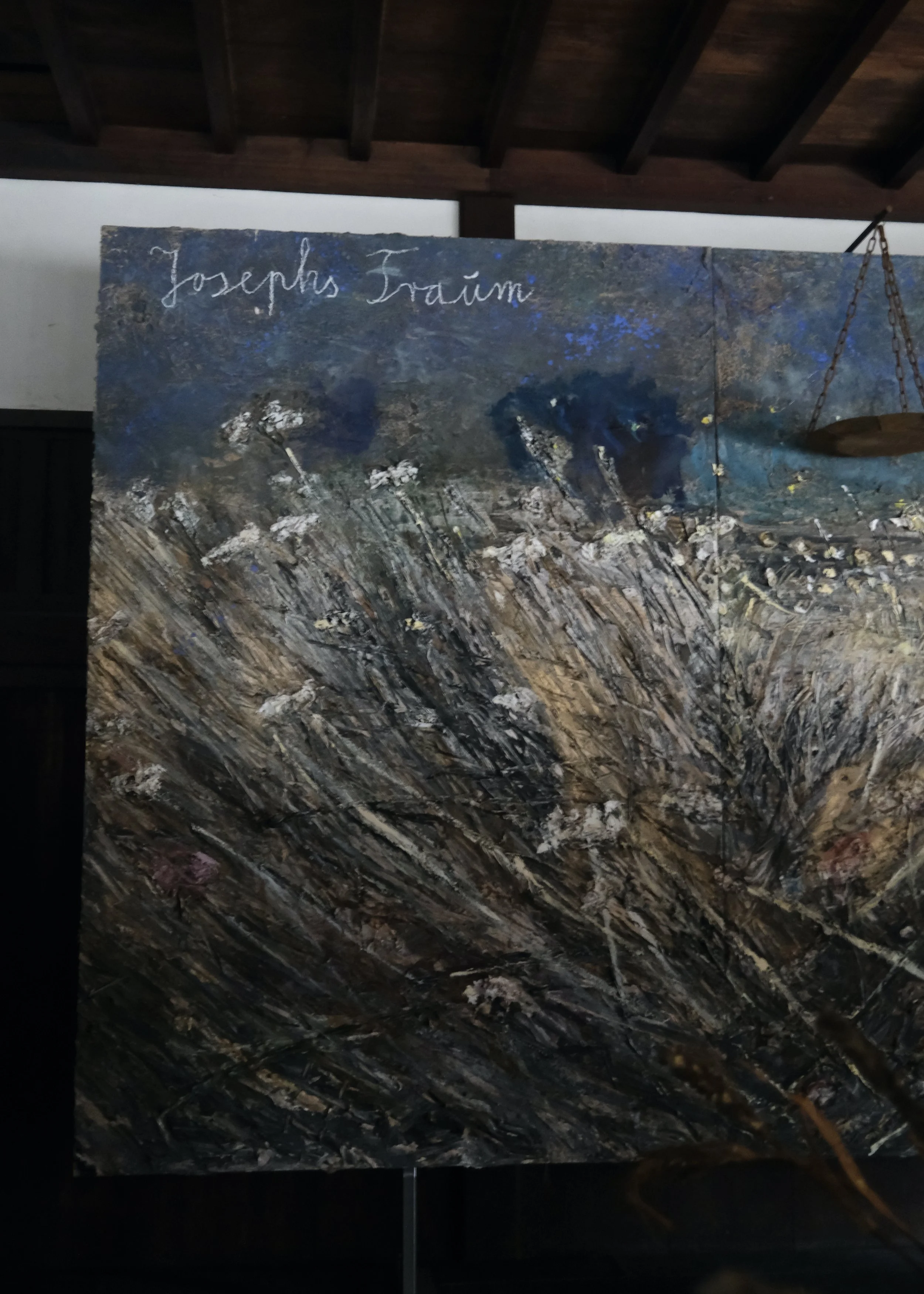
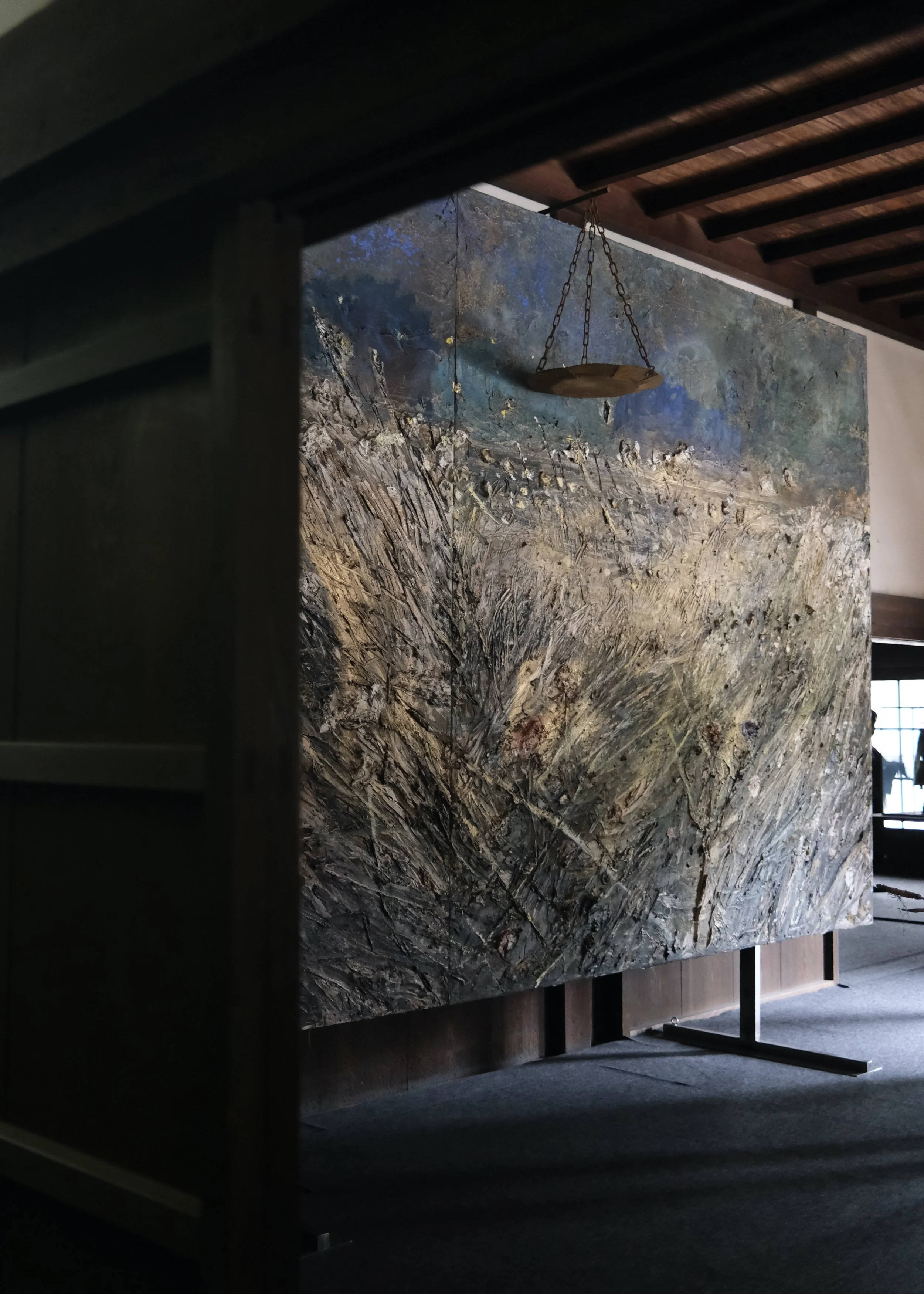
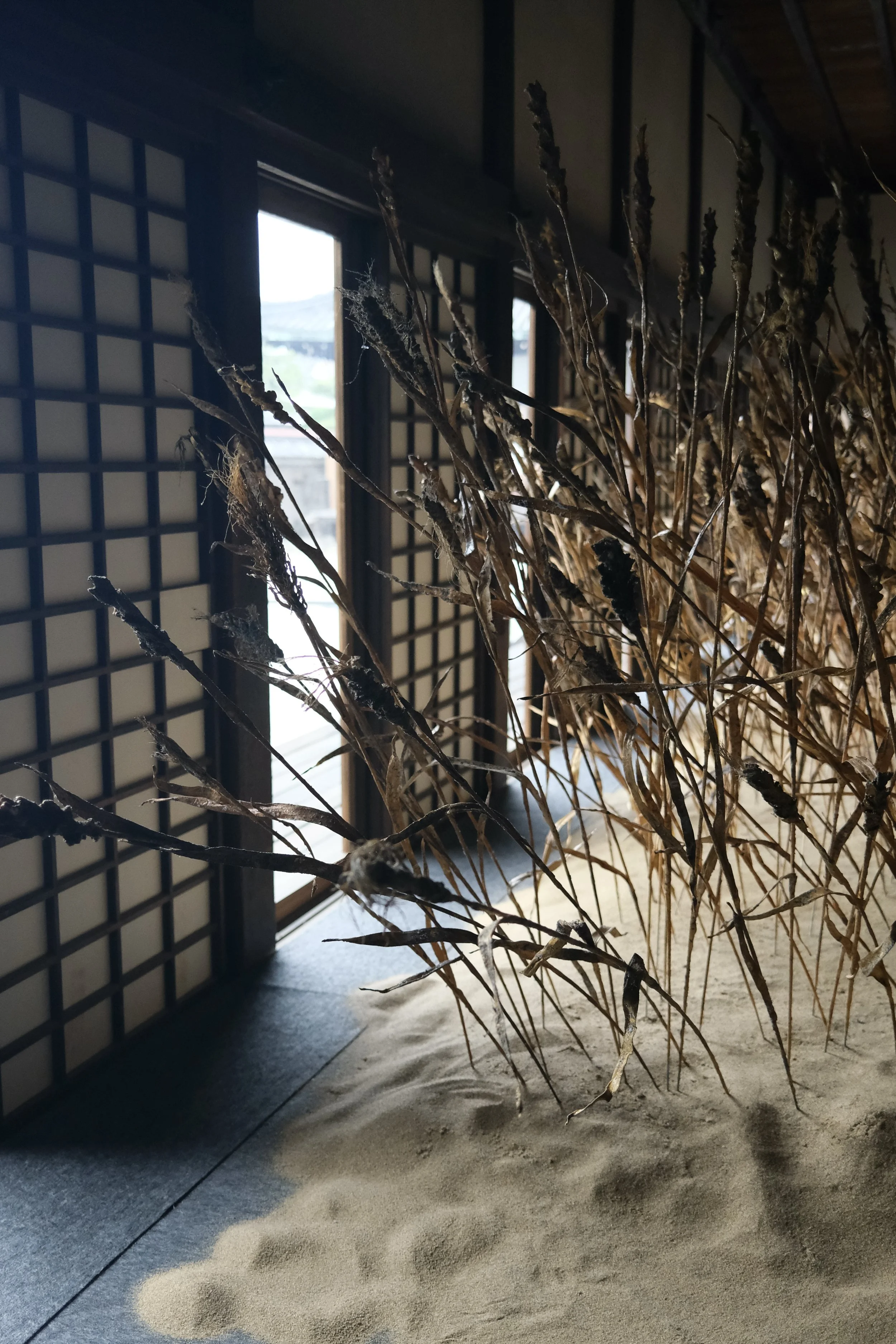
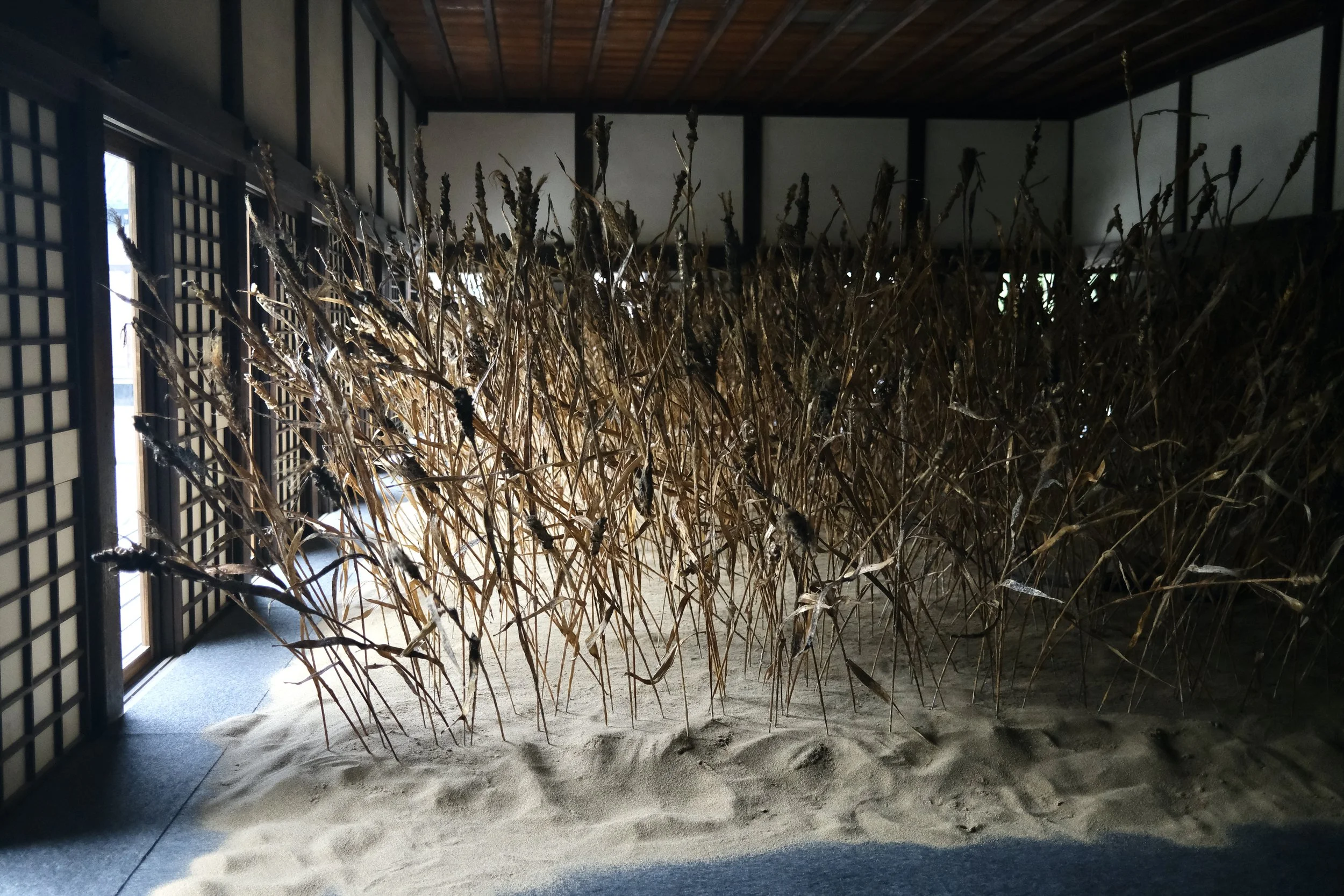
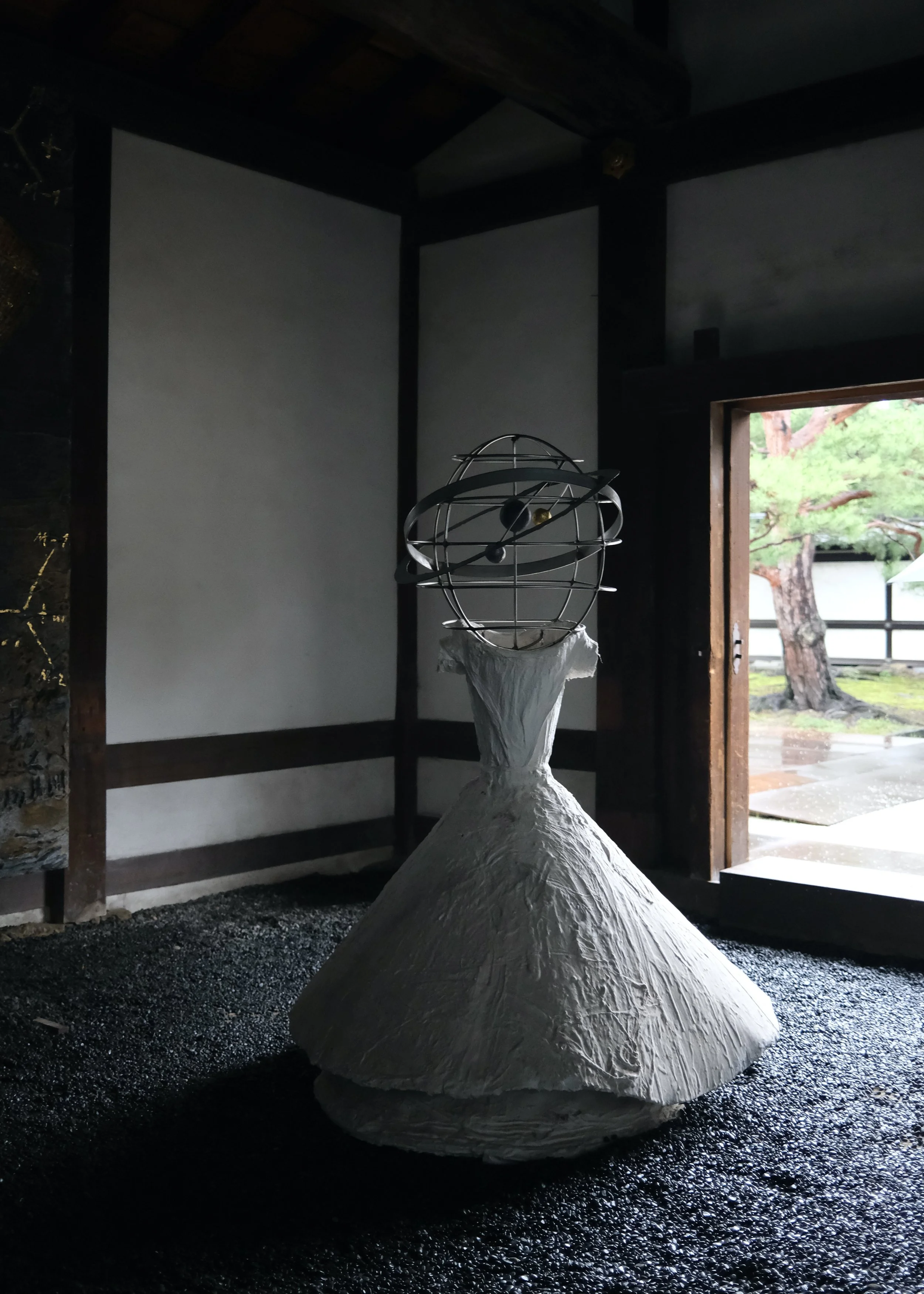
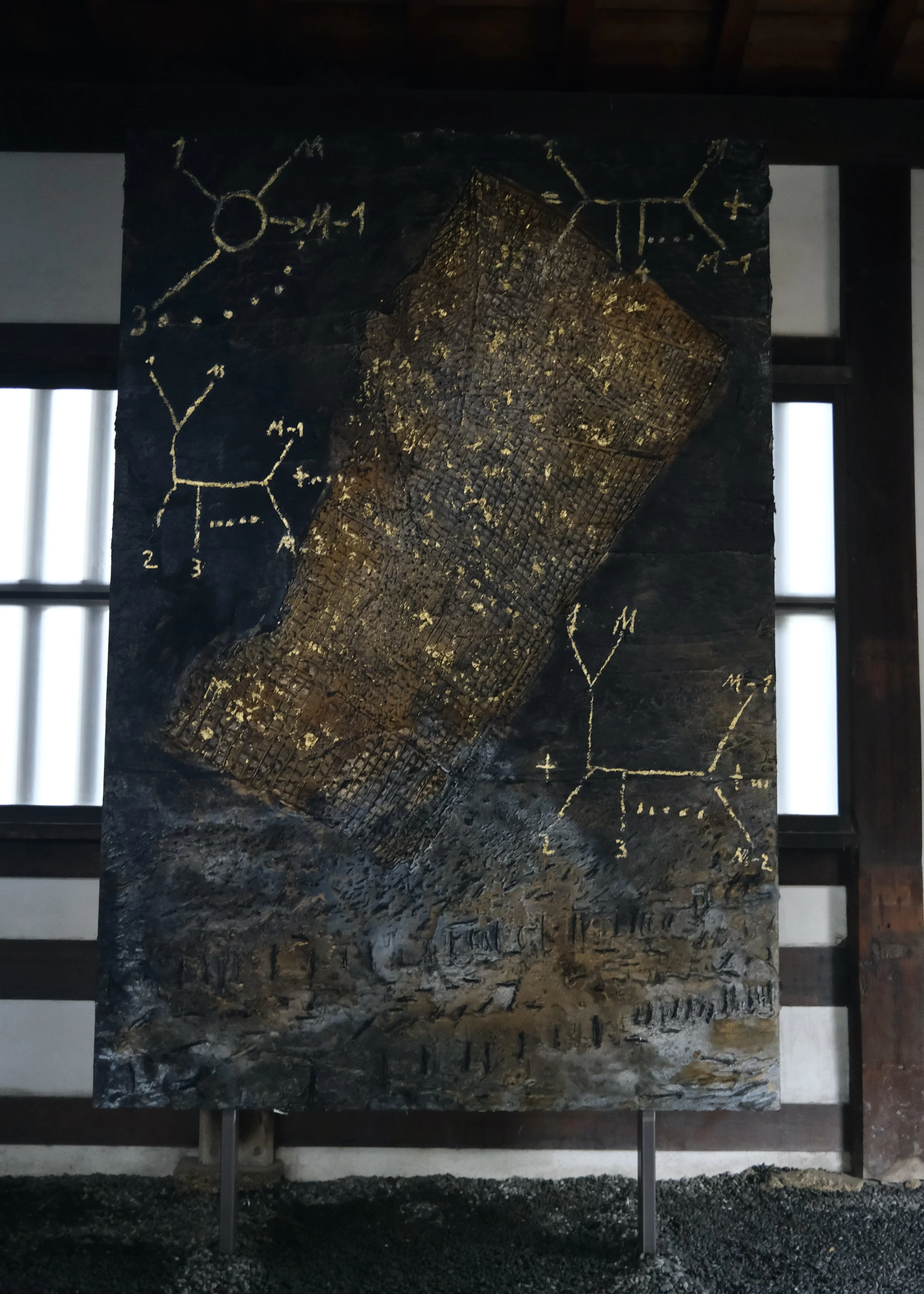
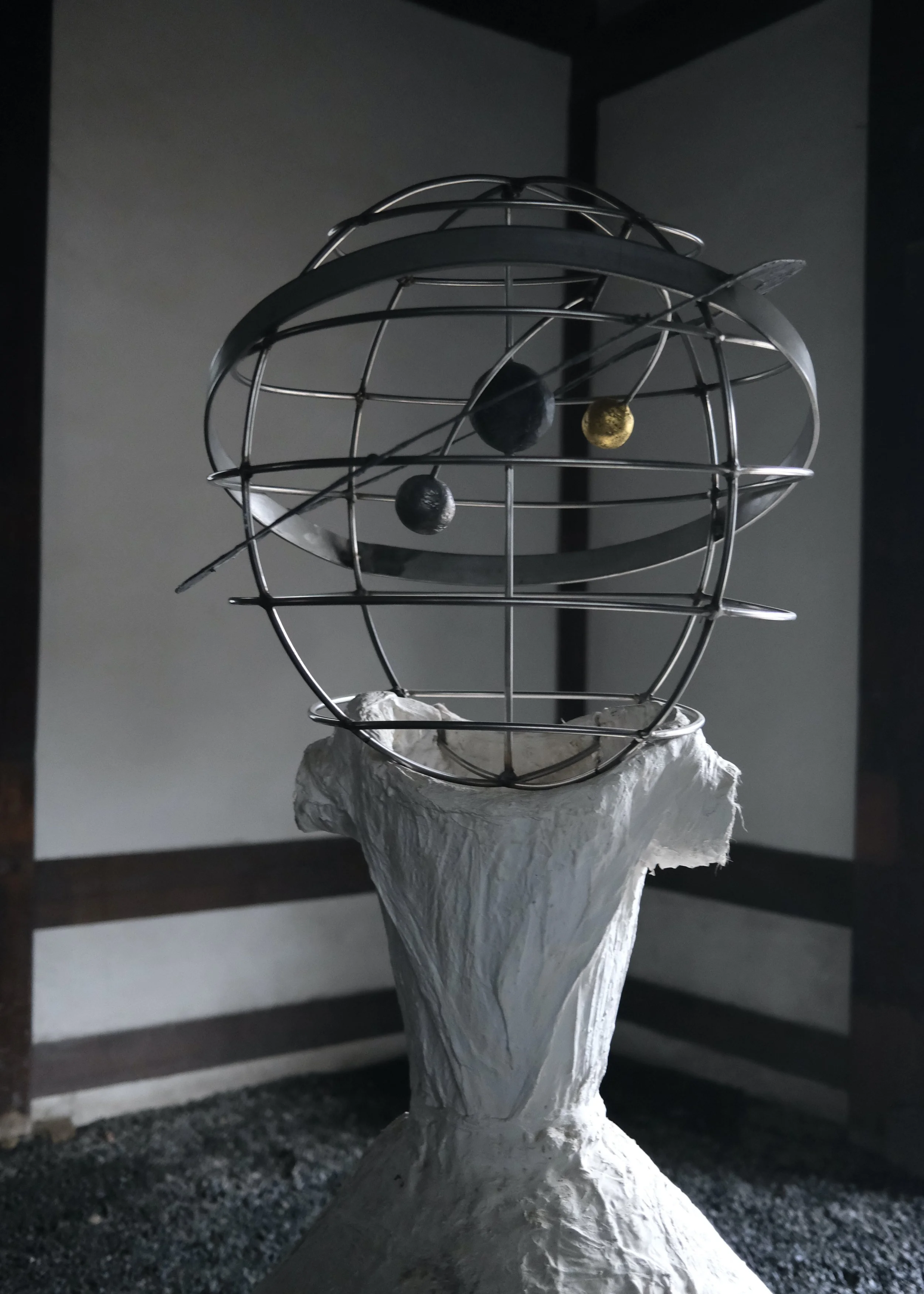
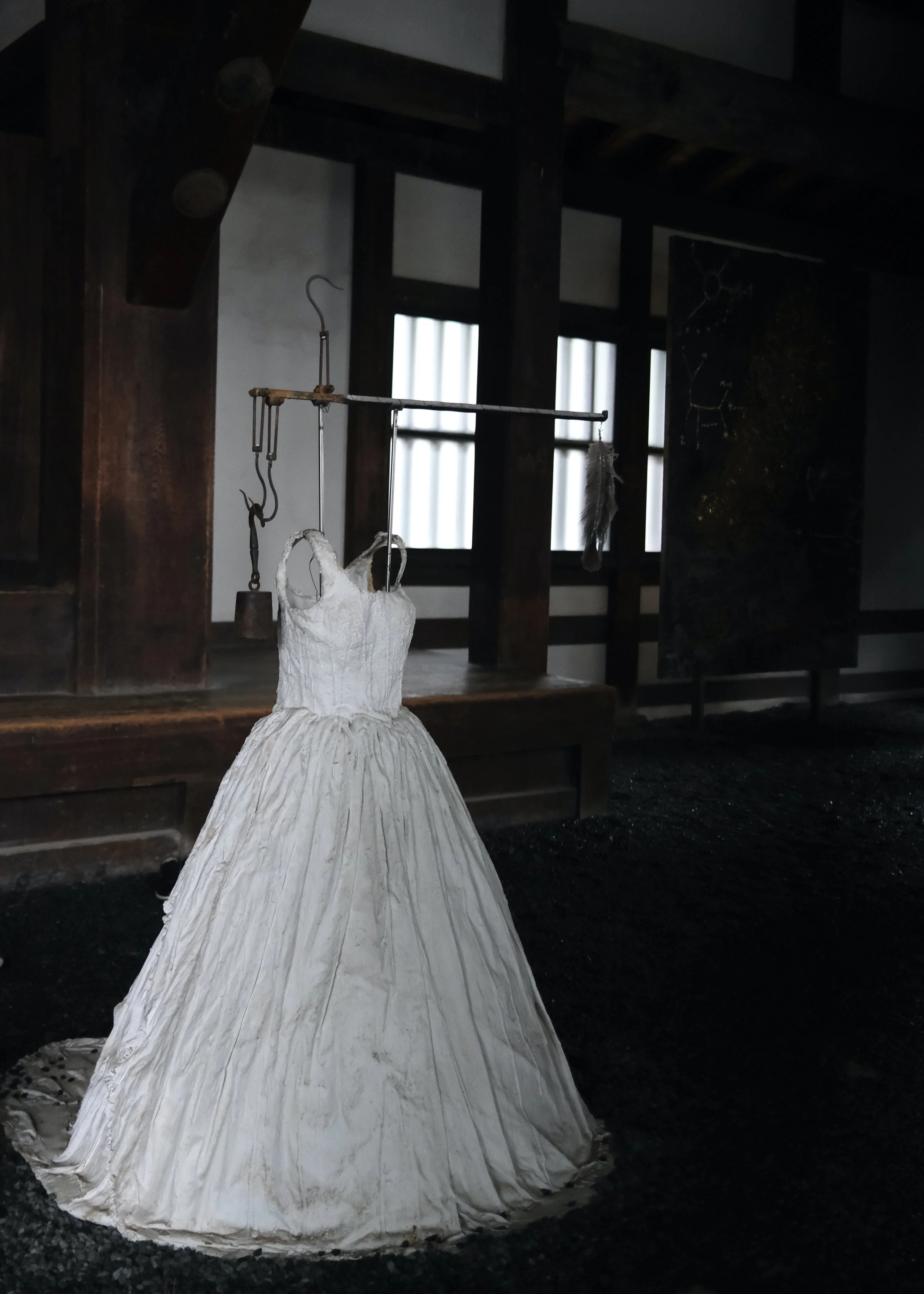
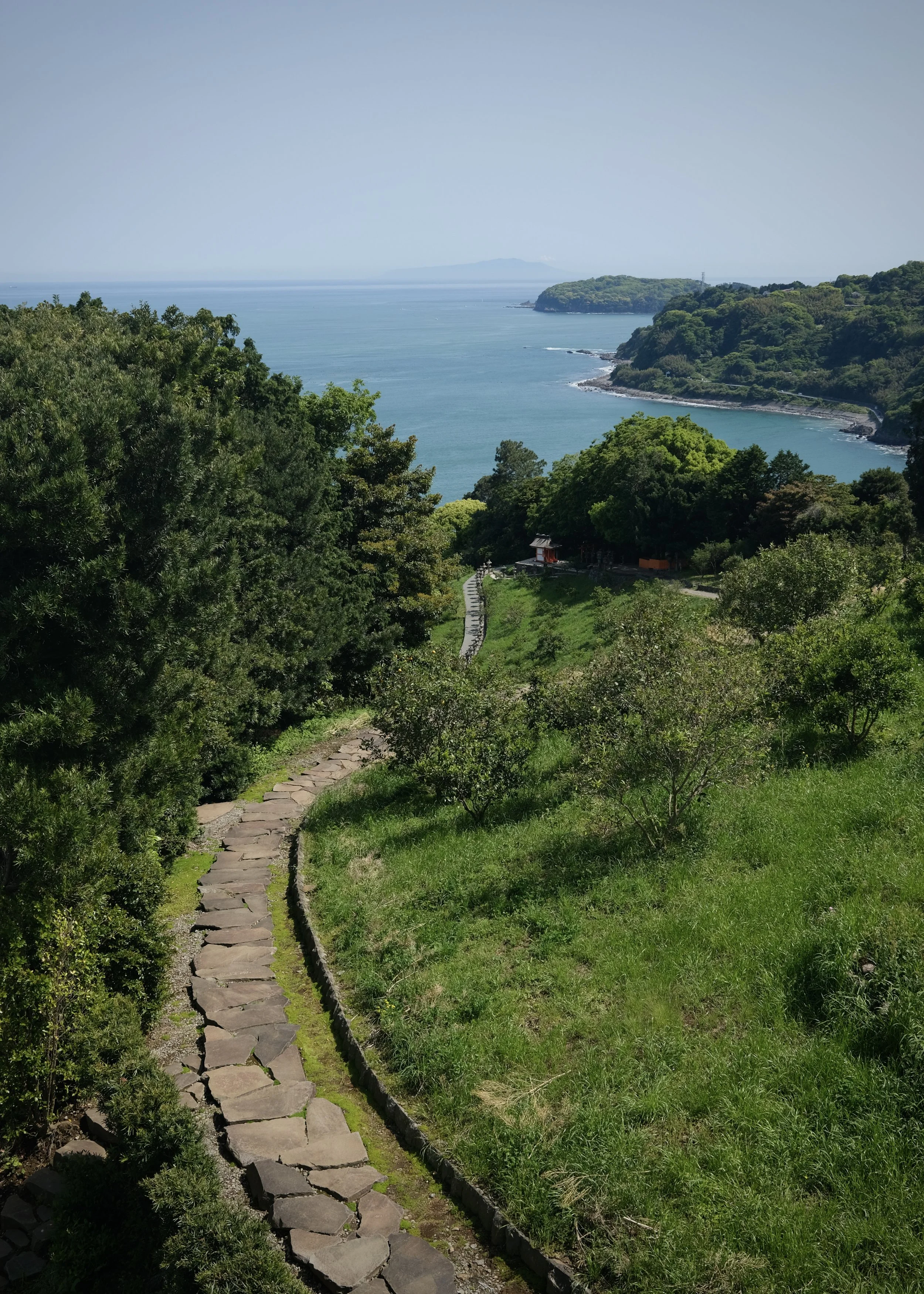
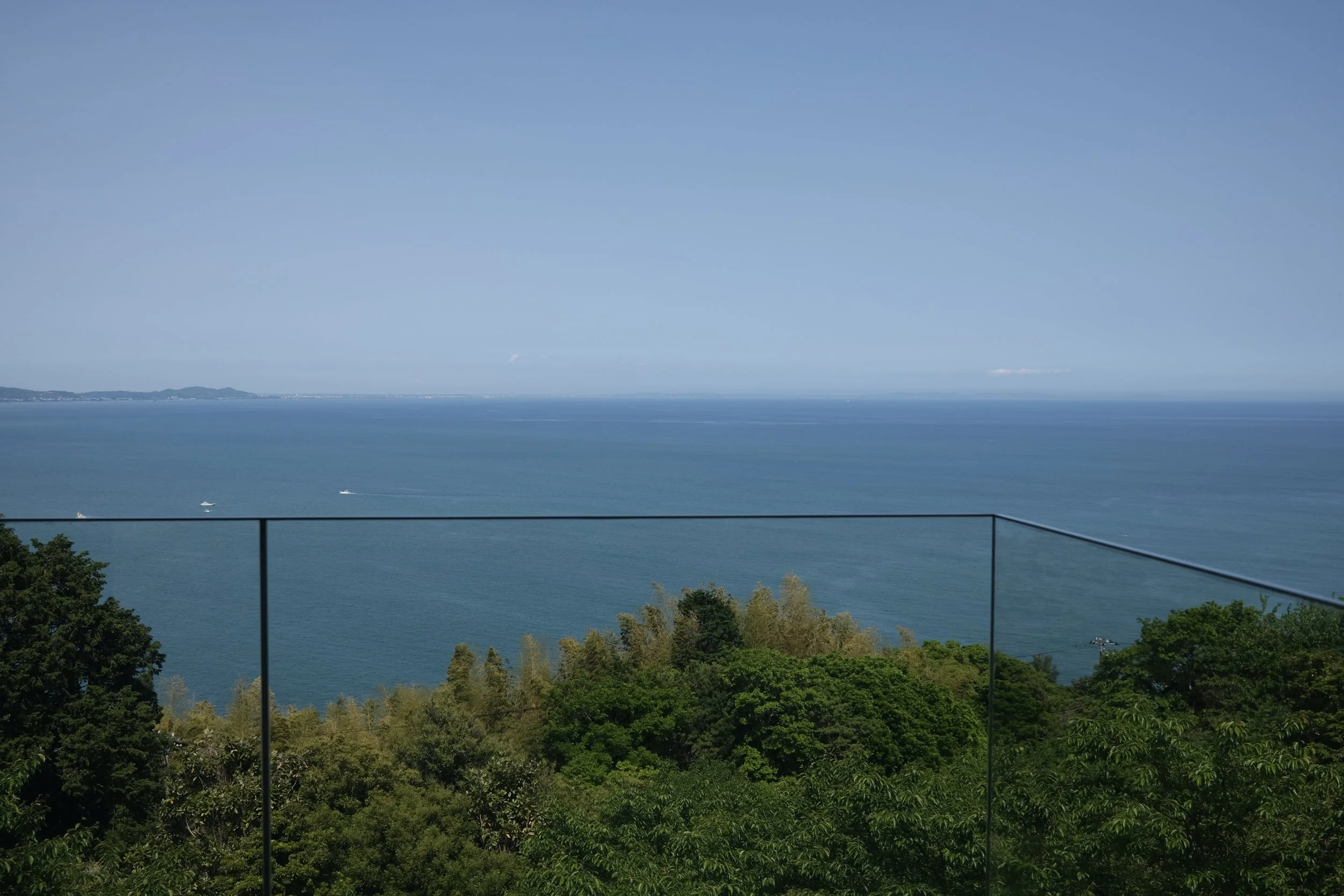
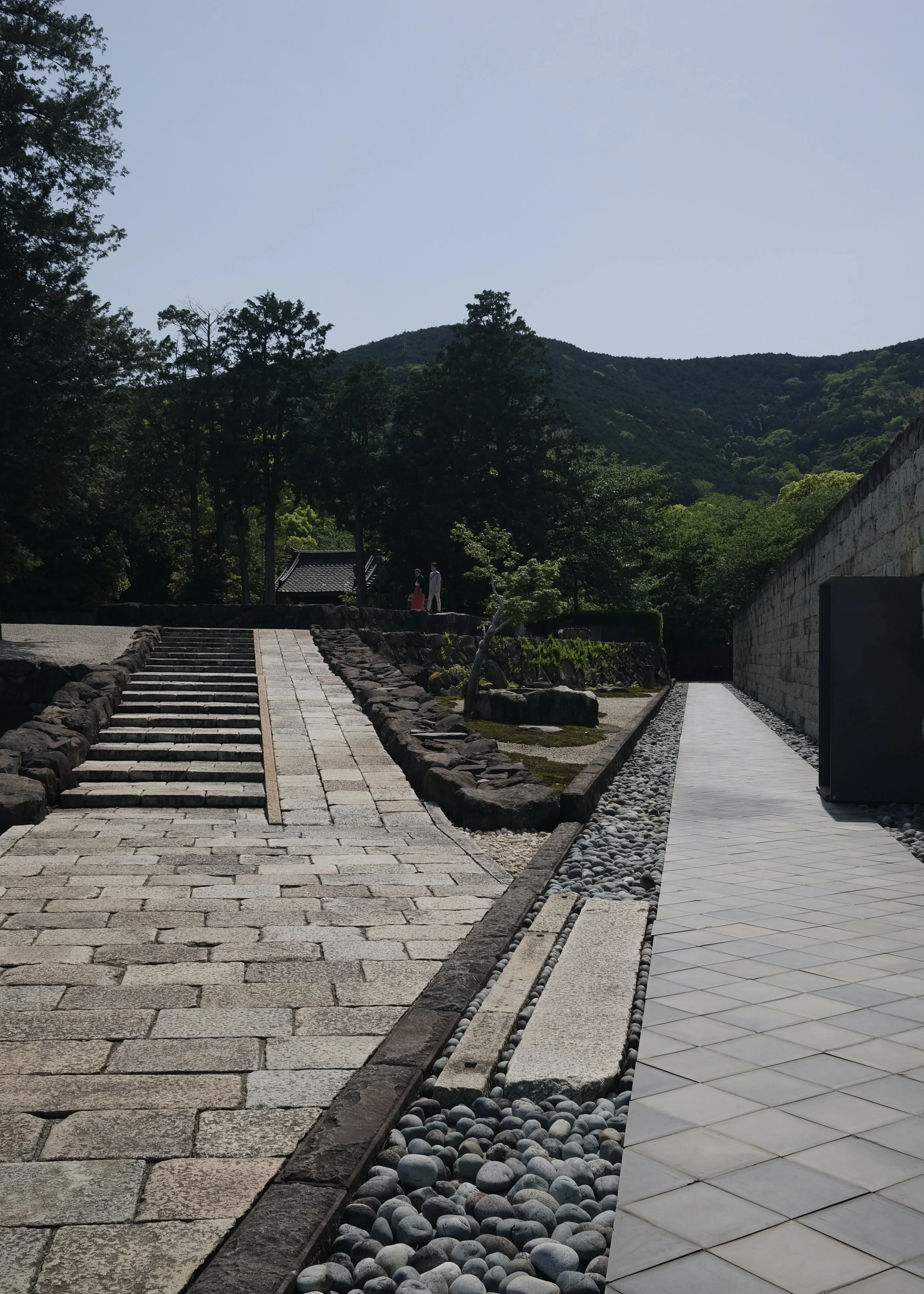
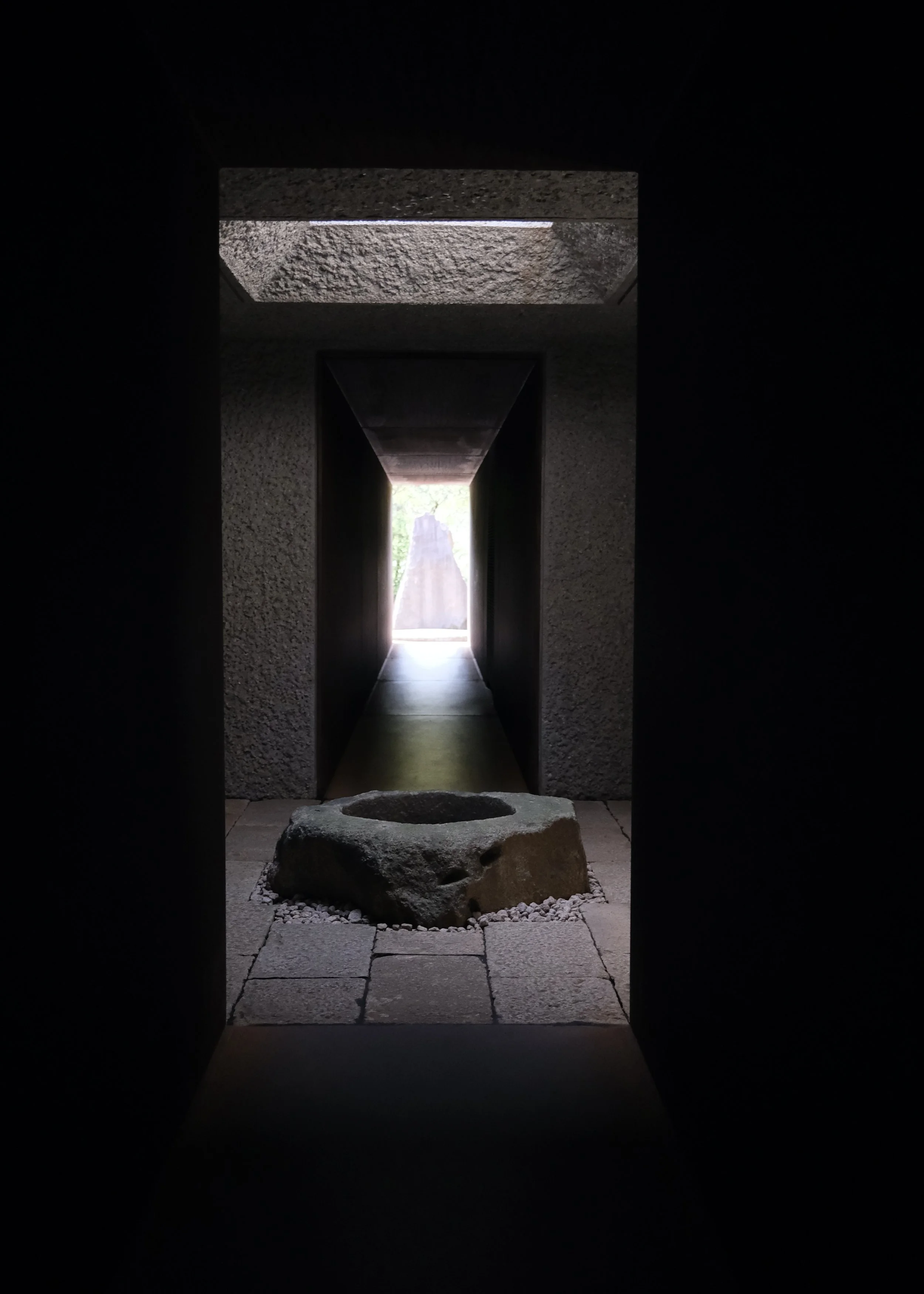
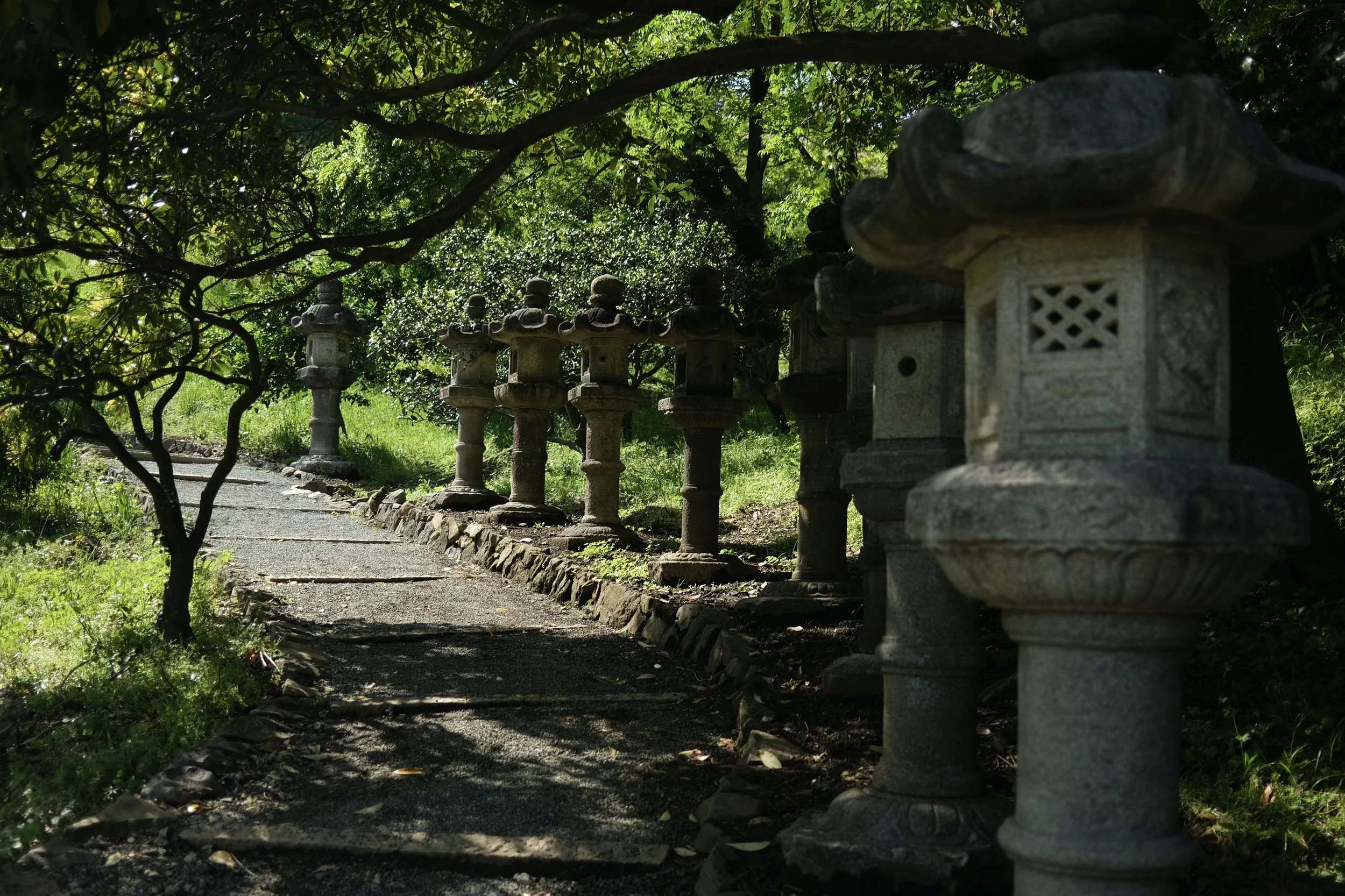
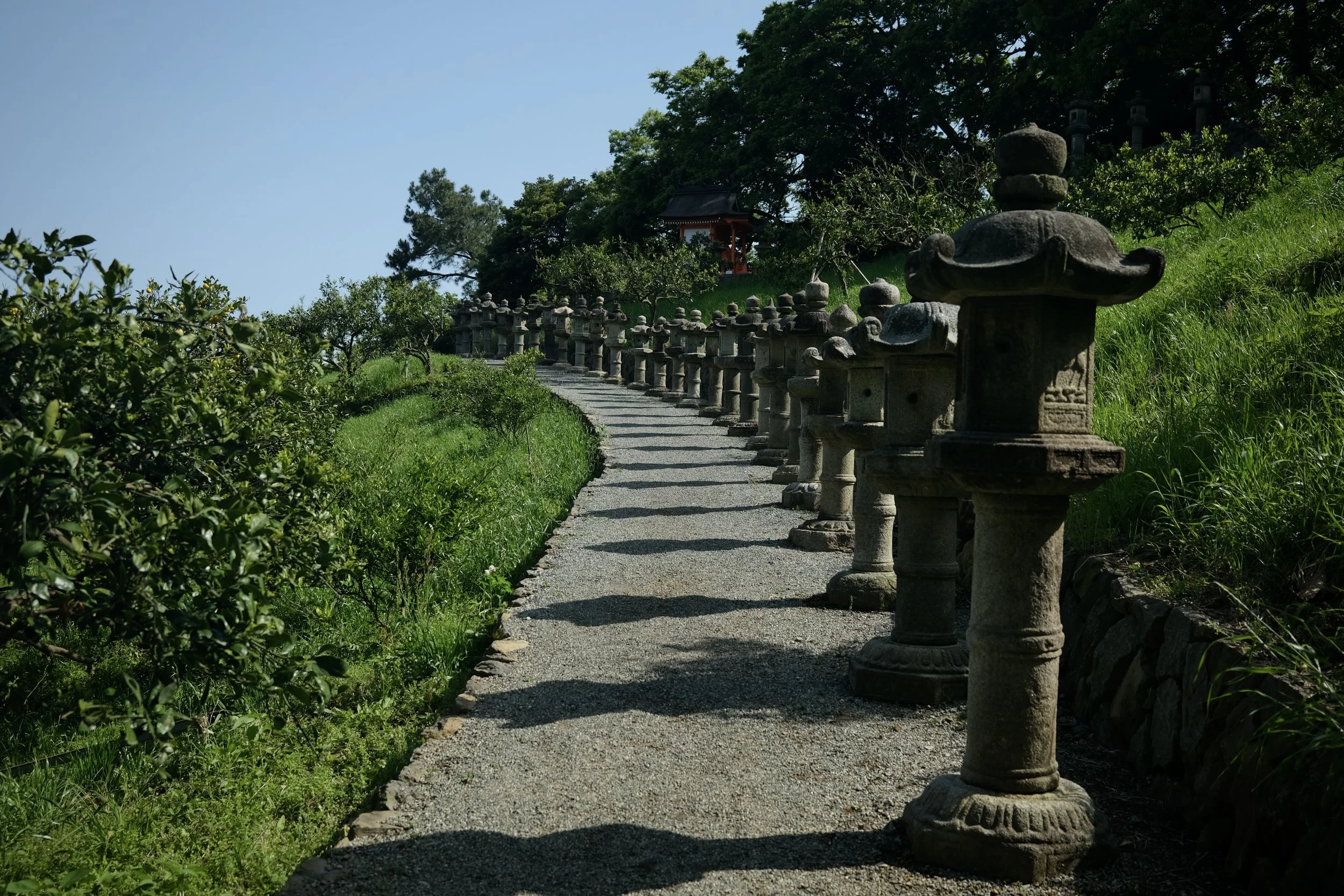
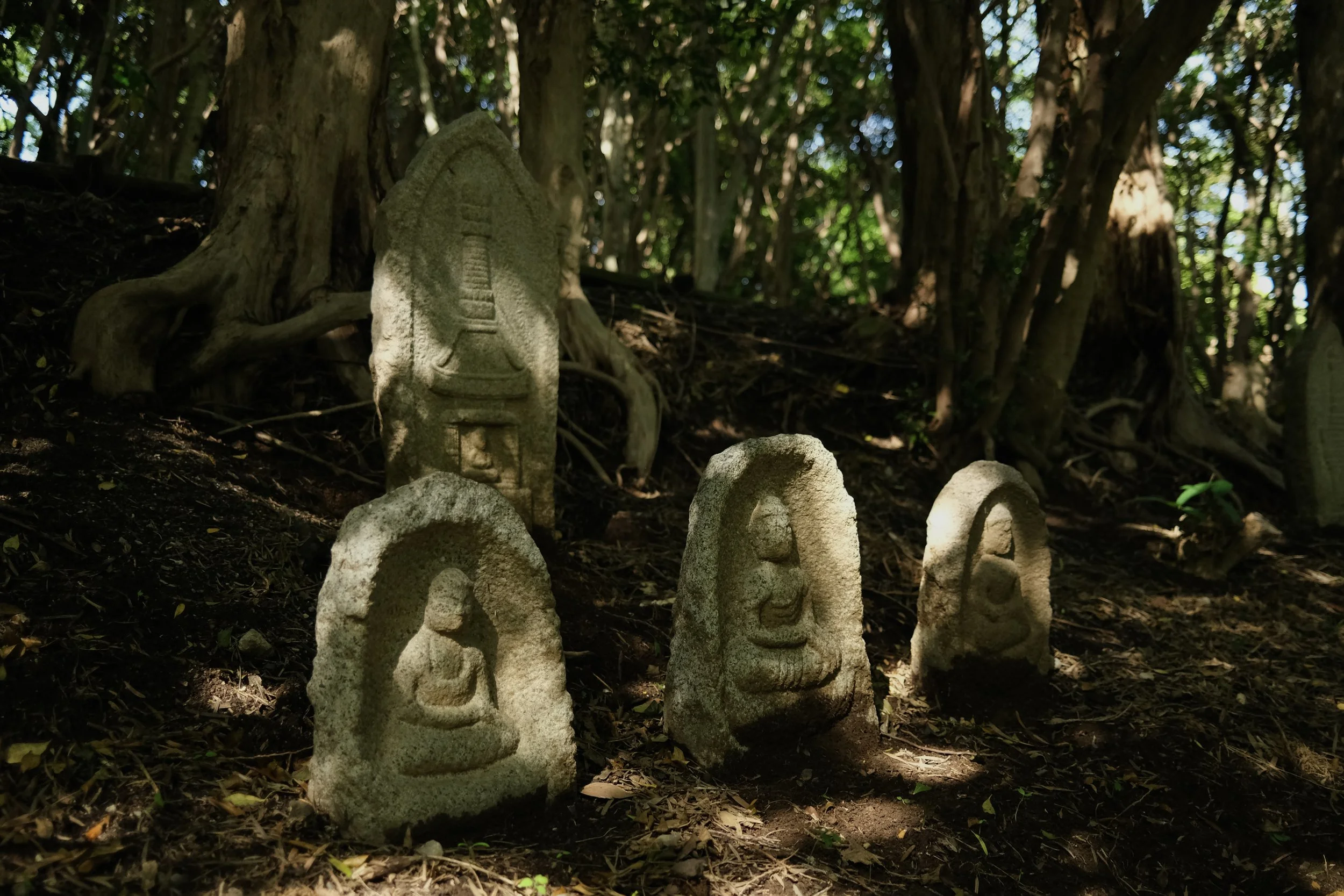
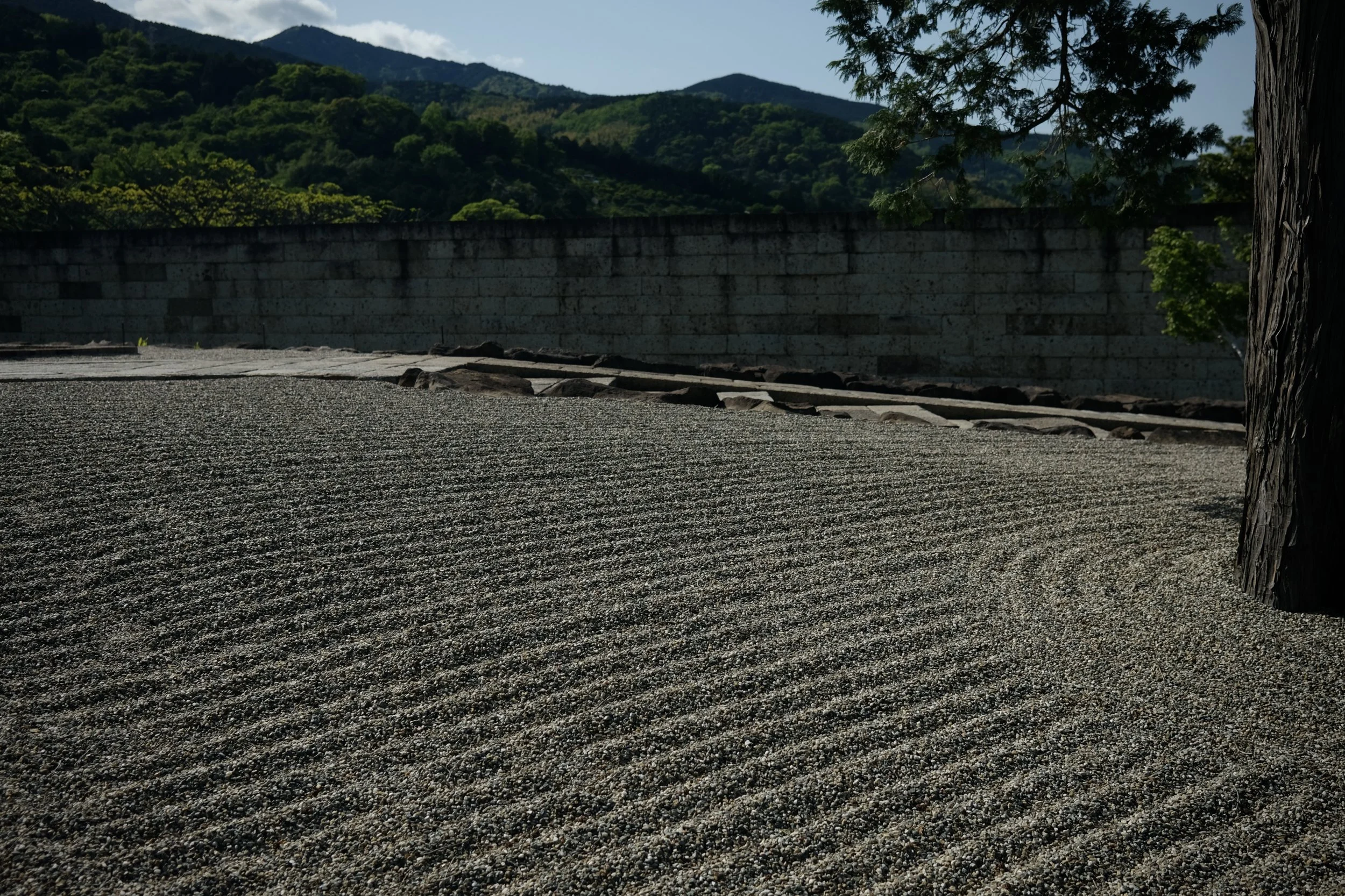
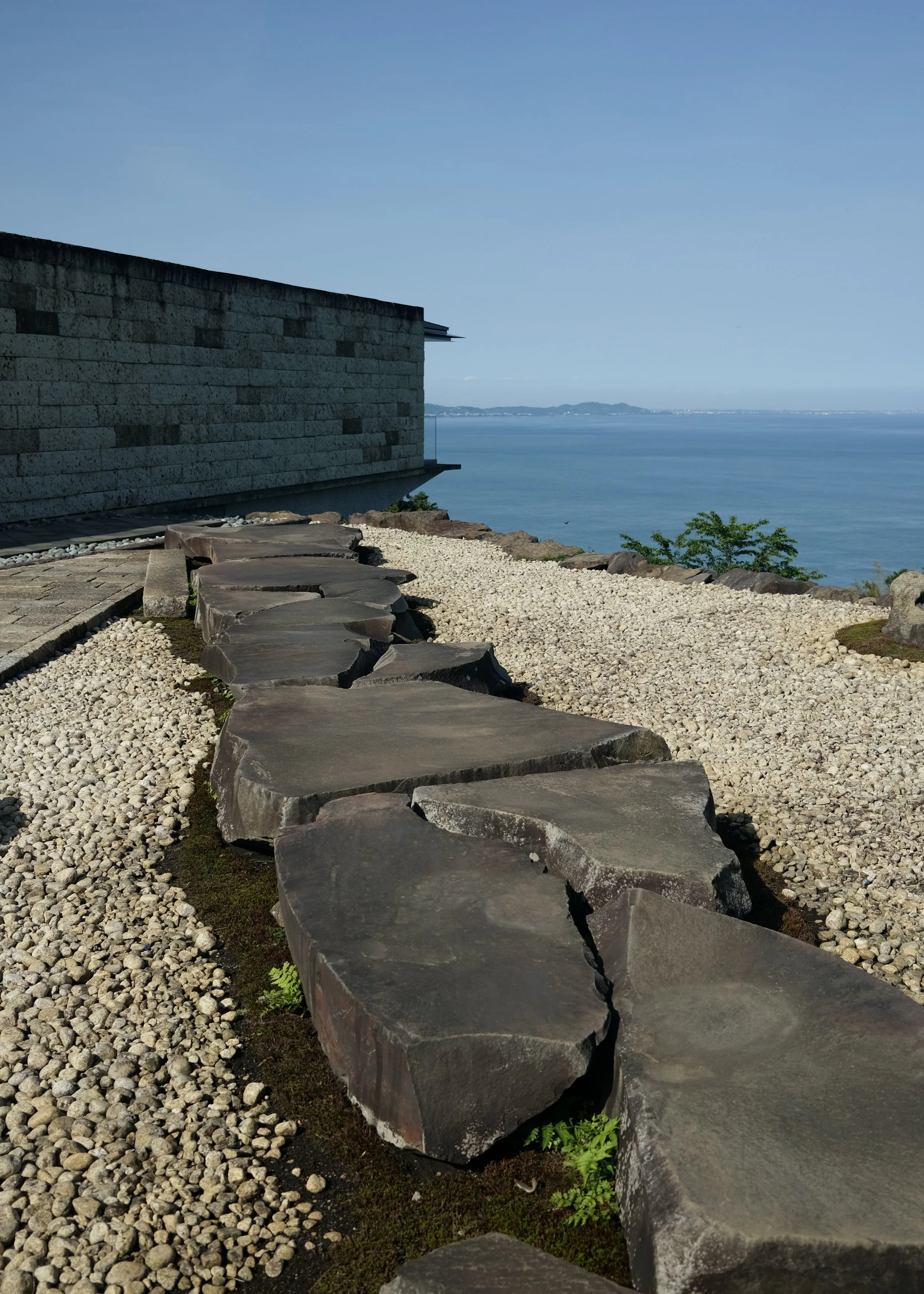
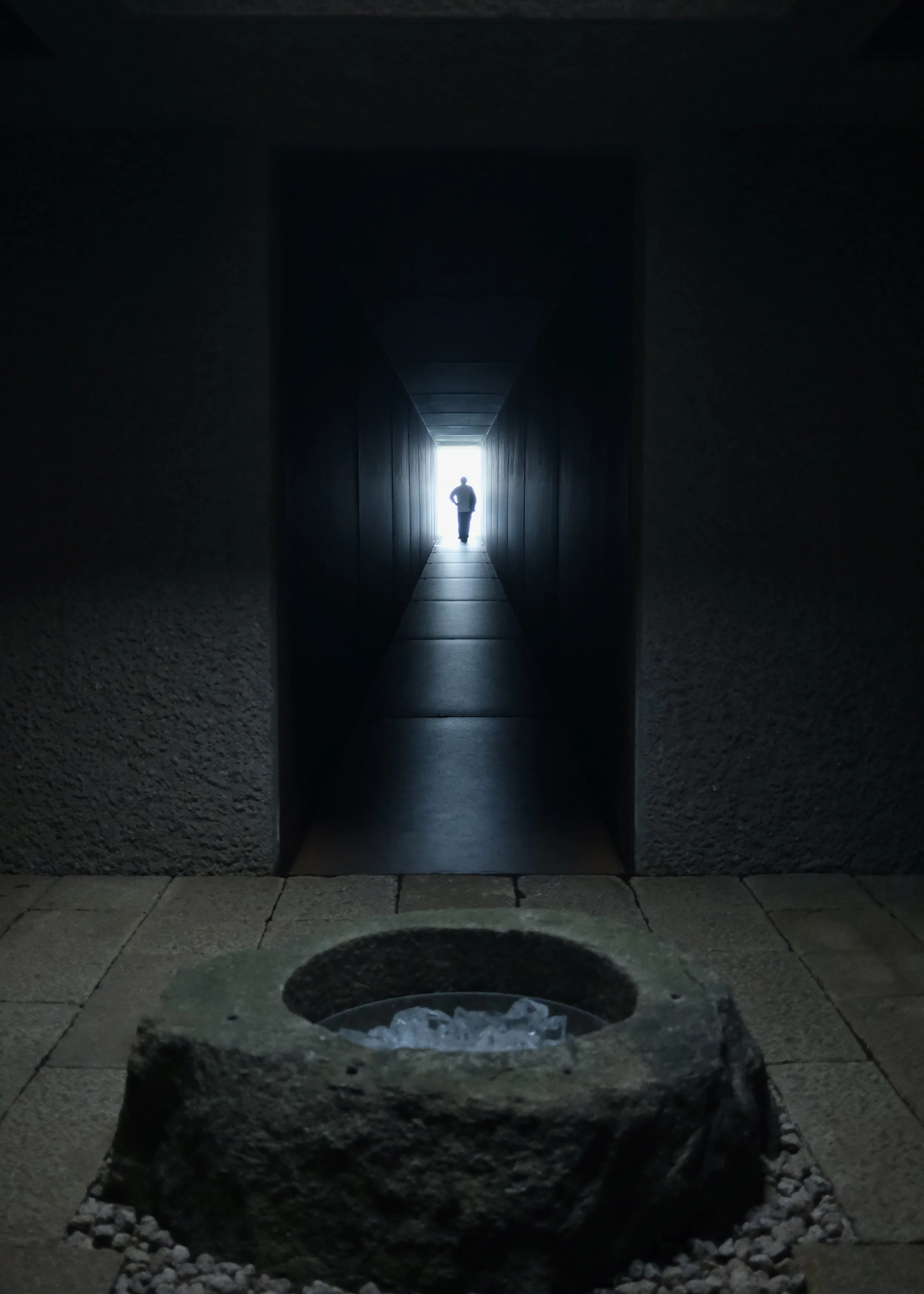
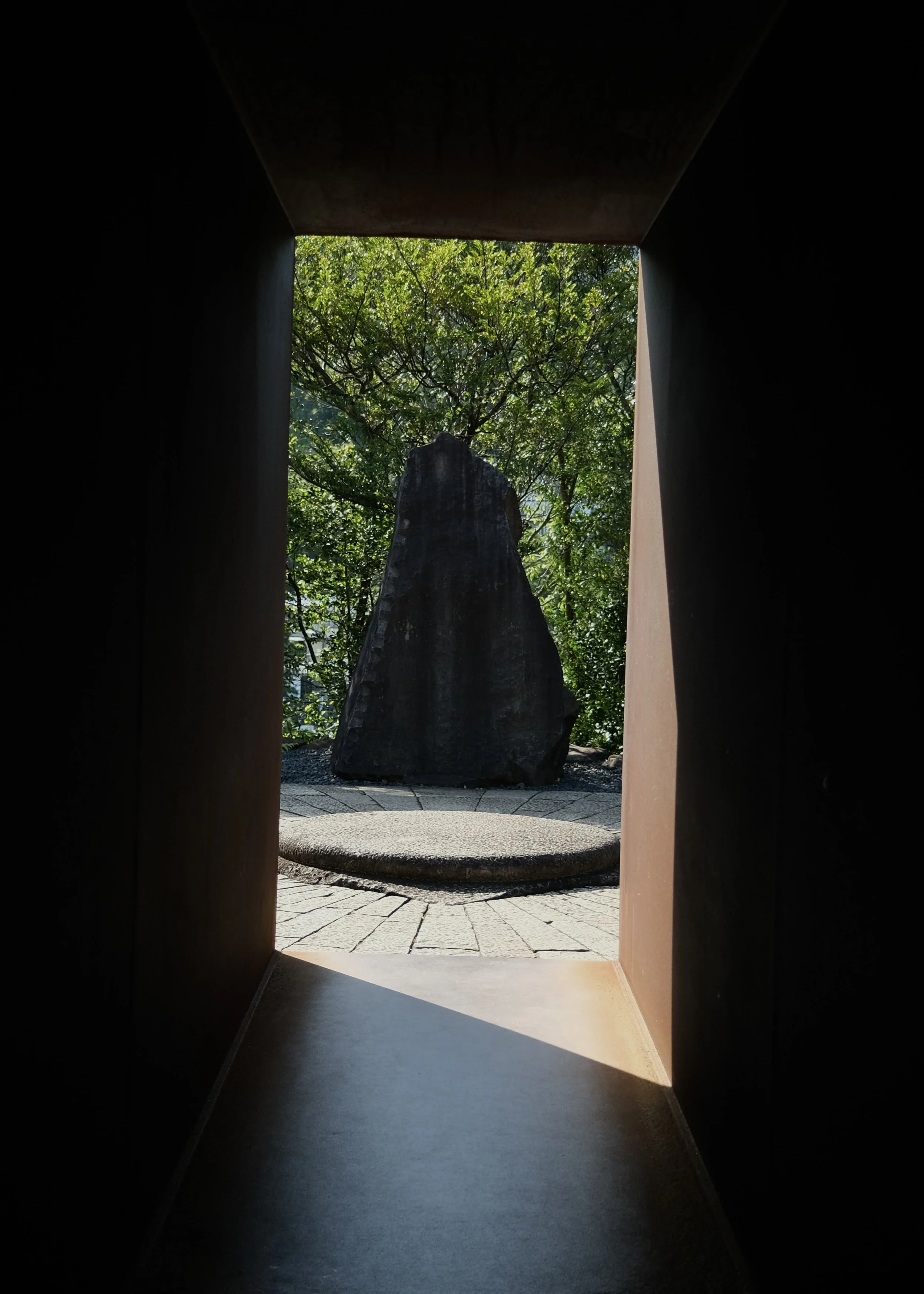
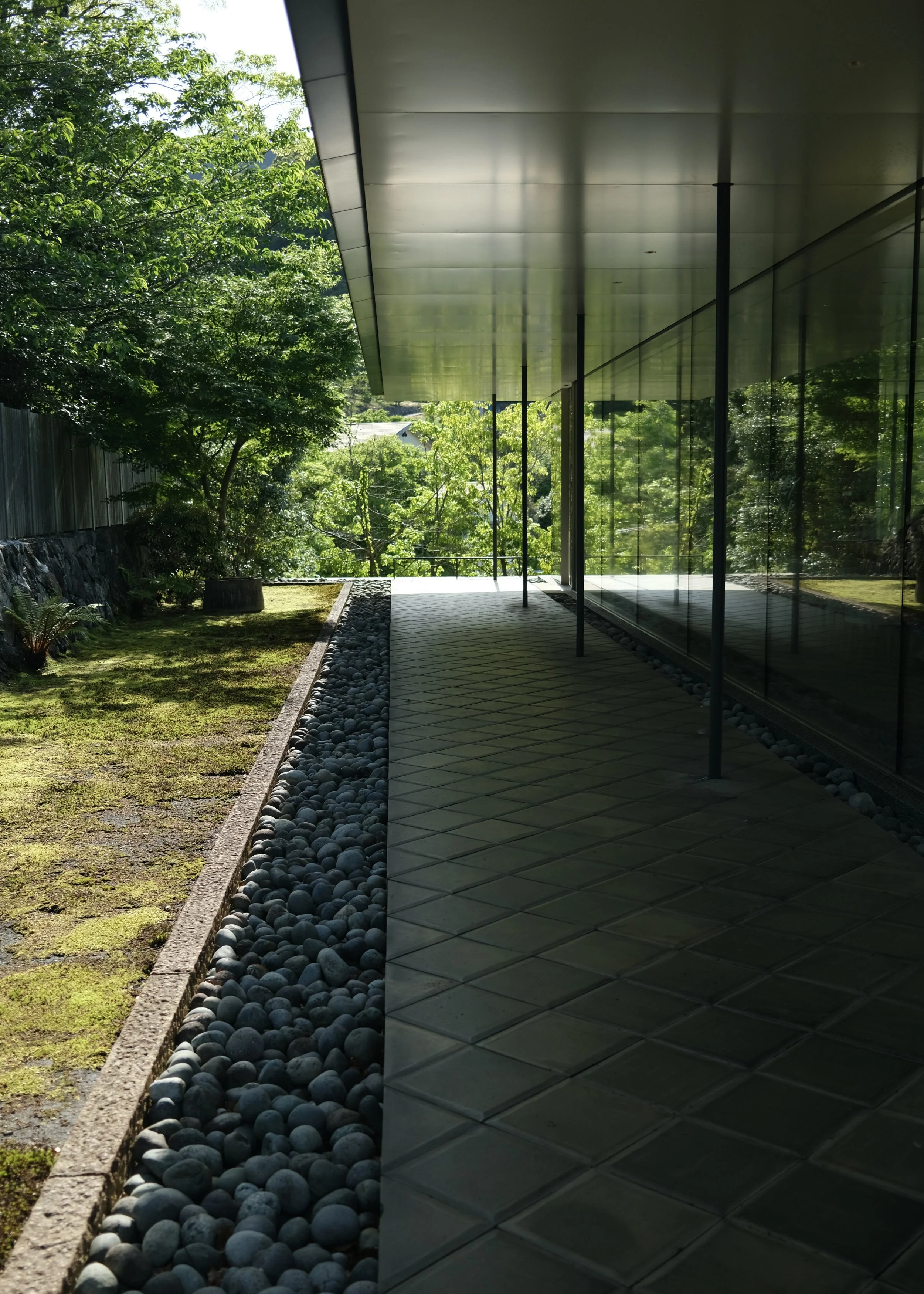
Enoura Observatory
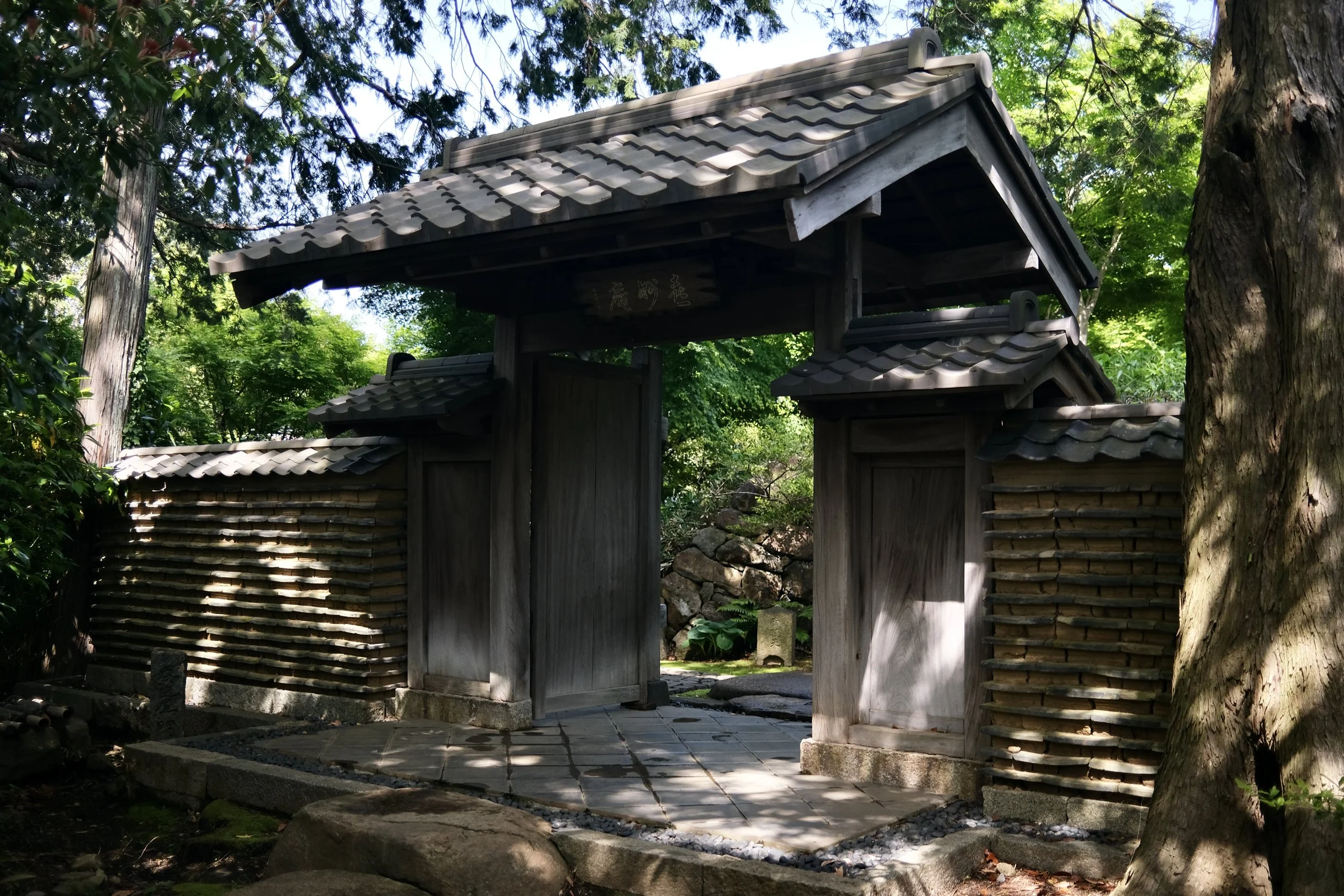
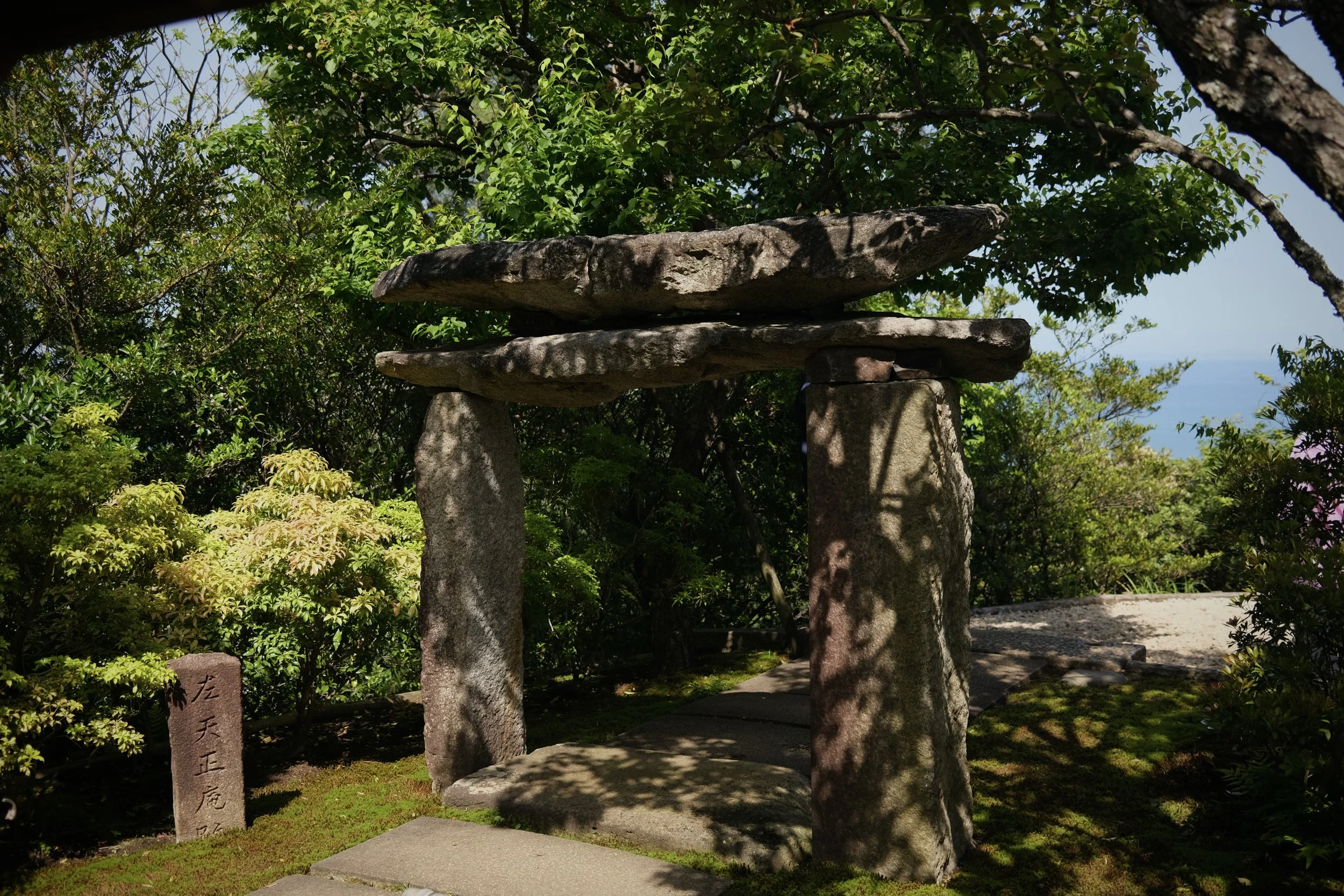
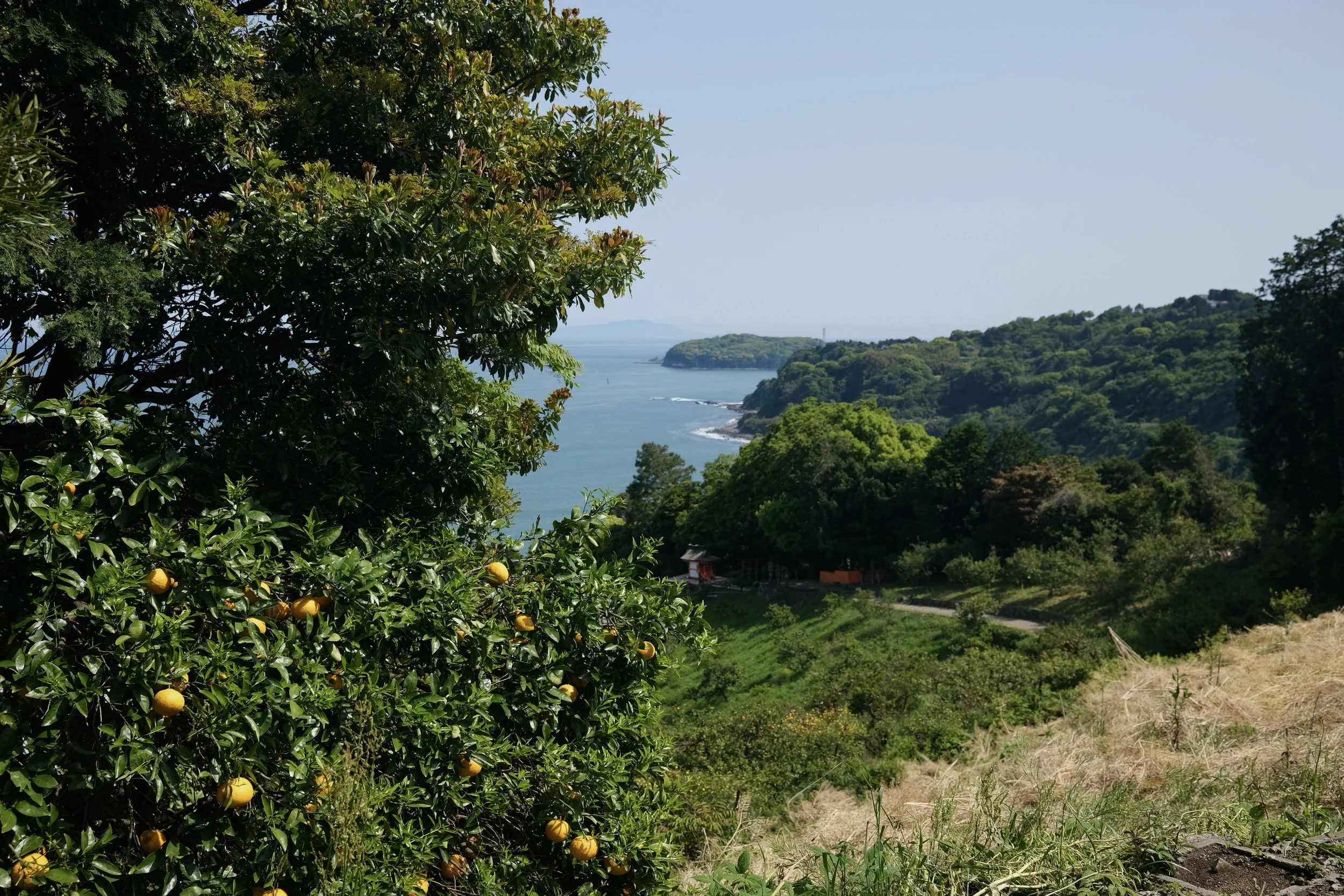
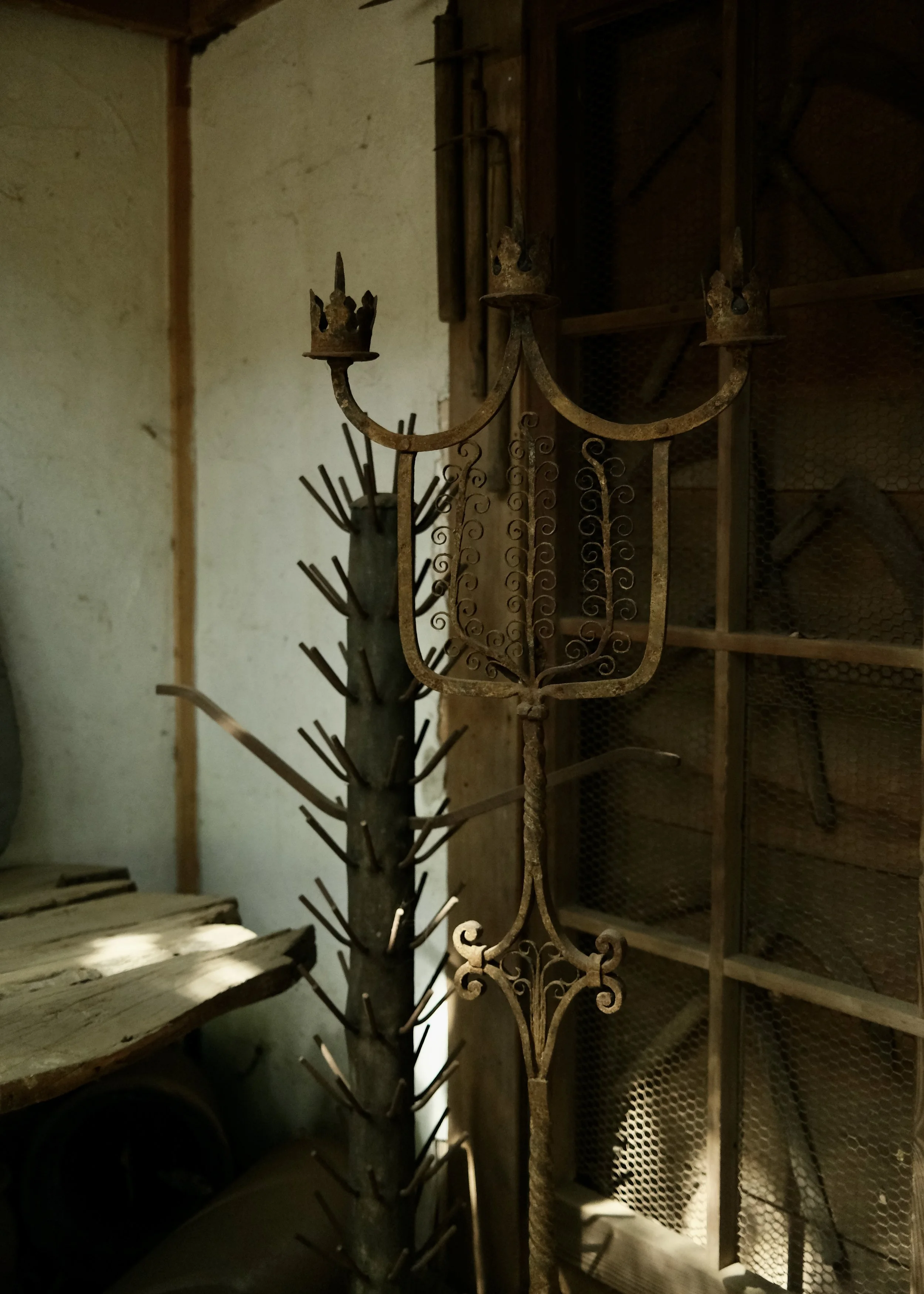
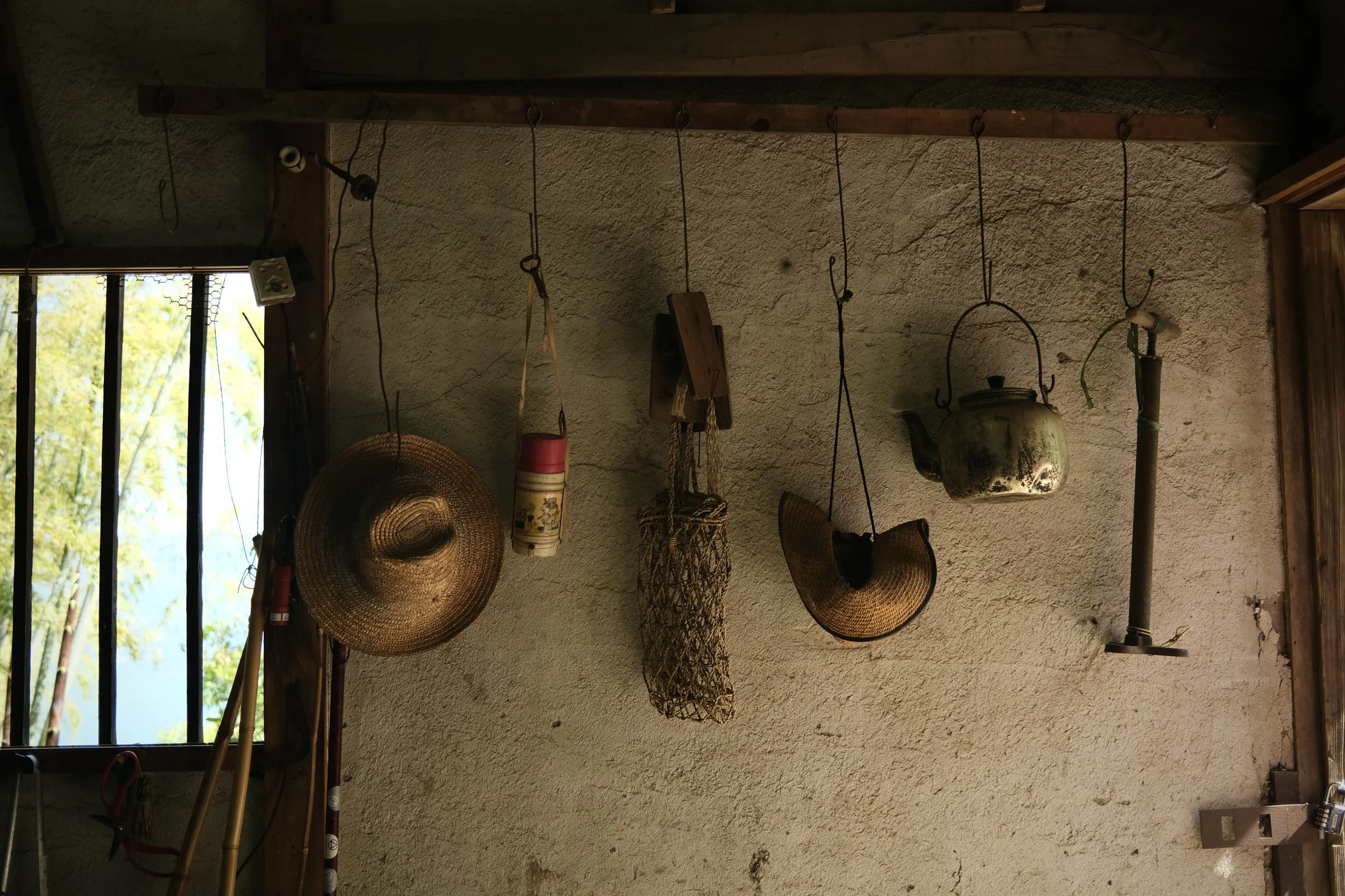
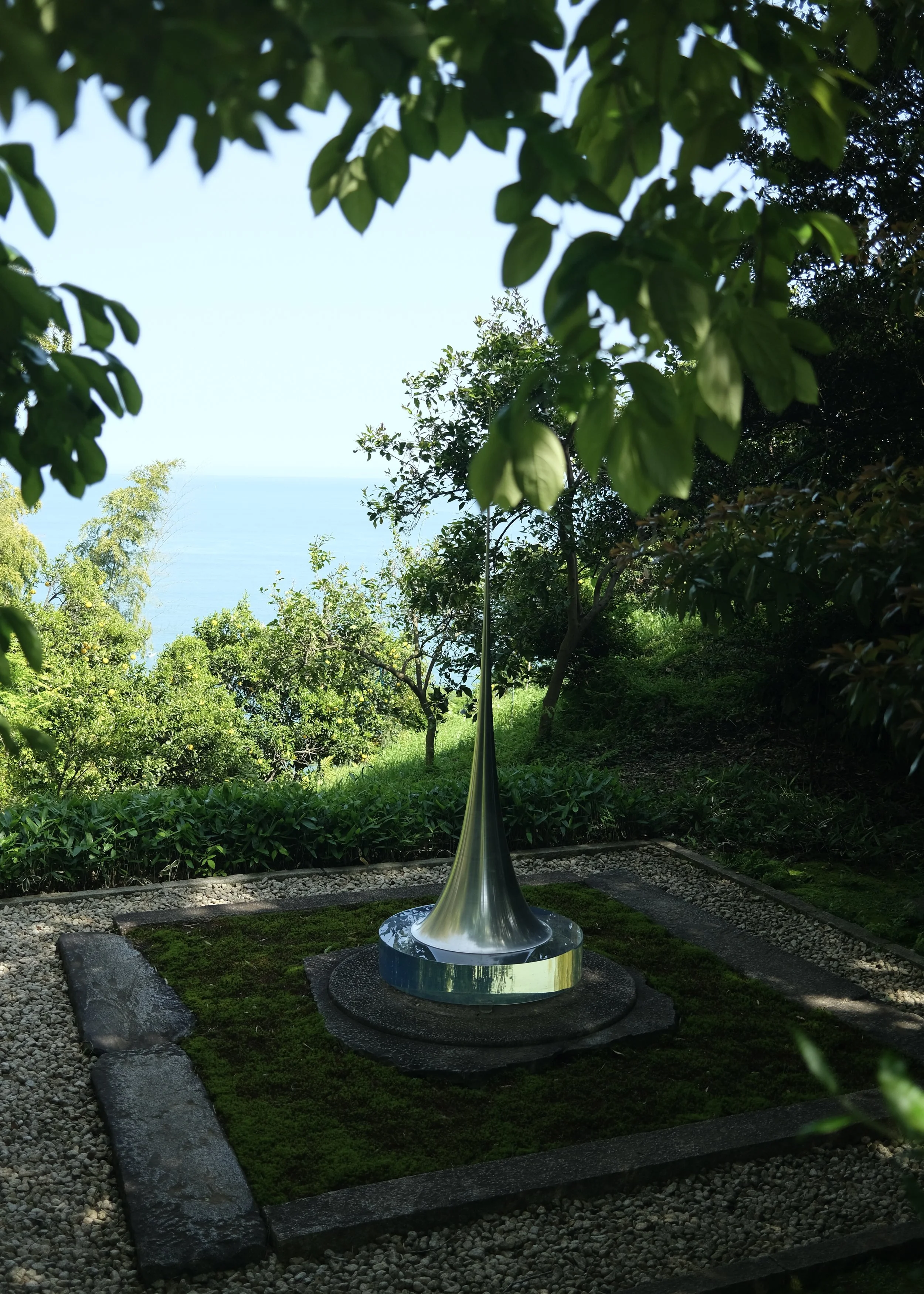
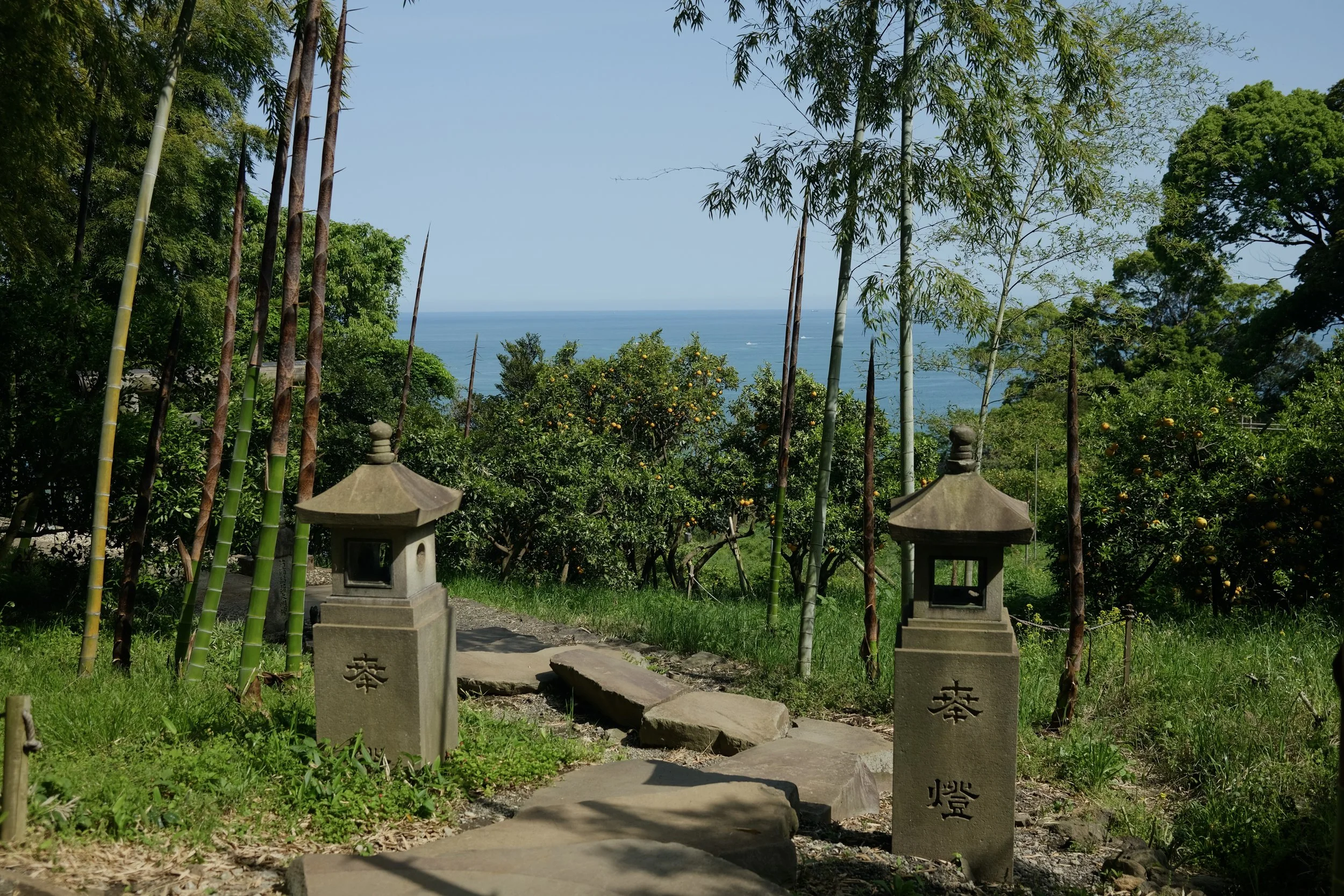
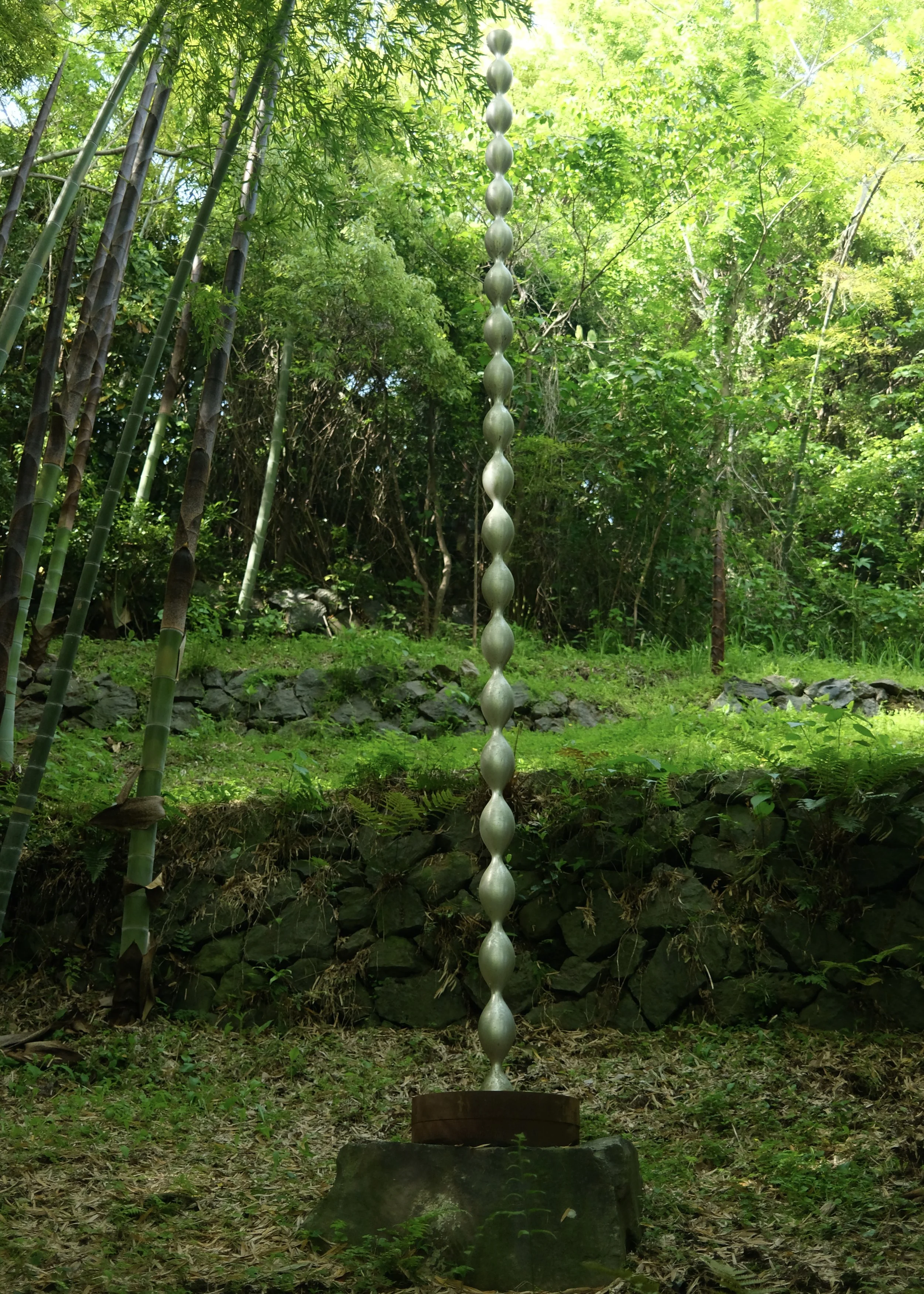
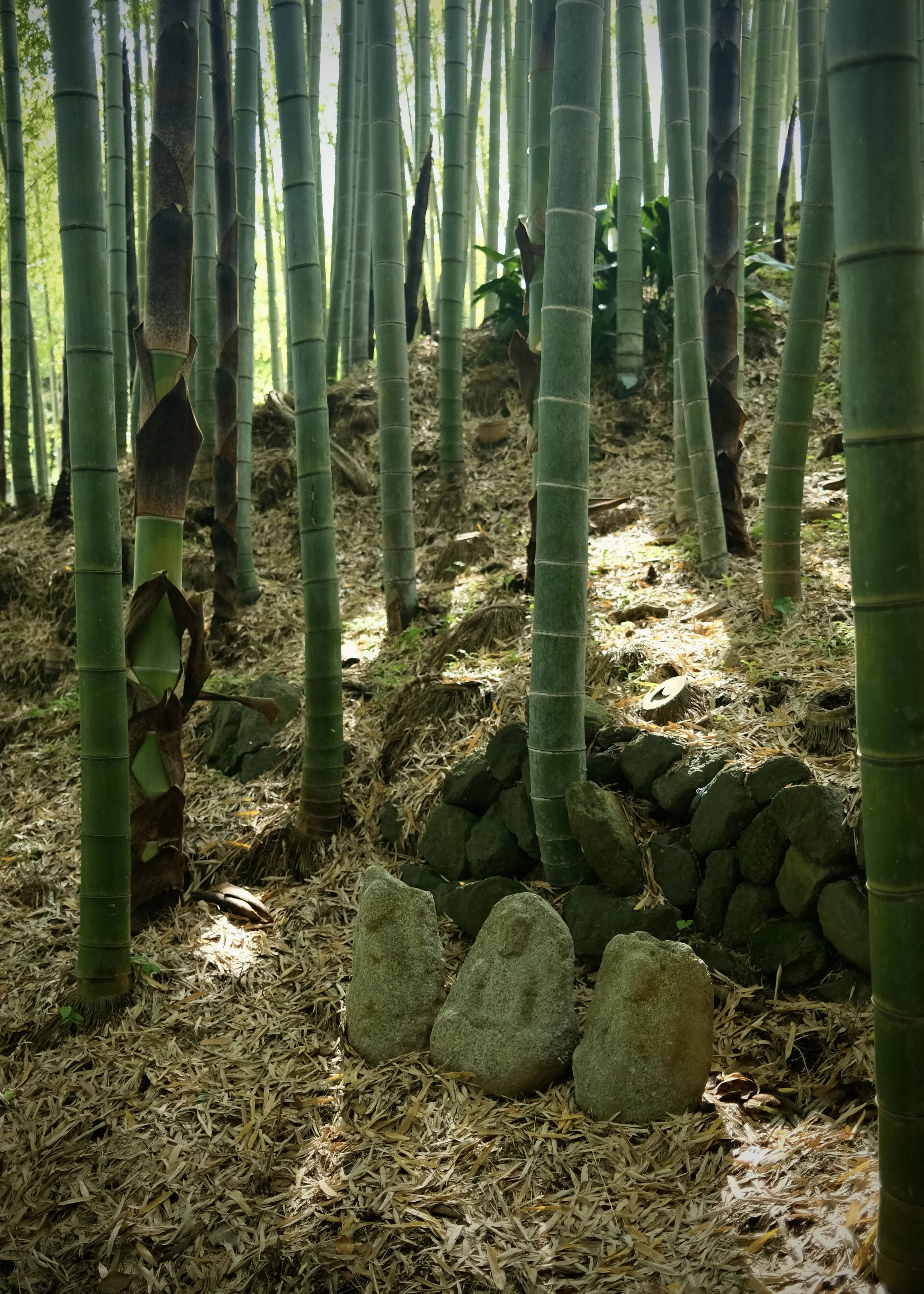
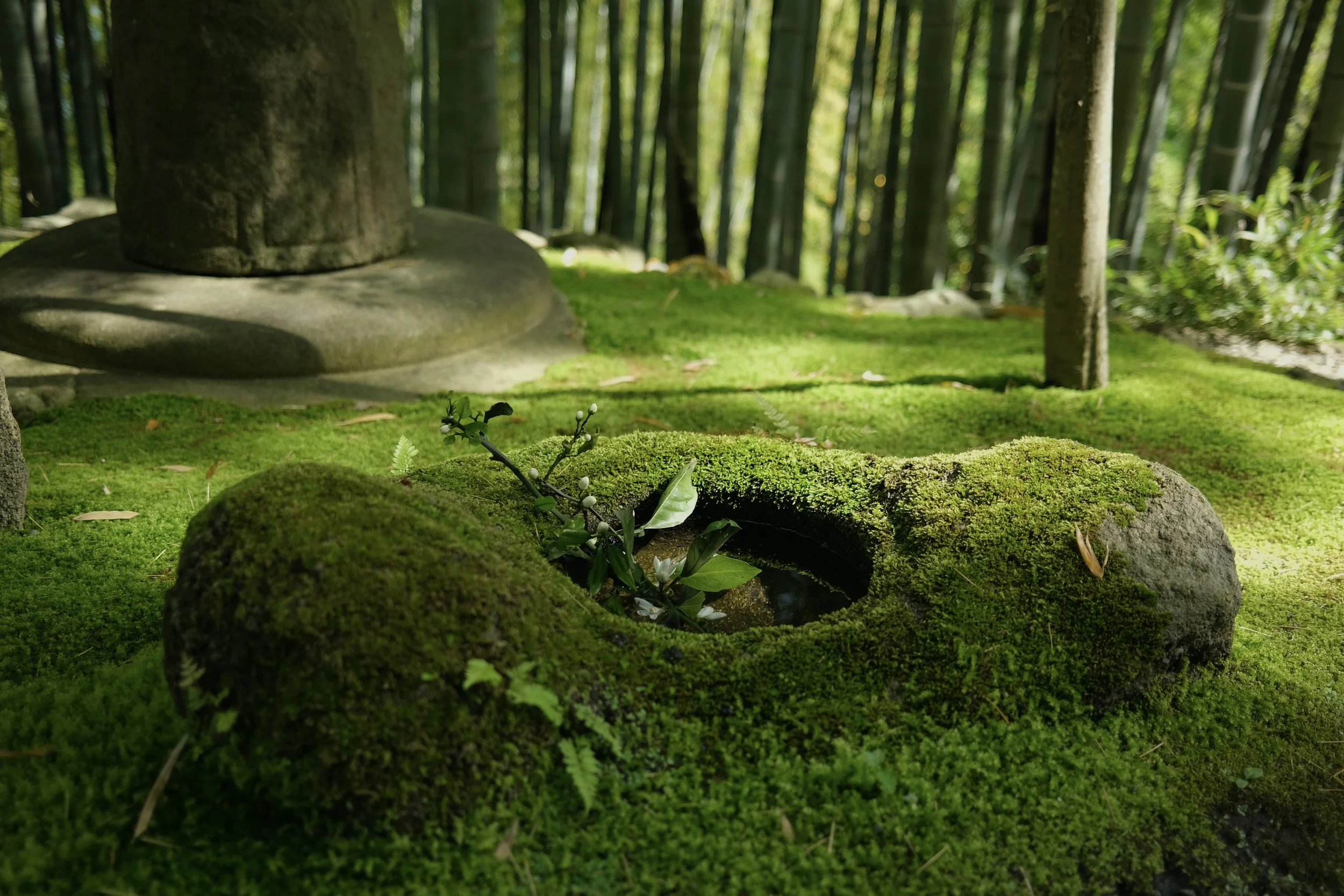
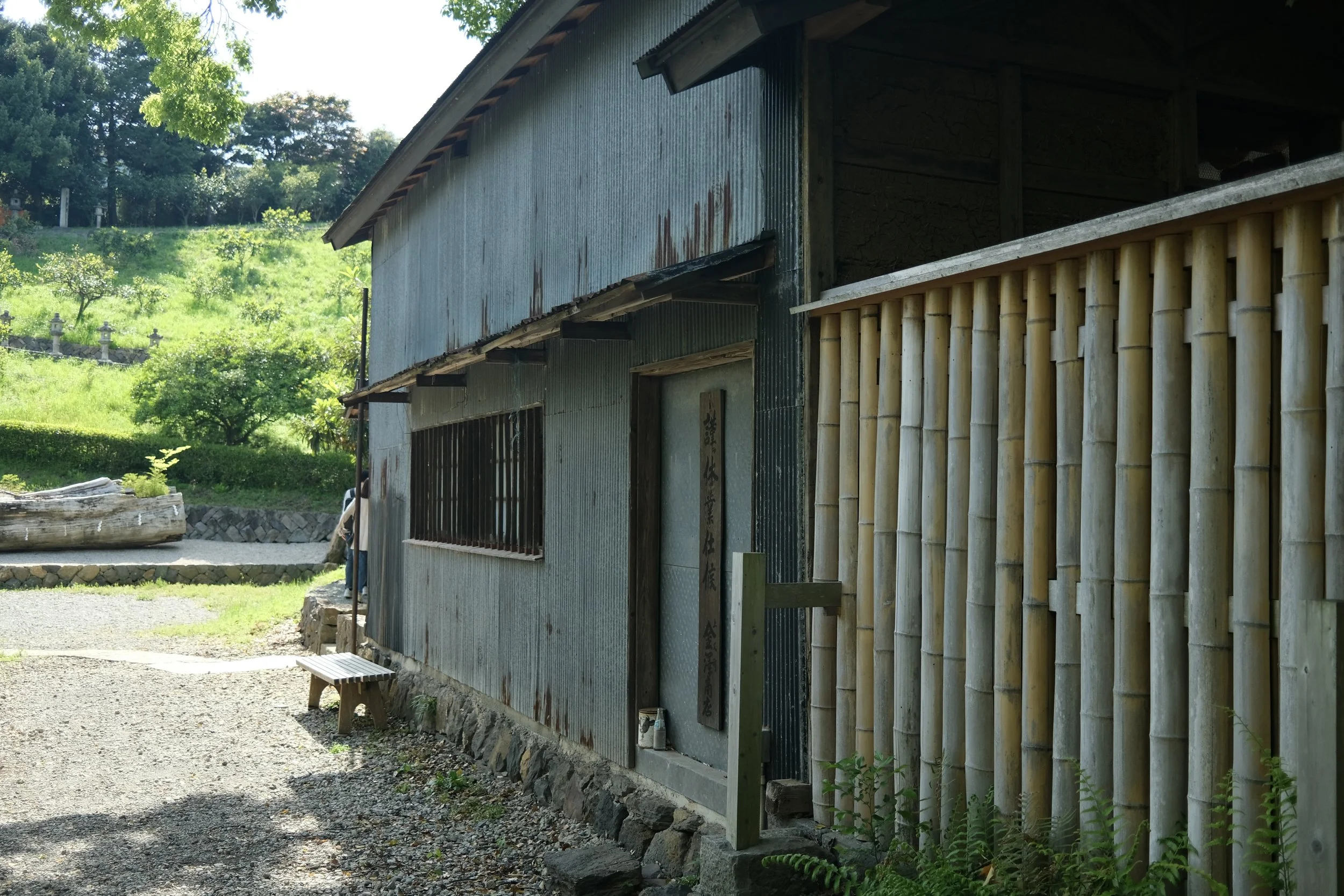
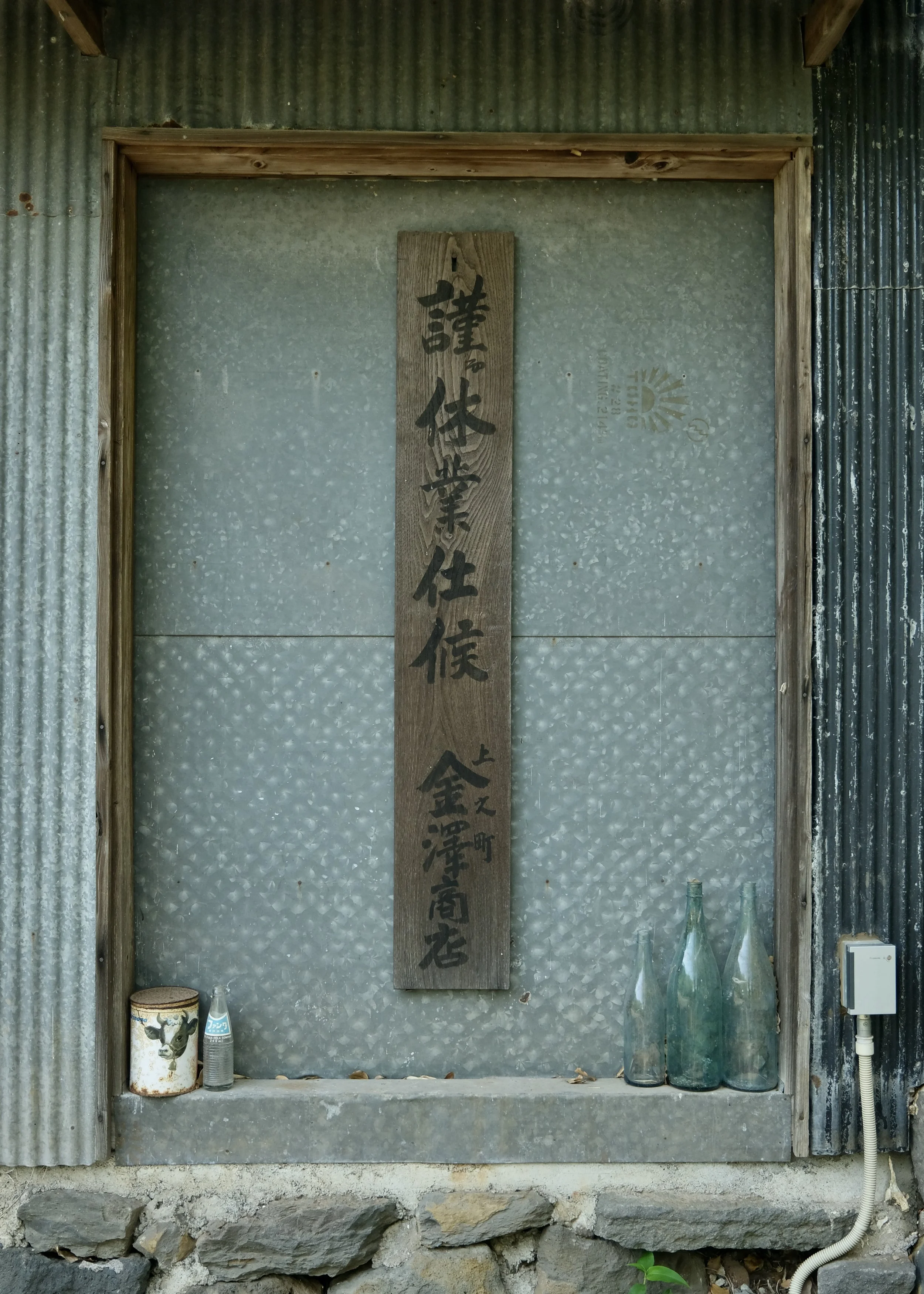

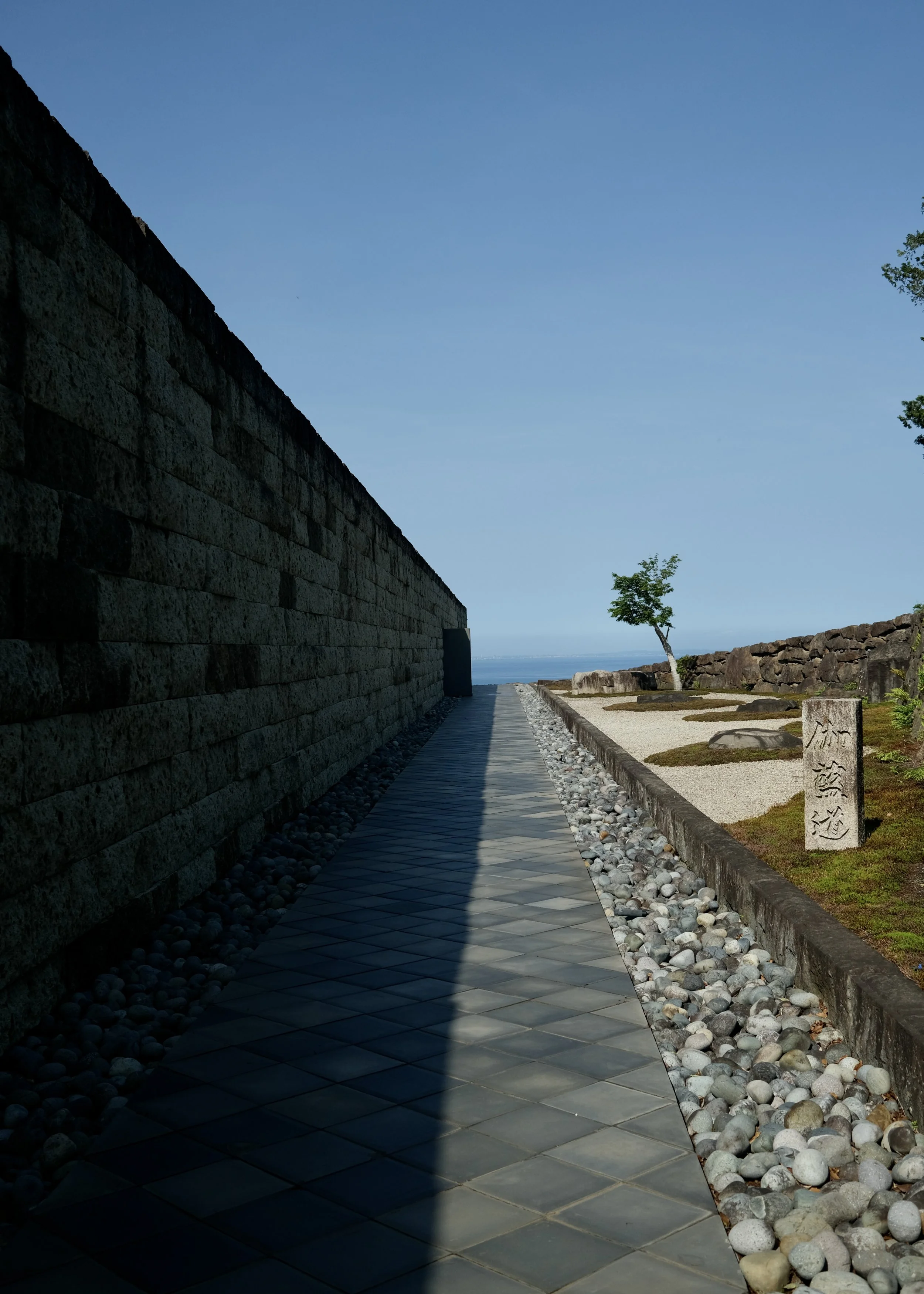
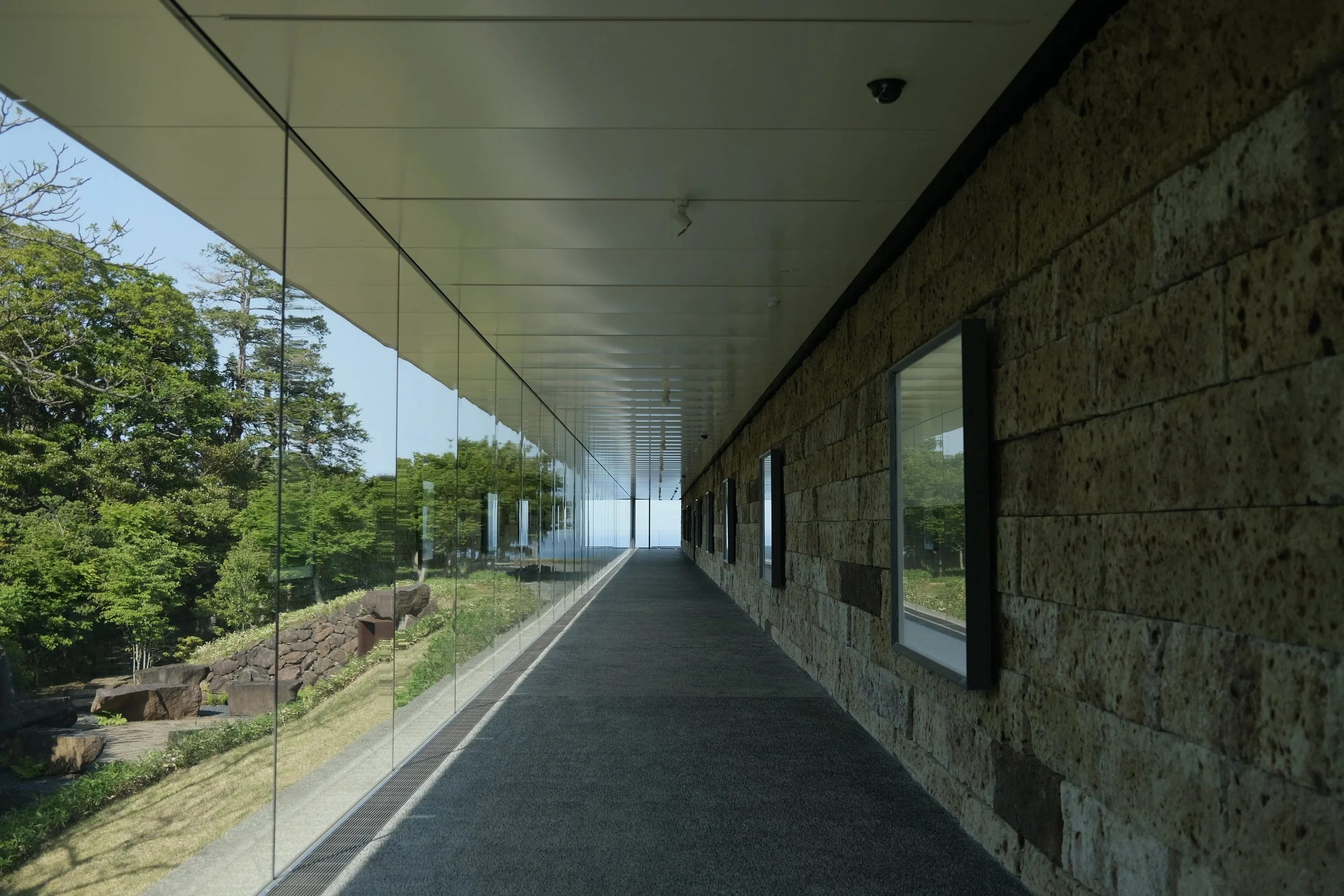
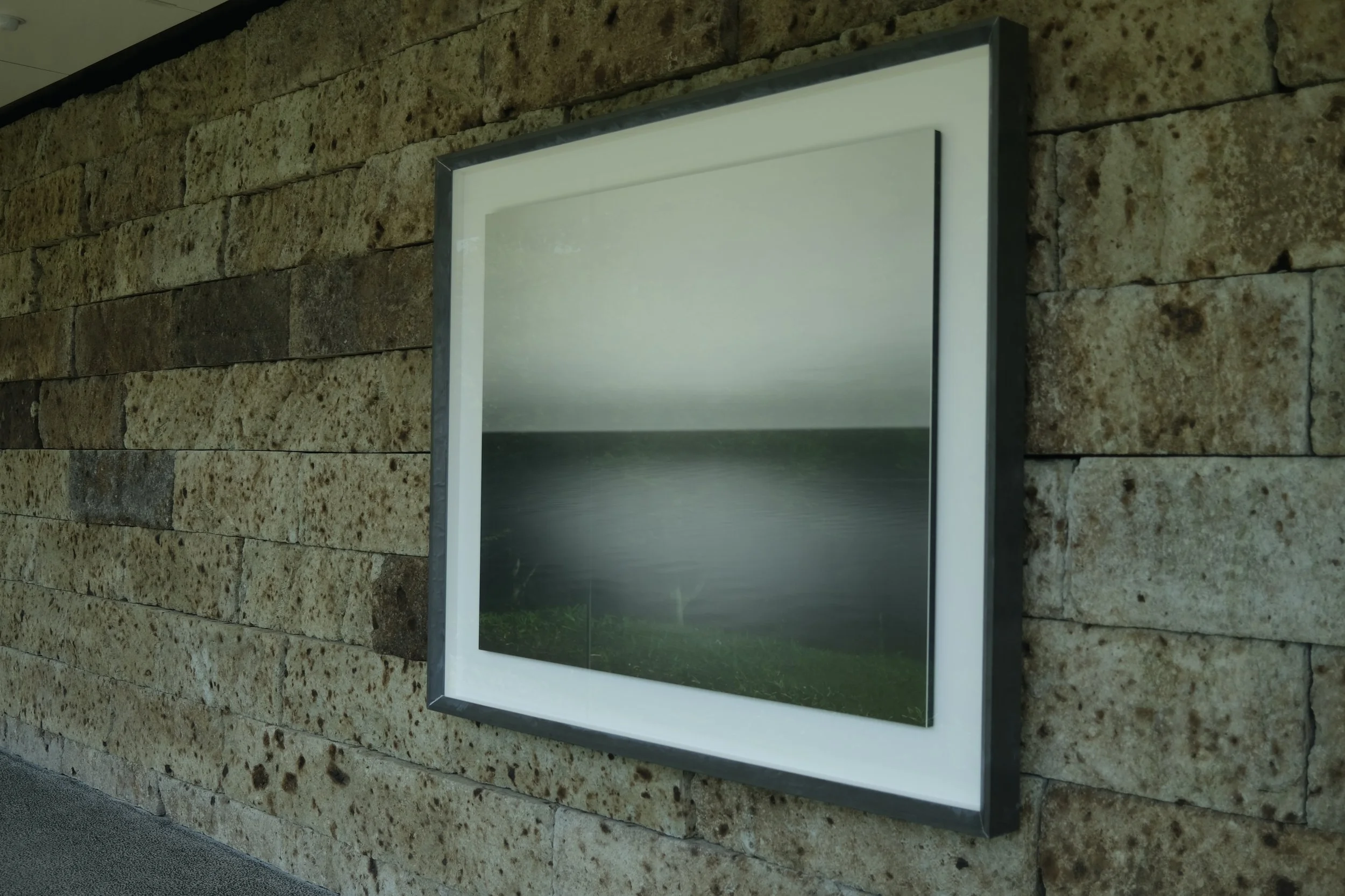
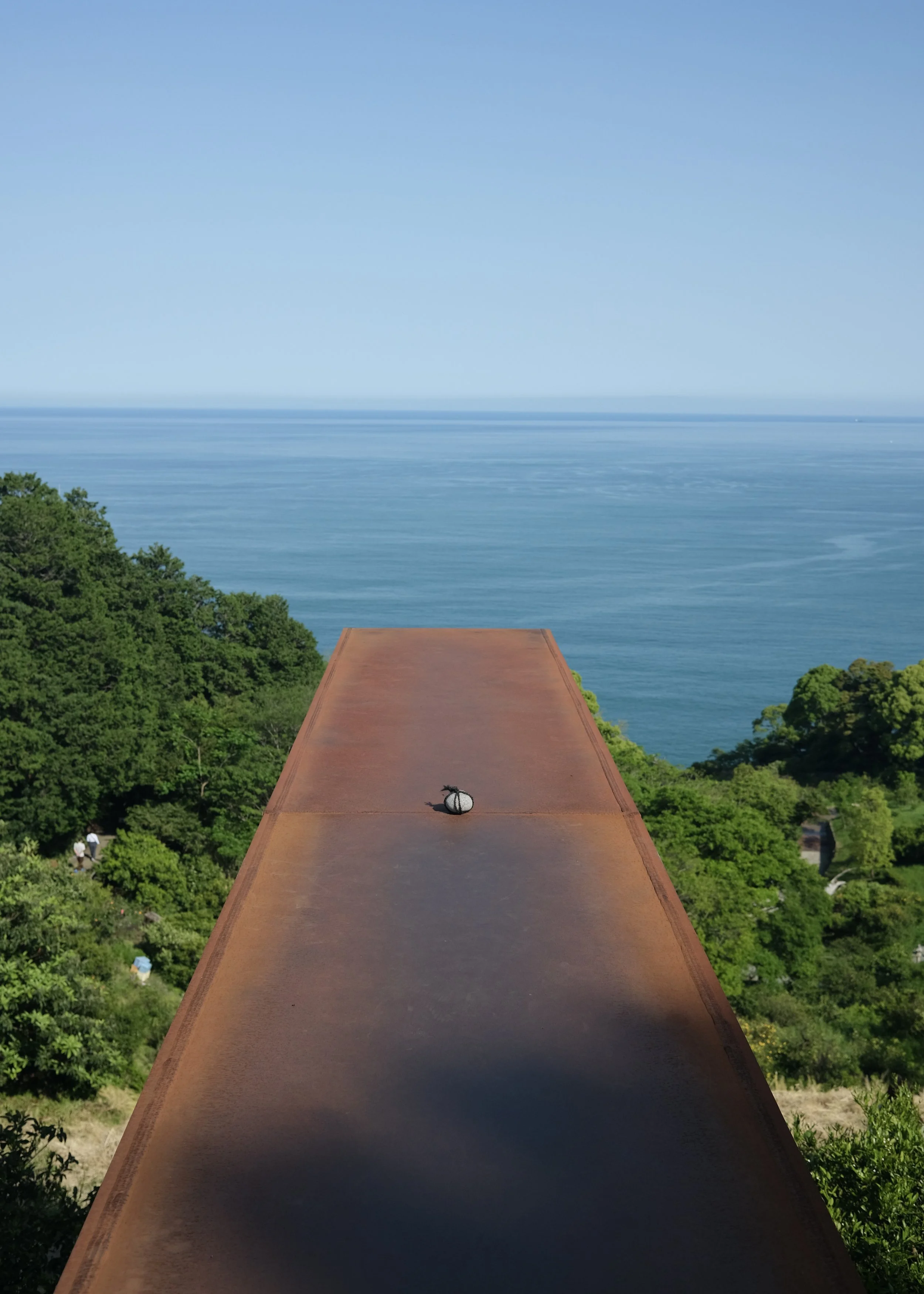
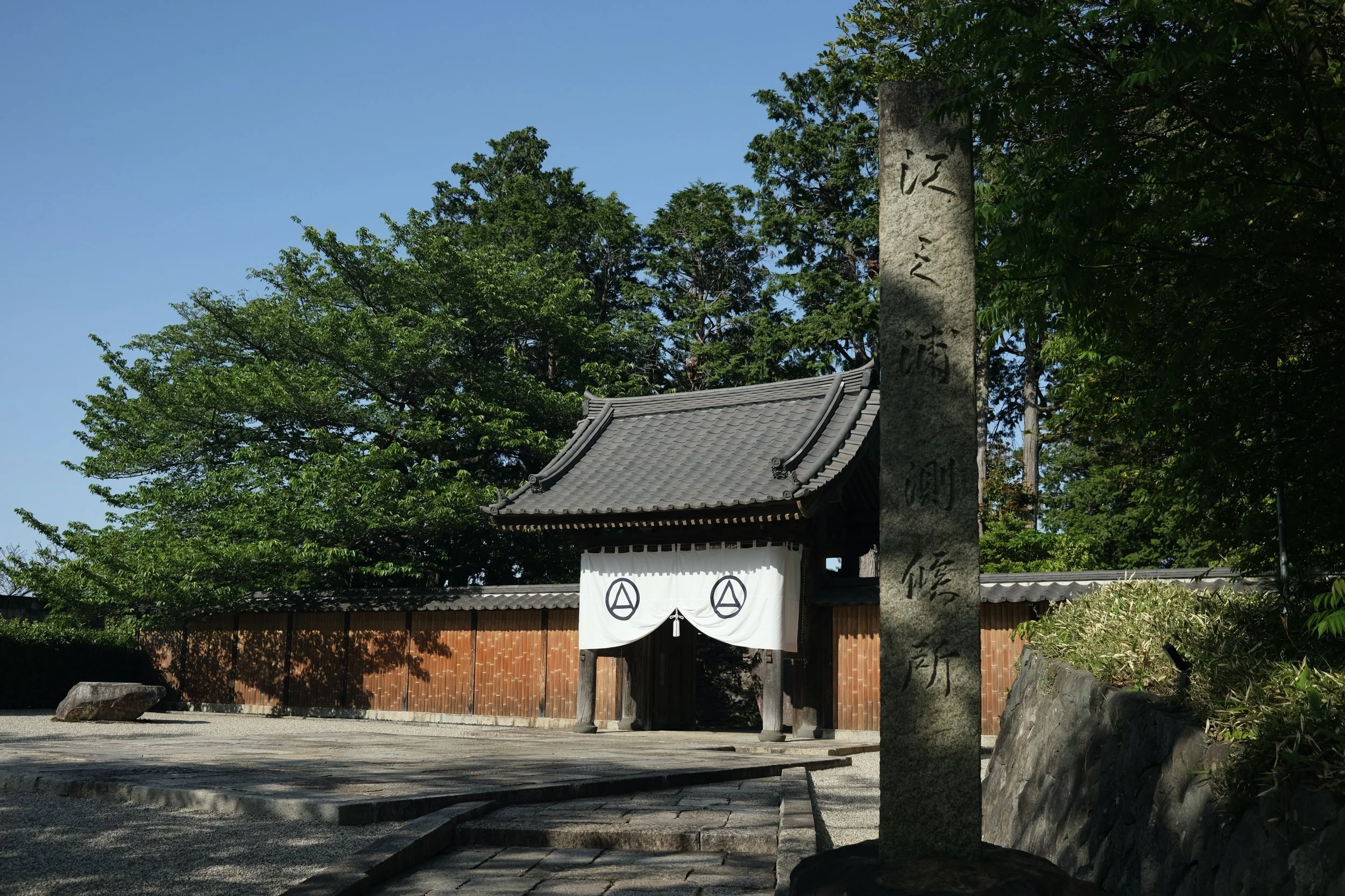
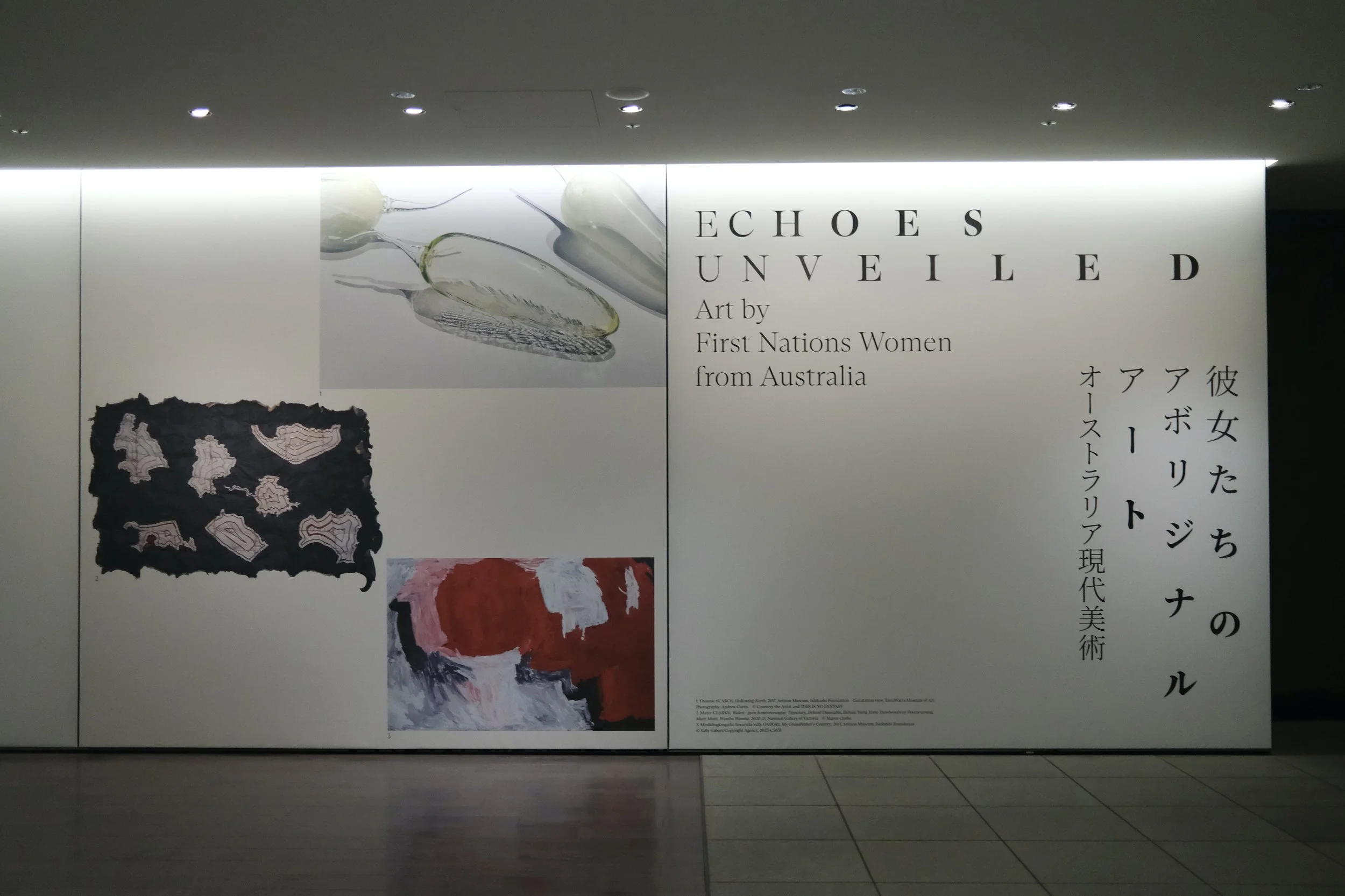
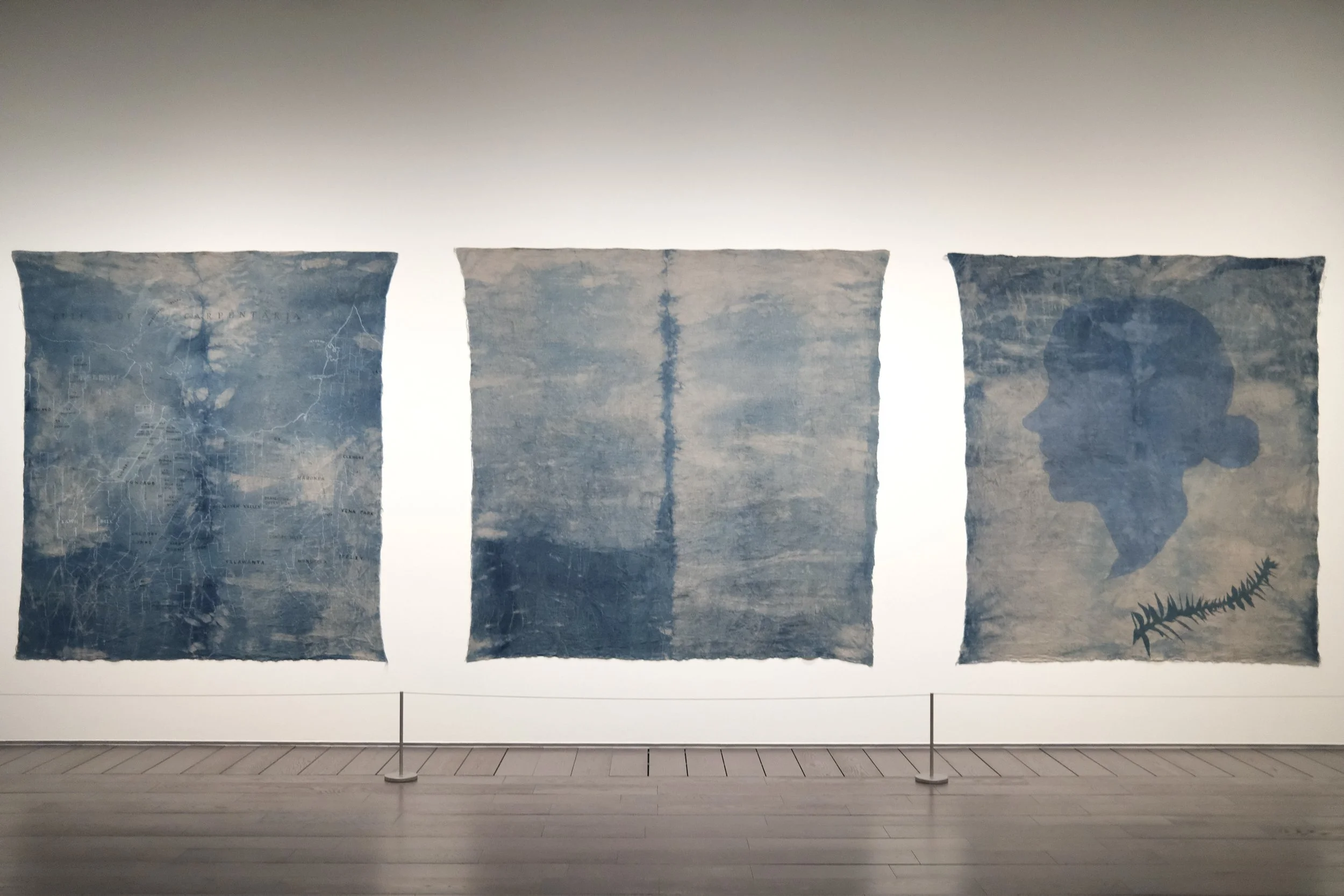
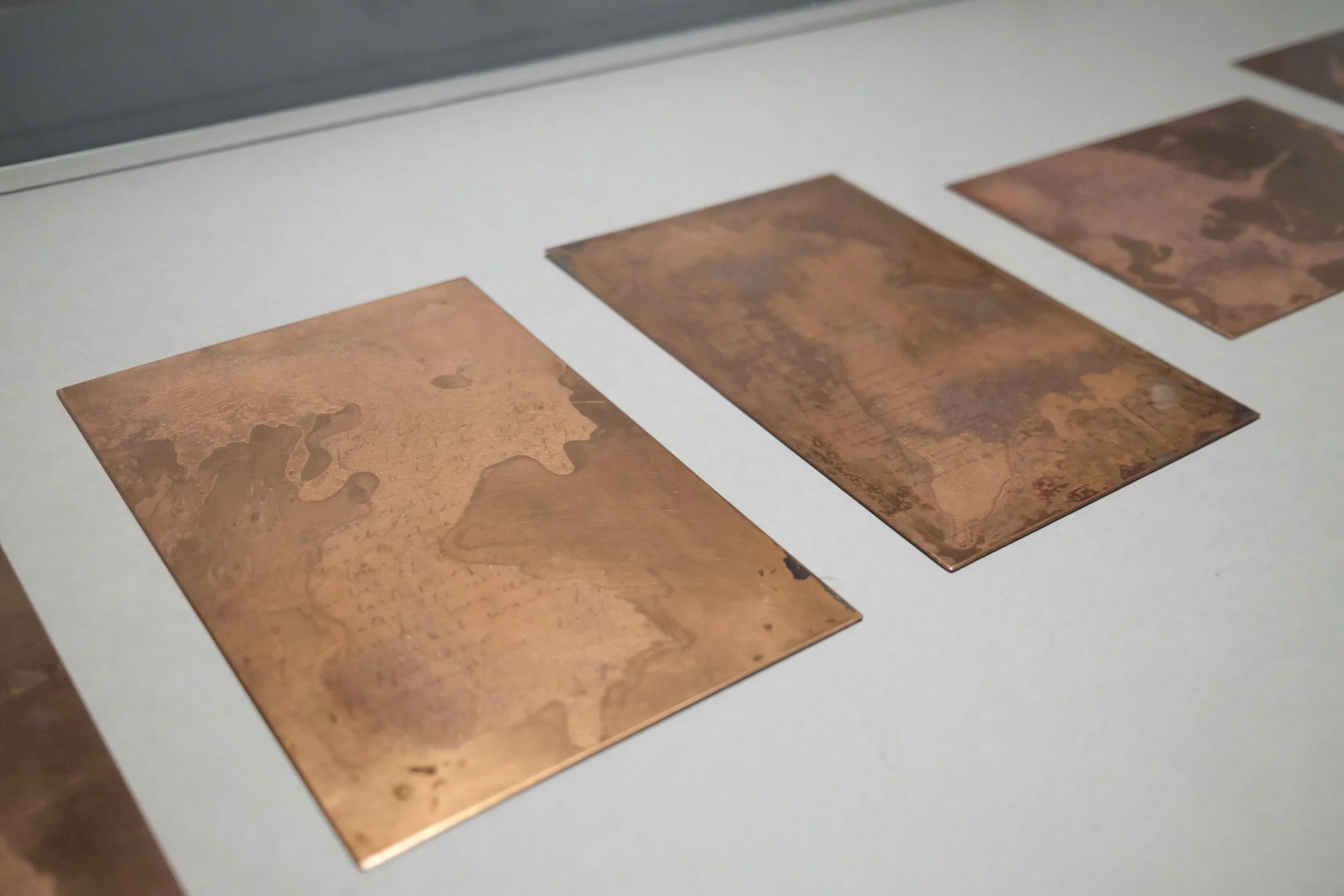
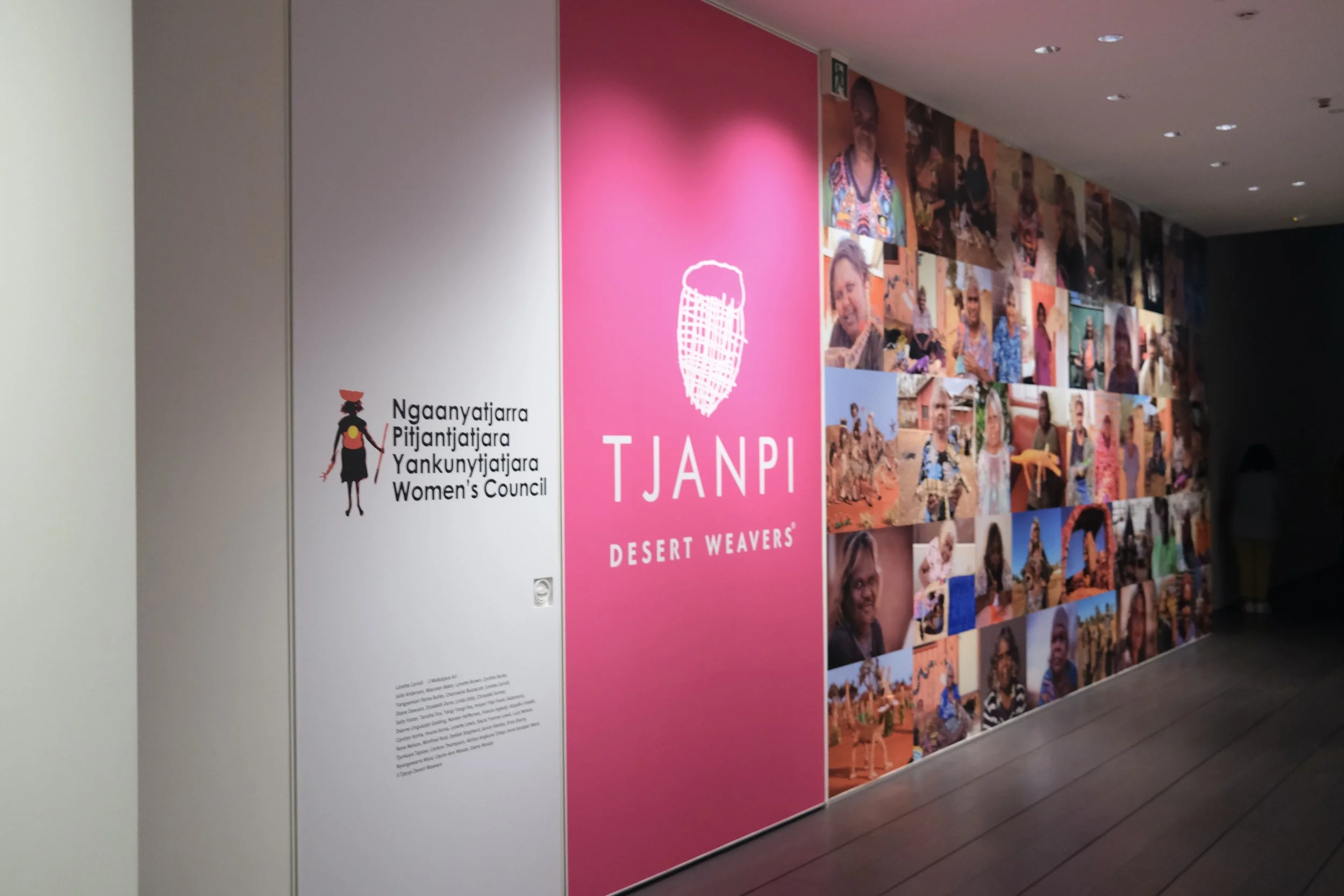
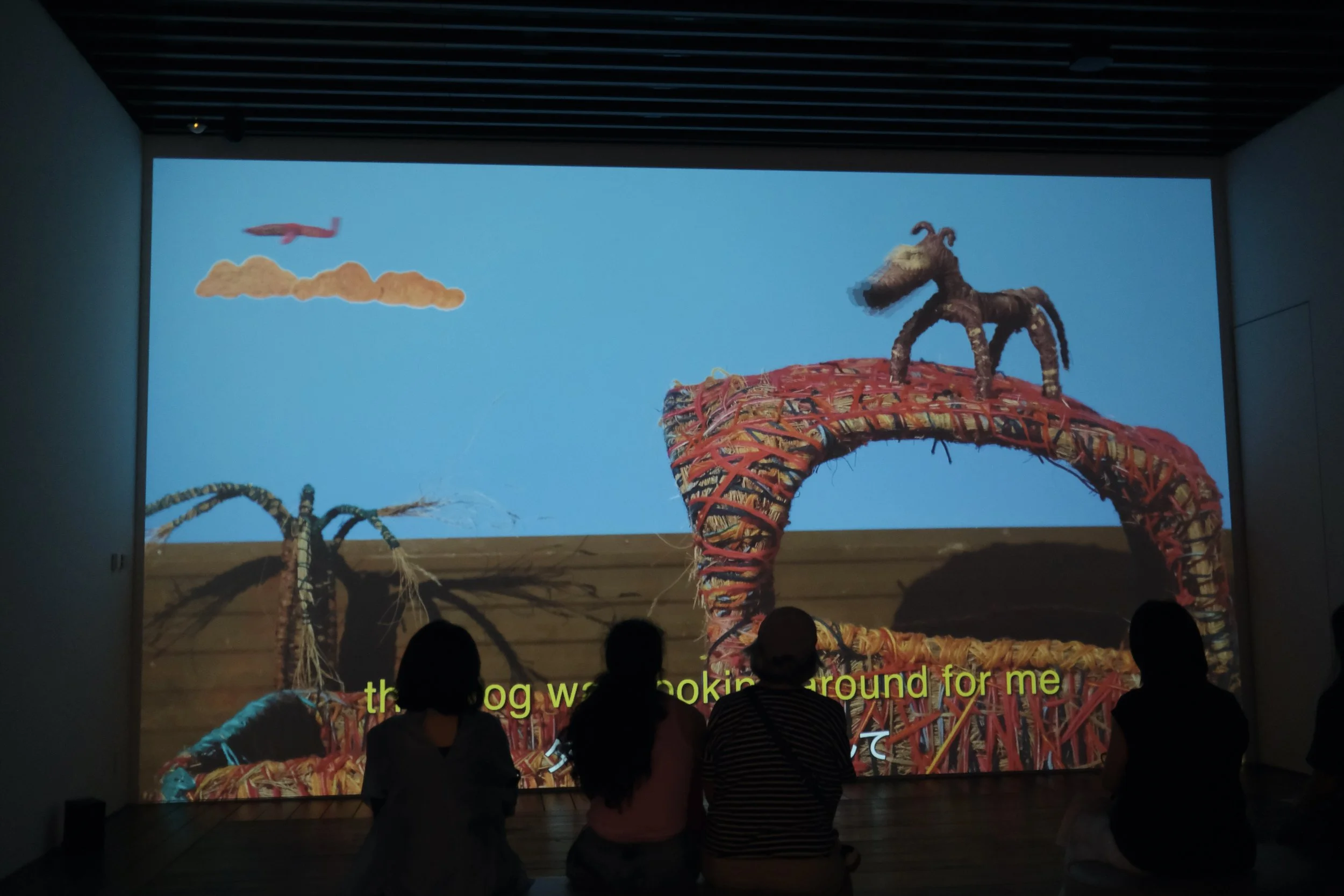
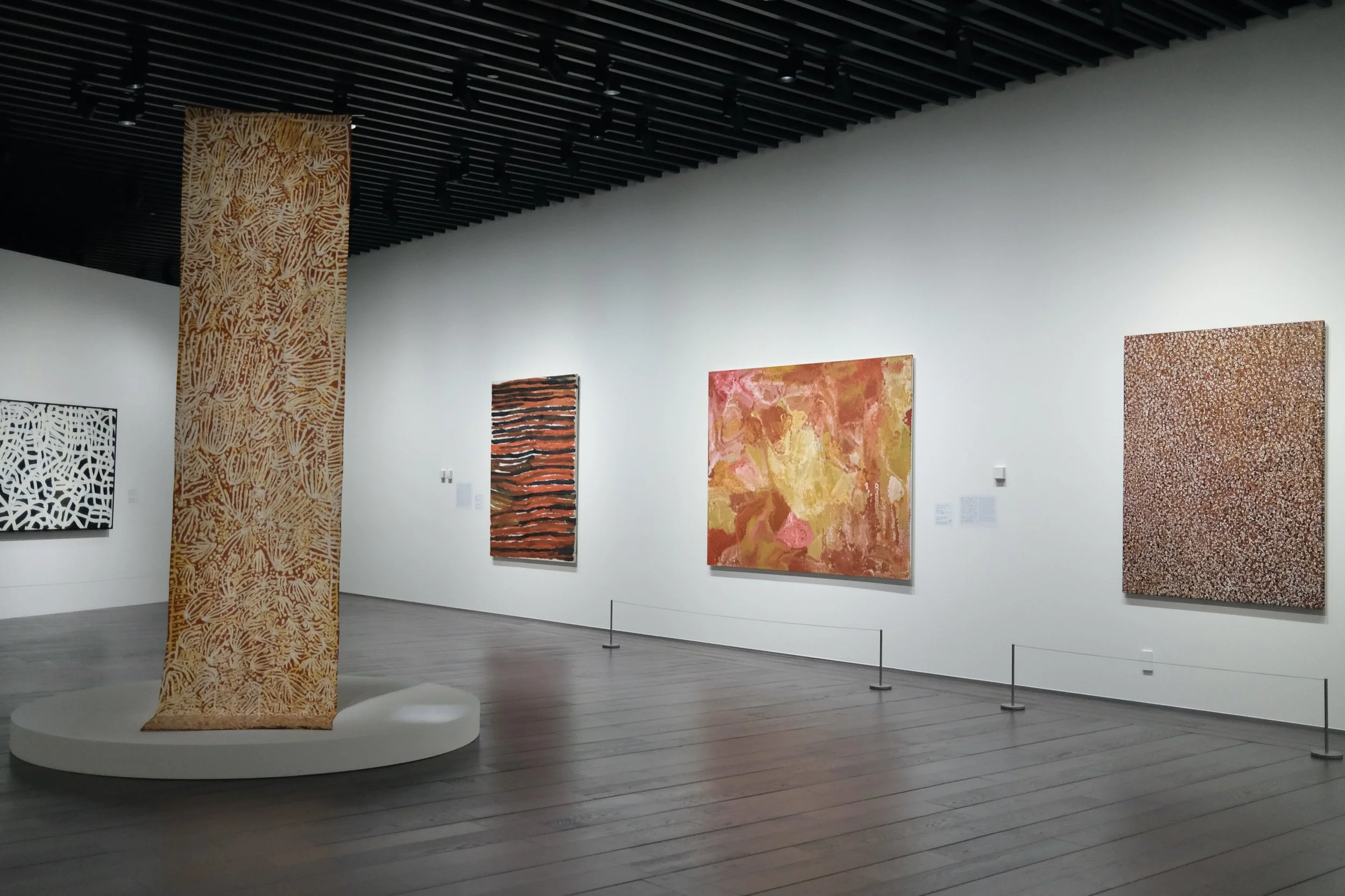
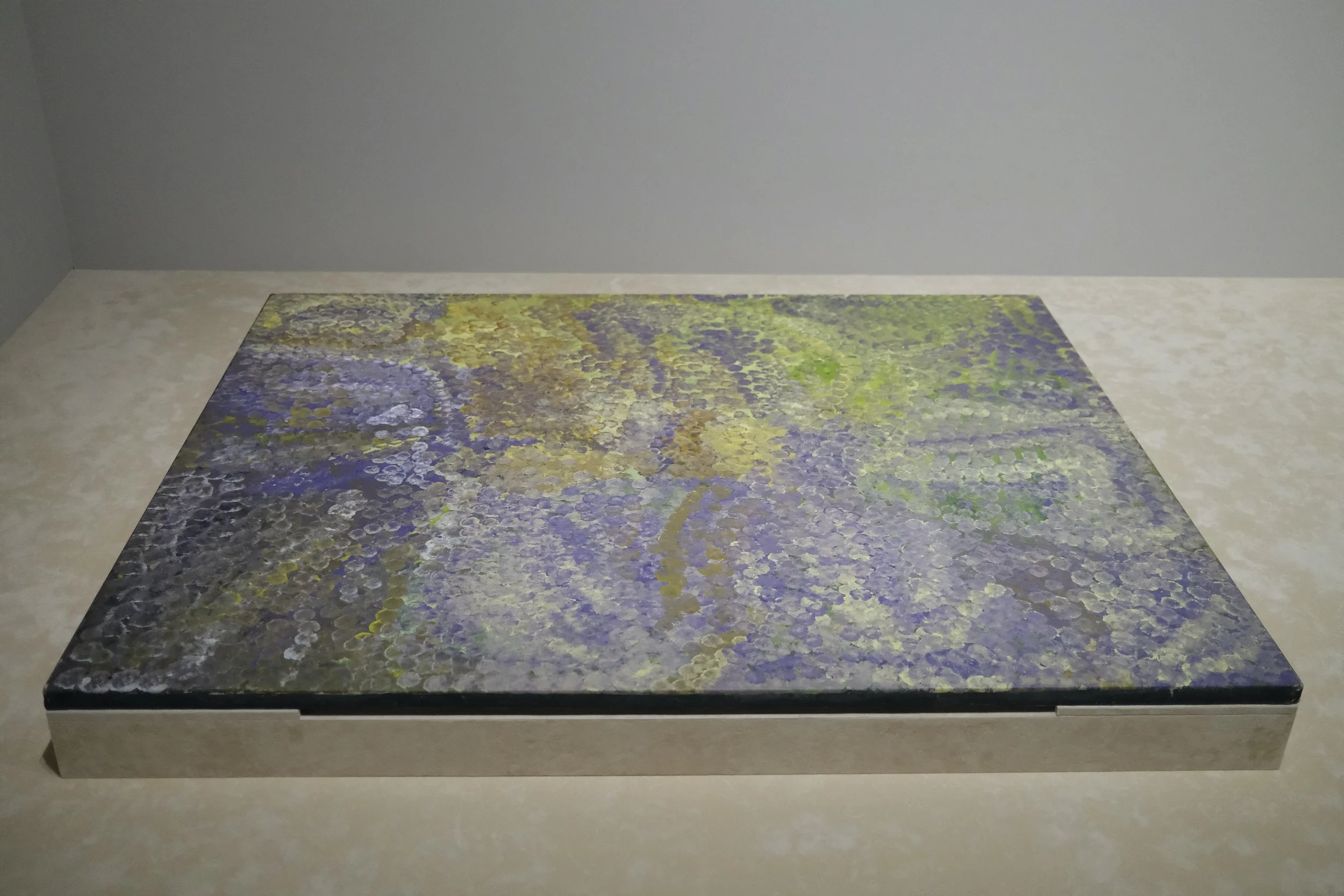
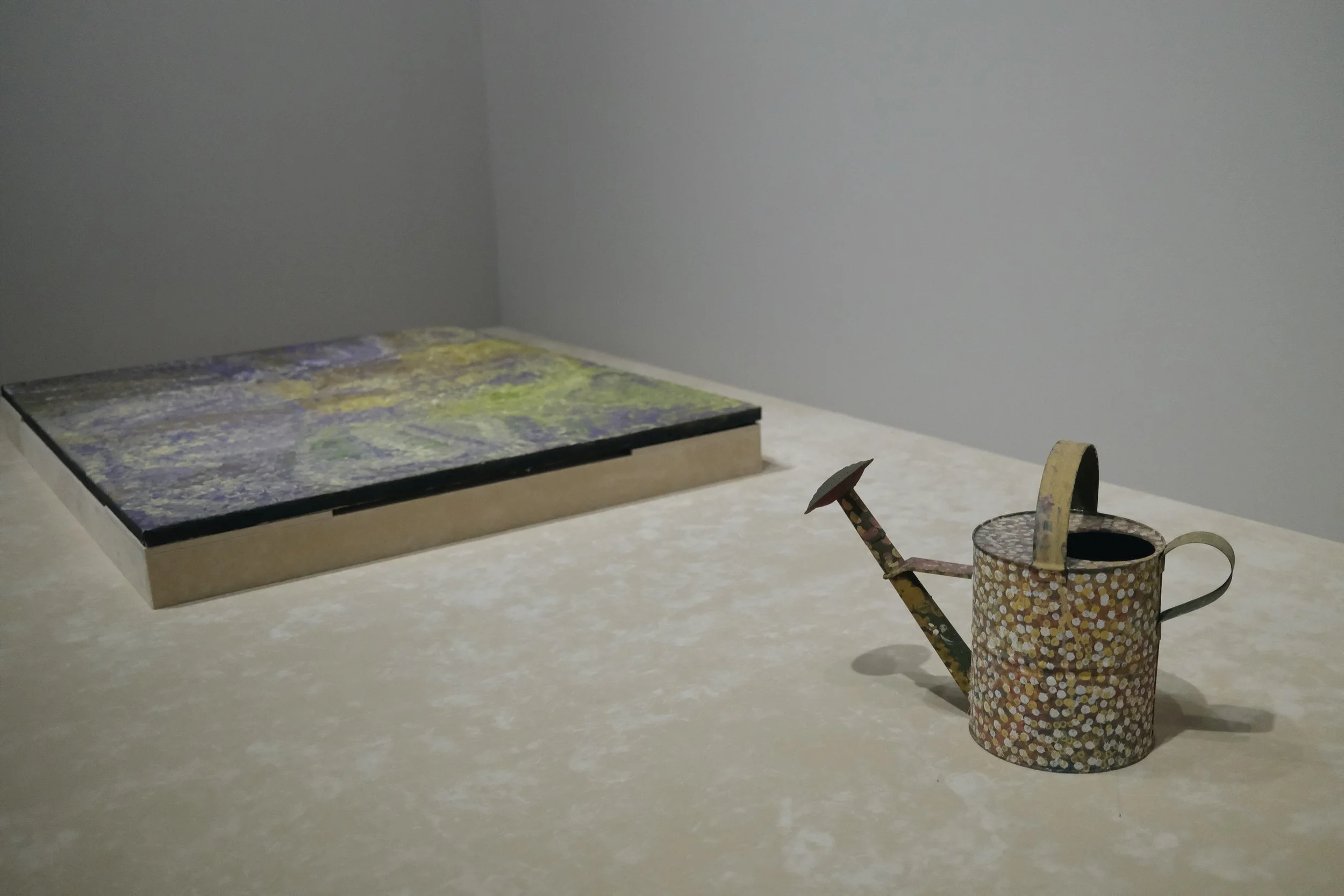
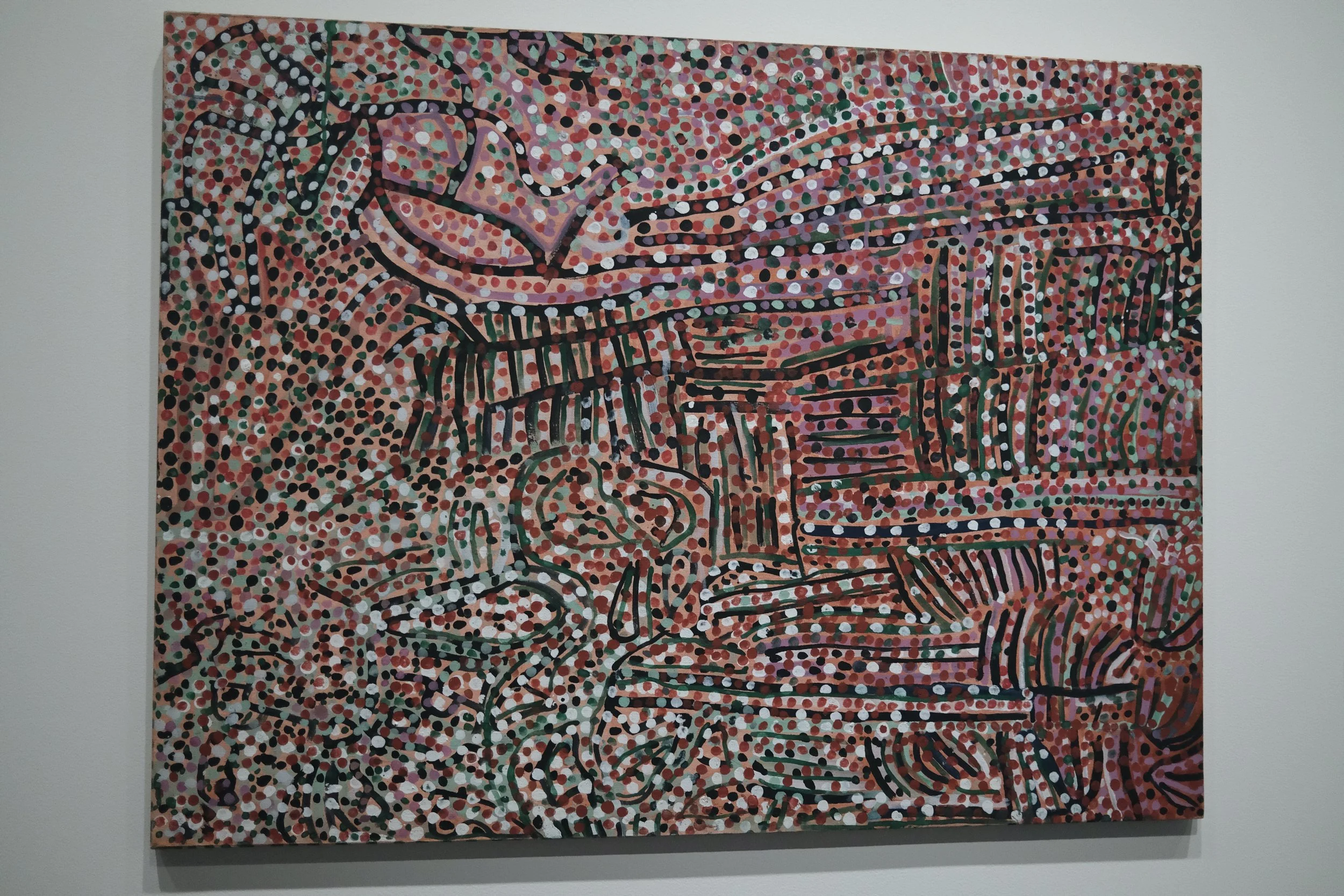
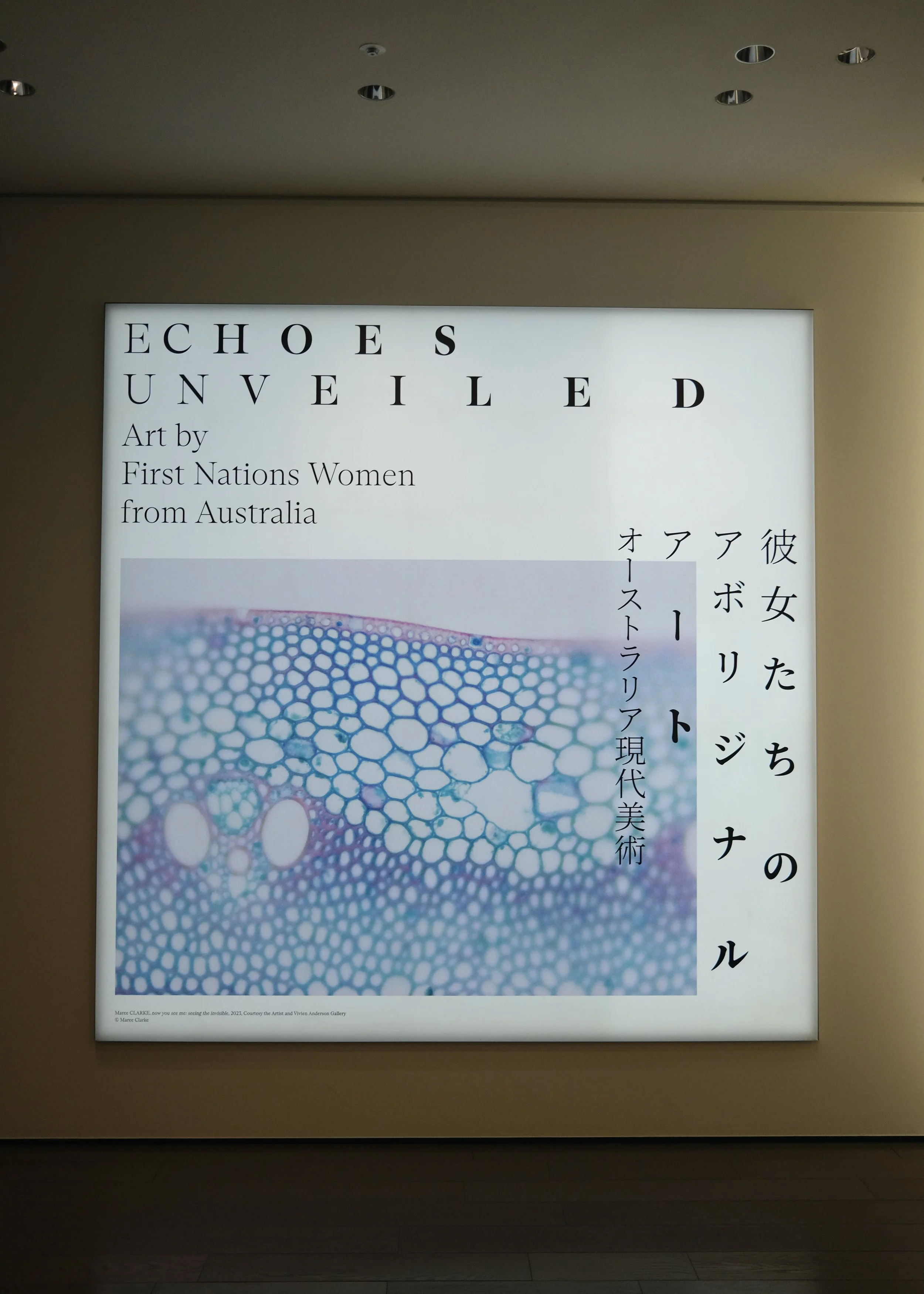
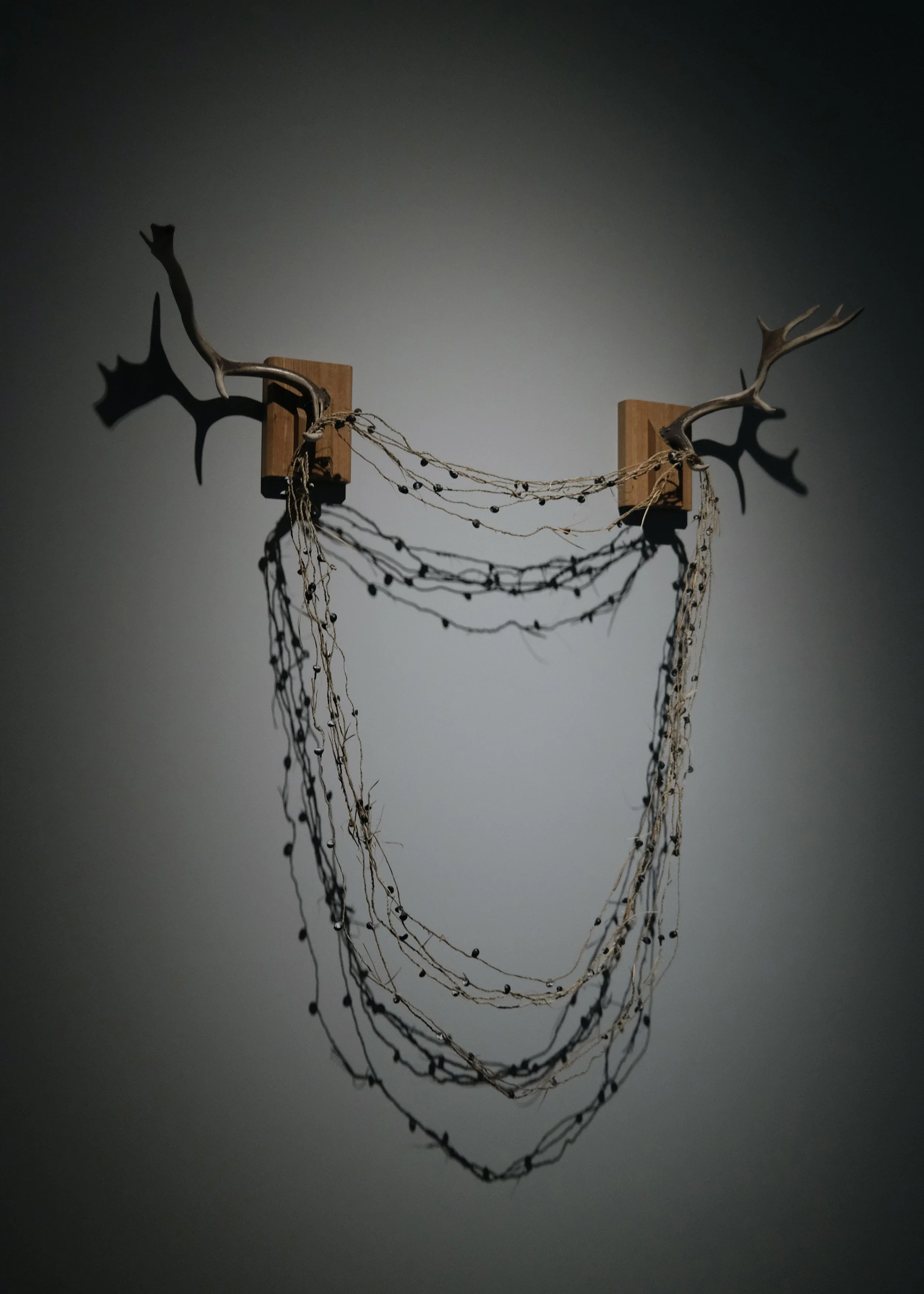
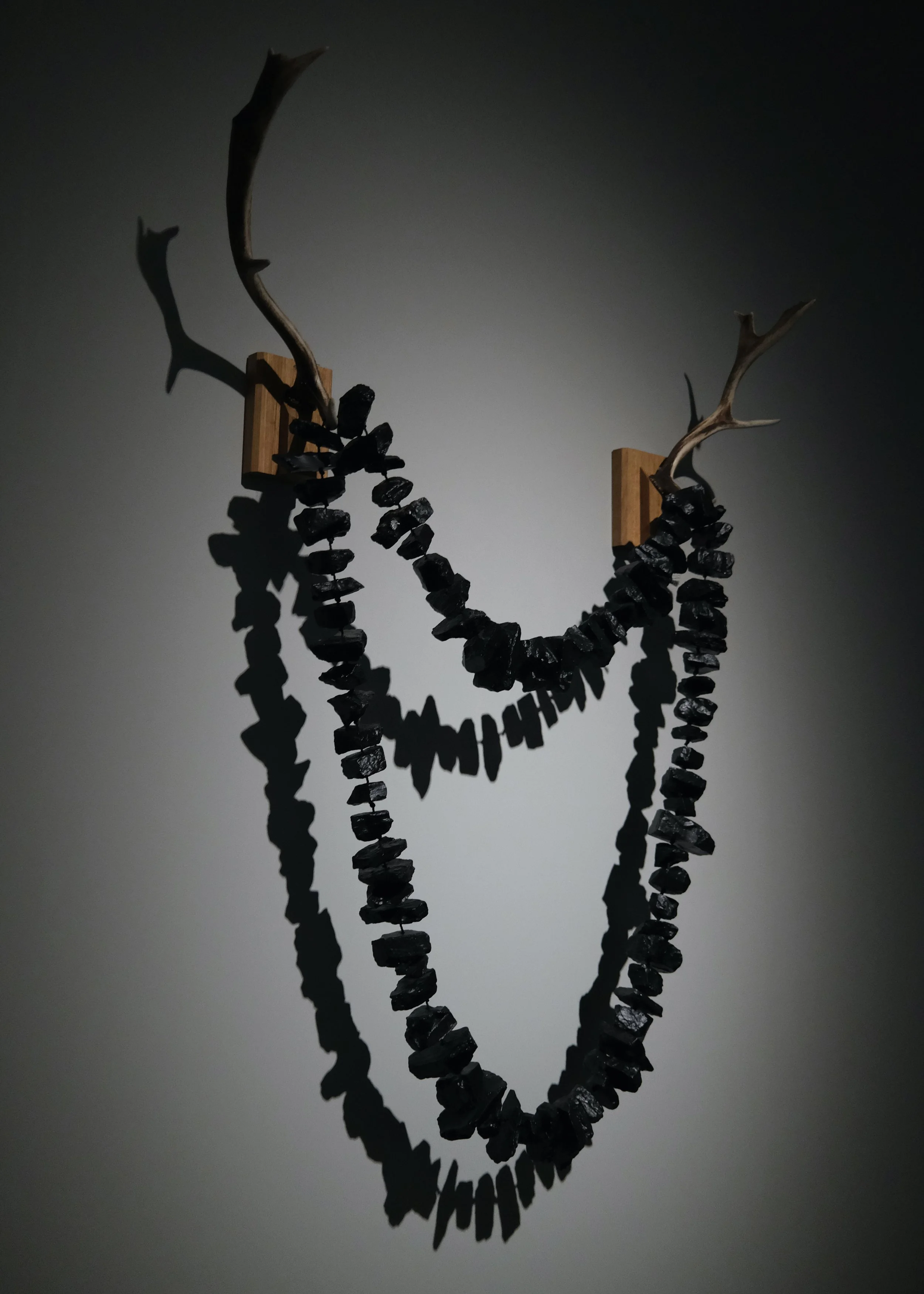
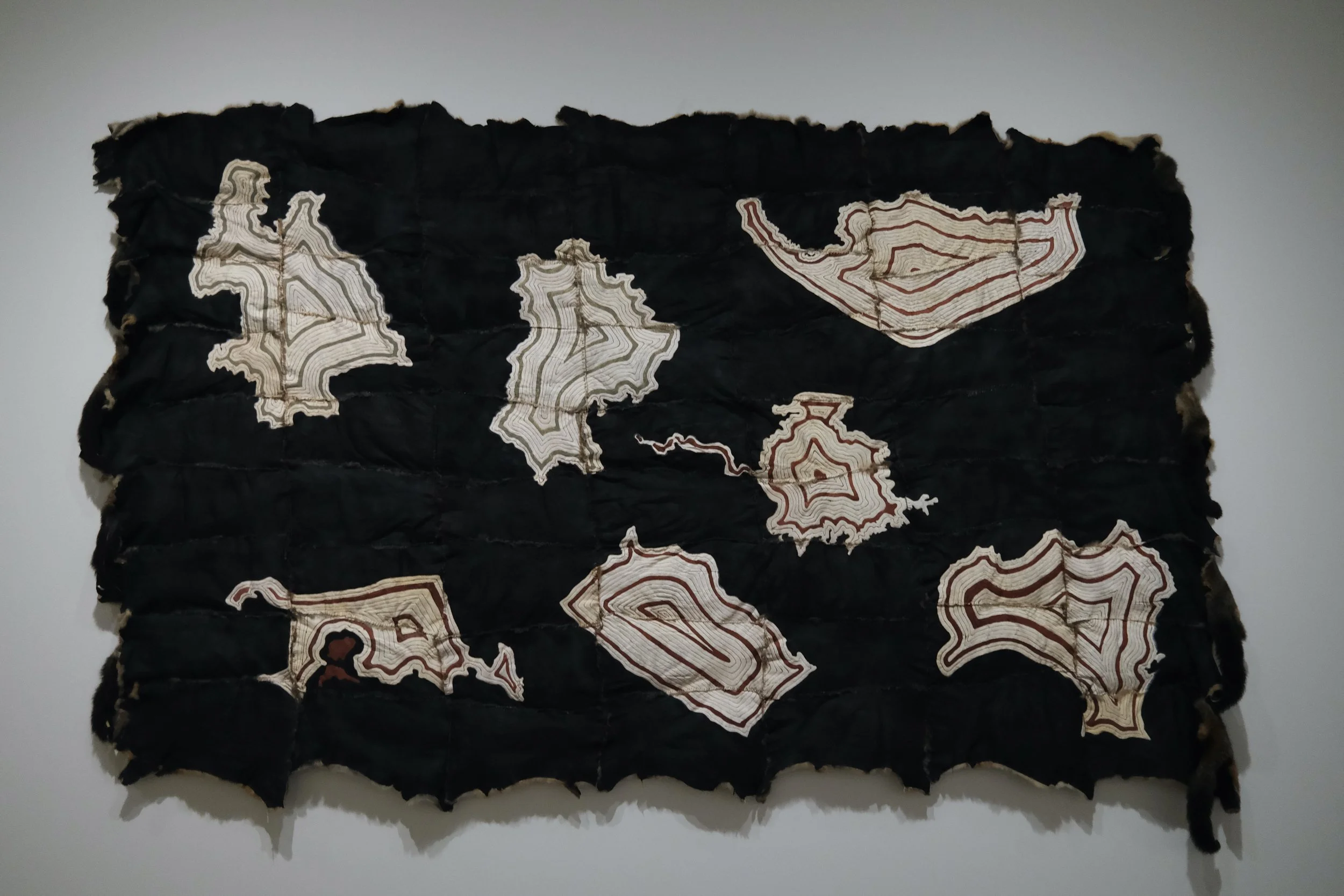
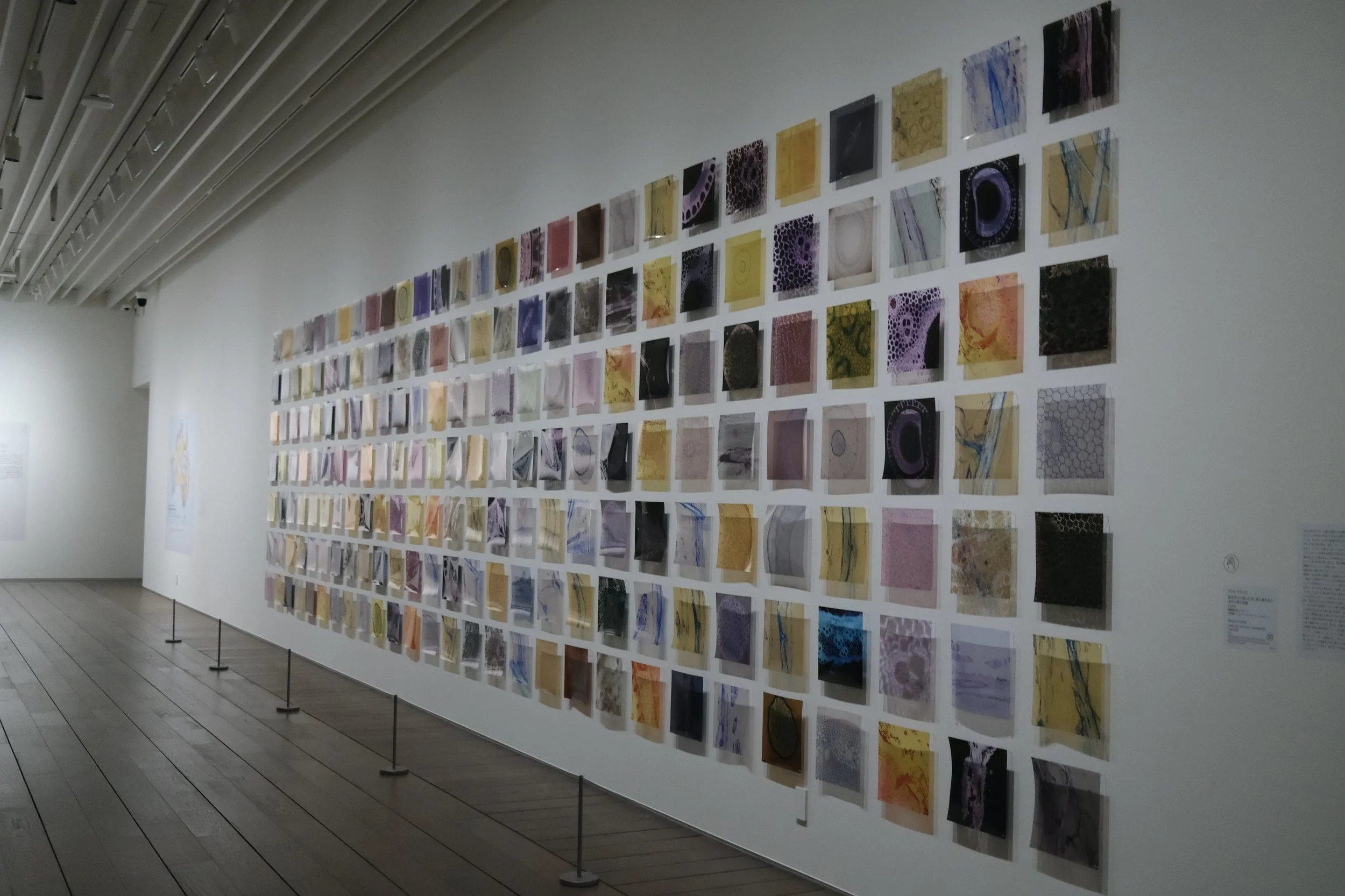
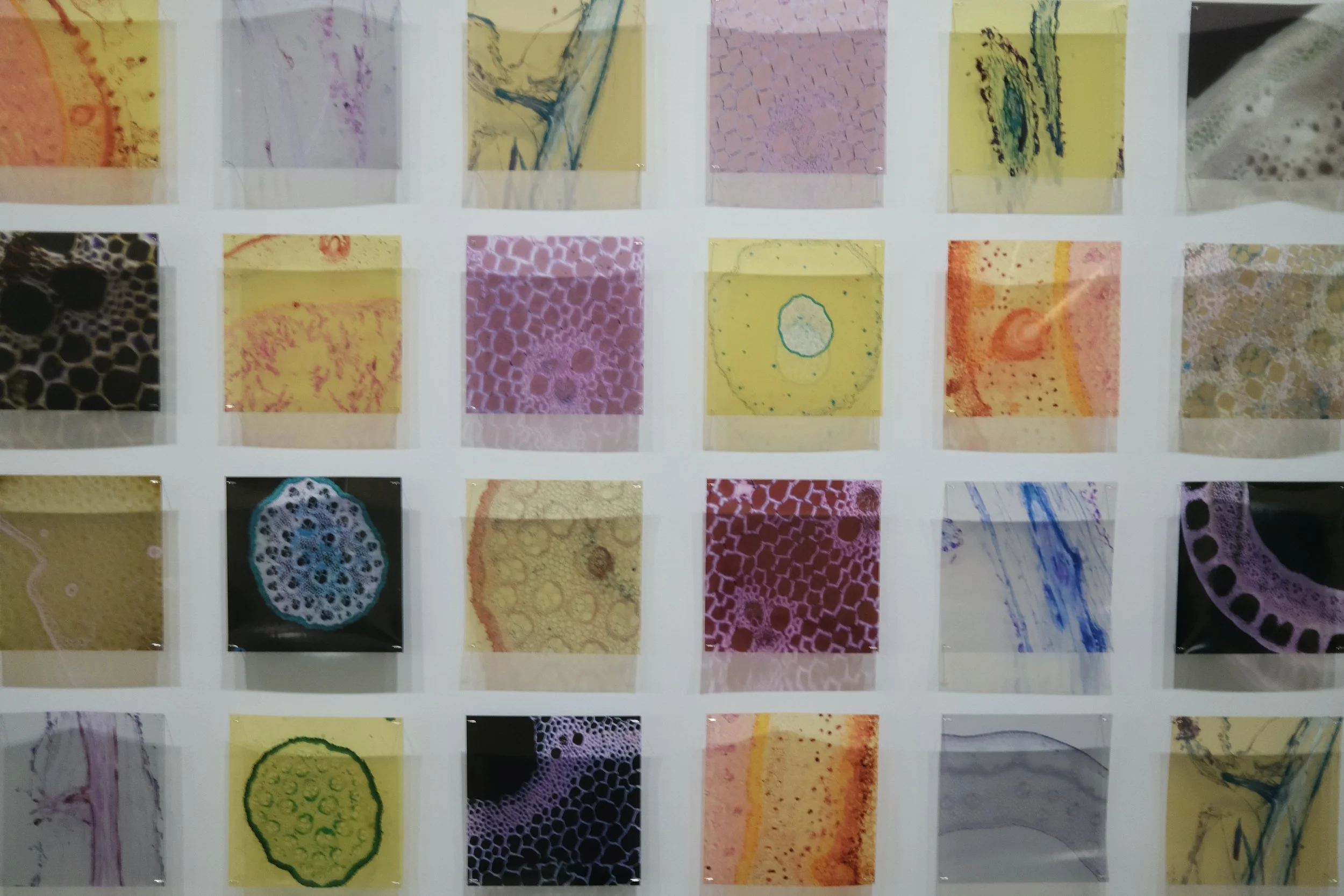
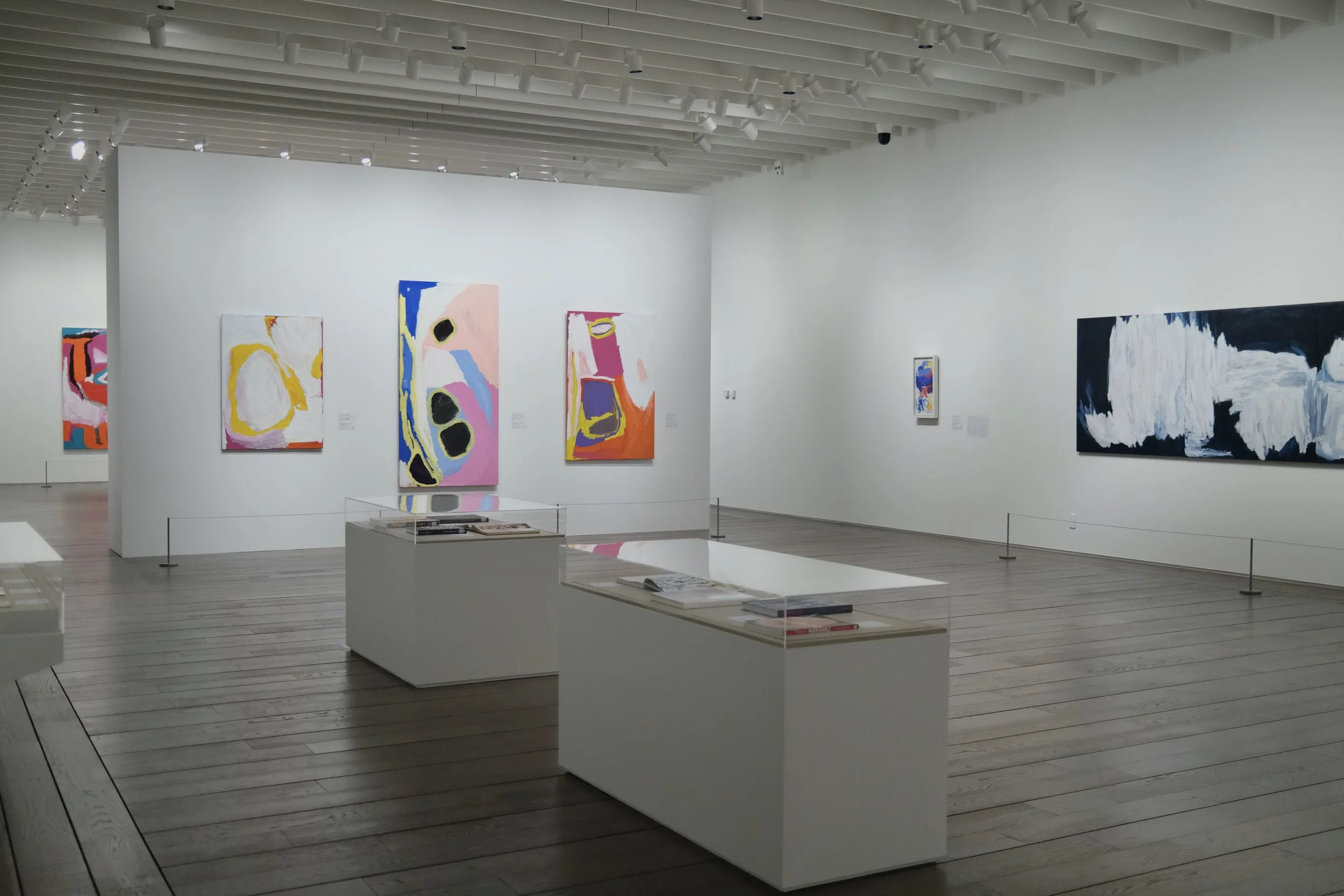
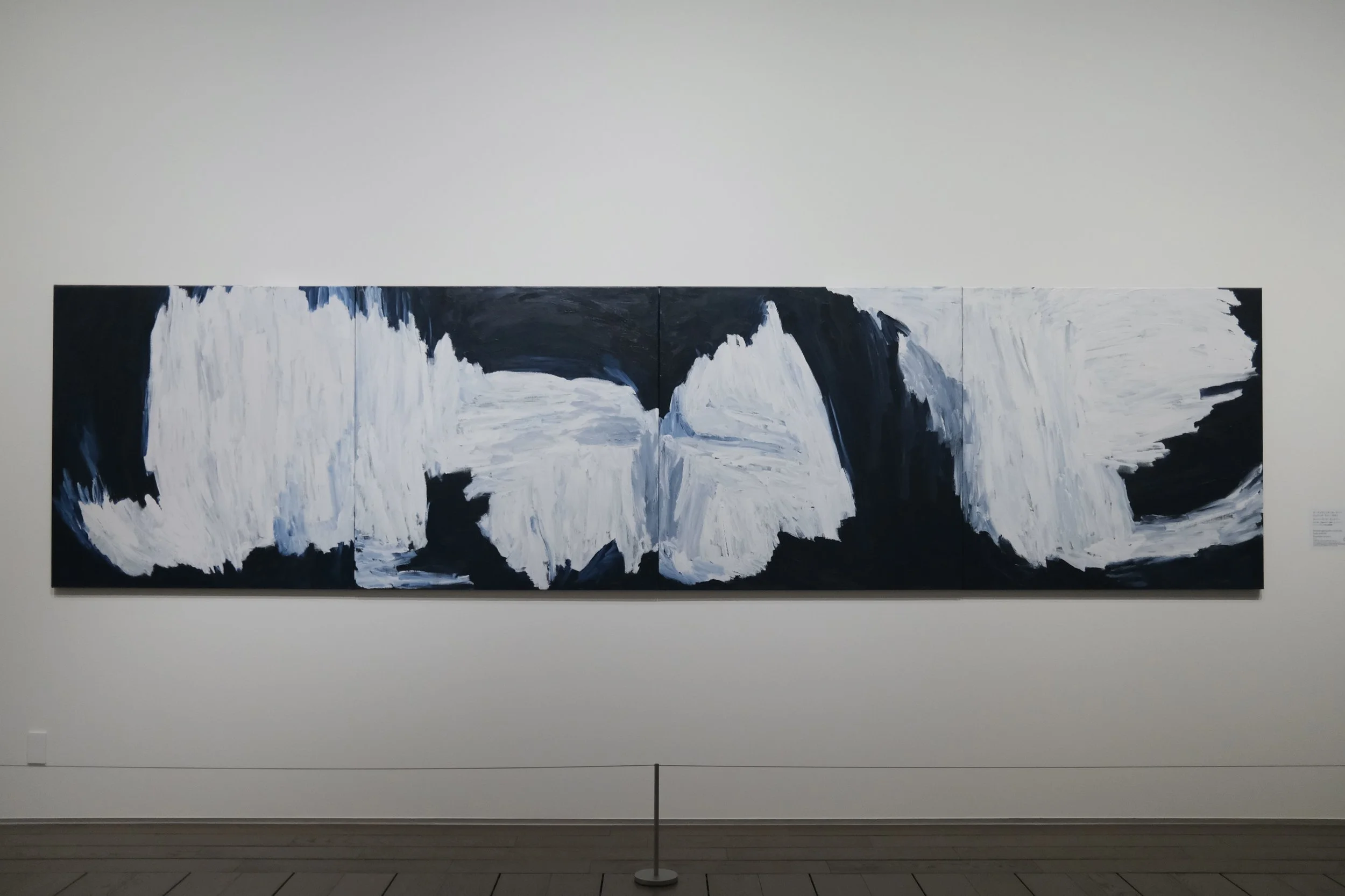
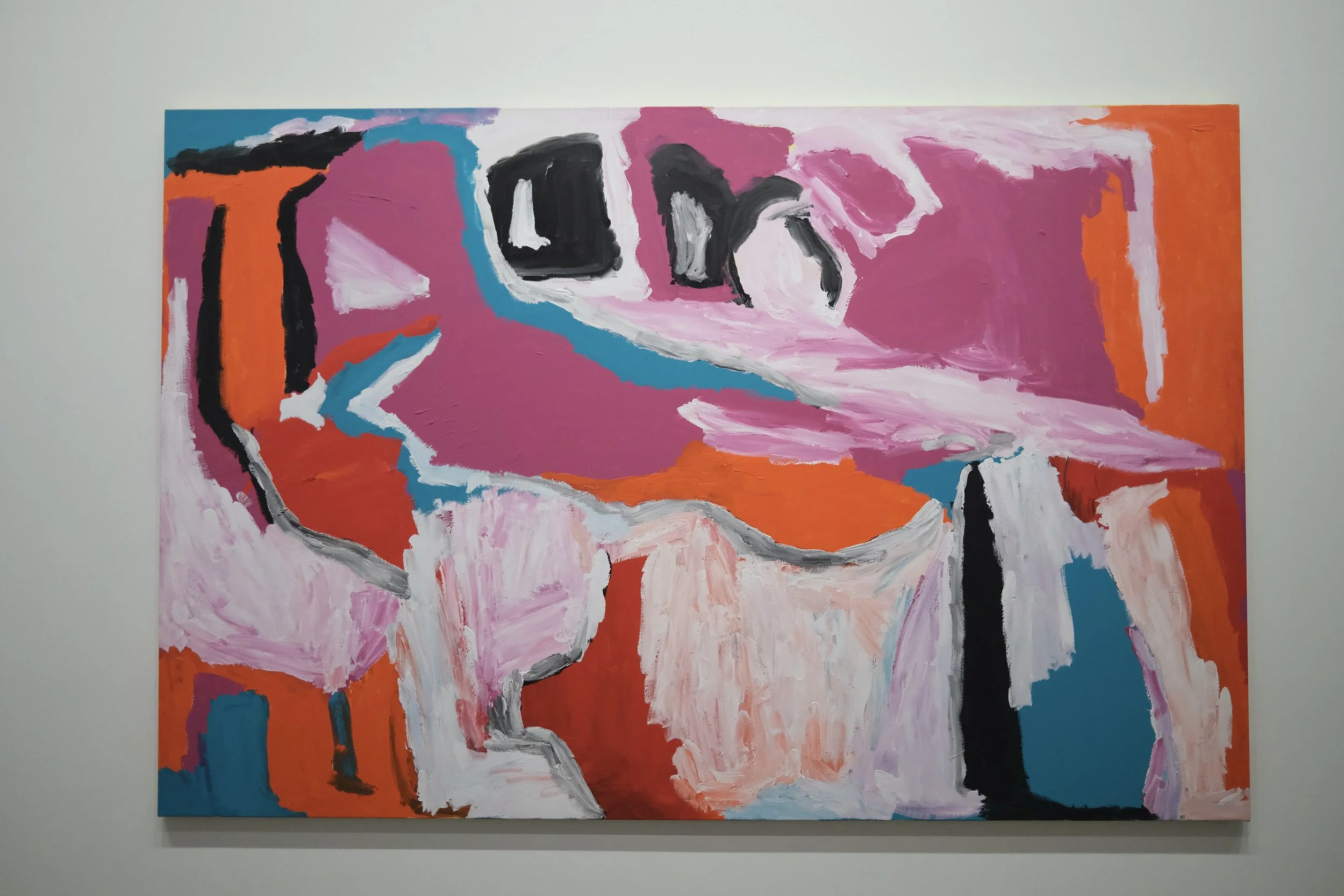
Echoes Unveiled: Art by First Nations Women from Australia
June 24 [Tue.]–September 21 [Sun.], 2025
Artizon Museum, Tokyo
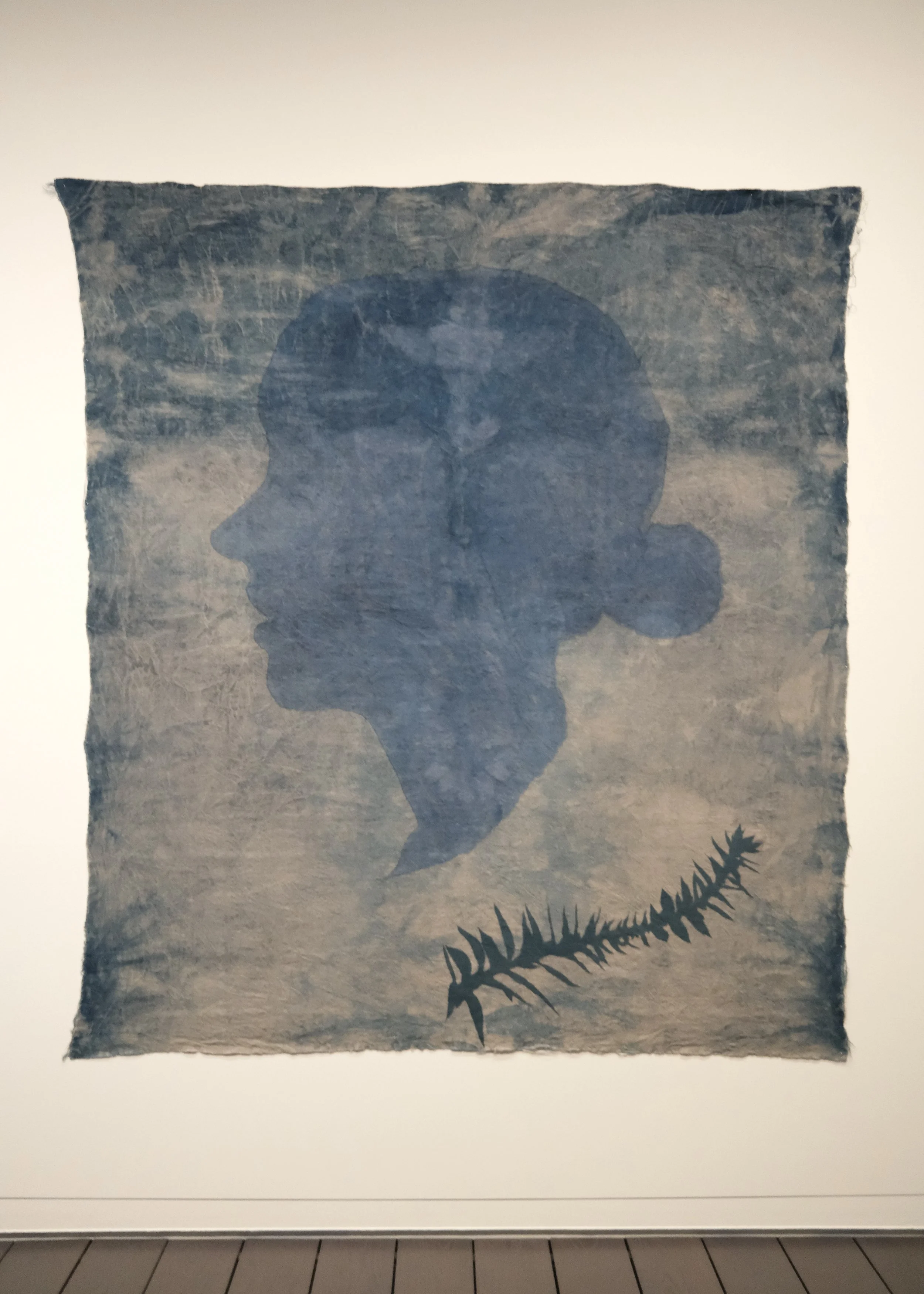
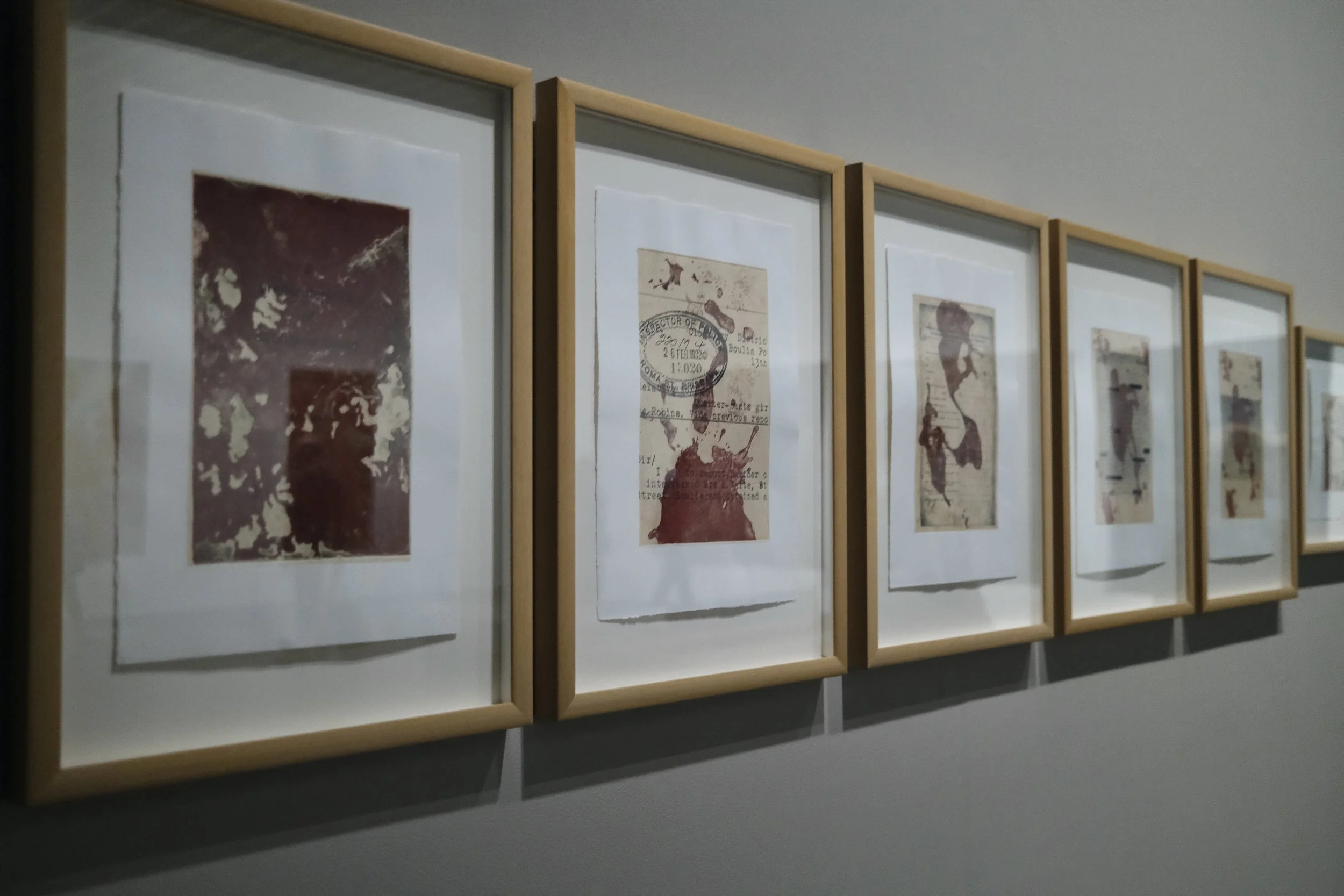

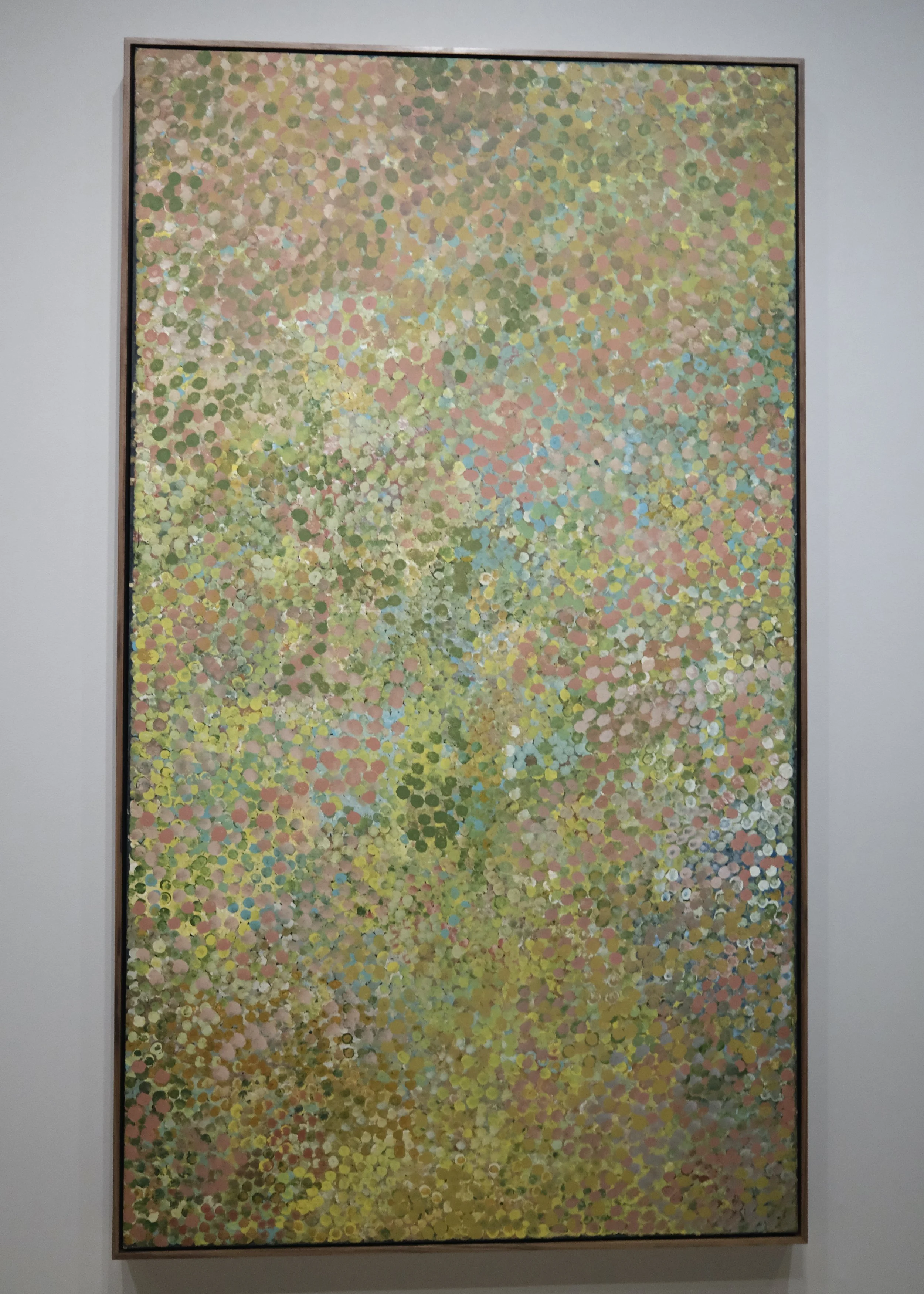
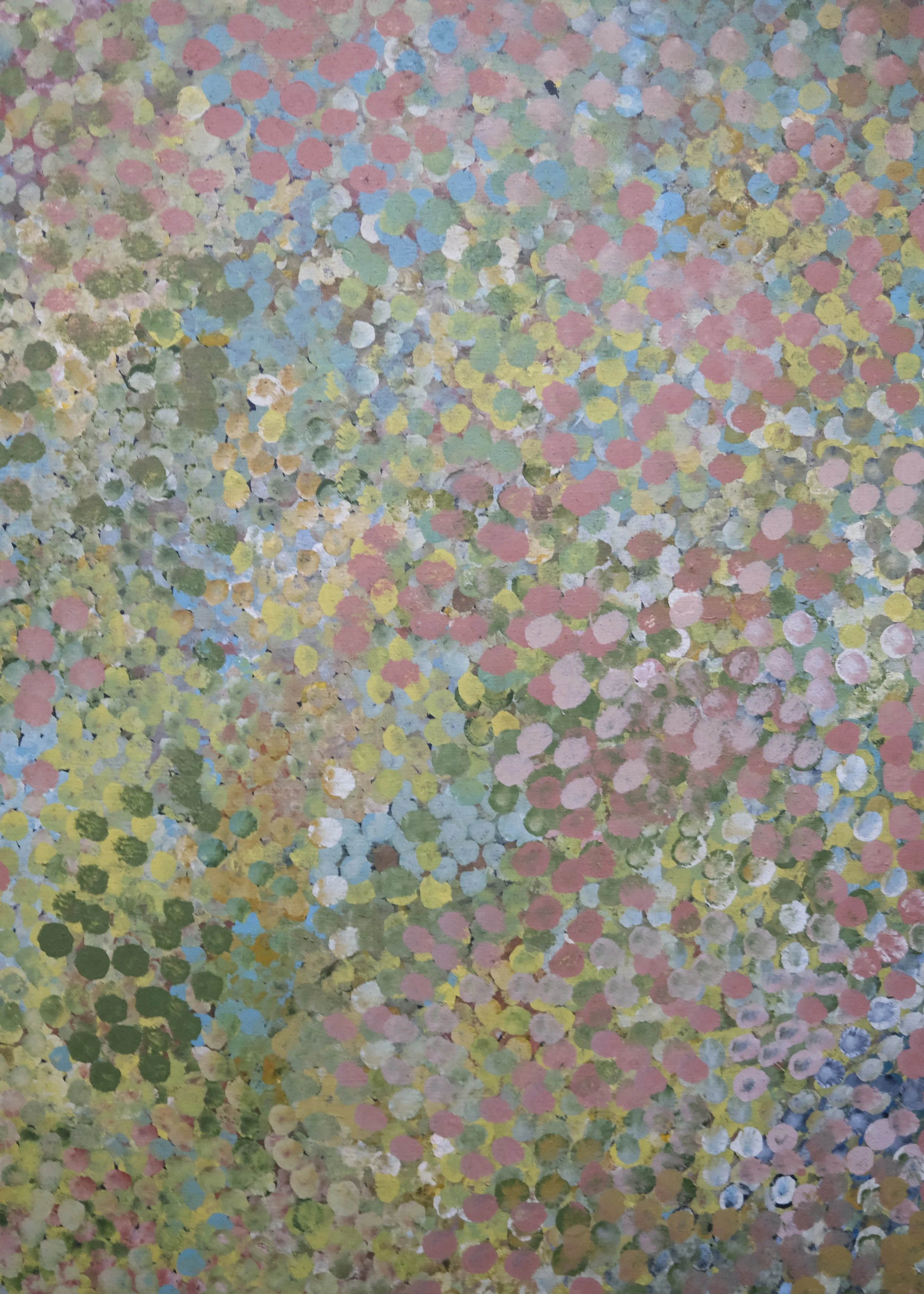
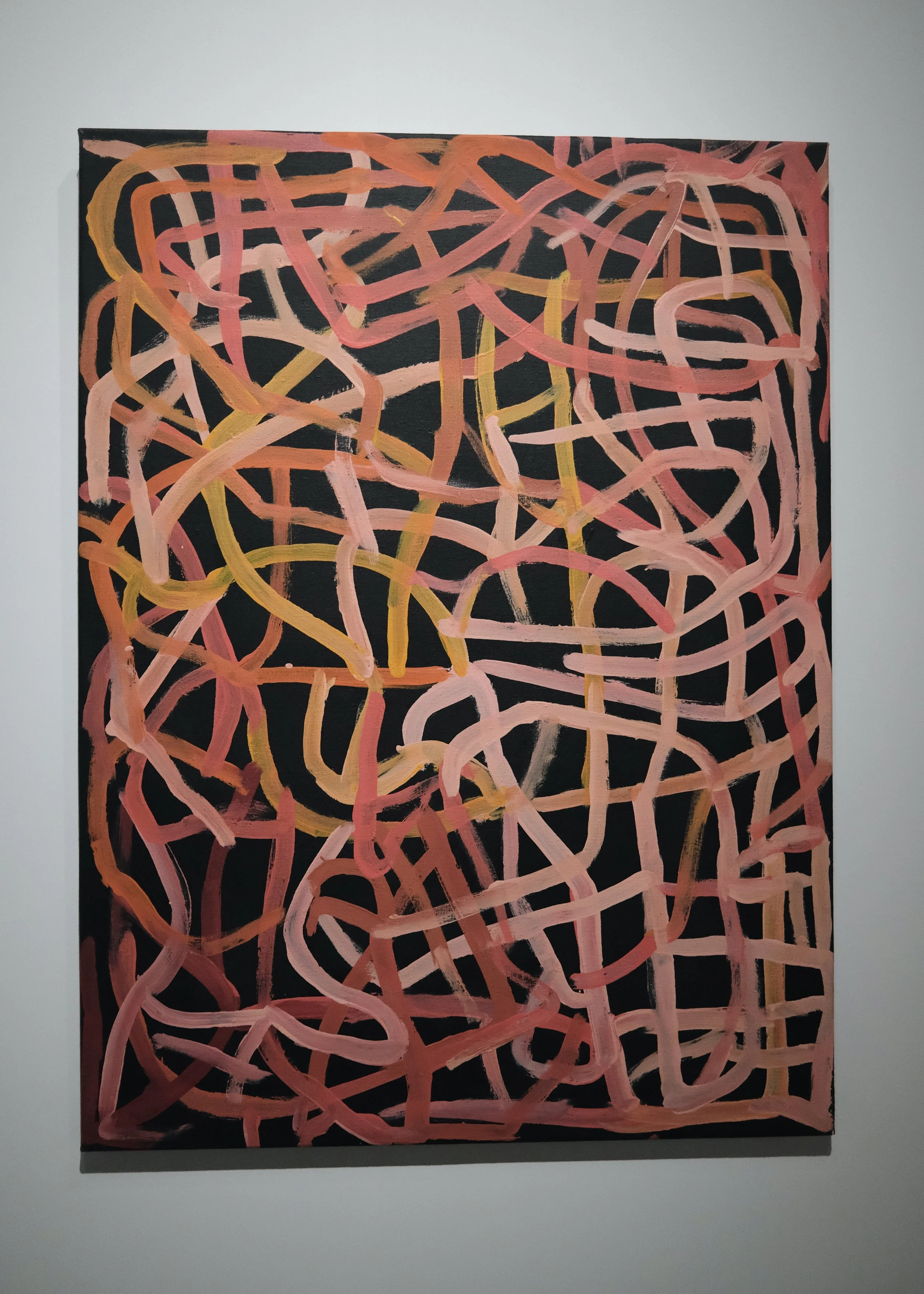
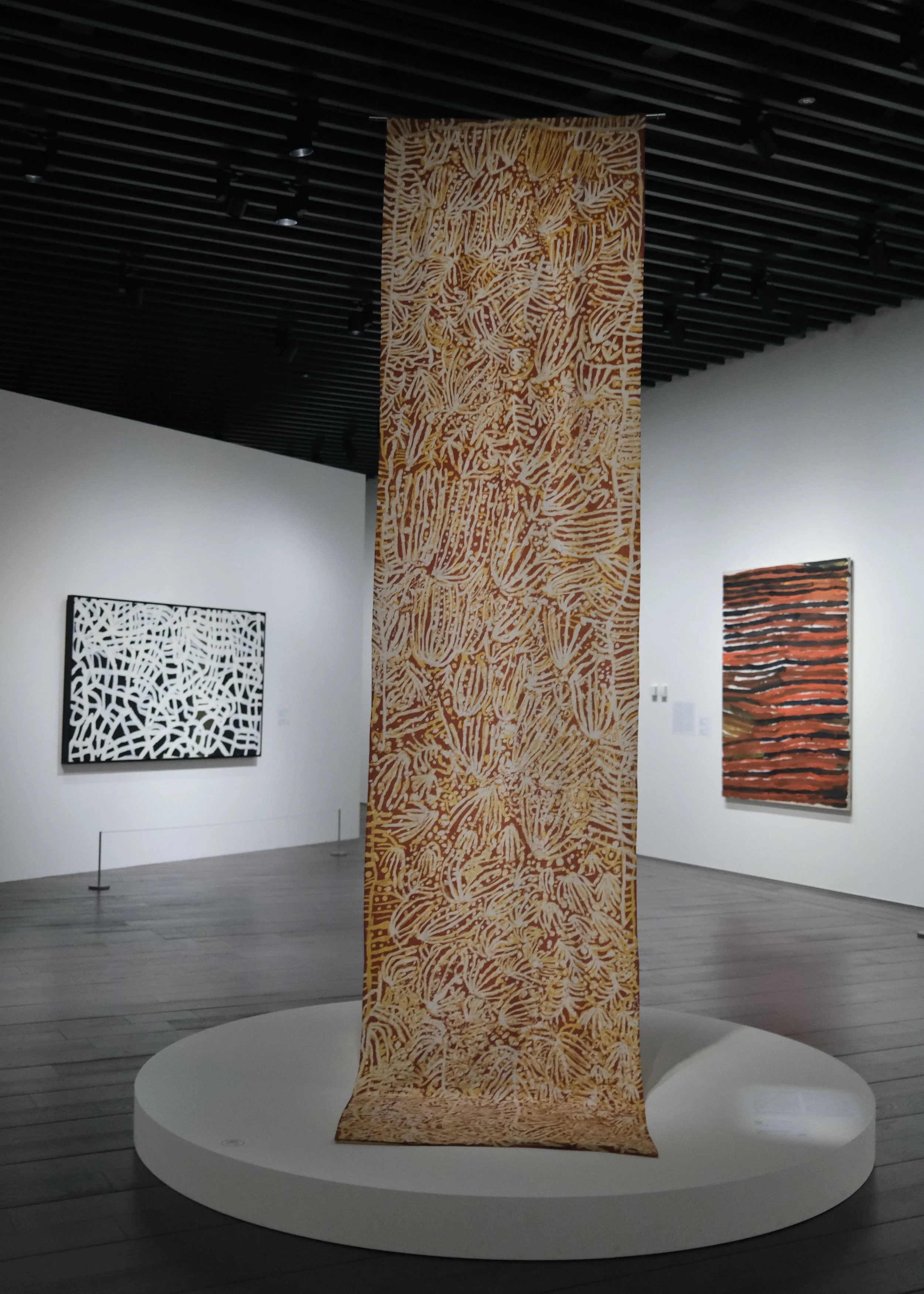

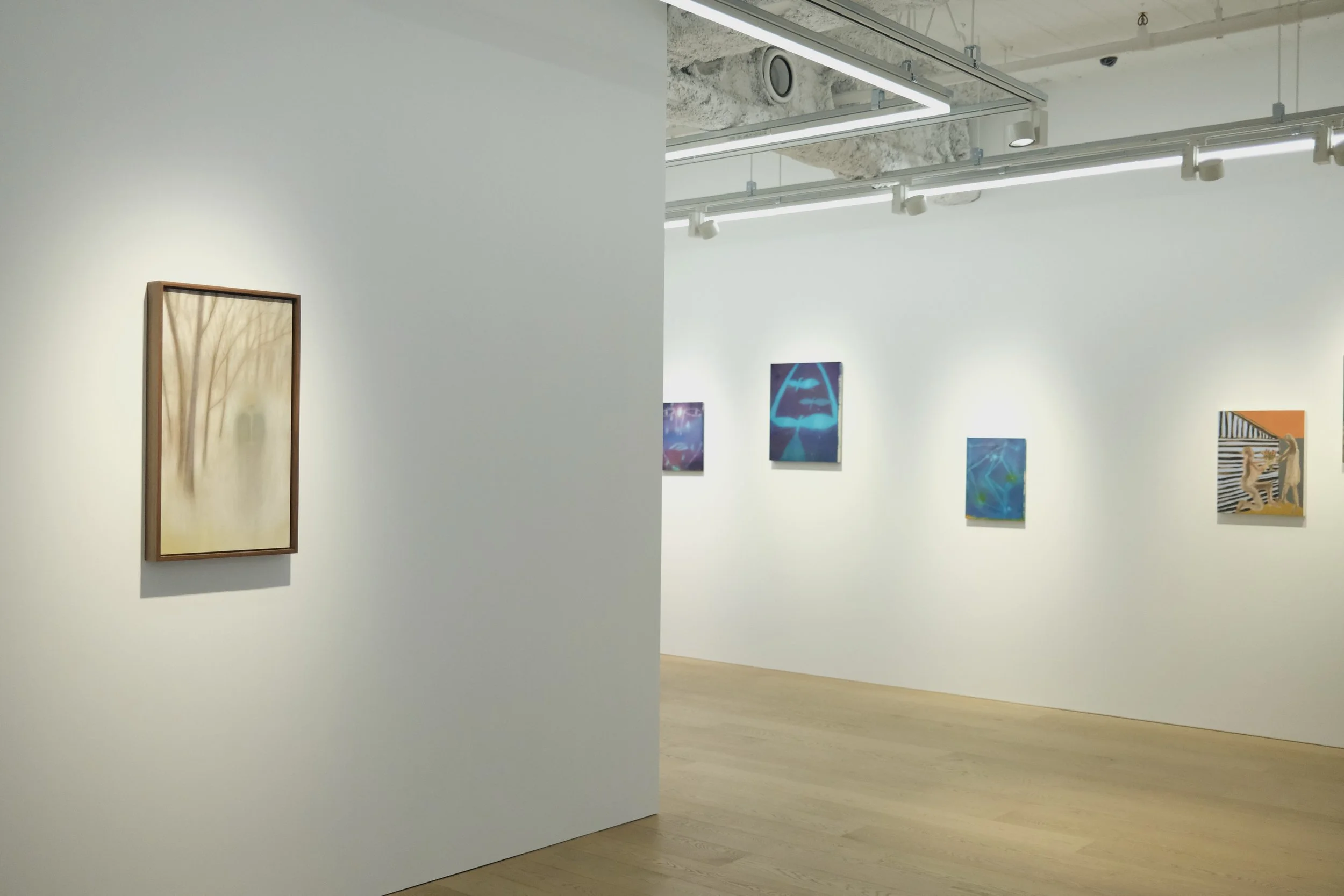
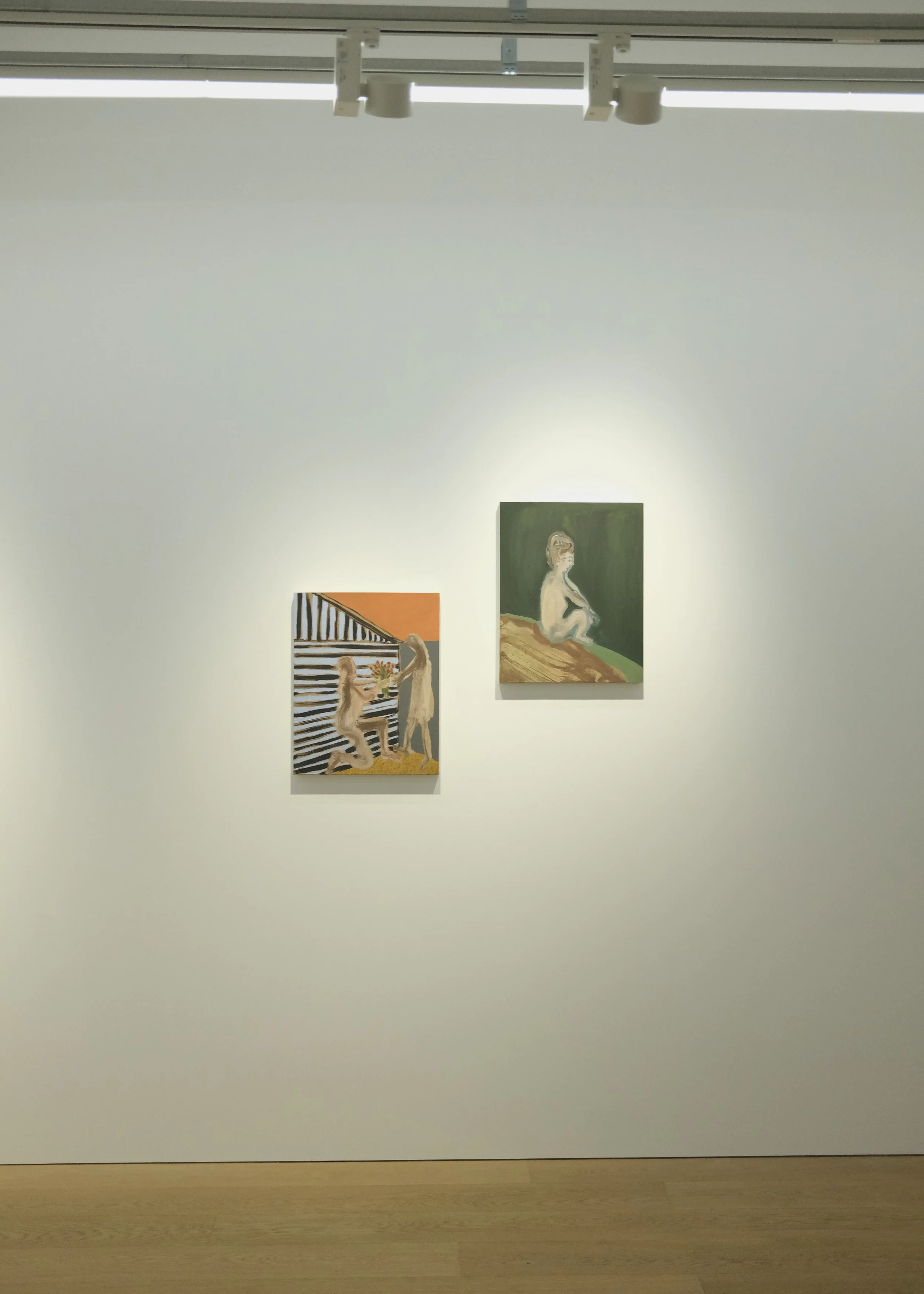
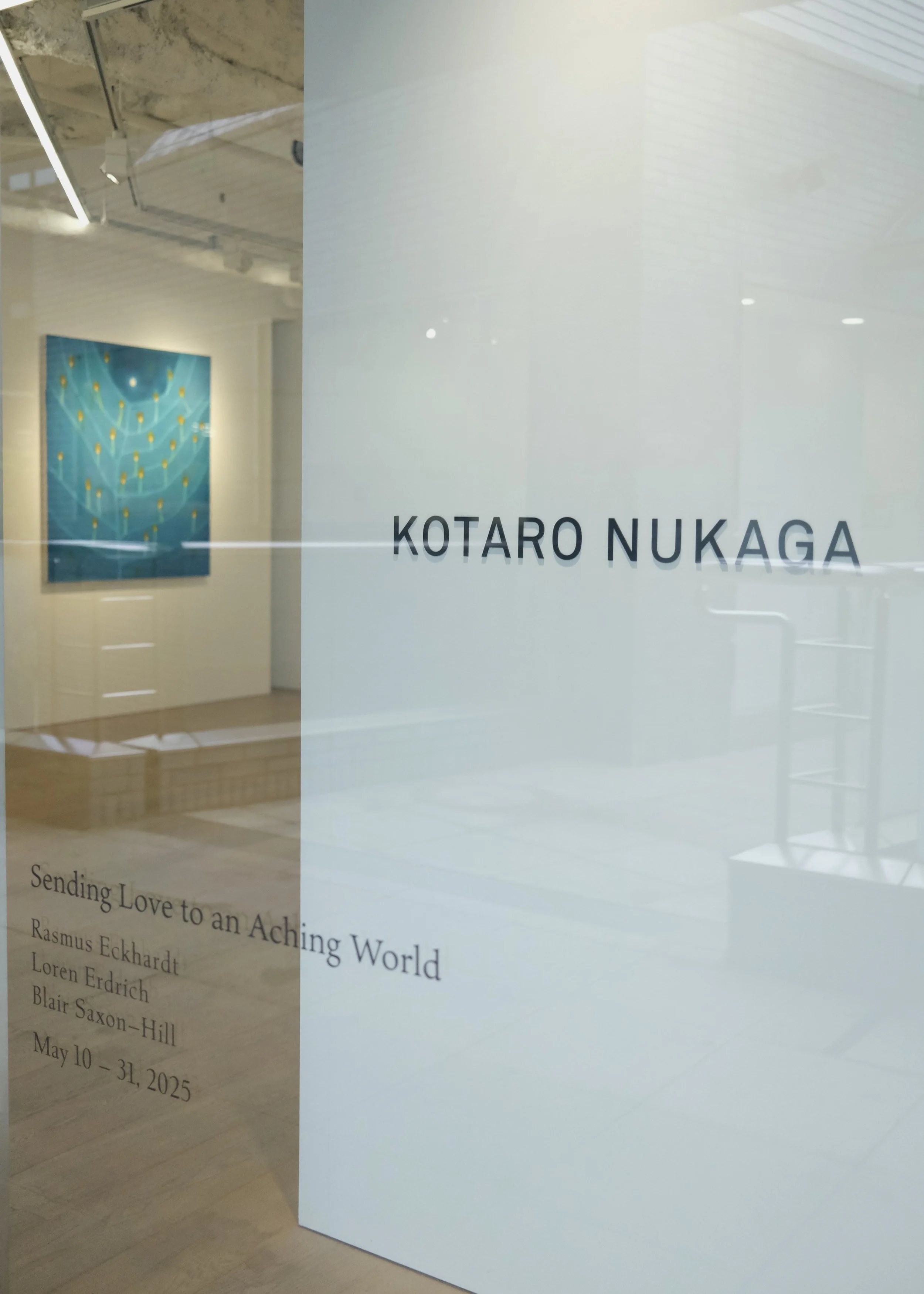
Sending Love to an Aching World
a three-person exhibition featuring Rasmus Eckhardt, Loren Erdrich, and Blair Saxon-Hill
May 10 to May 31, 2025
KOTARO NUKAGA(Roppongi), Tokyo
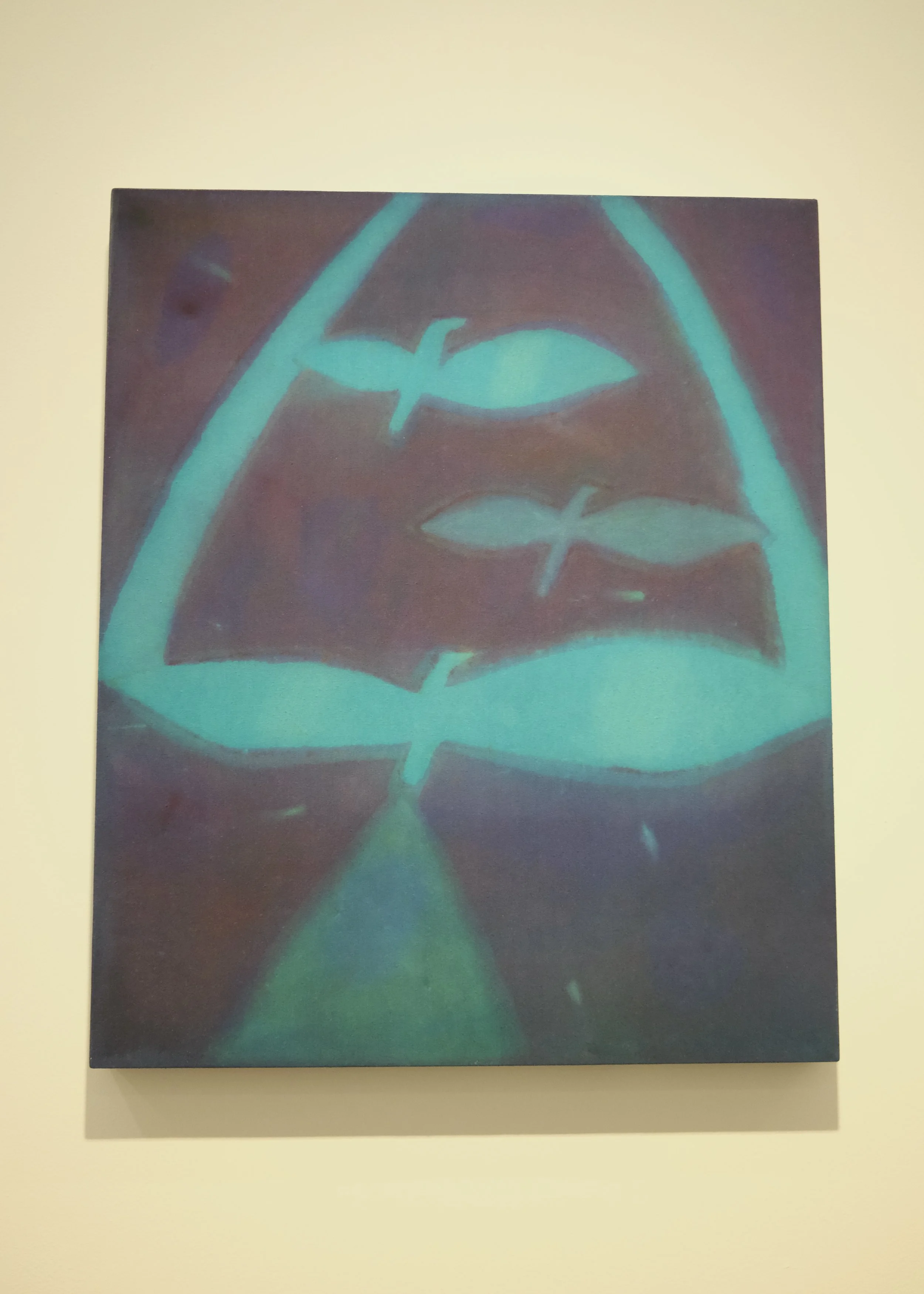
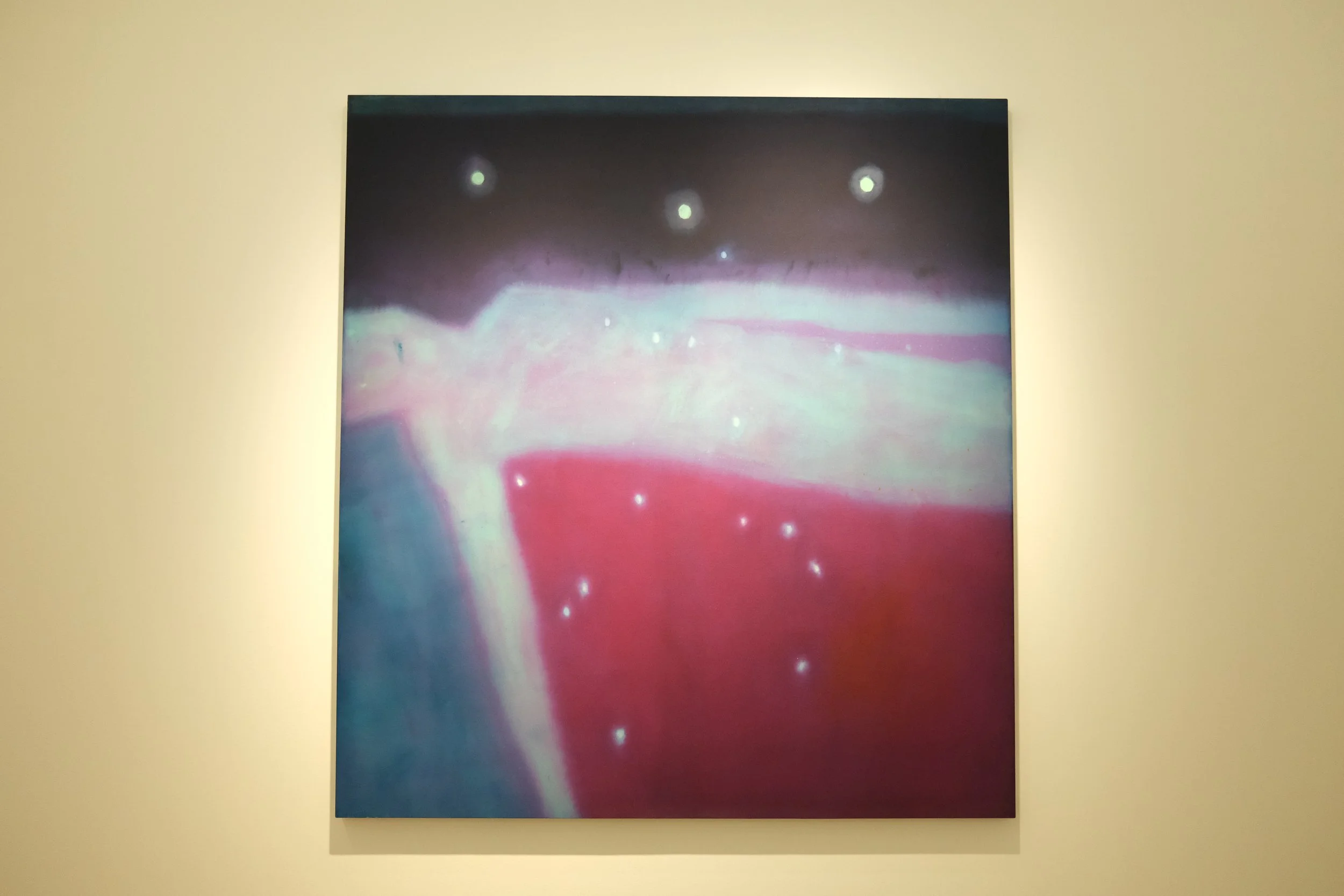
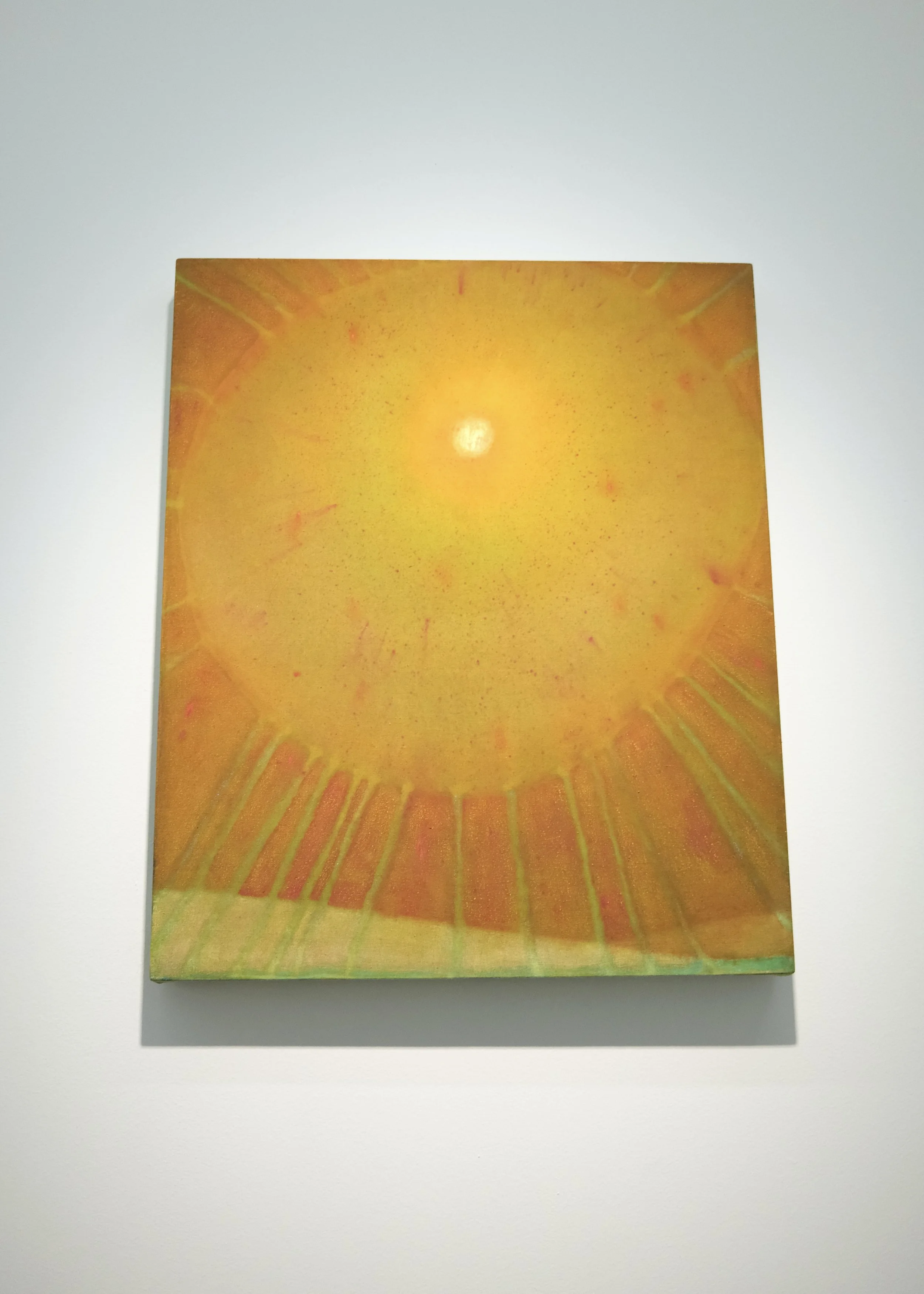
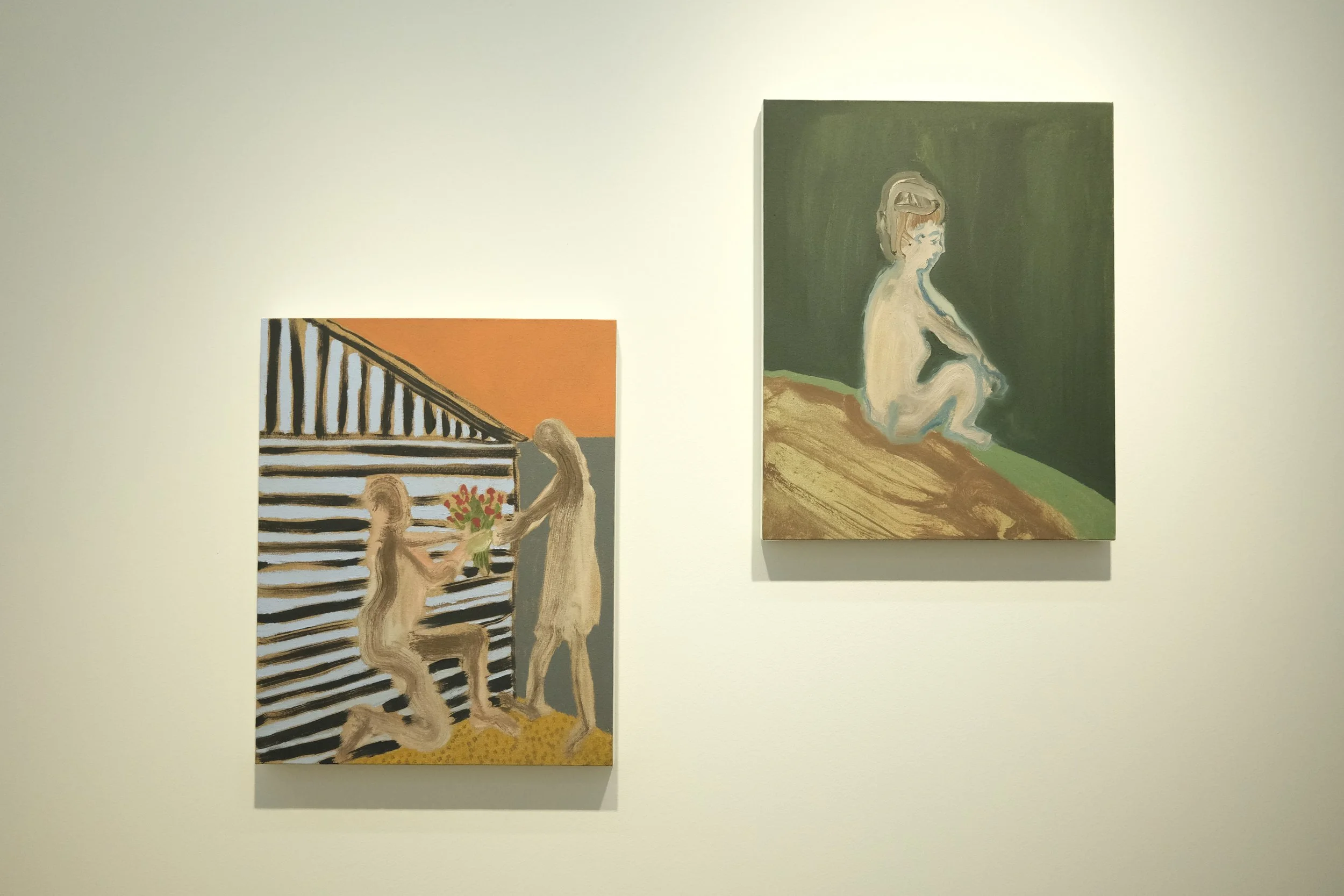
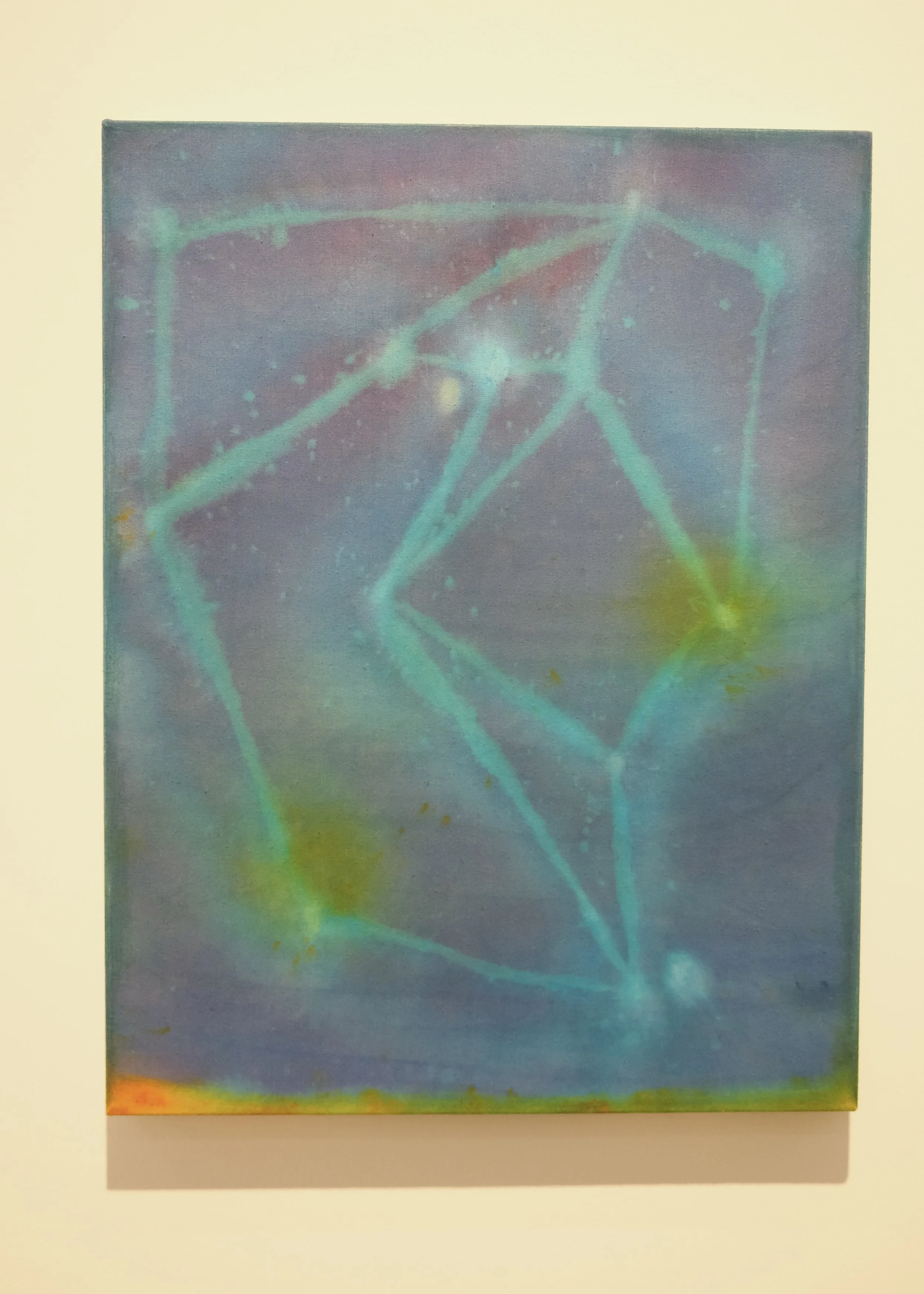
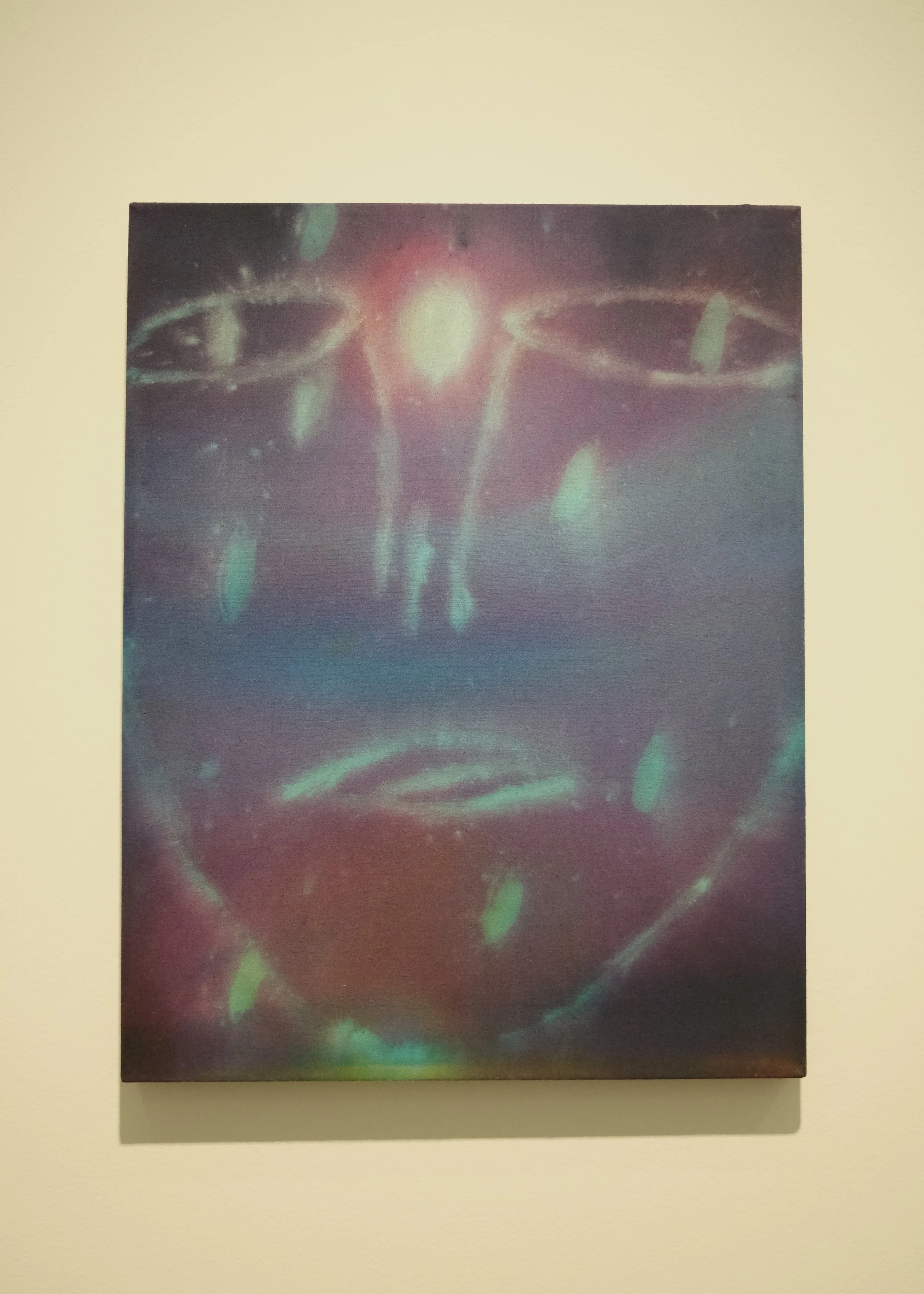
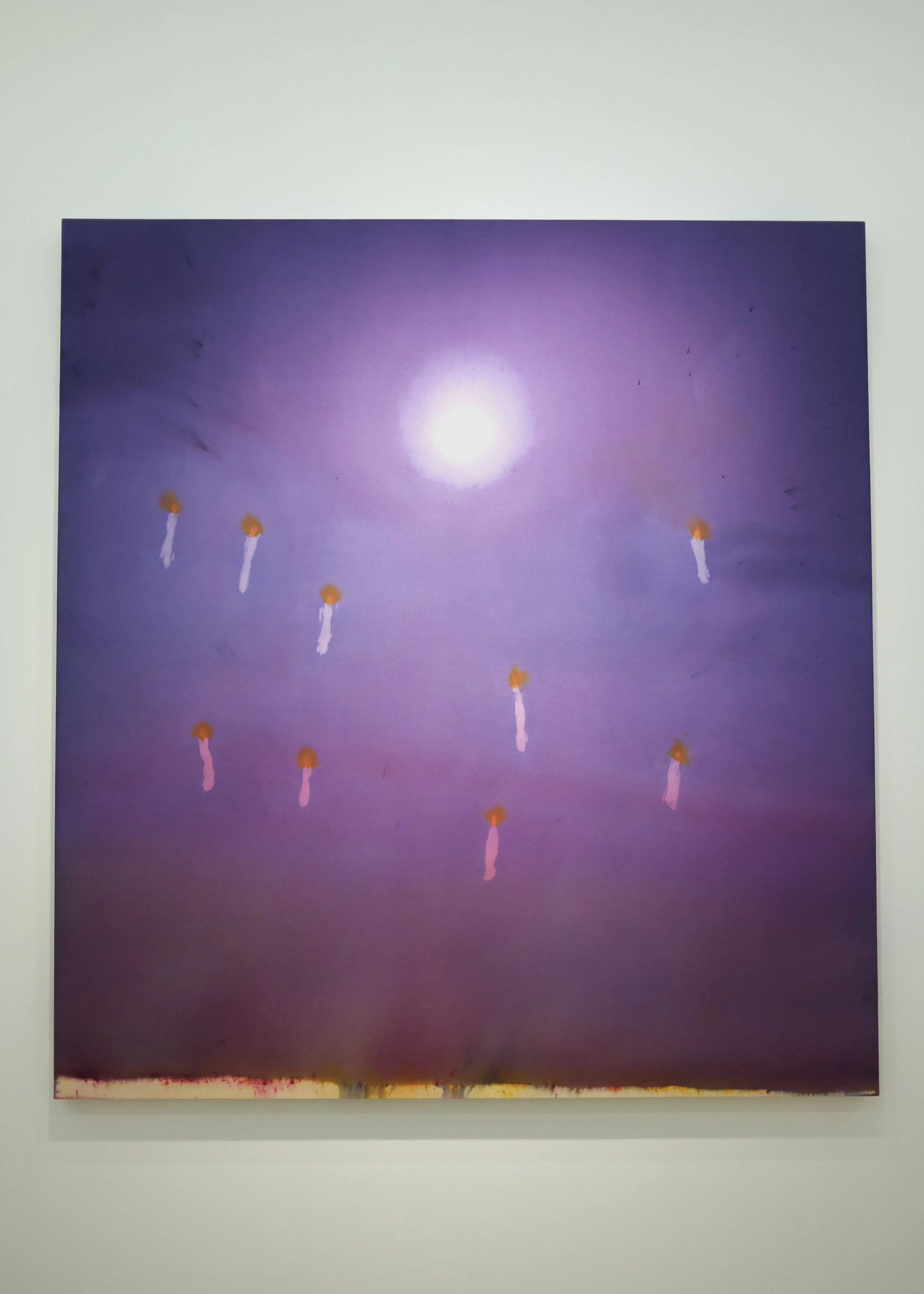
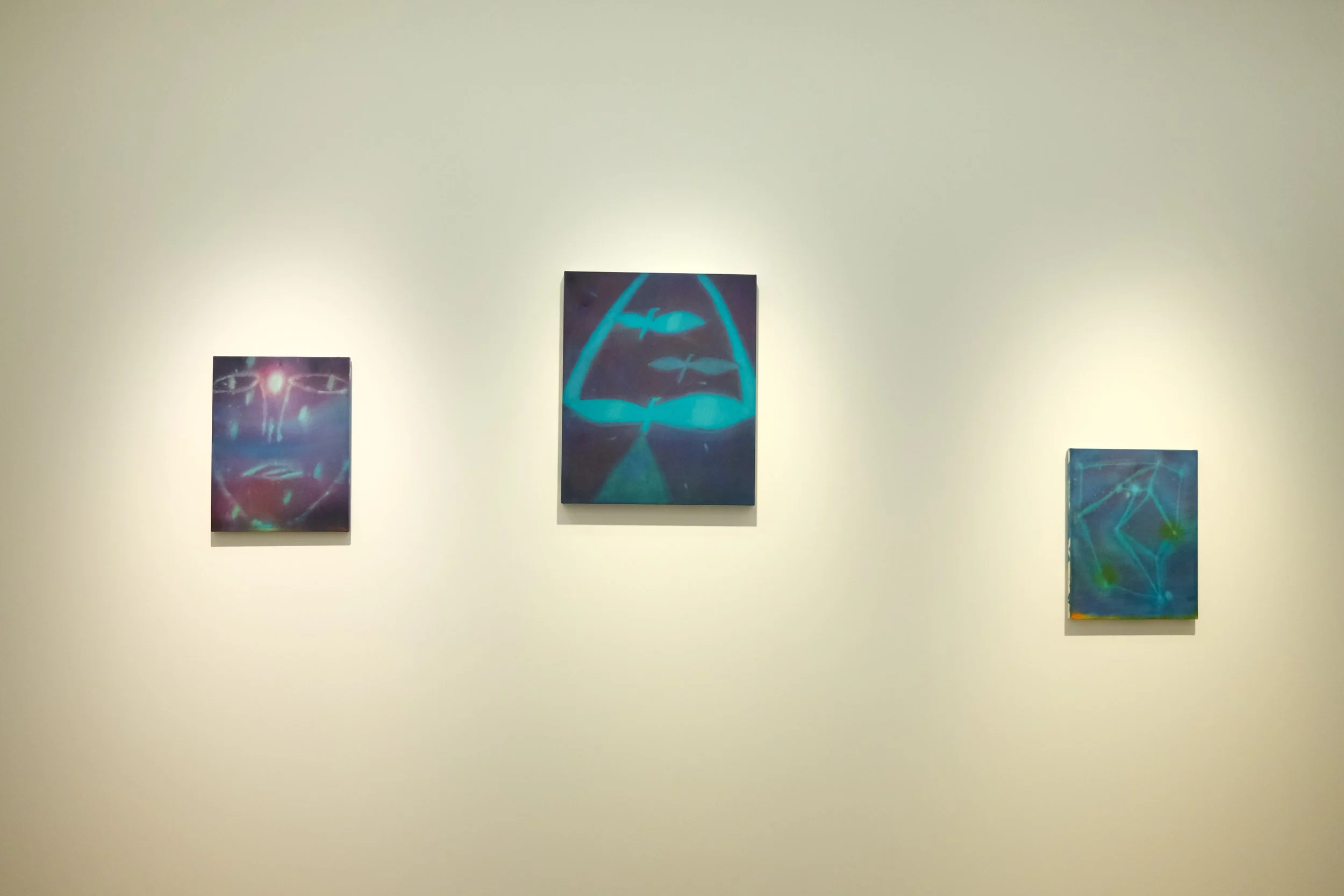
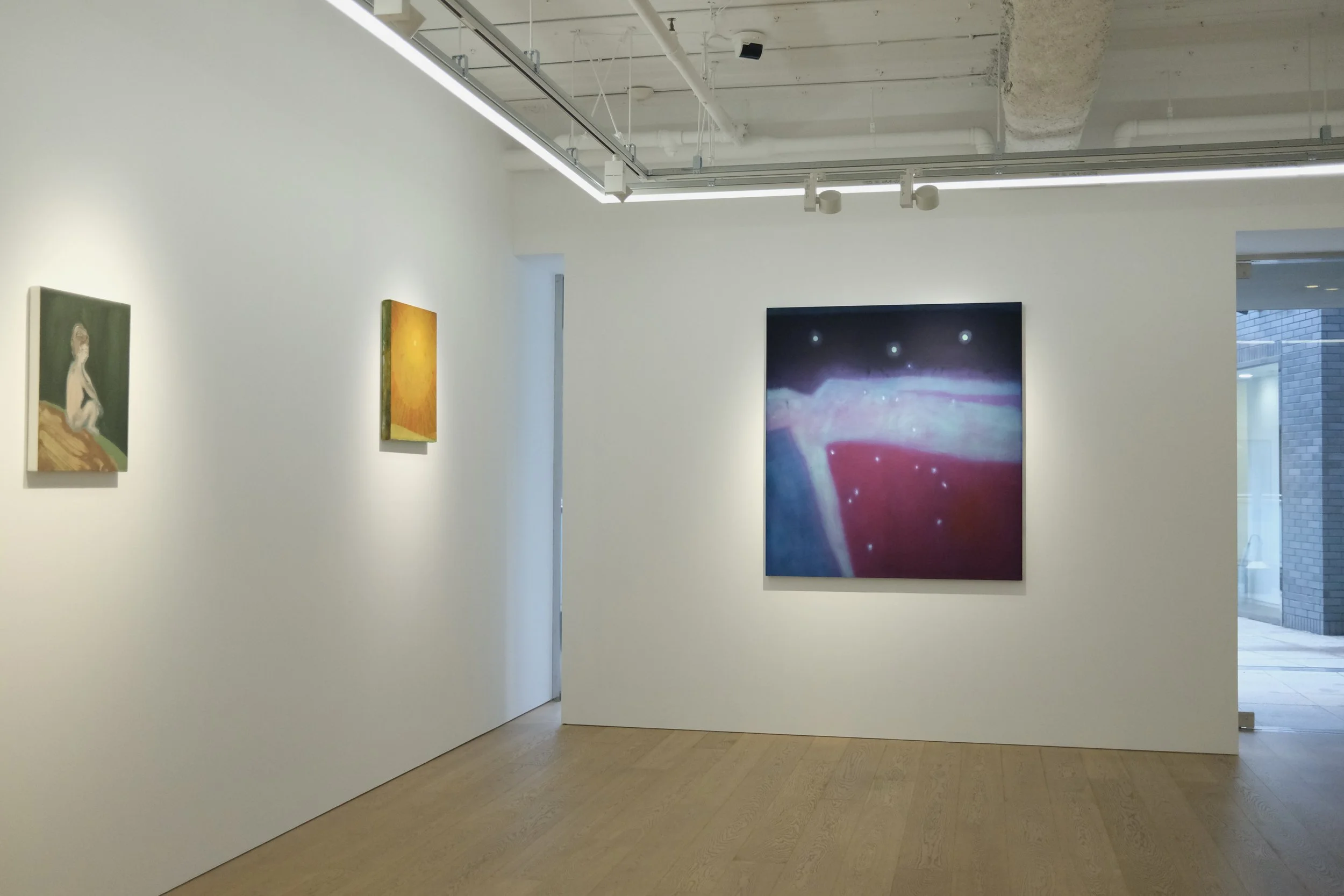
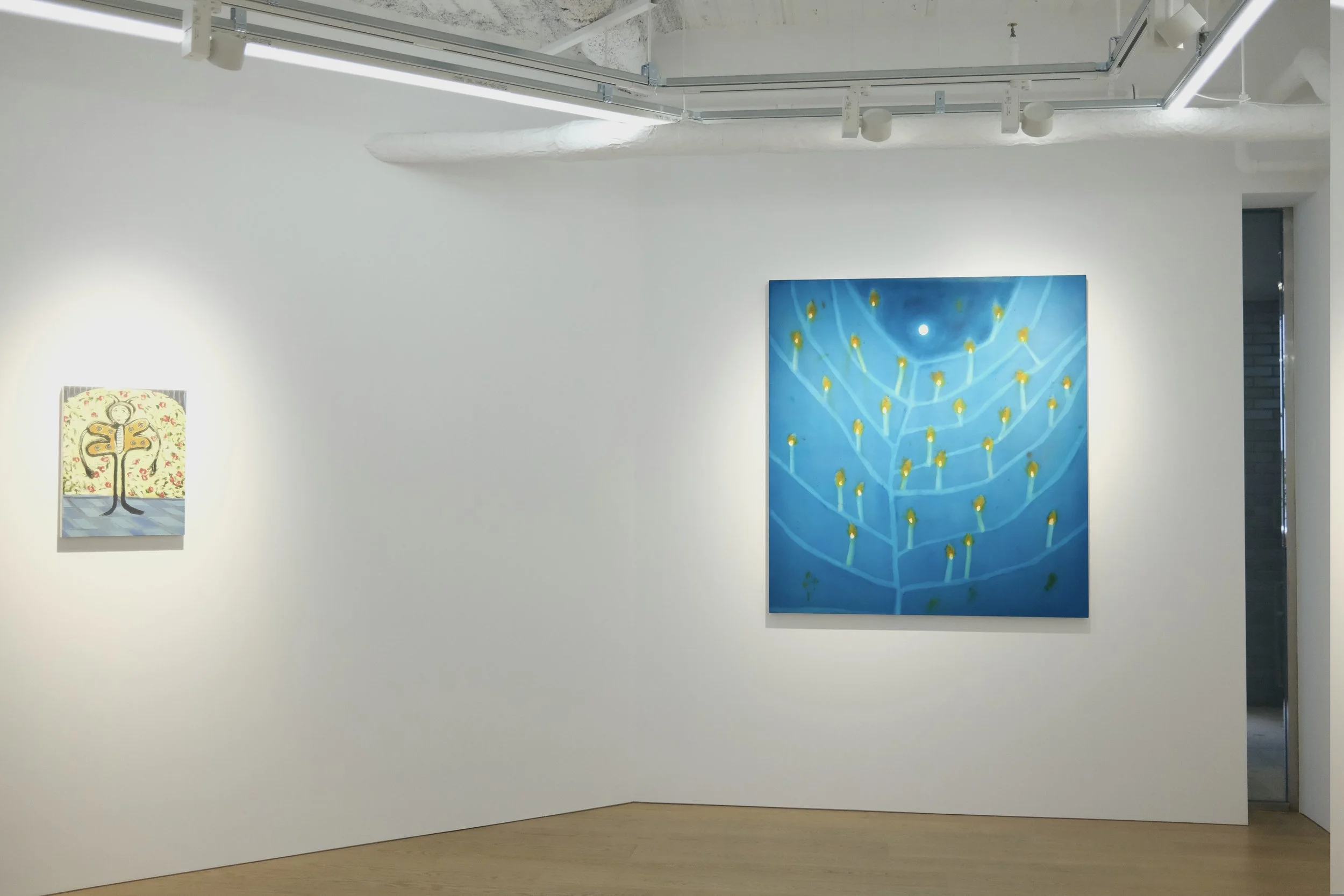
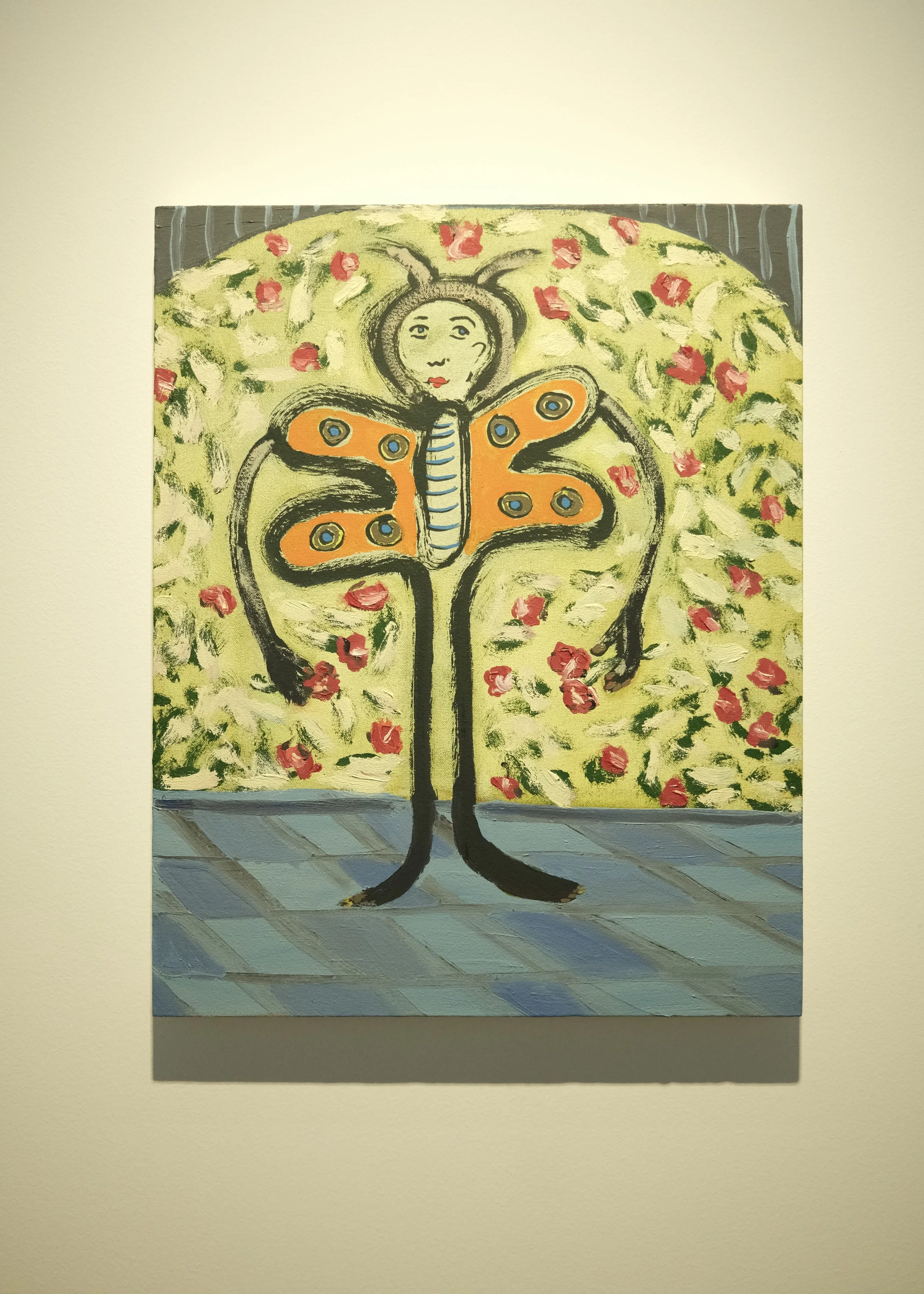
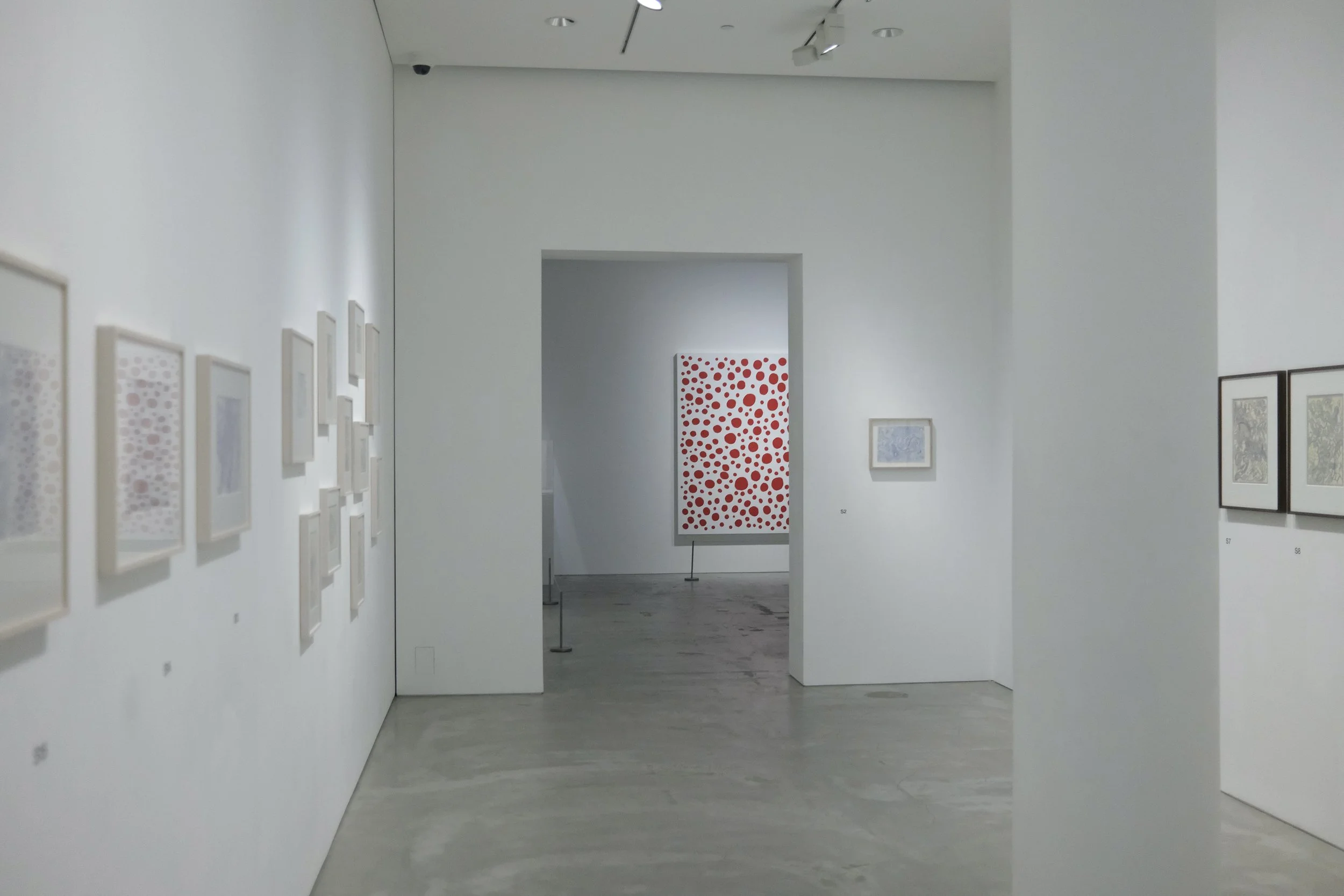
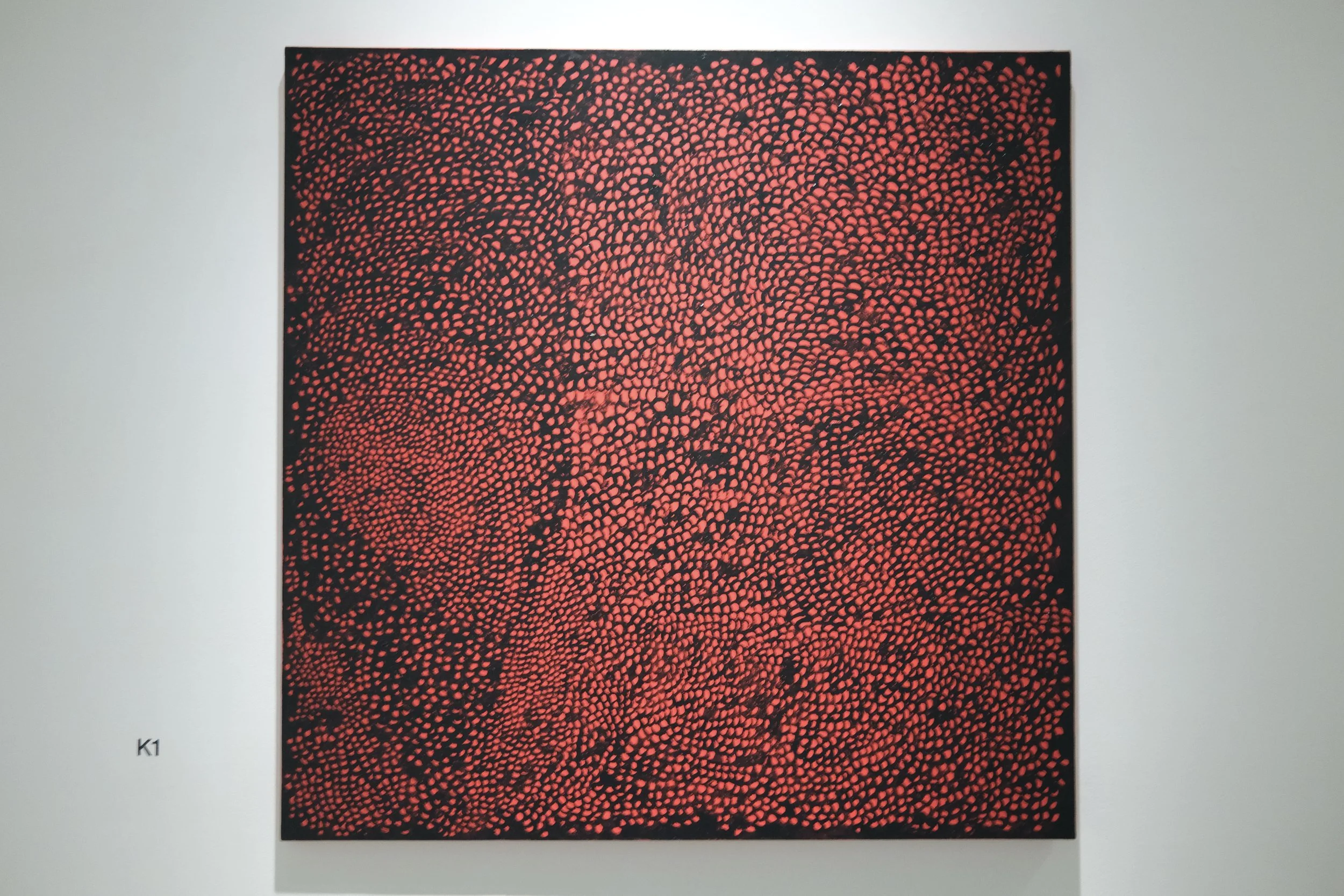
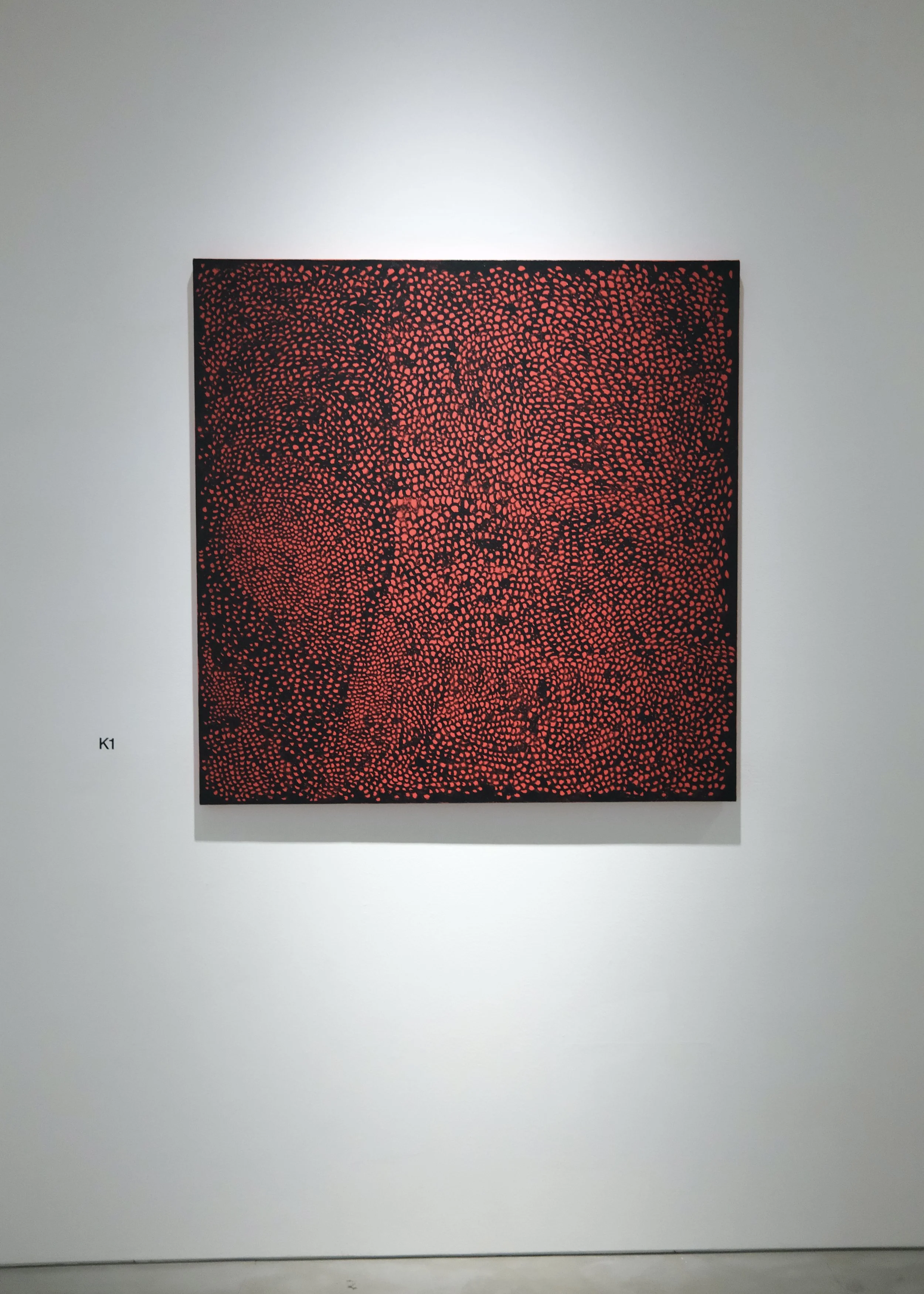
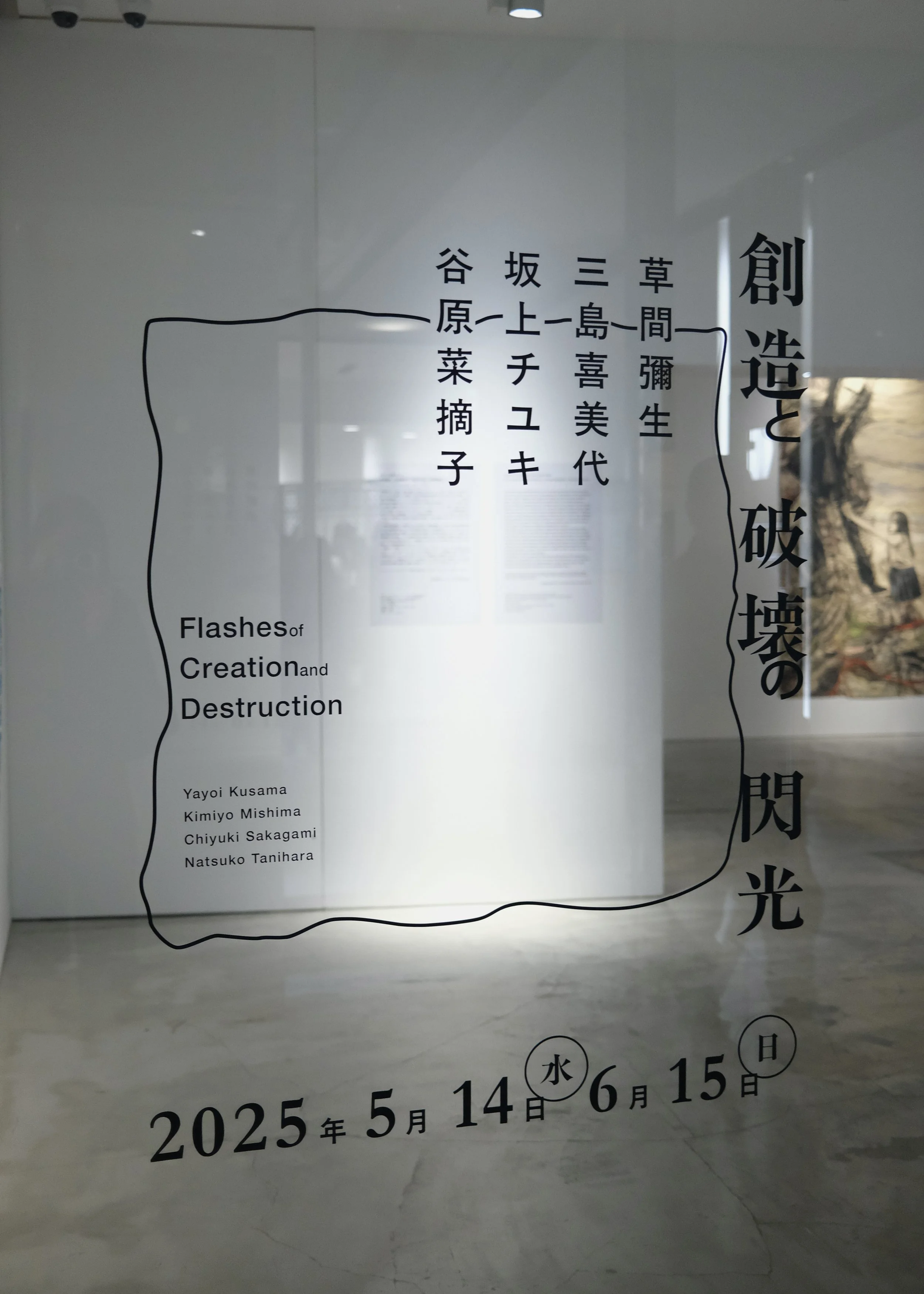
Flashes of creation and destruction
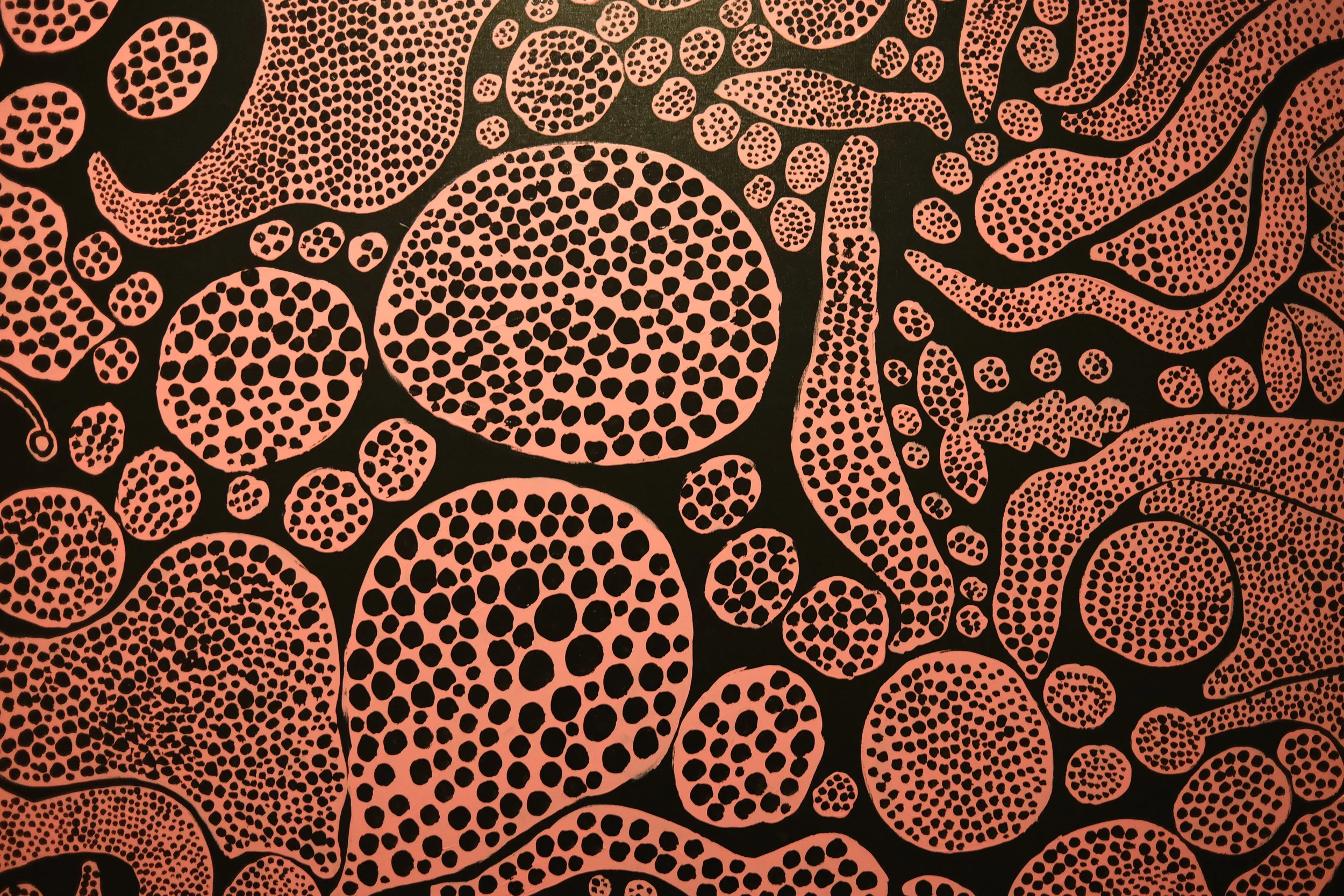
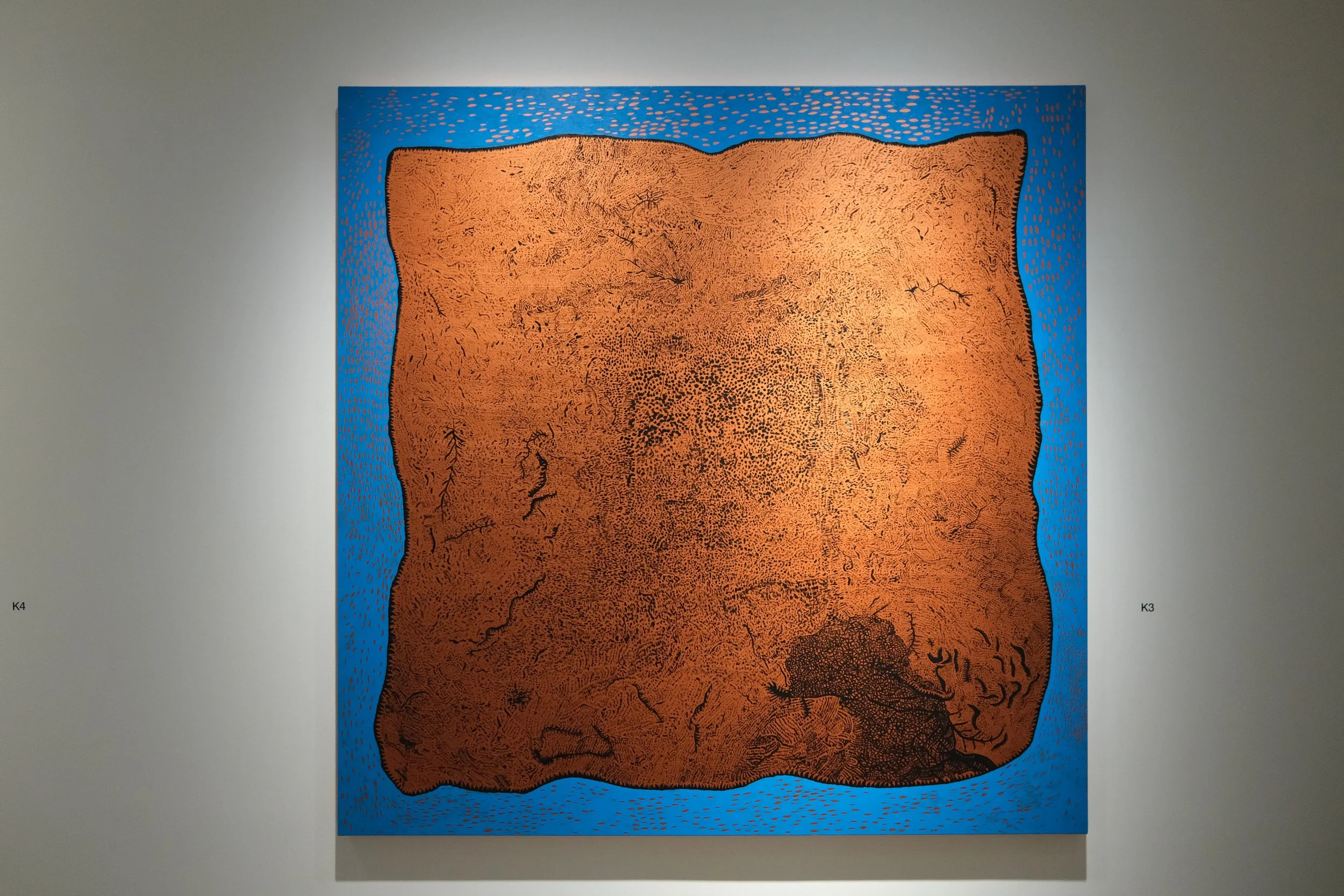
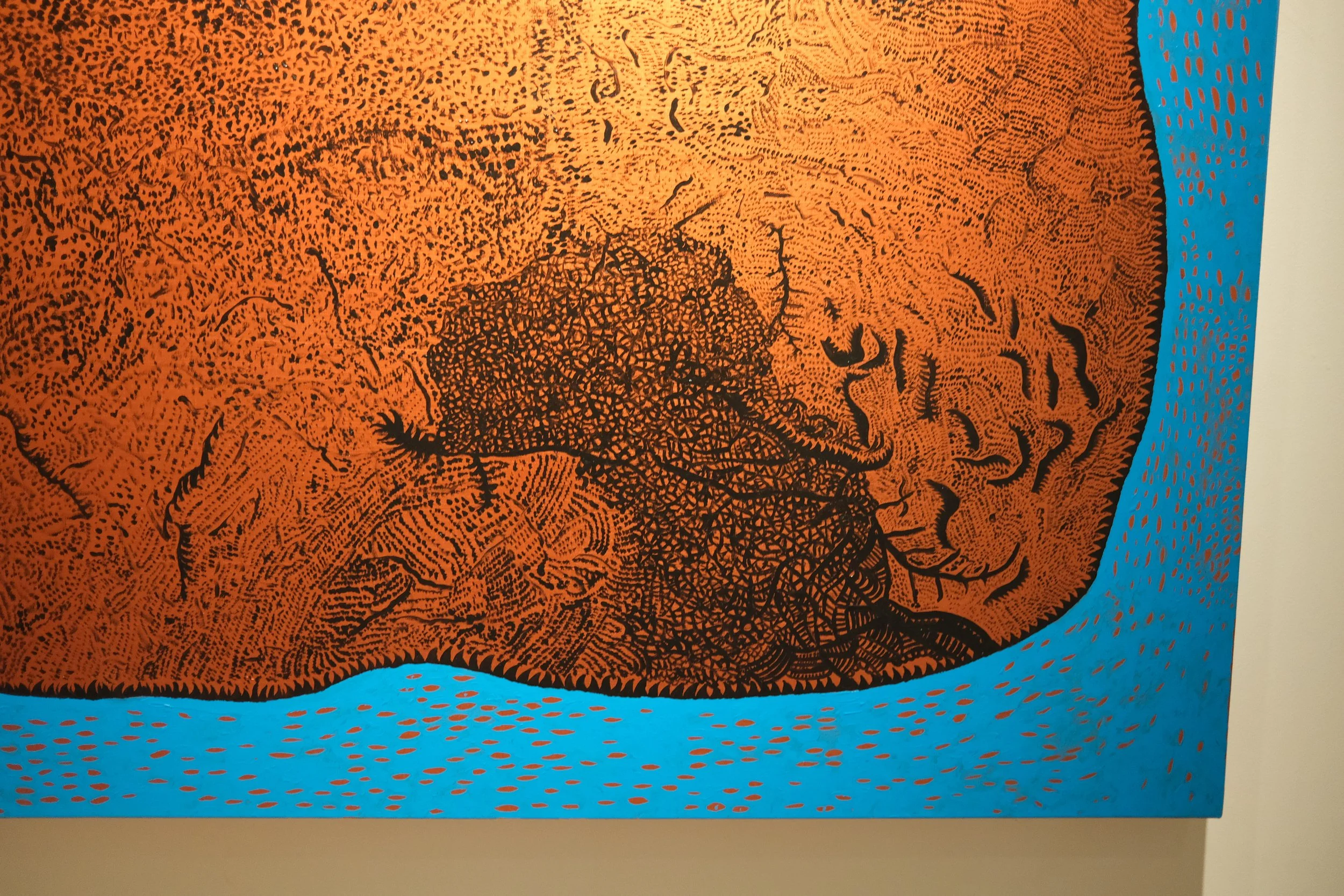
A conversation between Yayoi Kusama and three other contemporary artists
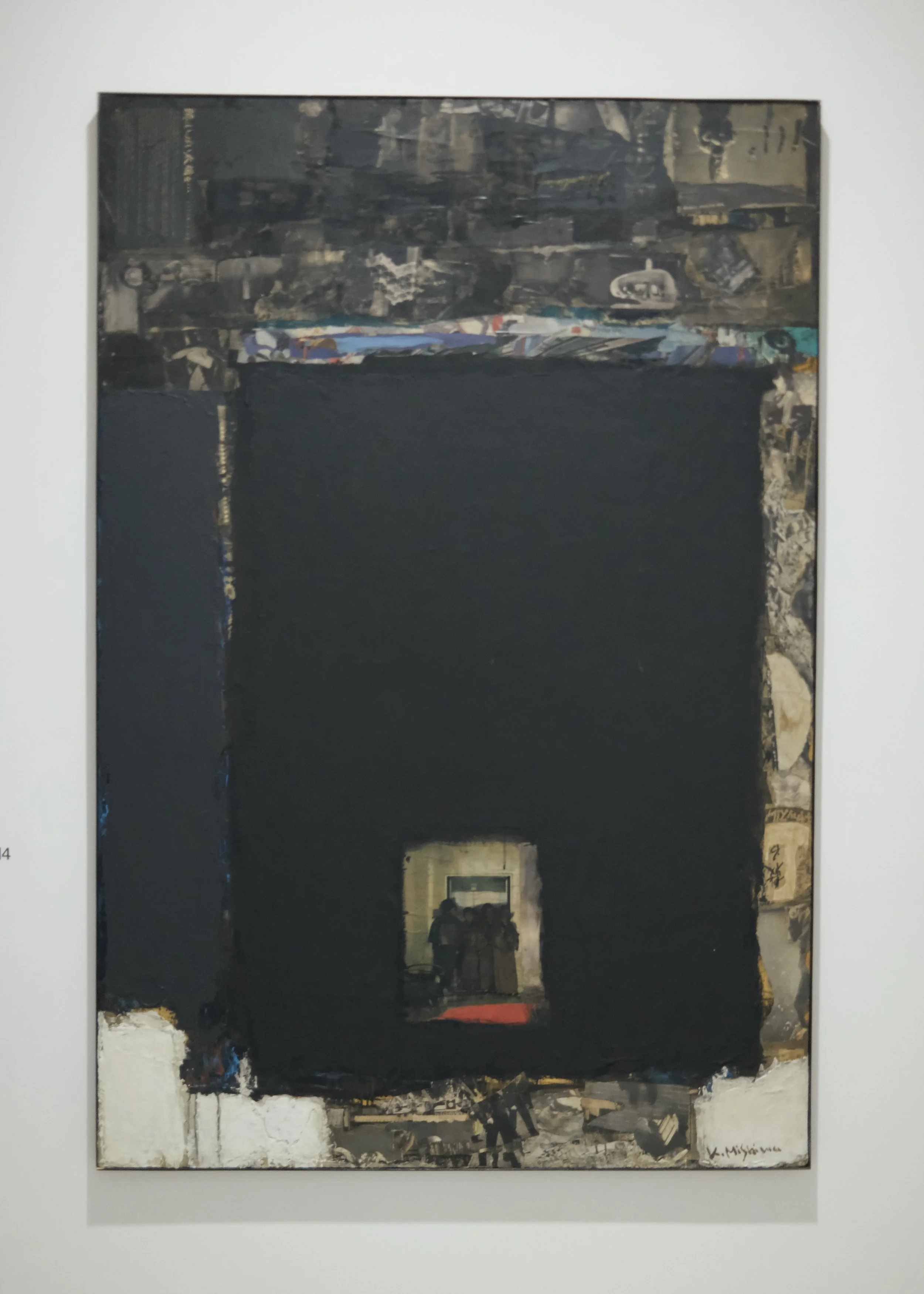
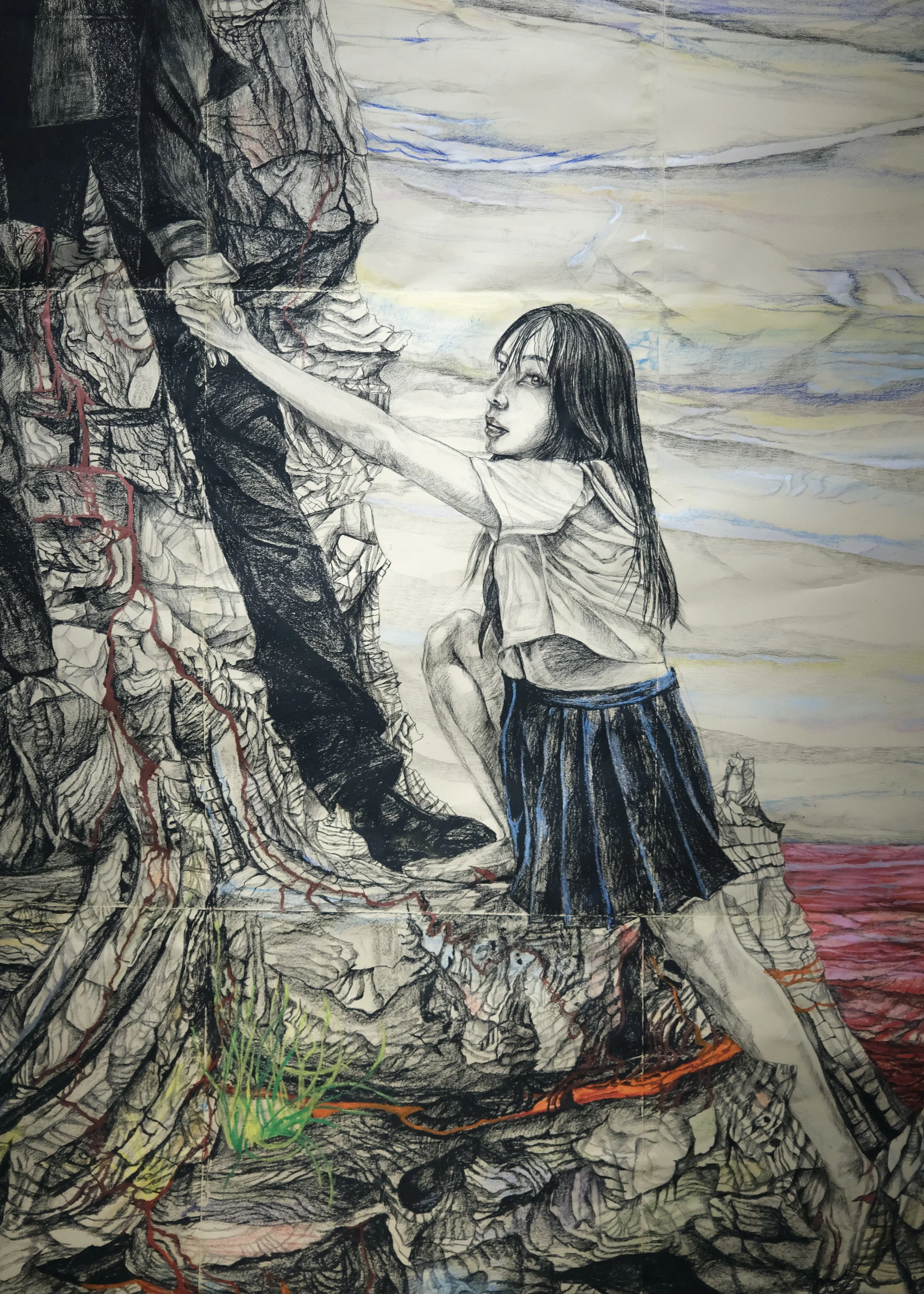
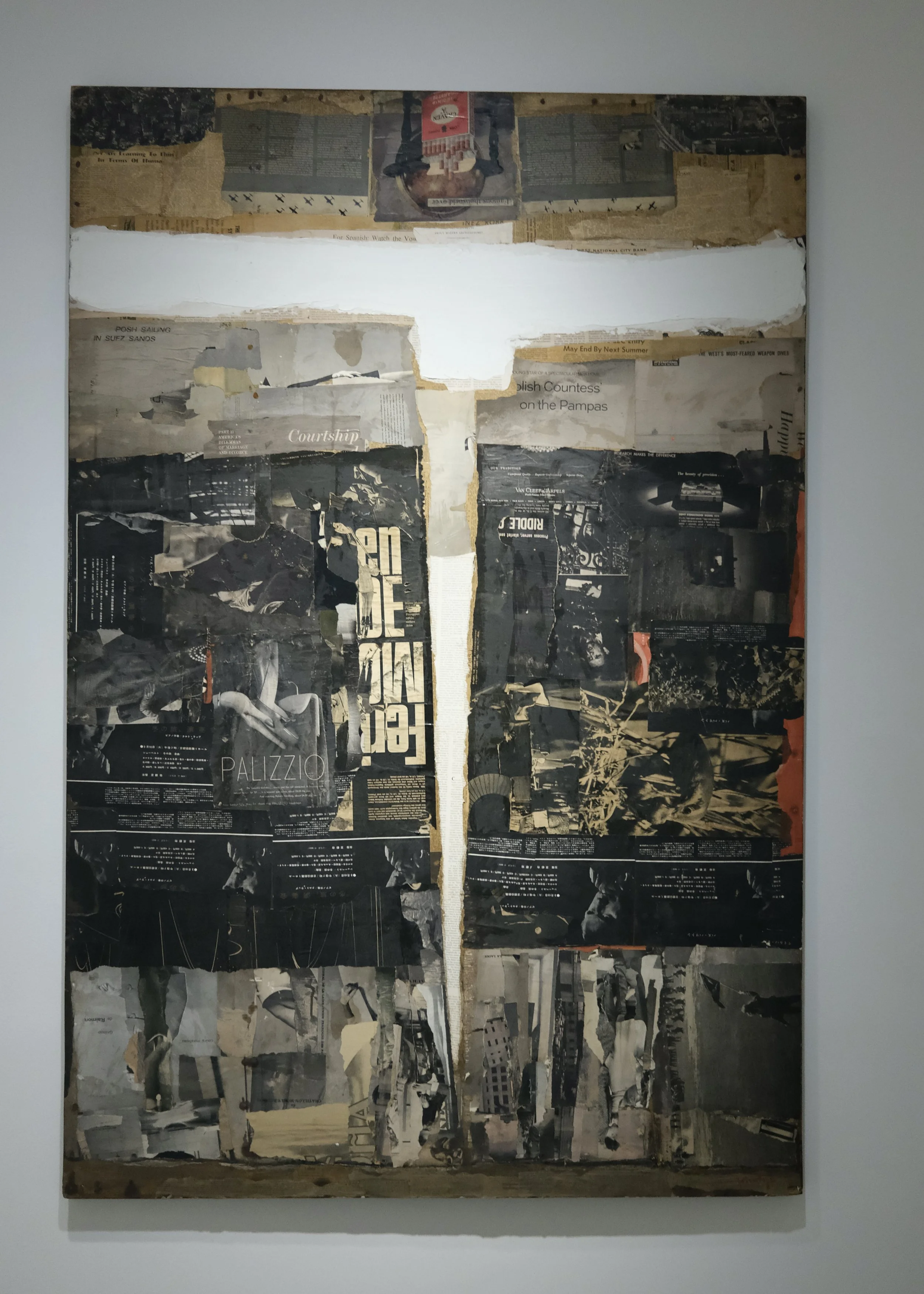
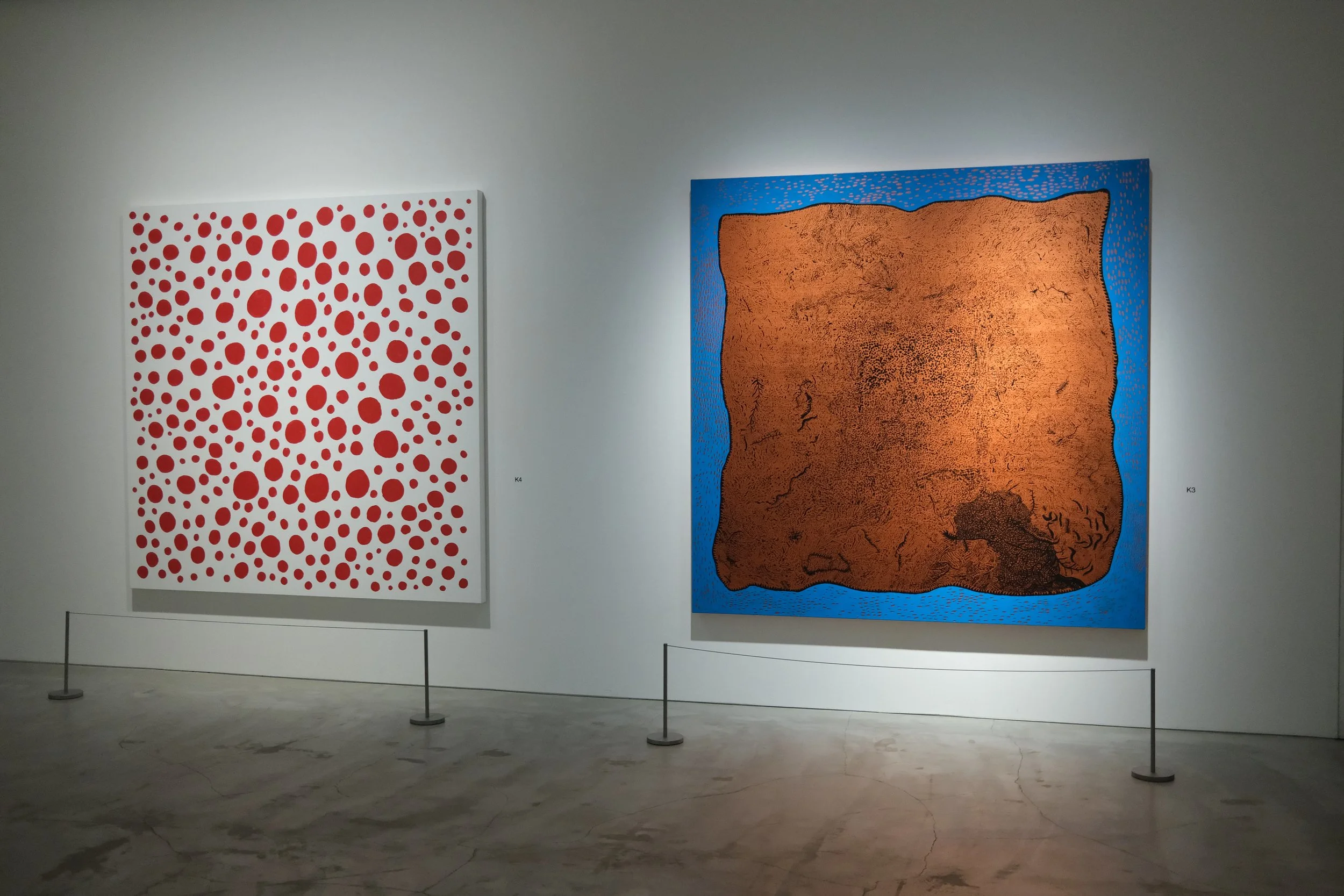
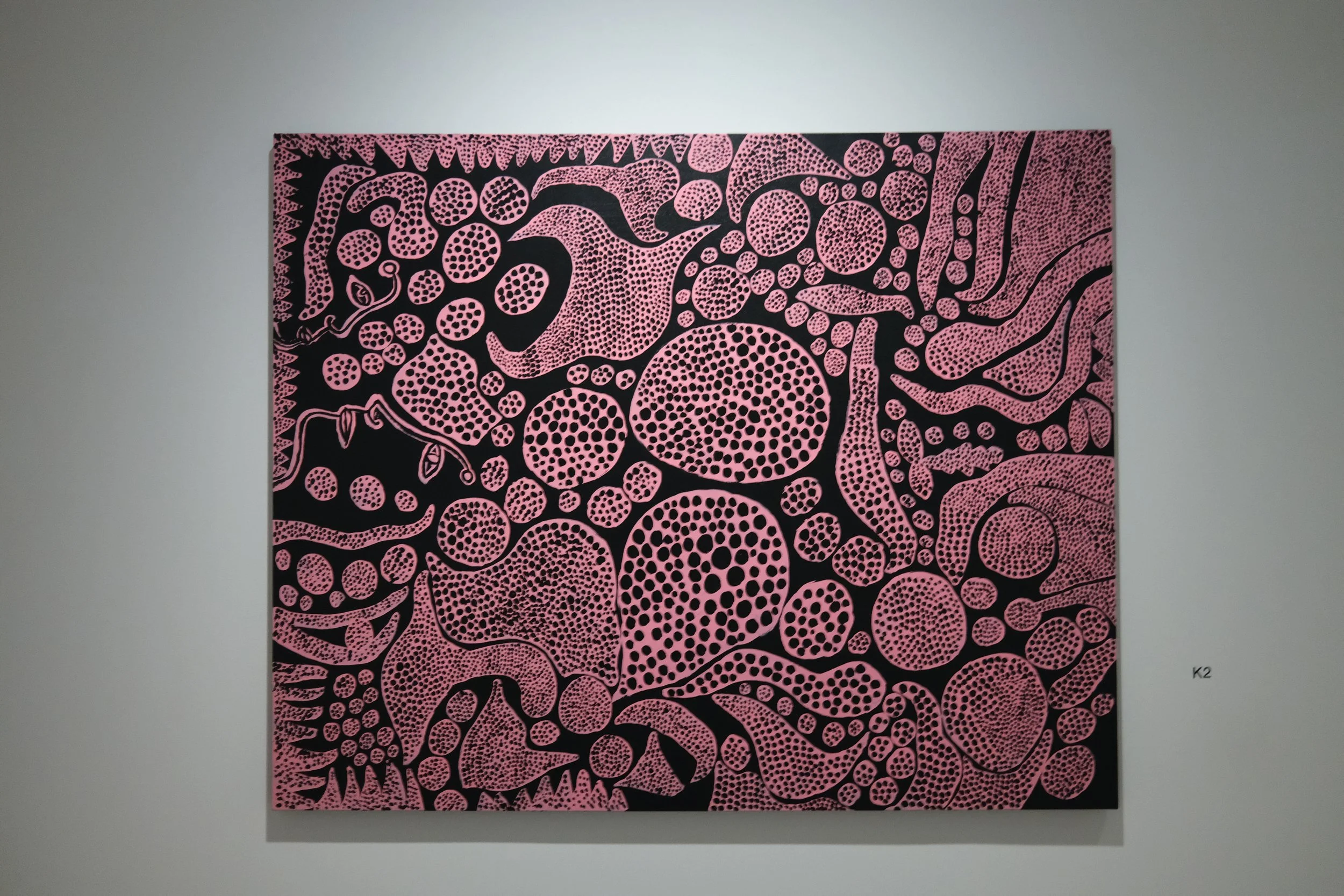
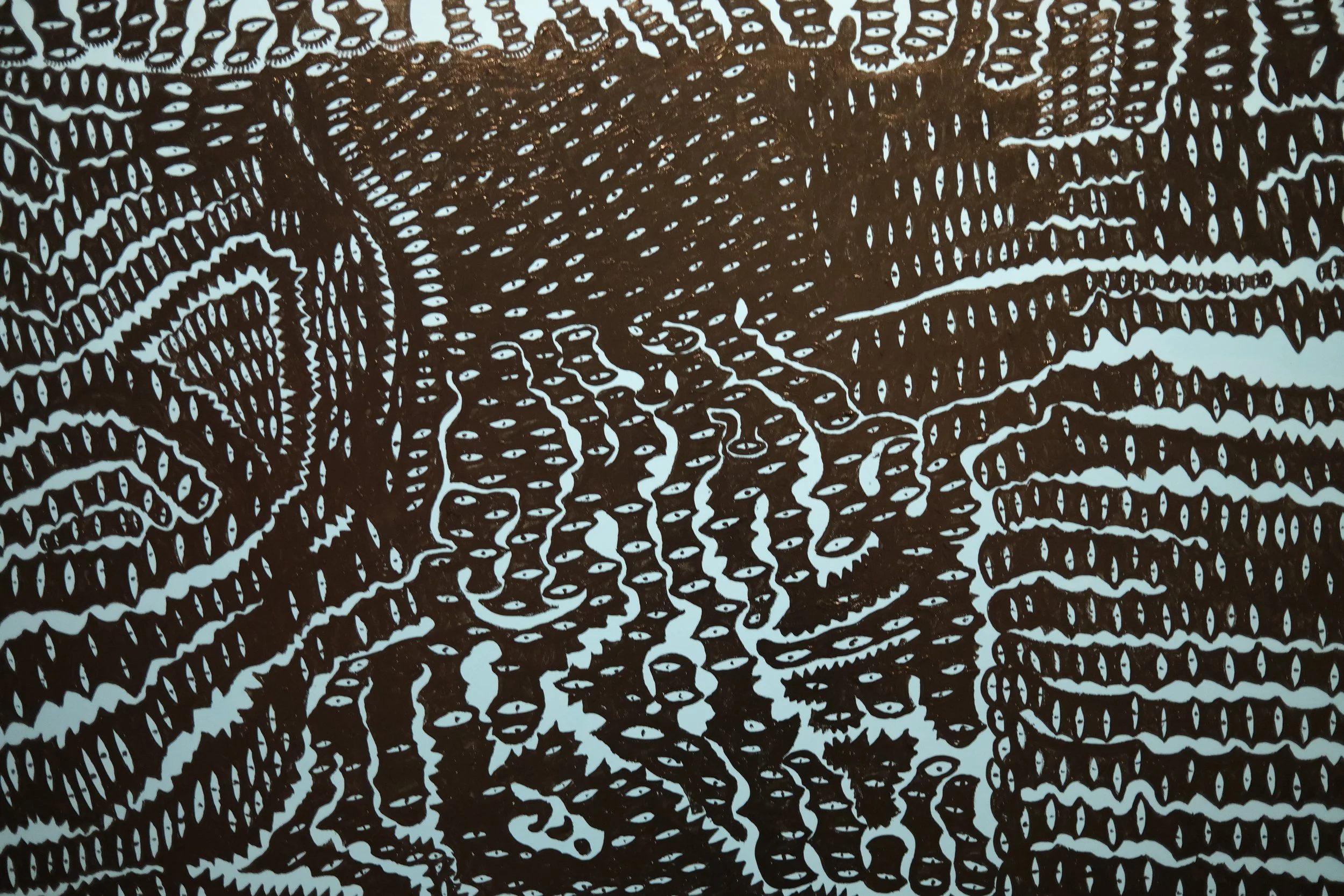
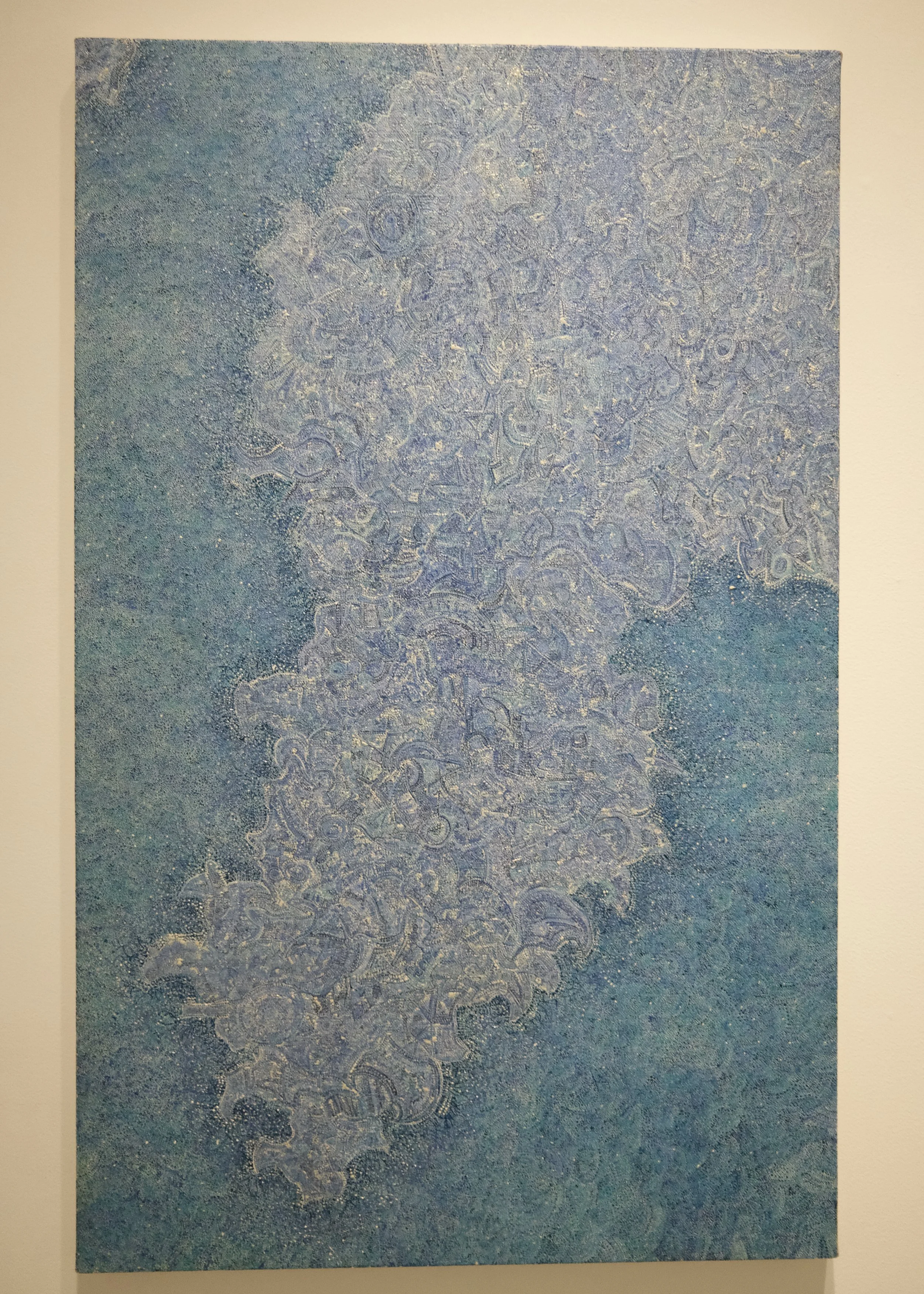
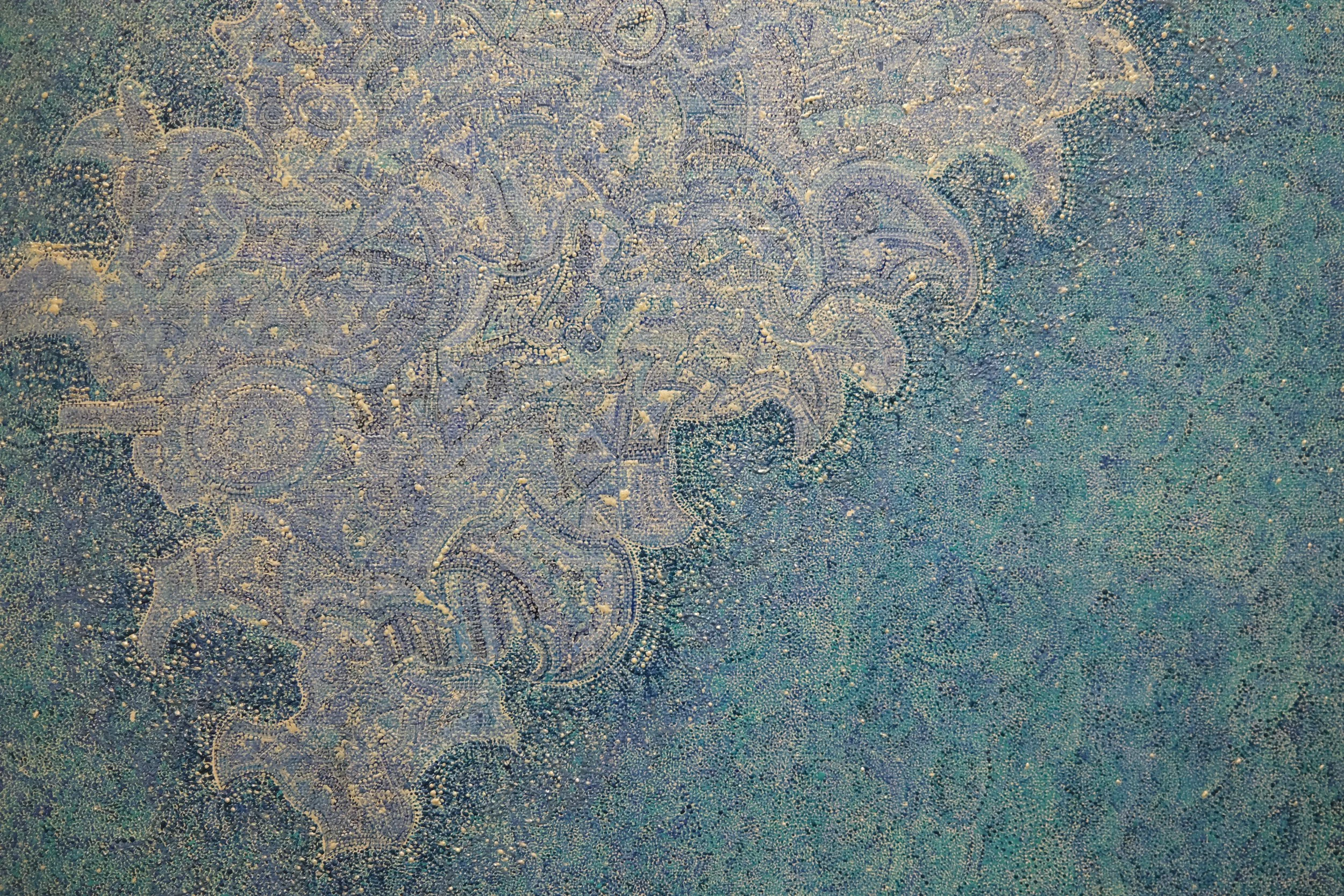
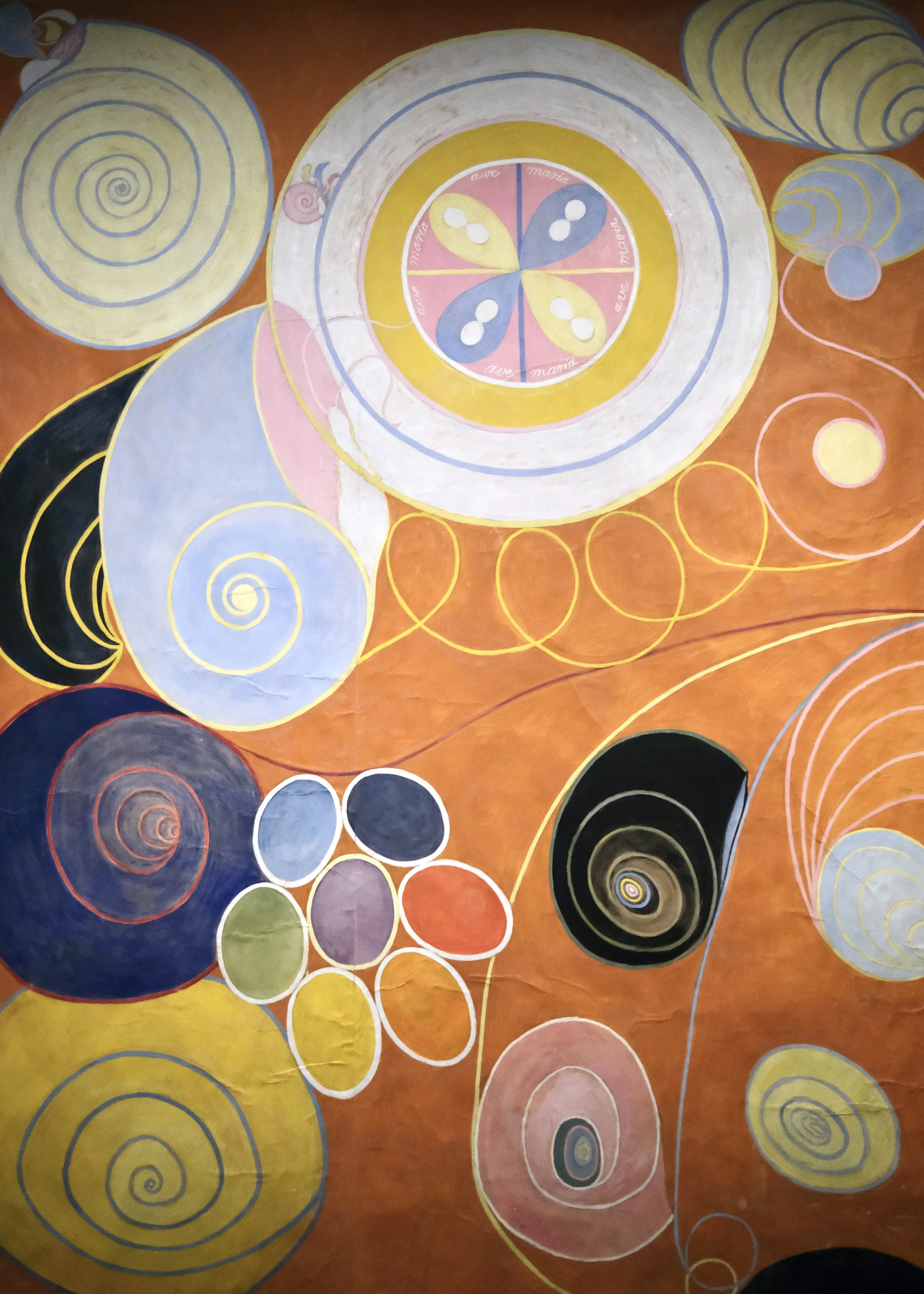
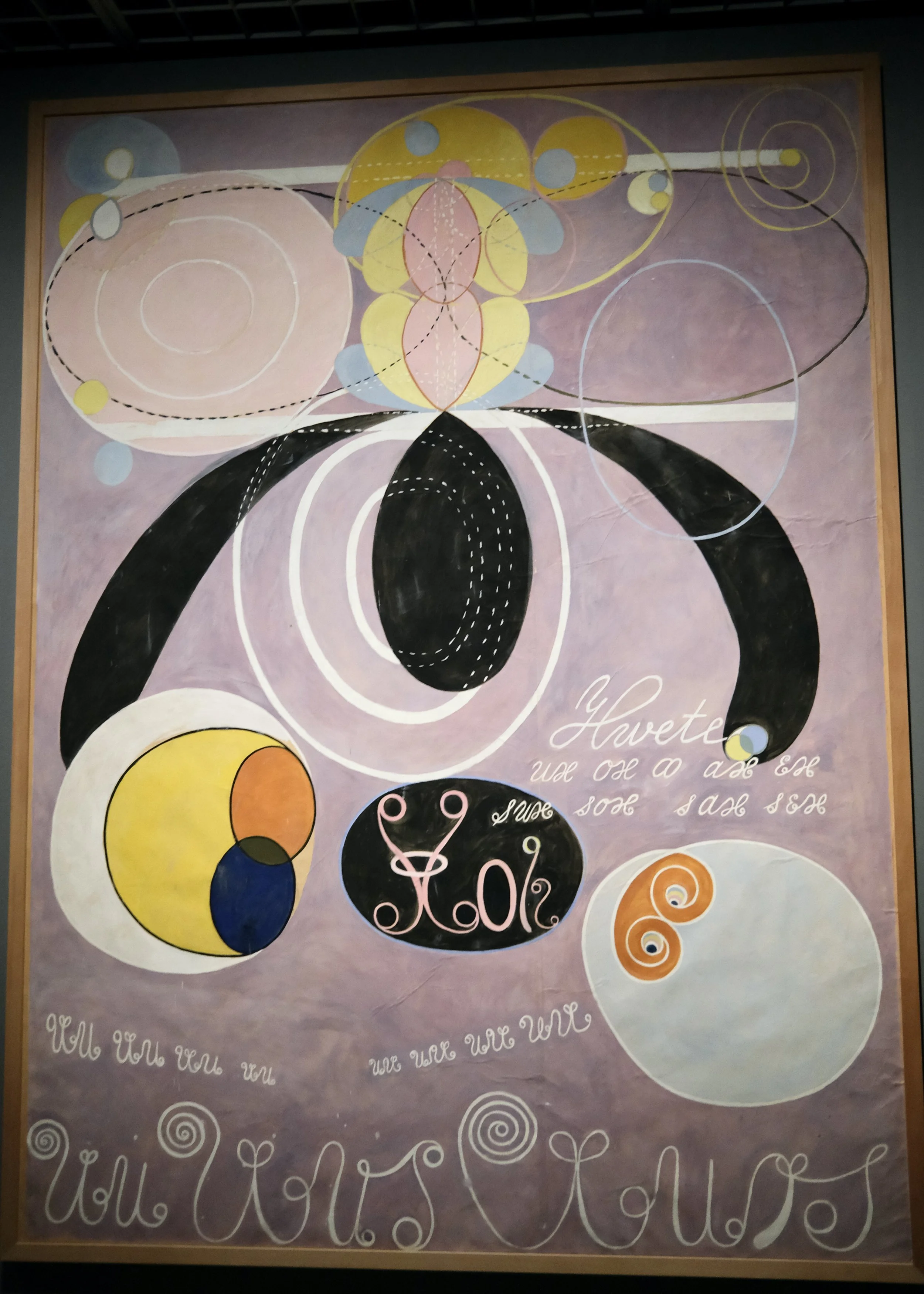
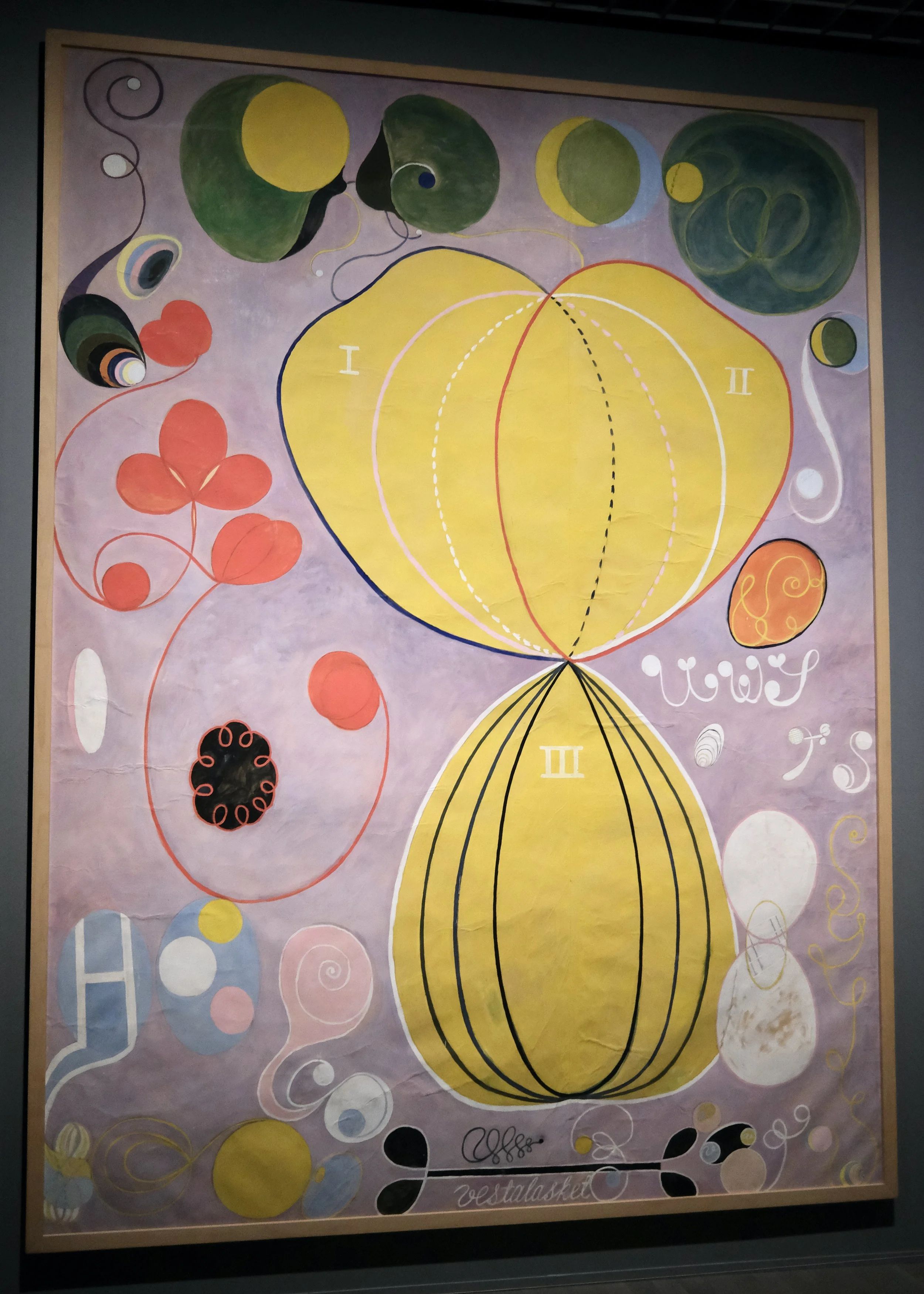
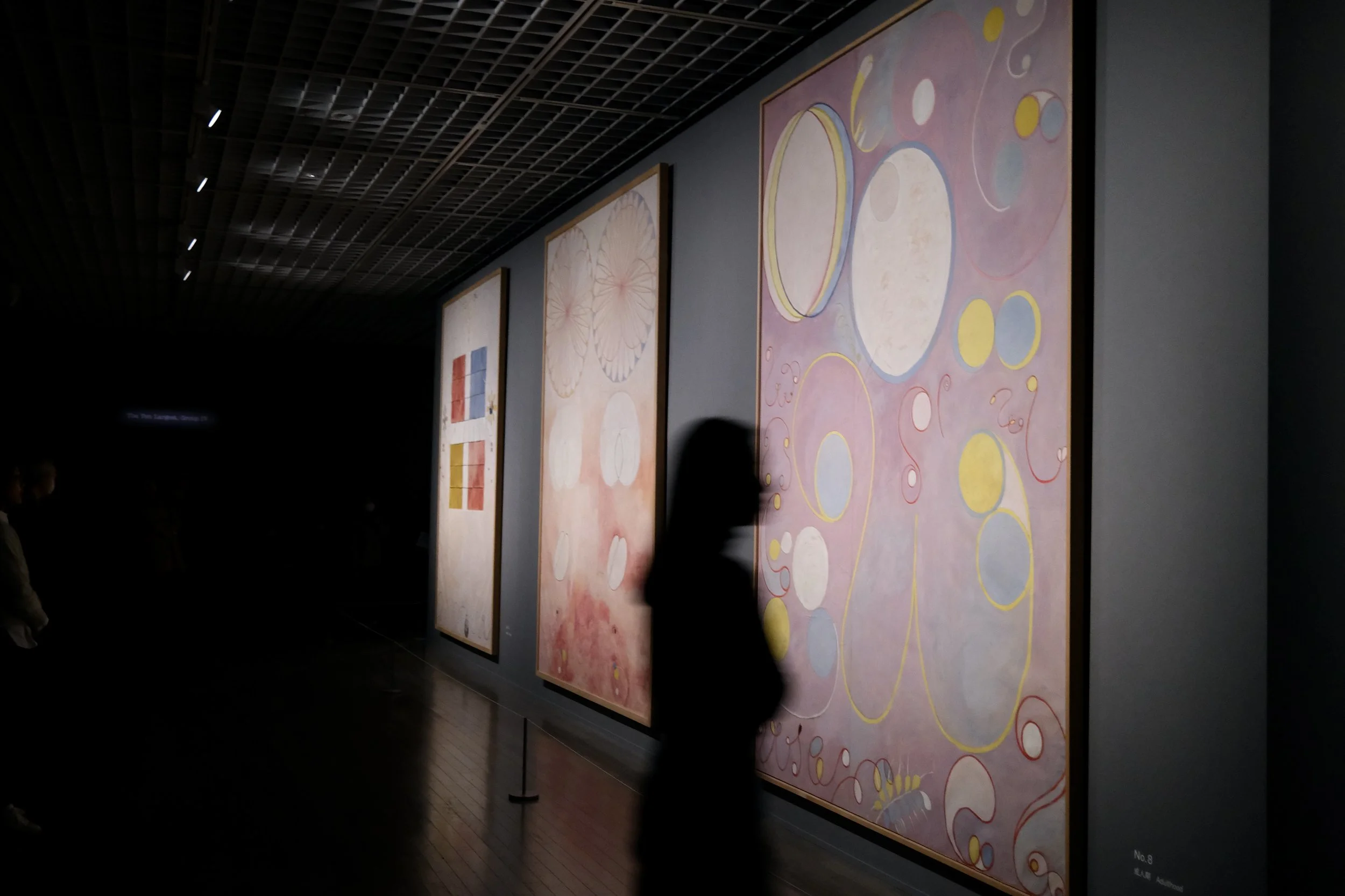
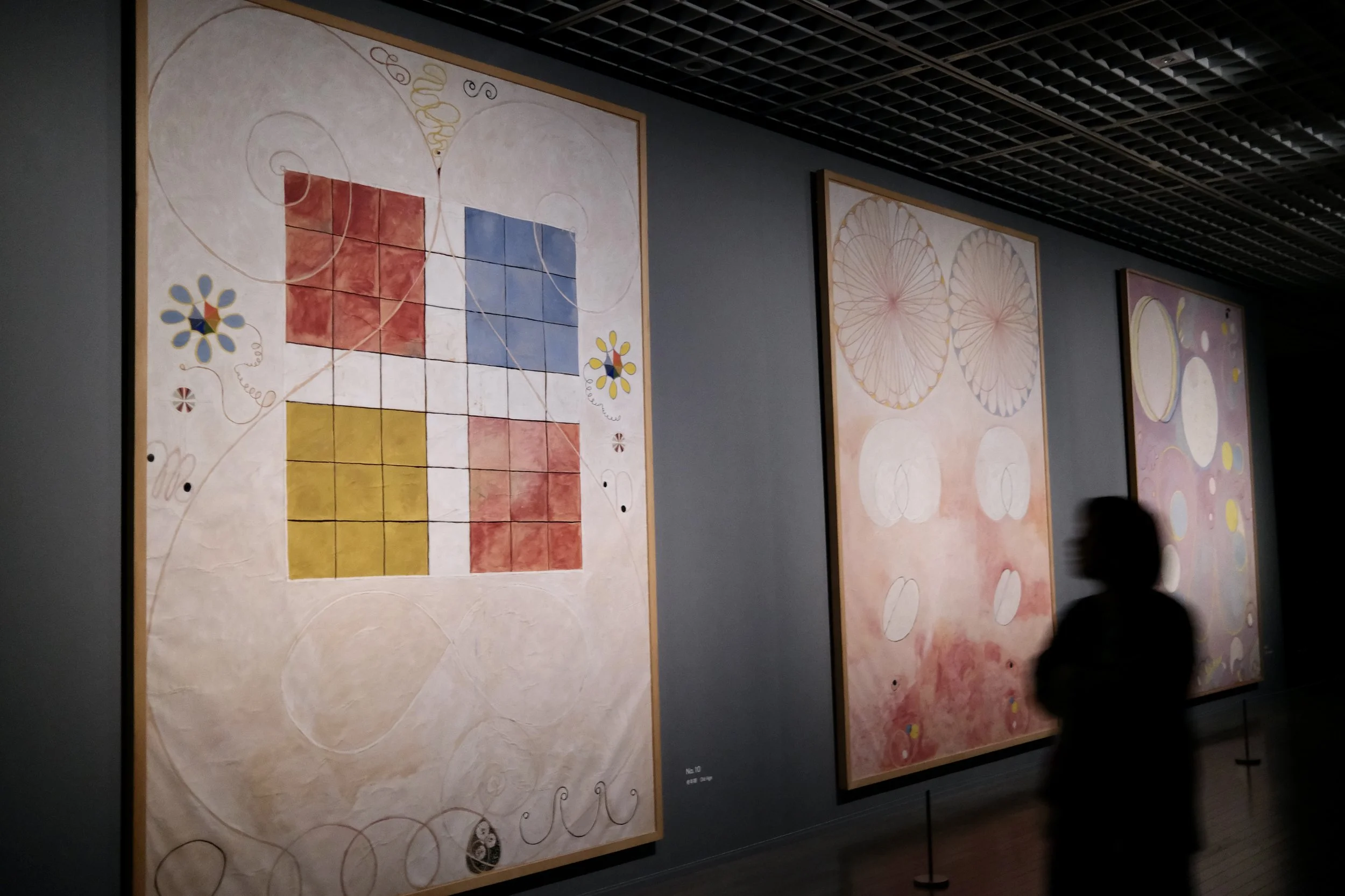
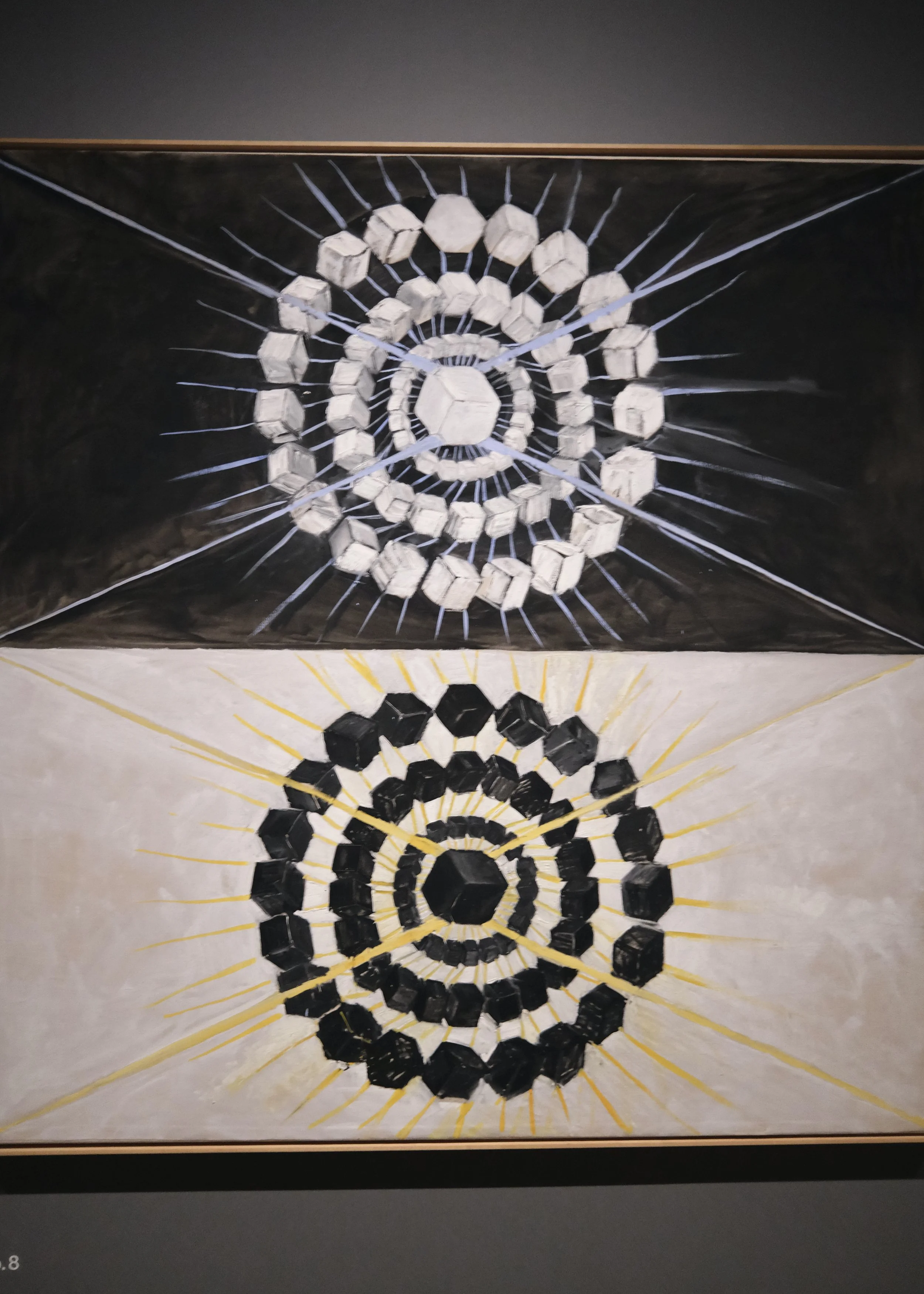
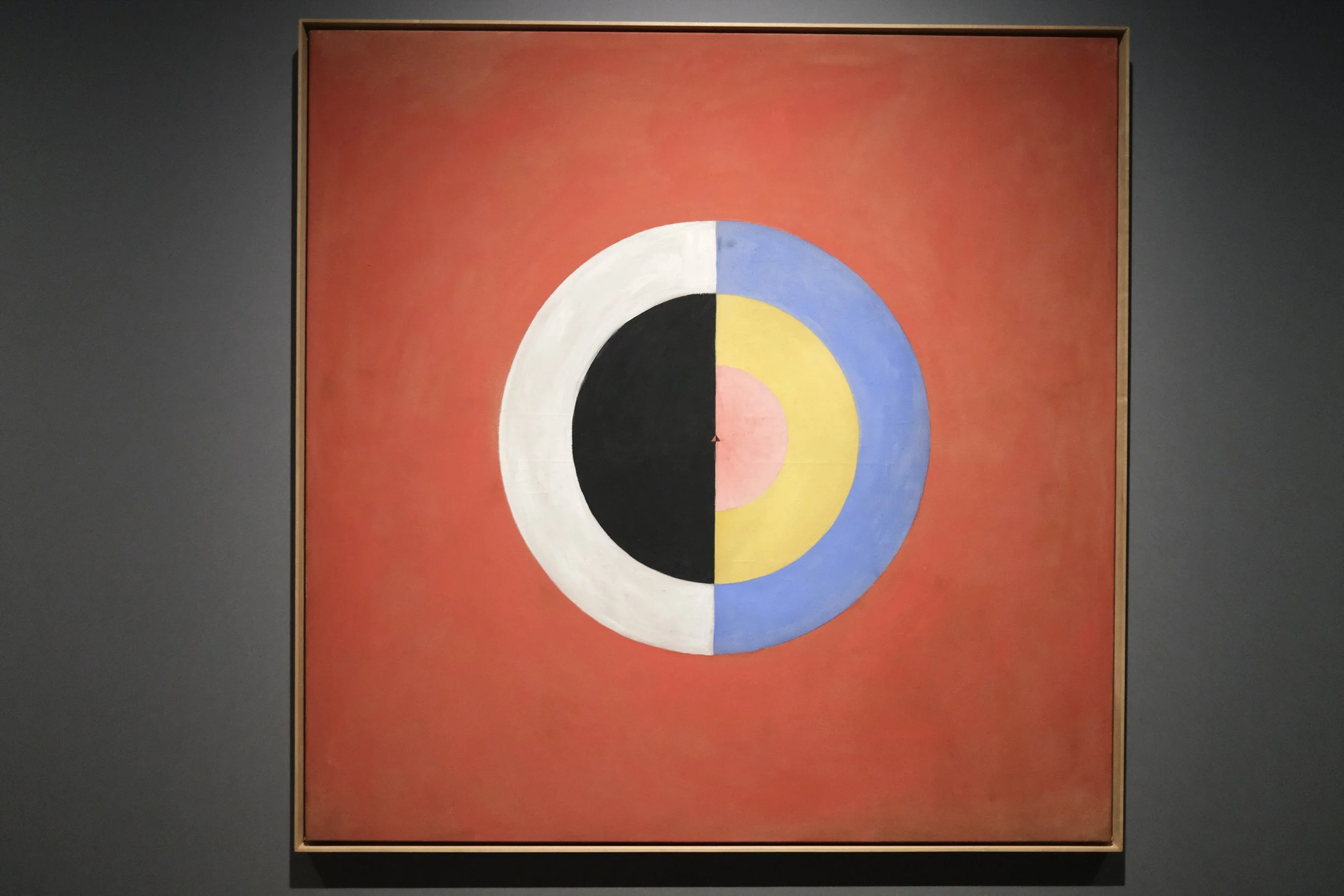
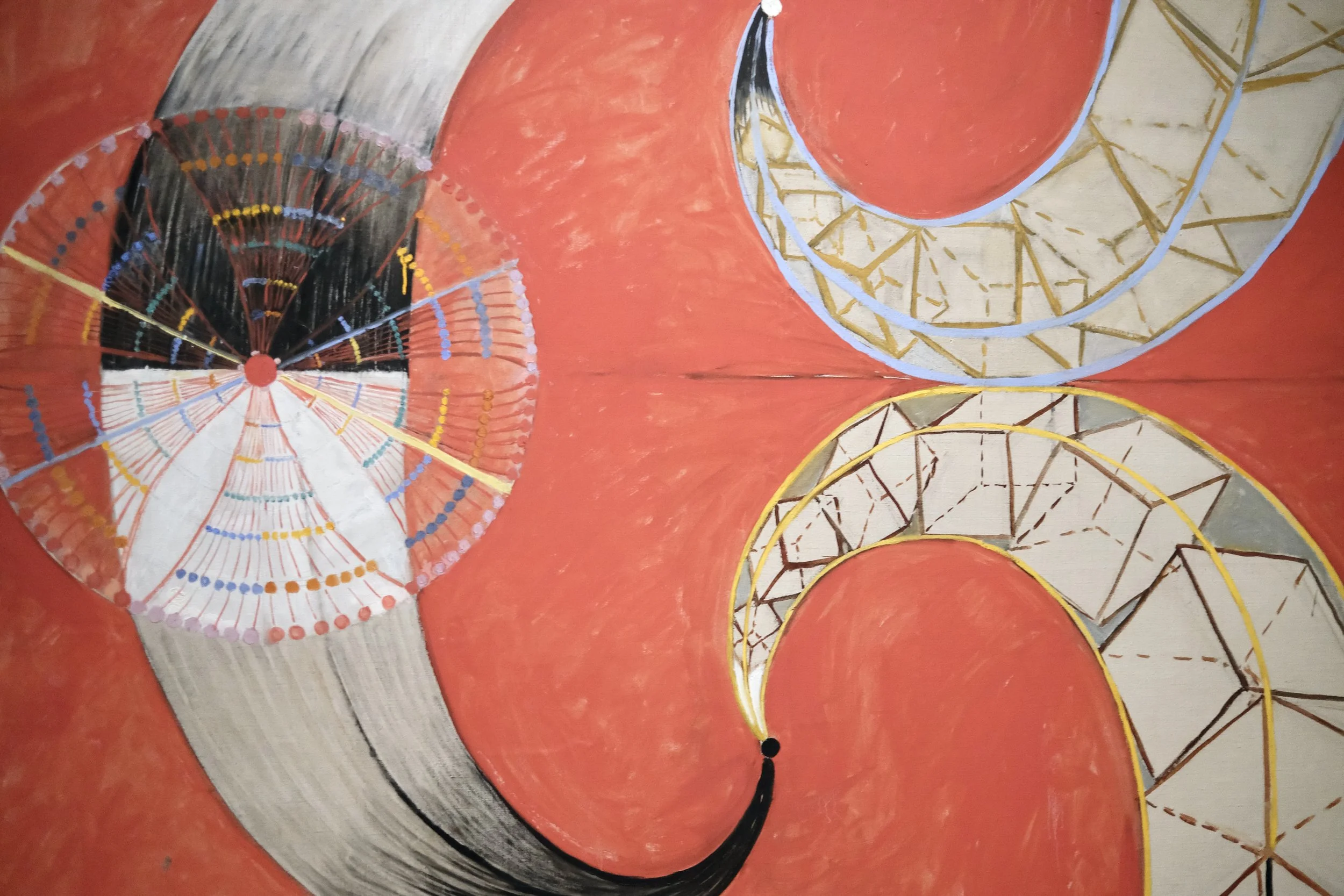
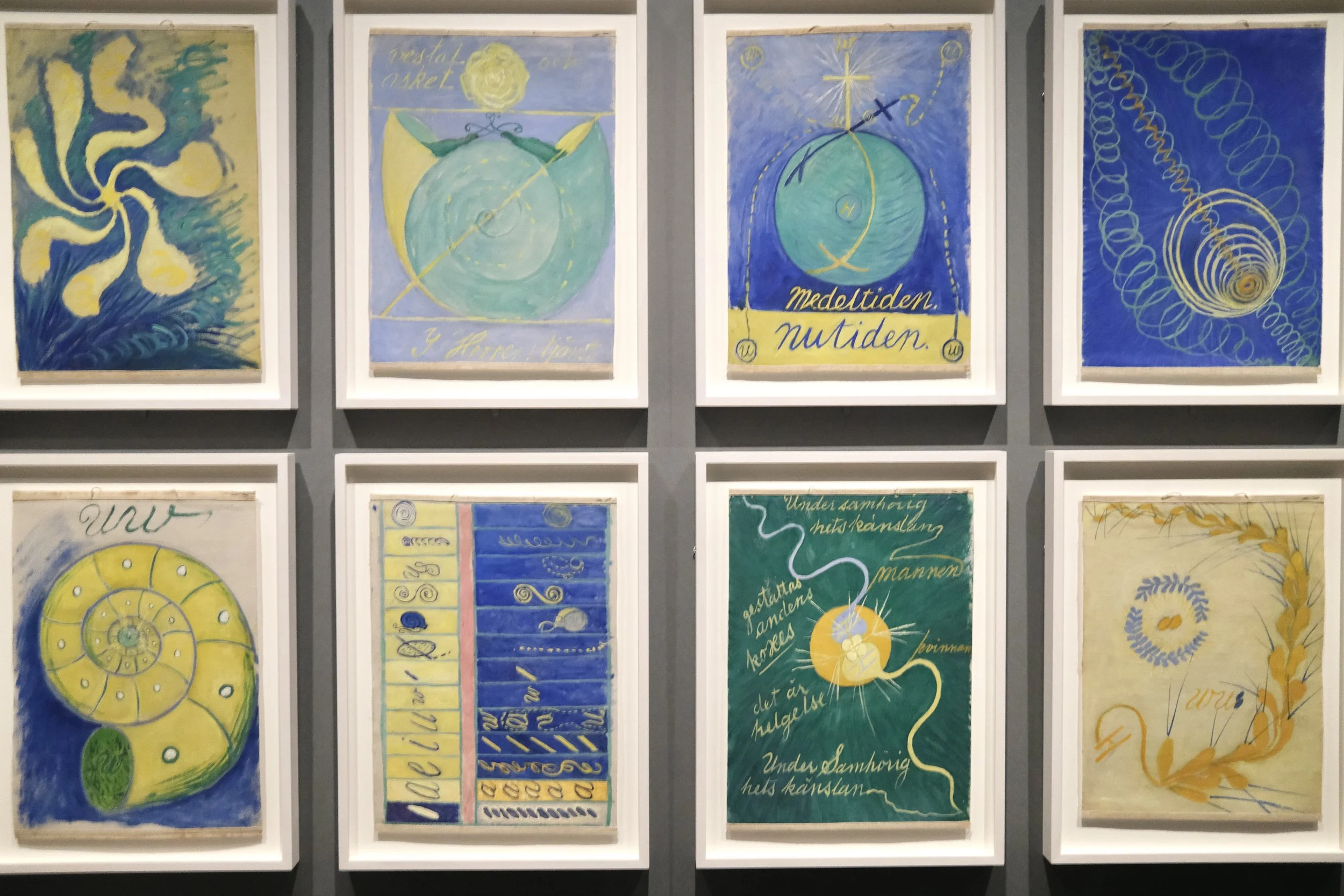
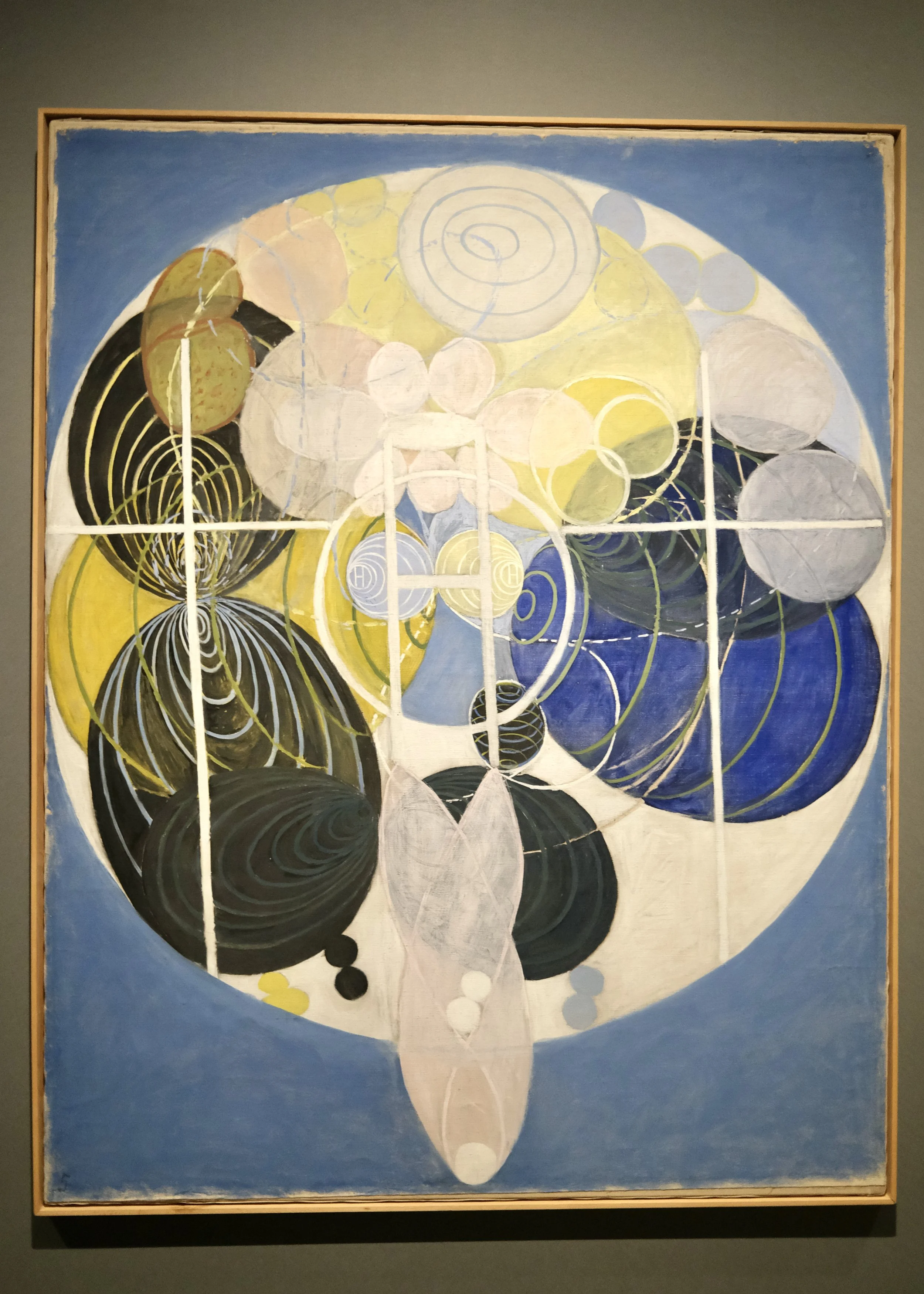
Hilma af Klint: The Beyond
March 4 - June 15, 2025
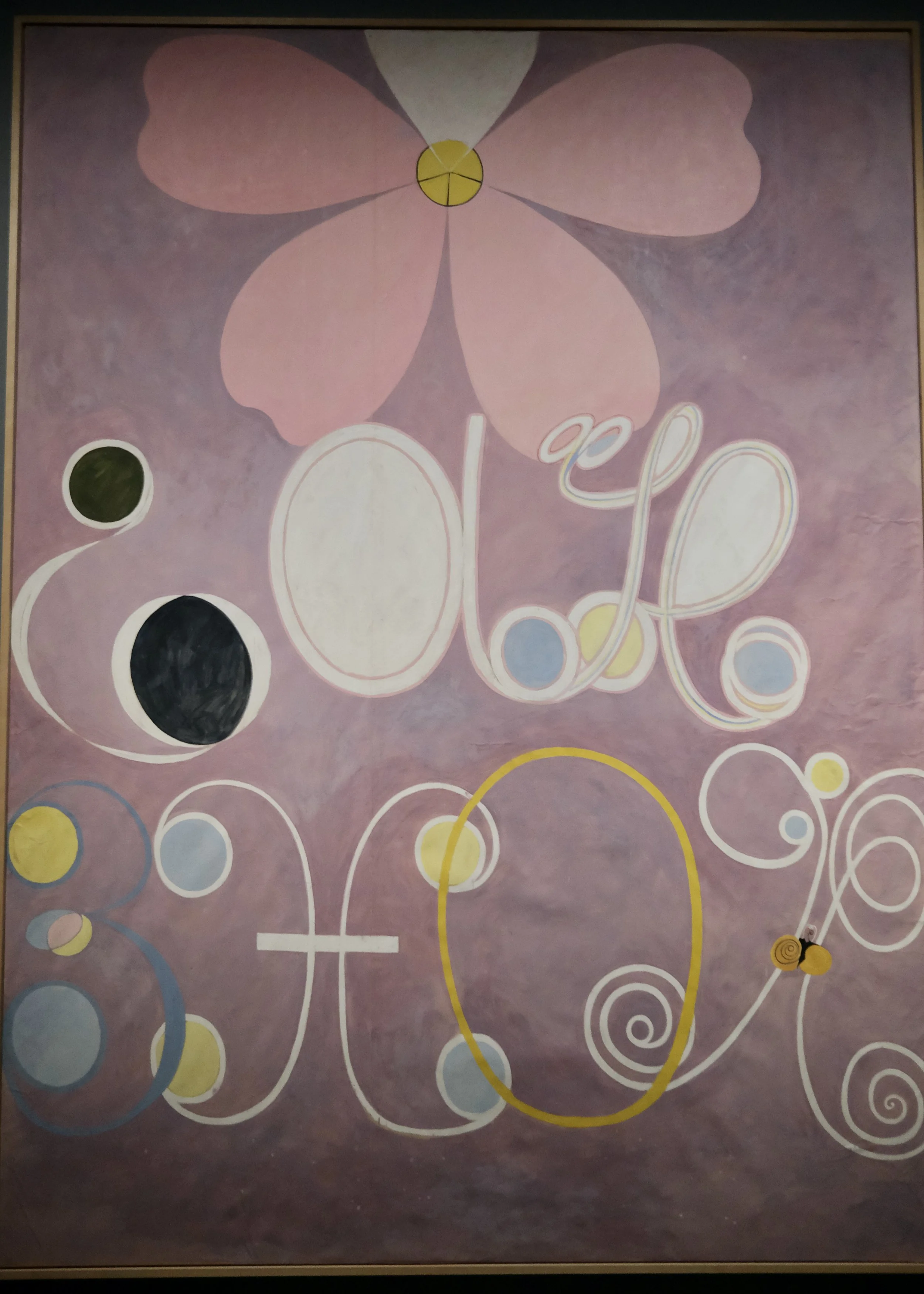
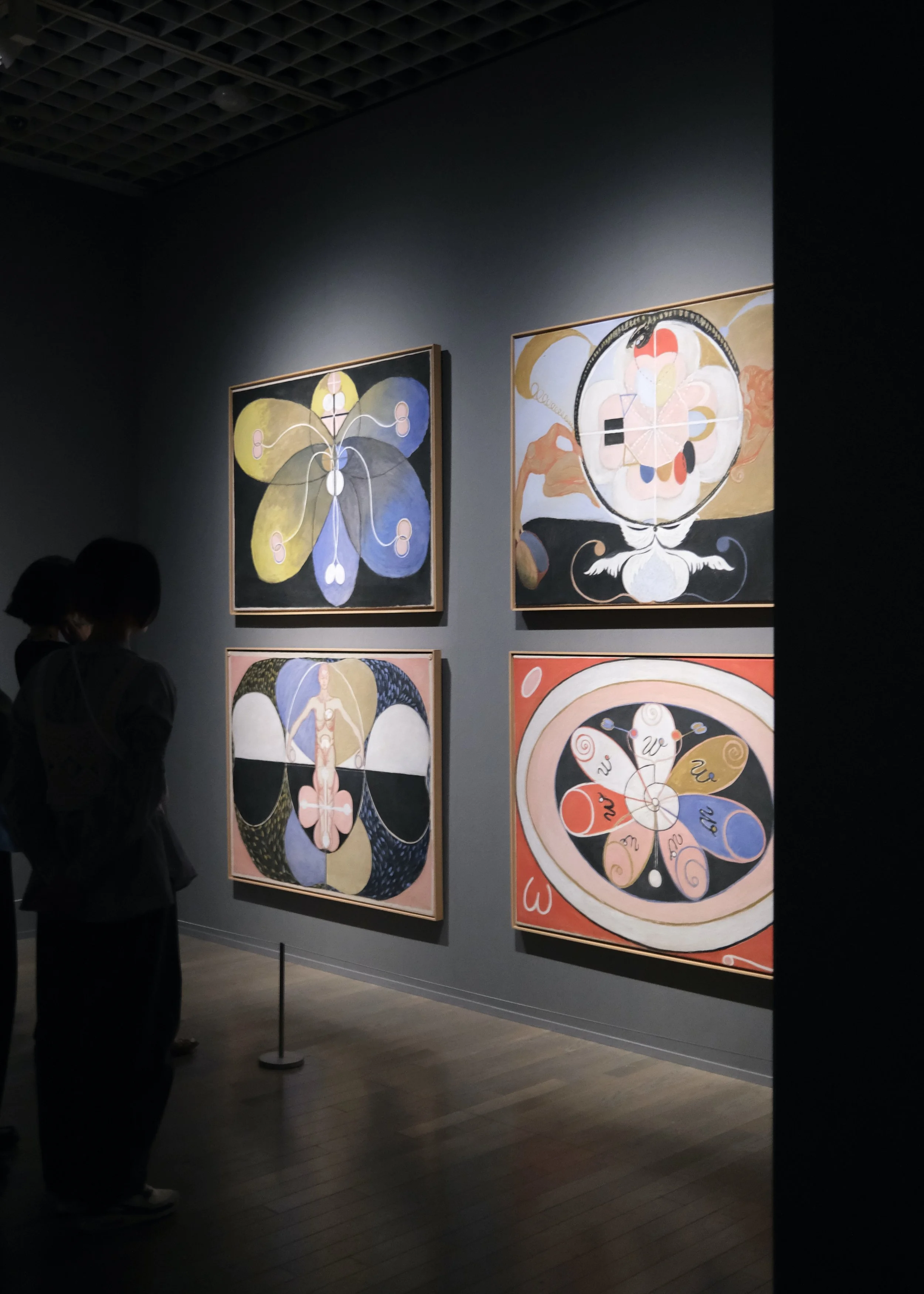
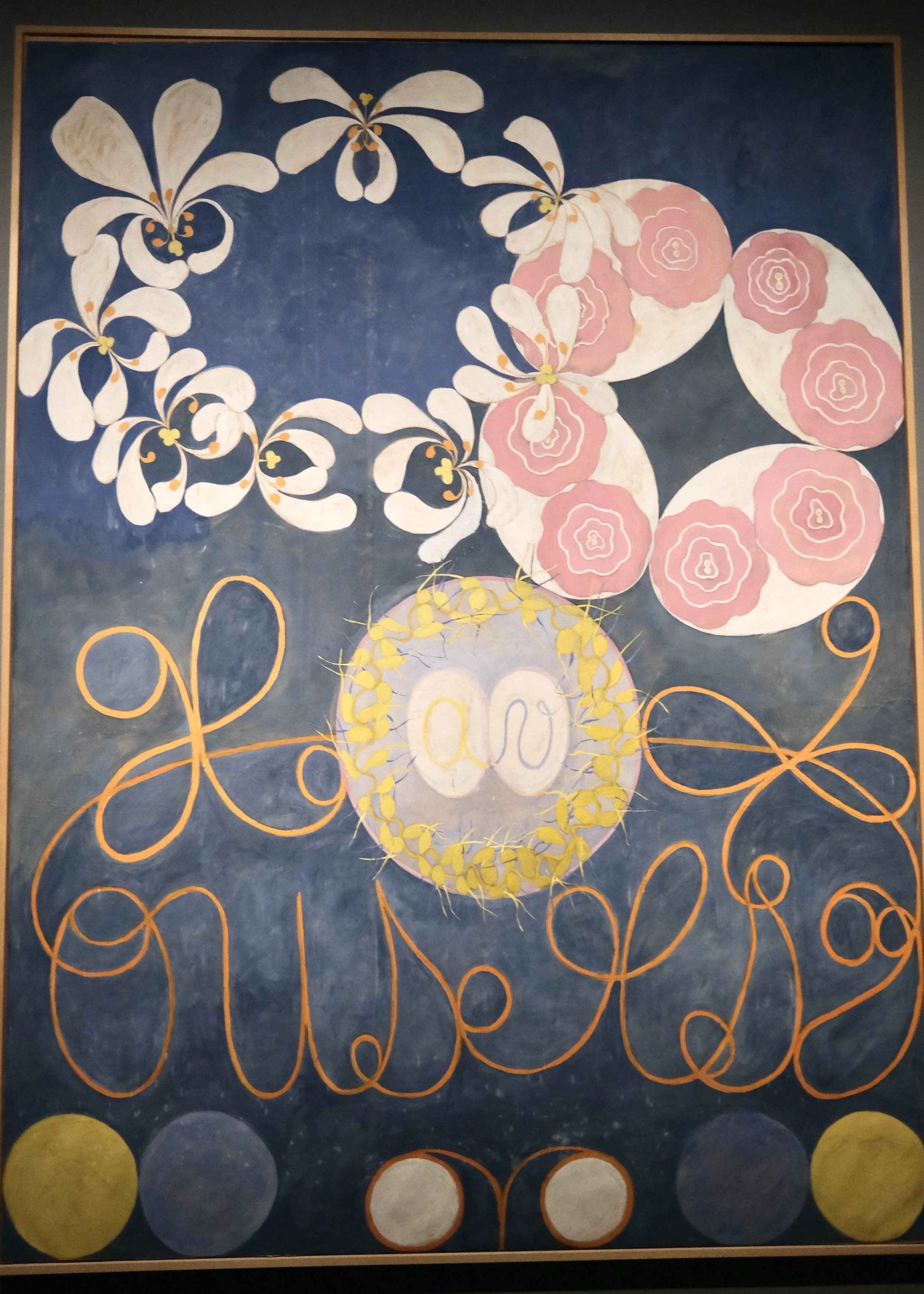
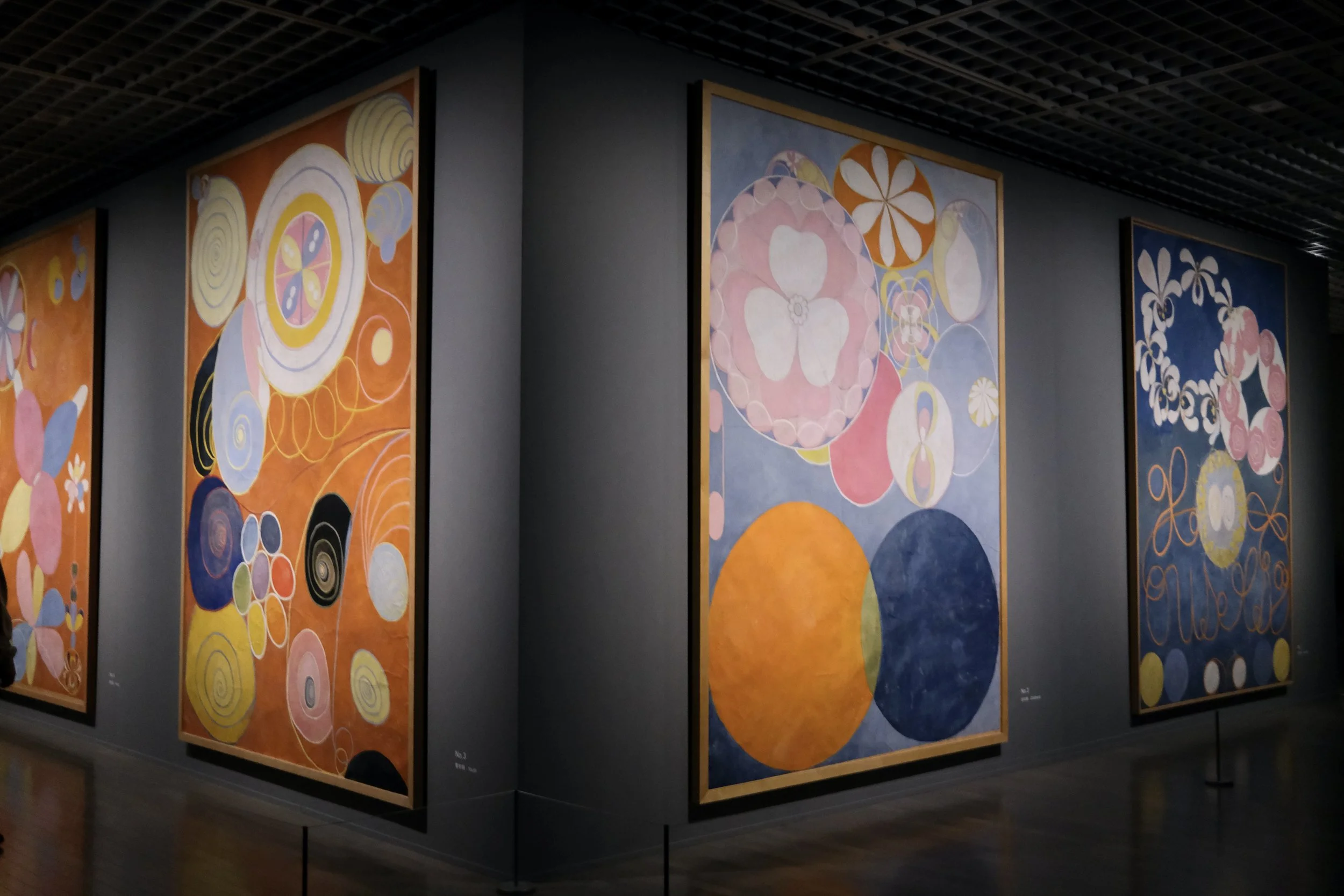
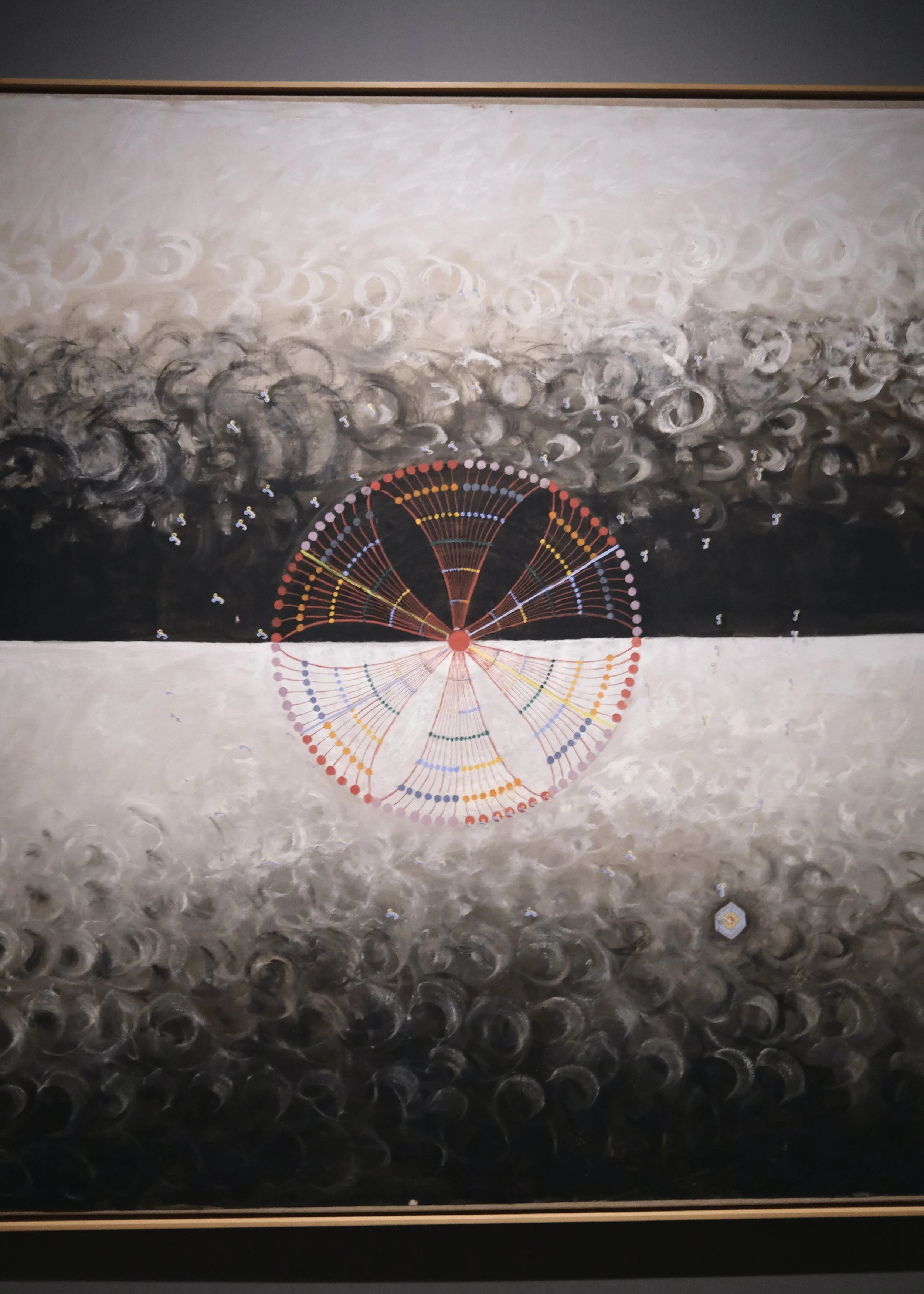
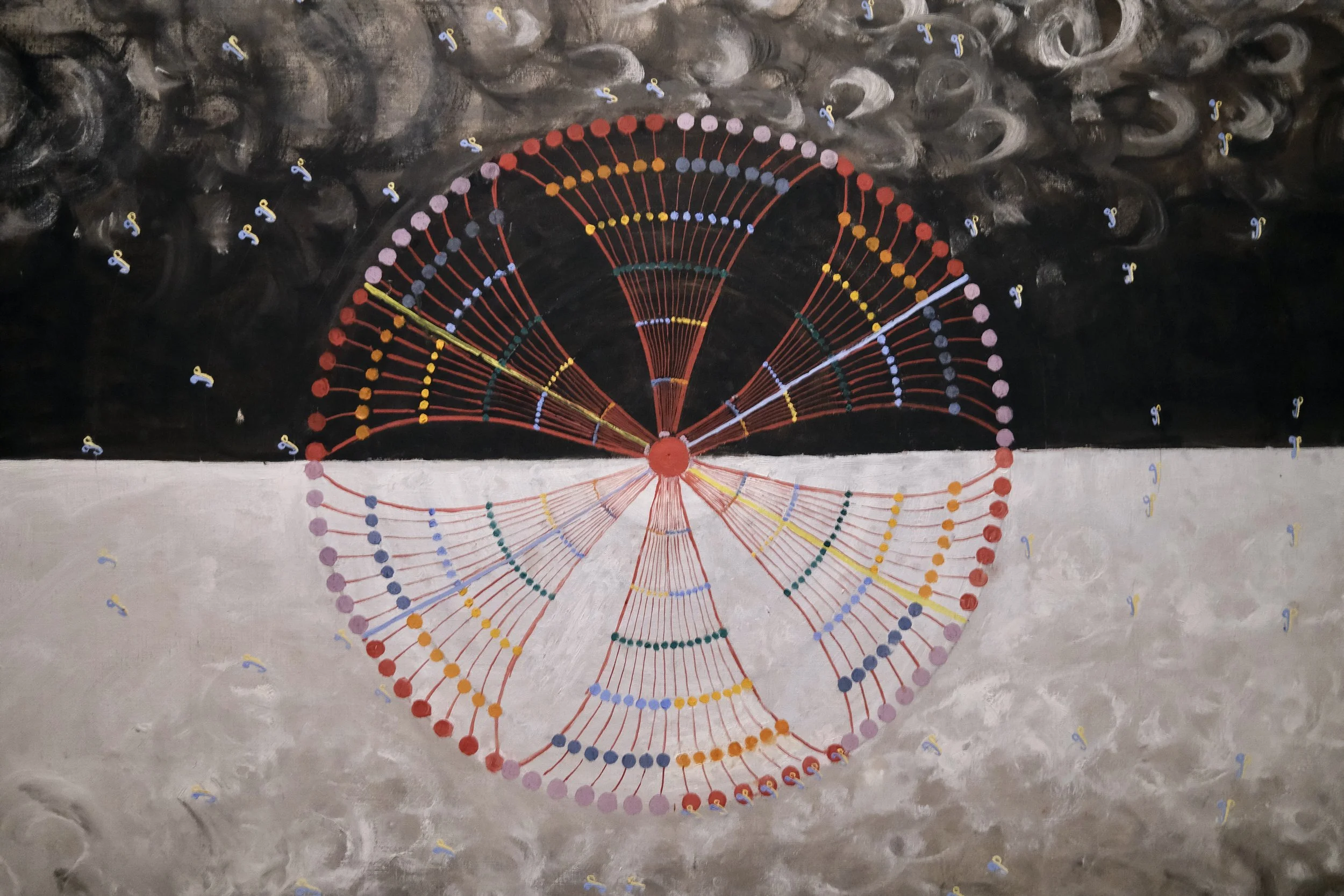
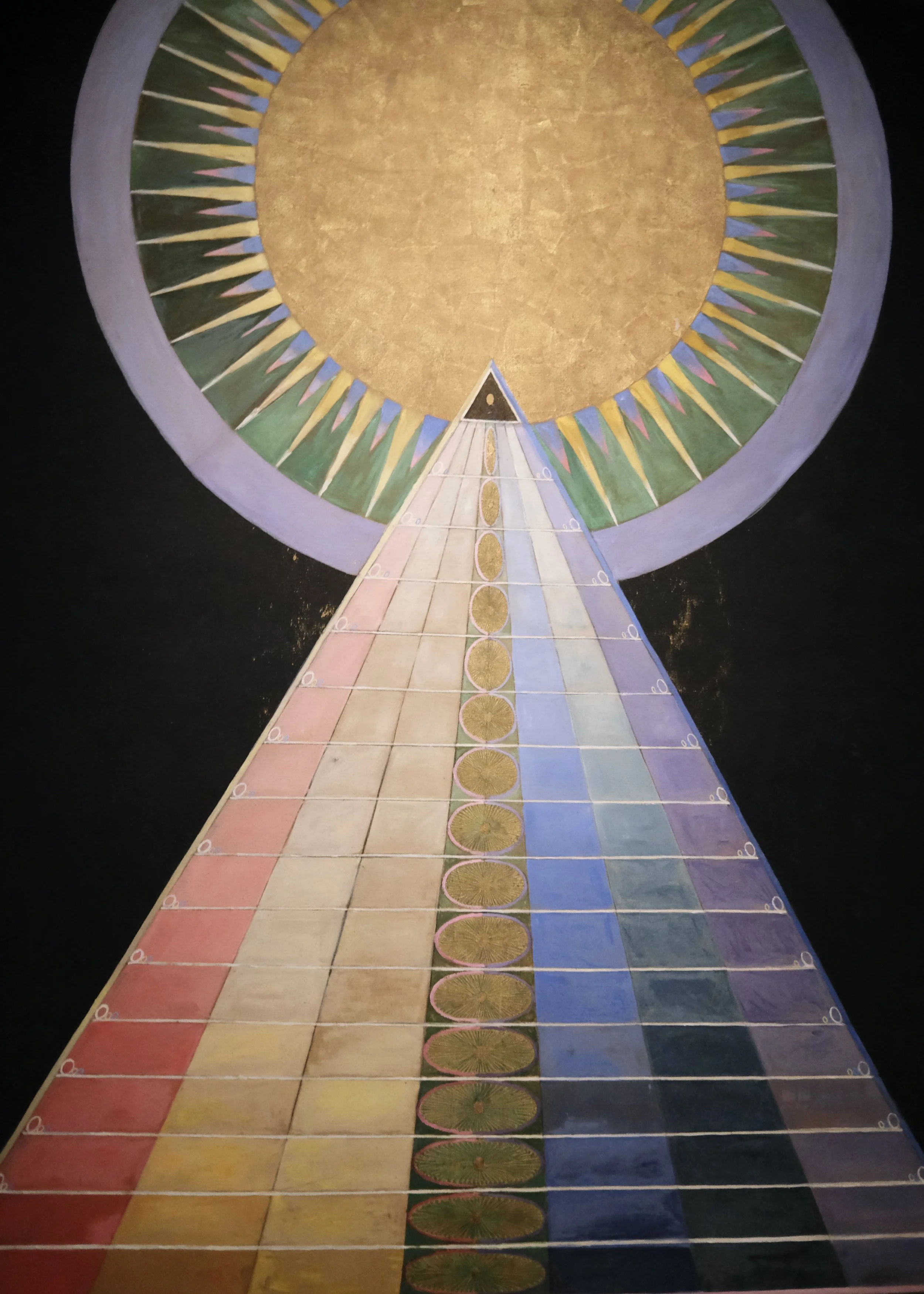
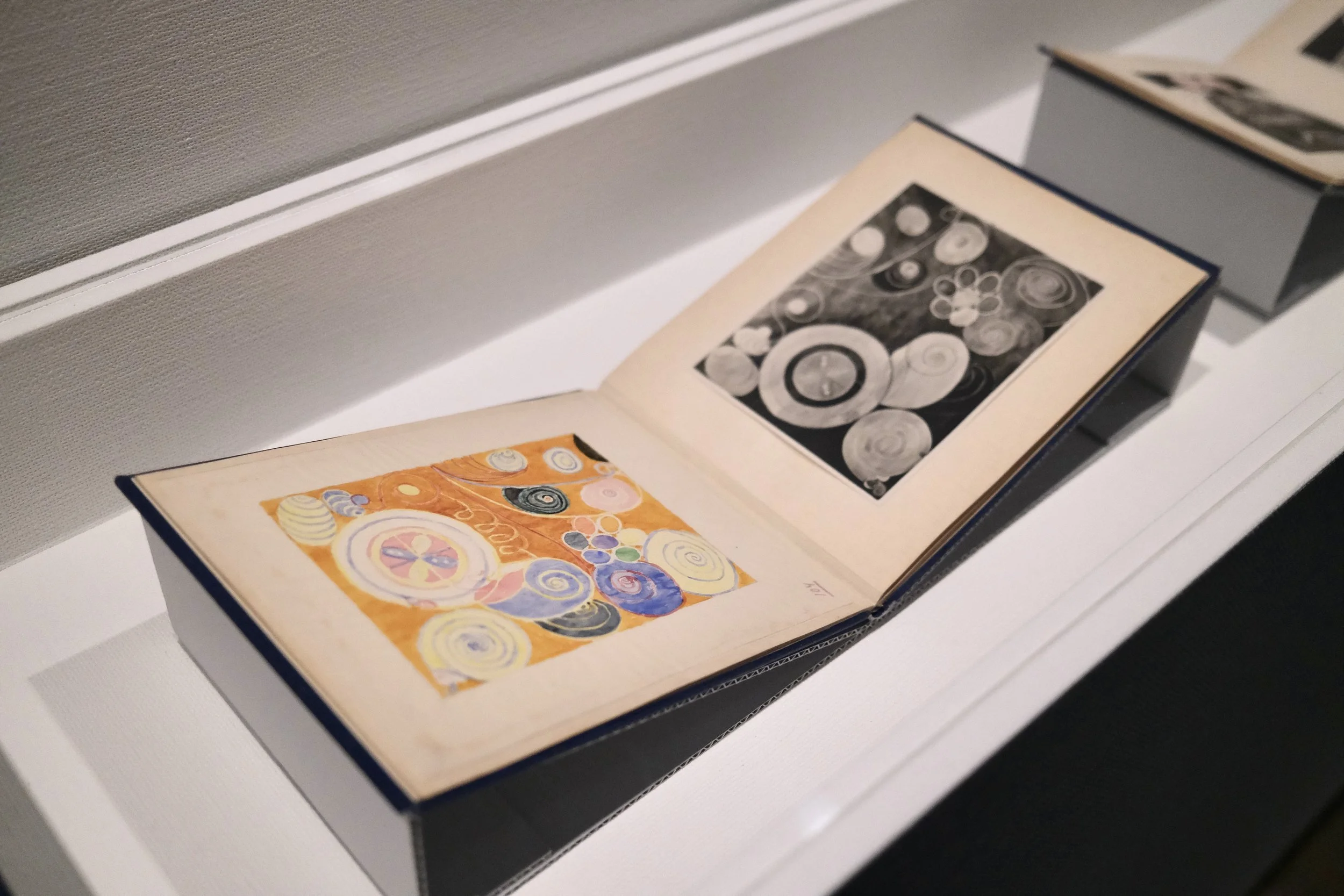
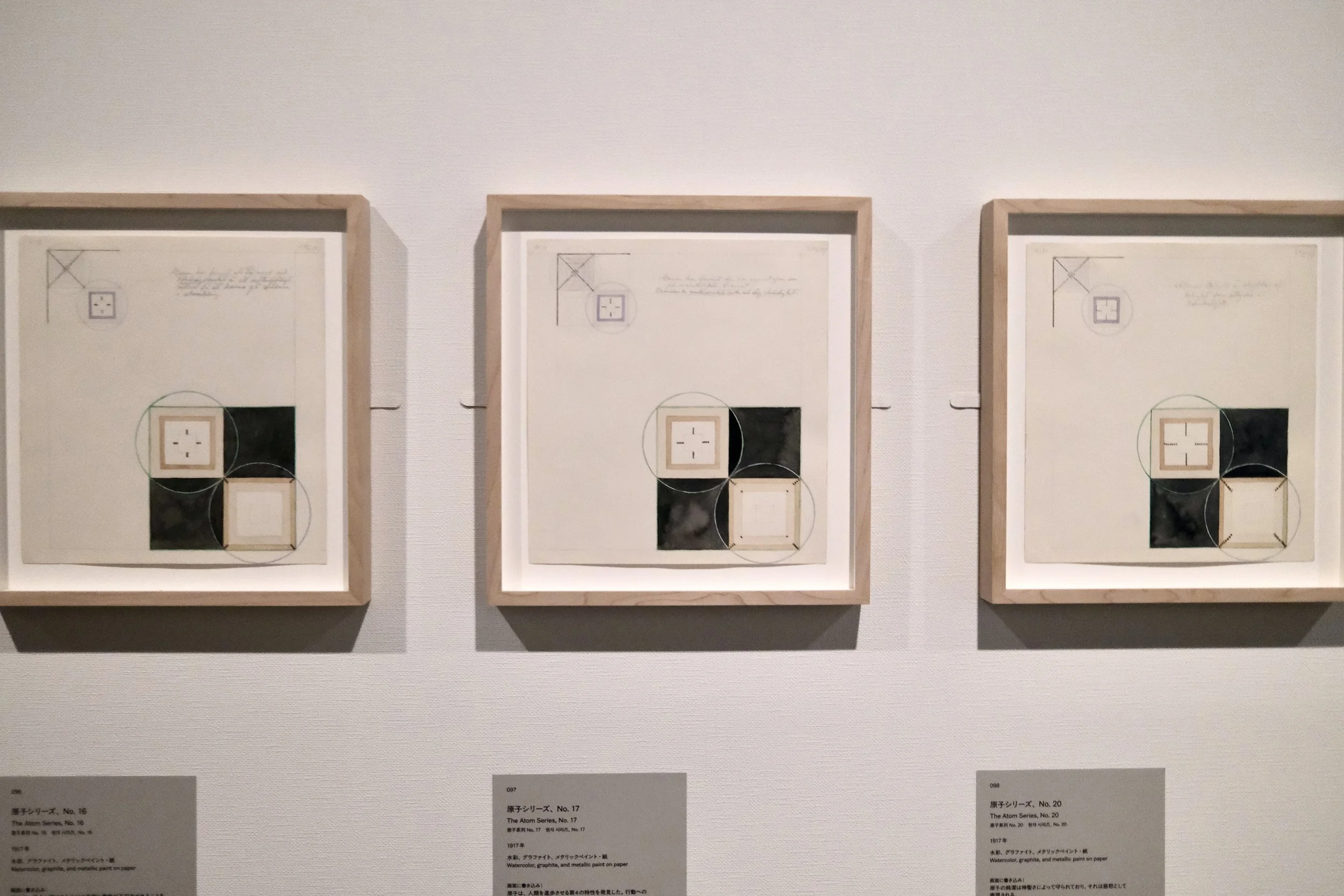
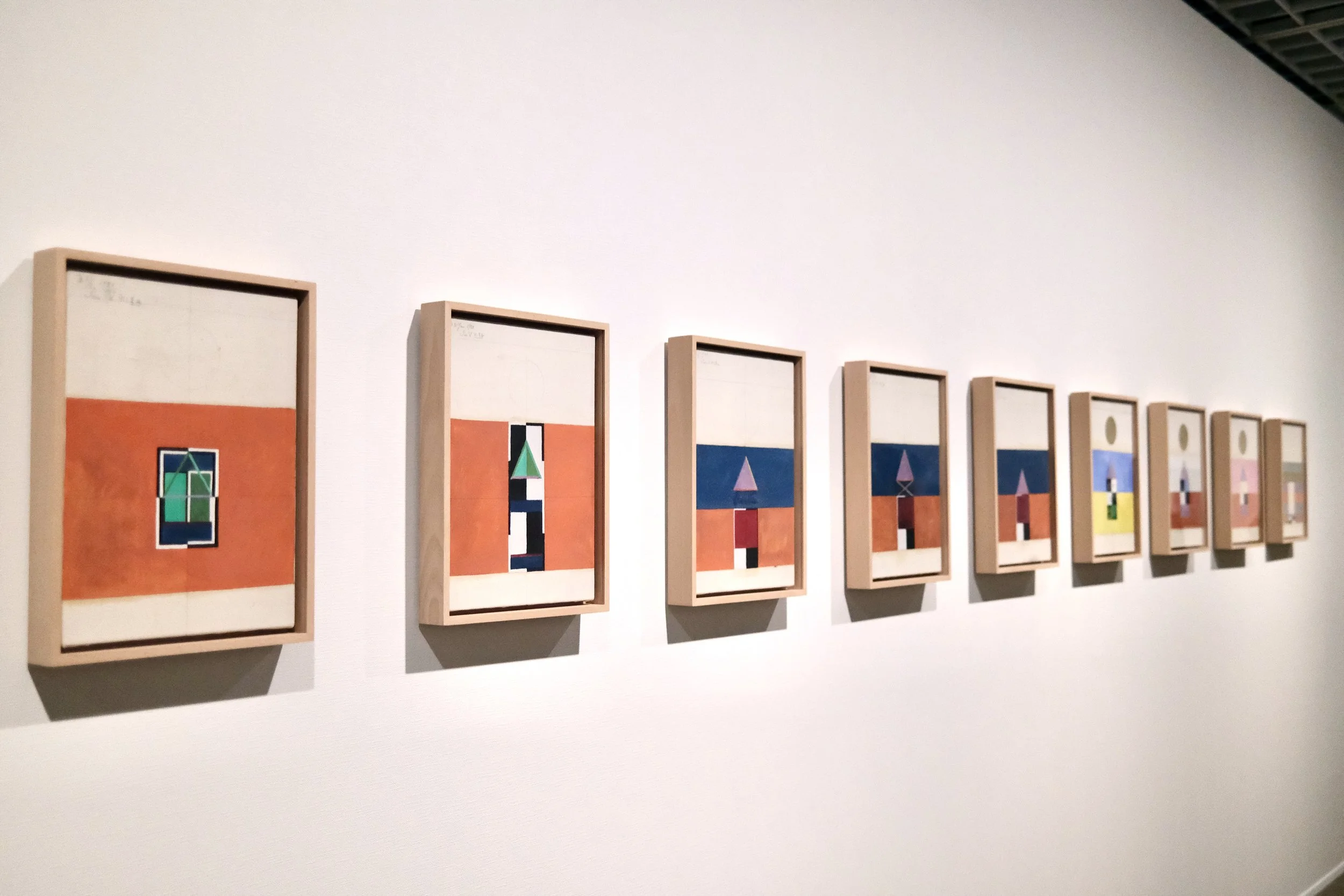
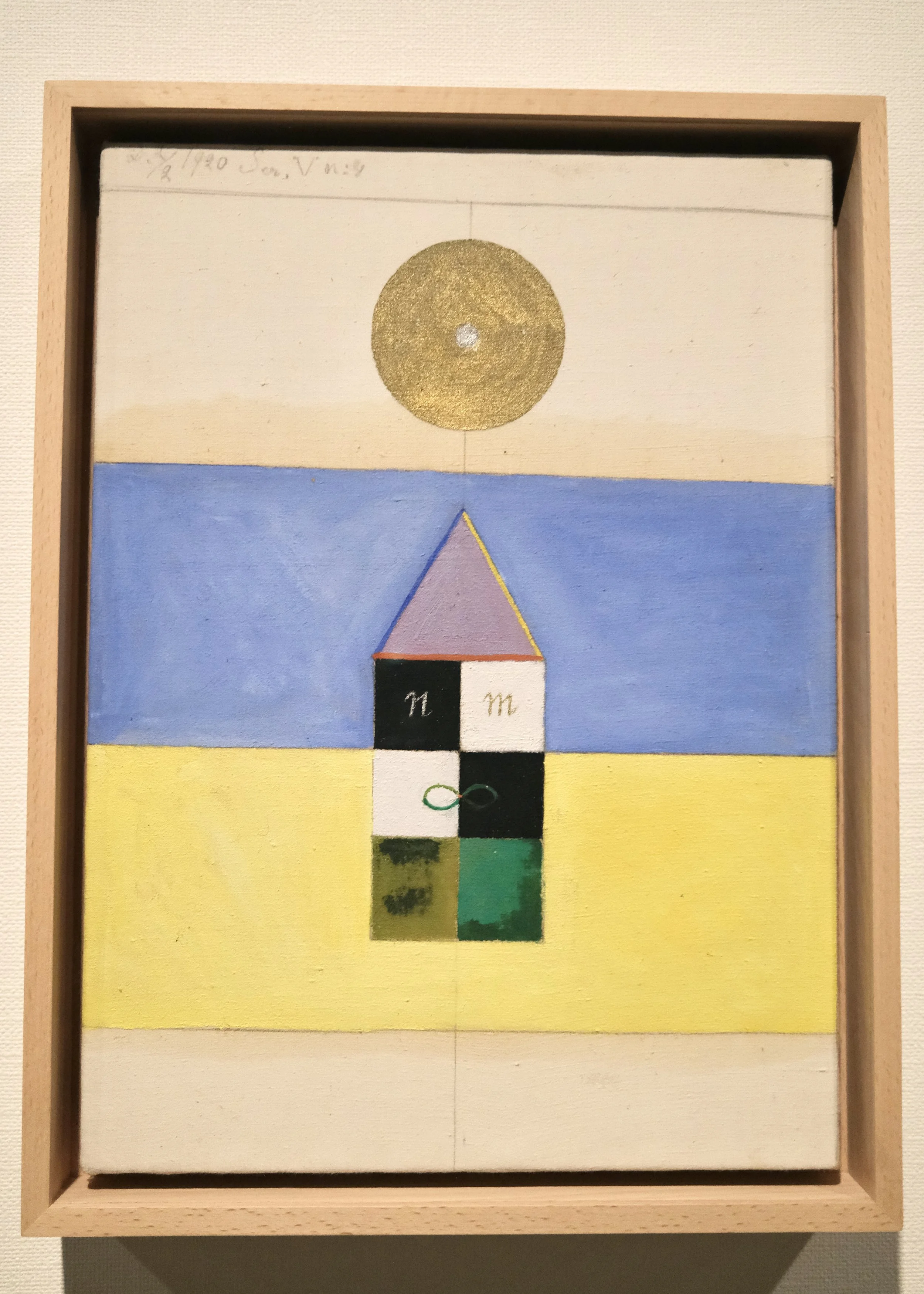
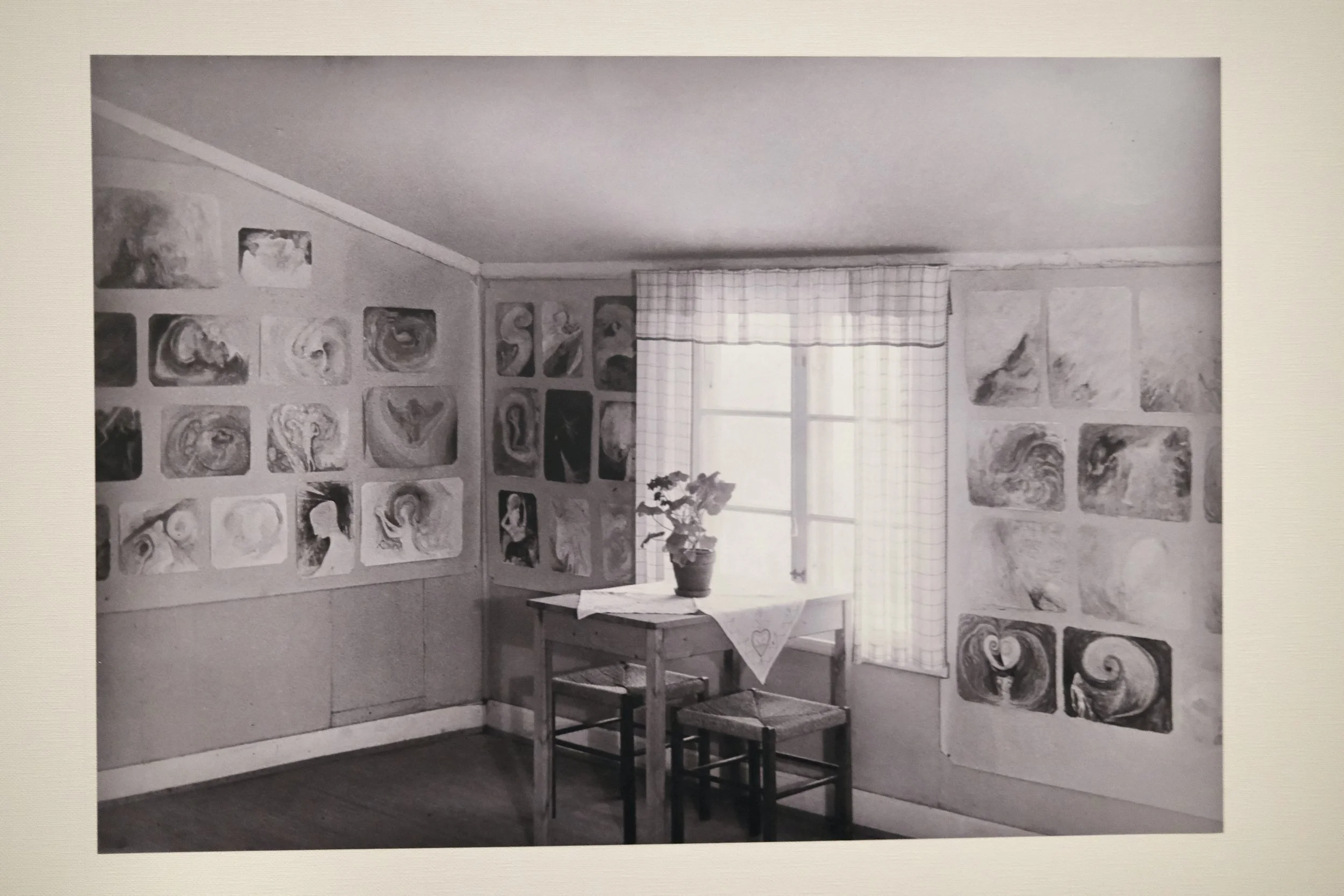
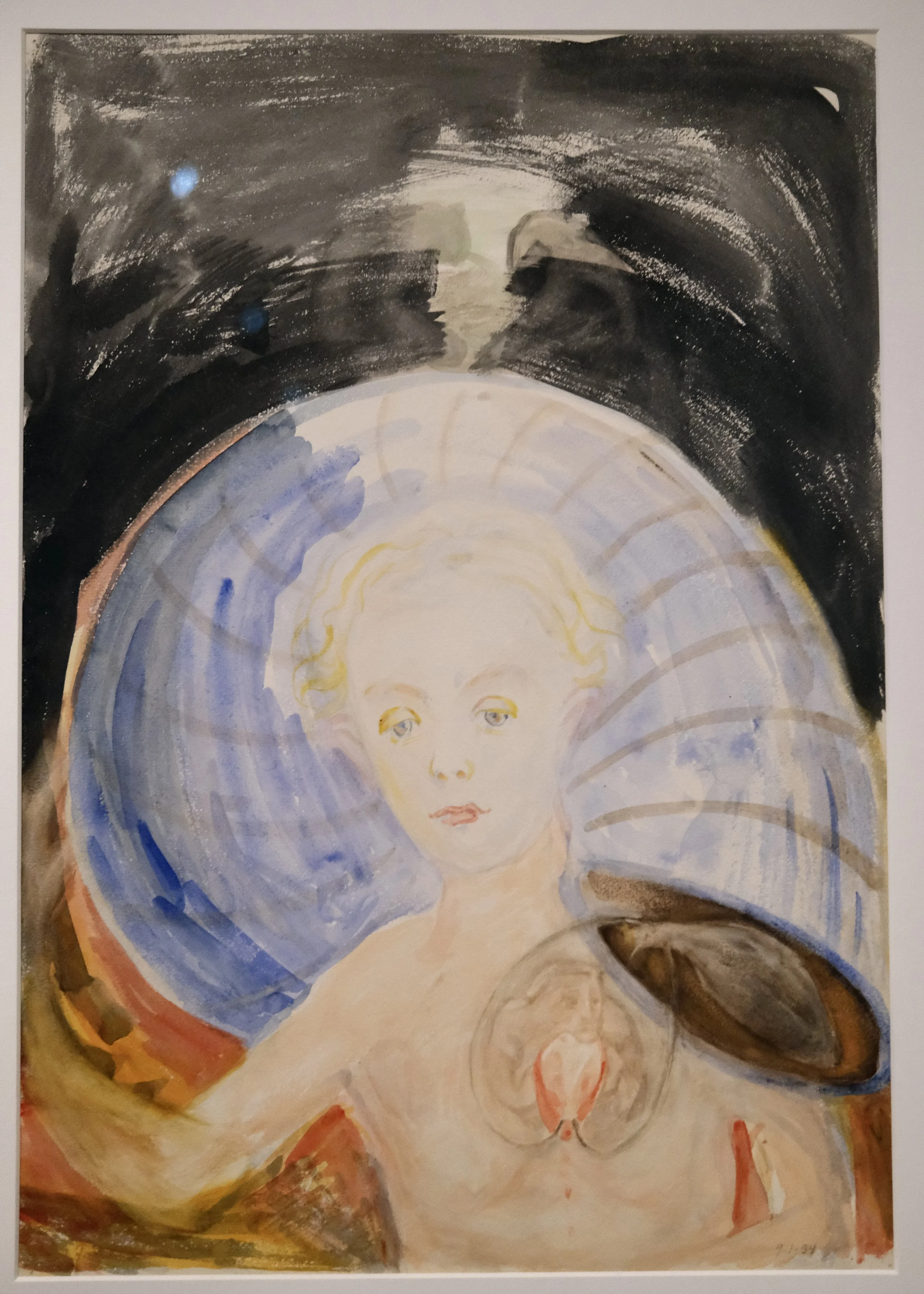
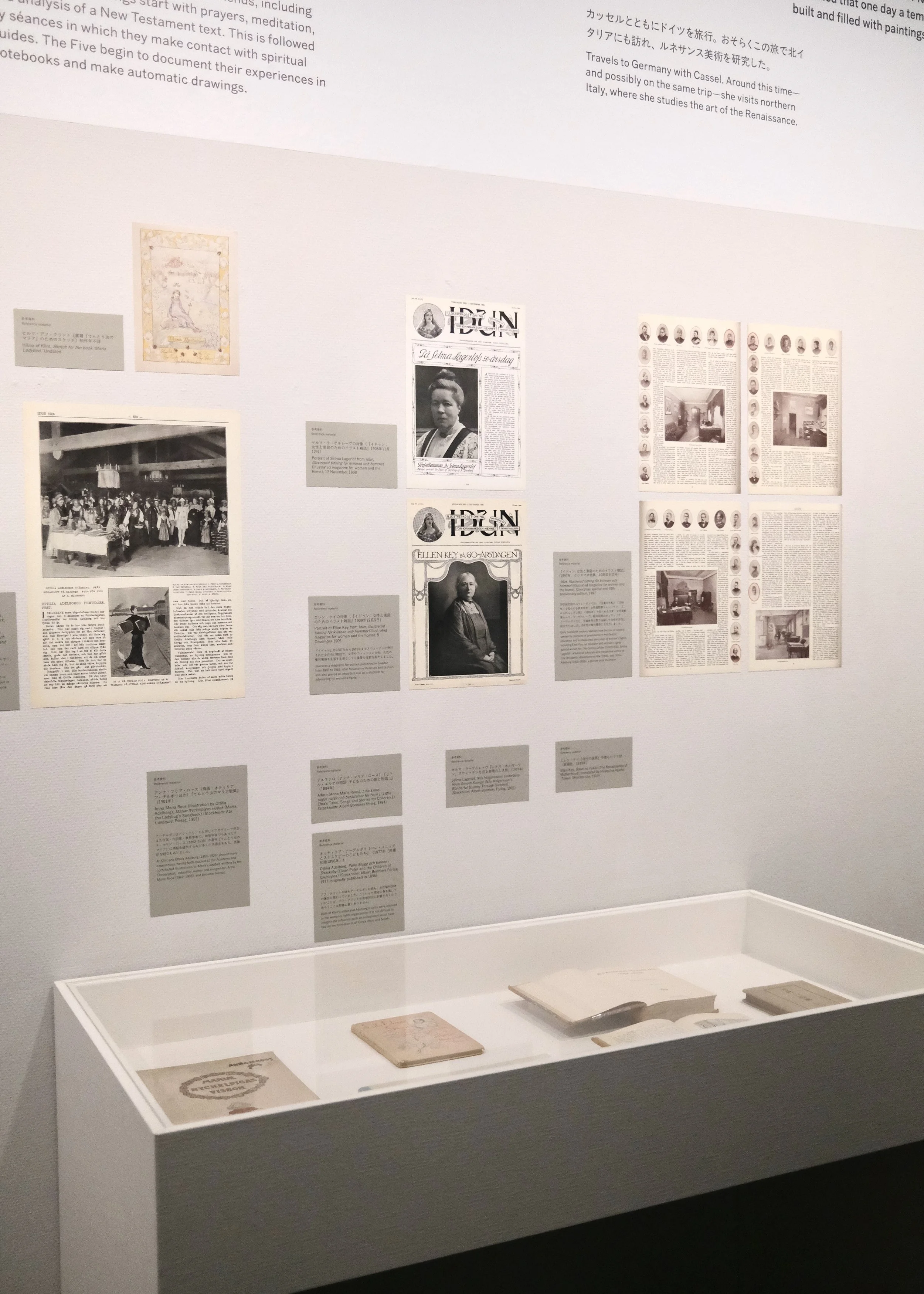
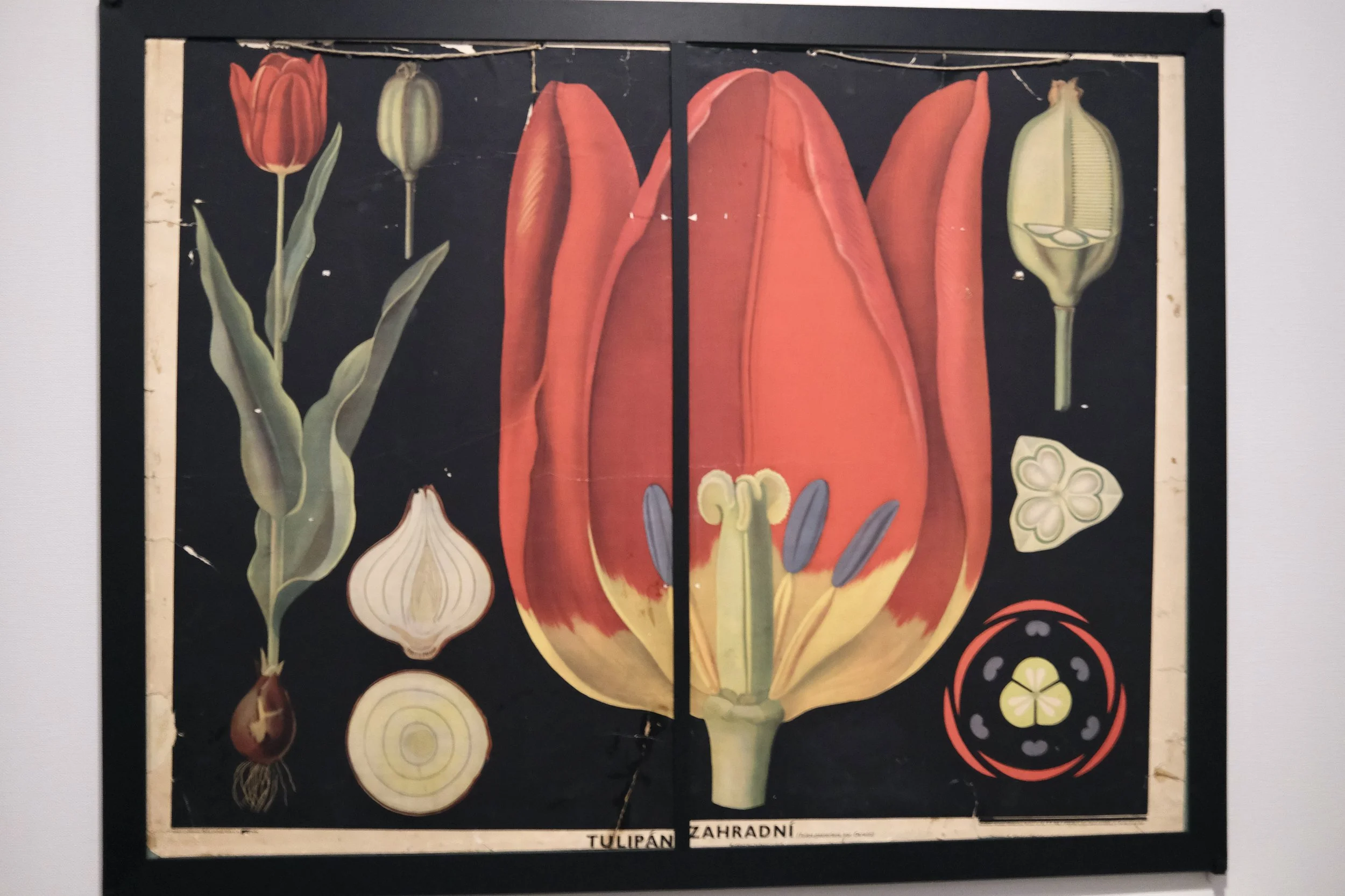
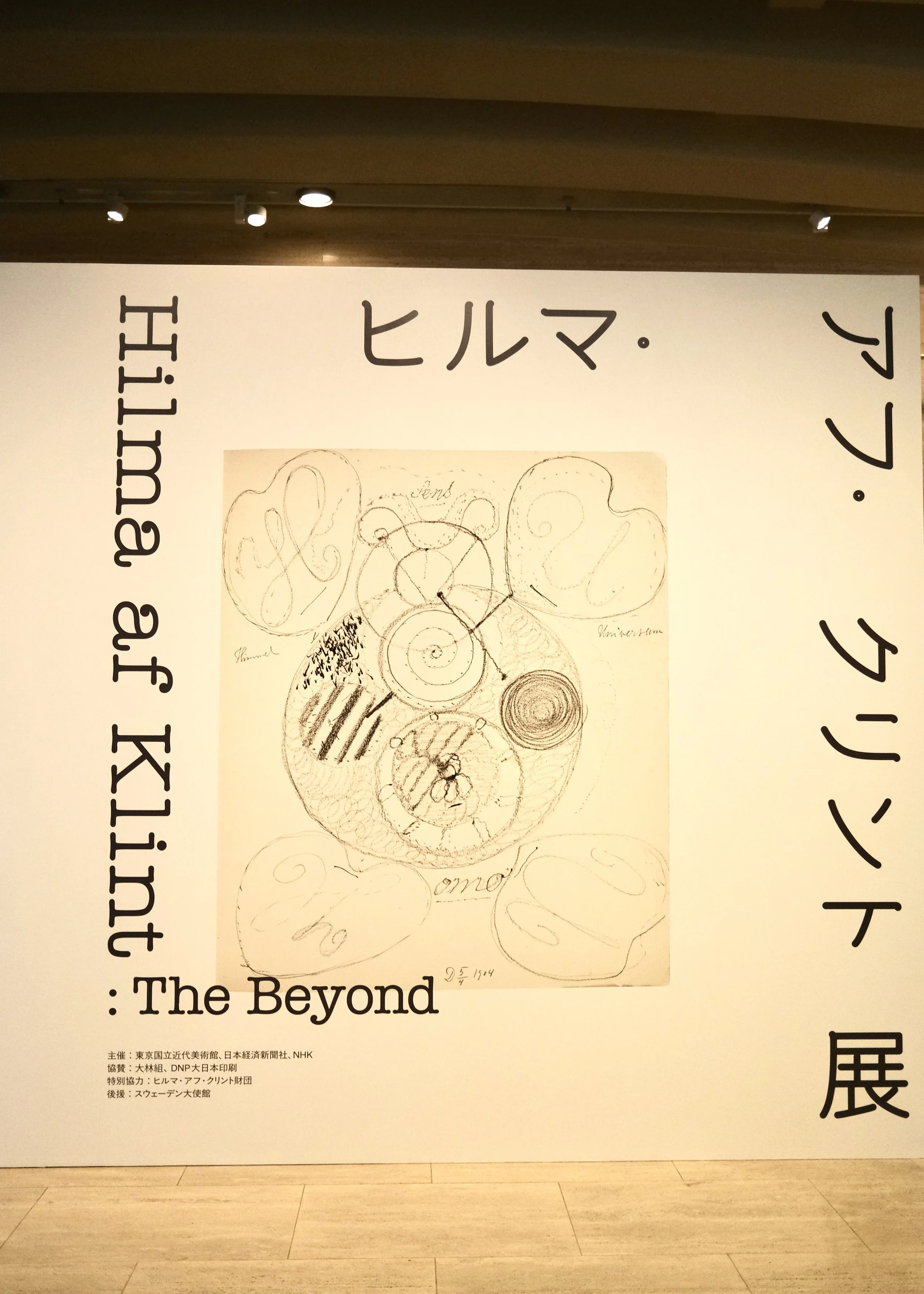
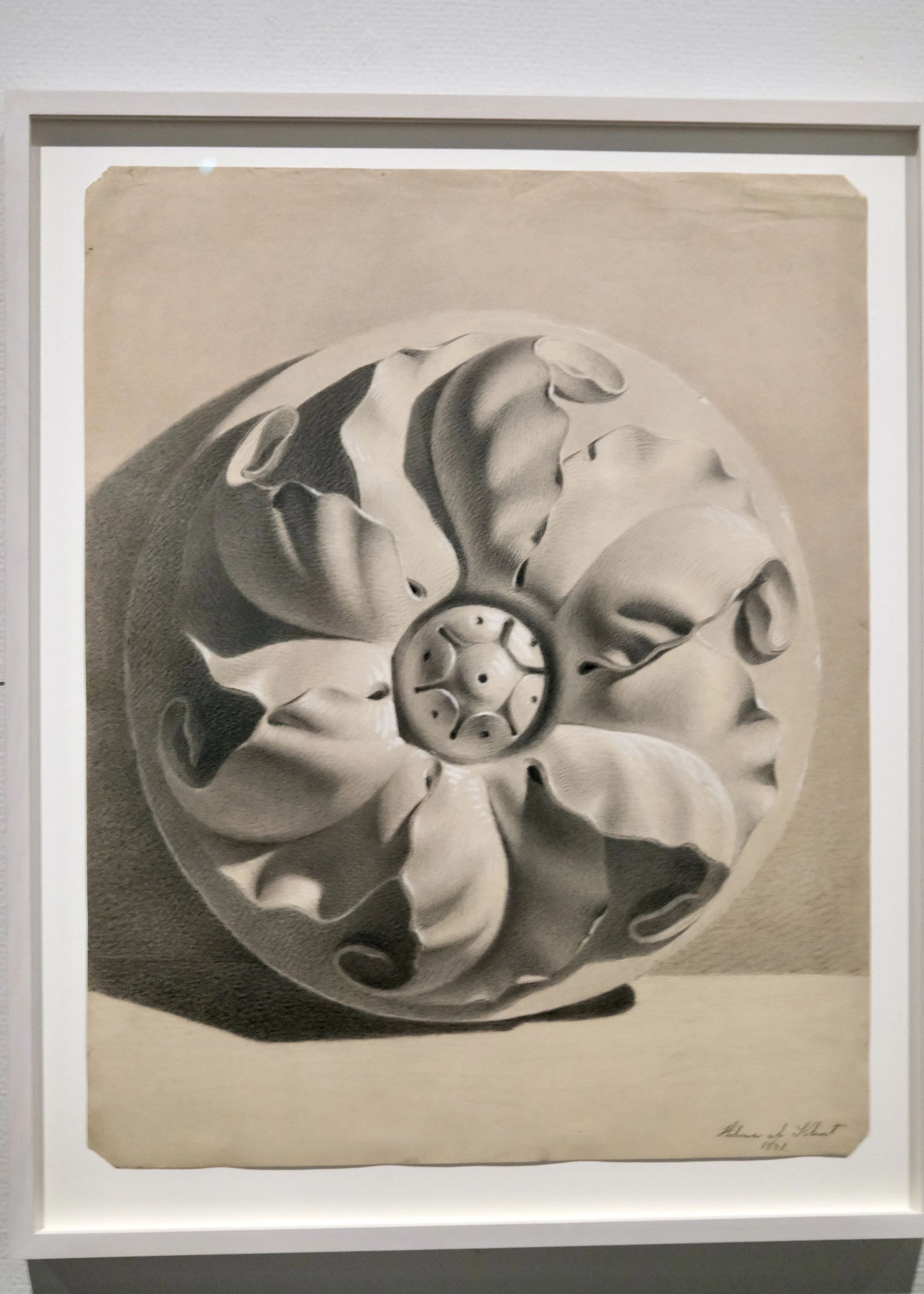
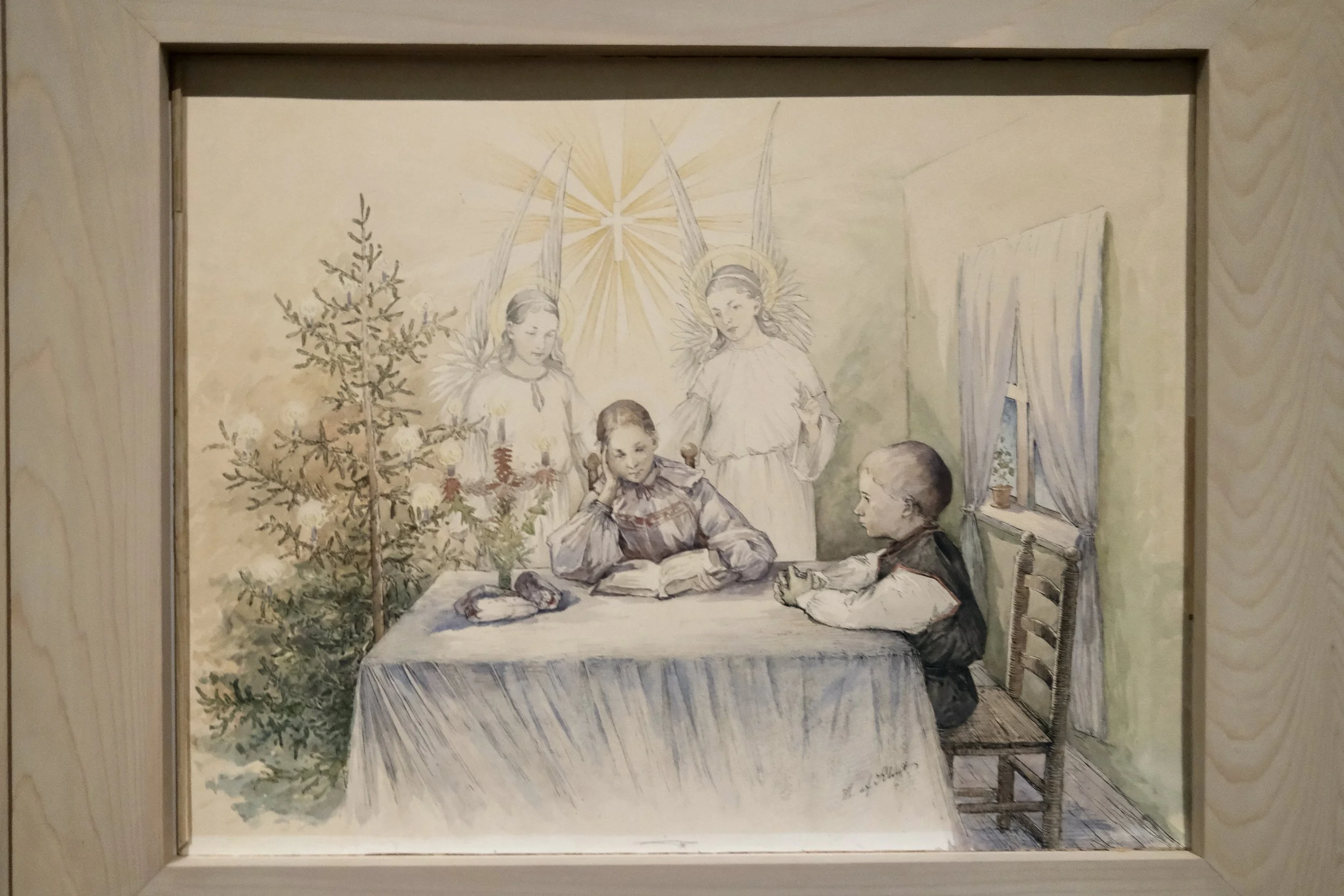
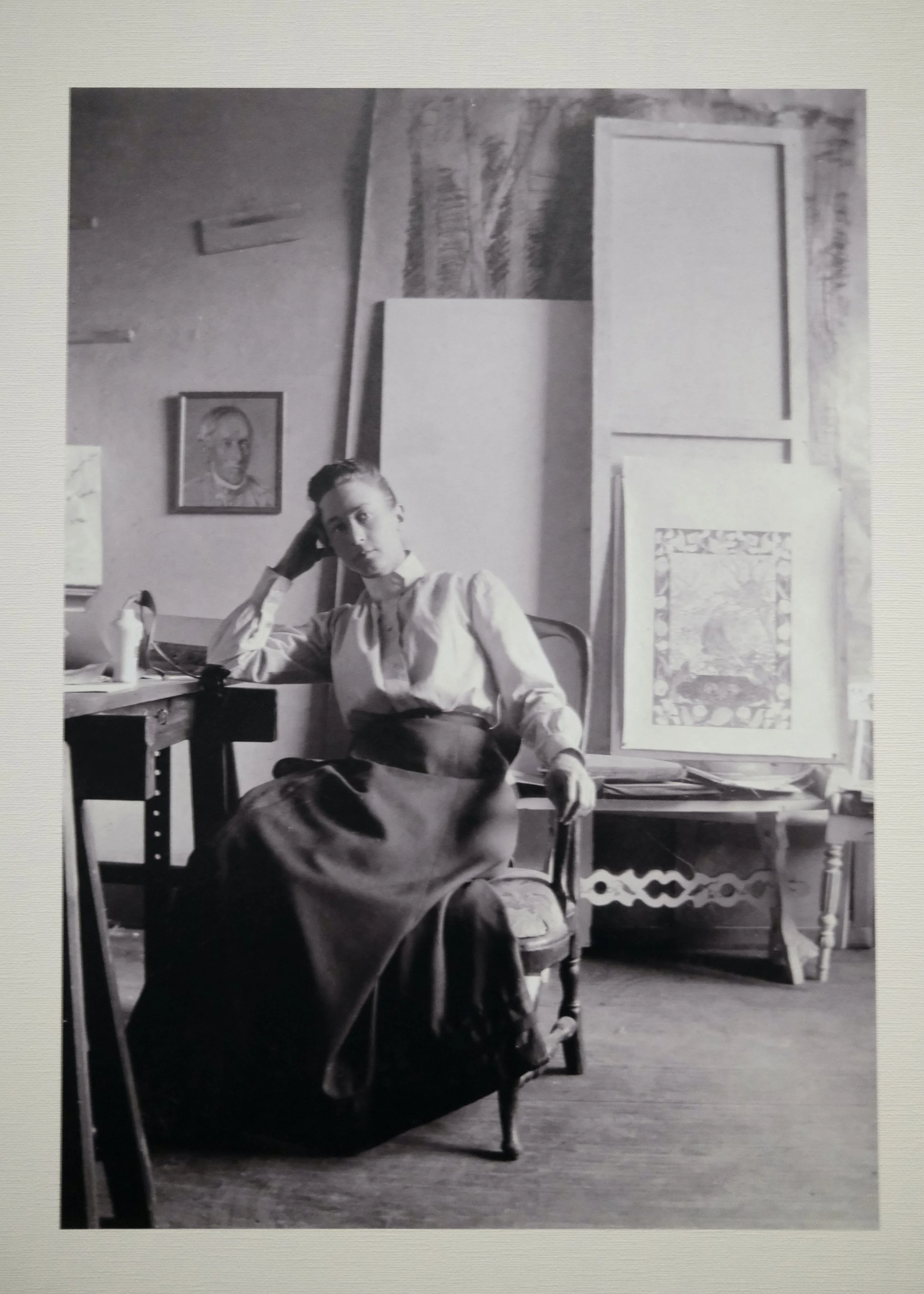

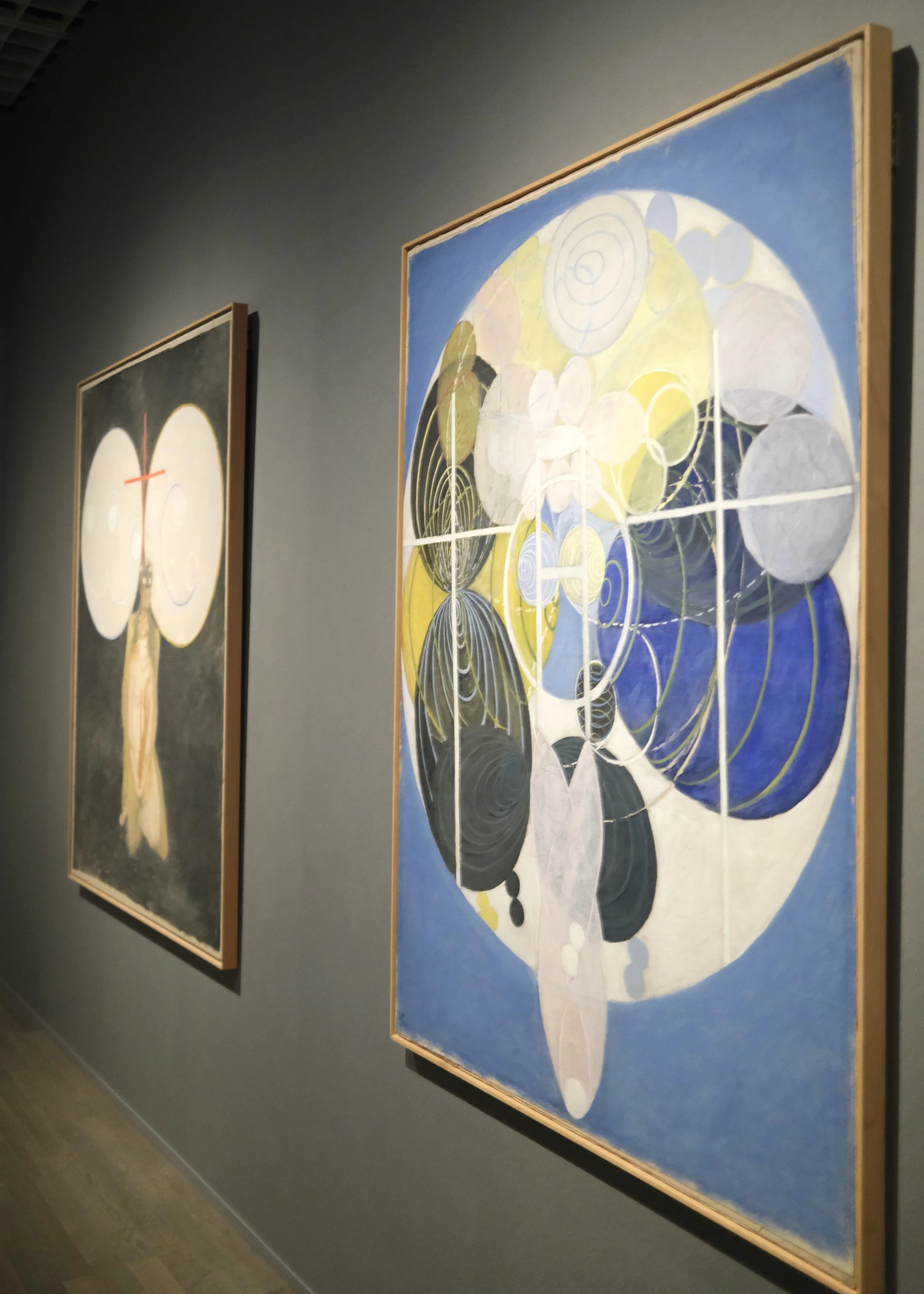
Naofumi MARUYAMA NO DATE
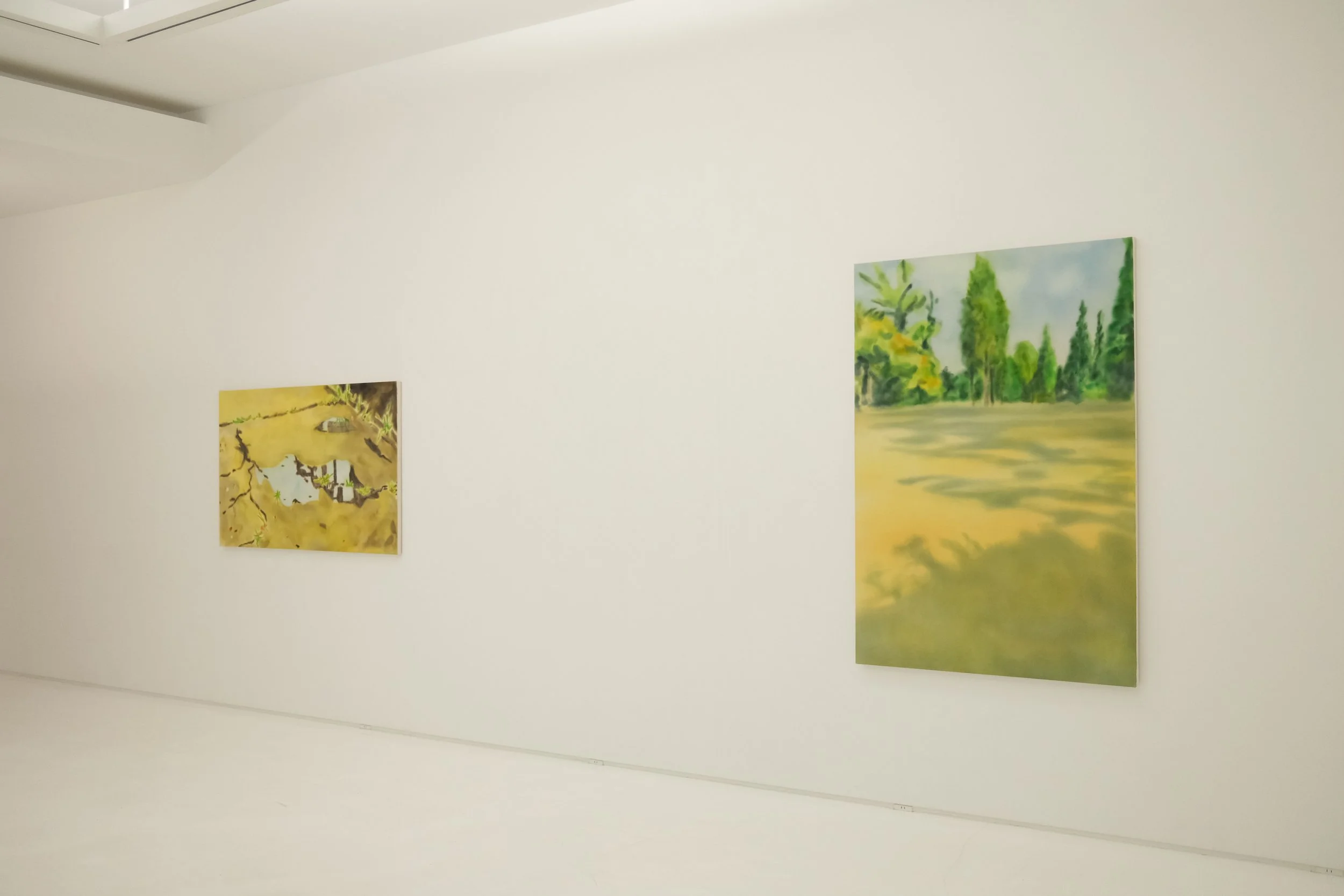
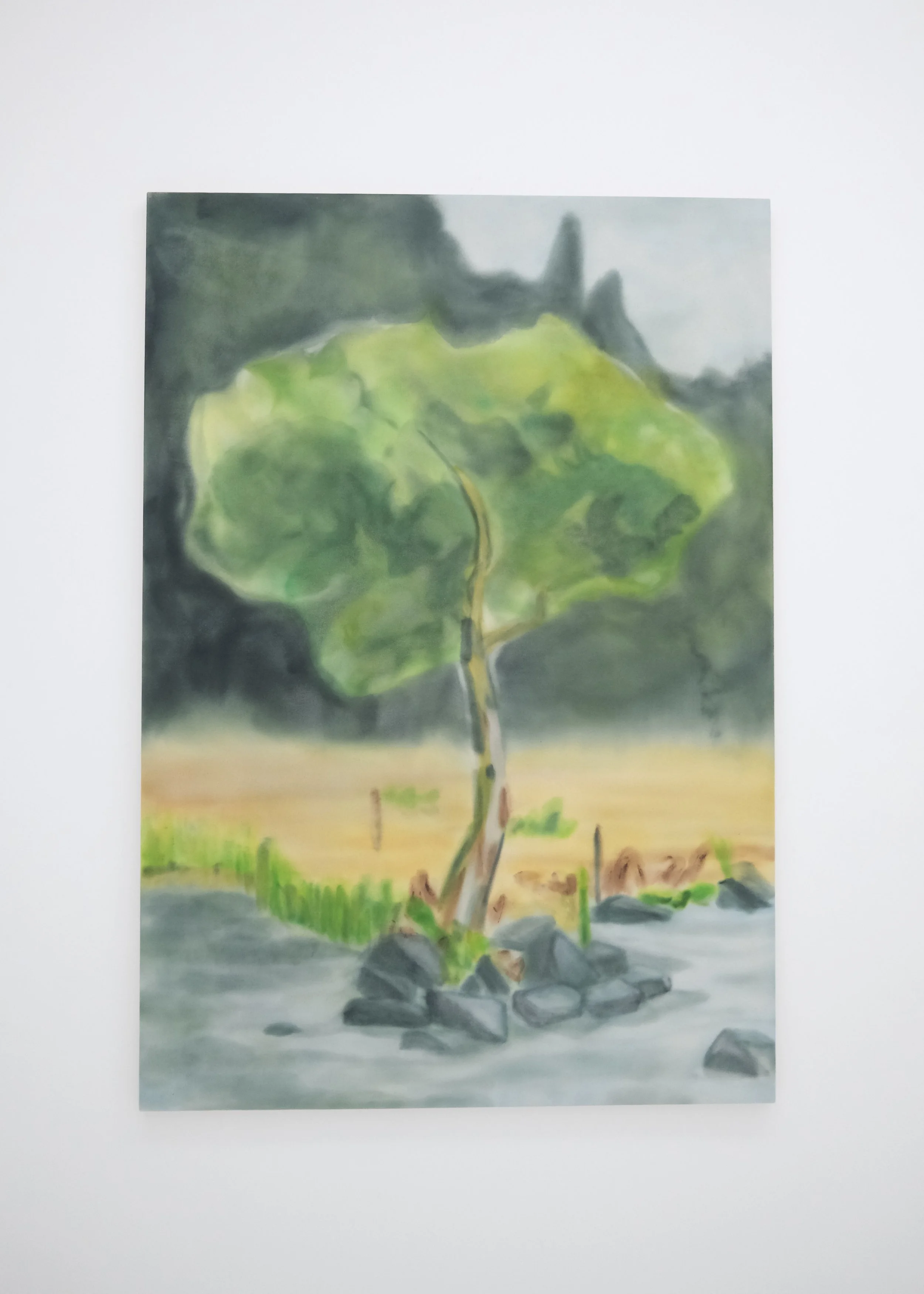
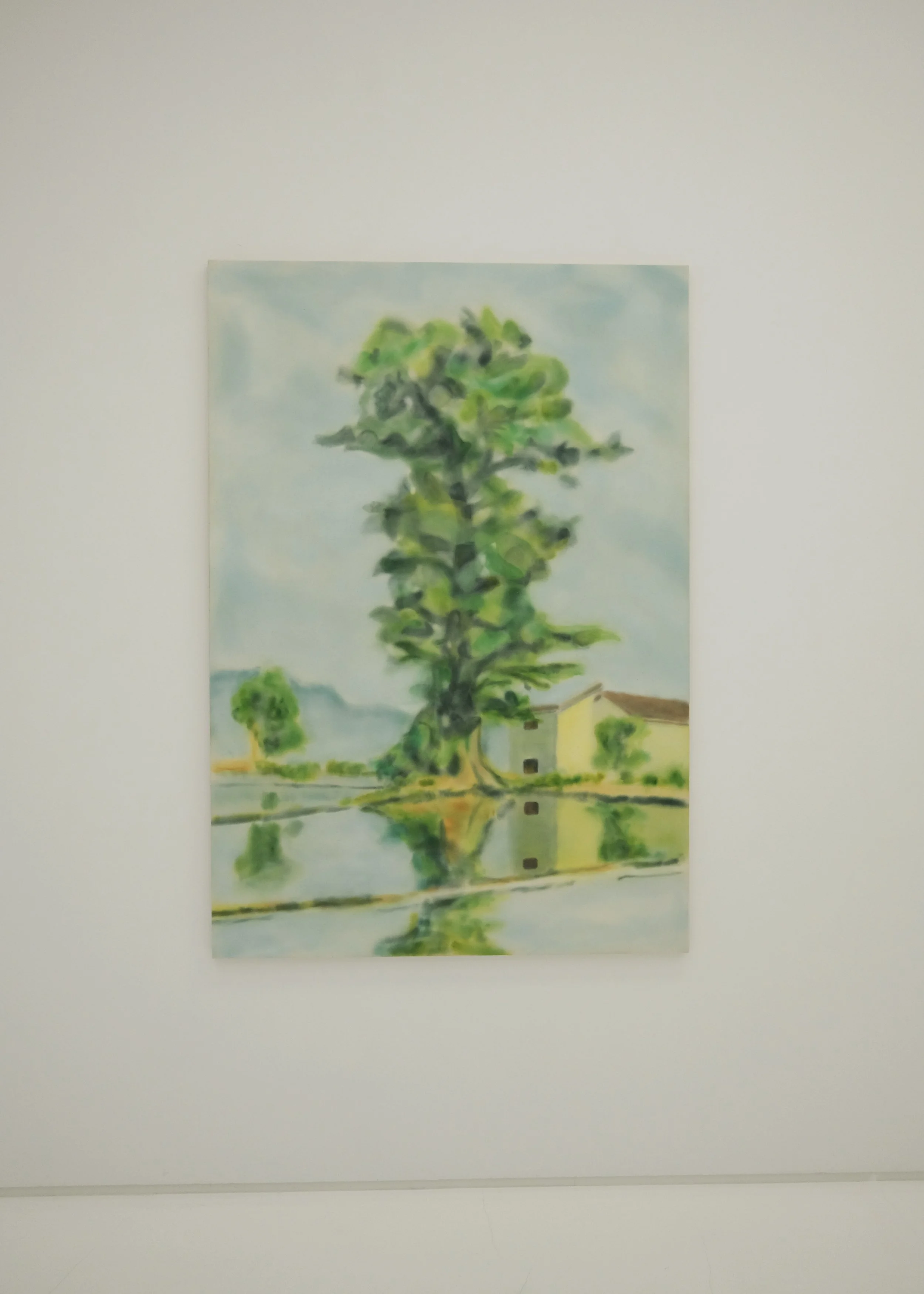
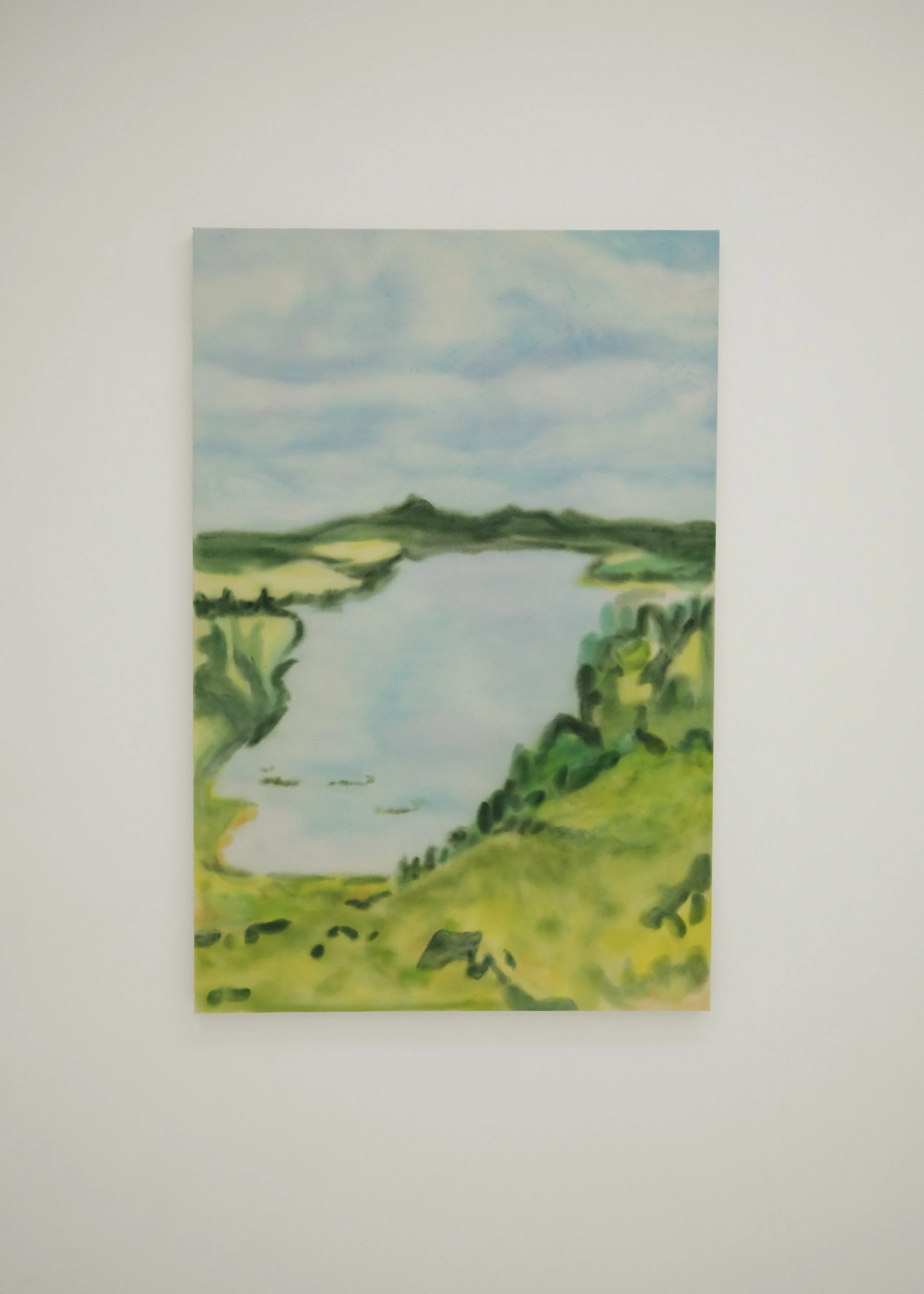
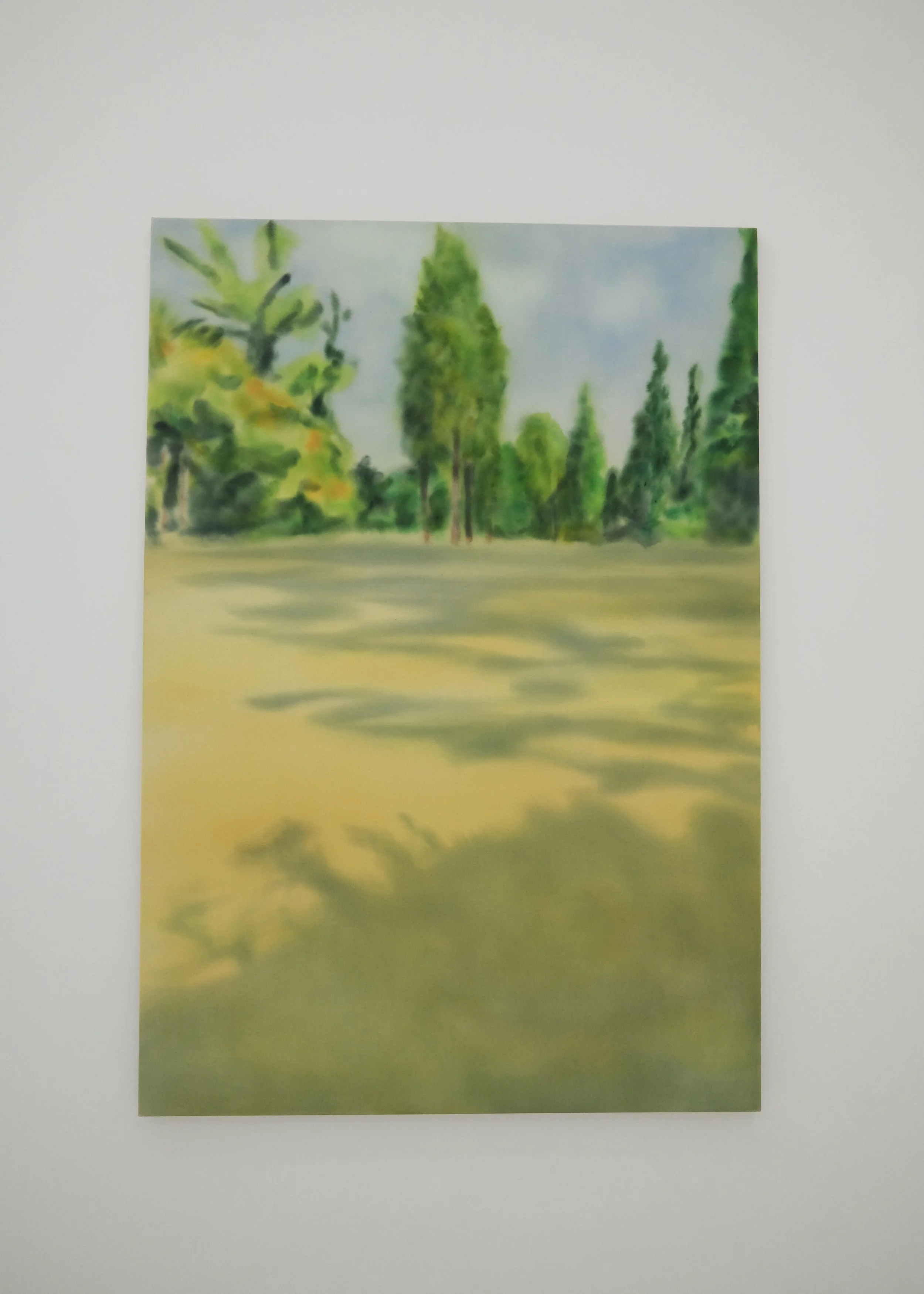
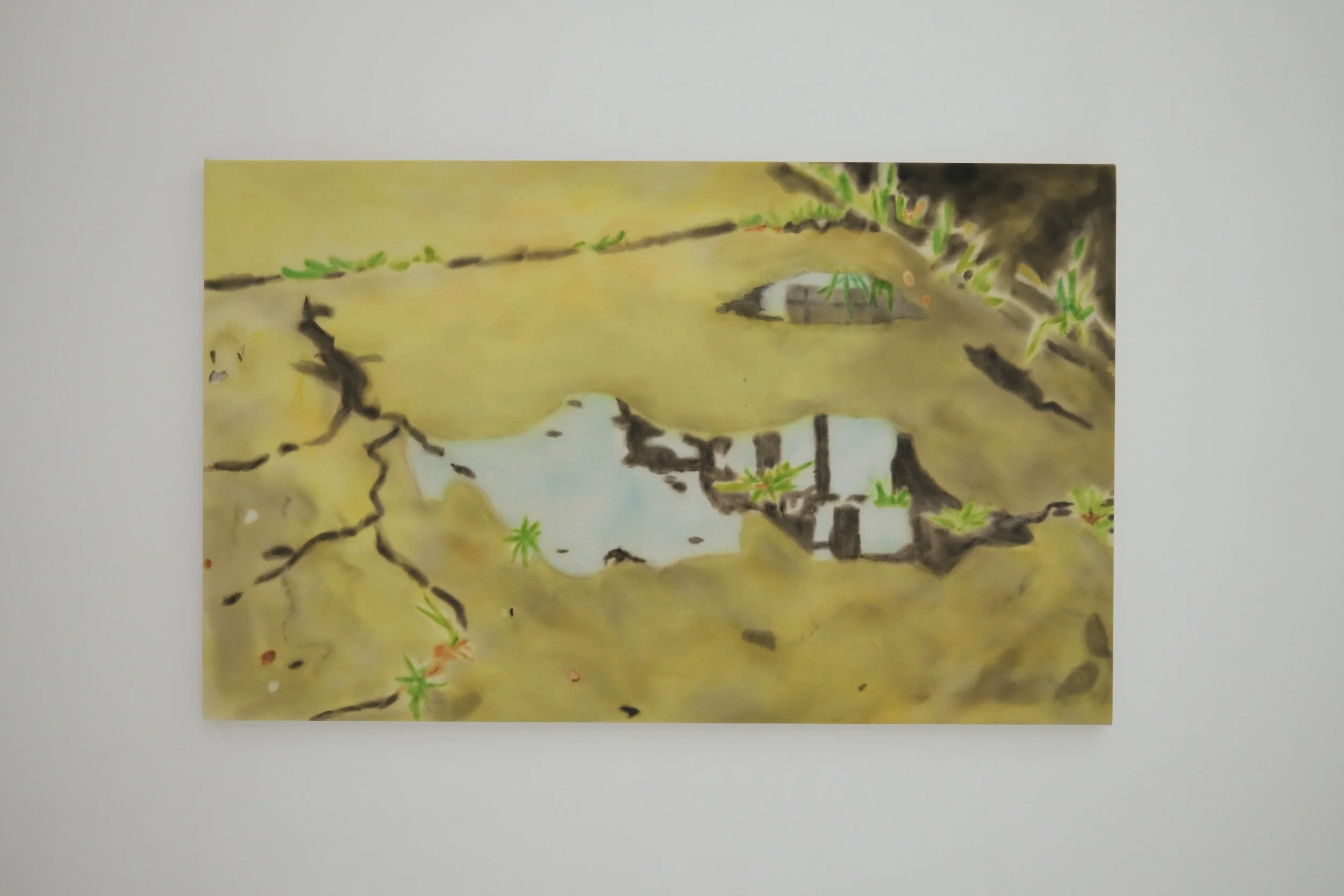
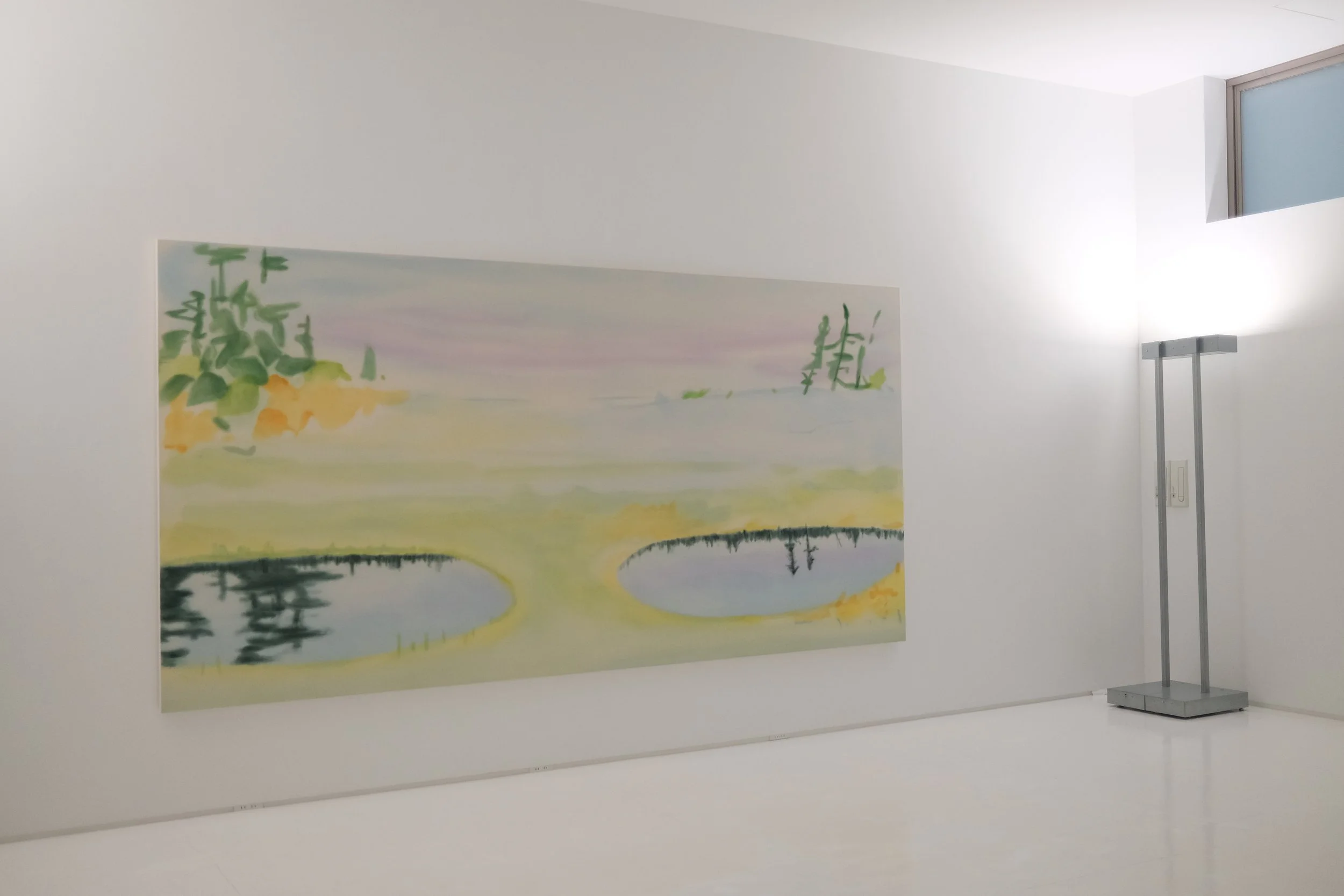
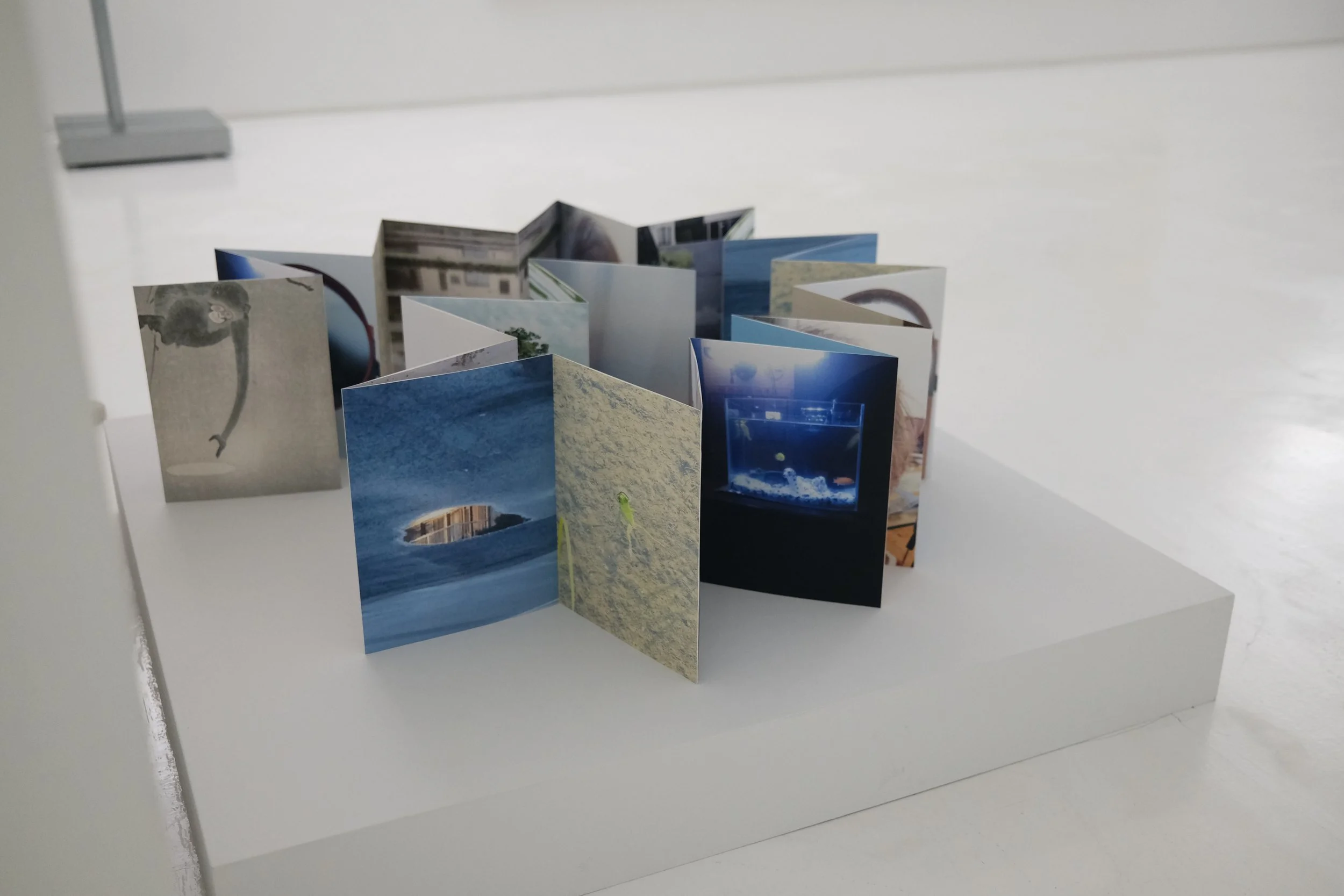
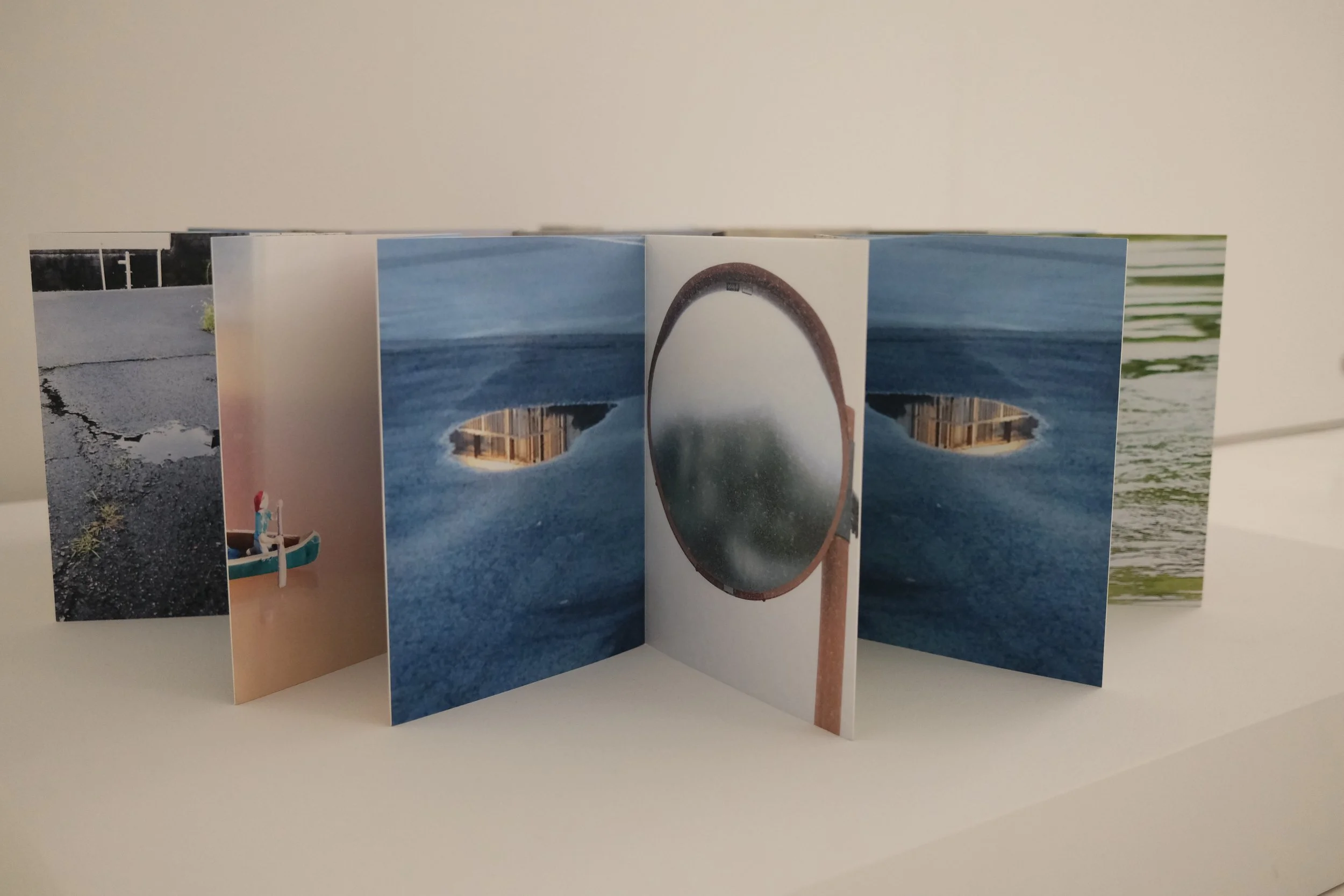
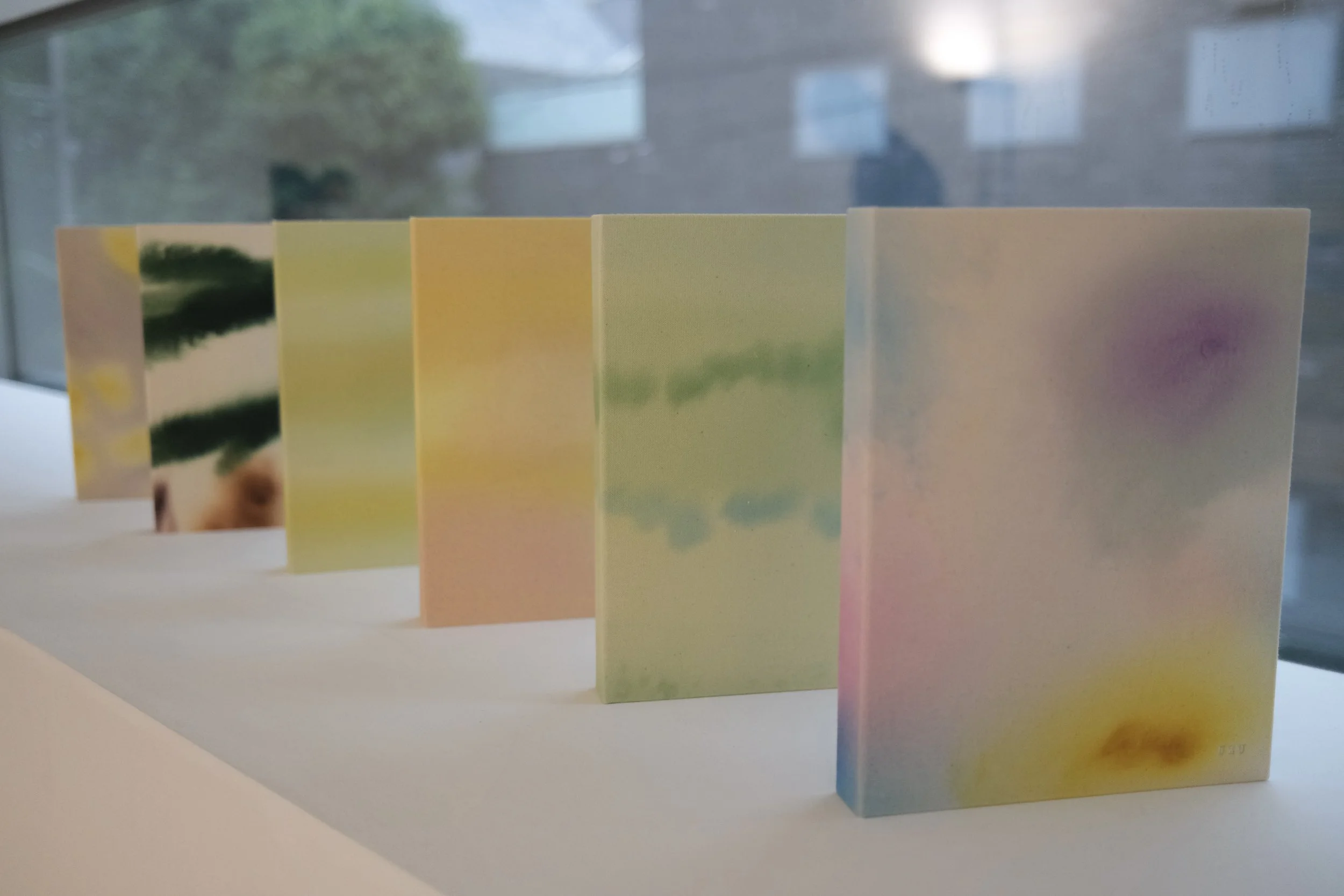
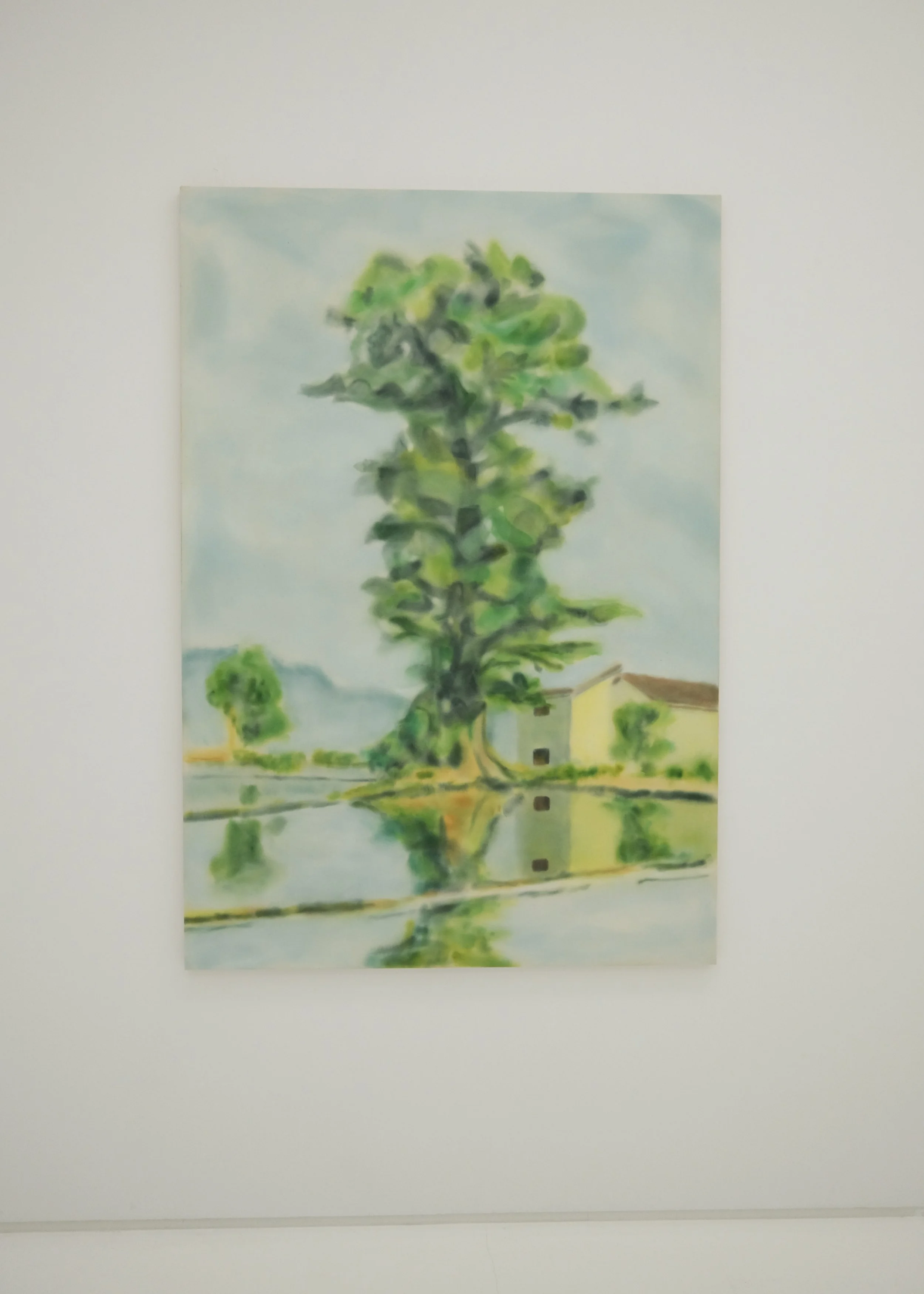
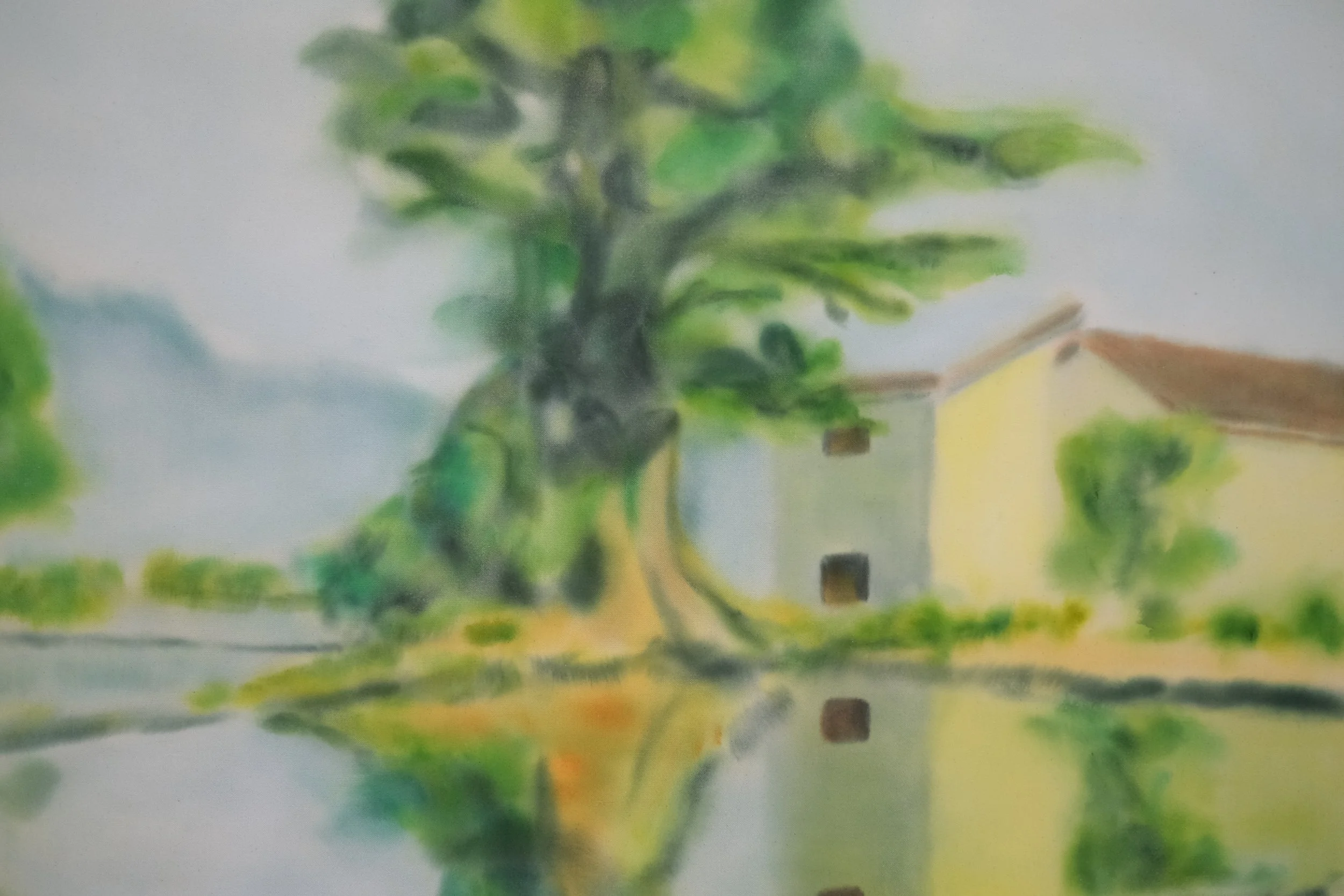
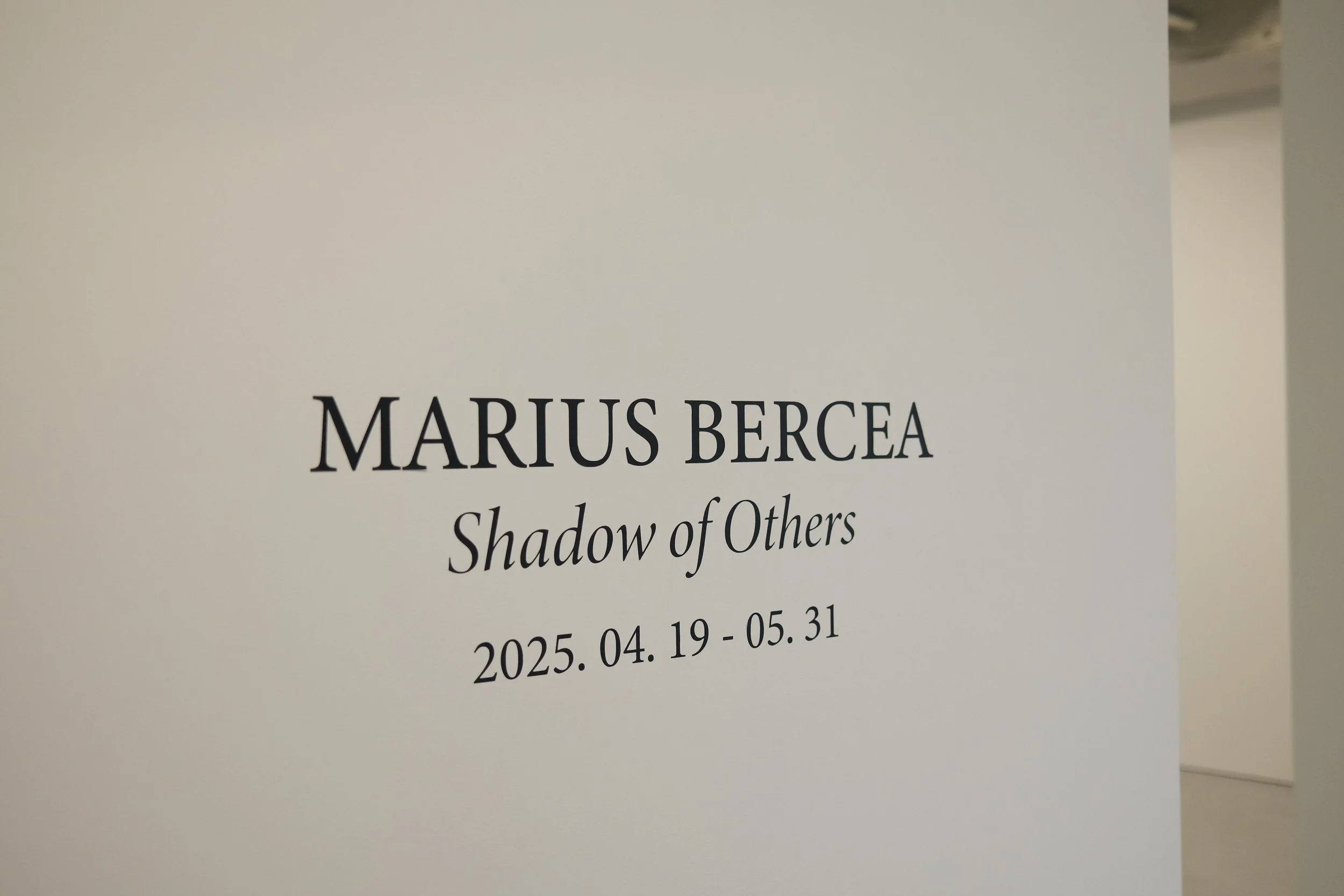
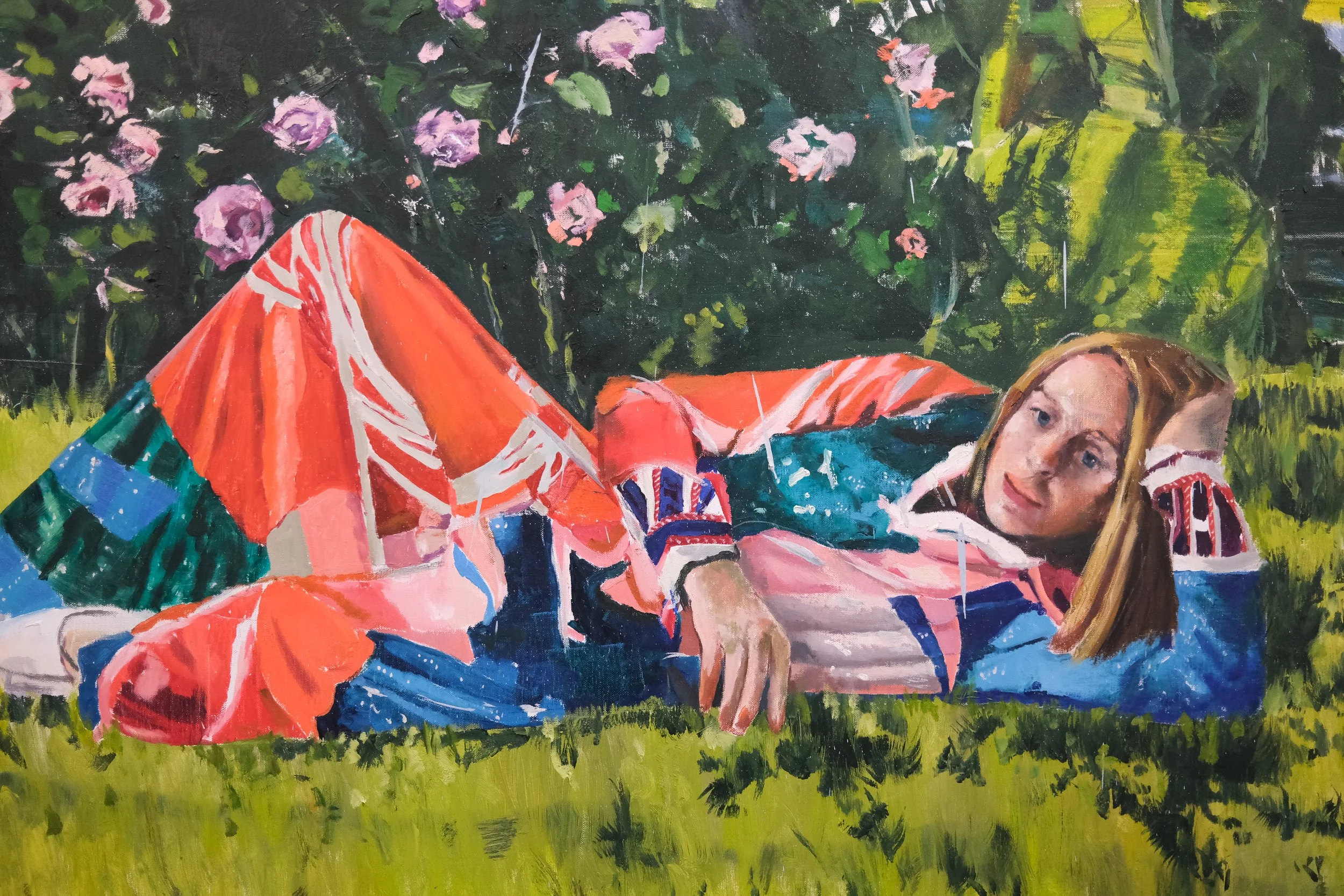
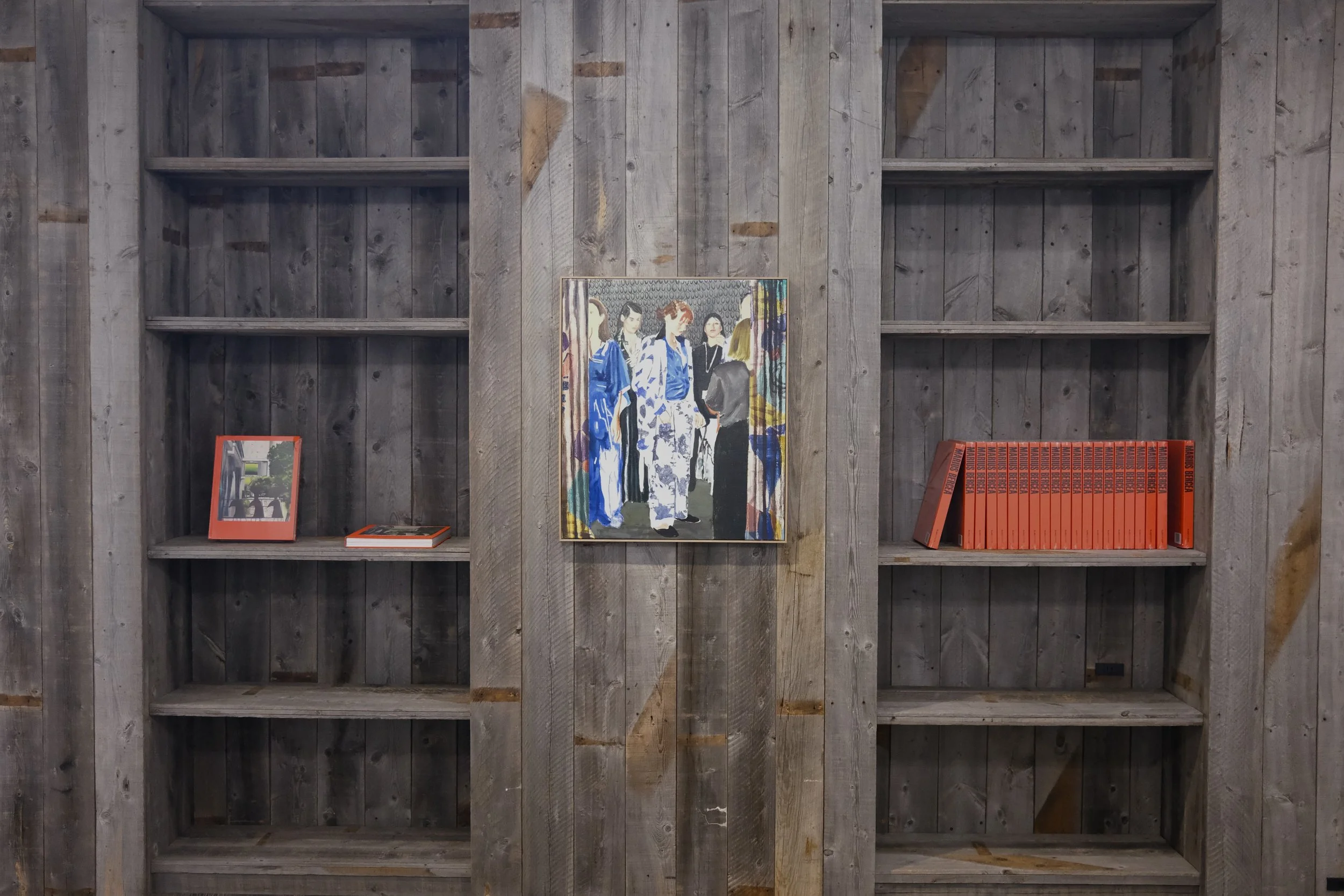
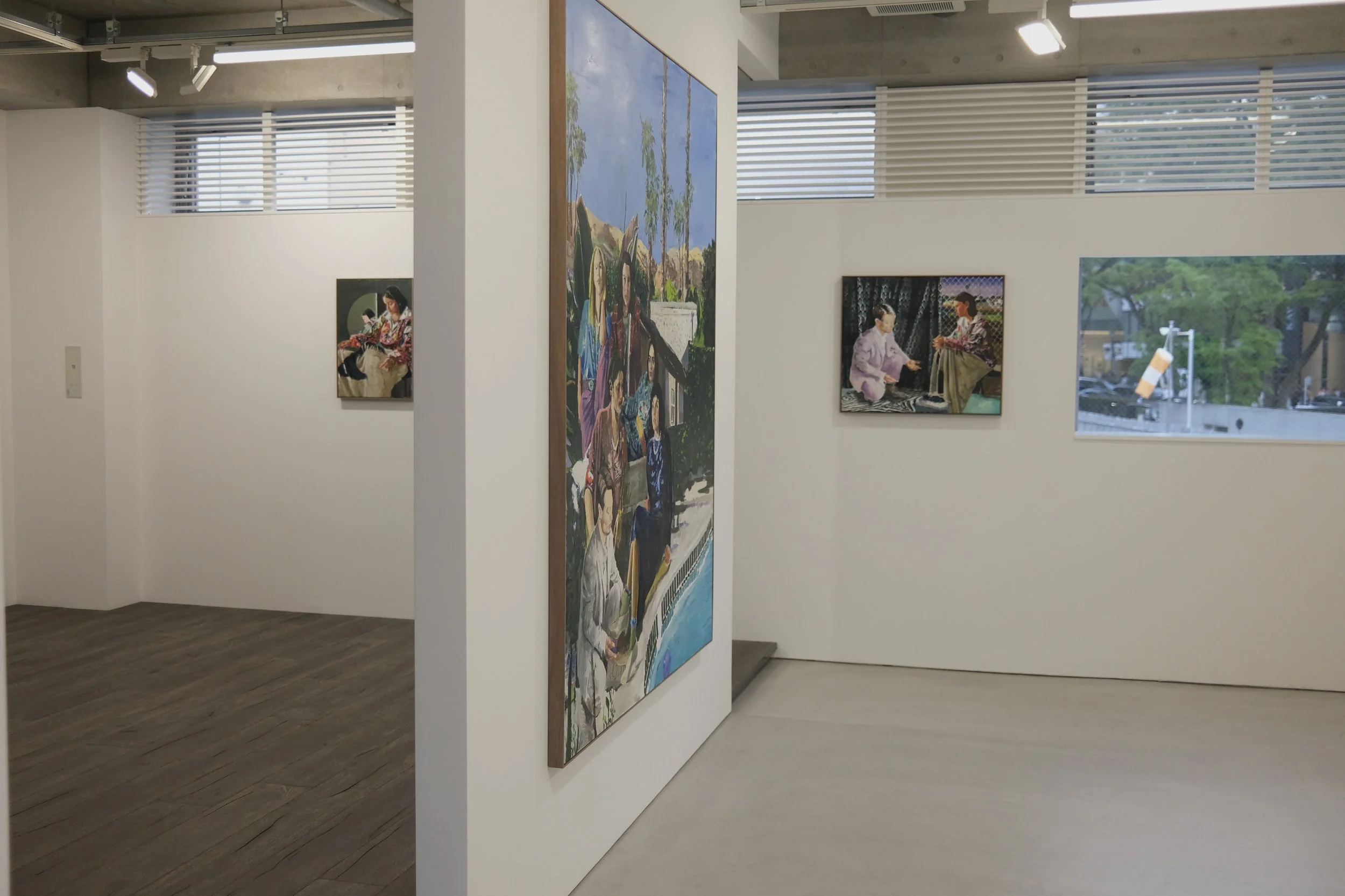
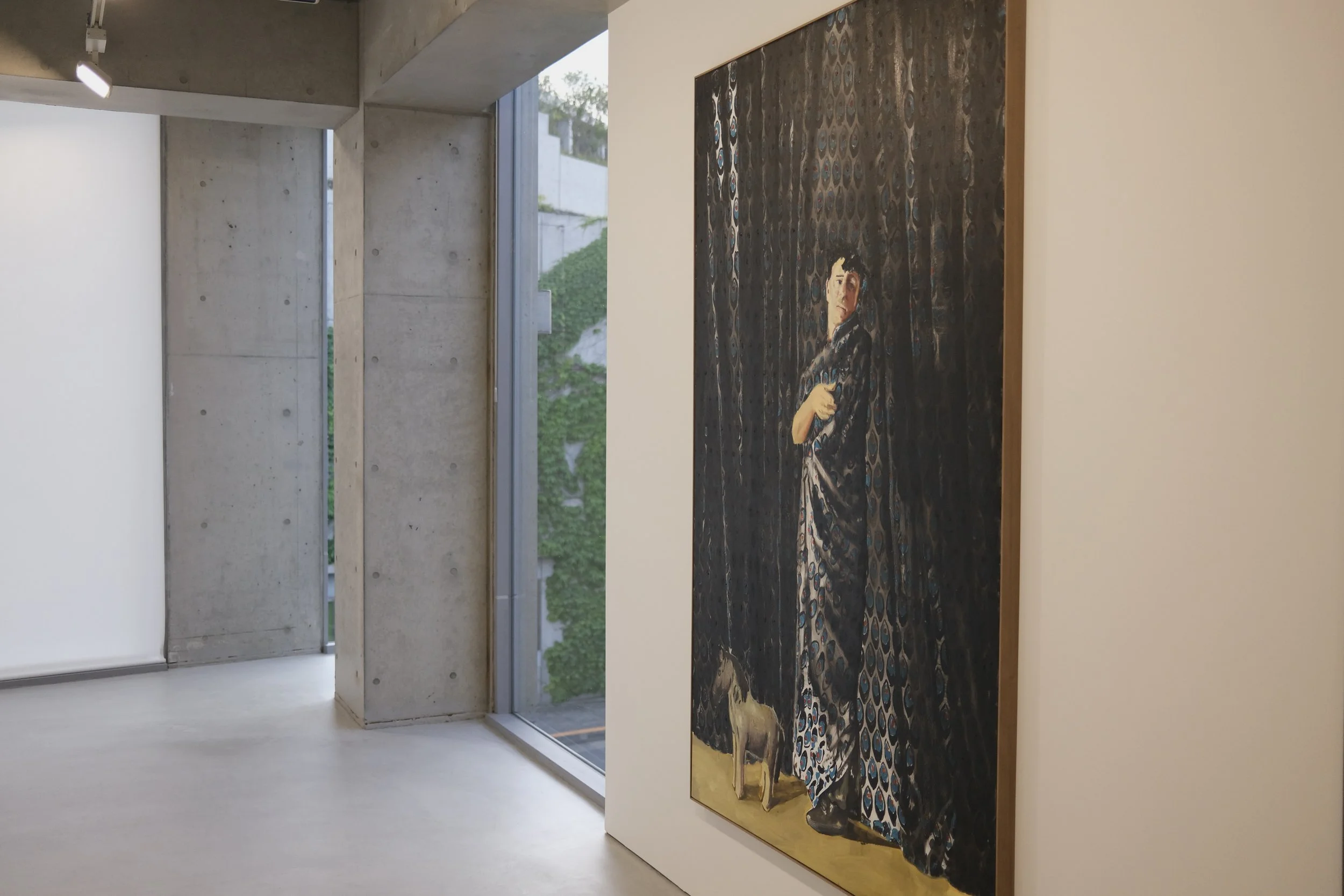
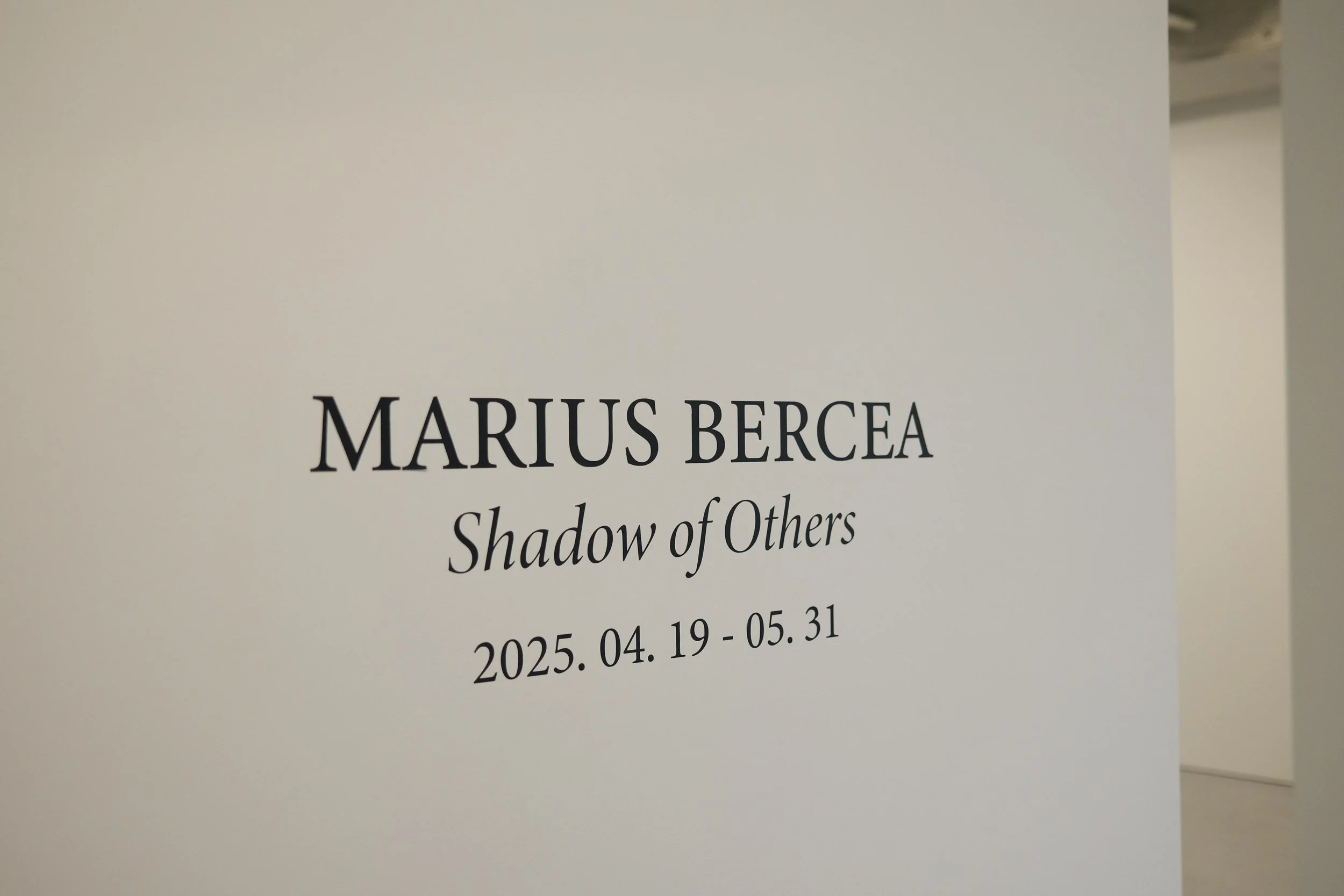
Marius Bercea Shadow of Others
2025/04/19-2025/05/31
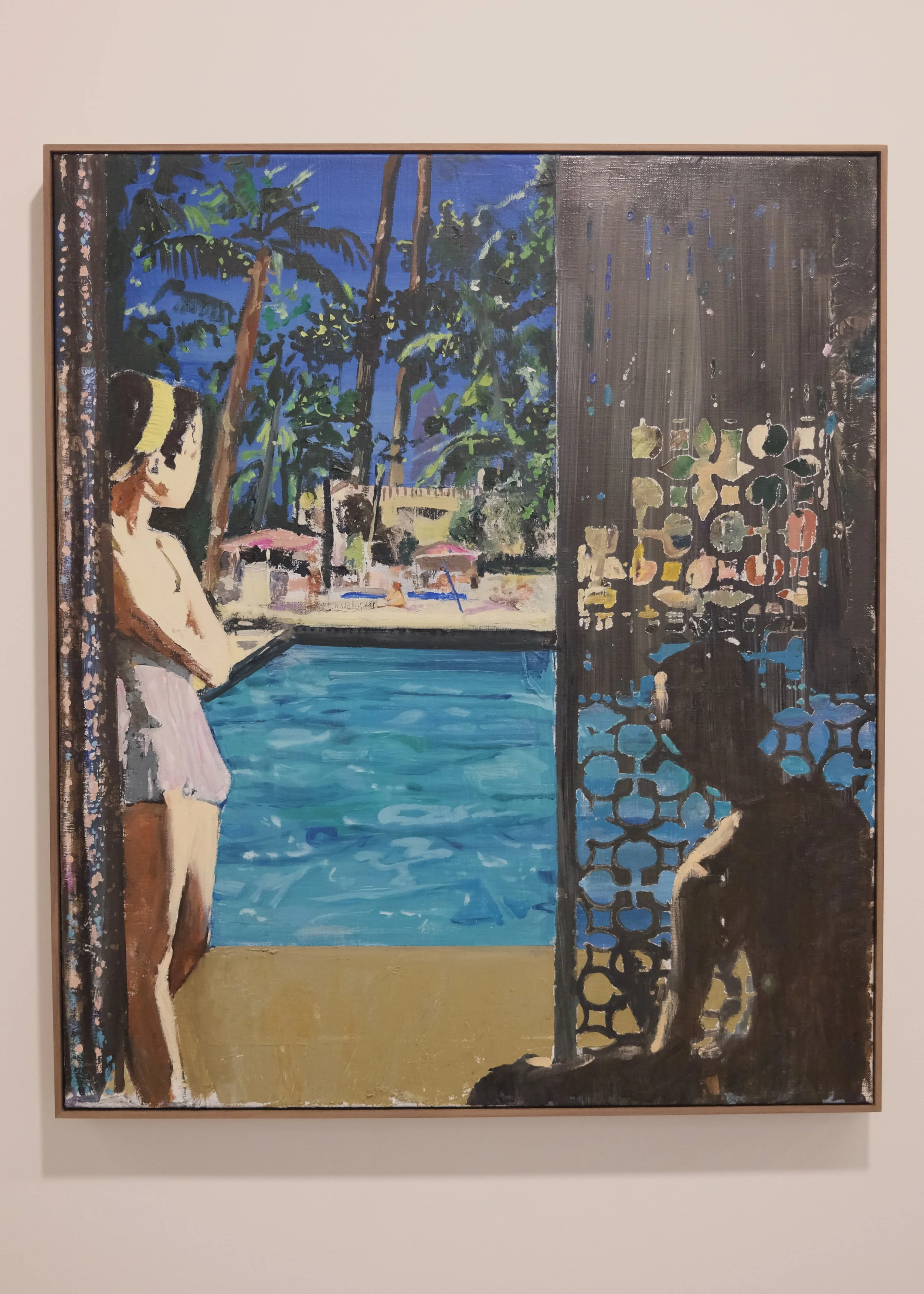
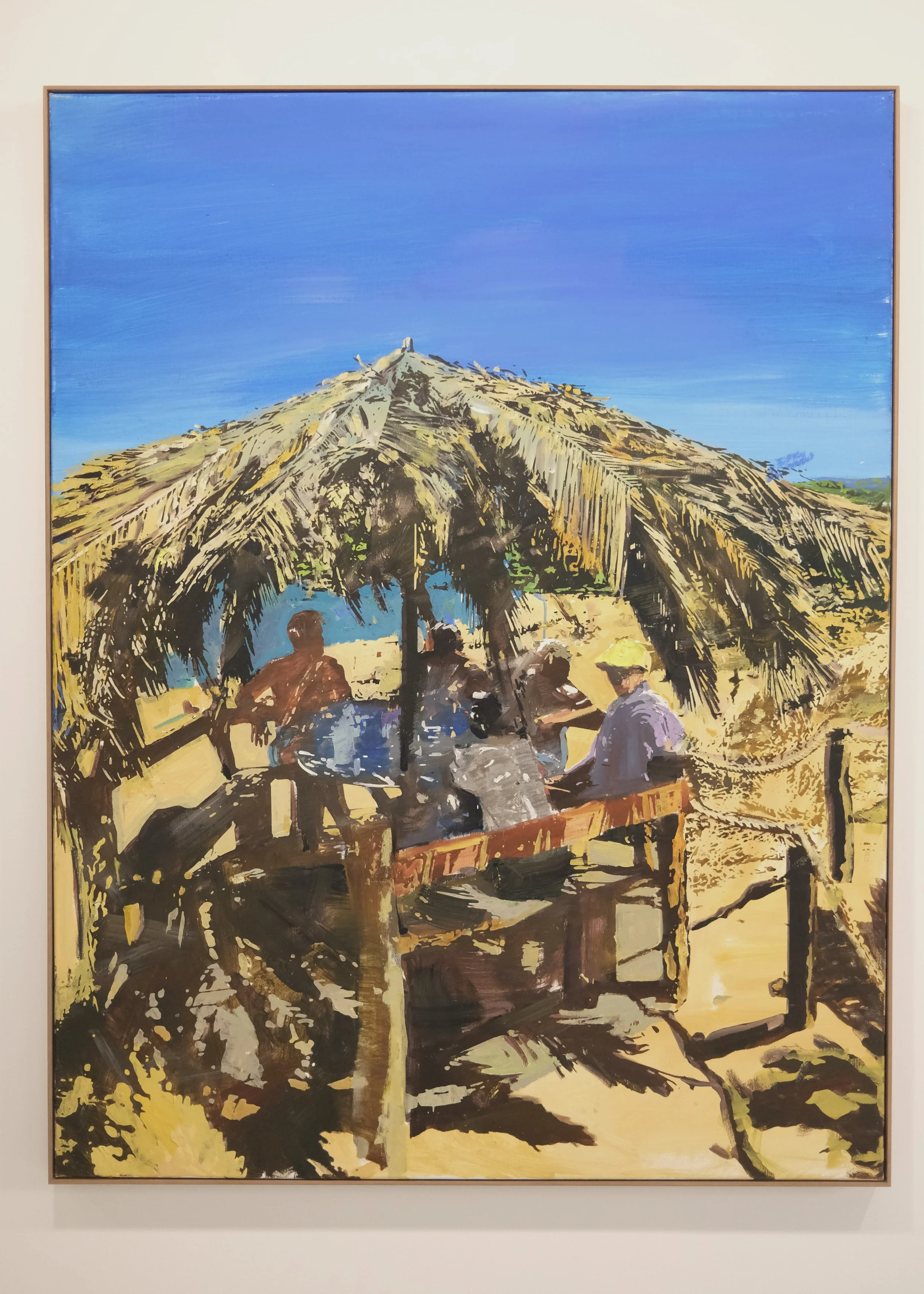
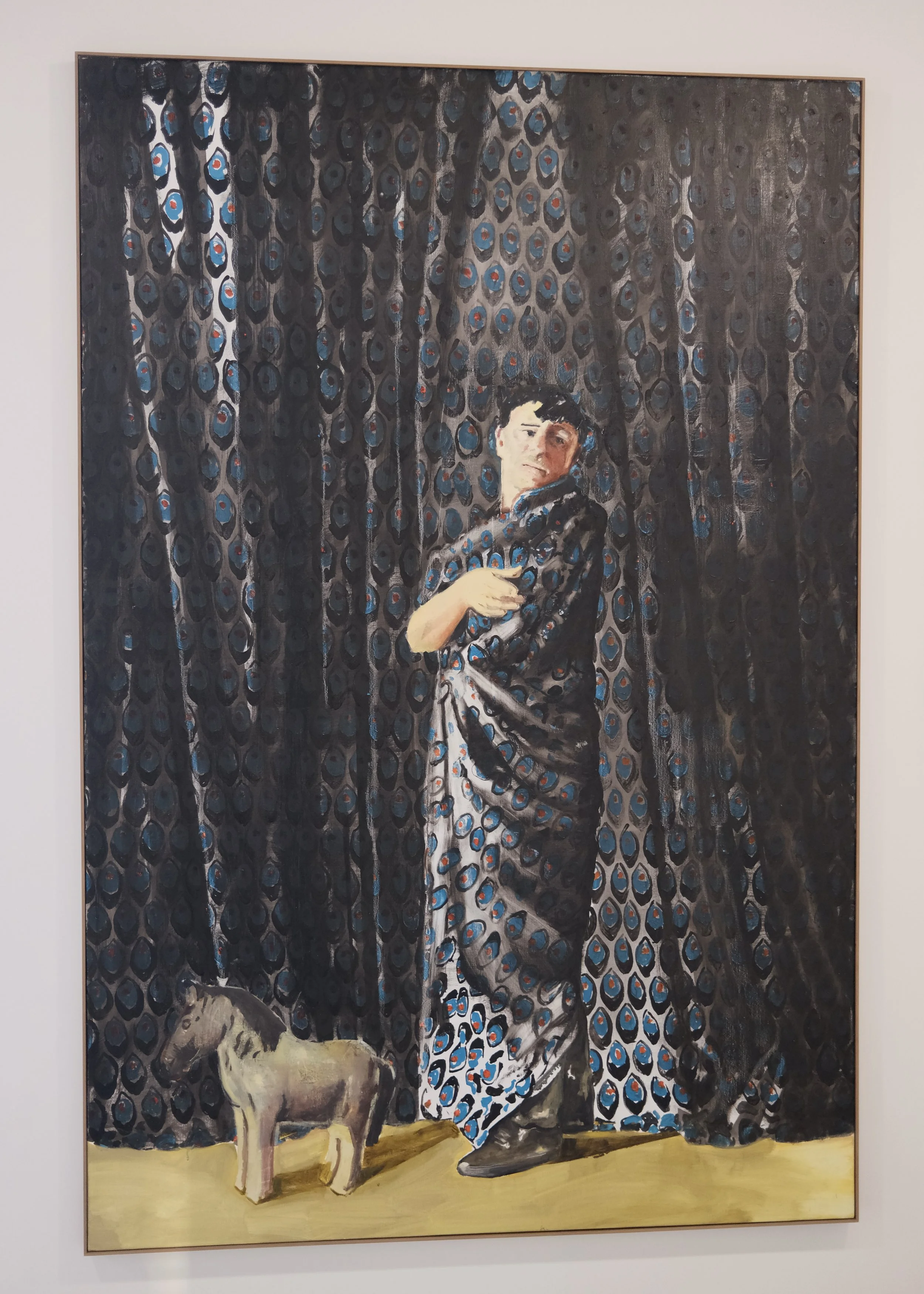
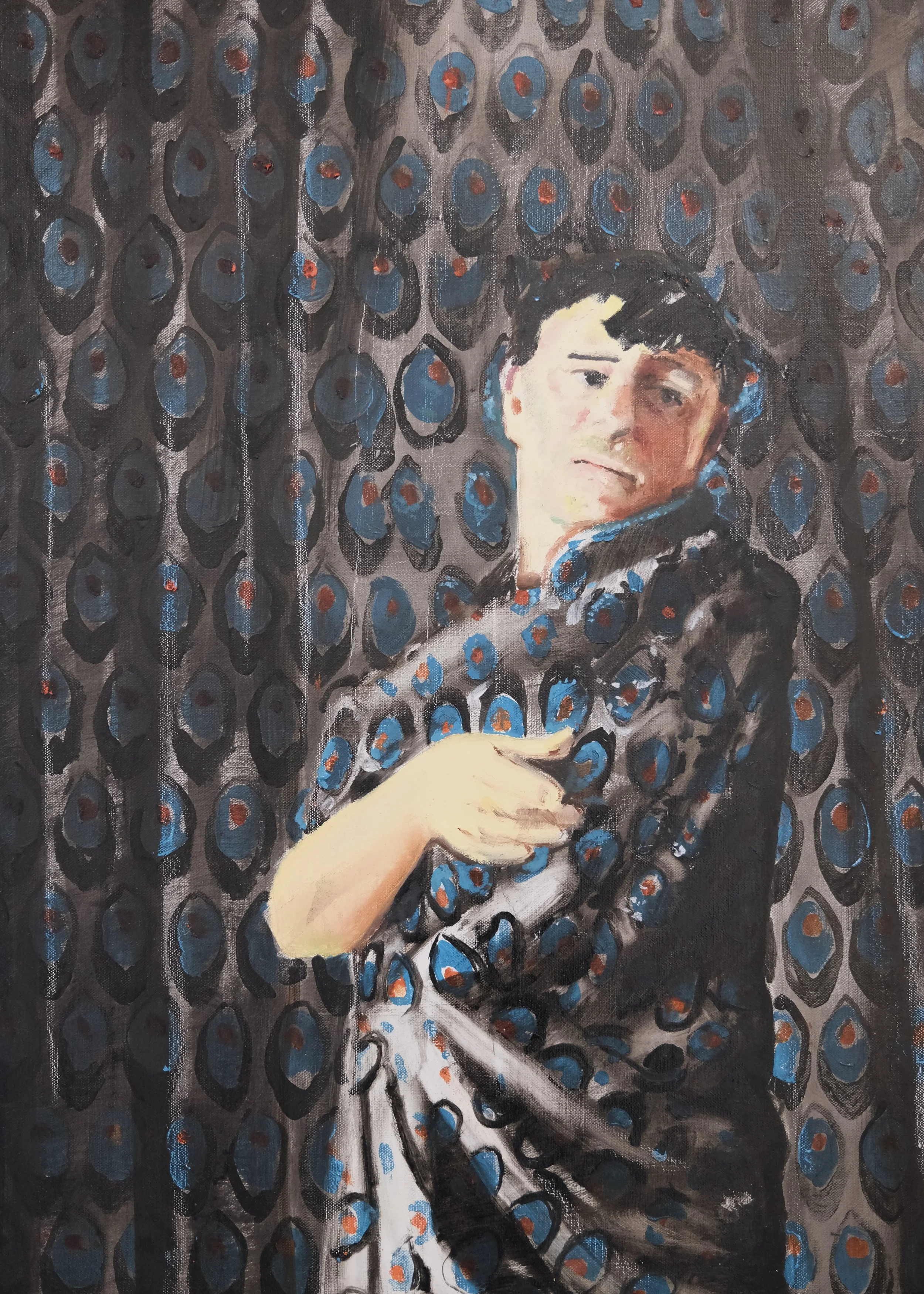
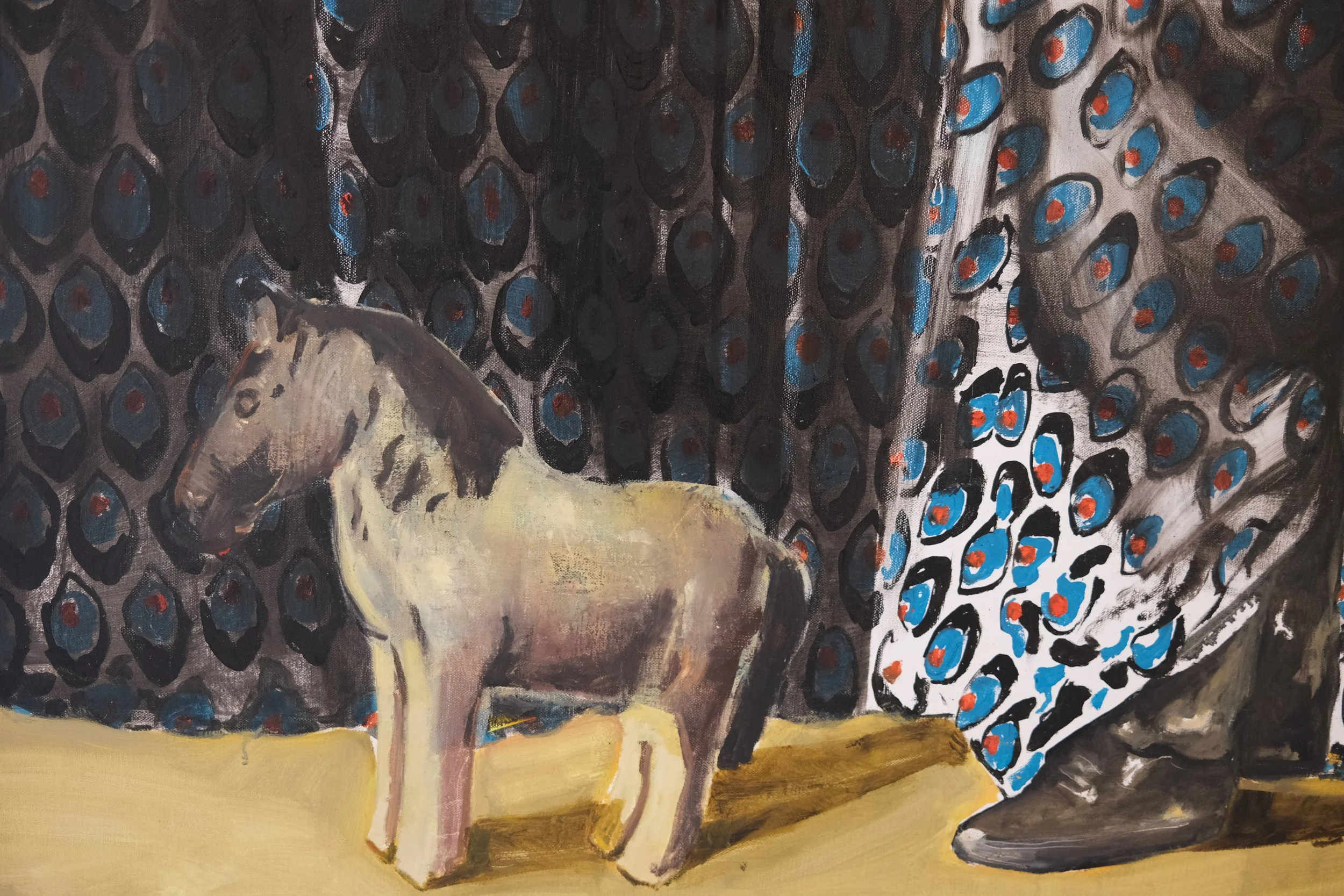
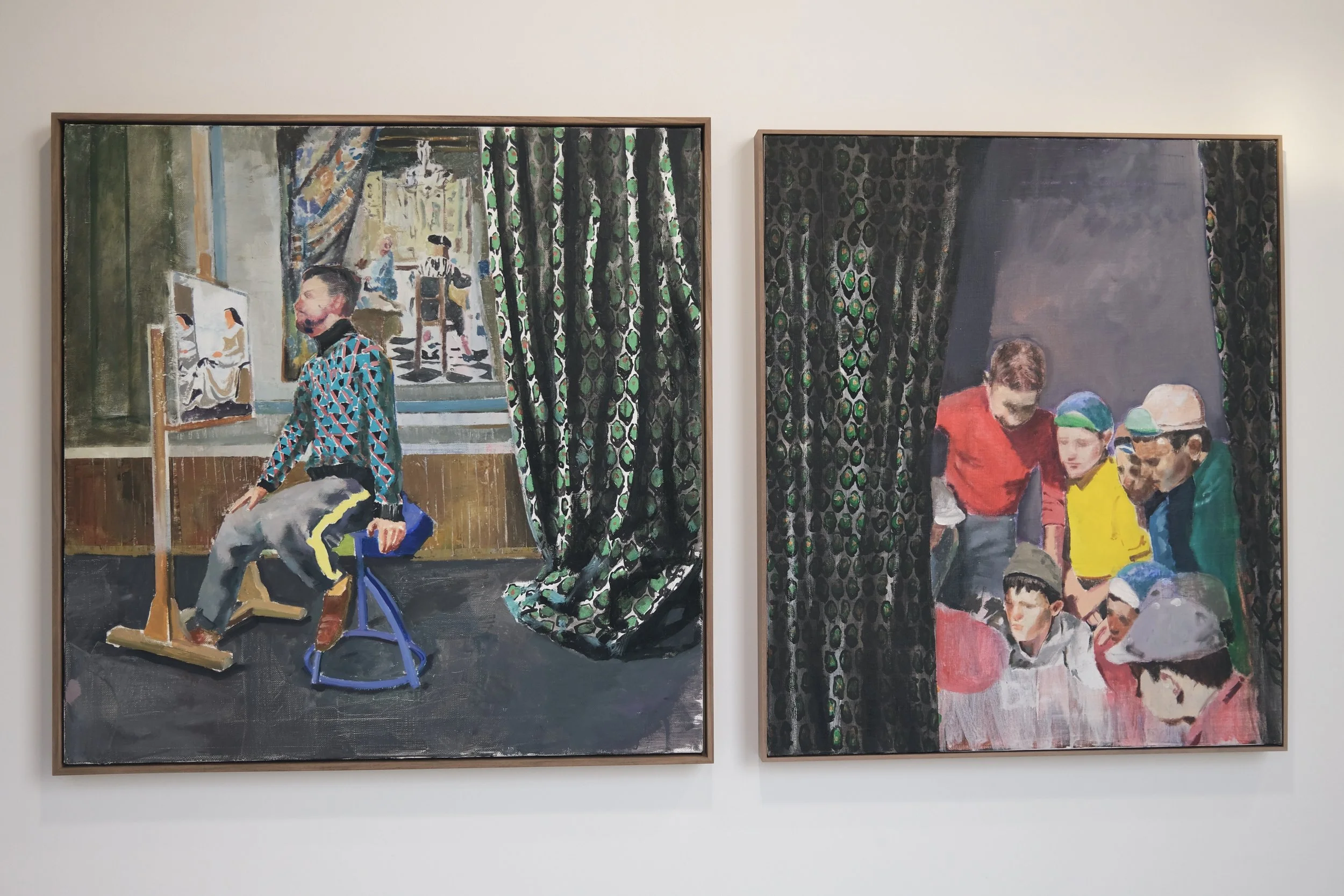
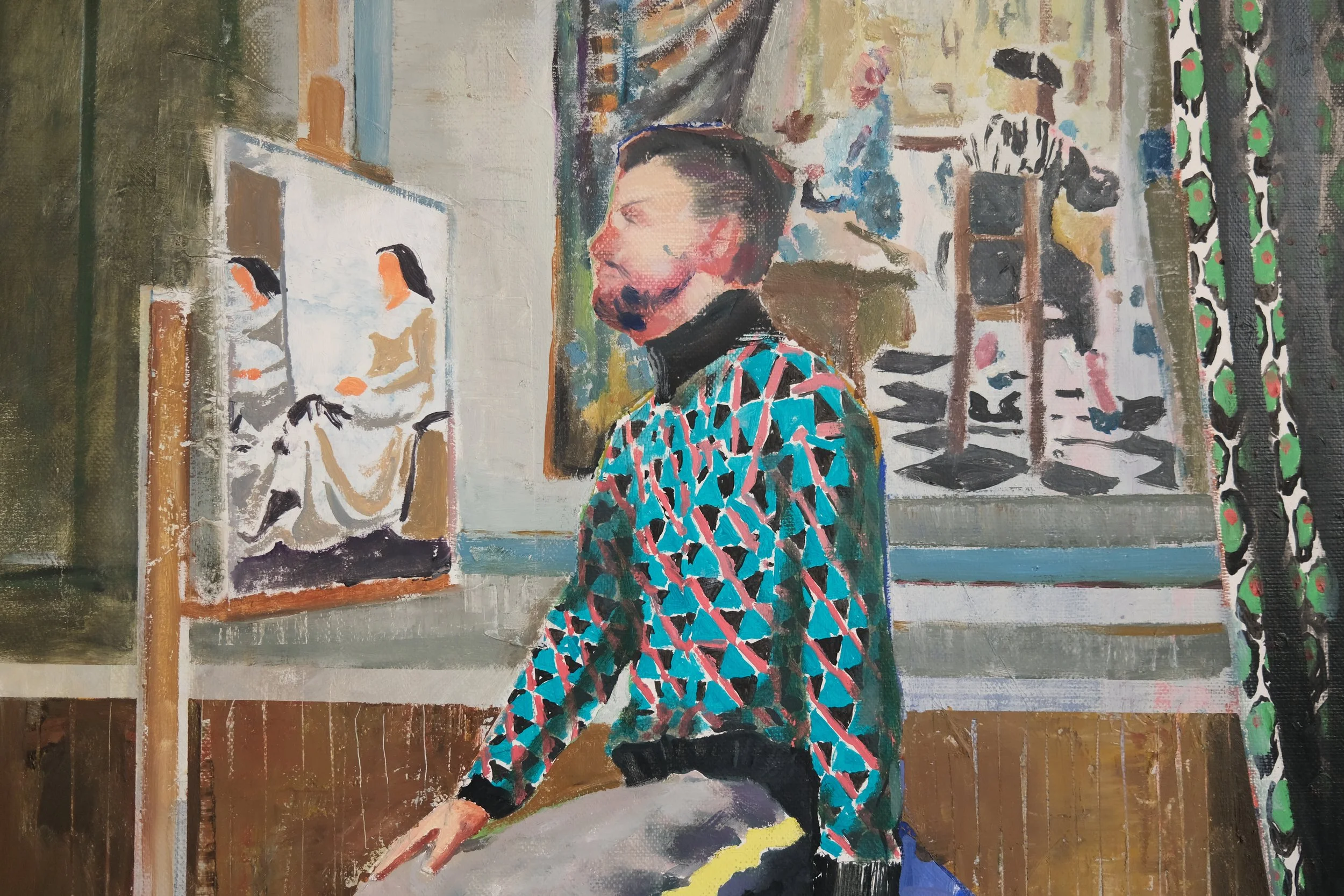
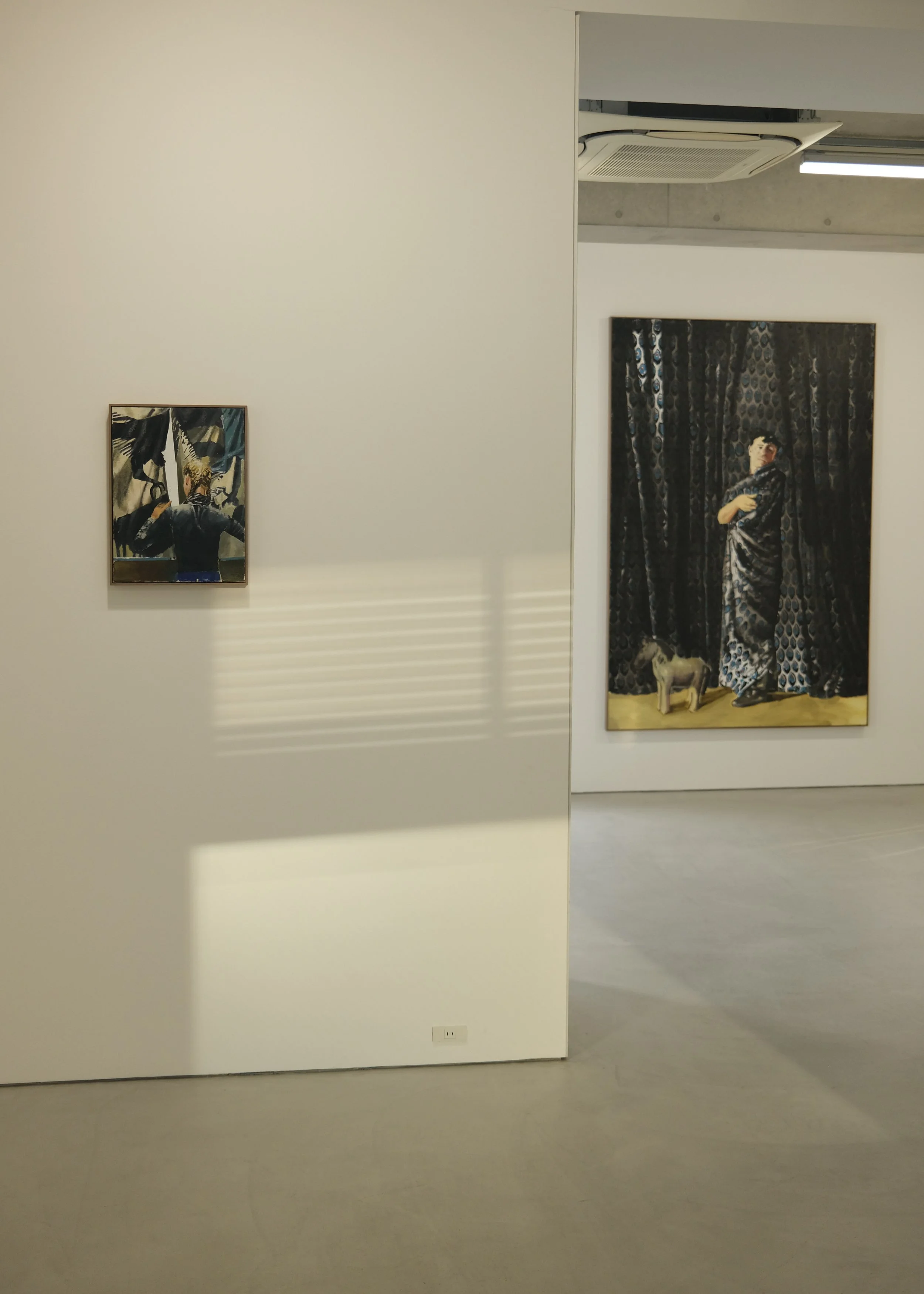
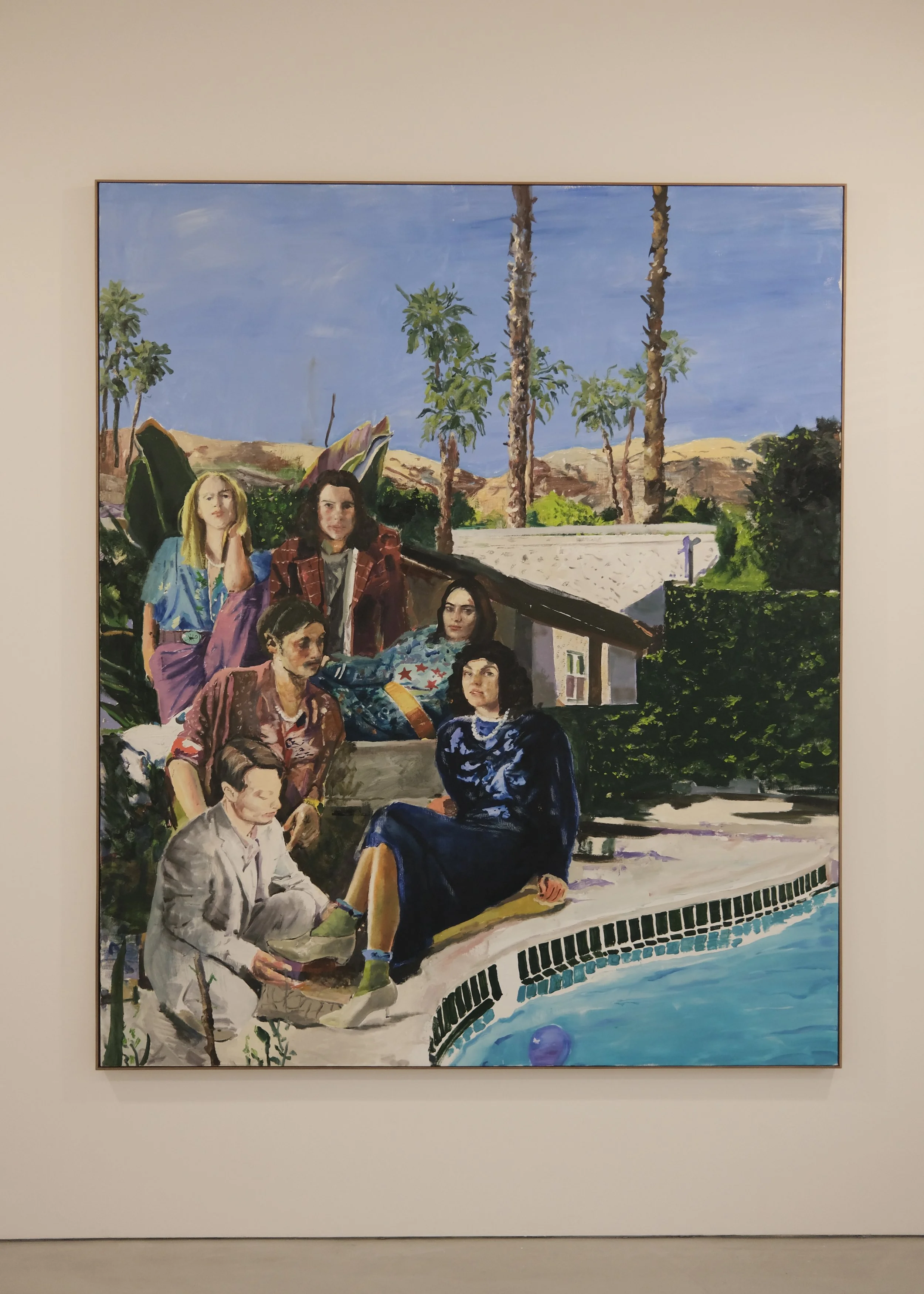
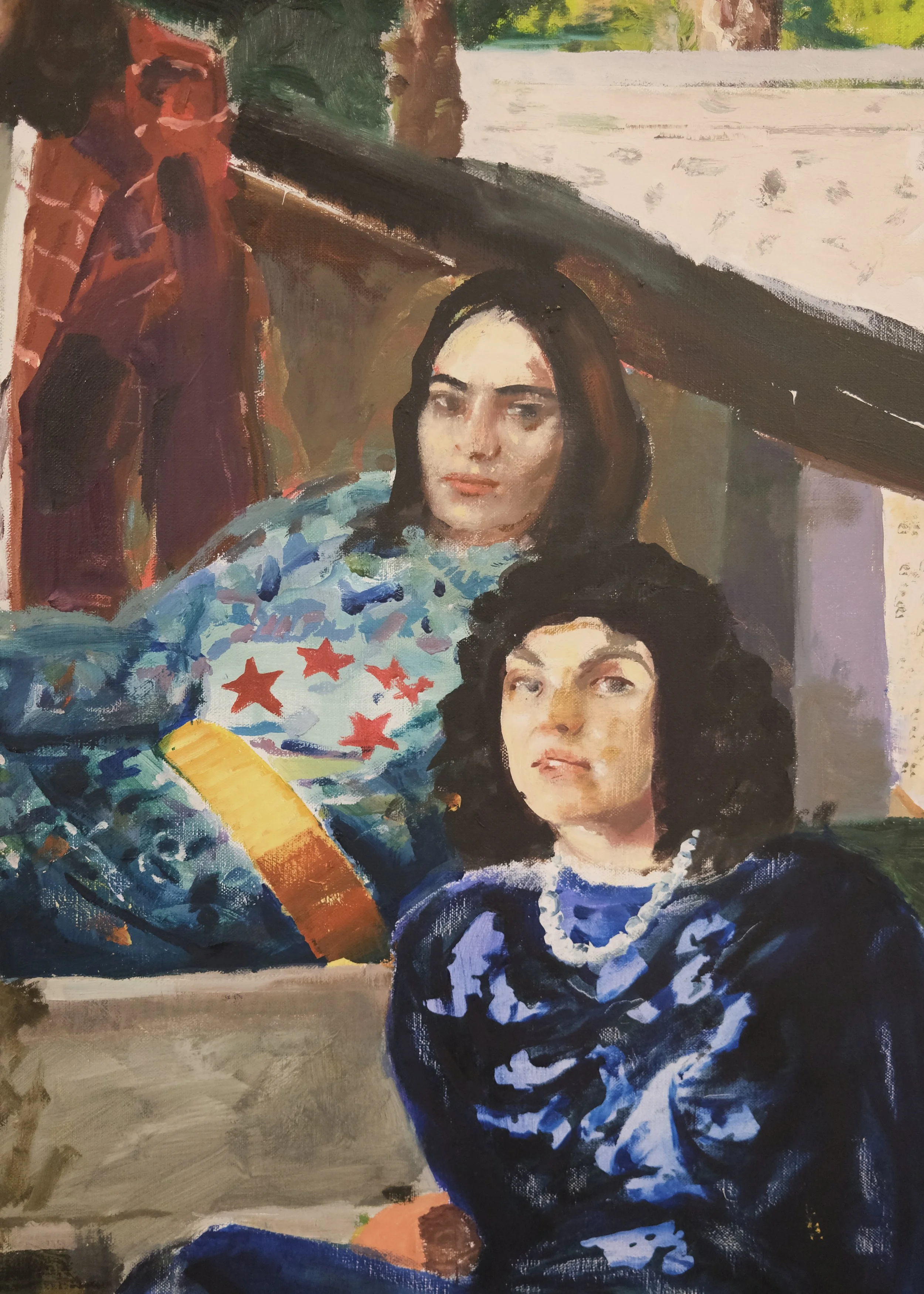
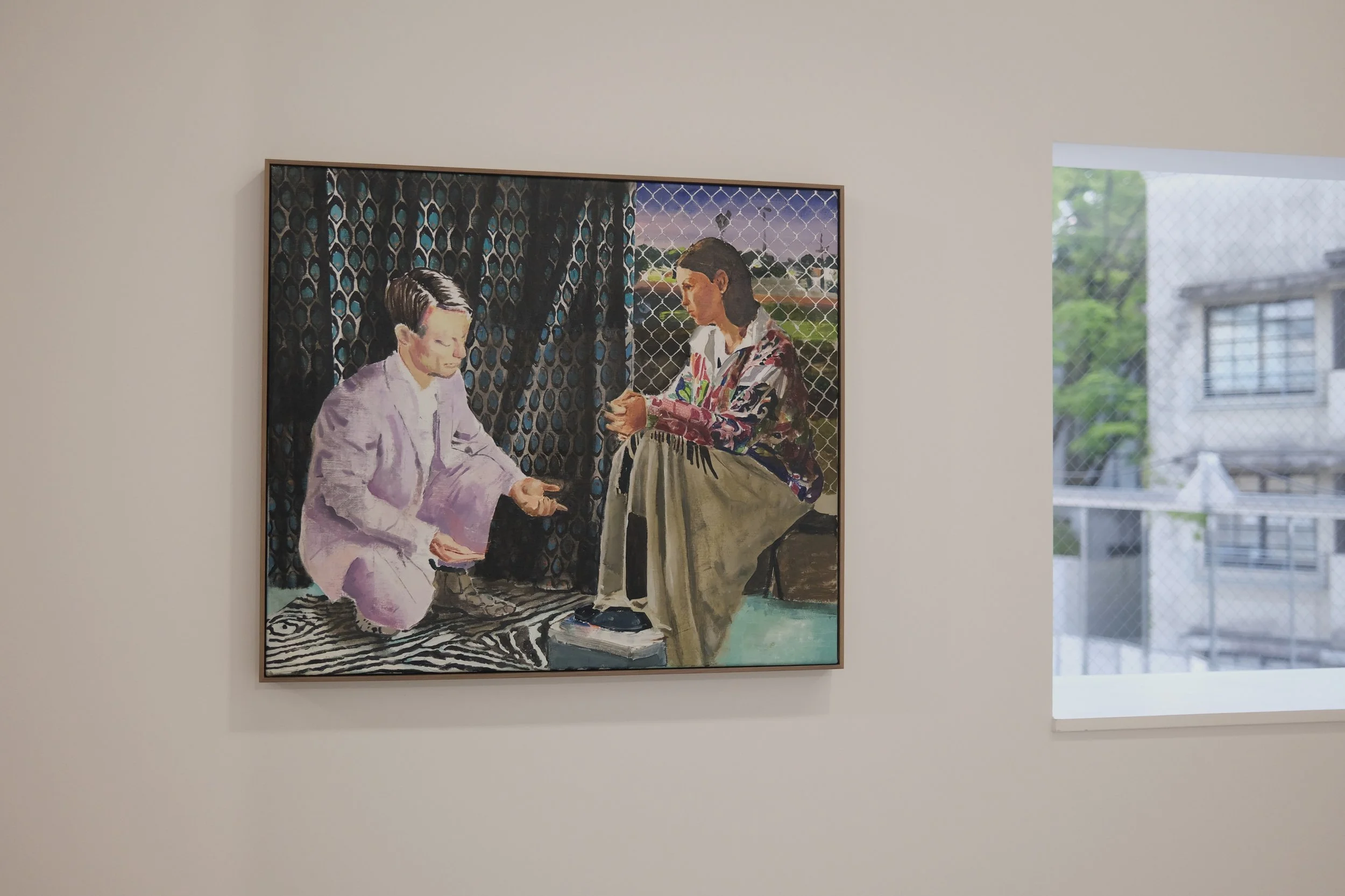

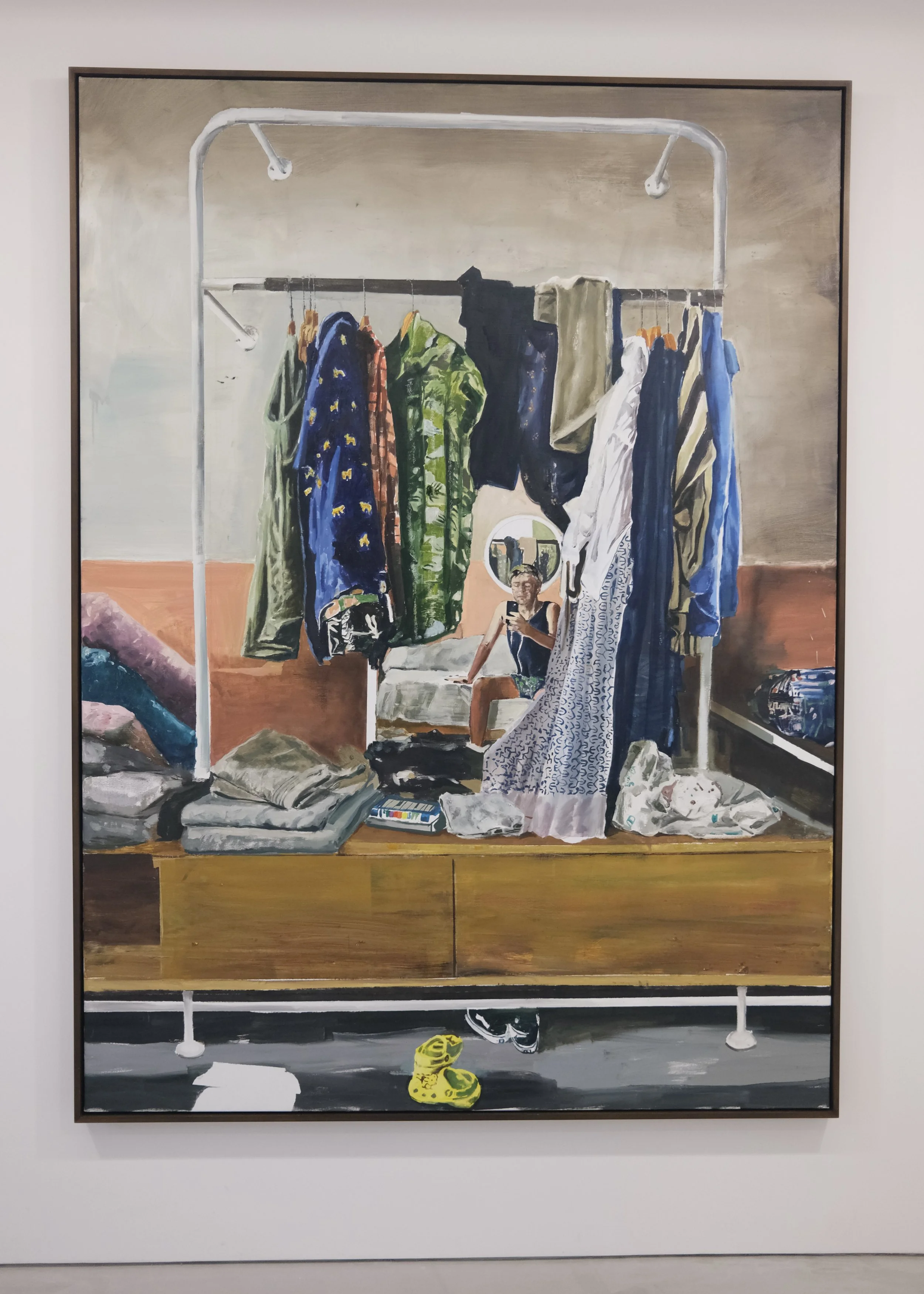
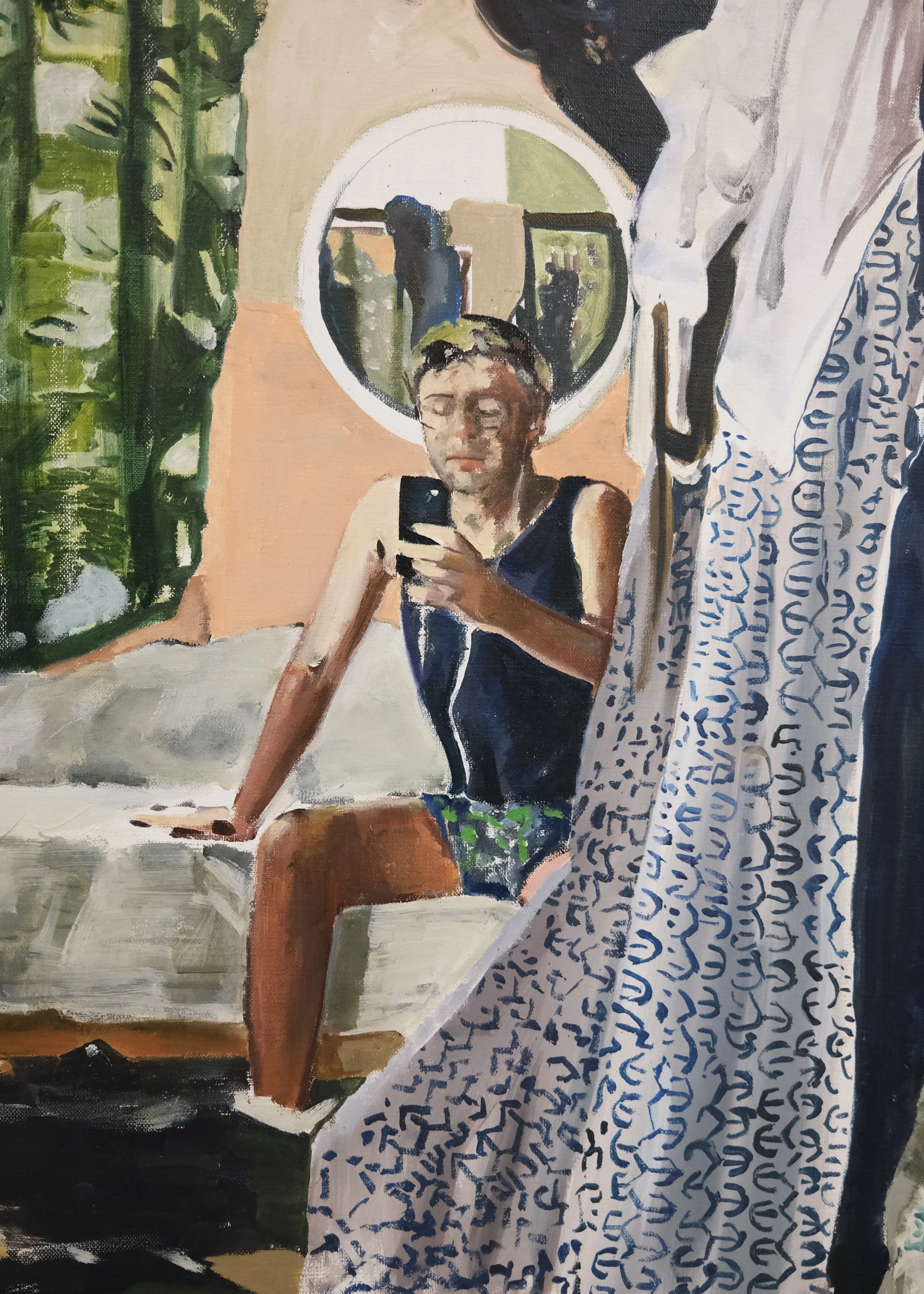
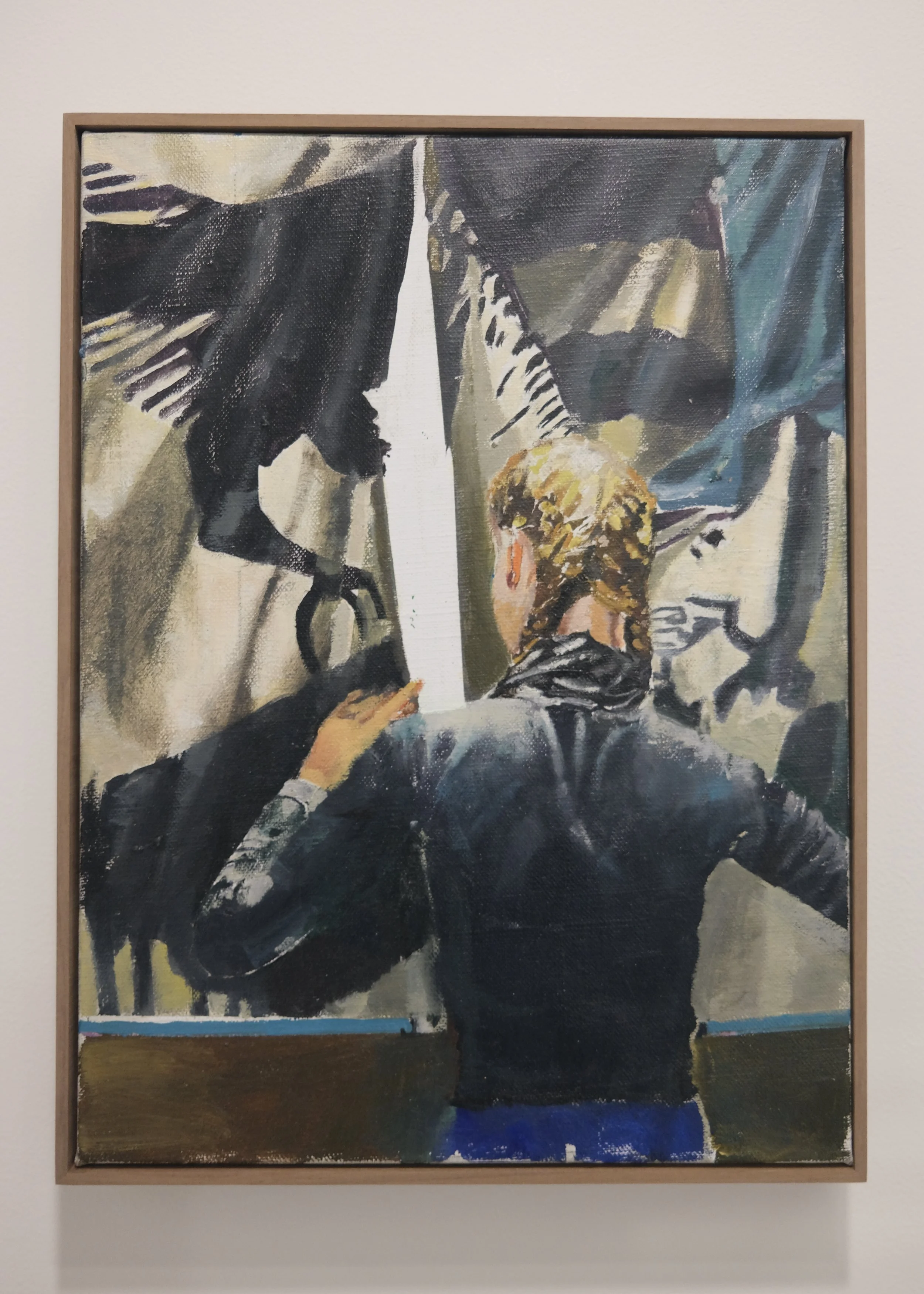
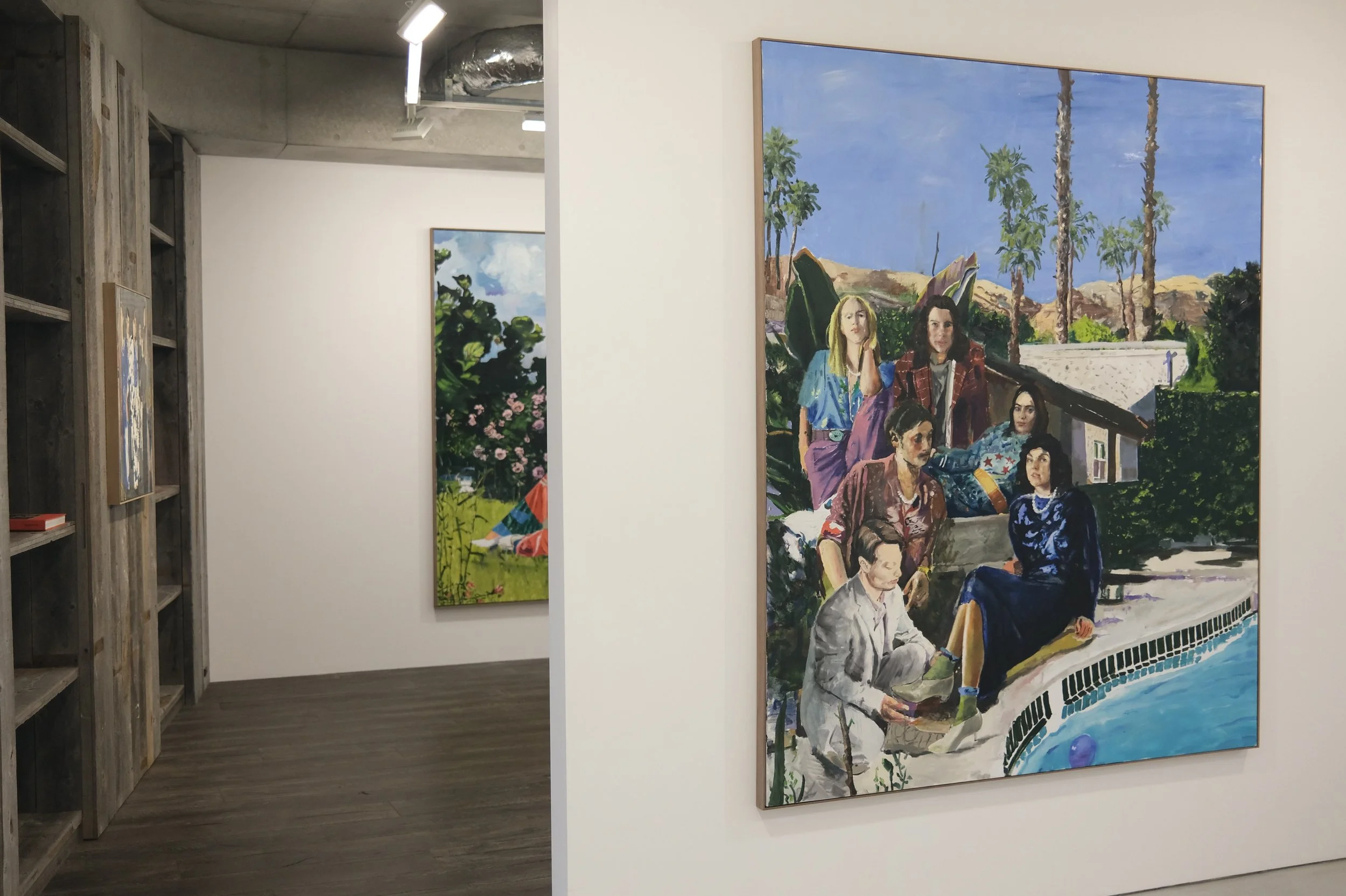
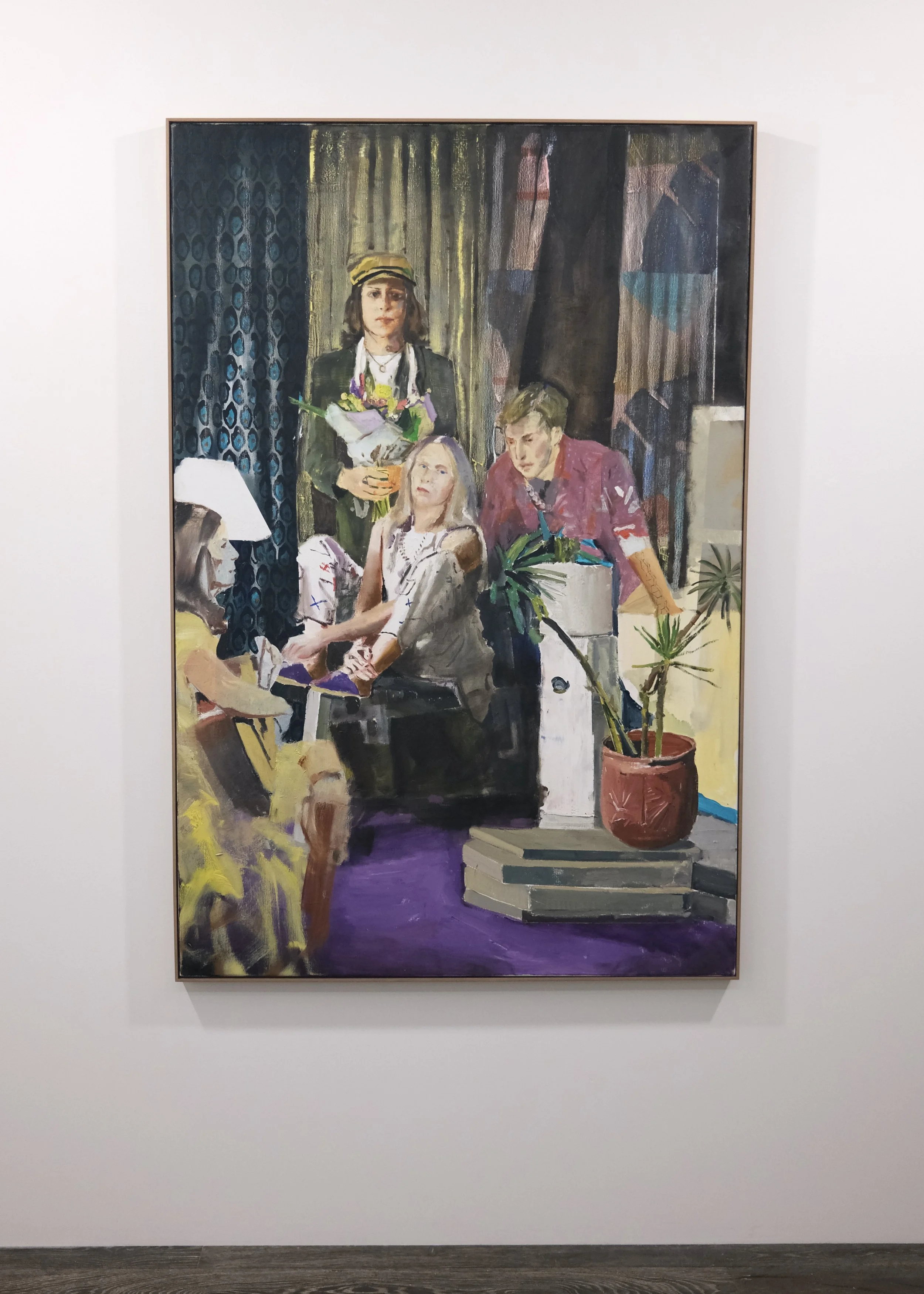
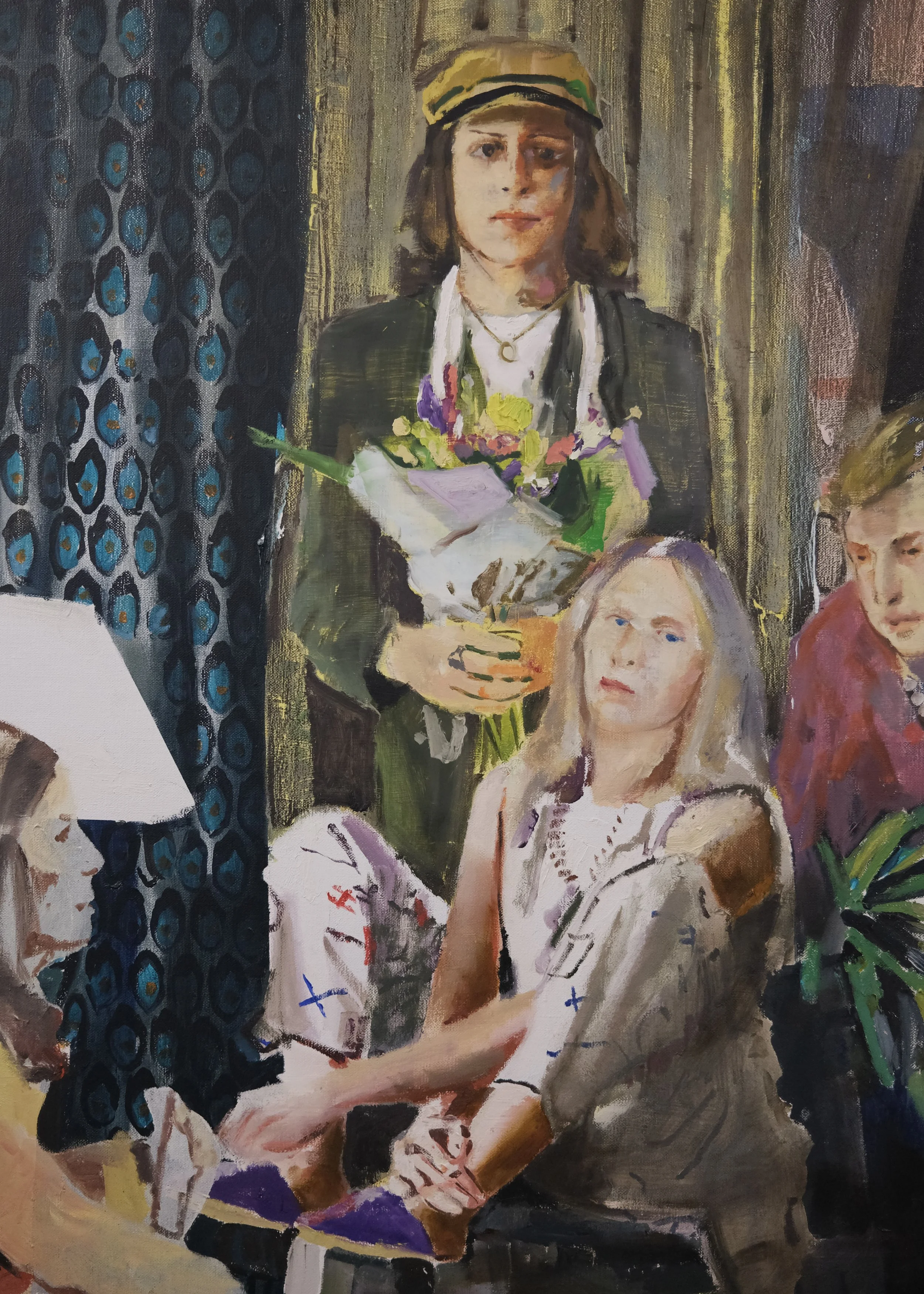
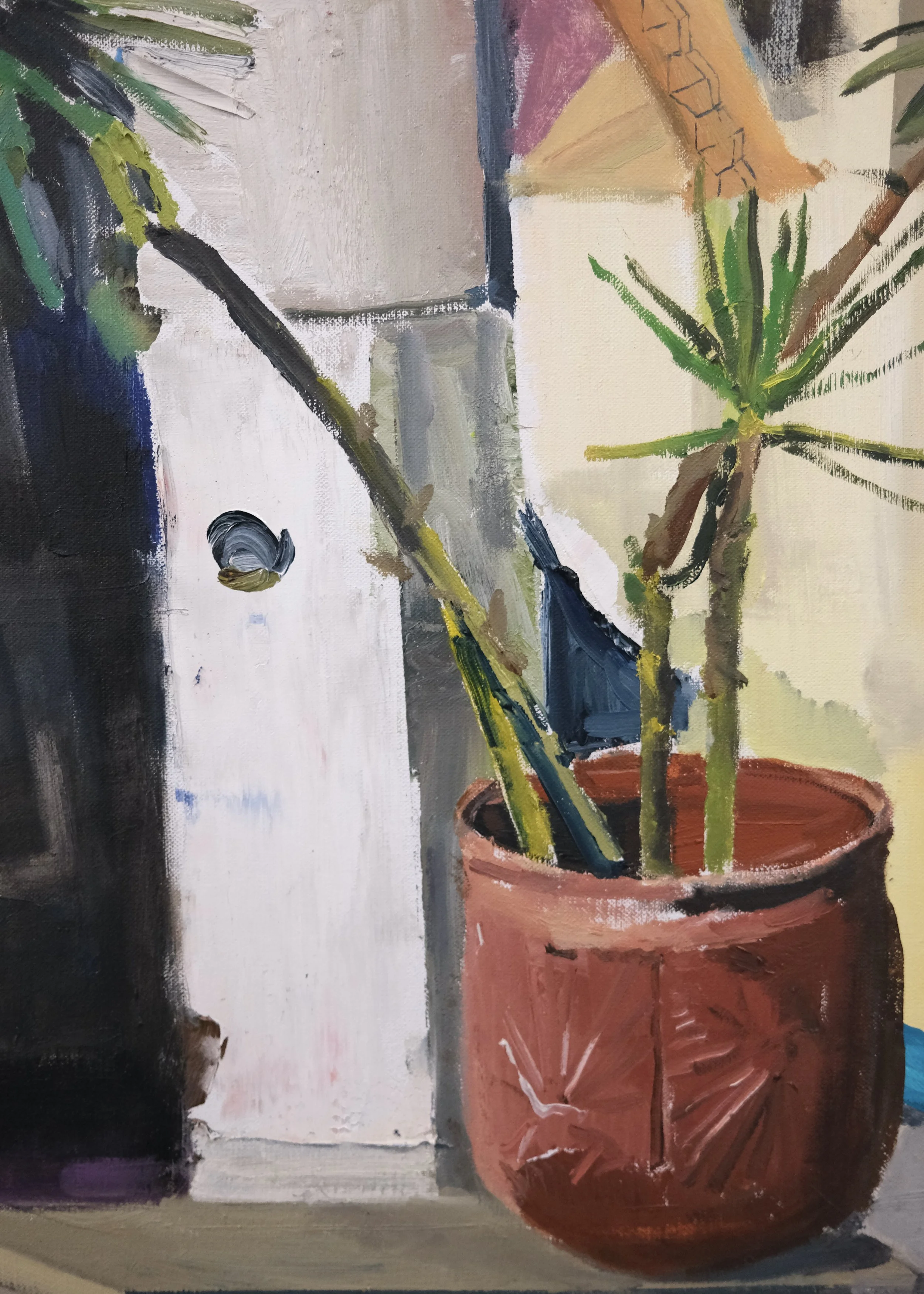
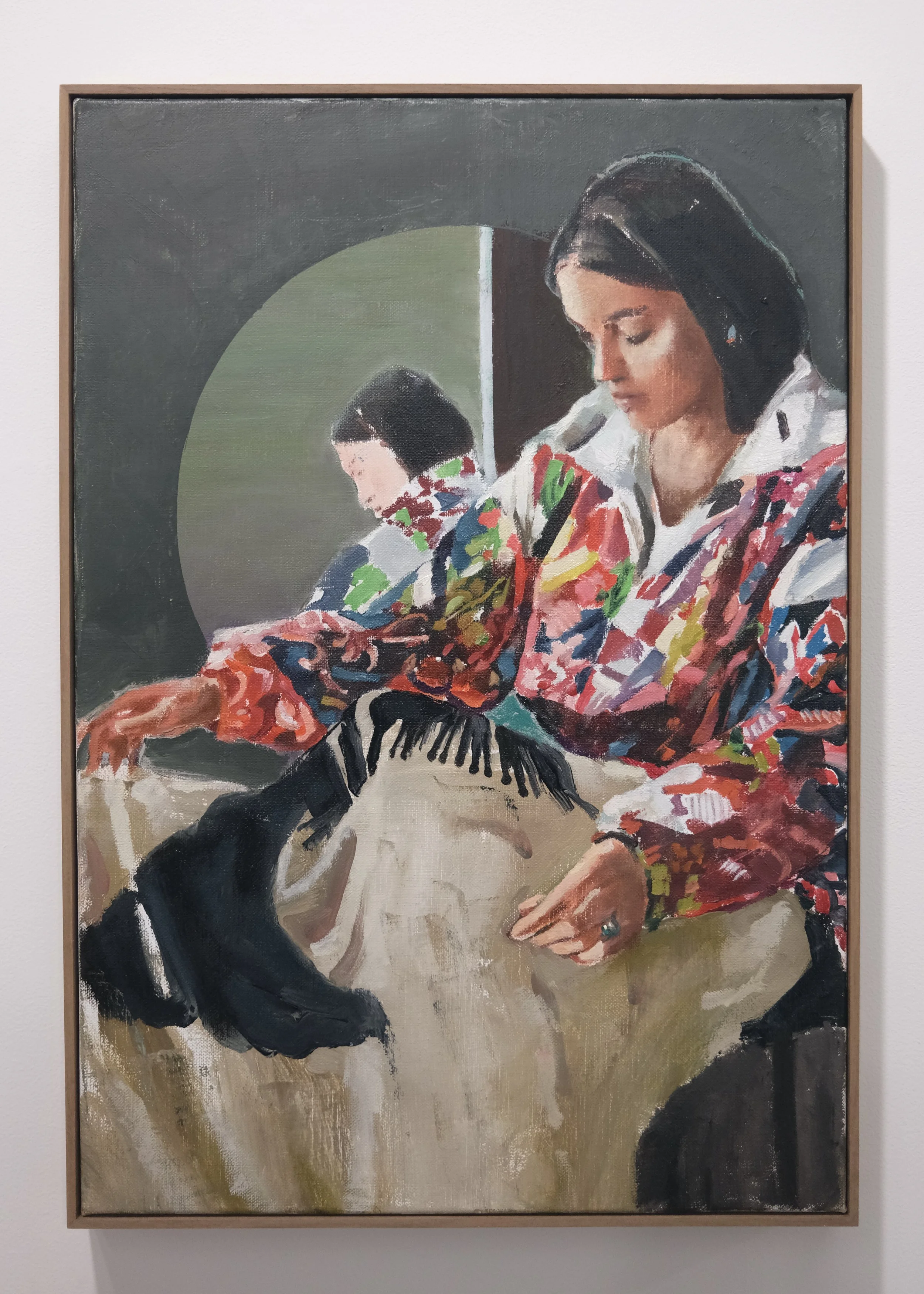
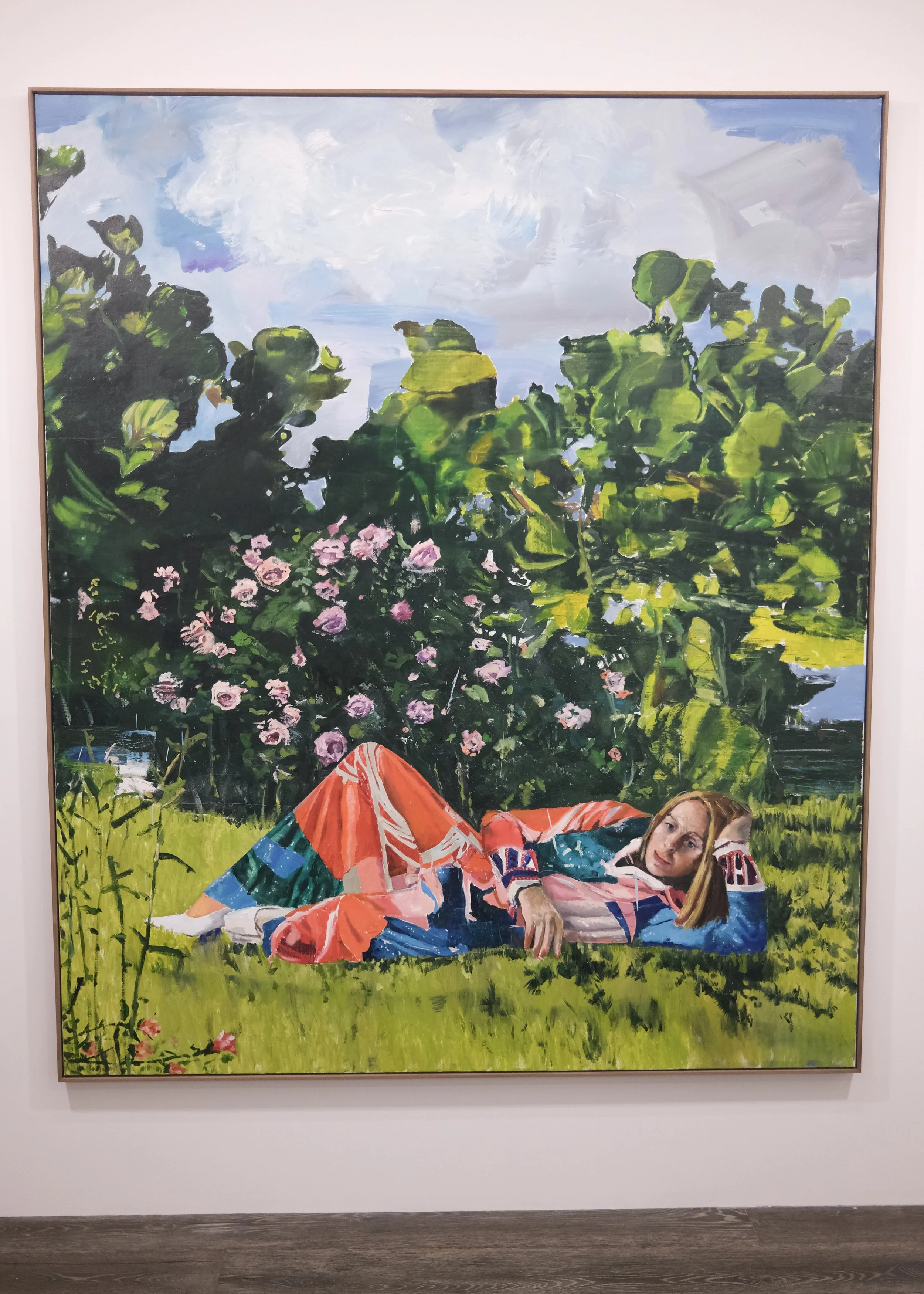
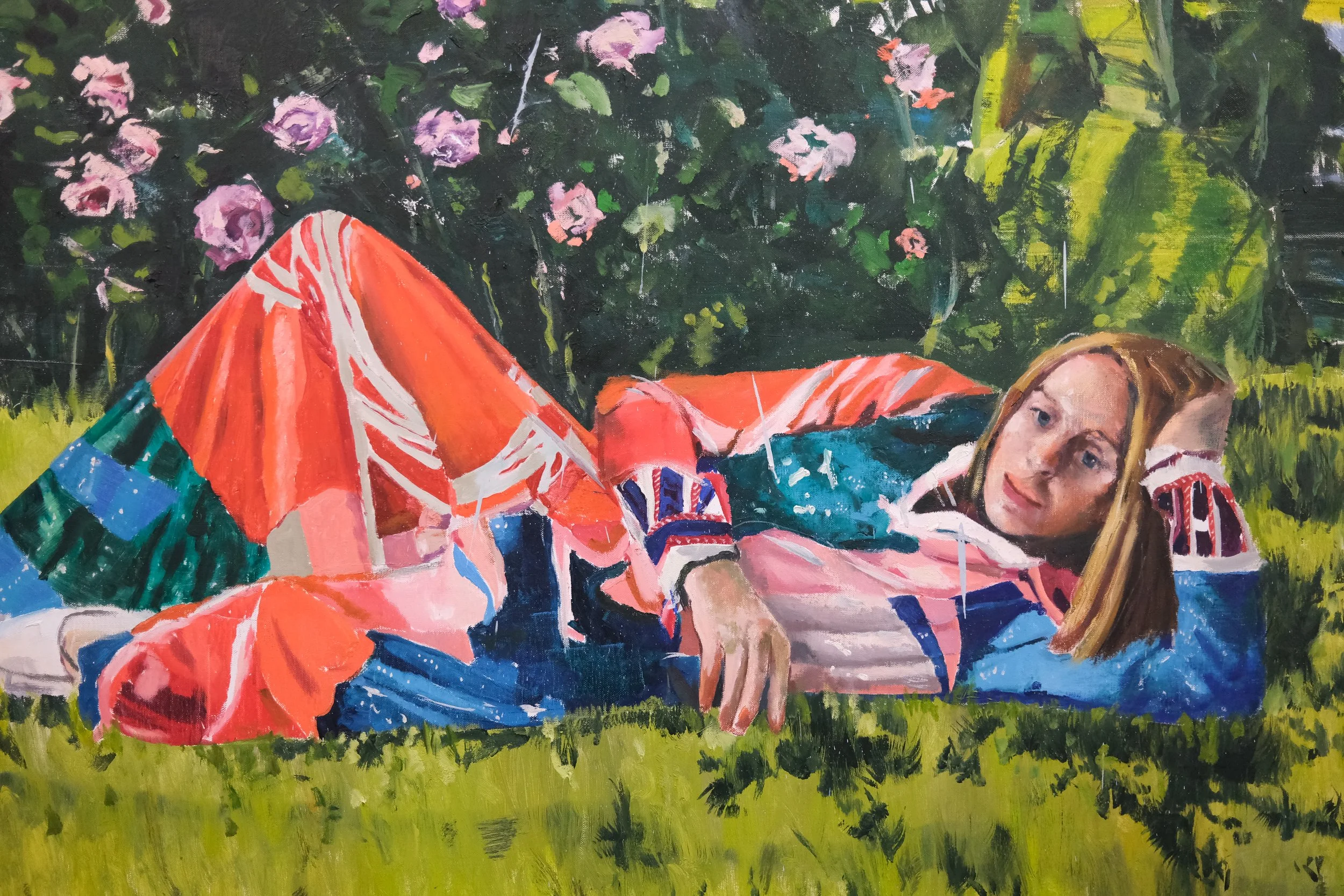
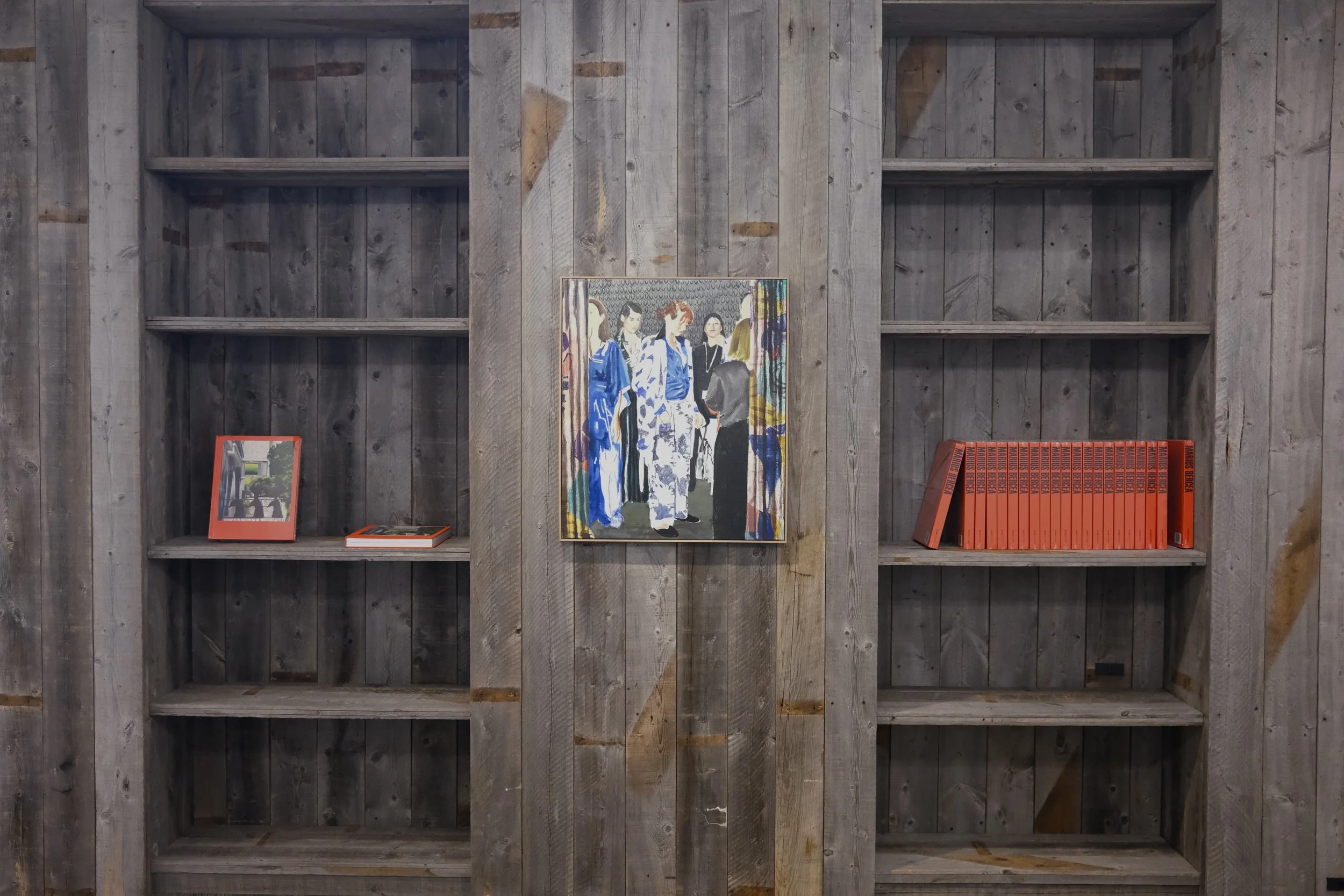
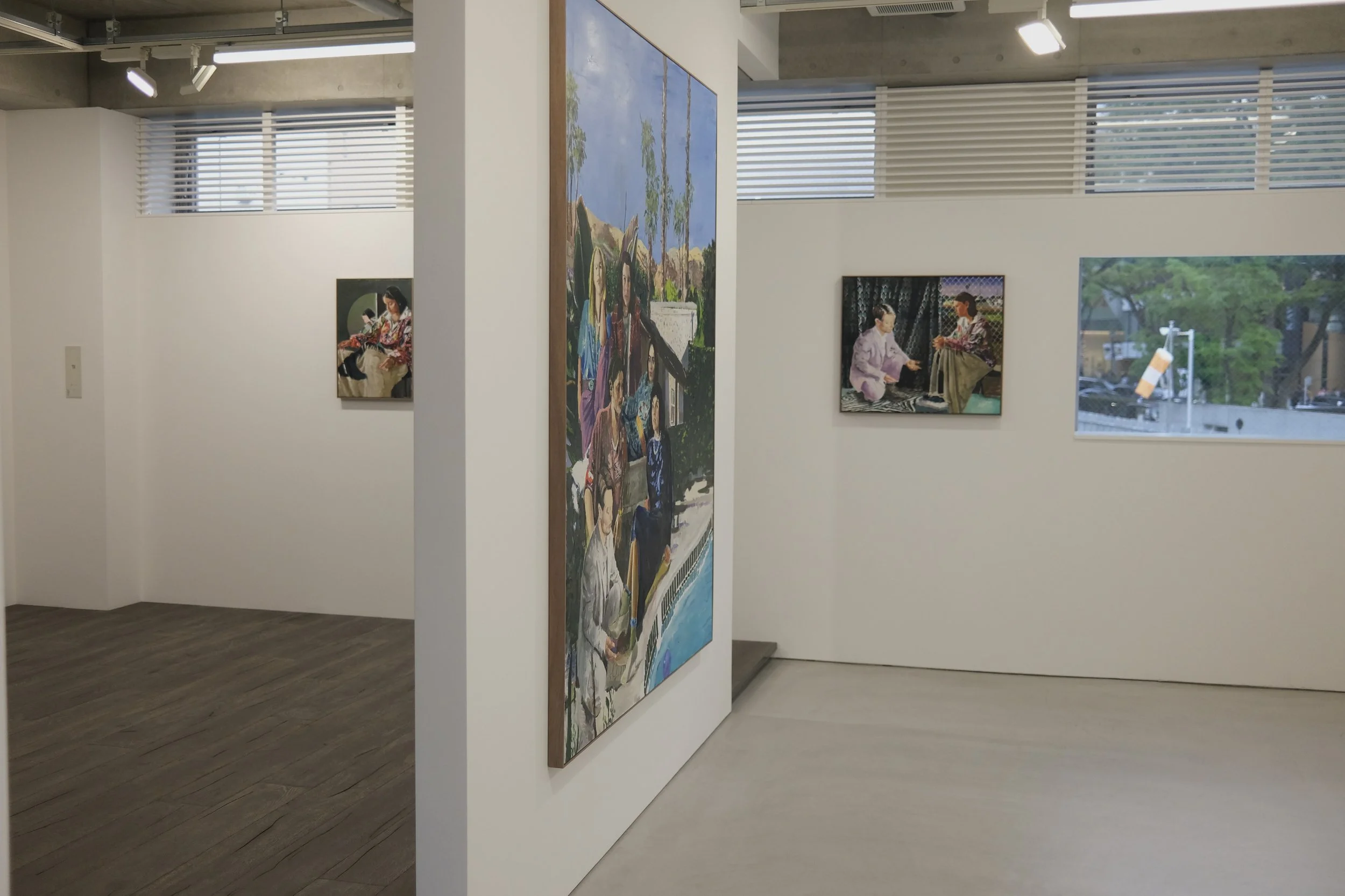
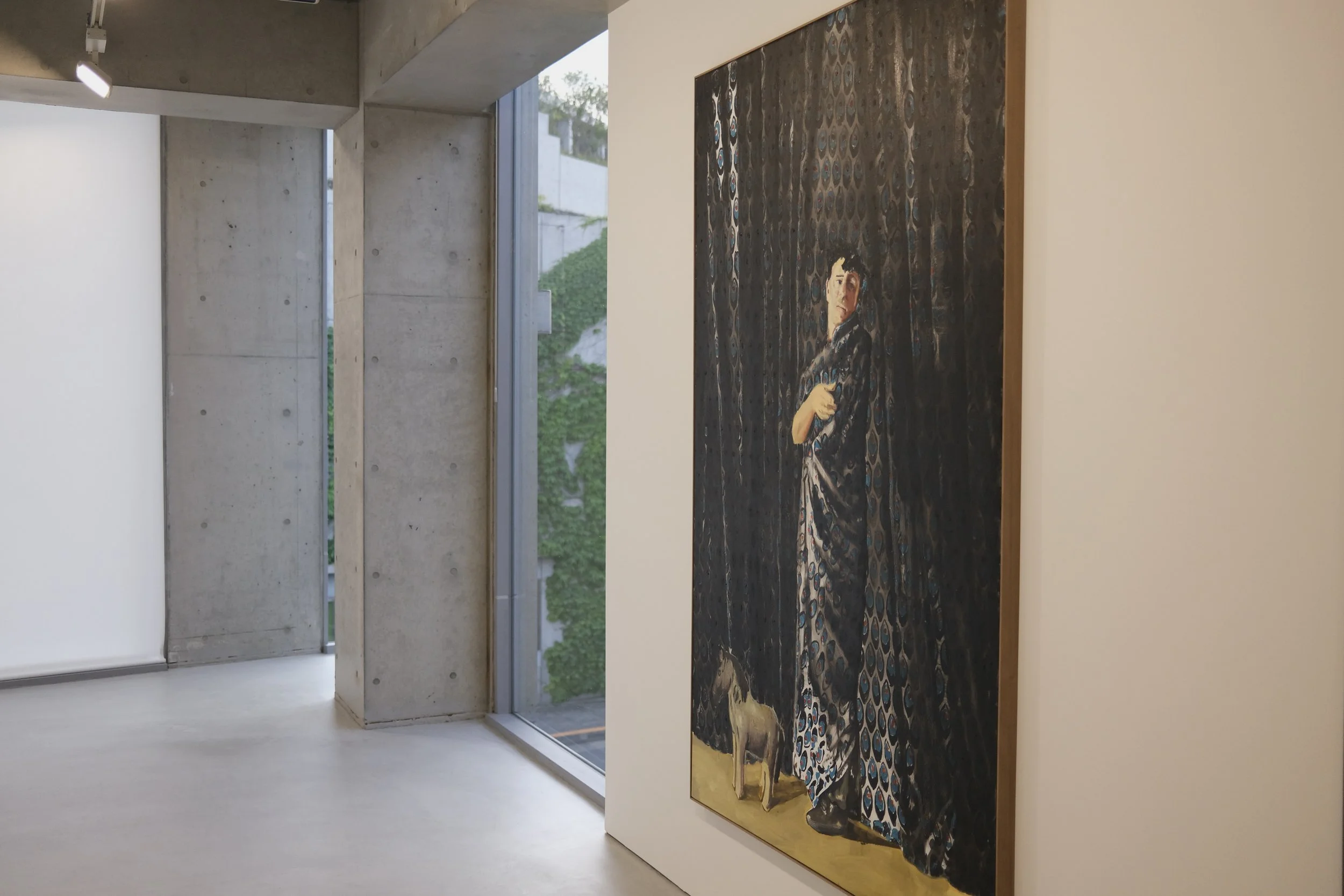


ZAAM ARIF Lost Time
APRIL 11 - MAY 17, 2025
Night Gallery, Los Angeles


Cy Twombly 24 Short Pieces
One can imagine the drawings »24 Short Pieces« as moments of a journey through a changing landscape of changing seasons. But at the same time they are the memory, the subjective recollection of what was seen. But finally they do not tell us how something could have been. In a deep space without degrees - the place of their origin - with flowing transitions between memory and projection, between the intellect and sureness of the hand, they assume their own reality. No metaphysics and axiomatics lead us behind the unrecognizable space of this physiognomy, because its written words have disappeared. The lightness, the transparent materiality is only an apollonic image of reflection, no more than an echo.
Heiner Bastian
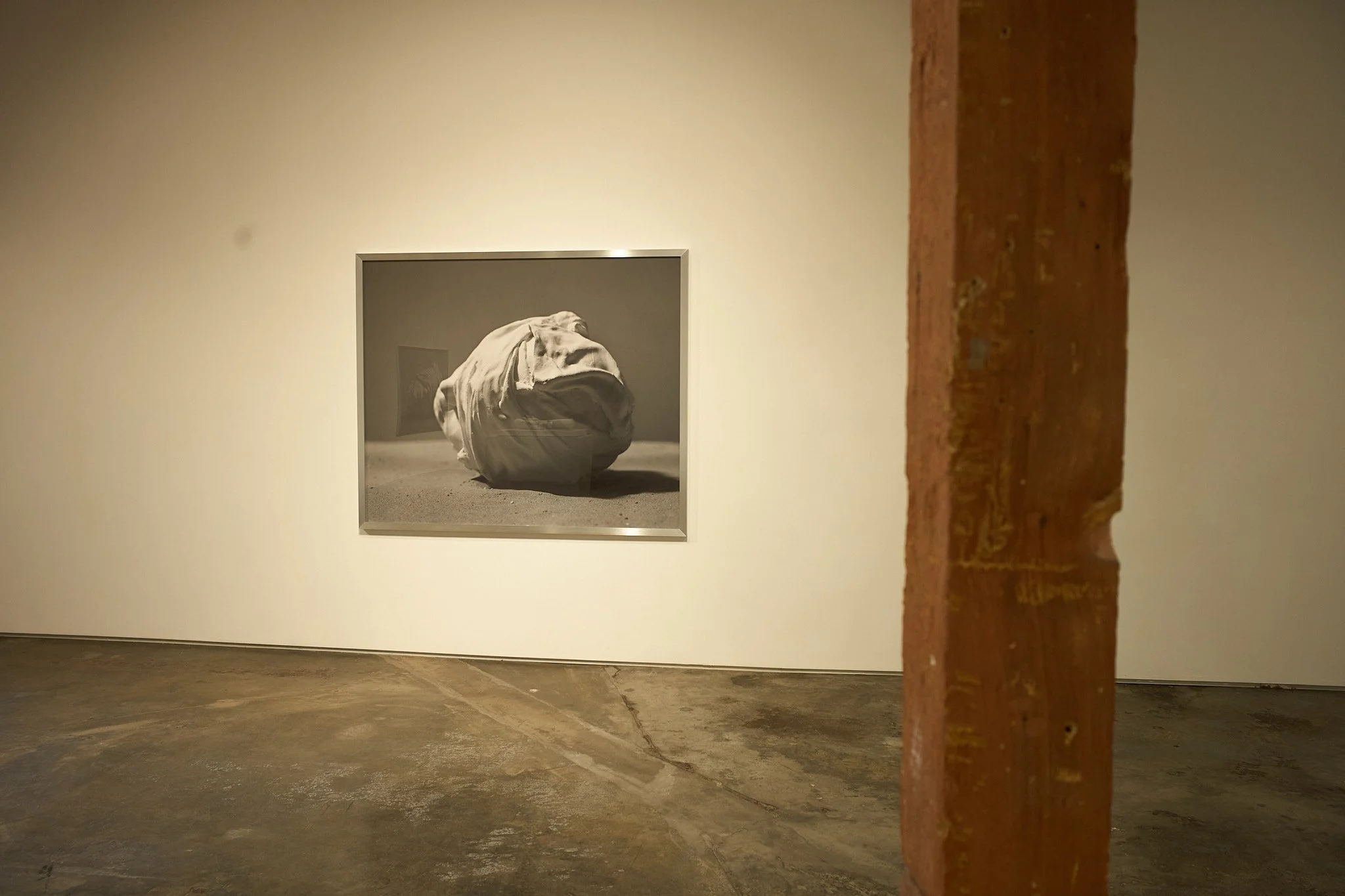
REZA ARAMESH Fragment of the Self




The Songlines, Bruce Chatwin
The Songlines struck me, on first reading it, almost as a sacred text around which I could arrange my life and meaning. A decade later, I wrote in a notebook three days' walk east of Herat: "Most of human history was conducted through contacts, made at walking pace ... the pilgrimages to Compostela in Spain ... to the source of the Ganges, and wandering dervishes, sadhus, and friars, who approached God on foot. The Buddha meditated by walking, and Wordsworth composed sonnets while striding beside the Lakes. Bruce Chatwin concluded from all these things that we would think and live better, and be closer to our purpose as humans, if we moved continually on foot across the surface of the earth."
The Songlines, Bruce Chatwin, Introduction, by Rory Stewart
The Songlines, Bruce Chatwin
The "Notebooks" which form the third section of the book consist of more than a hundred vignettes, quotes, and episodes-each between seventy and seven hundred words long-reflecting seventeen years of thinking and writing. Scraps of academic research, lines of poetry, epiphanies on desert tracks, fragments of ancient lore; references to Muslim pilgrims, Indian monks, Lapland legends, modern Florida, Elizabethan plays; reflections on Stone-Age humans, nomadic tribes, and ancient myths, are combined to suggest that humans are forged and defined by two things—"the beast in the dark" and "the nomadic instinct." These themes, Chatwin argues, were present in the earliest hominids; they underlie many of the tensions in modern society; they echo through our religion, our dreams, and our literature. They are part of our origin, our life, and our purpose, Early hominids were not violent cannibals. Instead, they were themselves the prey of a great leopard like cat, Dinofelis, at the mouth of whose caves they were forced to camp. Fire, weapons, and even song evolved to keep the beast at bay. The primal terrors of this predator were hardwired into our consciousness.And when the cat was no longer a threat we invented substitutes, such as the devil and nuclear extinction, to meet our need for such an enemy.
Second, Chatwin argues, hominids were made by walking, and made to be in movement. It was our ability to walk upright that allowed us to hunt, and survive—when other apes couldn't—on the flat savannah, and ultimately to cover the world. Our brains evolved to fit our stride. Homo sapiens is Homo ambulans. Babies are happiest when being carried by a walking adult. Our minds, our souls, our bodies work most efficiently, most profoundly, most happily, when moving and, in particular, walking. Modern civilization imprisons us in offices, and treats tramps, Gypsies, mystics, and nomads as misfits. But in fact these wanderers are in tune with an ancient and more natural form of human life. It is homes and cities and sedentary jobs that are unnatural. To find yourself, you must travel.
The Songlines, Bruce Chatwin, Introduction, by Rory Stewart
The Songlines, Bruce Chatwin
ARKADY ORDERED a couple of cappuccinos in the coffee-shop. We took them to a table by the window and he began to talk. I was dazzled by the speed of his mind, although at times I felt he sounded like a man on a public platform, and that much of what he said had been said before. The Aboriginals had an earthbound philosophy. The earth gave life to a man; gave him his food, language and intelligence; and the earth took him back when he died. A man's 'own country', even an empty stretch of spinifex, was itself a sacred ikon that must remain unscarred. 'Unscarred, you mean, by roads or mines or railways?' 'To wound the earth', he answered earnestly, 'is to wound yourself, and if others wound the earth, they are wounding you. The land should be left untouched: as it was in the Dreamtime when the Ancestors sang the world into existence.' 'Rilke'', I said, 'had a similar intuition. He also said song was existence.''I know,' said Arkady, resting his chin on his hands. '"Third Sonnet to Orpheus."
The Song lines, Bruce Chatwin, Chapter 3, page 11


