What upset the public about Expressionist art was, perhaps, not so much the fact that nature had been distorted as that the result led away from beauty…But the men who claimed to be serious artists should forget that if they must change the appearance of things they should idealize them rather than make them ugly was strongly resented. But (Edvard) Munch might have retorted that a shout of anguish is not beautiful, and that it would be insincere to look only at the pleasing side of life. For the Expressionists felt so strongly about human suffering, poverty, violence and passion, that they were inclined to think that the insistence on harmony and beauty in art was only born out of a refusal to be honest. The art of the classical masters, of a Raphael or Correggio, seemed to them insincere and hypocritical. They wanted to face the stark facts of our existence and to express their compassion for the disinherited and the ugly. It became almost a point of honour with them to avoid anything which smelt of prettiness and polish, and to shock the ‘bougeois‘ out of his real or imagined complacency. -
artist Marina Abramovic, from AKADEMIE X, LESSONS IN ART + LIFE
artist Marina Abramovic, from AKADEMIE X, LESSONS IN ART + LIFE
Excerpts from her message
AN ARTIST’S RELATION TO INSPIRATION
An artist should not lie to himself or to others
An artist should look deep inside himself for inspiration
The deeper he looks inside himself, the more universal he becomes
The artist is universe
The artist is universe
The artist is universe
AN ARTIST’S RELATION TO TRANSPARENCY
The artist should give and receive at the same time
Transparency means receptivity
Transparency means to give
Transparency means to receive
Transparency means receptivity
Transparency means to give
Transparency means to receive
Transparency means receptivity
Transparency means to give
Transparency means to receive
AN ARTIST’S RELATION TO SYMBOLS
An artist creates his own symbols
Symbols are an artist’s language
The language must then be translated
Sometimes it is difficult to find the key
Sometimes it is difficult to find the key
Sometimes it is difficult to find the key
AN ARTIST’S RELATION TO SILENCE
An artist has to understand silence
An artist has to create space for silence to enter his work
Silence is like an island in the middle of a turbulent ocean
Silence is like an island in the middle of a turbulent ocean
Silence is like an island in the middle of a turbulent ocean
AN ARTIST’S RELATION TO SOLITUDE
An artist must make time for long periods of solitude
Solitude is extremely important
Away from home
Away from the studio
Away from family
Away from friends
An artist should stay for long periods of time at waterfalls
An artist should stay for long periods of time exploring volcanoes
An artist should stay for long periods of time looking at fast-running rivers
An artist should stay for long periods of time at horizons where the ocean and sky meet
An artist should stay for long periods of time looking at the stars in the night sky
How to be an Artist, Jerry Saltz #31, Zettel 159
If you are stymied by some artists, keep their names on a list and keep coming back to them. You might start with Rembrandt, unflinching in depicting the physical weight of the world, every vulnerable. Or Constable, as elementally tactile as any artist who ever lived. Once an artist finally makes sense to you, take on a new one. You owe it to you yourself as a seeing machine -
How to be an Artist, Jerry Saltz #19, Zettel 158
A work of art cannot depend on explanation. The meaning has got to be there in the work. As Frank Stella said, “There are no good ideas for paintings, there are only good paintings.” THe painting becomes the idea…the artist can embed thought in any material.
How to be an Artist, Jerry Saltz #19, Zettel 157
Embed thought in Material. What does this mean? An artwork should express thought and emotion ( I contend that the two can’t be separated.) Your goal as an artist is to use physical materials to make these thoughts and emotions, however simple or complex, accessible to the viewer…Erick Fischl had said that he “wanted to paint what couldn’t be said.” All artists are trying, on some level, to do the same.
How to be an Artist, Jerry Saltz #10, Zettel 156
…serious artists tend to develop a kind of creative mechanism - a conceptual approach - that allows them to be led by new ideas and surprise themselves without deviating from their own artistic principles. As an artist, you’re always studying your environment, absorbing sensations, memories of how things work and don’t. The goal is to create a practice that allows a constant recalibration between your imagination and the world around you.
How to be an Artist, Jerry Saltz #6, Zettel 155
What’s the difference between genre and style? Style is the unstable essence and artist brings to a genre - what ensures that no two Crucifictions, say, look the same. Oscar Wilde said that style is what “makes us believe in a thing.”…A fresh style breathes life into any genre.
How to be an Artist, Jerry Saltz #5, Zettel 154
Oscar Wilde said, “the moment you think you understand a great work of art, it’s dead for you.” Imagination is your creed, sentimentality and lack of feeling are your foes.
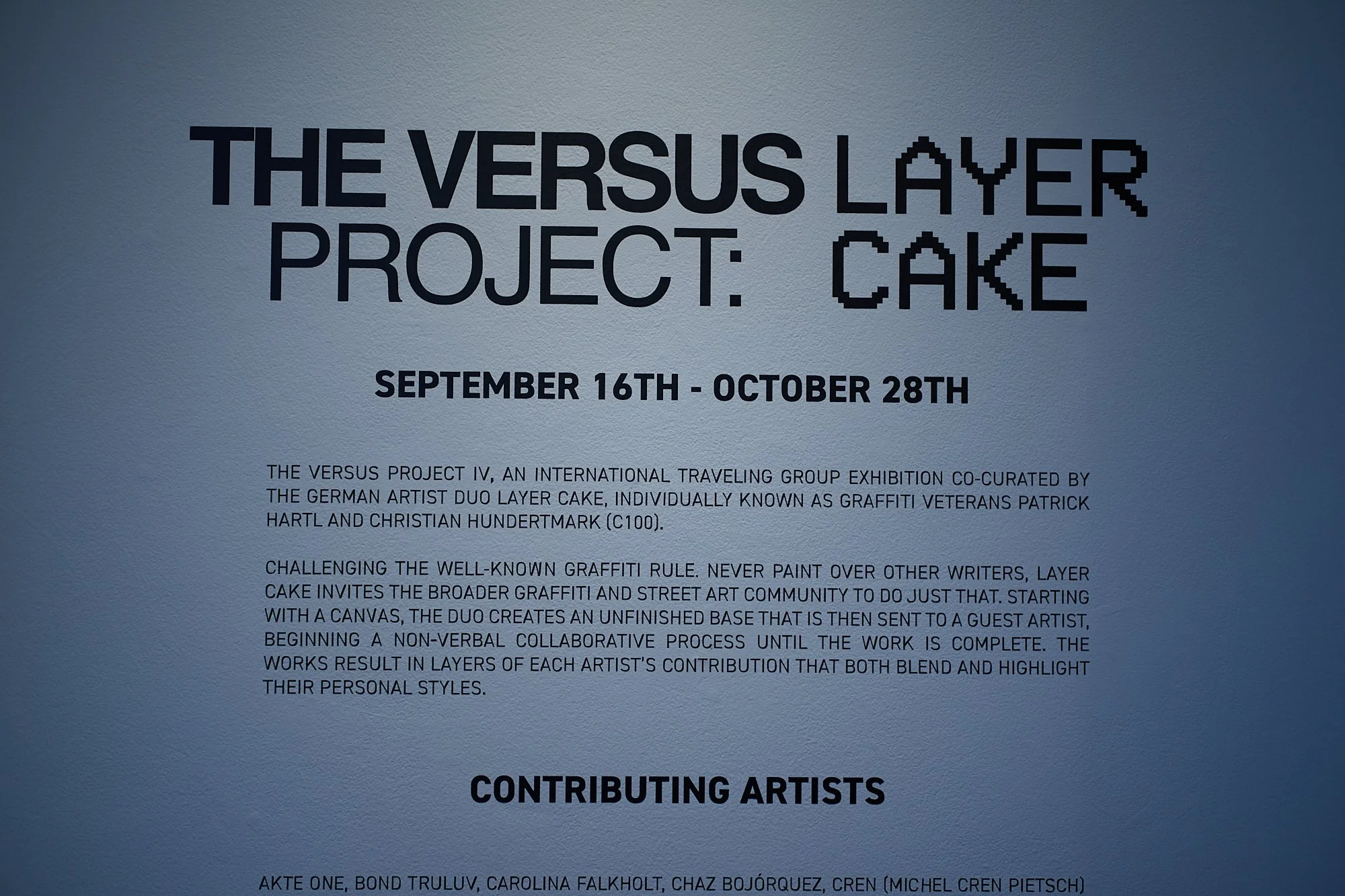
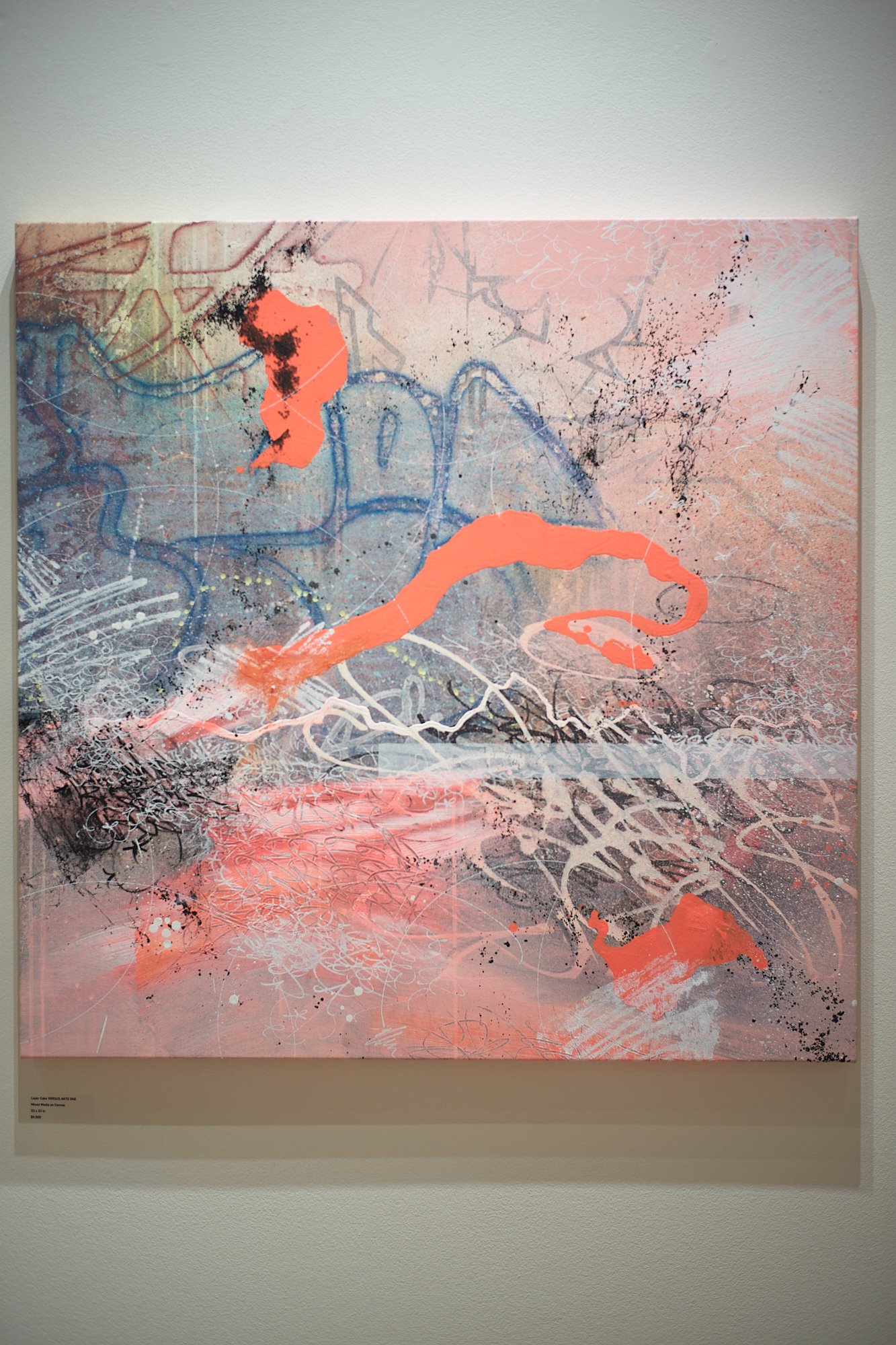
THE VERSUS PROJECT IV: LAYER CAKE
THE VERSUS PROJECT IV: LAYER CAKE
09/16/2023 — 10/28/2023
Subliminal Projects, LA


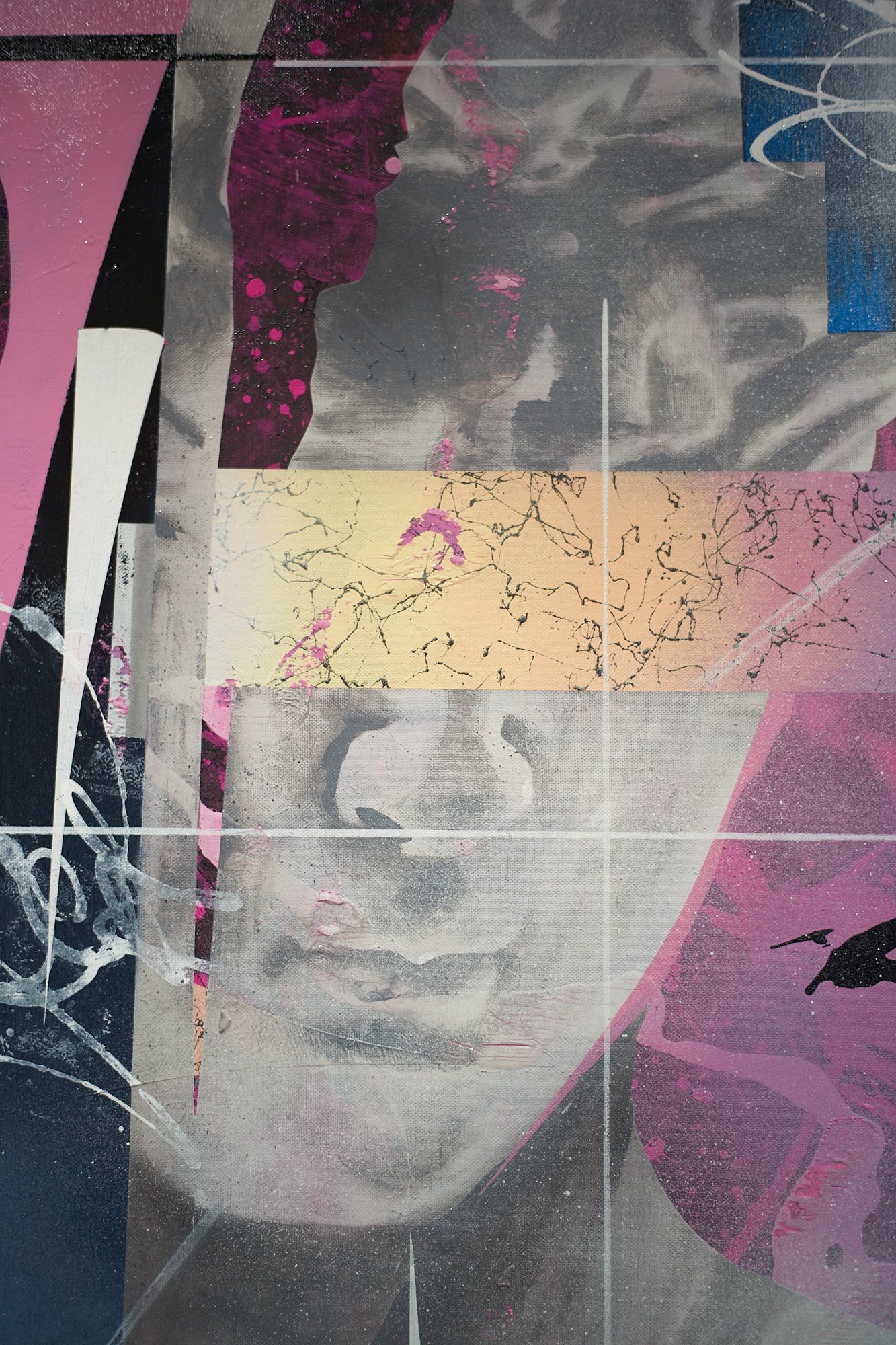


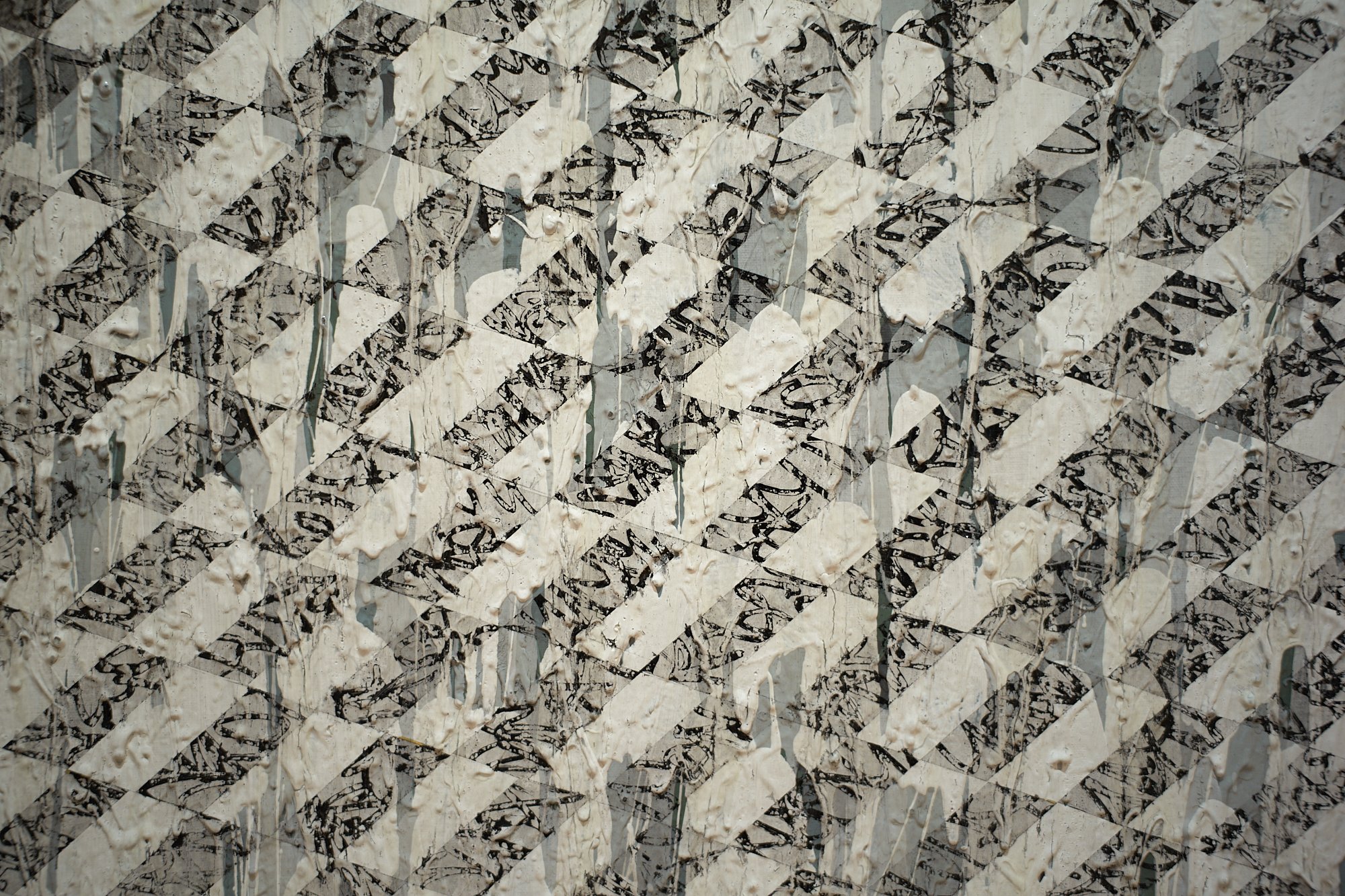


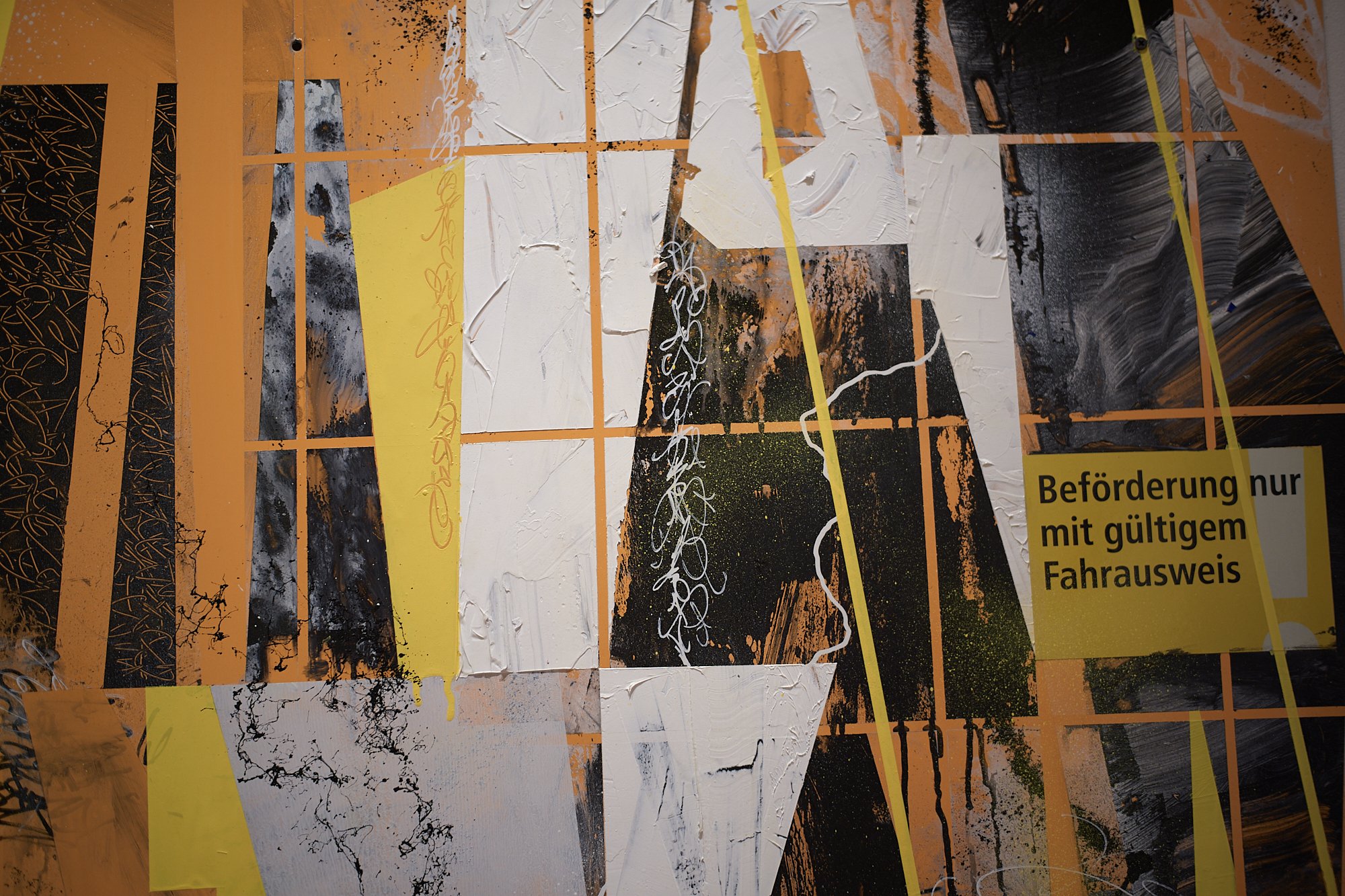




SABLE ELYSE SMITH: FAIR GROUNDS
SEPTEMBER 9 – OCTOBER 26, 2023
REGEN PROJECTS








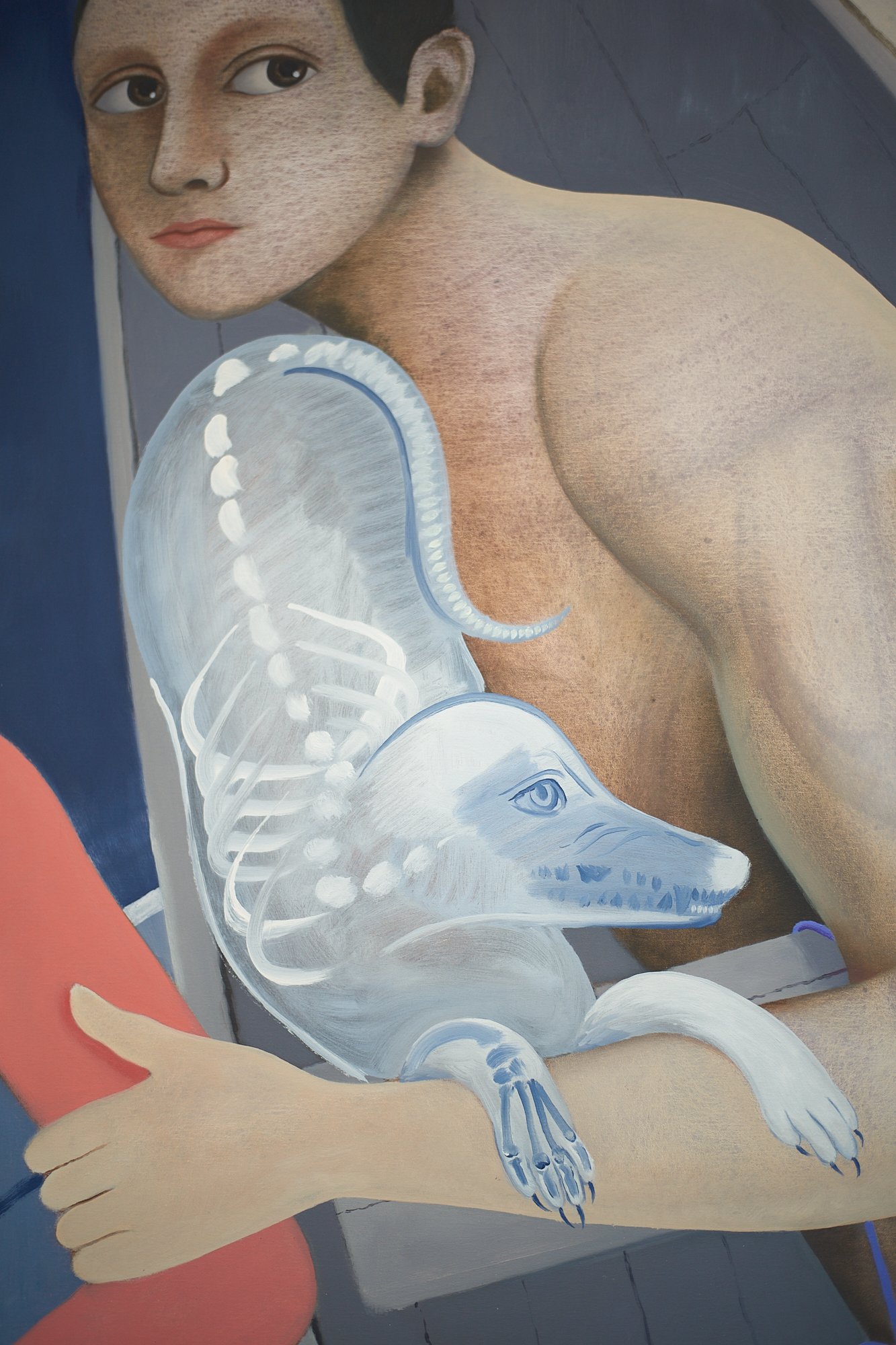
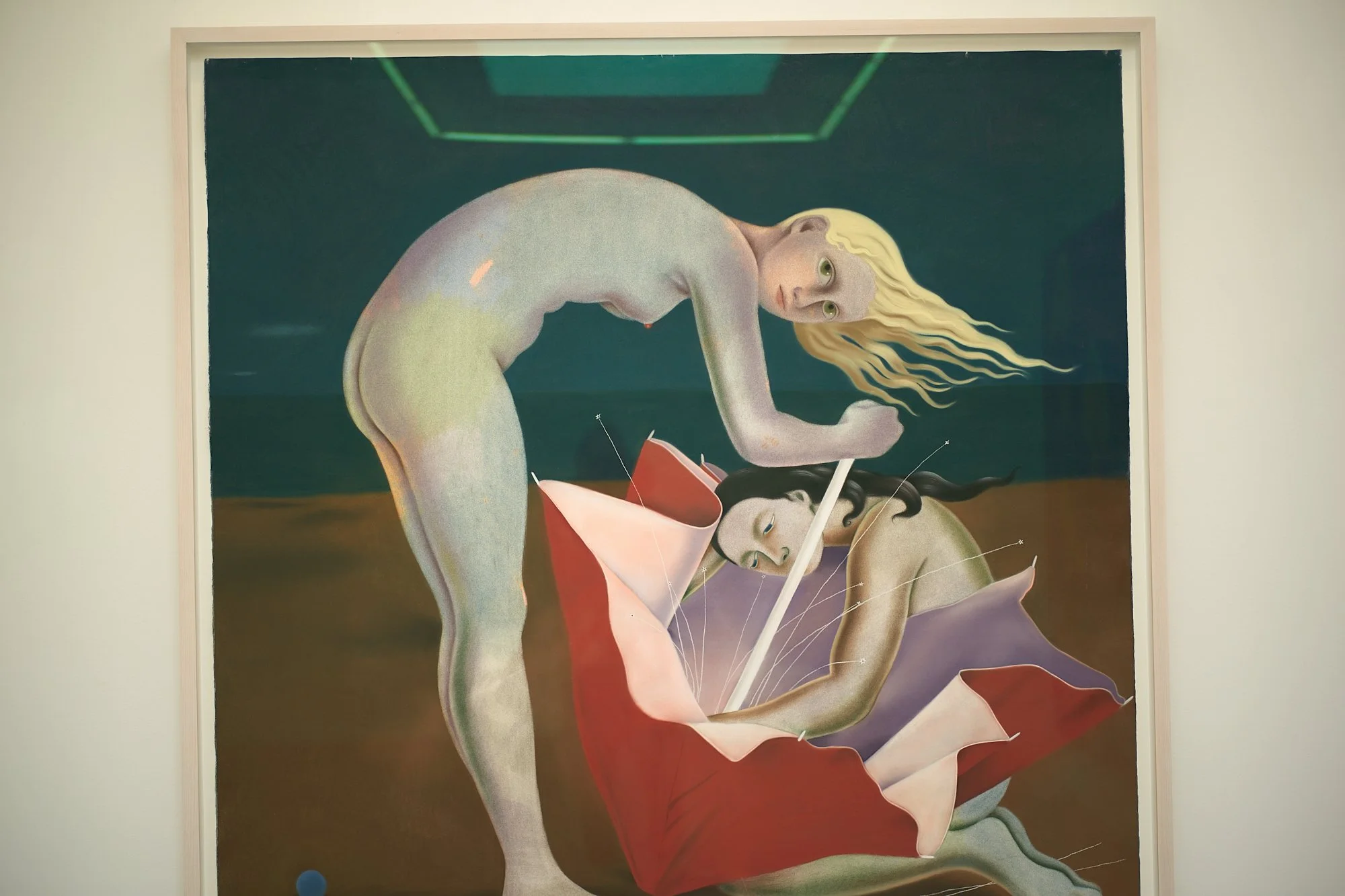
Sara Anstis: The Petal and the Wrist






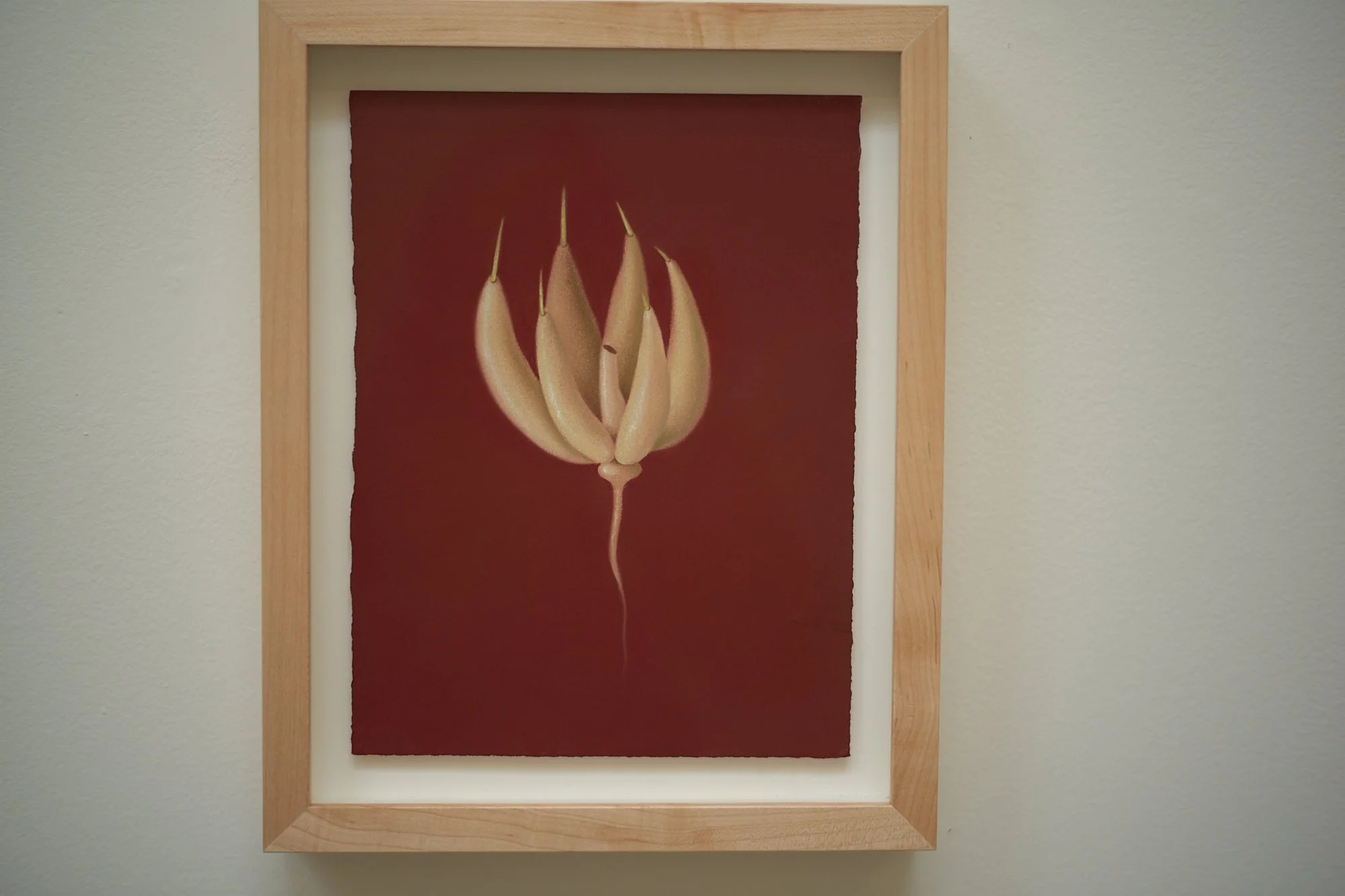


Made in L.A. 2023: Acts of Living


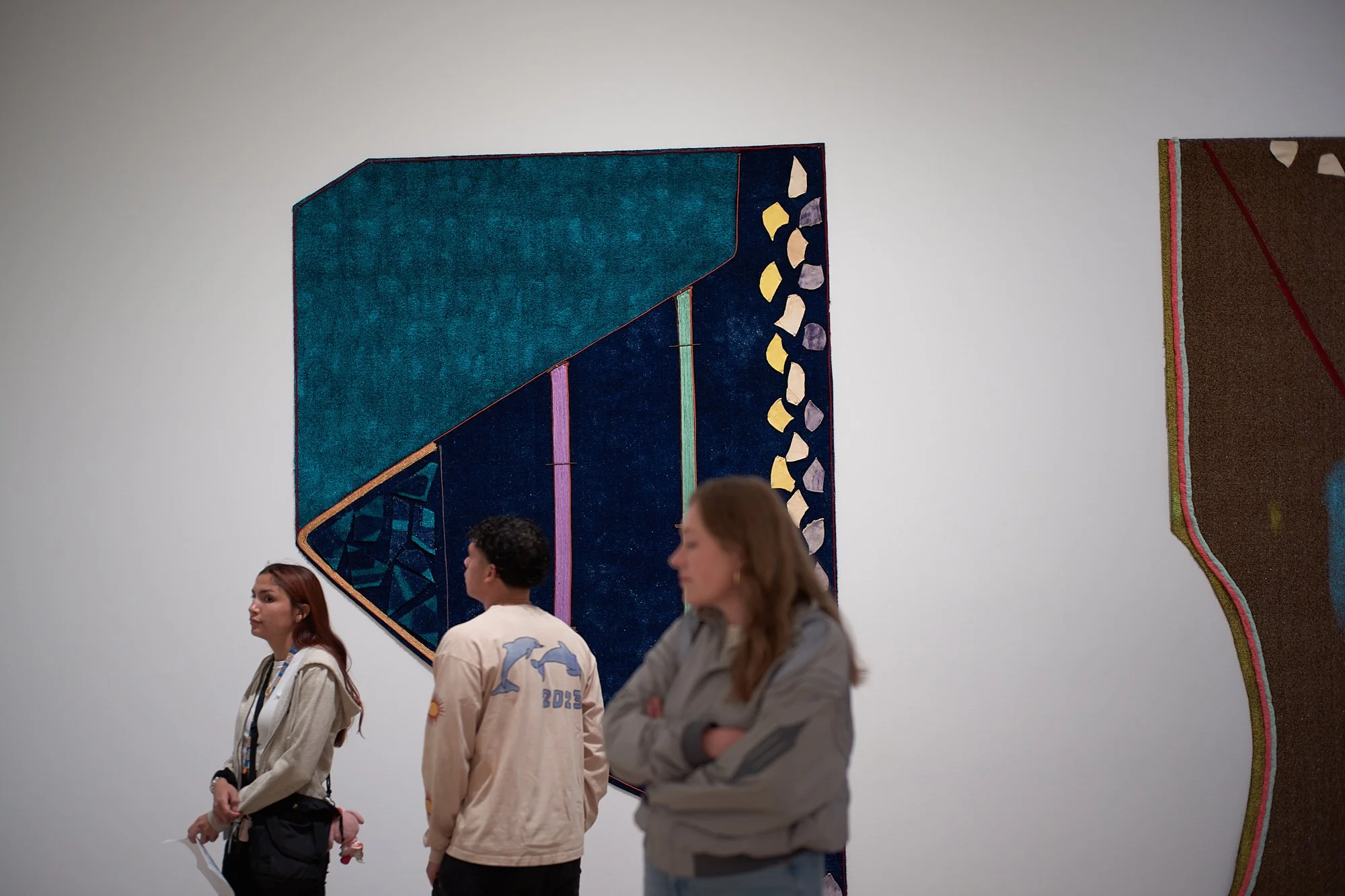

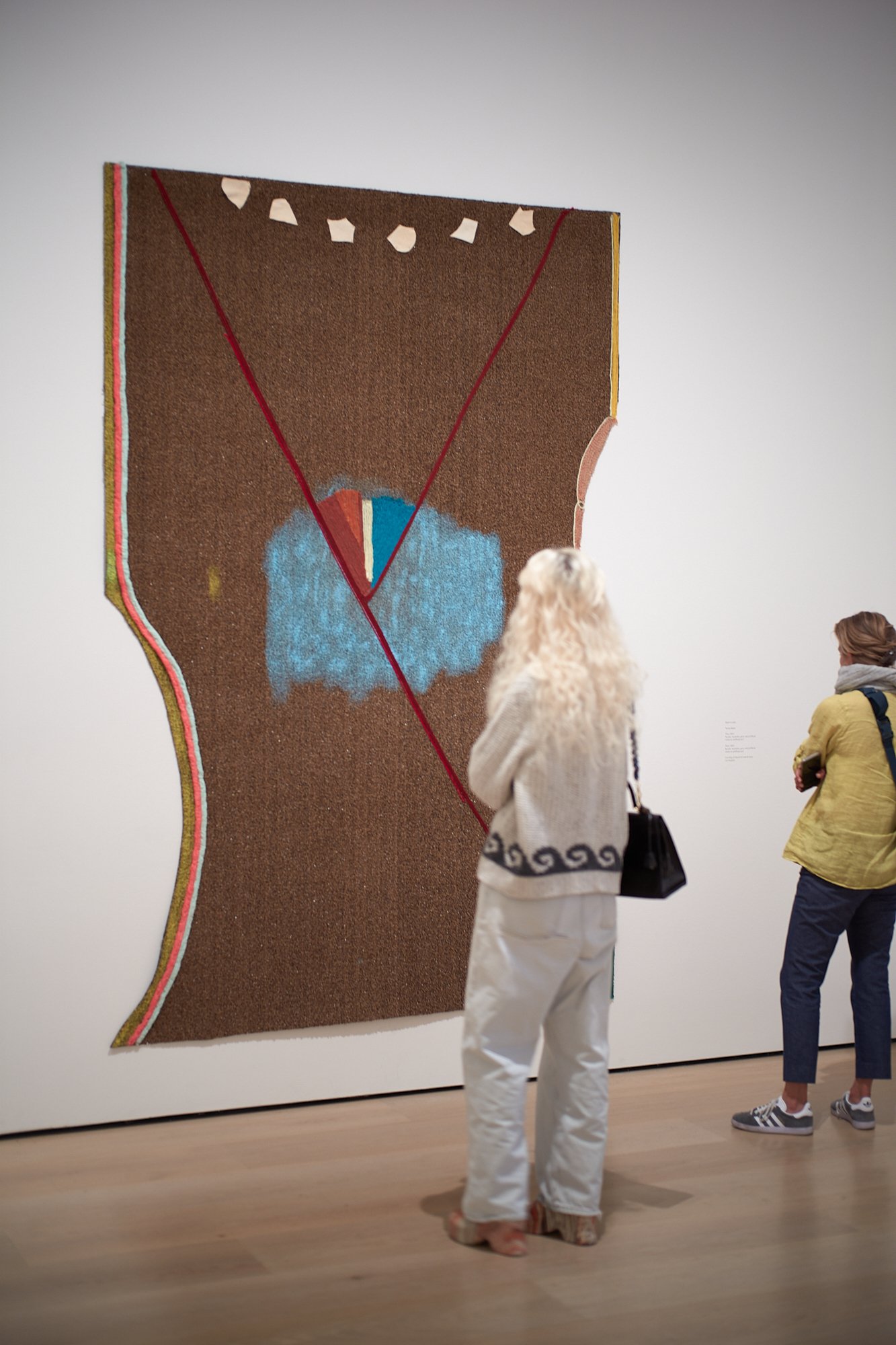


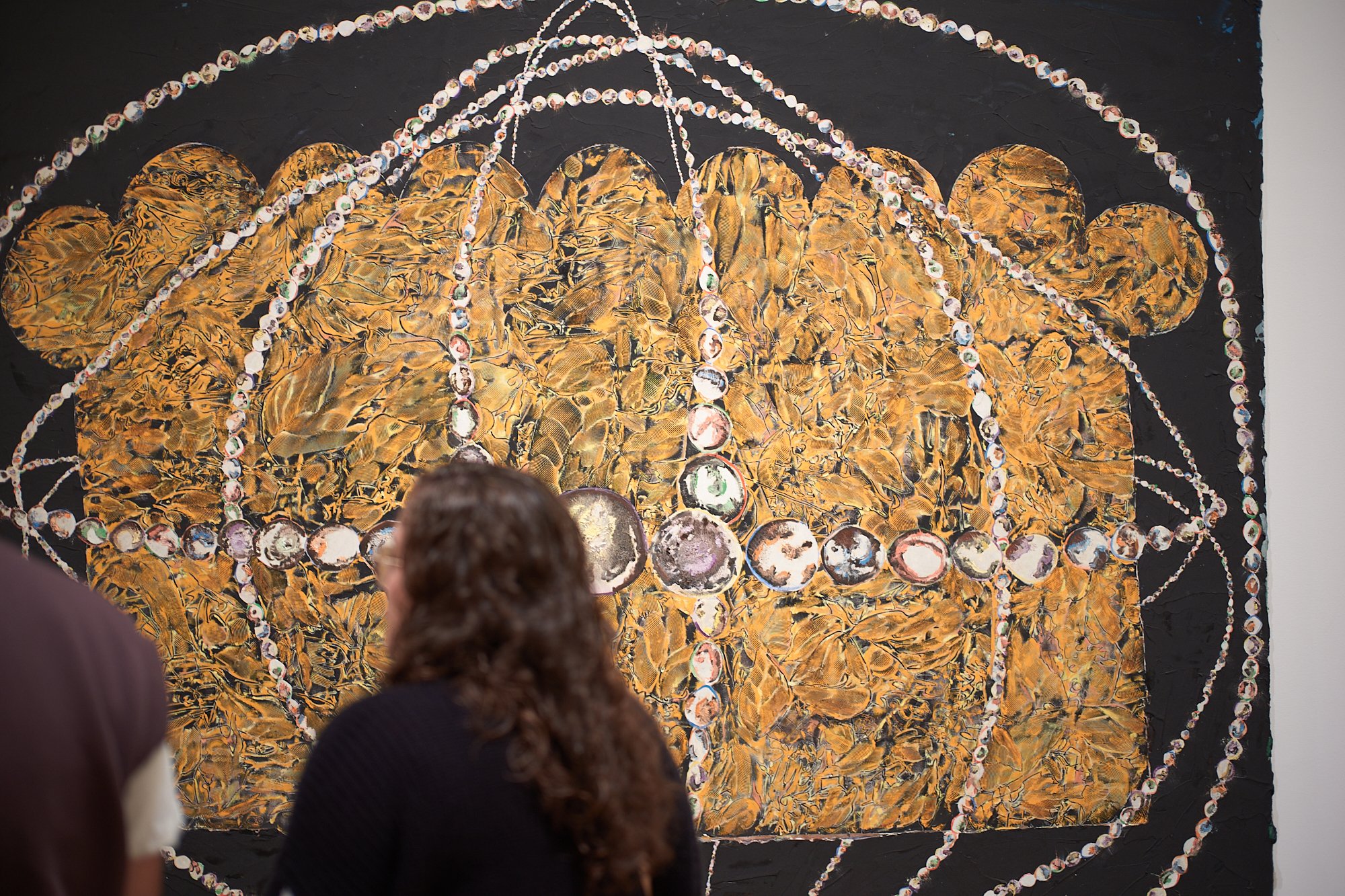


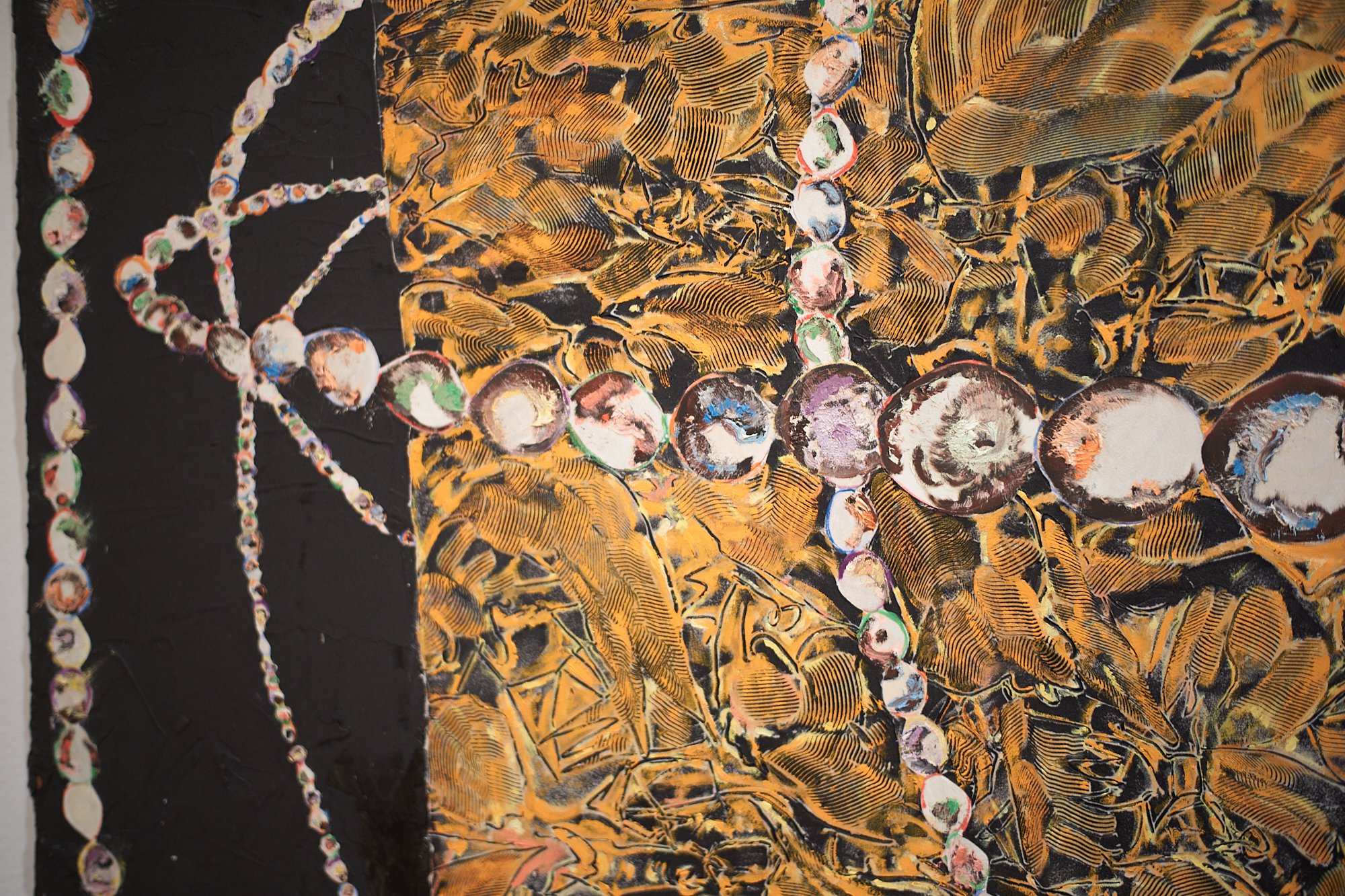

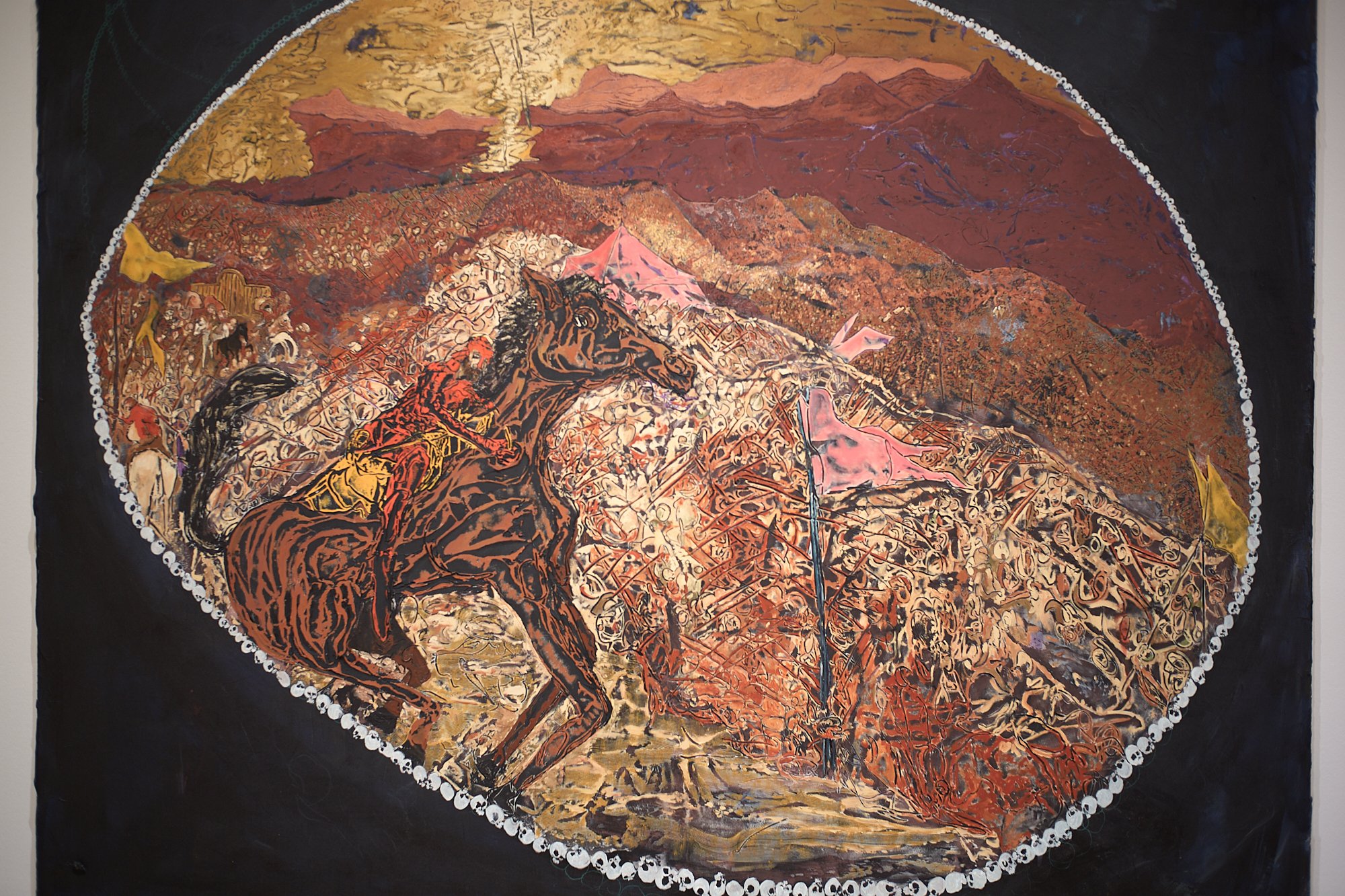
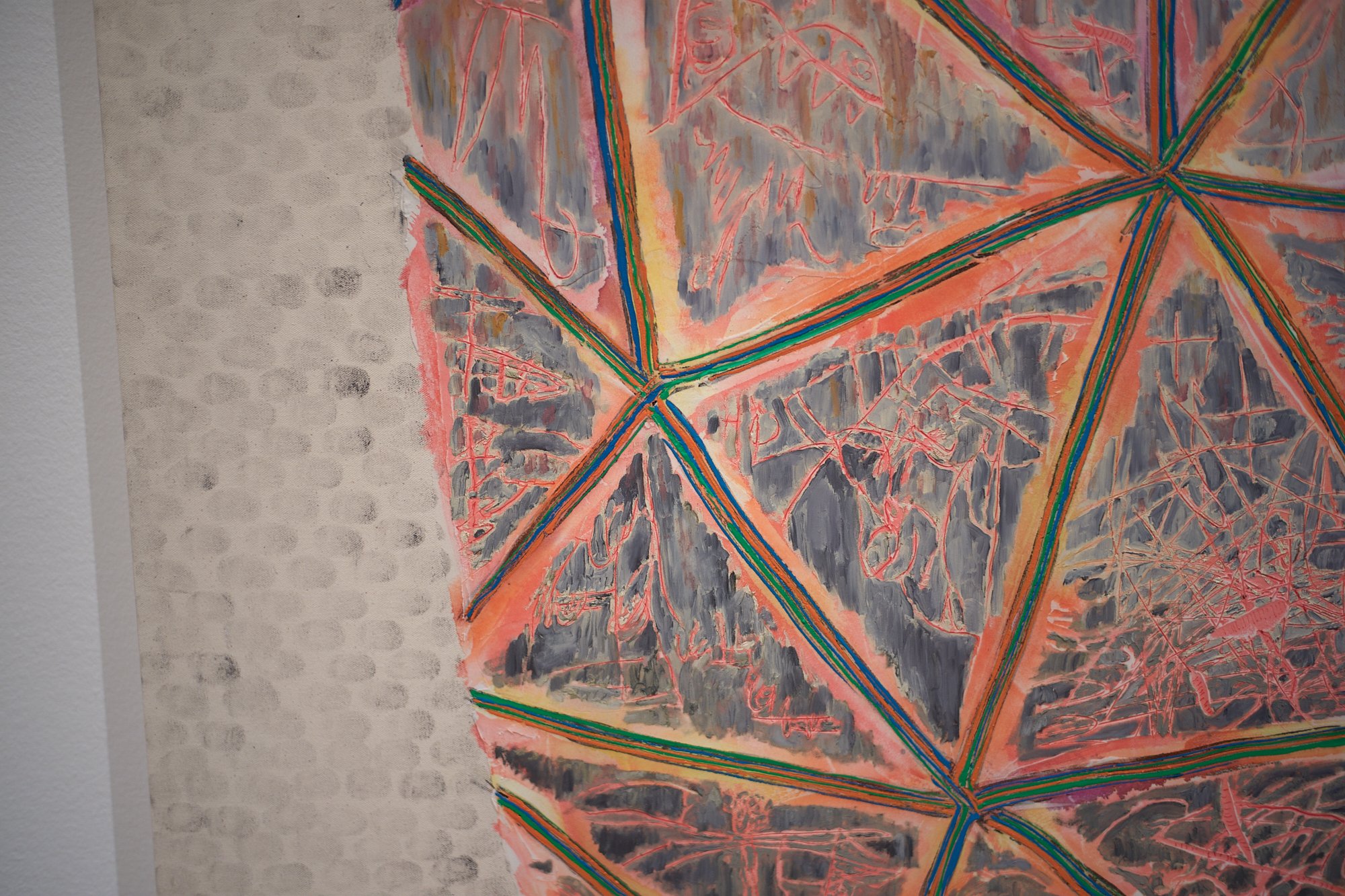


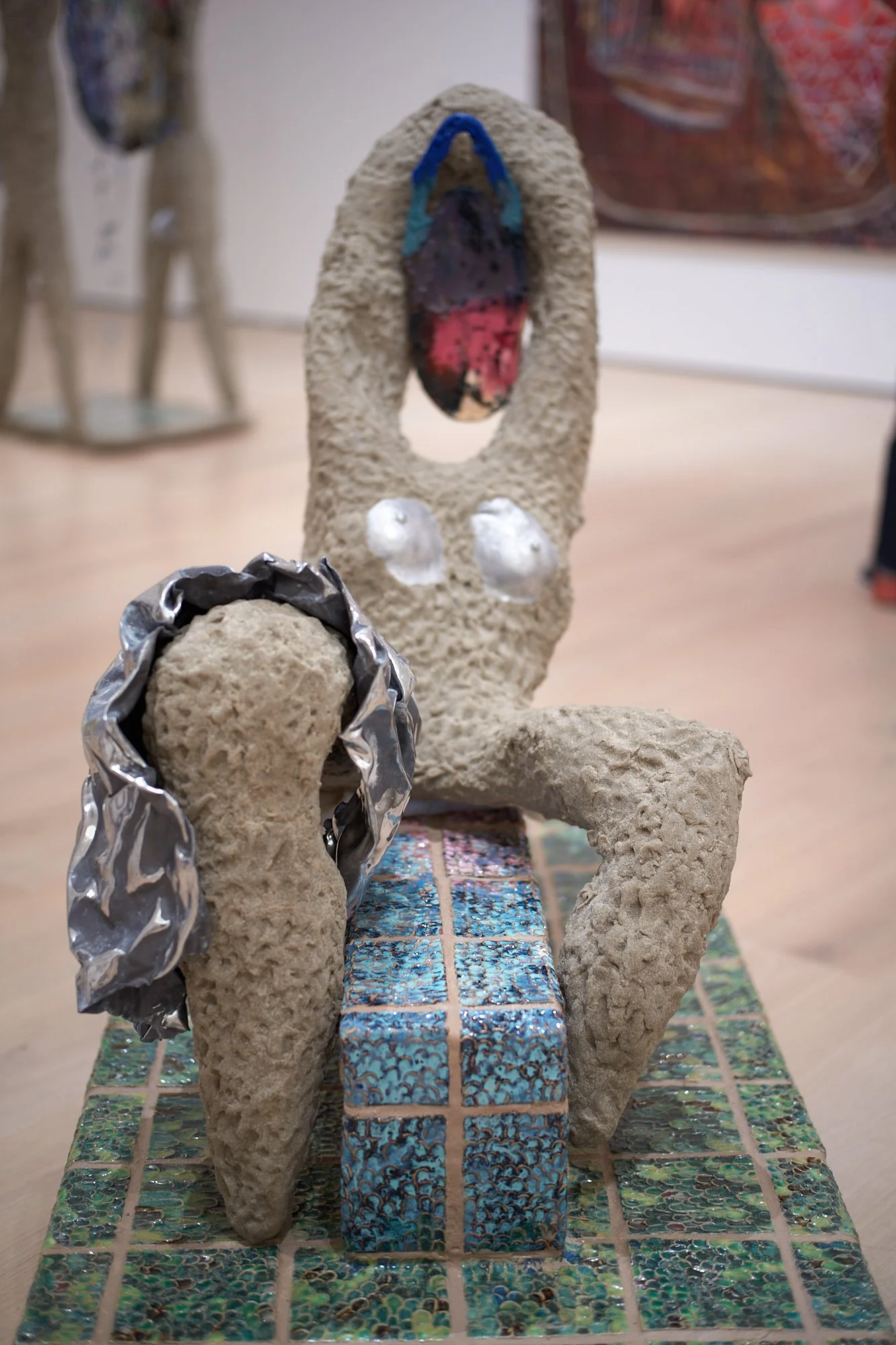


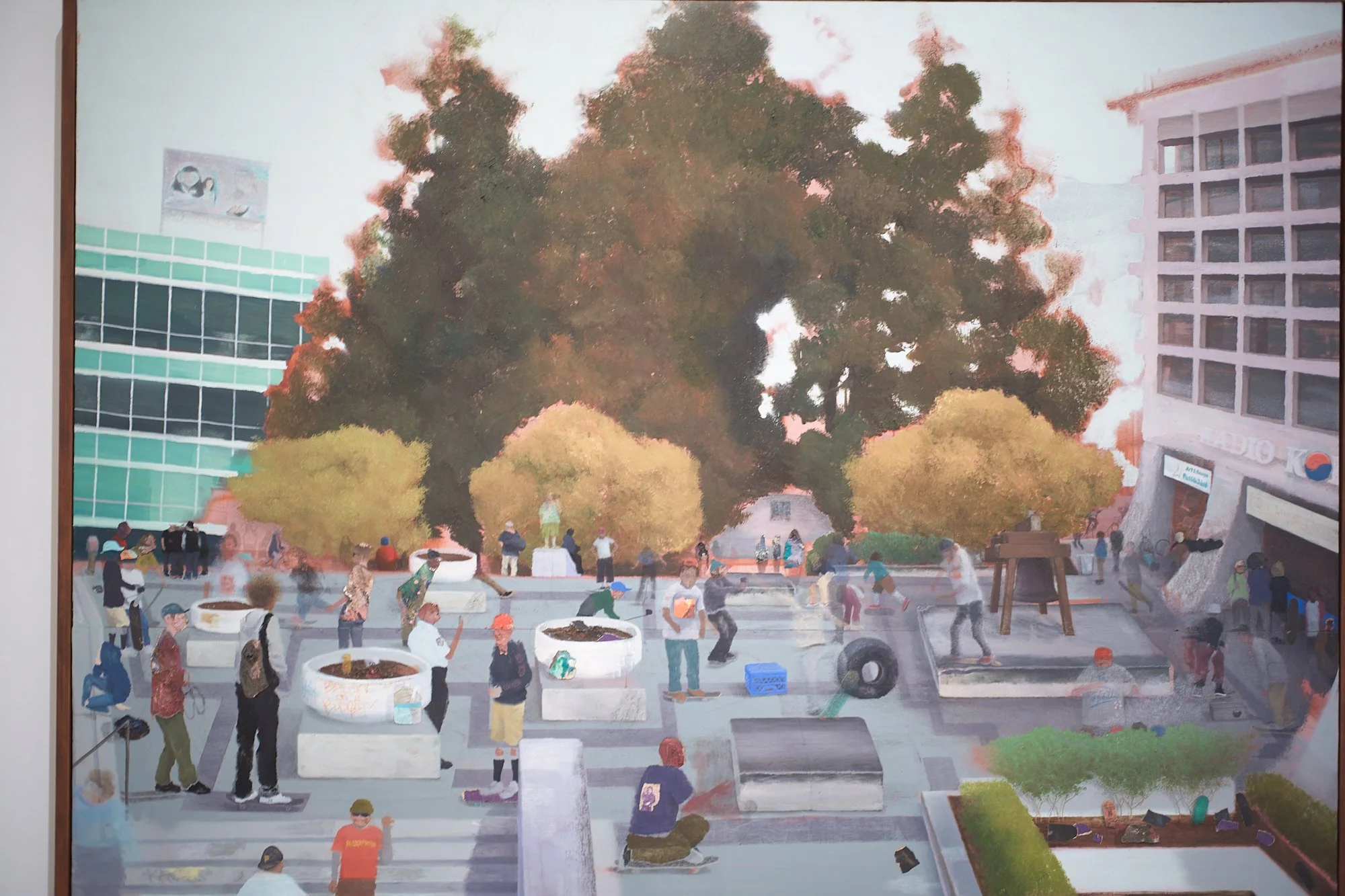


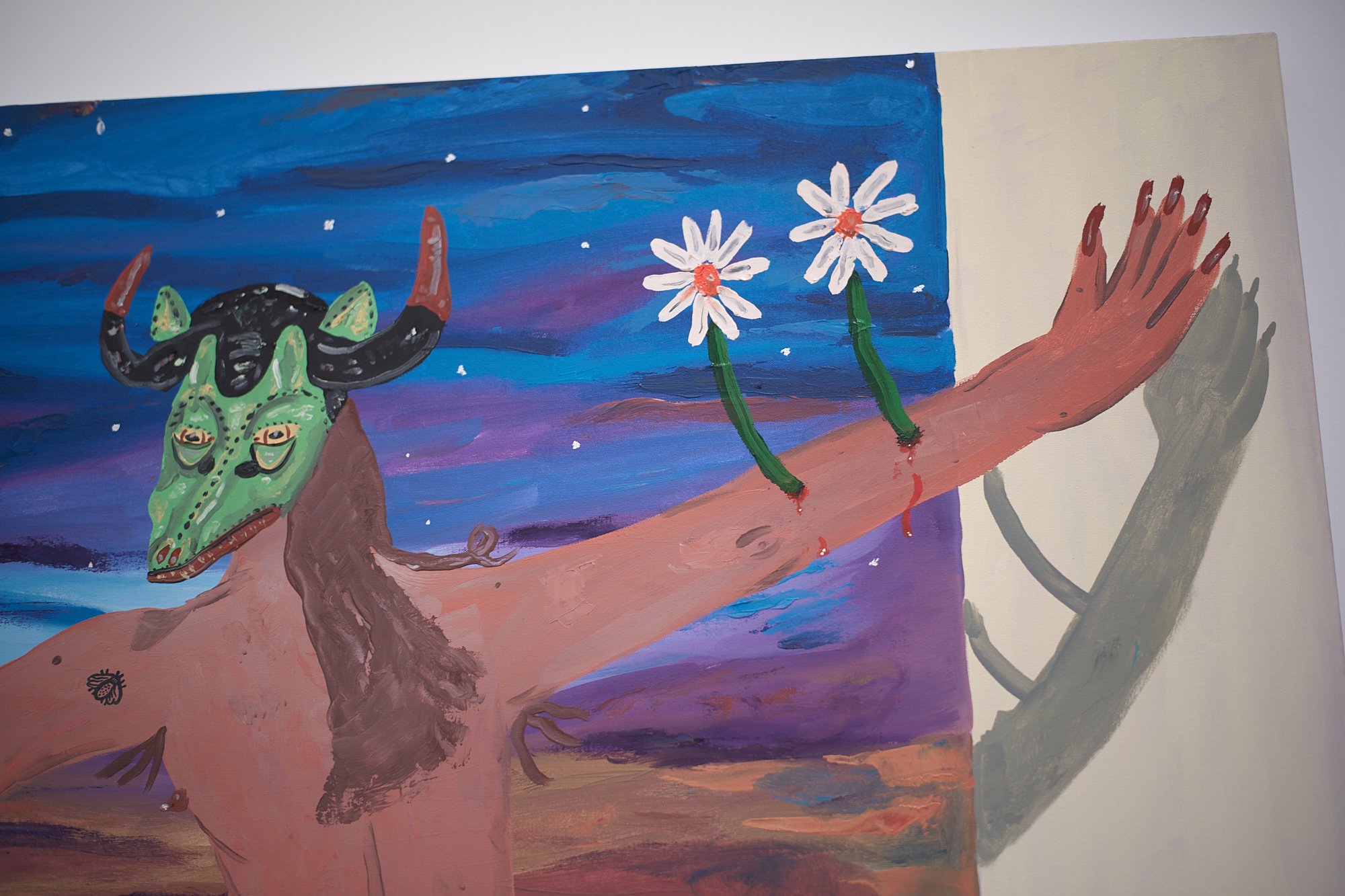


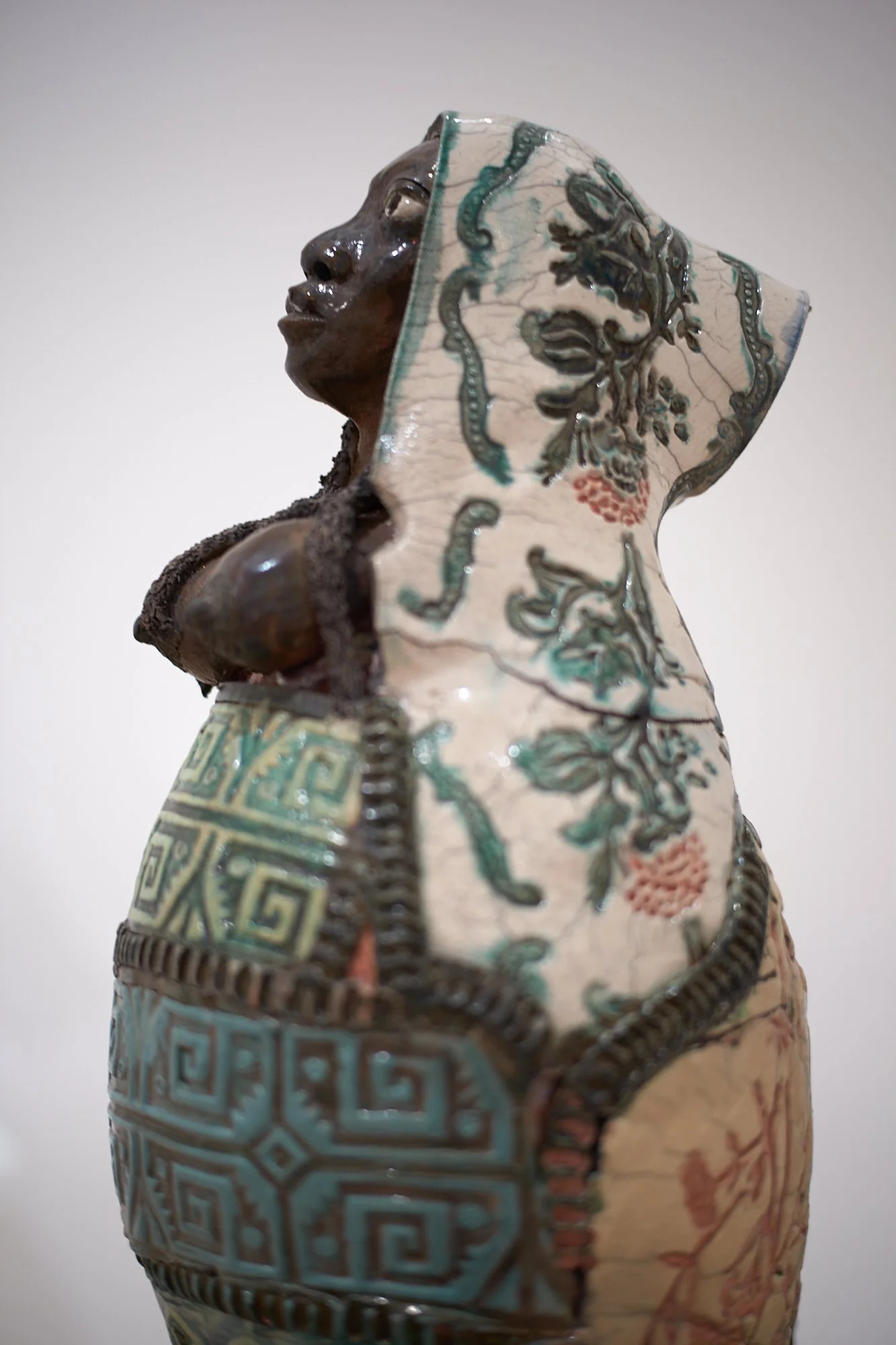


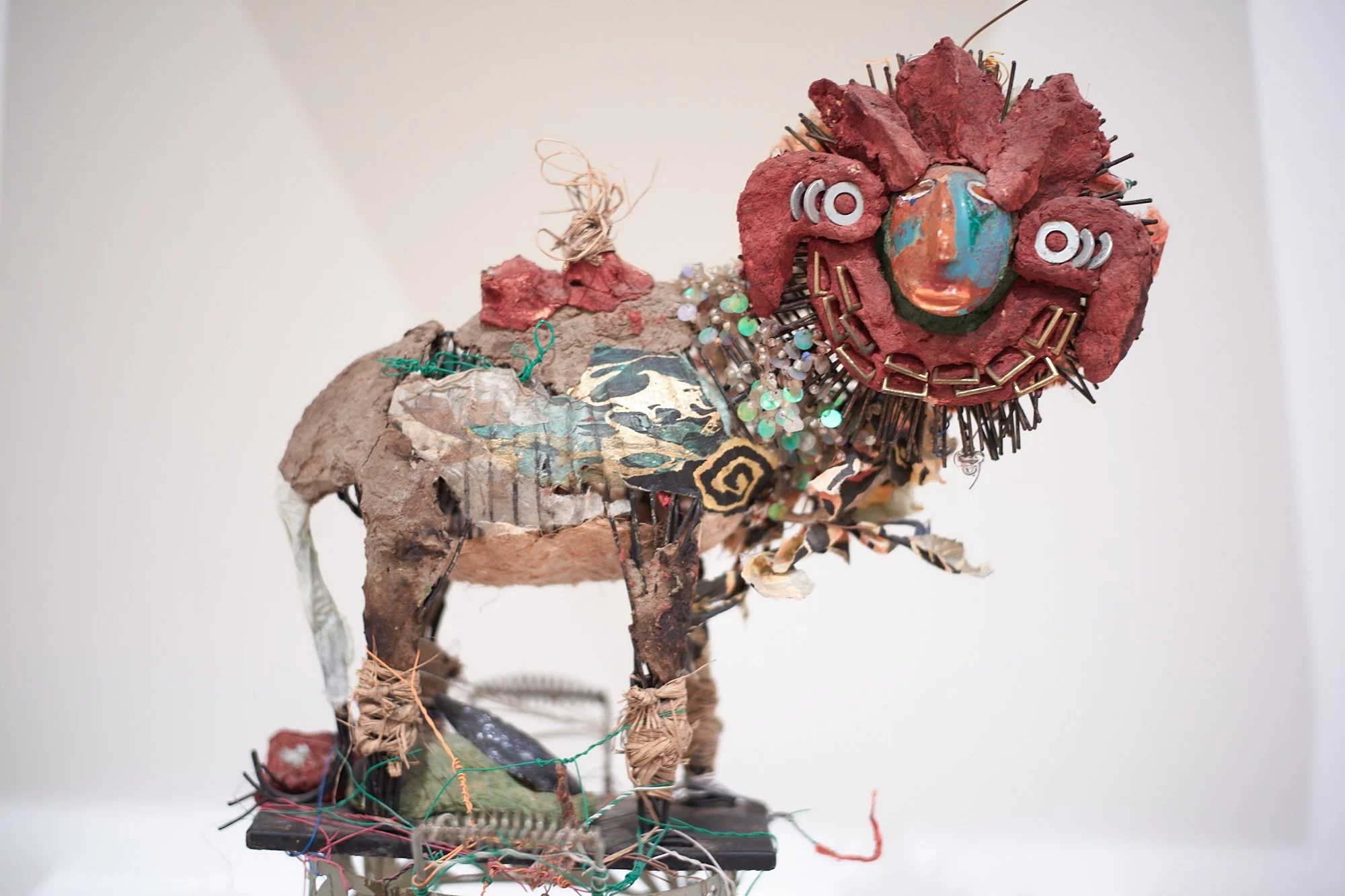


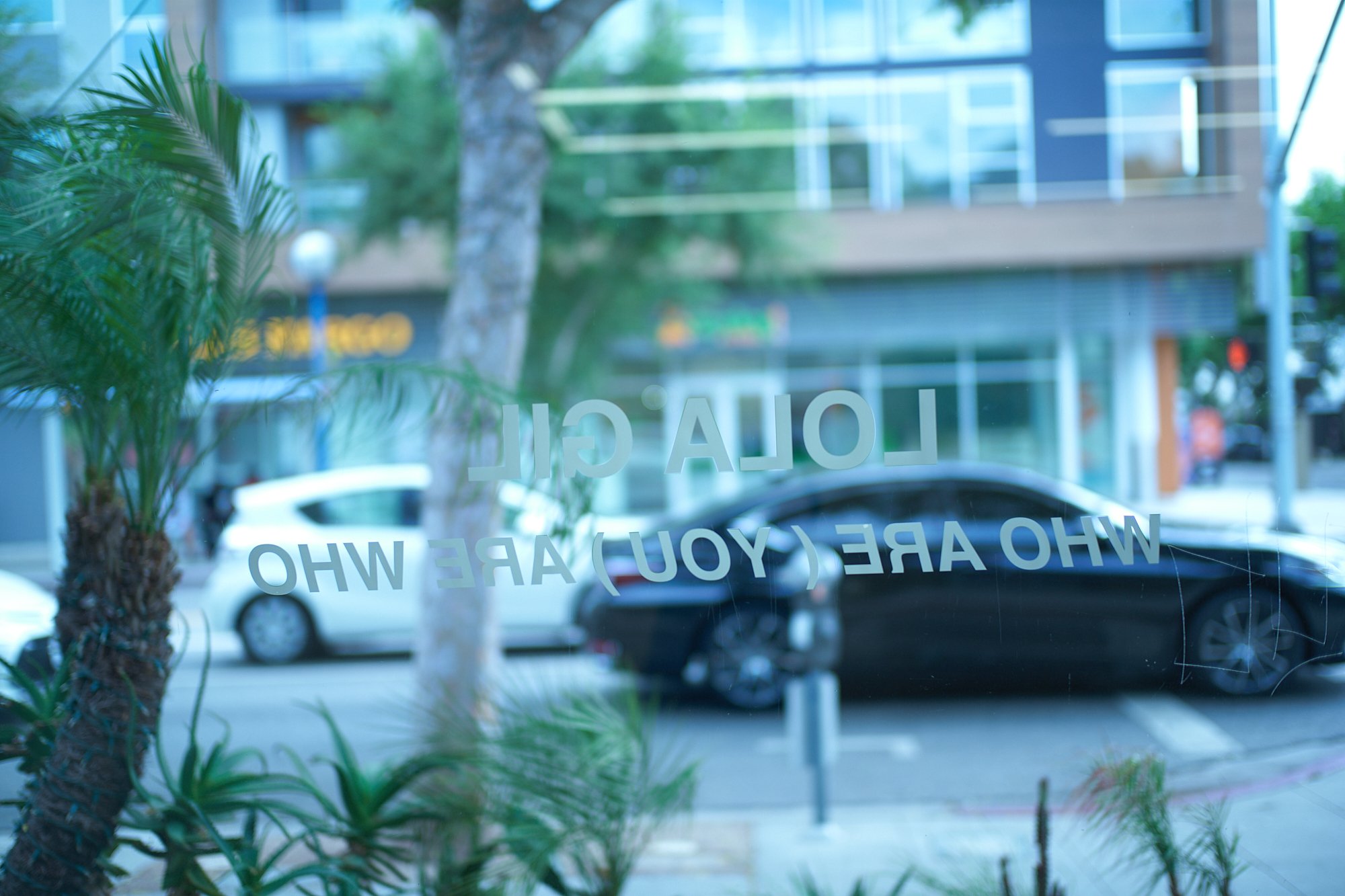
LOLA GIL Who Are ( You ) Are Who
Gallery Three, Nino Mier Gallery, Los Angeles
September 23 - October 21, 2023

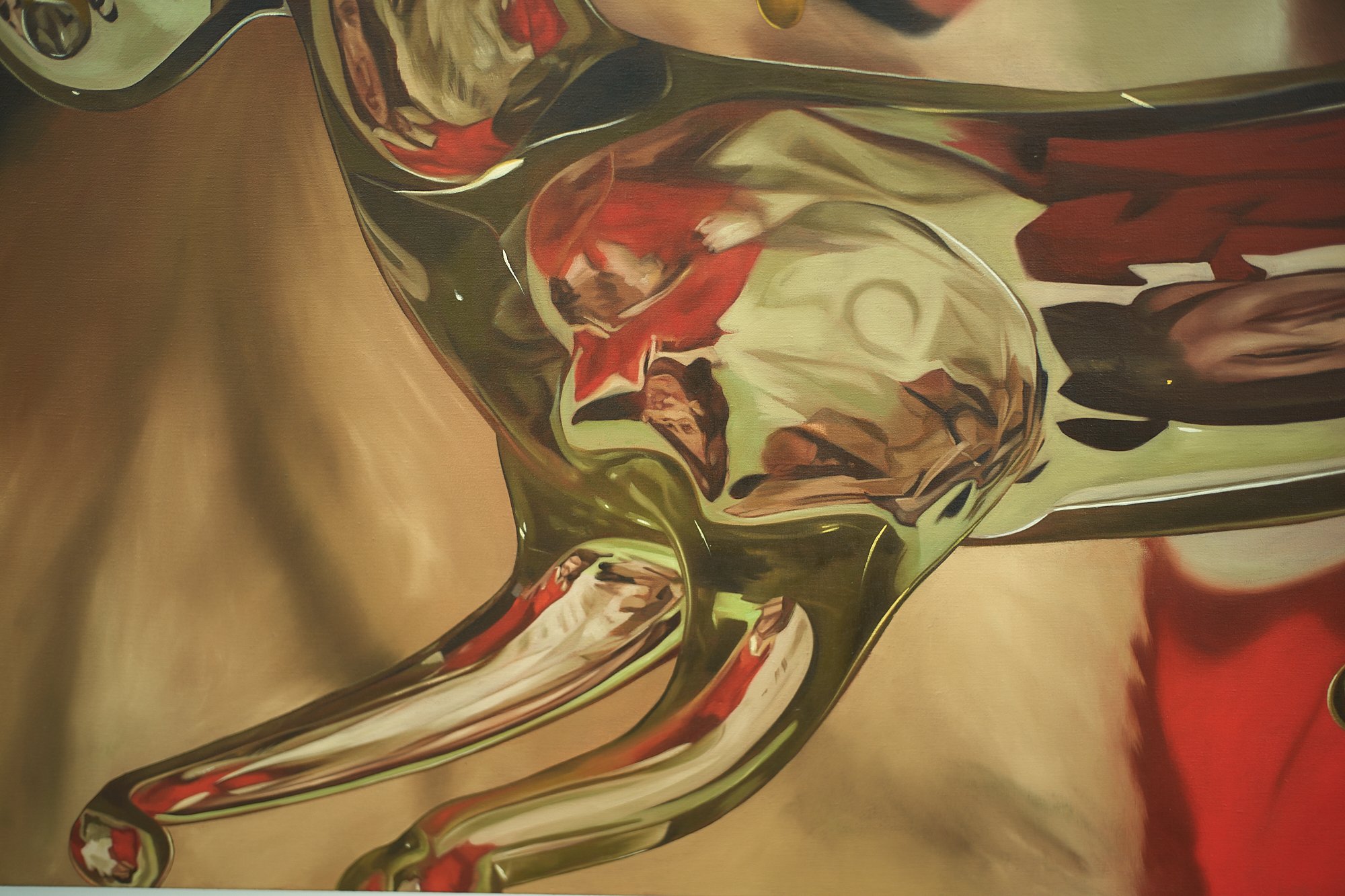
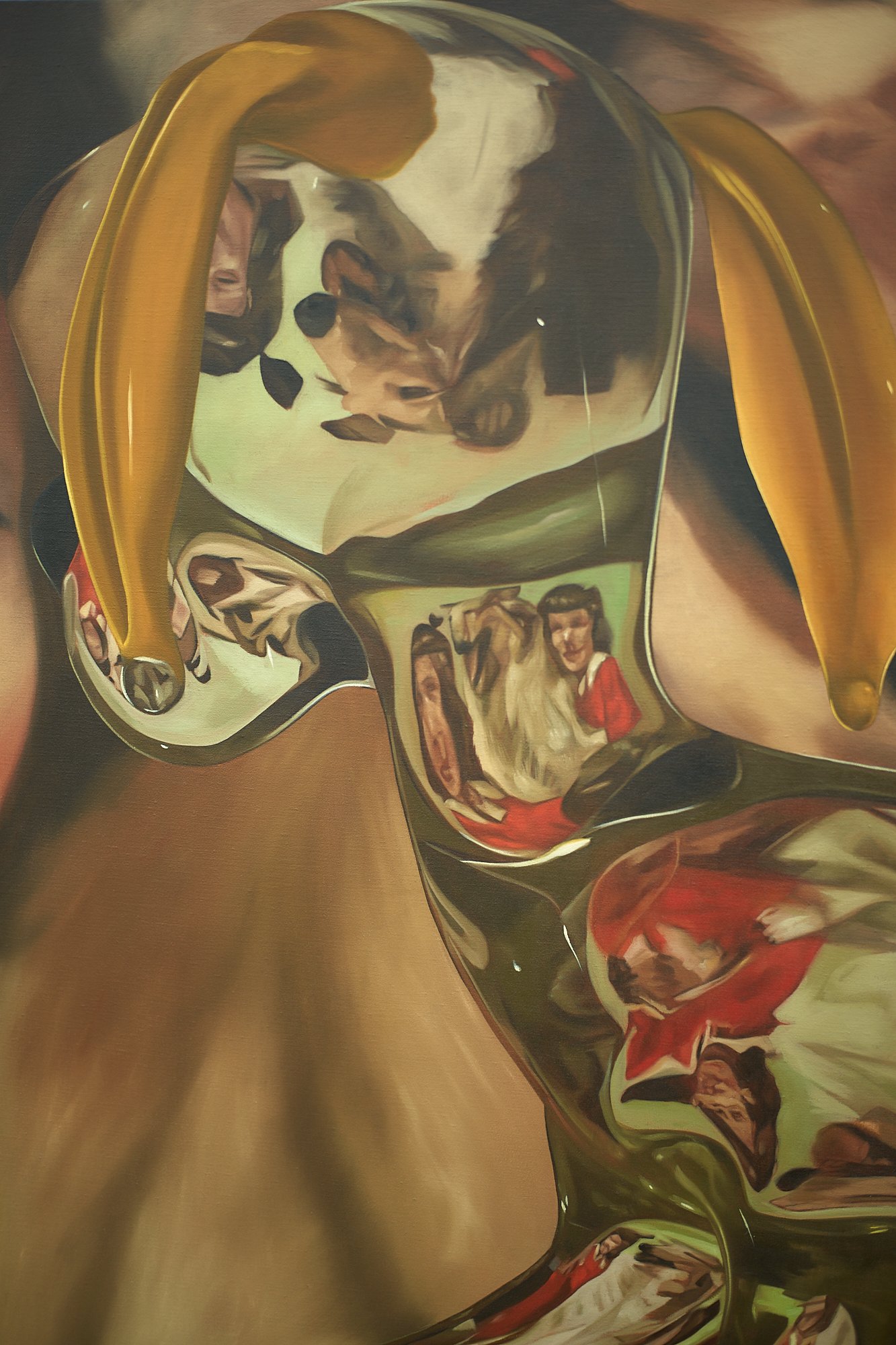


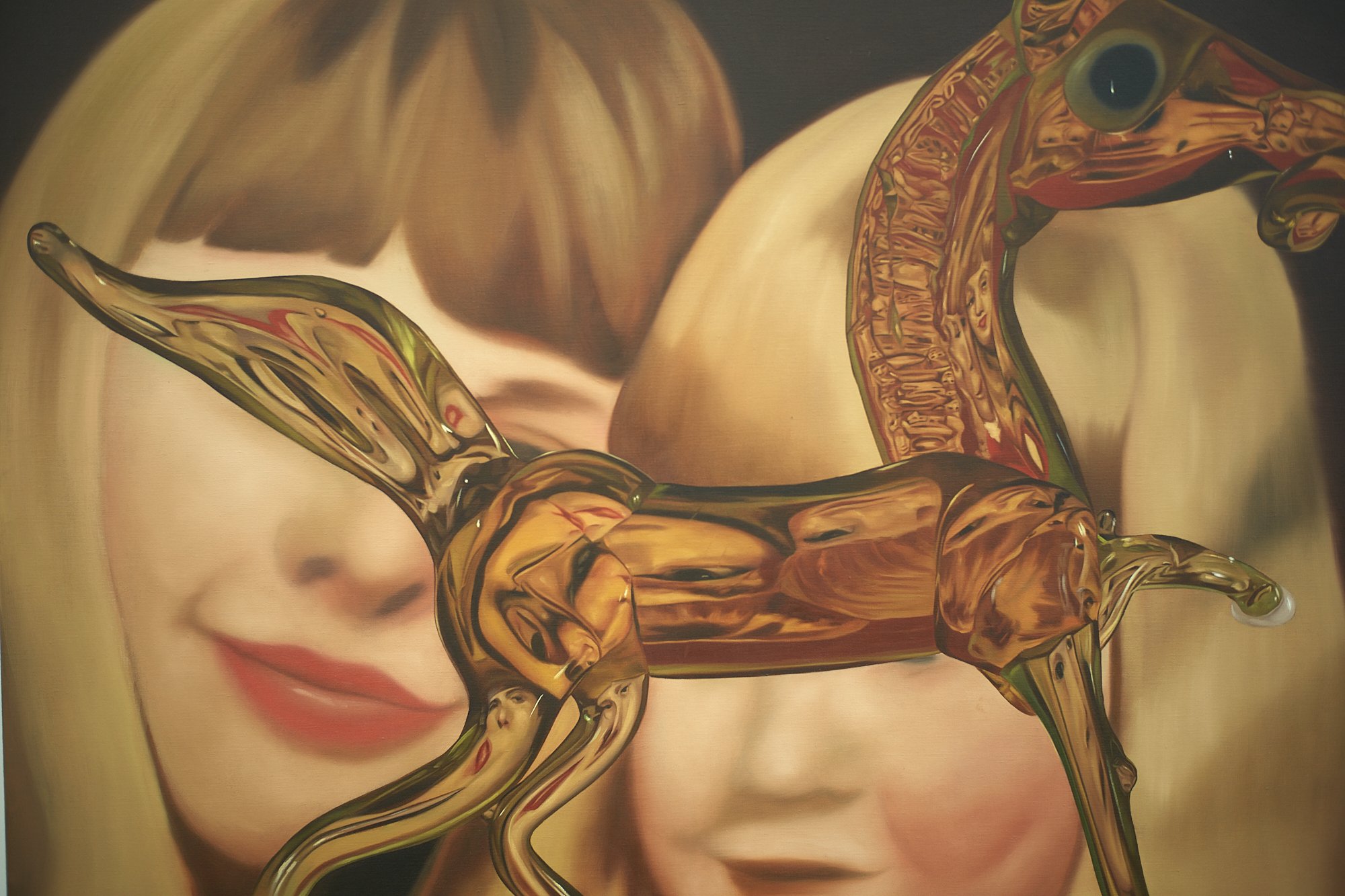




JOSÉ LERMA A Trazos


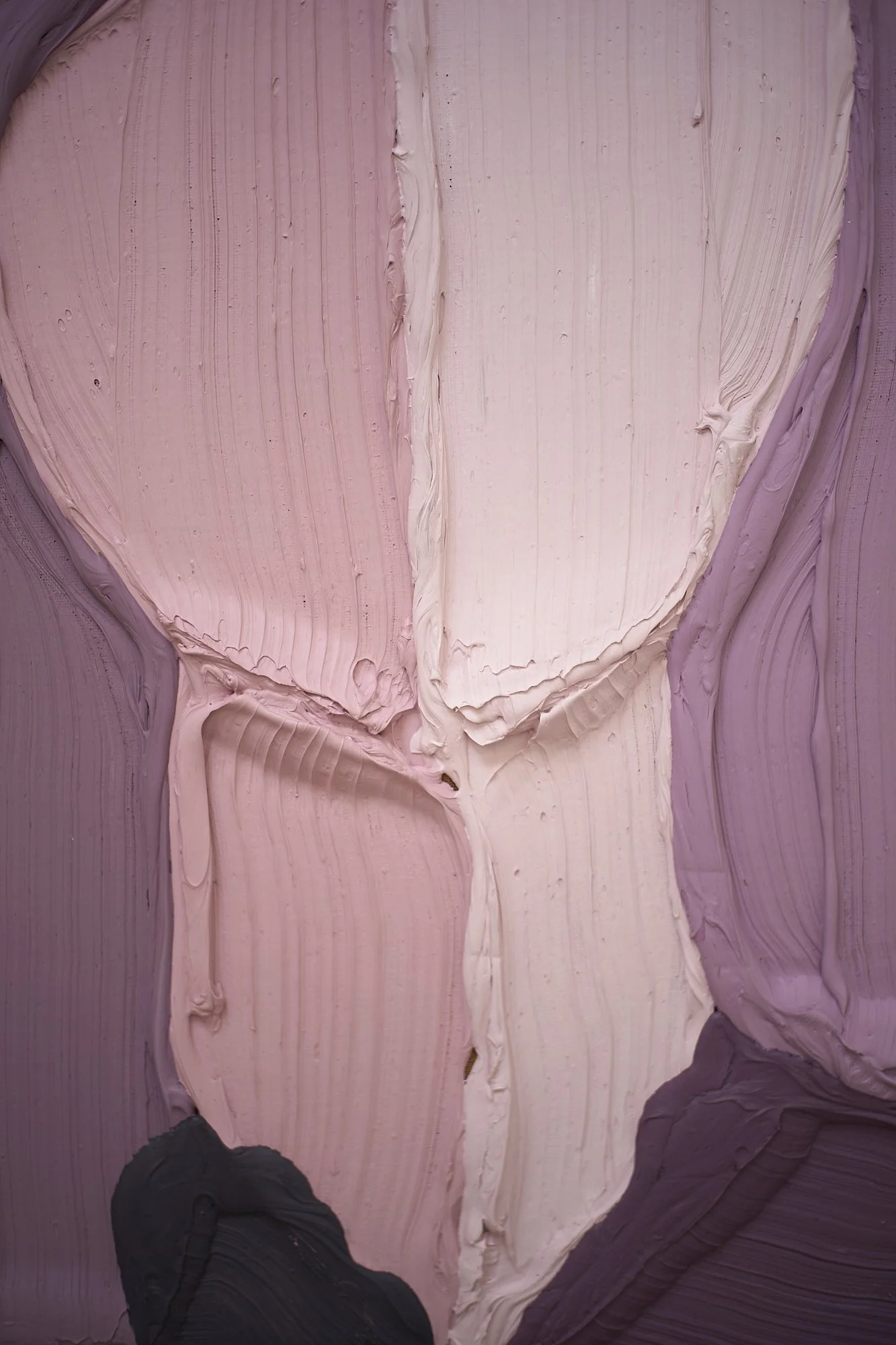


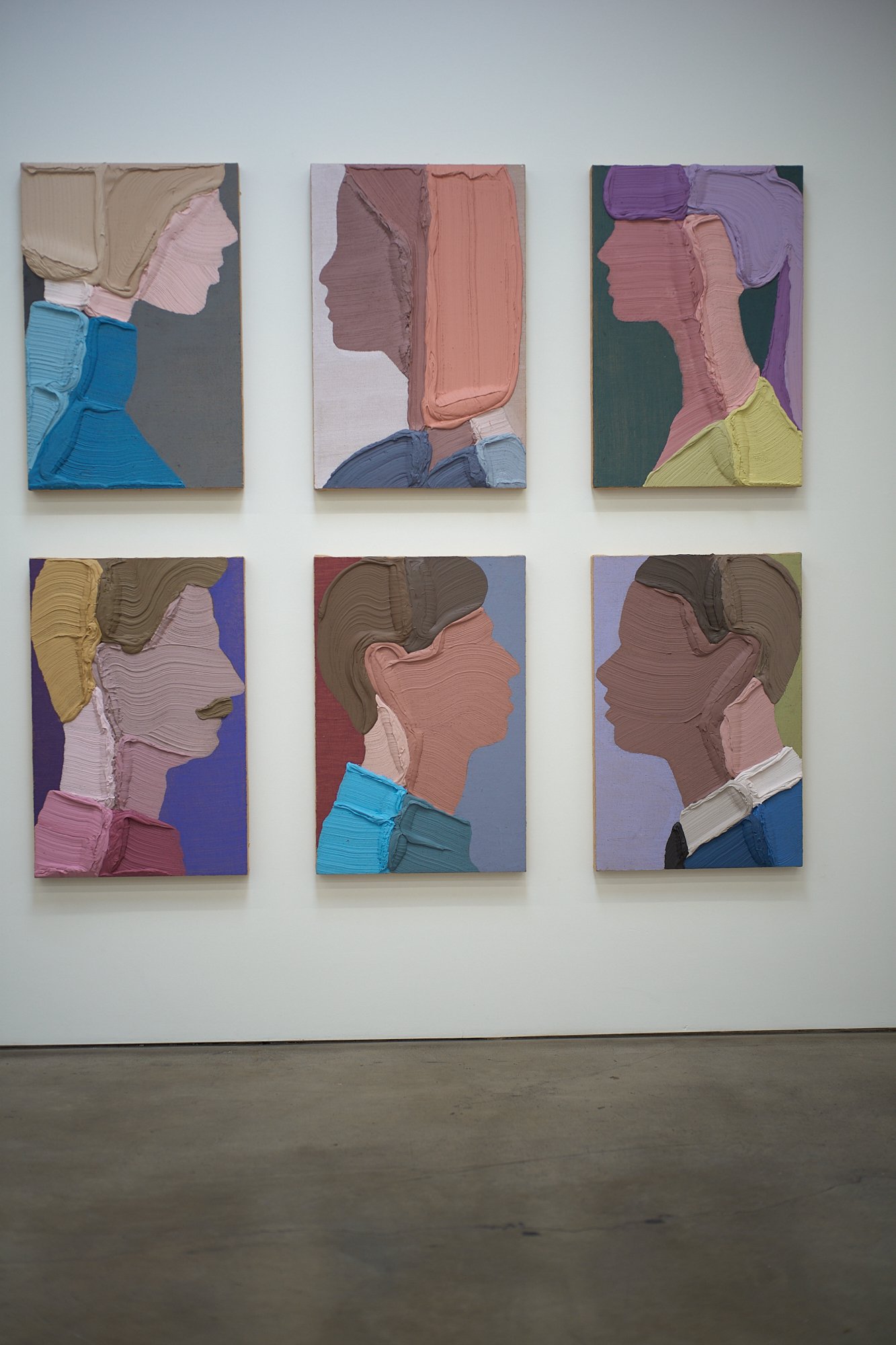


William Monk West of Nowhere
PACE Gallery, Los Angeles
Exhibition Details:
William Monk
West of Nowhere
Sep 9 – Oct 21, 2023
Gallery:
1201 South La Brea Avenue
Los Angeles
Press:
Connect:
(opens in a new window)@_william_monk_
(opens in a new window)@pacegallery


The Story of Art, E.H. Gombrich, Page 544, Zettel 152
…in all the struggles and gropings there was one thing he was prepared to sacrifice if need be: the conventional ‘correctness’ of outline. He (Cezanne) was not out to distort nature; but he did not mind very much if it became distorted in some minor detail provided this helped him to obtain the desired effect….he hardly realized that this example of indifference to ‘correct drawing’ would start a landslide in art. - The Story of Art, E.H. Gombrich, Page 544, Zettel 152
The Story of Art, E.H. Gombrich, Page 543, Zettel 151
Cezanne had ceased to take any of the traditional methods of painting for granted. he had decided to start from scratch as if no painting had been done before him….Cezanne had chosen his motifs to study some specific problems that he wanted to solve….- The Story of Art, E.H. Gombrich, Page 543, Zettel 151
How to be an Artist, Jerry Saltz, Page 76, Zettel 150
If you think that all art should be like High Renaissance painting, or like van Gogh, Eva Hesse, or Basquiat, think again. Human beings are hardwired to crave change. The universe is expanding; so are we, and so is art. Which doesn’t mean it’s getting better, or worse, only that all art was once contemporary art, in conversation with its time. yours is, too. Every choice you make - should serve not nostalgia, but your visceral present. You are an artist of modern life. That personal, specific urgency is what finds every successful work of art. - How to be an Artist, Jerry Saltz, Page 76, Zettel 150
WHY POETRY - Matthew Zapruder. page 42 - 43, Zettel 149
Through art, language and therefore experience become “defamiliarized”, so we can feel and experience anew:
The purpose of art is to impart the sensation of things as they are perceived and not as they are known. The technique of art is to make objects “unfamiliar”, to make forms difficult, to increase the difficulty and length of perception because the process of perception is an aesthetic end in itself and must be prolonged - Victor Shklovsky
Poetry exhibits the purest form of defamiliarization. This is because in a poem, other tasks such as telling a story, or fully and exhaustively expressing an idea, never take priority. Therefore, it is in poetry that we see most clearly and powerfully, without any other ultimate distraction, how language can be made deliberately strange, how it becomes especially “a difficult, roughened, impeded language”, in order to jar us awake. - WHY POETRY - Matthew Zapruder. page 42 - 43, Zettel 149
The Story of Art, E.H. Gombrich Page 154, Zettel 148
The great artists of subsequent periods had made one discovery after another which allowed them to conjure up a convincing picture of the visible world, but none of them had seriously challenged the conviction that each object in nature has its definite fixed form and colour which must be easily recognizable in a painting. It may be said, therefore, that Manet and his followers brought about a revolution in the rendering of colours which is almost comparable with the revolution in the representation of forms brought about by the Greeks. They discovered that, if we look at nature in the open, we do not see individual objects each with its own colour but rather a bright medley of tints which blend in our eye or really in our mind. - The Story of Art, E.H. Gombrich Page 154, Zettel 148