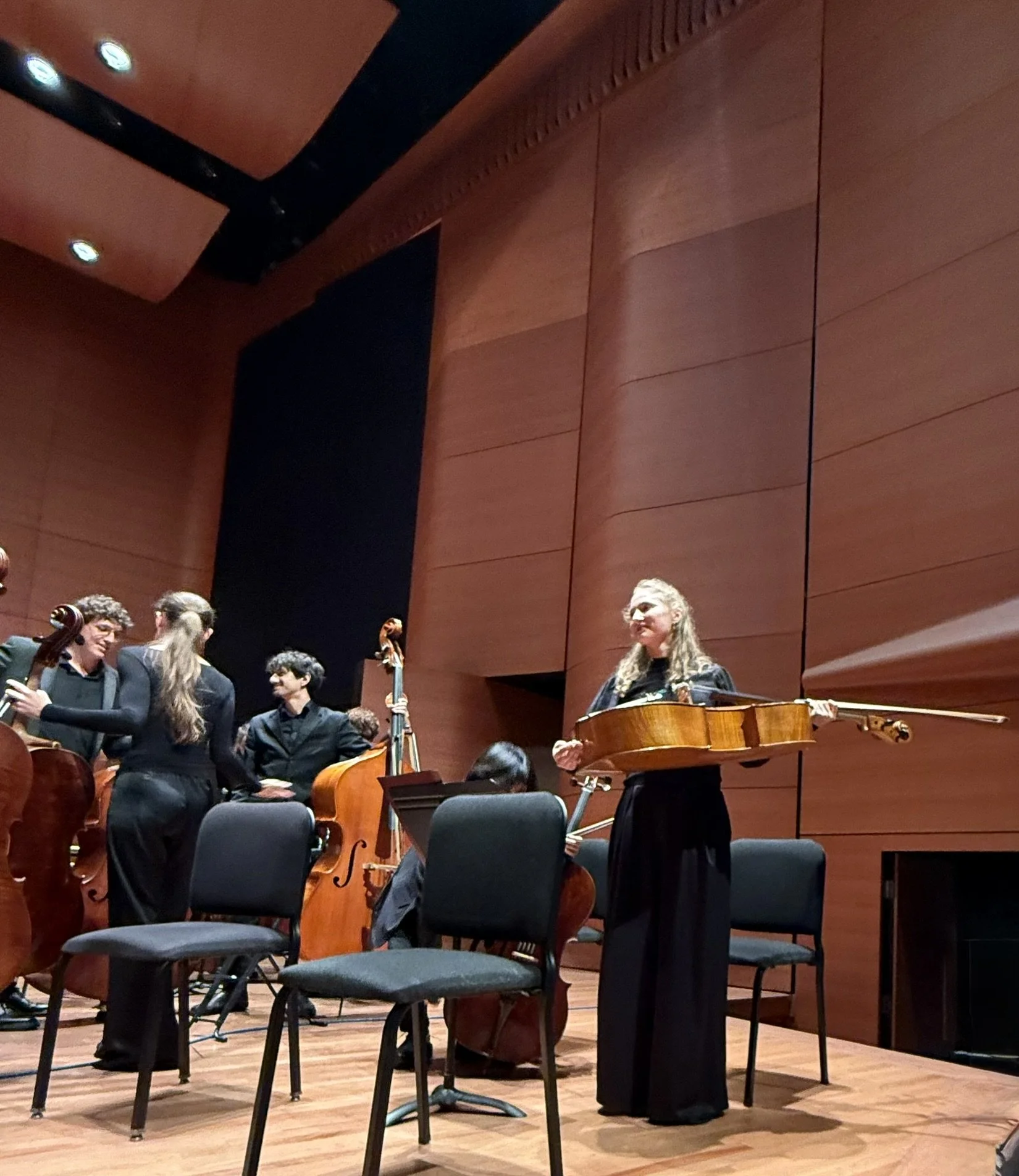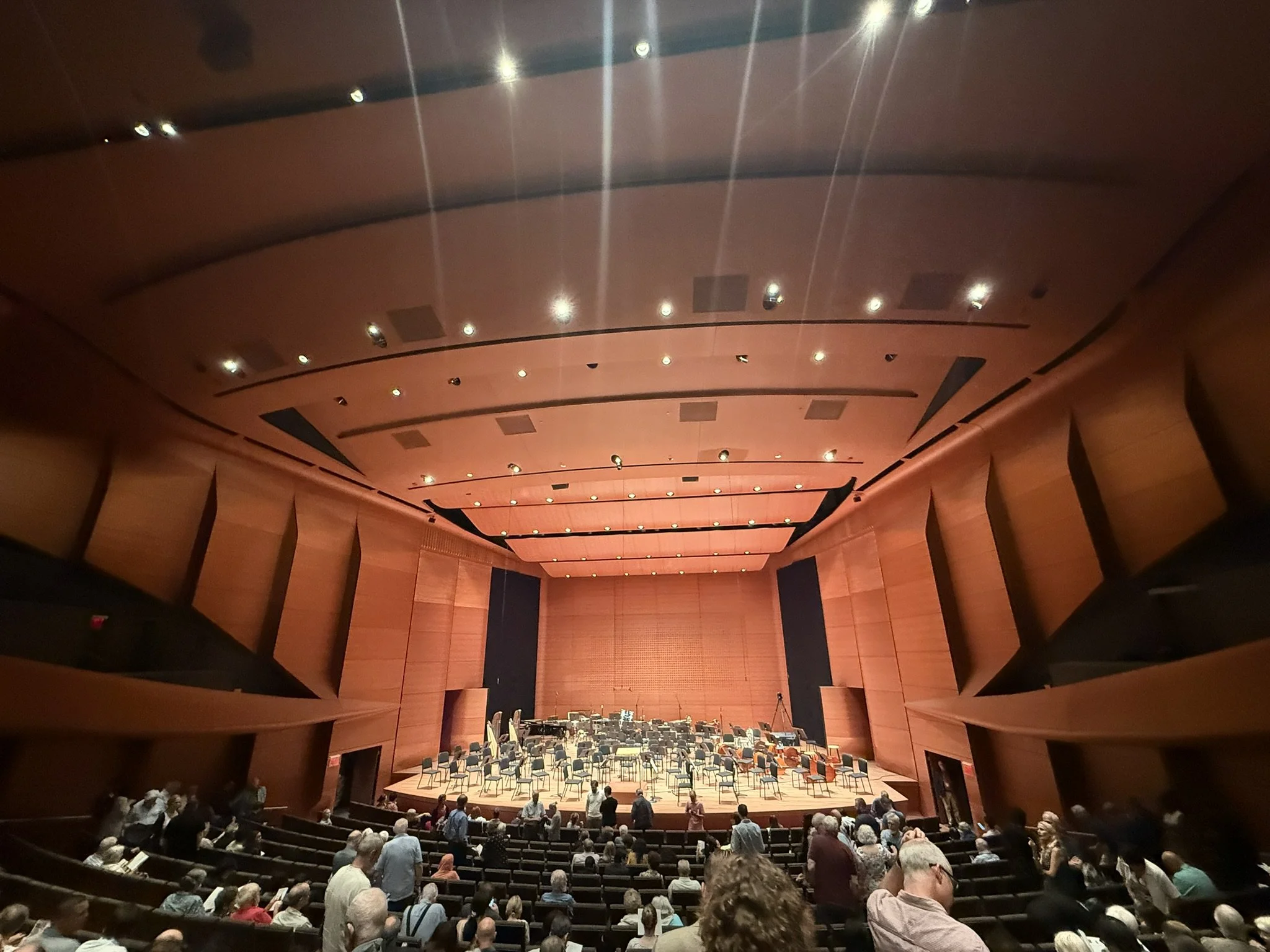
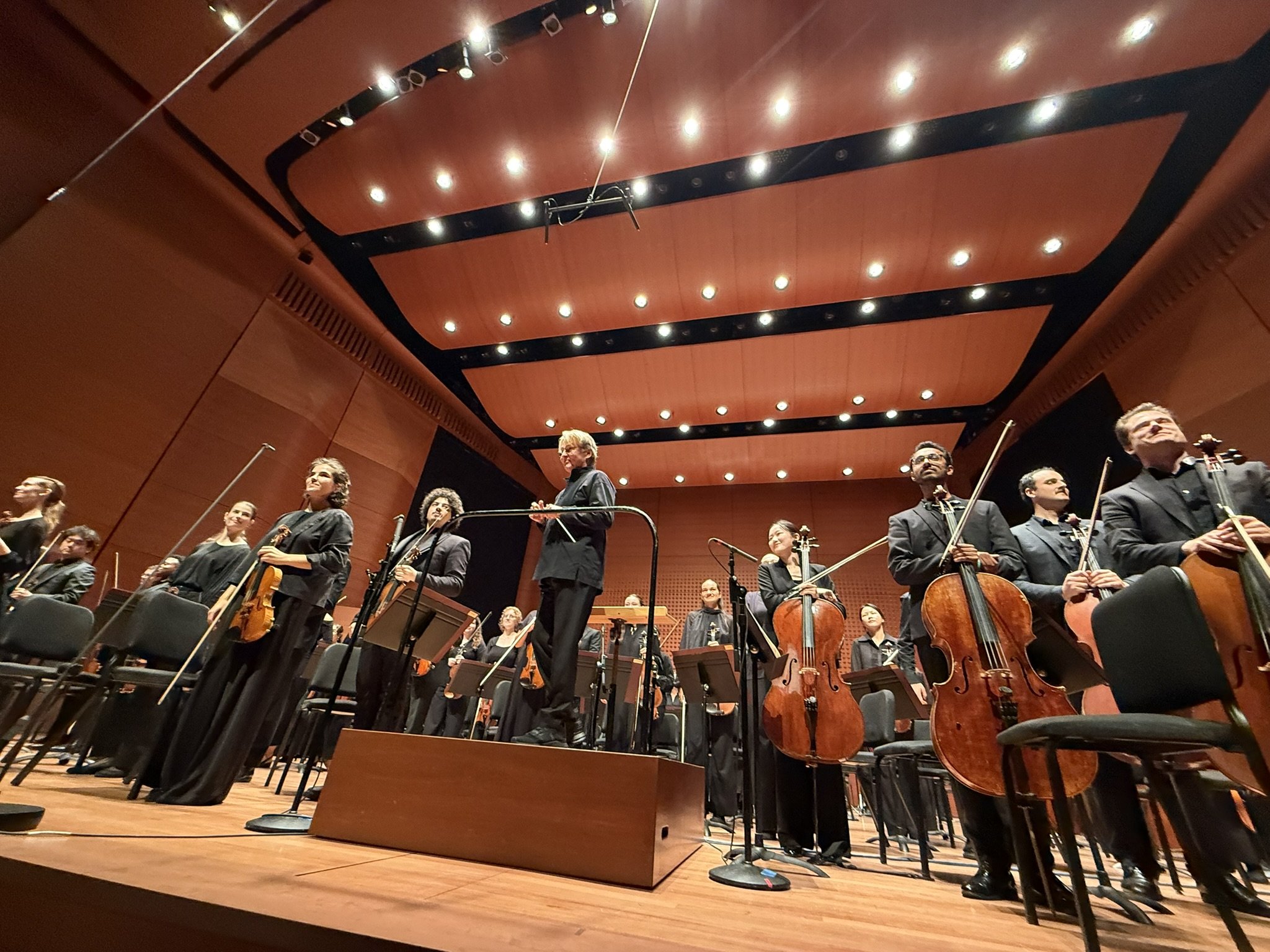
On August 7, 2026, at Alice Tully Hall, a joint orchestra of students from The Juilliard School and London’s Royal Academy of Music performed under the direction of Finnish conductor Esa-Pekka Salonen.
August 7, 2026
Juilliard Orchestra
Royal Academy of Music Symphony Orchestra
Esa-Pekka Salonen, Conductor
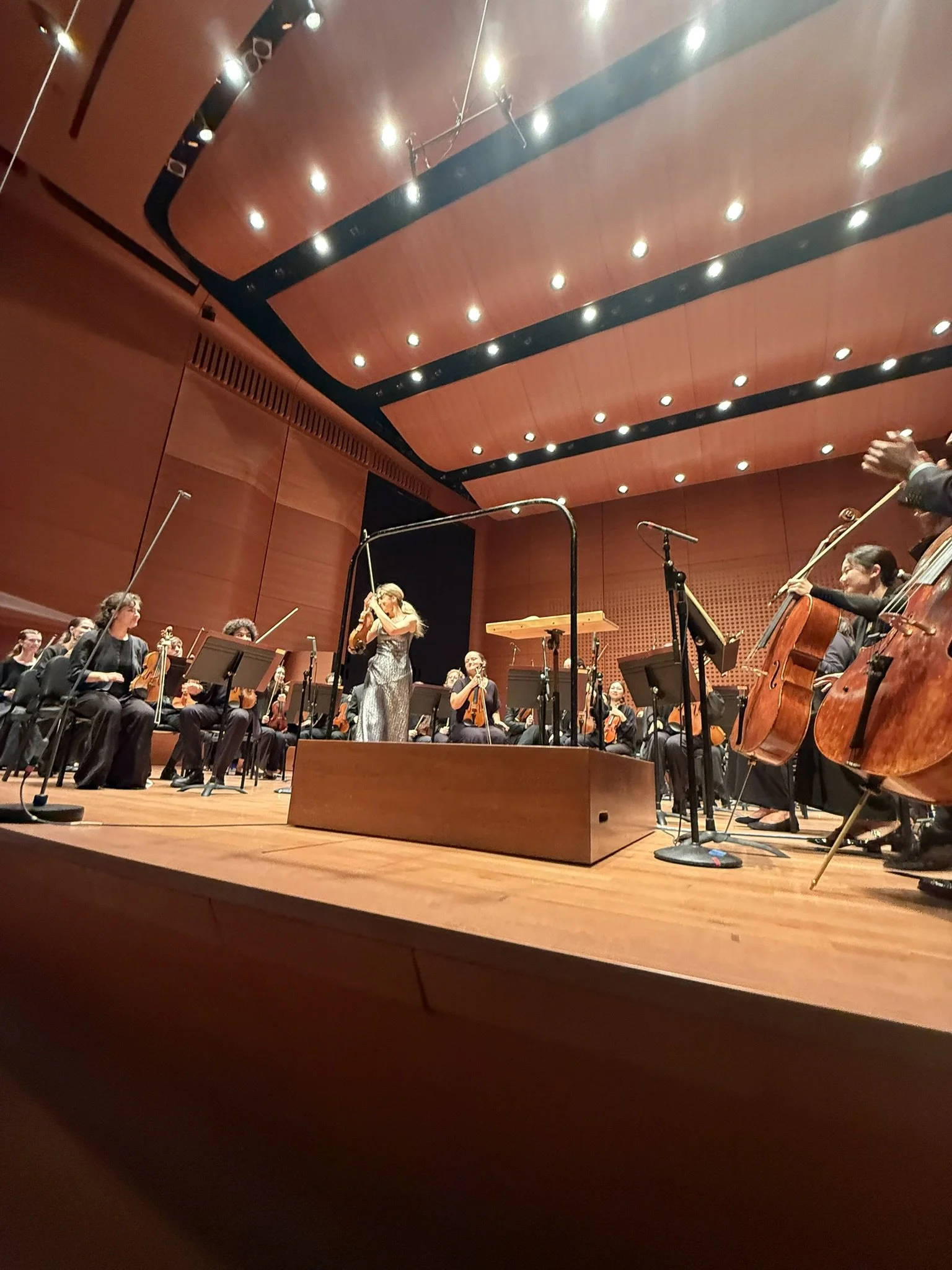
Vilde Frang, Violin
IGOR STRAVINSKY (1882–1971)
Symphony in Three Movements (1945)
Allegro
Andante—Interlude
Con moto
ALBAN BERG (1885–1935)
Violin Concerto (1935)
Andante; Allegretto
Allegro; Adagio
Vilde Frang, Violin
Intermission
BÉLA BARTÓK (1881–1945)
Concerto for Orchestra, BB 123 (1943)
Introduzione: Andante non troppo—Allegro vivace
Giuoco delle coppie: Allegretto scherzando
Elegia: Andante non troppo
Intermezzo interrotto: Allegretto
There was no hardness in Salonen’s conducting. Every attack was supple and flexible, as if supporting the musicians from within. And yet everything was precise, giving every section of the orchestra the freedom to play spontaneously. He did not move the musicians from the outside; he seemed to make them generate the sound from within.
Each player was playing their own music, while sensing where their sound existed within the whole and where it was going. Salonen’s conducting did not take that freedom away. It gave their freedom a direction.
It was the first time I truly experienced the greatness—and the fascination—of Salonen as a conductor.
Stravinsky
The first work was Stravinsky’s Symphony in Three Movements, written during a period in which he had lost family members, moved to the United States at the invitation of Harvard University, remarried, and eventually settled in Los Angeles. Fragments of war news that remained in his consciousness became part of the music. The work was completed in 1945, the year World War II ended and Stravinsky became an American citizen.
The first movement grew out of documentary footage depicting the devastation caused by the Japanese army in China. Images of Chinese people digging and working the fields became an “instrumental conversation” between clarinet, piano, and strings, until the harmony suddenly erupts.
For Stravinsky, perhaps there was no boundary between seeing and hearing.
Esa-Pekka Salonen was combining the distances between the sounds of individual musicians with extraordinary precision. With both arms, and especially with his hands and elbows, he seemed to brush the orchestra’s textures into existence, almost like sweeping a brush across a canvas.
The students’ concentration was extraordinary. So was their attitude toward sound. The care with which they handled the music, even in their physical gestures, revealed how deeply they had understood Stravinsky through the score. Even when the same musical figures appeared repeatedly, they seemed to be searching for a different expression each time.
The principal flute, Sofía Patterson-Gutiérrez, was particularly remarkable. Her articulation, the way she placed the center of gravity within a sound, her sense of narrative, her tone, and her physical presence within the acoustic space reminded me strongly of Clara Andrada de la Calle.
Stravinsky apparently conceived this work as a kind of concerto for orchestra. And indeed, different sections of the orchestra were constantly conversing and competing, sometimes with two or three instruments, sometimes with many more. Even the first violins and double basses seemed to be in dialogue.
Hearing this live, from within the orchestra, was very different from listening to a recording. The constantly changing combinations of instruments became inseparable from the sensation of the music itself, producing something fresh and immediate.
This mixed orchestra of Juilliard and the Royal Academy played Stravinsky’s irregular rules with remarkable discipline. Salonen’s tuning and balance were extraordinarily well judged. The way these musicians handled sound was astonishing. There was care in the very act of producing each sound; the timbres were exactly right, and every sound seemed filled with musical energy.
Alice Tully Hall has a resonant yet remarkably tight acoustic. Because of that, the precision of the playing was especially apparent.
The same was true in the second and third movements. The second was written for the apparition of the Virgin Mary in the film The Song of Bernadette. The third evokes soldiers marching with a goose-step: square-edged rhythms, the sound of a brass band, and grotesque crescendos from the tuba. In the end, the music moves toward an exhilaration that suggests the Allied victory.
Stravinsky seems to be speaking of a world in which violent events are constantly shifting: despair and hope, endless suffering and tension, followed finally by resolution and relief.
It reminded me strongly of John Adams’s Nixon in China, which I heard in Boston recently. This piece also seems almost to function as an orchestral training ground, making it an extraordinarily appropriate work with which to begin an orchestral program.
Berg
The second work was Alban Berg’s Violin Concerto, the last work he completed after interrupting Lulu. It is atonal, yet remarkably accessible.
Berg wrote the concerto after the death, at eighteen, of Manon, the daughter of Alma Mahler and the architect Walter Gropius. He gave it the subtitle To the Memory of an Angel.
The first movement seems to contain several worlds: Manon’s Viennese world, with its waltzes; the Carinthian folk song, suggesting nature and life; and Berg’s own hidden personal memories.
At the opening, the solo violin imitates the broken arpeggios of the clarinet, and the sound begins to expand. The woodwind colors of Stefan Bulyha and the other clarinetists were completely different from Vilde Frang’s violin.
It was almost as if the clarinet and violin were telling us that Manon appeared differently depending on the world in which she was seen. They alternated, one note at a time, with extraordinary care, their colors rising and falling.
The solo violin gradually becomes more complex, and brass instruments and other orchestral voices begin to intertwine with it. The concerto is extraordinarily intimate in the way the soloist, individual orchestral voices, and the full orchestra interact. Listening to it felt like walking through a series of different galleries, touring Berg’s inner world.
The acoustic of Alice Tully Hall leaves just enough resonance behind. When the texture becomes intimate and the number of instruments is reduced, every passage—every solo, every harmony—speaks with such technical certainty and musical freedom that the moment seems to unfold inside the listener.
I found myself smiling at the sheer quality of the playing.
Salonen’s extraordinary sense of measuring each sound, combined with the students’ acute sensitivity and the deep concentration of Vilde Frang and the orchestra, created an astonishing musical world.
A tiny trill in the solo violin might be surrounded by only a handful of instruments. This extremely restricted orchestral expression seemed to seize the notes containing the essence of Berg’s art like a reptile capturing a beautiful insect—as if this were simply the instinct of the music itself.
The orchestra became almost animalistic, alive with energy. The ensemble was immensely complex, yet when I turned toward the sound, the next sound seemed to emerge naturally from exactly where the previous one had appeared. Everything seemed connected.
Berg quoted the Carinthian folk song Ich muass a Jäger sein (“I must be a hunter”). The quotation has also been interpreted as an allusion to Berg’s daughter Albine. She was still alive at the time, yet seems to appear as though hidden behind the ghost of Manon.
The second movement begins with a fierce, almost cadenza-like figure in the solo violin. Then, partway through, the chorale from one of Bach’s cantatas appears:
Es ist genug.
“Farewell, world.
I am going to my heavenly home.
My great suffering remains in this world.
It is enough.”
At the end, Vilde Frang’s solo violin rises together with the orchestral violins and disappears.
Enough.
Released from this world.
It felt almost like Berg’s own message to himself.
He died in December of the same year.
Although Lulu remained unfinished, I felt that his artistic world had somehow been completed in this concerto. It is a masterpiece.
And when the saxophone enters at the end, the music seems to drift into a place that belongs nowhere—a place I do not know.
Bartók
Bartók’s Concerto for Orchestra was completed in 1943 and revised in 1945, the year of his death. In New York, suffering from illness and living under severe circumstances, Bartók was encouraged by his friend Serge Koussevitzky. He completed the work in roughly eight weeks.
Now that monumental final statement sounded as though it had become a single instrument in the hands of this combined Juilliard–Royal Academy orchestra.
The work consists of five movements. The first begins with a string introduction before plunging into the Allegro, where fugue-like writing and folk-inspired melodies unfold.
The dialogue between principal oboist Jacks Pollard, the flute and other winds, and the harp was especially beautiful.
The second movement, Giuoco delle coppie, is Bartók’s humor. The strange exchanges between the woodwinds were so close and so vividly projected into the space that they felt as though they were happening inside me.
Then came the fantastic fanfare of the trumpets, almost medieval in character.
The third movement, Elegia, entered Bartók’s world of night music: a moonlit forest, a world of fantasy.
The coordination of harmonics between different instruments gradually transformed the sound. Strings, harp, and percussion seemed to merge and separate, their colors blending and then pulling apart.
It was a magical world.
Bartók’s ability to create such an unusual, unreal world through an astonishingly delicate and inventive distribution of instruments came through with extraordinary clarity in their playing.
As in Berg, I heard something of Mahler in the tutti of the first violins and cellos, both when they played with mutes and when they played without them.
The Elegia was the most intense moment of the entire concert.
As the movement progressed, the tension continued to increase. The blend of low winds and strings, the transition from tremolo to brass, and the way the instrumental colors passed from one section to another conveyed an almost unbearable sense of grief.
Toward the end, after the tempo settles, the woodwinds emerge again. The piccolo in particular—played by Ruby Howells—was remarkable. Its final cut and brilliance were extraordinary.
The fragments in the woodwinds reminded me of Kandinsky: the way he could perceive an object in three dimensions and render it from multiple angles. There was a similar kind of physical reality in these fragments of sound.
This orchestra was precise in every detail, yet overflowing with a sense of freedom. And still, it always spoke to the work itself, faithfully and carefully.
The Presto of the fourth movement was another example.
Salonen’s understanding of the composer, combined with the students’ respect and concentration toward the music, allowed him at times to gather their consciousness and take them into an entirely different dimension. At other moments, he simply trusted them and allowed the orchestra to breathe.
And then there were moments when he seemed simply to enjoy the orchestra playing together.
I was able to experience many different forms of expression within the same ensemble.
I don’t think I have ever experienced the physical reality of sound this vividly under a conductor before Salonen.
Other conductors have revealed music to me through poetry, movement, ideas, or painting.
But to spend an entire work simply experiencing the substance of sound itself—outside contemporary music, perhaps this was the most profound experience I have ever had.
In this session, I was made to confront a fundamental question:
What is sound?
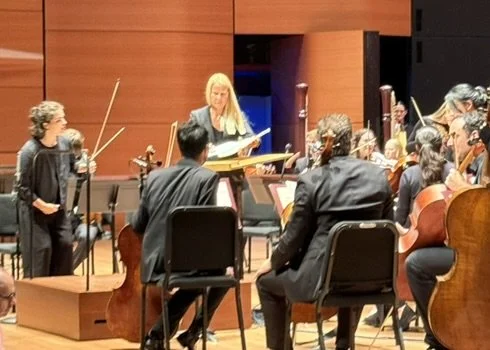
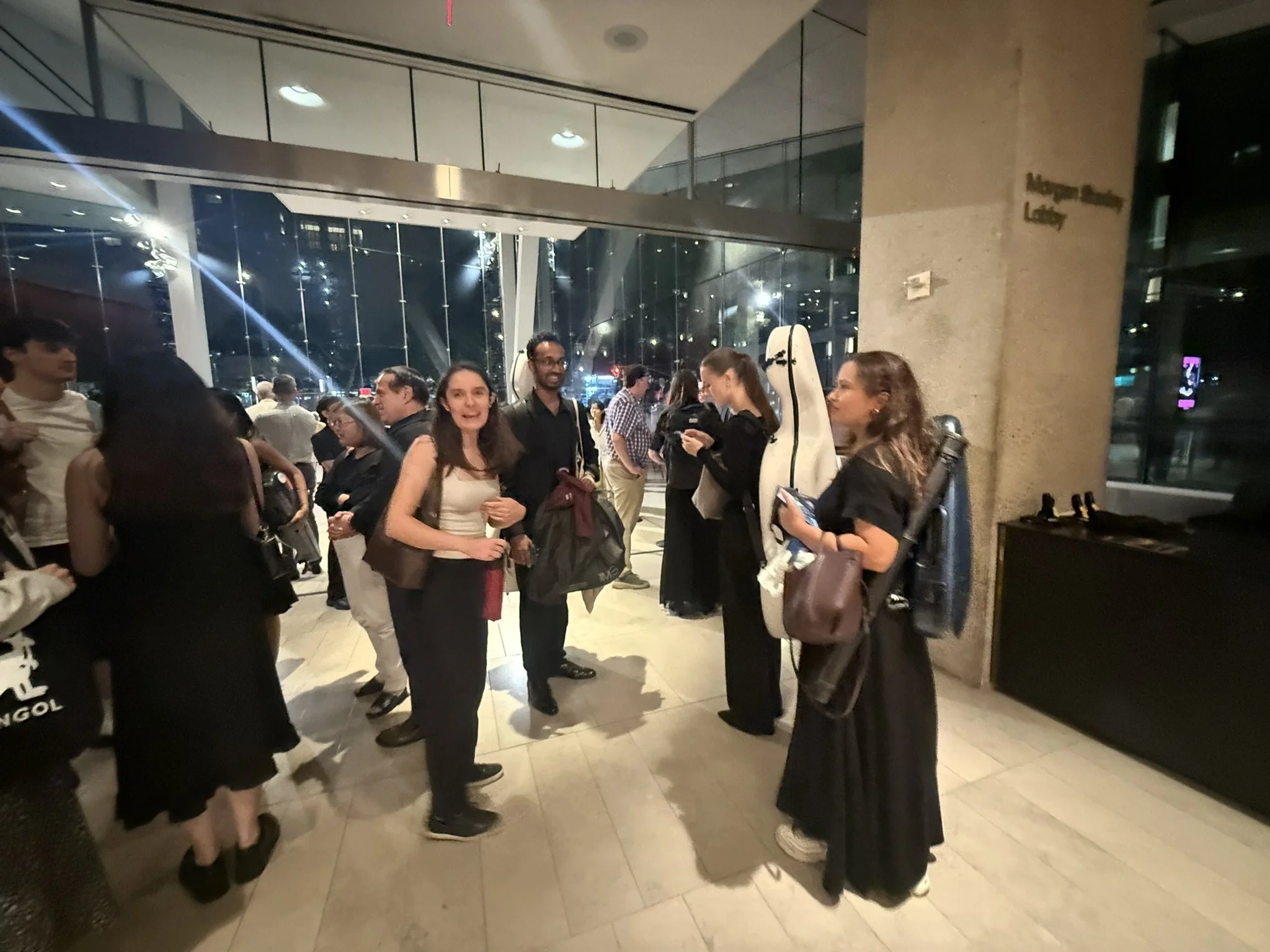
2026年8月7日、Alice Tully Hallで、ジュリアード音楽院とロンドンのRoyal Academy of Musicの学生による合同オーケストラの演奏会が行われた。フィンランド出身の指揮者Esa-Pekka Salonenがこの混成オーケストラを指揮した
サロネンの指揮には角がない。アタックもすべて、演奏家を内側から支えるようなしなやかで柔軟。しかも正確で、オーケストラのどのパートにも彼らの自発的な演奏の自由を与えていた。演奏家を外から動かすのではなく、内側から音を生み出させるような指揮だった。オケの演奏家が自分の音楽を奏で、その音が全体の中でどこにあり、どこへ向かうのかを感じている。サロネンの指揮は、彼らの自由を、音楽の方向を示していた。生まれて初めて、サロネンのすごさと面白さを堪能した演奏会だった。
1曲目はストラヴィンスキーが1938年から1939年にかけて家族を亡くし、その後ハーバード大学の招きで渡米、翌年には再婚してロサンゼルスに移住した時期に書かれた3楽章の交響曲。そこで見た戦争ニュースのストラヴィンスキーの意識に残った断片が音楽となった。1945年、第二次世界大戦が終わり、ストラヴィンスキーがアメリカ市民となった年に完成した。
第1楽章は、日本軍の中国での焦土作戦を映したドキュメンタリー映画から生まれた。中国人が畑を掘り、耕している映像が、クラリネット、ピアノ、弦楽器による「器楽の会話」となり、やがて和音が爆発する。
ストラヴィンスキーにとって、見ることと聴くことの間には境界がなかったのかもしれない。Esa-Pekka Salonenは、オーケストラのそれぞれの演奏家の音の距離を、とても精密に組み合わせていた。そして、細かなテクスチャーを両腕、特に手、ひじから手を使って、筆を払うように、ストラヴィンスキーのテクスチャーをオーケストラに与えていた。
学生たちの集中がすごかった。音に向かう姿勢がすごい。音を扱う気持ちと所作。その一つひとつから、ストラヴィンスキーを楽譜で理解していることが伝わってきた。同じ音型が並んでいても、いつも違う表現を試しているようだった。特にフルートの首席、Sofía Patterson-Gutiérrezがすごかった。彼女のアーティキュレーションや、音の重心の置き方、物語性、音色、空間でのあり方は、Clara Andrada de la Calleによく似ていた。
ストラヴィンスキーは、この作品を管弦楽のための協奏曲として考えていたそうだ。実際、オーケストラのさまざまな部分が、2から3、またはそれ以上の楽器が重なり協奏していた。ファーストヴァイオリンとコントラバスも協奏していた。録音よりも実際の演奏は、オーケストラの中心で聴くと、さまざまな組み合わせのアンサンブルが作家のセンセーションと新鮮な演奏と重なって面白い。
ジュリアードとロイヤル・アカデミーが混ざったオーケストラは、ストラヴィンスキーの不規則な規則を規則正しく演奏していた。サロネンのチューニングはとても適切だった。彼らの音の扱いが物凄い。音を出すことに心が籠っていたし、音色が適切で、音楽のエネルギーで満たされていた。アリス・タリー・ホールのアコースティックは、響くが、とても緊密だった。そのため、演奏の精度がよくわかった。
それは、2と3楽章でも同じで、2楽章は、映画、聖処女(The Song of Bernadette)の「聖母マリアの出現」の場面のために作曲された。3楽章は、ガチョウ足行進をする兵士たち。四角ばった行進のリズム、ブラスバンドのような響き、チューバによるグロテスクなクレッシェンド。最後は、連合国の勝利を思わせる高揚へ音楽が向かっていく。
ストラヴィンスキーはこの作品を絶えず移り変わる激しい出来事、絶望と希望、終わりのない苦悩と緊張、そして最後にもたらされる終息と安堵を語っている。この間ボストンの演奏で聴いた、ジョンアダムスのニクソンインチャイナにすごくにている。この曲はオケの基礎錬も兼ねているような曲なので、オケのプログラムの頭には大変適切だと思った。
2曲目は、アルバン・ベルク(1885–1935)が《ルル》を中断して、最後に書いた曲、ヴァイオリン協奏曲。無調で書かれているが、聴きやすい。この曲は、マーラーの妻だったアルマと、建築家ヴァルター・グロピウスとの間にできた娘、マノンが18歳で亡くなった時に書かれた。「ある天使の思い出に(To the Memory of an Angel)」という副題がついている。
第1楽章は、マノンのウィーン世界(ワルツ)、ケルンテンの民謡(自然、生命)、ベルク自身が隠した個人的な記憶が描かれている。冒頭は、クラリネットの分散和音をソロ・ヴァイオリンが模倣して、音が広がる。Stefan Bulyhaらクラリネットの木管の音色と、Vilde Frangのヴァイオリンの音色は、全く違っていた。
まるで、世界に映ったマノンの姿がまるで違うと語っているように、クラリネットとヴァイオリンが交互に、一音一音、それは丁寧に音色が上下する。曲は、ヴァイオリン・ソロがだんだん複雑な音型で動き、そこに金管などがさまざまに絡む。この協奏曲は、ソロにオケのソロや管弦楽がとても親密に絡み、たくさんの別なギャラリーを覗いて歩くような、ベルクの世界をツアーして回るような曲だ。
Alice Tully Hallの音響は、残響が少し残る。音の層が少ない楽器で緊密な時は、どのパッセージも、ソロも、ハーモニーも、彼らは確かな技術と自由な音楽性で、その瞬間がまるで聴いている自分の中で繰り広げられていくように音楽が語りかけてくる。そのため、演奏のうまさに笑みがこぼれた。
サロネンのそれぞれの音を測るセンスと、学生たちの鋭い感覚が、Vilde Frangとオーケストラの深い集中によって、とんでもない音楽の世界を繰り広げていた。わずかなソロ・ヴァイオリンのトリルに絡む、少ない楽器による、とても制限されたオーケストラの表現が、美しい虫を捕食する爬虫類のように、ベルクの芸術の髄が込められた音符を、まるでそれがその音楽の本能であるかのように捉えていく。
とても動物的なオーケストラに、生命が漲っていた。アンサンブルはとても複雑なのに、音が鳴るほうを向くと、その場所から次の音が現れて、不思議と自然で、全部つながって聴こえてきた。
ベルクが引用したのは、ケルンテン地方の民謡 「Ich muass a Jäger sein(私は狩人にならなければならない)」。この引用が、ベルクの娘アルビーネへの暗示でもあるという。アルビーネは当時健在だったが、マノンの亡霊に隠れるように現れる。
第2楽章は、ヴァイオリン・ソロの激しいカデンツのような音型で始まり、途中でバッハのカンタータのコラールが鳴る。
Es ist genug.
「さようなら、この世よ。
私は天の故郷へ旅立つ。
私の大きな苦しみはこの世に残る。
それで十分だ。」
最後、Vilde Frangのソロ・ヴァイオリンは、オーケストラのヴァイオリンたちとともに上昇し、消えていく。
十分です。
この世から解放される。
ベルクの自分へのメッセージのようだ。
彼は同じ年の12月に亡くなった。
オペラ《ルル》は途中だったが、彼の芸術はこの作品で完成されたような、名作だと思った。最後にサックスが入ると、どこにも属さない、知らない場所を漂うような感覚になる。
バルトークの管弦楽のための協奏曲は11943年に完成し、1945年、バルトークが亡くなる年に改訂された。ニューヨークで病に侵され、厳しい状況にあったバルトークを、友人クーセヴィツキーが励まし、わずか8週間ほどで書き上げた集大成がジュリアードとロイヤルアカデミーの混成オケで一つの楽器のように鳴る。
作品は5つの楽章から構成され、1楽章は、弦楽器に序奏で始ま
アレグロへと突入し、フーガや民俗音楽風の旋律が展開。
特にオーボエのJacks Pollard、フルートやほかの管楽器とハープの対話が見事。2楽章は遊びは、バルトークのユーモア。木管の奇妙な掛け合いは、まるで自分の中で起こっているように緊密で超リアルに空間にプロジェクトされていく。中世を思わせるトランペットの幻想ファンファーレ。
3楽章はバルトーク夜の音楽では月明かりに森の情景。幻想の世界。違う楽器のハーモニクスの連携が、いつの間にか弦楽器やハープや打楽器が音色が混ざったり別れたり。魔法の世界だった。独特の非現実的な世界を驚くほど繊細で独創的にバルトークは描写して楽器を割り当てているのが、彼らの演奏からよく伝わってくる。ベルクでもそうだったが、ファーストバイオリンとチェロのトゥッティがマーラーの音色だった。ミュートをつけていた時とつけていない時にそれを感じた。この3楽章のエレジアが、この公演で一番極まった時間だった。曲が進めば進むほど緊張が増していったし、管楽器の低音と弦楽器のブレンドやトレモロからブラスへの連携などは、極限の悲痛を訴えるものだった。終盤、テンポが落ち着いてからの木管の特にピッコロ、Ruby Howellsのピッコロは一番最後の切れも輝きもすばらしかったが、ここの木管の断片のカンデンスキーの立体的に物体を捉えて描くそれに近いリアリテを感じた。
このオーケストラはどの部分も精密だが、自由な意思に溢れていて、それでも、あくまで作品を忠実に丁寧に語り掛ける。4楽章のプレストも、サロネンの作曲家の理解、ジュリアードとロイヤルアカデミーの音への敬意と集中で、サロネンは彼らの意識を統率しまるで違う次元へ連れて行くときと、彼らに任せてオケを呼吸させるときとオケの合奏を楽しむ場面があり、彼らの様々な表現に触れることができた。
こんなに音そのものの実体をとても鮮やかに体験したのはサロネンが初めてなんじゃないかとおもう。他の指揮者は詩的だったり動きだったり、思想だったり、絵画的だったり。でも音の実体を作品通じてじっくり楽しんだのは、現代曲以外ではこれが最高の体験かもしれない。このセッションでは音jijiとは何なのかを思い知らされた。