I headed to Tanglewood again to hear Hanna’s voice again. On Friday, July 31, I boarded an Amtrak train at 1:30 p.m. and once again headed toward Hudson. It was a beautiful summer day, with large white clouds drifting across the blue sky. When I arrived in Hudson around 3:30, Paddle was waiting for me at the station, and we drove directly to Linda’s house.
When we arrived, Polly greeted me. André also came to say hello, but my heart was still somewhat closed. I did not feel ready to exchange many words. Instead, I went upstairs, and we began our yoga practice together.
Once again, our theme was Patanjali’s Yoga Sutra 3.17: the practice of observing consciousness itself—to simply watch the emotions and thoughts that arise within us without judgment. The practice would continue the following day at *The Marriage of Figaro*: how would I experience the desires, jealousy, love, and forgiveness that Mozart reveals within human beings through his music? Paddle suggested that this time we choose a different person as our object of meditation, and we did.
First, we moved our bodies. Through cat-cow movements, we became aware of our physical condition, gradually loosening the upper arms, shoulders, hips, and the front muscles of the thighs. Every movement had a reason behind it and followed the natural logic of the body. Paddle taught us how to support the body using the abdominal muscles and the muscles along the sides of the torso. Then came Sun Salutations. I became deeply aware of how uneven my own skeletal alignment was and noticed parts of my body that I had rarely used.
Once again, Joshua’s movement from bakasana into a three-point headstand was extraordinary. Connecting his awareness from the abdominal muscles through the waist, he carefully shifted his center of gravity through his own intention. Slowly, his legs rose from the base of his hips toward his toes, drawing a perfect arc through the air. We instinctively applauded, following the movement with our eyes. In less than two years of practicing yoga, his mind and body had already become deeply connected.
After that, we continued with twisting movements. My body was squeezed and released repeatedly, and sweat poured from me. Because this session was much more intense than the previous week, the meditation after savasana became extraordinarily quiet.
During meditation, I kept repeating Maron’s name in my mind. I felt his beat. I felt the weight of his tone, the air of his sound spreading through space. Then the sound disappeared, leaving only the essence of Maron as a single resonance.
I tried to describe him, but when even those words faded away, I heard another image: Maron sitting in the pit at the Met, joining the orchestra’s unison. My chest tightened, and tears flowed while I remained in meditation.
After the emotional wave passed, Maron was still present inside my mind. Yet another image began to emerge, another moment of his existence that I later told Paddle about.
After yoga ended, we went downstairs and spent a wonderful evening talking and eating together. The salad and cheeseburger were both delicious, and I realized that I felt much more relaxed than I had a week earlier.
Joshua told me that he had watched a recording of Saariaho’s *Innocence*. He already understood many of the composers I admired, and we shared similar sensibilities. When I asked him which composer he loved most, he answered Stravinsky. He had heard Stravinsky performed live when he was a student, and that experience had remained deeply with him.
We talked about how Stravinsky’s music was not simply a rejection of the past, but rather a connection to the deeper spirit and forms of earlier eras. The new does not necessarily emerge from breaking away from tradition. Innovation can also come from reviving forgotten vitality and primal human sensations through contemporary expression.
We remembered the premiere of *The Rite of Spring* in 1913, when the audience erupted into chaos, with shouting and protests filling the theater. New music had shaken existing ideas of beauty and value, provoking an overwhelming reaction. Yet that disturbance itself revealed the power of art to transform perception.
After dinner, André gave me some whiskey. Completely relaxed, the night in Hudson felt incredibly deep and peaceful. But as the evening grew late, I prepared to leave.
Linda called out, “Enjoy the music tomorrow.”
On my way out, I shook André’s hand. He said, “See you again soon.”
It was sad.
Would I really return here again?
After being exhausted by Paddle’s intense yoga session, refreshed by Linda’s wonderful cooking, and comforted by André’s special Jameson whiskey, I slept deeply.
The next morning, I woke up and immediately opened Mozart’s score of *The Marriage of Figaro*. I had already studied most of Acts I and II, so I began from Act III, listening while following the score and translation.
I examined every note, the overlapping voices, and the movement of each character’s words. The practice of Yoga Sutra 3.17 from the previous day—the training of seeing an object deeply—continued while listening to music.
On the score, each character exists simultaneously, singing different melodies at the same moment.
The Count’s desire.
The Countess’s sorrow.
Susanna’s intelligence.
Figaro’s suspicion.
Different human consciousnesses resonate together within a single musical structure.
I imagined the performers I would encounter that night and searched for their presence within Mozart’s score.
At the beginning of Act III, the Count is confused.
“What is happening? What is going on?”
Into this uncertainty appears Susanna. With gentle words, she reassures him and carefully draws him into the illusion that he desires.
In No.17 Duettino, she sings:
“Mi sento dal contento
pieno di gioia il cor.”
“My heart is filled with joy.”
And then:
“Scusatemi se mento,
voi che intendete amor.”
“Forgive me if I lie,
you who understand love.”
The word *mento* means “to lie.” Susanna is openly telling the Count that she is deceiving him, yet he interprets her words as a playful expression of love. He hears only what he wants to hear.
The audience, however, understands the truth. They know that Susanna is not surrendering to the Count’s desire, but carrying out the plan she has created together with the Countess. This is the source of the comedy: the dramatic irony in which the characters on stage and the audience possess completely different knowledge.
Mozart creates this extraordinary moment by allowing the two characters to share the same melodic line while revealing completely different inner realities. The Count is intoxicated by his own desire, believing he has regained control. Susanna, outwardly obedient and affectionate, remains emotionally distant and completely in command of the situation.
They exchange the same words, but they inhabit two different worlds.
Only the audience can hear both realities at once.
This double meaning reaches its peak in Susanna’s phrase:
“Scusatemi se mento.”
She speaks to the Count, but at the same time she seems to confess directly to the audience:
“I am about to deceive him.”
The duet closes with this extraordinary ambiguity, where truth and illusion exist simultaneously.
Afterward comes No.18, the Count’s aria:
“Vedrò mentre io sospiro,
felice un servo mio!”
“Shall I see, while I suffer and sigh,
my servant happy?”
The Count’s pain is not simply the sorrow of losing the woman he desires. It is the humiliation of seeing someone beneath him in social rank obtain what he himself cannot possess.
“E un ben ch’invan desio,
ei posseder dovrà?”
“A happiness that I desire in vain—
he shall possess it?”
The word *ben*—happiness—refers to Susanna. Yet the Count’s suffering goes beyond romantic jealousy. It exposes the wound to his aristocratic pride. He cannot accept that Figaro, a servant, may achieve something that his own wealth, power, and status cannot secure.
In this aria, Mozart reveals several layers of the Count’s identity at once: a man longing to be loved, a husband who has lost his wife’s affection, an aristocrat whose authority is beginning to collapse, and a human being unable to accept defeat before a younger servant.
Mozart does not portray the Count merely as a villain. He reveals the tragedy of a man whose sense of power and control is disappearing.
The following No.19 Sextet deepens this exploration of human complexity. When Figaro’s hidden birth is revealed and the conflict with Marcellina begins to resolve, the beauty of the scene lies not simply in the solution of a misunderstanding. Mozart transforms the moment into a musical expression of multiple human emotions existing simultaneously.
Surprise.
Joy.
Anger.
Affection.
Confusion.
Each character carries a different emotional reality, yet all of these voices exist together within one musical structure. The six voices are not merely creating harmony; they represent six different inner worlds resonating at the same moment.
Mozart reminds us that there is never only one human response to a single event. Every person reacts through the weight of their own memories, relationships, and experiences.
The sextet is not simply a device that advances the plot. It is music that reveals the complexity of human consciousness itself.
Then comes one of the deepest emotional moments of the opera: the Countess’s aria No.20, “Dove sono i bei momenti.”
“Oh cielo, a quale umil stato fatale
io son ridotta.”
“Oh heaven, to what a miserable state
have I been reduced.”
The Countess experiences the humiliation of having to ask Susanna, her servant, for help in regaining her husband’s love.
“Prima amata, indi offesa, e alfin tradita.”
“First loved, then wounded, and finally betrayed.”
“Fammi or cercar da una mia serva aita!”
“Now I must seek help from my own servant.”
Once a woman cherished and respected by the Count, she now finds herself dependent on someone of lower social status to recover the affection she has lost.
Yet what she longs for is not simply the return of her husband.
“Dove sono i bei momenti
di dolcezza e di piacer.”
“Where are those beautiful moments
of sweetness and happiness?”
She searches for the memory of the love, trust, and happiness that once existed between them.
“Di cangiar l’ingrato cor.”
“To change that ungrateful heart.”
The Countess does not seek revenge. She wishes to restore the bond that has been damaged.
In No.20, Mozart does not portray only the sorrow of a betrayed woman. He reveals the strength and dignity of a human being who, even after suffering deeply, continues to believe in love.
The Countess carries the memory of lost happiness, not as a source of bitterness, but as a hope for renewal.
Through these scenes of Act III, Mozart reveals that *Le nozze di Figaro* is not merely a comedy of mistaken identities and social conflict. Beneath the laughter lies a profound exploration of human consciousness: desire and deception, pride and vulnerability, memory and forgiveness. Each character lives within their own emotional reality, yet Mozart’s music allows these separate worlds to meet, collide, and finally be understood.
### No.21 “Che soave zeffiretto”
“Che soave zeffiretto.”
“What a gentle little breeze.”
In this duet, the Countess dictates the words of the letter while Susanna writes them down. The letter itself is a carefully designed trap to lure the Count, yet something deeper takes place. The Countess and Susanna create a plan together that transcends their social positions. The Countess sings words that belong to Susanna’s world, while Susanna begins to express herself with the elegance and emotional depth of the Countess. Their voices gradually approach one another, and in the phrase “Certo, certo il capir,” they seem to become one.
Through music, the distinction between aristocrat and servant disappears. They are no longer separated by rank or social identity, but become two human beings sharing the same intention, intelligence, and emotional understanding. Mozart shows that true connection is not created by status, but by consciousness. Later, Susanna gives the letter to the Count during her wedding ceremony with Figaro. In the final ensemble, those who celebrate the marriage, those who understand the secret plan, those who remain suspicious, and those who know nothing all gather together on the same stage. Mozart creates a world in which multiple psychological realities exist simultaneously within a single musical structure. Every character experiences the same moment, yet each one perceives a different reality. This is the dramatic tension of *The Marriage of Figaro*, and it is the miracle of Mozart’s ensemble writing.
### Act IV
Act IV begins with Barbarina’s Cavatina, “Cercando qualche cosa per terra.”
“Searching for something on the ground.”
Barbarina is searching alone in the darkness of the garden for the precious pin entrusted to her by the Count. The final act does not begin with a grand confrontation, but with the anxiety of a young girl over a small lost object. Yet this simple moment opens the door to the final web of secrets, misunderstandings, and emotions that will unfold throughout the night. Mozart captures Barbarina’s innocence with extraordinary tenderness. Her voice carries one of the most direct and unprotected forms of human feeling in the opera. A young girl searching for a lost pin gradually leads us into a world where every hidden emotion will finally be revealed.
While speaking with Barbarina, Figaro begins to believe that Susanna is betraying him and secretly meeting with the Count. His pain turns into suspicion, and he describes women through images of danger and deception: “Son streghe che incantano” (“They are witches who enchant us”), “Sirene che cantan per farci affogar” (“Sirens who sing to make us drown”), and “Volpi vezzose” (“Charming foxes”). Through these images, Mozart reveals a wounded male psychology that sees women as both irresistible and threatening. But Mozart is not presenting this worldview as truth. He is portraying Figaro’s jealousy and the moment when he loses his ability to see clearly. When he believes he has lost Susanna, he can no longer trust anyone, and his imagination creates enemies everywhere. Mozart transforms this extreme emotion into energetic and comic music. The audience laughs because they understand what Figaro does not: he has misunderstood everything. Figaro is not truly attacking women; he is protecting his own wounded heart.
### No.28 Finale
In the darkness of the garden, the hidden truths of human beings gradually emerge. The Countess and Susanna exchange clothes and wait for the Count while pretending to be each other. The Count approaches the woman he believes is Susanna, while Figaro, who initially suspects Susanna’s betrayal, eventually understands the truth and chooses to play along, gently teasing her instead of responding with anger. Their misunderstanding dissolves, and they are reconciled.
The Count, however, believing that he has discovered Figaro with his wife, becomes furious. But when the real Countess appears, the truth is finally revealed. For the first time, the Count sees himself clearly.
“Contessa, perdono.”
“Countess, forgive me.”
This is the moment when the mask of aristocratic authority falls away. He no longer stands before his wife as a powerful nobleman, but as a vulnerable human being who recognizes his own failure. The Countess replies:
“Più docile io sono,
e dico di sì.”
“I am more forgiving than you, and I say yes.”
Her forgiveness is not weakness. It is the greatest strength in the opera.
With the final ensemble, Mozart completes his vision of humanity. The world is not healed through power, possession, or control, but through recognition and forgiveness. Those who attempt to dominate others become isolated; those who learn to understand others become connected.
At that moment, Hanna’s voice crossed my mind. Her voice, which I had heard at Tanglewood, carried the same quality that Mozart reveals in this final act: the ability to connect separate human worlds through sound. A voice is not merely a physical vibration. It carries memory, intention, vulnerability, and consciousness.
In *The Marriage of Figaro*, Mozart allows voices that begin in conflict—voices filled with desire, jealousy, pride, and fear—to gradually discover harmony. Perhaps this is why Hanna’s singing remained in my memory. Because I had not only heard a beautiful voice. I had heard a human consciousness revealing itself through sound.
At noon, Paddle came downstairs and started reading the book Joshua had. I remained focused until around two in the afternoon. In Hudson, I felt no hesitation about engaging with what was before me. I could listen to my own inner voice while enjoying Le nozze di Figaro.
Afterward, I took a shower and prepared a simple salad for Paddle, who was not feeling well, using string beans, onions, and rice noodles I had bought in Chatham. I lightly seasoned it and gave it to him. He immediately added chicken stock powder and ate it happily.
To give something to another person is also to accept that person. This is one of the themes of Figaro: understanding others and building relationships rather than seeking control.
Beaumarchais’s Le mariage de Figaro premiered in Paris in April 1784. It addressed aristocratic privilege, corruption in bureaucracy, censorship, intellectual property rights, and the difficulty of living through talent rather than birth.
Figaro’s famous monologue expresses the frustration of ordinary people:
You are born into privilege and rise without effort, while I must use my intelligence simply to survive.
This anger came from the playwright’s own experience as a talented individual struggling within an unequal society.
When Lorenzo Da Ponte adapted the play for the imperial theater in Vienna in 1786, he understood the danger of directly attacking the aristocratic system. He removed the explicit political criticism, the satire of the legal system, and much of Figaro’s revolutionary anger.
Instead, he transformed the work from a social revolution into a drama of love, marriage, psychology, and forgiveness. Mozart then created, through music, another dimension of power relationships that words alone could not express.
This appears most deeply in the Countess’s arias: “Porgi, amor” from Act II and “Dove sono” from Act III. The music enters her inner world.
What emerges is not simply the suffering of a noblewoman, but the loneliness and dignity of a human being wounded by another person’s power. The Countess occupies a position of privilege and high status, yet within the private space of marriage, she becomes vulnerable to the power of her husband.
Mozart’s music reveals that social rank does not guarantee freedom or happiness. The relationship between power and vulnerability cannot be measured only through social class.
Today, we may interpret this work through the perspectives of women’s solidarity, class criticism, and the dynamics of gender and power. However, at the premiere in 1786, audiences were captivated above all by the theatrical brilliance, the personalities of the singers, and Mozart’s extraordinary musical invention.
The singer who created Susanna, Nancy Storace, had previously sung Rosina in Paisiello’s Il barbiere di Siviglia. For audiences of the time, Susanna was connected to the image of Rosina—a young woman full of intelligence, wit, and vitality.
In Le nozze di Figaro, they could sense a continuation of that character: as if the Rosina they knew had lived through time and become the Countess.
What they experienced was the charm of unforgettable characters, the individuality of great singers, and the incomparable musical conversation created by Mozart.
Hunter’s words about the power of character, singers, and Mozart’s musical imagination brought me back to a personal memory: the first time I heard Hanna’s voice in 2018.
Hanna came to Carnegie Hall in 2018, when Kirill Petrenko conducted Richard Strauss’s Der Rosenkavalier with the Bavarian State Opera.
She sang Sophie.
I was seated behind Petrenko.
Even today, I remember the softness of his fingers and arms—the way his gestures allowed the music to breathe.
In the same way, I remember Hanna’s voice immediately after hearing it: the vibration of her throat, and the transparent yet powerful atmosphere rising from her entire body, as if the music itself were hidden inside the air surrounding her.
The orchestra and the singers all existed completely within Strauss’s world.
They were not merely performing Strauss’s music.
They had become Strauss’s music itself.
Hanna-Elisabeth Müller sang the role of Zdenka in Richard Strauss’s Arabella at the 2014 Salzburg Easter Festival. The cast included Renée Fleming and Thomas Hampson, with Christian Thielemann conducting.
To sing Strauss’s women is also to sing time and memory.
The Countess in Mozart exists along the same artistic path.
Throughout her career, Hanna has carried the time and memories of the human beings living inside each work into the present through her voice.
In 2020, I heard Hanna sing Susanna at the Metropolitan Opera.
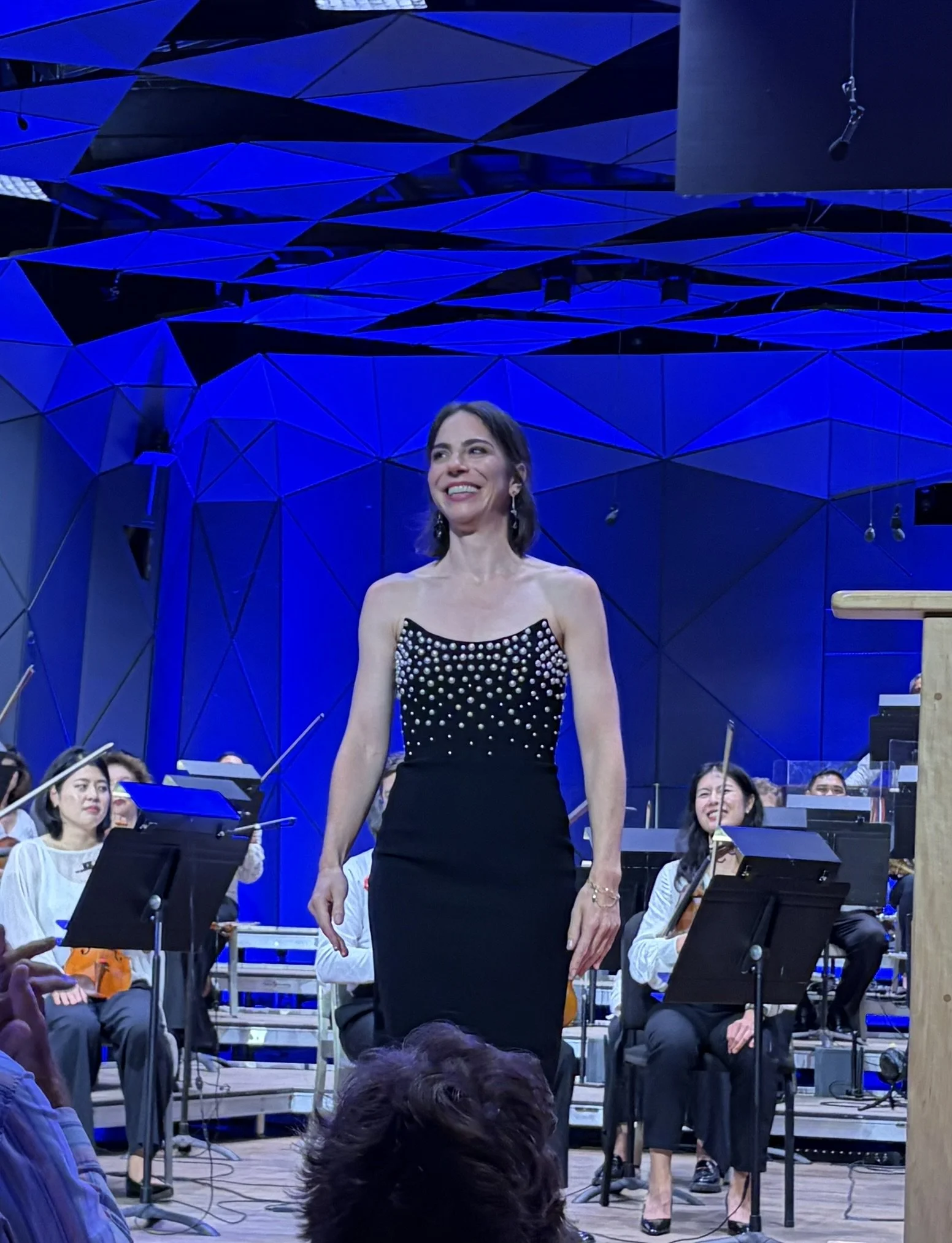
And on this night, I encountered Hanna once again—now as the Countess.
Her transparent resonance contained the movement and depth of human emotion.
When she sings a figure like Mozart’s Countess—a person wounded yet unwilling to surrender her dignity—Hanna’s voice carries human memory, loneliness, and the hope of love.
This is how she has given life to music.
Like the great singers who came before her, Hanna possesses a voice capable of carrying the spirit of Mozart’s music into the future.
Paddle and I filled a water bottle with wine and left for Tanglewood around six in the evening.
When we arrived, we collected our tickets at the box office, bought sandwiches and water, and sat on a bench to have dinner while drinking the wine we had brought.
For people who do not usually attend opera, a work lasting several hours in an unfamiliar foreign language can easily feel distant or difficult. Yet audiences in the eighteenth century laughed at the misunderstandings and intrigues of the characters and applauded the great singing of the performers.
Even Paddle, who has studied Patanjali’s Yoga Sutra 3.17 for more than twenty years, said that maintaining concentration throughout a three-and-a-half-hour eighteenth-century opera—even with cuts—was challenging.
Opera demands a different kind of attention from modern audiences.
When we let go of everyday distractions and continue directing our awareness toward each sound created by the Boston Symphony Orchestra, the inner worlds of the characters gradually become visible.
Before we realize it, we have entered their world.
I walked from the very back center of the Koussevitzky Music Shed toward the stage to observe the orchestra’s arrangement.
Inside the Shed, I saw many older couples and students. Audiences in their twenties through fifties, and people from a wider variety of backgrounds, were less visible.
The aging audience and the cultural uniformity revealed something about how a historic institution like Tanglewood has attempted to open itself to the future.
Classical music, like all art, has the power to transcend generations and backgrounds when the strength of the work itself and the artists who bring it to life remain at the center.
Efforts to welcome new audiences are important.
But those efforts cannot replace the power of the artwork itself.
What continues to attract people over time is ultimately the strength of the art.
The true challenge is not to add more concepts around art, but to continue pursuing artistic excellence.
When an institution is committed to the highest level of artistry, Tanglewood can become a place where anything is possible—a place genuinely open to everyone.
A place that transforms its relationship with history into a space for nurturing future generations through art.
At that moment, Tanglewood can become a destination where the greatest artists and diverse talents from around the world gather.
The crisis facing not only Tanglewood but classical music itself today is that institutions and ideologies are beginning to outweigh art.
Major private donations and academic educational systems are essential foundations that support culture.
But when these structures become more important than the works themselves and the artists who breathe life into them, their power begins to weaken.
Art brings people together not through its ideology, but when they encounter overwhelming artistic excellence and the humanity of those who create it.
That is when people from different generations and backgrounds gather.
Whether Tanglewood becomes a place that expands diversity through art, or simply a place that provides broad access to the pursuit of genuine artistic excellence, was revealed in this performance.
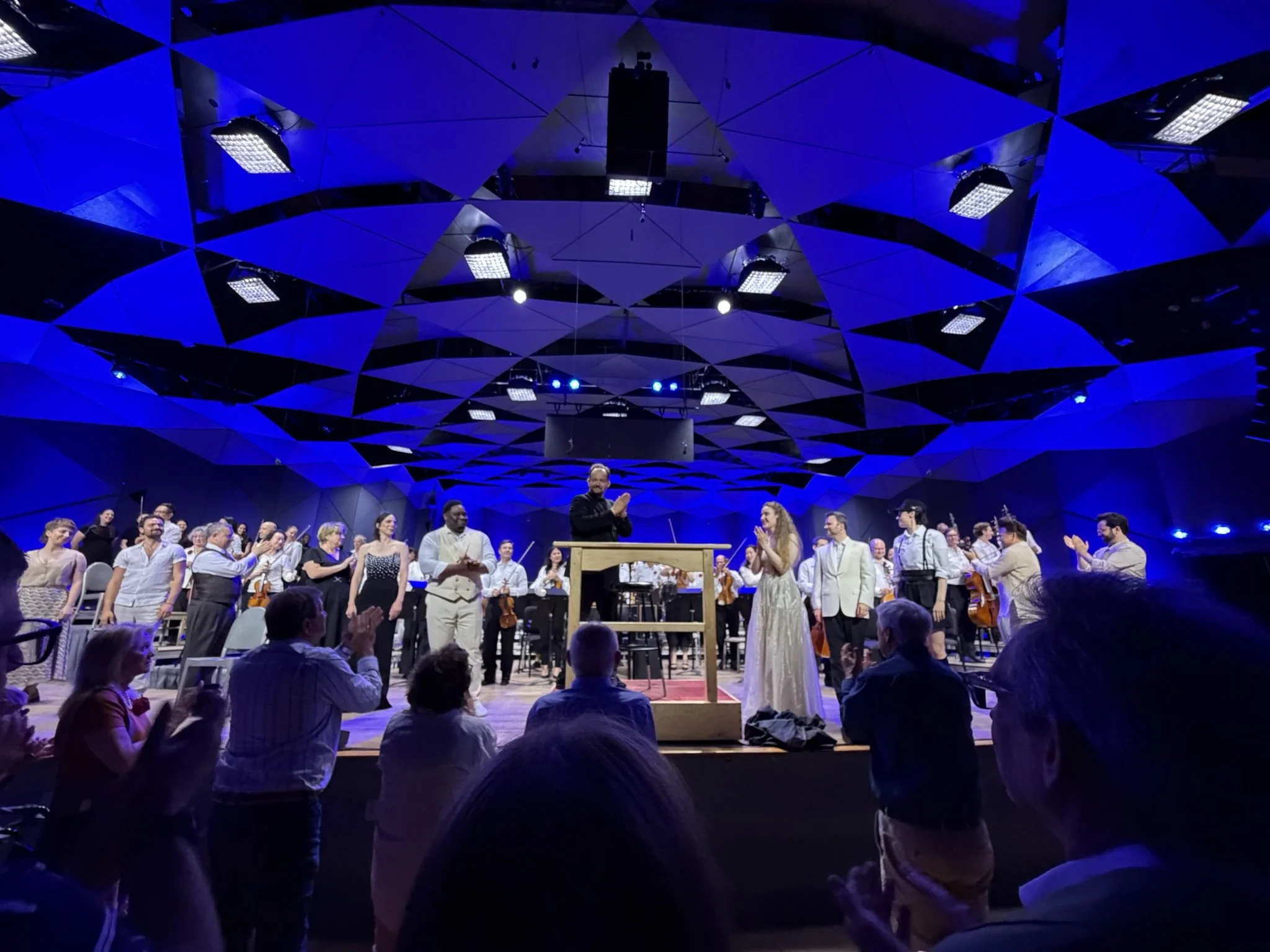
The Figaro production by the Boston Symphony Orchestra featured twelve first violins. My seat was slightly to the left of the podium, in the sixth row. It was close enough to clearly see the expressions of the singers, and the arias and duets unfolded directly in front of me.
At the center of the stage was a slightly open space with two chairs covered in white cloth. From this simple stage arrangement, I immediately understood that the scene between the Count and Cherubino in Act I would take place there. Two more chairs were placed on the opposite side.
The orchestra was arranged differently from the usual configuration. The second violins were placed behind the first violins. From this seat, I could experience both the natural voices of the singers and the resonance of the Boston Symphony Orchestra at close range.
At the same time, I occasionally noticed the sound from speakers directed outside the Shed returning slightly and overlapping with the natural acoustic sound.
The moment the overture began, the tempo was neither slow nor fast. It had the refined sound that the Boston Symphony Orchestra has cultivated over many years—a sound polished in every detail. The strings sang with warmth and softness. The woodwinds blended naturally. Nothing sounded forced.
I noticed that I was unconsciously paying attention first to tempo. Then to tone color. Then to atmosphere. There was no orchestra pit. There was no elevated stage platform like those I had experienced at Cleveland or Philadelphia. The sound was released directly into the open space. The Tanglewood opera seemed to be performed with very little room for adjustment. Every singer was giving everything they had.
Michael Sumuel’s Figaro resonated through his entire body. The sound itself became a Mozart that could only belong to him. In the duet with Susanna in Act I, he conveyed the youthfulness of Figaro—the joy of being in love and the bright expectation of a life about to begin. I could feel that Figaro believed in his own future.
But as the story progressed, his voice gradually became heavier. Jealousy, anxiety, anger, and finally the movement toward forgiveness—all of these emotional transformations resonated through his entire body. The sound itself became Michael’s Figaro.
Every singer on the Tanglewood stage gave everything to their roles. Each individual personality collided with the others, creating a living human drama.
Nikola Hillebrand sang Susanna with a refined and beautiful vocal production that responded to the sound tradition cultivated by the Boston Symphony Orchestra over many years. Her transparent and balanced voice contained both respect for tradition and a sincere understanding of the role. Susanna is one of the most active figures in Le nozze di Figaro. She reads situations, influences the emotions of others, and sometimes escapes through humor while creating her own path in life.
I felt that intelligence and determination in Hillebrand’s singing. Her voice changed depending on the person she was singing with. When confronted with the strong personalities of the Count and Figaro, different colors appeared in her voice. Sometimes she moved forward. Sometimes she supported the other voice. These changes occurred almost like improvisation within the ensemble.
In the Act IV letter duet with the Countess, Susanna writes down the words spoken by the Countess. It was a moment when Susanna accepted the Countess’s feelings—the emotions of a woman who understands her husband’s heart—and absorbed them into her own voice. Susanna places the Countess’s elegance and mature feminine color into her own singing. Their voices gradually merge until they become a single resonance beyond social class. At that moment, I sensed in Hillebrand’s voice the depth and extraordinary dignity that belongs to Hanna-Elisabeth Müller.
Patrick Carfizzi’s Basilio had an overwhelming presence. He was like a political secretary in a court—someone who senses what everyone is thinking, understands what is happening behind the scenes, and survives by using that knowledge. His cunning and calculation emerged through his entire body and voice. His large sound and exaggerated manner perfectly embodied Basilio’s shamelessness, arrogance, and survival instinct within the world of the court.
When he began singing, the tension he carried awakened Nelsons and the Boston Symphony Orchestra. The sound suddenly expanded. Carfizzi’s performance embodied the distorted reality of court society in this Tanglewood Figaro.
Elizabeth Bishop’s Marcellina also possessed a voice shaped by life experience. The deep and rich vibration of her voice carried the passage of many years—the strength and resilience she had acquired through life. At first, she appeared as the forceful woman demanding marriage to Figaro, almost like someone pursuing a younger man. But when Figaro’s true identity as her son is revealed in Act III, she transforms into a mother.
Mozart shows that even women who are no longer young still possess the possibility of loving, being loved, and experiencing the joy of belonging to a family. In Bishop’s voice, there was the depth of life necessary to support that transformation.
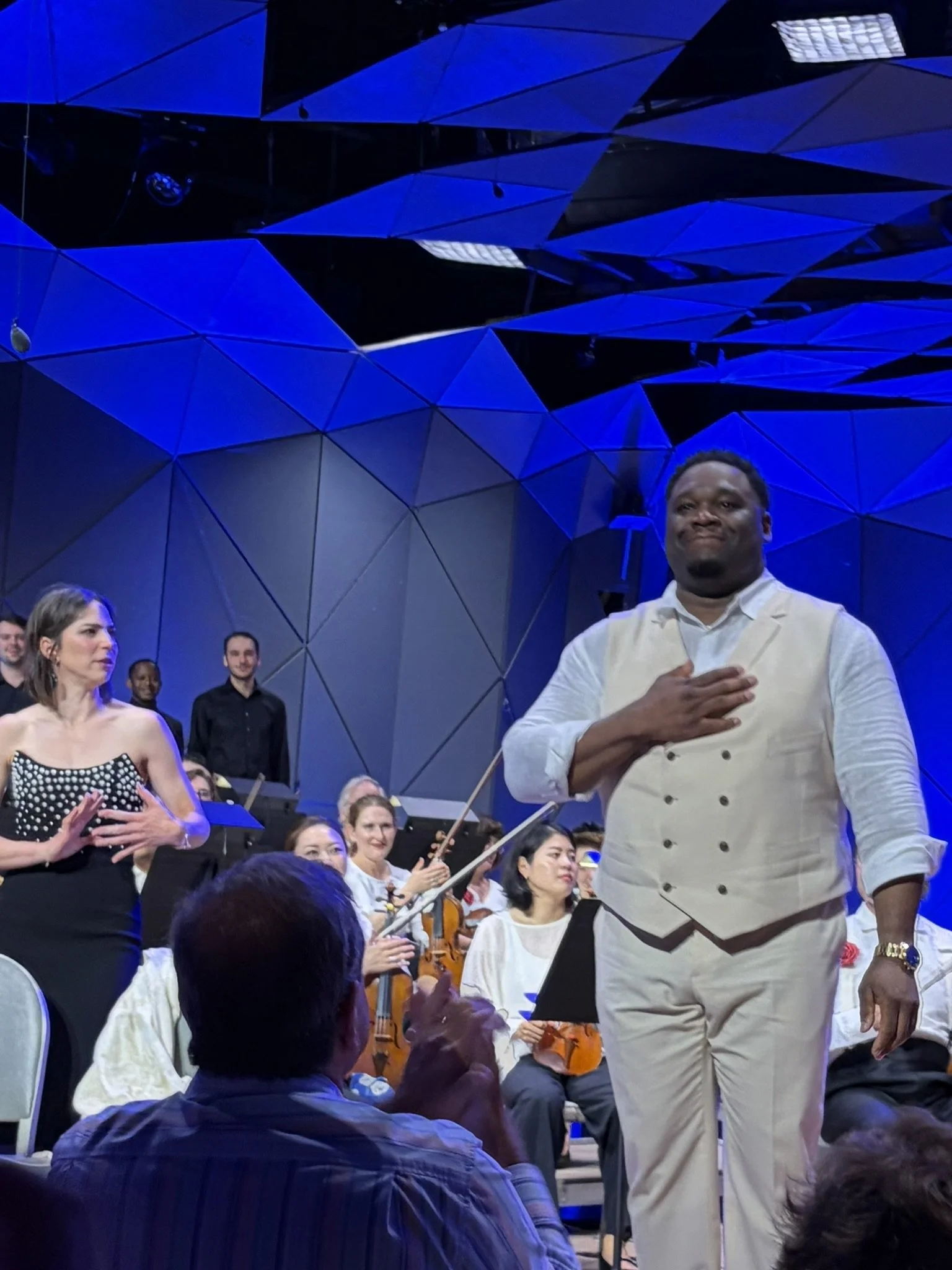
Joshua Hopkins’s Count was fascinating because his wounded pride appeared so openly, especially through his facial expressions. Like the resonance that remains after a sound disappears, his tense expression, anxious eyes, and physical movements unable to hide his irritation continued to speak.
There was the moment when a powerful man confronted a situation he could not control. The Count’s jealousy and humiliation toward Figaro, a man of lower social status, appeared in Hopkins’s almost unpredictable expressions. Even after his voice disappeared, the emotion remained on his face. The intensity of his presence was so strong that it continued to occupy the stage.
He was not a nobleman defined by his title. He was a human being who wanted to be loved and recognized, yet could not accept his own weakness. Hopkins created a Count of humiliation through both voice and physical expression. His pathetic, flawed Count was magnificent.
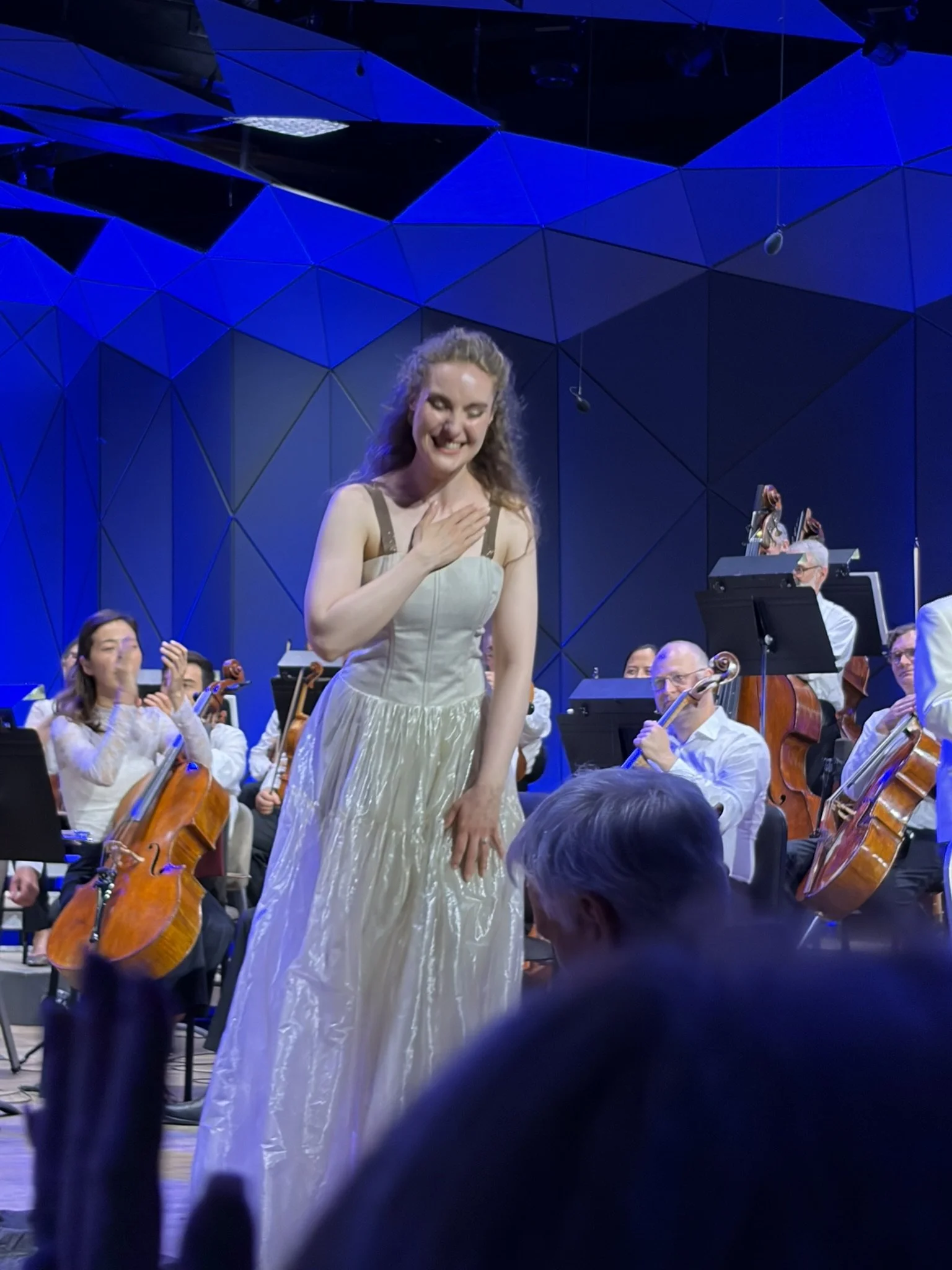
Before Hanna-Elisabeth Müller began her solo at the beginning of Act II, the color of the orchestra already changed. When Hanna began to sing, it was as if a mass of sound that had solidified over thousands of years had suddenly begun to move. Beyond the role itself, her voice seemed to carry the vibration of Mozart’s universe—the color and trembling of sound itself. Time was trembling.
Two hundred and forty years had passed since Le nozze di Figaro first sounded, yet her voice seemed to reach beyond even that passage of history, possessing a depth and vastness that transcended time. This was not the Hanna I had heard in 2018. It was the voice of an artist shaped by the stages she had experienced during the eight years and five months since then.
In the recitatives, there was a sound somewhere between her speaking voice and her singing voice—a slightly textured resonance. It was like a brush lightly touching the surface of a canvas, and a color quietly spreading outward. With the smallest contact, an entire emotional landscape appeared.
The same quality existed in Act III’s “Dove sono” and Act IV’s “Che soave zeffiretto.”Hanna’s voice did not simply portray the Countess as an individual woman. It carried the passage of human time itself that Mozart had placed inside the music.
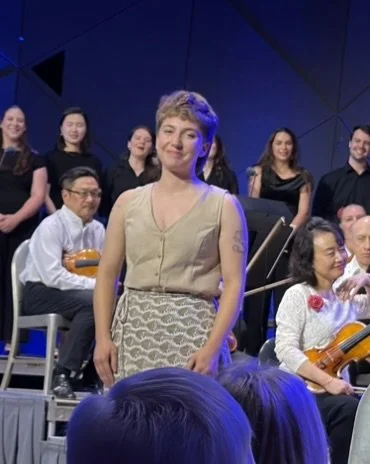
Then I heard Eden Bartholomew at the beginning of Act IV, in the darkness of the garden, singing Barbarina’s pure and simple wish. She had completed Yale’s Schola Cantorum this spring. In Haydn’s The Creation, she had sung the innocence of Eve discovering the world for the first time. There was no doubt or calculation in her voice.
It contained nothing unnecessary. In Susanna’s singing, I had sensed thought and intelligence. In Eden, I heard something different. The beauty existed in the voice itself.
Every singer brought a unique individuality and gave everything they had to Mozart’s Figaro. As Mary Hunter wrote in the program notes, the excitement of audiences at the Burgtheater in 1786—their anticipation for both the singers’ personalities and Mozart’s music—was present again in Tanglewood’s curtain call.
Every time a singer appeared on stage, the voices, gestures, and expressions that had remained in my memory flashed back before me. Two hundred and forty years later, Figaro was receiving a new life.
The following day, Hanna and I exchanged old photographs and recordings through text messages, looking back together on the time that had passed before our reunion at Tanglewood. My encounter with one of the world’s greatest sopranos had come to an end.
One day, as the great sopranos of the past have done, Hanna will sing the role of the Marschallin in Strauss’s Der Rosenkavalier. She will express the changing beauty of a woman through time, the nature of love, the dignity of letting go, and the wisdom of accepting the passage of time.
Just as Elisabeth Schwarzkopf, Kiri Te Kanawa, and Felicity Lott carried those qualities into Strauss’s music, Hanna too will one day bring her own Marschallin to the stage.
I feel that moment may arrive sooner than we imagine.
Will I have the chance to encounter Hanna’s art again—an art that exists beyond time?
Boston Symphony Orchestra
Andris Nelsons, conductor
Hanna-Elisabeth Müller, soprano (Countess)
Nikola Hillebrand, soprano (Susanna)
Eden Bartholomew, soprano (Barbarina)
Emily D’Angelo, mezzo-soprano (Cherubino)
Elizabeth Bishop, mezzo-soprano (Marcellina)
Joshua Sanders, tenor (Don Curzio)
Rodell Rosel, tenor (Don Basilio)
Joshua Hopkins, baritone (Count)
Michael Sumuel, baritone (Figaro)
Patrick Carfizzi, baritone (Doctor Bartolo)
Dean Murphy, baritone (Antonio)
Tanglewood Music Center Vocal Fellows
James Darrah Black, director
MOZART The Marriage of Figaro
ハンナ エリザベス ミュラーの声を聴きたくて、再びタングルウッドへ向かった。私は、7月31日金曜の午後1時半のアムトラックに乗って再びハドソンへ出発した。夏の雲がもくもく空に漂くよく晴れた日だ。3時半にハドソンに到着すると、パドルが迎えに来てくれていた。そのままリンダの家へ向かう。到着するとポーリーが出迎えてくれた。アンドレが私にあいさつしてくれたが、私の心はまだ閉じていてあまり言葉を交わす気になれなかった。2階にあがりみんなでヨガをした。今回もパタンジャリの3.17がテーマだ。意識を見る訓練。自分の中に生まれる感情や思考を、ただ観察すること。その実践は翌日のフィガロで、モーツアルトの音楽の中に現れる人間の欲望、嫉妬、愛、赦しを、どのように体験させるのか。パドルは別な人を選んでみようと言ったので、私たちはそのようにした。
まずは体を動かす。キャットカウで体の状態を確かめ、上腕、肩まわり、腰から太ももの前側まで、順番にほぐしていく。どの動きにも理由があり、理にかなっている。パドルは腹筋と体の横の筋肉でサポートする方法を教えてくれた。そしてサンサリテーション。自分の骨格がいかに歪んでいるかを思い知らされる。そして、使っていない体の部分がよくわかった。
今回も、ジョシュアのバッカーサナから三点倒立へ移る動きは見事だった。腹筋から腰へと意識をつなぎ、自らの意思で腰の重心を丁寧に移動させる。すると足の付け根からつま先までが円を描くようにゆっくりと持ち上がっていく。私たちは思わず手を叩き、その動きを目で追った。ヨガを始めて2年経たずに彼の頭と体は深く結びついていた。
その後は捻りが続いた。体がぎゅーっと絞られたっぷり汗が噴き出た。1週前のセッションよりもずっときつかったので、シバーサナ後の瞑想がとても静かだった。私は心の中でマルーンの名前を唱え続けた。
彼のビートを感じた。彼の音色の重さや空気が空間に広がる。そして消えて行ってマルーンという音だけになったので、次に彼を説明してみることにした。それもやがて終わると、彼がメットのピットに座り、ユニゾンに加わった時の音色が聴こえてきた。胸が熱くなって瞑想したまま涙が流れた。感情の波が去ったあとは、心の中にマルーンがいた。しかし、再び彼の別な場面を思い浮かべ始めた。そのことを後でパドルに話した。
ヨガが終わって、下に降りると、みんなで話をしたり、食事をしたりして楽しいひとときを過ごした。サラダもチーズバーガーもとてもおいしかった。1週間前よりもずっと気持ちが寛いでいるのがわかった。
ジョシュアがサリアホのイノセンスの録画を見たと教えてくれた。ジョシュアは私が好む作家をよく知っていたし、彼はそういう嗜好をもっていた。一番好きな作家を聴いてみたらストラビンスキーだった。学生時代に生演奏を聴いたことがあり、その体験が強く心に残っているそうだ。私たちは、ストラヴィンスキーの音楽が単に過去の伝統を否定したものではなく、むしろ古い時代の様式や精神の深い部分とつながっていることについて話した。新しいものは、必ずしも過去との断絶から生まれるのではない。忘れられていた生命力や原初的な感覚を、現代の表現として蘇らせることもまた革新なのだ。そして、春の祭典の1913年の初演は、客席で罵声や怒号が飛び交う大騒動となったことを振り返った。新しい音楽が、美意識や価値観を揺さぶり強烈な反応を引き起こしたこと。
食事が終わって、アンドレがウィスキーをくれた。すっかり寛いでハドソンの夜がとても深く穏やかに感じたが、夜も更け間もなく失礼した。リンダが明日の音楽楽しんでと声をかけてくれた。帰りにアンドレと握手を交わした。彼はまたすぐにといってくれた。私は寂しかった。私はまたここに戻ってくるのだろうか。
パドルにたっぷり絞られ、リンダのおいしい食事とアンドレのスペシャルジェイミソンのおかげでよく休むことができた。朝、目が覚めると早速、モーツアルトのフィガロのスコアを開いた。1.2幕は大体みたので、3幕から聴きながらスコアを眺め、訳を追った。音符の一つひとつ、声部の重なり、登場人物たちの言葉の動きを確認しながら、前日に行ったパタンジャリ3.17の実践。対象を深く見る訓練が音楽を聴く時にも続いていた。スコアの上では、それぞれの人物が別々の旋律を歌いながら同じ時間に存在している。伯爵の欲望、伯爵夫人の悲しみ、スザンナの知恵、フィガロの疑い。異なる人間の意識が、一つの音楽の中で同時に響いている。私は、その夜に出会うキャストを思い浮かべ、スコアの中にその姿を探した。
3幕の冒頭、伯爵が混乱している。一体何が起こっているんだ!そこにスザンナが現れ伯爵を誘惑し伯爵を安心させる。
No.17 Duettino
「Mi sento dal contento
pieno di gioia il cor.」
うれしさで胸がいっぱいだ。
「Scusatemi se mento,
voi che intendete amor.」
恋をご存じのあなた、私が嘘をつくことをお許しください。
mento = 嘘をつく
しかし伯爵は、これを恋の駆け引きと受け取り、気づかない。そして聴衆だけが、スザンナが伯爵を騙すために伯爵夫人と計画を進めていることを知っている。この状況の皮肉に、聴衆は笑うのだ。
モーツァルトはこの場面を、同じメロディーラインを共有しながら、伯爵は陶酔し、スザンナは距離を保ち、表面上は従順でありながら内面では冷静であるように描いている。二人は同じ言葉を交わしていても、まったく違う現実を生きている。そして、その事実を知っているのは聴衆だけである。これこそが、台本作家ダ・ポンテとモーツァルトが作り出した皮肉である。
「Scusatemi se mento」。
スザンナは伯爵に語りかけながら、同時に観客へ向かって「私は今から彼を騙します」と打ち明けているように、この二重唱は締めくくられる。
No.18 伯爵のソロ
「Vedrò mentre io sospiro,
felice un servo mio!」
「私がため息をついて苦しんでいる間に、
私の召使いが幸福になるのを見るというのか!」
ここにあるのは、身分の低い者が自分より幸せになることへの耐え難い屈辱である。
「E un ben ch'invan desio,
ei posseder dovrà?」
「私がどれほど望んでも得られないものを、
彼が手に入れるというのか?」
ここでいう ben(幸福)は、スザンナを意味している。しかし伯爵の苦しみは、単純に愛する女性を失う悲しみだけではない。自分がどれほど望んでも手に入れられないものを、身分の低いフィガロが手に入れるという事実への怒りと屈辱なのである。その所有欲と嫉妬は、貴族としての傲慢さとフィガロへの敵意につながっていく。
モーツァルトはこのアリアの中で、伯爵という人物の複数の顔を同時に描いている。そこには、愛されたいと願う一人の男、愛を失った夫、権力を失いつつある貴族、そして若い召使いに敗北することを受け入れられない人間が存在している。
No.18では、支配できると思っていた世界が崩れ始めた瞬間に、伯爵の内面が露出する。モーツァルトは、単なる悪役としてではなく、失われつつある権力に苦しむ人間として伯爵を描いている。
No.19の六重唱では、フィガロの出生の秘密が明らかになり、マルチェリーナとの争いが解決へ向かう。しかし、この場面の魅力は単に誤解が解け、物語が進展することだけではない。モーツァルトはここで、複数の人物の感情が同時に存在する瞬間を音楽として描いている。
驚き、喜び、怒り、愛情、戸惑い。それぞれの人物が異なる感情を抱えながら、同じ時間と空間の中で声を重ねていく。六人の声は単なるハーモニーではなく、それぞれ異なる人間の内面が同時に響き合う構造になっている。
モーツァルトは、一つの出来事に対する人間の反応が一つではないことを音楽によって示している。秘密が明らかになる瞬間に、登場人物たちはそれぞれの過去、関係、記憶を背負いながら反応する。
No.19の六重唱は、劇の展開を解決へ導くだけでなく、異なる人生を歩んできた人々の感情が同時に存在する、人間の心そのものを音楽にした場面である。
No.20 Dove sono i bei momenti
「Oh cielo, a quale umil stato fatale io son ridotta」
「ああ神よ、私はなんという惨めな境遇にまで落ちてしまったのでしょう。」
伯爵夫人は、自分の夫の愛を取り戻すために、召使いであるスザンナの力を借りなければならないという屈辱を感じている。
「Prima amata, indi offesa, e alfin tradita」
「最初は愛され、次には傷つけられ、そして最後には裏切られた。」
「Fammi or cercar da una mia serva aita!」
「今では、自分の召使いに助けを求めなければならない。」
かつて伯爵に愛され、尊敬される存在であった夫人は、今では夫の心を取り戻すために、自分より身分の低い者に助けを求めなければならない立場に置かれている。
「Dove sono i bei momenti
di dolcezza e di piacer」
「あの人と交わした愛の誓いは、どこへ消えてしまったのでしょう。
あの偽りの唇が語った誓いは。」
しかし、夫人が探しているのは失われた夫だけではない。彼女が求めているのは、伯爵と共に過ごした愛の時間、信頼、そして幸福の記憶である。
「Di cangiar l'ingrato cor」
「恩を知らない心を変えること。」
夫人は、伯爵の心が再び変わることを望んでいる。それは復讐ではなく、かつて存在した愛と信頼を取り戻そうとする願いである。
No.20では、裏切られた女性の悲しみだけではなく、傷つきながらも愛を信じ続ける人間の強さが描かれている。モーツァルトは伯爵夫人を、失われた愛を記憶し、その回復を願う尊厳ある人間として描いている。
No.21 Che soave zeffiretto
「Che soave zeffiretto」
「何て優しいそよ風が」
この二重唱で、伯爵夫人が語る言葉をスザンナが手紙として書き取っていく。その手紙は、伯爵を誘い出すために仕掛けられた罠である。夫人とスザンナは、互いの立場を越えて一つの計画を作り上げていく。夫人はスザンナのように歌い、スザンナは夫人のように歌う。二人の声は次第に溶け合い、「Certo, certo il capir」で重なる。ここでは、貴族と召使いという身分が音楽によって消えていく。二人は同じ目的と理解を共有する存在として描かれている。
そしてスザンナは、フィガロとの結婚式の場で、この手紙を伯爵に渡す。フィナーレでは、結婚を祝う人、計画を知っている人、疑いを抱く人、そして何も知らない人が、それぞれ異なる思惑を抱えたまま同じ舞台上で歌う。モーツァルトは、一つの音楽の中に複数の心理を同時に響かせる。それぞれの人物は同じ瞬間を共有しているが、見ている現実は異なる。そこに『フィガロの結婚』の劇的な緊張と、モーツァルトのアンサンブル音楽の奇跡がある。
第4幕は、バルバリーナのカヴァティーナから始まる。
No.24 Cavatina
「Cercando qualche cosa per terra」
(地面の上で何かを探しながら)
「L'ho perduta… me meschina…
ah, chi sa dove sarà?
Non la trovo… E mia cugina…
e il padron … cosa dirà?」
「なくなってしまった……困ったわ……
ああ、どこにあるのかしら?
見つからない……あたしのいとこは……
そしてお殿様は……何て言うかしら?」
バルバリーナは、伯爵から預かった大切なピンを失くし、暗い庭で一人それを探している。4幕の始まりは、少女の小さな不安から始まる。しかし、これがこのオペラの最後に夜の庭園で繰り広げられる複雑な人間関係の入口となる。バルバリーナの純粋な戸惑いは、伯爵、スザンナ、フィガロ、伯爵夫人、それぞれが抱える秘密や疑いへとつながっていく。
モーツァルトは、この短いカヴァティーナの中に、一人の少女の無邪気さと不安を細かに描いている。ここでバルバリーナの声は最も素朴な人間の感情を響かせる。
第4幕は、失われたピンを探す少女の小さな声から始まり、やがてすべての人物の感情が交錯する夜のフィナーレへ向かっていく。
フィガロはバルバリーナと話すうちに、スザンナが自分を裏切り、伯爵と密会すると勘違いし、女性を次々と非難する
「Son streghe che incantano」
「魔女だ。」
女性は男に魔法をかけ、惑わせる存在。
「Sirene che cantan per farci affogar」
「セイレーンだ。美しい歌で男を溺れさせる。」
女性の魅力によって男が破滅するという男性の恐怖が表れている。
「Civette che allettano per trarci le piume」
「男を誘惑して、羽をむしり取る梟だ。」
「Volpi vezzose」
「愛らしい狐。」
「Colombe maligne」
「悪意ある鳩。」
そこには、女性を魅惑的でありながら狡猾な存在として見る、傷ついた男の心理が表れている。しかしモーツァルトが描いているのは嫉妬によって冷静さを失うフィガロの姿だ。恋人を失った瞬間、女性を信用できなくなる極端な感情を、モーツァルトは勢いあるコミカルな音楽として描く。だから聴衆はフィガロに「君は勘違いしている」と笑うことができる。嫉妬によって真実が見えなくなったフィガロが、傷ついた自分の心を守るために世界を責めてしまう場面だ。
No.28 Finale では暗闇の中で明らかになる人間の真実が描かれる。夜の庭に夫人とスザンナは服を交換し、互いになりすまして伯爵を待つ。伯爵はスザンナに変奏した実の嫁を口説き始める。フィガロも最初は、スザンナと伯爵の密会を疑い嫉妬するが、秘密に気づき、あえて知らないふりをしてスザンナをからかうが、2人は仲直りする。やがて伯爵は、フィガロと夫人だと思い込んだ女性を見つけ、裏切りに怒るが、最後に姿を現した本物の夫人によって誤解が明らかになる。そこで伯爵は初めて自分の過ちを認める。
Contessa, perdono
許してください
伯爵の身分や権力の仮面がはがれ、妻の前にたつ瞬間である。
そして夫人は
Più docile io sono,
e dico di sì.
私はあなたより寛大です。といって許してしまう。
No.29 Finaleで、モーツァルトは人間が赦しによって再び結ばれる思想を完成させている。
支配しようとする者は孤独になり、理解しようとする者は他者と結ばれる。ハンナの声が頭を過った。
朝、10時くらいから初めて、昼にパドルが下に降りて来て、ジョシュアから借りた本を読み始めて、午後の2時くらいまで集中が途切れなかった。ハドソンでは物事に取り組むためらいがなく、自分の心の声に耳を傾けながら、フィガロの結婚を楽しんだ。それからシャワーを浴びたり、体調が悪かったパドルにチャタムで買ったストリングビーンズと玉ねぎとライスヌードルで簡単なサラダを作った。薄め調味してパドルに渡すと、早速、鳥のだしの粉を混ぜて満足そうに食べていた。相手に与えることは、相手を受け入れること。これは、フィガロのテーマである他者を理解すること、支配ではなく関係を築くこ。
ボーマルシェの『フィガロの結婚』は1784年4月にパリで初演され、貴族の特権、官僚の腐敗、検閲、知的財産権、生まれではなく才能で生きる人間の困難を扱っている。フィガロの独白、あなた方は苦労もせずに高い地位につく。しかし私は生きるために知恵を使わなければならないという精神は、平民の不満を表している。これは、才能ある個人が、不公平な社会でどう生きるか、という作家の人生経験から出た怒りなのだ。
台本を書いたダ・ポンテは1786年のウィーンの皇帝が所有すcる宮廷劇場で上演する危険性から貴族制度への直接批判や、裁判制度の風刺、フィガロの怒りを削除し、恋愛、夫婦問題、その心理と許しを強調し、社会革命から人間ドラマへ置き換えた。
モーツァルトは音楽によって、台詞だけでは表現できない別の権力関係を描いた。それが最も深く現れるのが、伯爵夫人の、2幕冒頭のアリア「Porgi, amor(愛の神よ、慰めを与えたまえ)」と、第3幕の「Dove sono(楽しい思い出はどこへ)」だ。その音楽は彼女の内面へ入り込んでいく。そこに描かれるのは、権力を持つ男性によって傷つけられた、一人の人間の孤独と尊厳である。
伯爵夫人は高い地位にあり、恵まれた立場にいるが、夫婦関係という私的な空間では、男性の権力によって苦しむ存在となる。モーツァルトの音楽は身分の高さが自由や幸福を保証するものではなく、権力を持つ者と持たざる者の関係は、社会階級だけでは測れないことを示している。
現代ではこれを「女性同士の連帯」「階級への批判」「ジェンダーをめぐる権力の問題」として読むことができるが、1786年の初演時、聴衆は、より演劇の魅力と歌手たちの個性魅了されていた。スザンナ役のストラーチェは、それ以前にパイジェッロの『セビリアの理髪師』でロジーナ役を歌っていた。つまり当時の聴衆にとって、彼女は若く機知に富んだロジーナの姿と結びついていた。そしてフィガロの結婚では、そのロジーナが時を経て伯爵夫人となったような連続性を感じていた。
彼らが見ていたのは、魅力的な登場人物、優れた歌手たち、そしてモーツァルトが生み出した比類のない音楽の対話だった。
とボウディン大学の音楽学名誉教授、メアリー・ハンターがプログラムに書いている。
その言葉を読みながら、私は2018年に初めてハンナの声を聴いた時のことを思い出していた。ハンナは2018年にカーネギーホールにやってきた。ペトレンコがバイエルン歌劇場とシュトラウスのローゼンカバリエをやった時だ。彼女はゾフィーだった。私はペトレンコの後ろだった。音楽を呼吸させる彼の指や腕の柔らかさを今でも覚えている。同じように、ハンナの喉の震えや体から立ち上がる透明で強く音楽が秘められた空気に触れた直後の声を覚えている。オーケストラも歌手たちも、すべてがシュトラウスの世界の中に存在していた。彼ら自身がシュトラウスの音楽そのものだった。
Hanna-Elisabeth Müllerは2014年、ザルツブルク復活祭音楽祭でリヒャルト・シュトラウス『アラベラ』のツデンカ役を歌った。その時、共演はレネ・フレミング、トーマス・ハンプソン、指揮はクリスティアン・ティーレマンだった。シュトラウスの女性たちを歌うことは、時間や記憶を歌うことでもある。その延長線上に、いま彼女が取り組んでいるモーツァルトの伯爵夫人がある。彼女はこれまで、作品の中に生きる人間の時間や記憶を、声によって現在へと運んできた。
2020年にはメットでハンナが歌うスザンナを聴いた。そして、この夜、伯爵夫人歌うハンナと再び再会する。彼女の透明な響きに、人の感情の揺れや深さが宿っている。モーツァルトの伯爵夫人のような、傷つきながら尊厳を失わない人物を歌う時、ハンナの声は人間の記憶や孤独、そして愛の希望を響かせる。彼女はそうやって音楽に命を与えて来たのだ。ハンナは、これまでの歌手たちがそうしてきたように、モーツァルトの音楽の精神を未来へ伝えていく声を持っている。
私とパドルは、水筒にワインを入れ、午後6時ごろタングルウッドへ向かった。会場に着くと、ボックスオフィスでチケットを受け取り、サンドイッチと水を買って、ベンチに座り、持ってきたワインを飲みながら夕食をとった。
普段オペラを見ない人たちにとって、慣れない外国語で上演時間が数時間あるタイトルは、途中で退屈してしまう。18世紀の観客は、登場人物たちの勘違いや駆け引きを見て笑い、歌手の名唱に喝采を送っていたというのに。パタンジャリの『ヨーガ・スートラ』3.17を20年以上研究しているパドルでさえ、カットを入れても3時間半かかる18世紀のオペラに意識を向け続けるのは大変だということだ。オペラは現代の私たちに異なる集中力を求める。日常の雑念を手放し、ボストン交響楽団が刻む一つひとつの音に意識を向け続けていると、やがて登場人物たちの心が見え、気づけばその世界へ足を踏み入れている。私はオーケストラの配置を見るためクーセビツキーシェッドの真ん中の一番遠い場所からステージ前に歩いてみた。シェッドの中は高齢カップルと学生が多く、20代から50代の一般客や、多様な背景を持つ観客の姿は目立たなかった。
聴衆の高齢化と、その文化の均質性は、長い歴史を持つタングルウッドがどのように開かれてきたを物語っていた。クラシックに限らず、芸術は、作品の力、そしてそれを実現するアーティストの力が中心になると、世代や背景を越えて人を魅了する。キャスティングや演出などにおいて、芸術の必然よりも、その時代の社会の枠組みや主義が優先されるなら、本当の体験を求める聴衆は去っていく。
タングルでは本当の芸術を求めてやって来る愛好家との出会いはなかった。それはニーナやキャシーやチャーリーだ。モーツァルトの匂いを嗅ぎに、わざわざやってくる人たちがいない。世代や性別は関係ない。今のタングルの聴衆とその高齢化は、クラシック音楽全体の課題だ。新しい観客を迎えるための試みも重要である。しかし、それらが作品そのものの力を超えることはない。人を長く惹きつけるのは、最終的には芸術そのものの強さである。本当に必要なのは、芸術の質を追求することだ。真の芸術を追求するなら、タングルは何をやってもいい場所だし、すべての人に開かれた場所になるだろう。過去の歴史への向き合い方を、アートを通じて未来の人間を育む場所へ。その時、タングルは最高のアーティストと世界から多様な才能が集まる場所になるだろう。
今、タングルウッドだけでなく、クラシック界が陥っている危機は、芸術を制度や理念の力が上回っていることだ。個人の大きな寄付や、アカデミックな教育システムは、文化を支える重要な基盤であるが、それらが作品や命を吹き込むアーティストよりも優先される時、その力は失われていく。
芸術が人を結びつけるのは、その理念ではなく、圧倒的な作品力と、それを実現する人間力に触れた時である。そこには世代や背景を越えて人々が集まる。タングルが芸術を通じて多様性を広げる場所ではなく、本物の芸術を追求する機会を広く開放する場かどうかは、この本番がよく物語っていた。
フィガロのボストンのセットはファーストバイオリンが12人のセットだった。席はポディウムの少し左、6列目だった。ソリストたちの表情がはっきり見える距離で、アリアや二重唱が目の前で繰り広げられる。ステージ中央には少し広めの空間が設けられ、椅子が二脚、白い布で覆われていた。その簡素な舞台装置を見て、第1幕で伯爵とケルビーノの場面が演じられるのだとわかった。反対側にも同じように椅子が二脚置かれている。オーケストラは、通常とは少し異なり、ファースト・ヴァイオリンの後ろにセカンド・ヴァイオリンが配置されていた。
この席では、歌手の生の声とボストン交響楽団の響きを間近に味わうことができた。しかし同時に、シェッドの外へ向けられたスピーカーの音がわずかに戻ってきて、生音と重なって聞こえることもあった。
序曲が始まった瞬間、テンポも遅くも早くもなく、ボストン交響楽団が長年育んできた細部まで磨き上げられた響きがした。弦は温かく柔らかく歌い、木管は自然に溶け合い、どの音にも無理がない。私は無意識に速さを先に意識していた。それから音色。そしてムード。ピットがない。クリーブランドやフィリーのあのステージの上のやぐらもない。音が裸で空間に放たれる。タングルオペラは多分ほぼぶっつけでやるのだとおもう。歌手1人ひとりが全力で歌っている。
マイケル・サミュエルのフィガロは、体全部を響きかせ、その響きそのものが彼にしか出せないモーツアルトだった。1幕のスザンナとの二重唱では、若さと恋する喜び、これから始まる人生への明るい期待を、フィガロという青年が自分の未来を信じていることが伝わってきたが、物語が進むにつれて、声がどんどん重くなっていった。嫉妬、不安、怒り、そして最後の赦しへ向かう感情の変化が、体全体を使って響きそのものがマイケルのフィガロだった。彼だけではなく、すべての歌手がタングルの舞台上で全力で役を歌っていた。それは全部違う個性がぶつかり合っているのがよくわかった。
Nikola Hillebrandは、ボストン交響楽団が長年培ってきた響きに応えるように、端正で美しい発声でスザンナを歌った。その透明で整った声には、伝統への敬意と役への誠実な理解があった。スザンナは『フィガロの結婚』の中でも最も能動的な人物の一人である。彼女は状況を読み、相手の心を動かし、時には冗談でかわしながら、自分の人生を切り開いていく。その知恵と意志を、ヒルブラントの歌に感じた。彼女の声は共演する歌手たちによって変化していった。伯爵やフィガロの強い個性とぶつかり、その歌にも別の表情が現れていった。時に前へ、時に相手を支え、その変化がアンサンブルの中でアドリブのように起こっていった。
4幕の伯爵夫人との手紙の二重唱スザンナは、伯爵夫人の言葉を手紙に書きとる。夫の心を理解する伯爵夫人の感情を、スザンナが自分の声の中に受け入れていく瞬間だった。スザンナは伯爵夫人の優雅で成熟した女性の色彩を自分の声に重ねていく。二人の声はやがて溶け合い、身分を越えて一つの響きになった。その時、ヒルブラントの声に、ハンナ・エリーザベト・ミュラーが持つ深さと特別な品格を感じた。
パトリック・カルフィッツィのバジリオは、圧倒的な存在感を放つ。まるで宮廷の政治家の秘書のように、誰が何を考え、どこで何が起きているのか察知し、それを利用し生きる寄生虫。その腹黒さと計算高さが、声と身体全体から立ち上がる。声は大きく、態度も大きいバジリオの持つ厚かましさ、図々しさ、そして宮廷社会の中で身につけた生存能力そのものだった。彼が歌いだすとストレスの塊が、ネルソンスとボストン交響楽団の音色を一気に目覚めさせて、その響きが格段に広がった。カルフィッツィの歌唱は、このタングルのフィガロライブで、宮廷社会の歪みを体現した。
エリザベス・ビショップのマルチェリーナも、人生経験を積み重ねてきた声だった。その深く厚いビブラートの響きに、長い年月を生きてきた時間と、その社会の中で身につけた強さやしたたかさが刻まれていた。彼女はフィガロとの結婚を迫る、若い男を狙う強引な女性から、3幕でフィガロが自分の息子だと明らかになった瞬間、一人の母親になる。モーツァルトは若さを失った女性にも、愛すること、愛されること、そして家族と結ばれる喜びがあることを描いている。ビショップには、その変化を支える人生の厚みが、一つの声の中に存在していた。
ジョシュア・ホプキンスのプライドをくじかれていくむき出しの伯爵が、演技と、特に顔にでていて面白かった。声の後の響きのように、ひきつった顔、不安を隠せない視線、苛立ちを抑えきれない身体の動き。そこには、権力を持つ男が、自分ではどうにもできない状況に直面した瞬間があった。伯爵は身分の低いフィガロへの嫉妬と屈辱が、ホプキンスの得体のしれない表情に現れていた。声の響きが消えた後も、その顔に残っていて、言葉に出来ない気持ちが後を引いて、舞台を眺めている人は、他の歌が入ってこなくなるくらい癖が強かった。彼は立派な貴族ではなく、愛されたい、認められたい、しかし自分の弱さを認められない一人の人間として舞台に存在していた。ホプキンスの伯爵は、言葉よりも音楽よりも、屈辱の伯爵を声と顔で見事にやり切っていた。そのダメ伯爵っぷりが最高だった。
Hanna-Elisabeth Müllerが2幕冒頭のソロを歌いだす前から、オーケストラの音色が変わった。ハンナが歌いだすと、それは何万年もかけて固まっていった音の塊だった。役を超えてモーツアルトが宇宙の波動を伝えていその声の色と震え。時間が震えている。フィガロが音が鳴ってから240年経つ、それさえ超えた、次元を超越した声の奥行と広がり。2018年のハンナではなかった。この8年5カ月で彼女が踏んできた舞台。レチタティーボでは、少し掠れた地声と歌声の境界にあるような響きがあった。ほんの少し空気に触れただけで、色が静かに広がっていく筆のように、感情の輪郭が浮かび上がる。それは、3幕のDove sonoでも、4幕のChe soave zeffirettoでもどこでもだ。それは3幕の「Dove sono」でも、4幕の「Che soave zeffiretto」でも同じだった。ハンナの声は、伯爵夫人という一人の女性の時間だけでなく、モーツァルトが描いた人間そのものの時間を響かせていた。
そして、Eden Bartholomew、4幕の始め、暗い庭園でバルバリーナの純粋な願いを聴いた。彼女はイエールのスコラカントラムをこの春終えた。ハイドンの天地創造で、イブ世界を知り始めた純粋さを歌った。彼女の声には疑いが無かった。いろんなものを含んでいなかった。スザンナの歌唱に感じた思考をエデンには感じなかった。声その物が美しかった。
どの歌手も、独特で全力で個性を放ったフィガロだった。プログラムノートでメアリー・ハンターが書いていたように、1786年のブルク劇場で聴衆が歌手たちの個性と音楽に期待し、興奮していた空気が、タングルのカーテンコールも同じだと思った。ひとりひとりの歌手がステージ登場する旅に、心に刺さった声や癖や顔がフラッシュバックした。240年後の今、フィガロが新しい生命を得ている瞬間だった。気が付くと11時を過ぎていた。
翌日、ハンナとテキストで昔の写真や録画を紹介して、お互いタングルまでの時間を振り返った。世界最高のソプラノとの再会が終わった。ハンナはやがて、時のソプラノがそうしてきたように、シュトラウスのローゼンカバリエでマルシャリンを歌うだろう。時の流れで変化していく女性の美、愛、そして手放すことの尊厳を、過ぎ去る時間を受け入れる知性を、エリザベート・シュヴァルツコップや、キリ・テ・カナワや、フェリシティ・ロットらがそうしてきたように、ハンナはいつかマルシャリンを歌うだろう。それはとても近い将来やってくる気がする。私は時間を超えたハンナの芸術と再び巡り合えるだろうか。