7.15.2026
There is a bar in Astoria called Wylie's. It has a solid wooden counter and sturdy stools with comfortable backrests. A large screen stands in front of you, while speakers behind you create an immersive atmosphere.
On July 14, the bar was packed for the World Cup semifinal between France and Spain. Supporters of both countries filled the room, shouting with frustration or exploding in celebration. A young Turkish couple, devoted followers of the Premier League, watched the match the same way I monitor an orchestra—tracking tactics, formations, and each player's movement simultaneously.
Little by little, the accumulation of every player's decisions seemed to breathe life into the ball, sending it along impossible trajectories before it disappeared into the goal. It reminded me of music itself—of those moments in opera when the music suddenly comes alive. One sound calls forth the next, creating time itself, until music appears through human beings.
After two glasses of rosé, Spain went into halftime leading from a penalty, and I began to feel hungry. From the kitchen came the familiar *ding*, and baskets of French fries, hamburgers, and hot dogs started making their way through the room. The aroma of sizzling beef drifted across the bar, and everywhere I looked, people were happily devouring their food with both hands.
I asked Benny for a gin and tonic and, this time, Wylie's smash burger.
As I took my first sip, I couldn't understand why France kept relying on counterattacks yet failed to keep possession or make use of their speed. The team looked nothing like it had in previous matches. I asked the Turkish man, and he told me that conceding the opening penalty had changed everything.
In the end, it was about mentality. Whether a team can breathe life into the ball depends on that.
When I returned to my seat, Benny placed a basket in front of me. A mountain of French fries surrounded a hamburger wrapped in thin white paper. I attacked the fries while they were still scorching hot. Their surfaces still shimmered with tiny bubbles of oil; they were thin and crisp on the outside, fluffy inside. I kept eating without pause, feeling them slide down my throat into my stomach. Once I had my fill, I refreshed myself with the sharp combination of gin, sparkling water, and lemon. After repeating this ritual several times, the fries were gone.
Only the warm, weighty bundle wrapped in white paper remained.
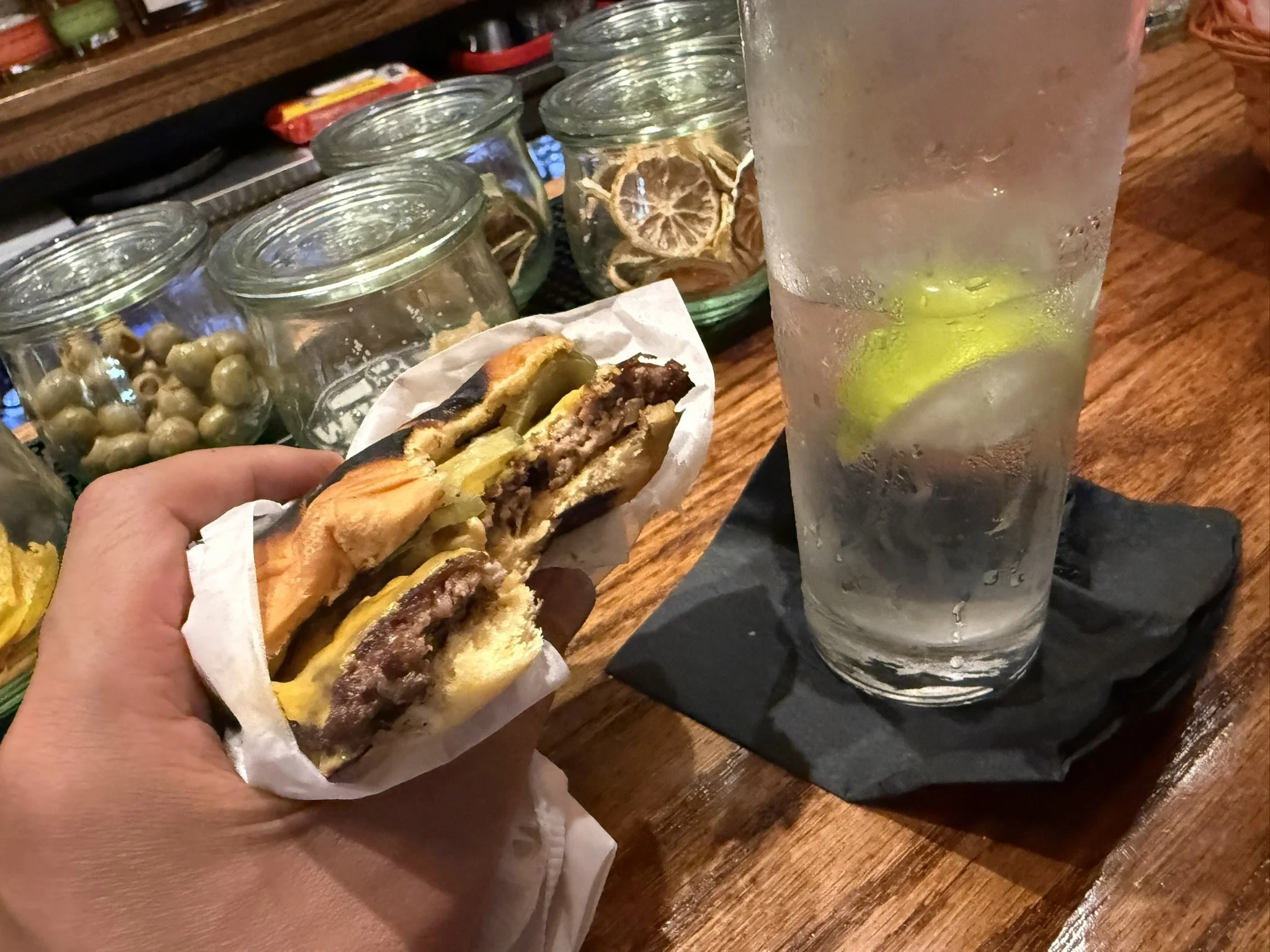
Holding it with both hands, I took a bite. The toasted bun and the beef's crisp edges gave way to a deep, satisfying richness that spread through my body. I could almost feel dopamine relaxing every muscle. Before I realized it, the tension running from my shoulders through my arms to my fingertips had disappeared.
Another sip of gin and tonic.
As I watched grown men desperately connect their passes until the ball itself seemed to come alive, tracing impossible paths across the field, I devoured Nick's hamburger. This, I thought, is the proper way to spend a hot summer in New York.
France never managed to score. Their counterattacks failed, their wing play produced nothing, and even set pieces offered little hope. Spain dominated possession from beginning to end and simply overwhelmed them. About seventy percent of the bar was cheering for Spain.
Spain reminded me of Klaus Mäkelä conducting the Orchestre de Paris in Stravinsky's *The Rite of Spring*. They broke the rhythm of the game with constantly shifting, unpredictable patterns, stealing everyone's attention. What looked like eleven separate players became a single creature.
After the match, I spotted John, and we talked about Elliott Carter, Milton Babbitt, and the composers featured in the upcoming TIME: SPANS Festival that I'm looking forward to. Then I left the bar.
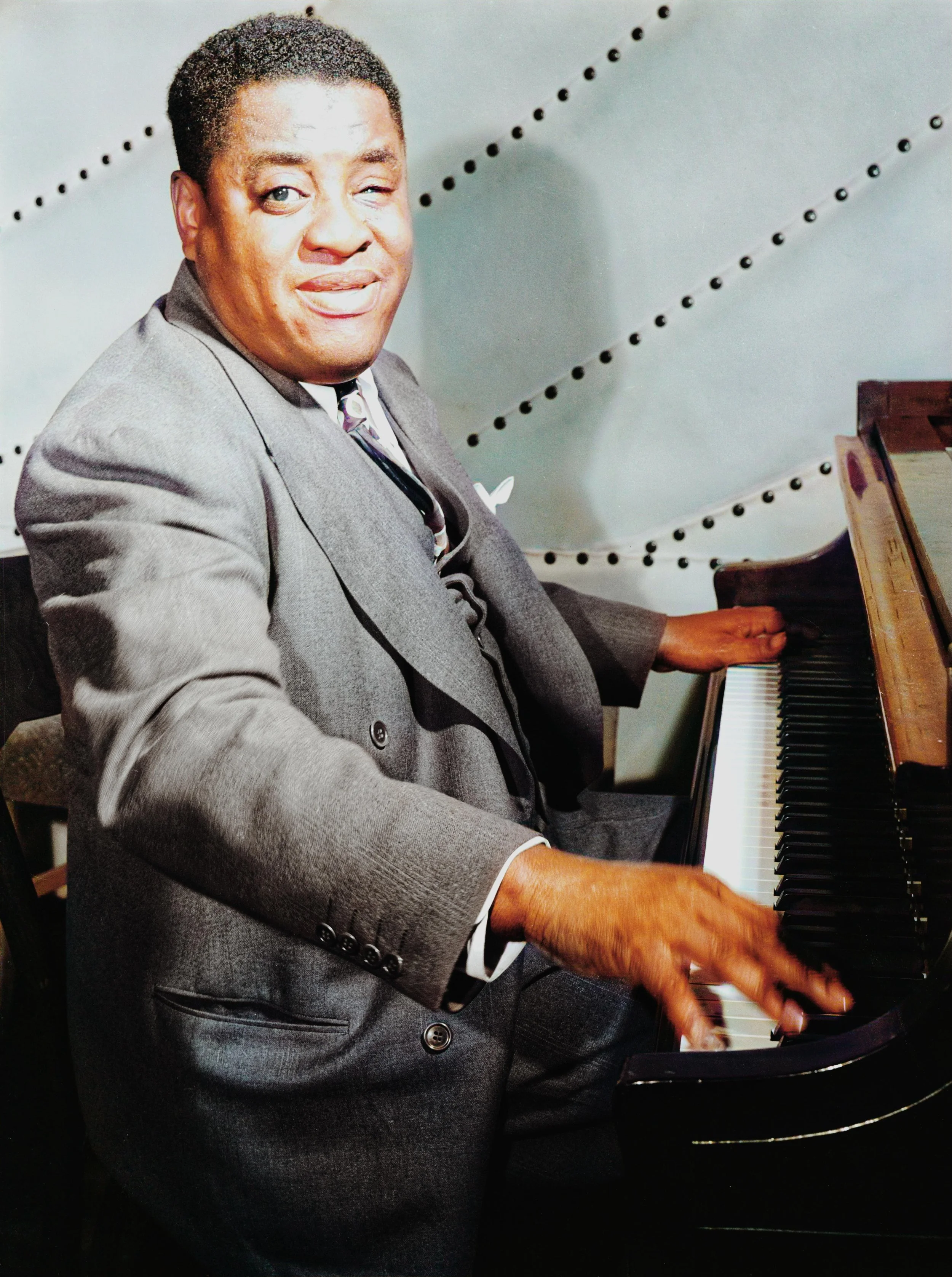
Art Tatum エリオット・カーターも影響を受けたかもしれない。
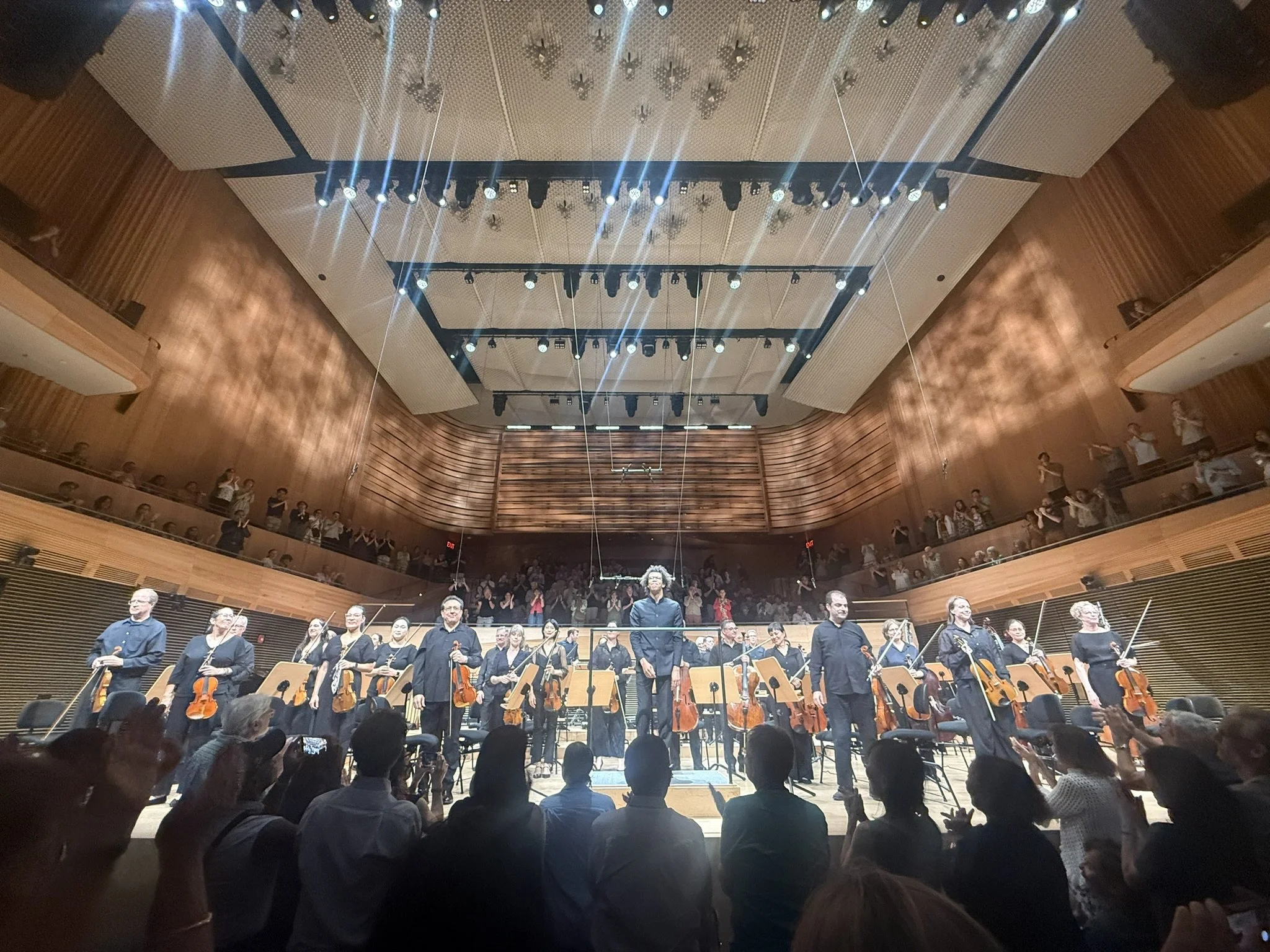
Today it's England versus Argentina. After that, I'm heading to hear a summer orchestra in New York featuring Metropolitan Opera Orchestra violist Shmuel Katz and other musicians.
Jonathon Heyward, conductor
Jon Manasse, clarinet
Marc Goldberg, bassoon
Adolphus Hailstork Sonata da Chiesa
Richard Strauss Duett-Concertino
Jon Manasse, clarinet
Marc Goldberg, bassoon
Ethel Smyth Symphony for Small Orchestra
Franz Joseph Haydn Symphony No. 100, “Military”
ニックのハンバーガー
7.15.2026
アストリアに「Wylie's」というバーがある。とてもしっかりしたカウンターバーと背もたれがあるスツールで座り心地がいい。目の前にはモニター。スピーカーも両後ろにあって臨場感がある。7.14.2026はワールドカップのセミファイナルでフランス対スペイン。バーにはそれぞれの国を応援する人が集まって、怒号と歓喜が飛び交う。トルコ人の若い男女は普段プレミアリーグに夢中で、私がオーケストラをモニターするように戦術やそれぞれの選手の動きを同時に細かに追っている。やがてチーム全員の判断の積み重ねが、ボールに命を宿し、ありえない軌跡を描いてゴールに吸い込まれていく。これは音そのもの、オペラで音楽そのものに命が宿っているのと同じだ。音が次の音を呼び、時間を作り、音楽が人を介して現れる。
ロゼを2杯飲んで、前半はPKでスペインがリードしてハーフタイムにはいるとお腹がすいてくる。キッチンからチーンと音がすると、フレンチフライやハンバーガーやホットドックが運ばれてくる。牛肉の焼けた香ばしい匂い、両手で抑えてうまそうにほおばる客の顔が見える。
ベニーにジントニックと、ワイリースのスマッシュバーガーをお願いした。ジントニックを一口飲むと、なぜフランスはカウンターばかりで、でもさっぱりボールもキープできず、スピードも活かせず、いままで見た試合と全然違うので疑問に思ってトルコの男性に聞いたら、はじめにPKで1点取られたのが大きいと教えてくれた。ようは気持ちだ。ボールに命を宿すことに集中してください。自分の席に戻るとベニーがバスケットを運んできてくれた。中には大量のフレンチフライの上に薄い紙に包まれたハンバーガーが置いてある。揚げたての熱いのを、まだいもの表面の油が細かくぷつぷつしているのを、細くて外がカリッとしていて中のじゃがいもはふっくらしているのを、休まずにどんどん口に放り込む。いもが喉を通って胃に流れていく。気が済むまで流し込むと、ジンと炭酸とレモンの液体でリフレッシュ。これを数回繰り返すといもがバスケットから無くなる。そうすると、薄い白い紙に包まれた温かい重みのある塊が残る。両手で抑えて頬張ると、バンズと牛肉のカリッとした触感、かみしめると牛肉のうまさが体に広がり、脳から体をリラックスさせるドーパミンが流れているのがわかる。そして、肩から腕、指先まで張っていた痛みがいつの間にか消えていた。そしてまた細いグラスでジントニックでリフレッシュする。大人の男たちが必死になってボールを繋ぎ、やがてボールに命がやどり、ありえない軌跡を描いていく様子を、ニックのハンバーガーをほおばりながらモニターする。熱い夏のニューヨークの正しい過ごし方だ。
試合は結局、フランスが1点も取れず、カウンターもハマらず、サイドから、またはセットプレーも、見どころの無い、スペインから一方的にボールを支配されぼこぼこにされて消えていった。バーの方々は7:3でスペイン。スペインはマケラの振るパリ管のストラビンスキーの春の祭典のように、不規則にボールを刻んで人の心を盗んで11人の点の集まりが1匹の怪物のだった。
試合が終わって、ジョンを見かけたので、エリオット・カーターやミルトン・バビットの話、あと、これから楽しみにしているタイムスパンズの作曲家たちの話をして、バーを後にした。
今日はイングランド対アルゼンチン。そのあと、メトロポリタン・オペラ管弦楽団のヴィオラ奏者、Shmuel Katzらが参加するニューヨークの夏のオーケストラを聴きに行く。