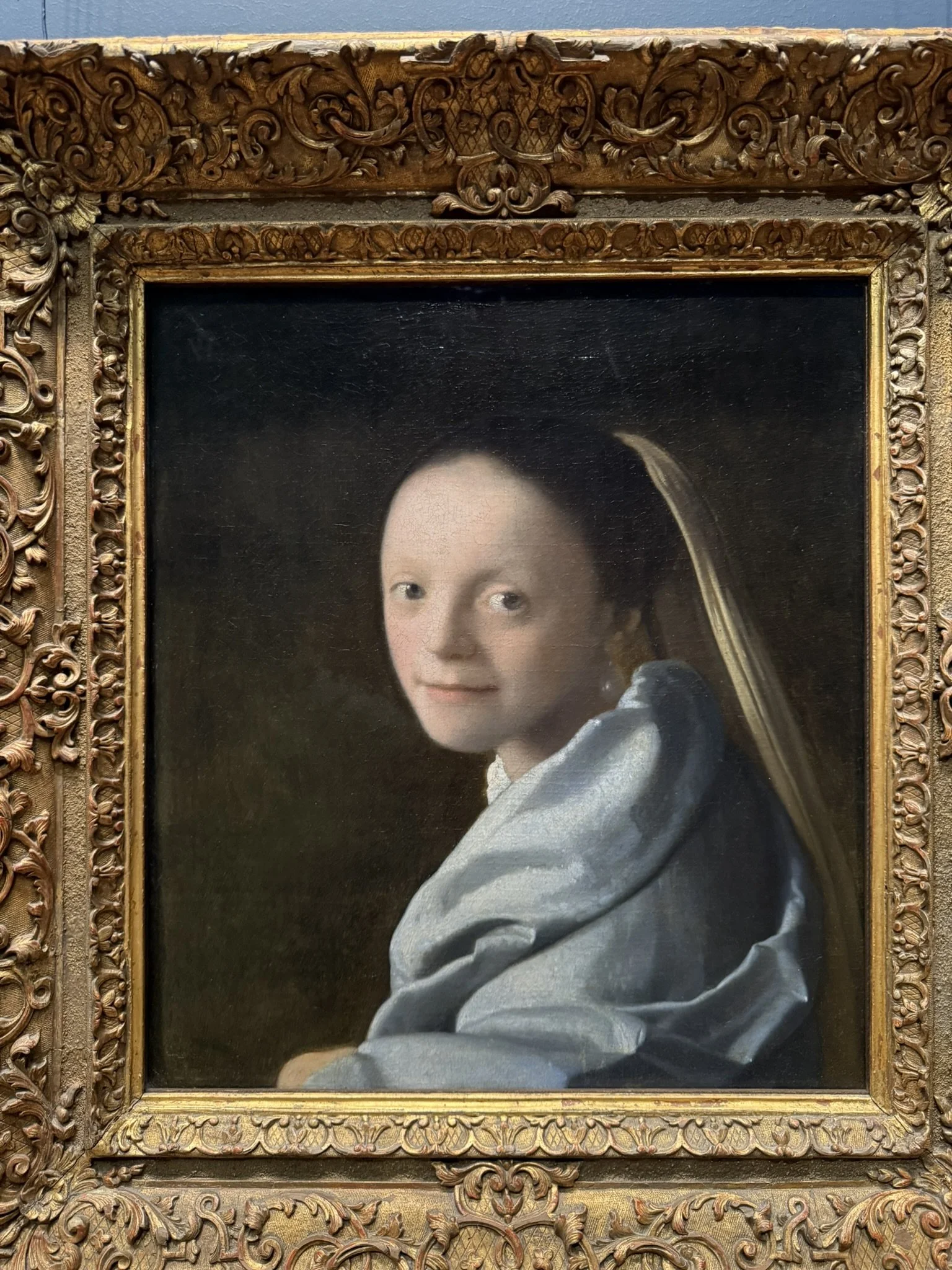
The spatiality of sound is invisible, yet felt like sculpture. In Monteverdi’s Duo seraphim, two voices become three, then merge into one; syllables stretch, words do not end, and time itself sways. In Jacobs’ performance, the melisma aligns with breath, and sound approaches silence. Without explaining doctrine or narrative, Monteverdi lets listeners experience the Trinity through sound alone. One simply senses presence, and the music becomes the very air of the space.
Read More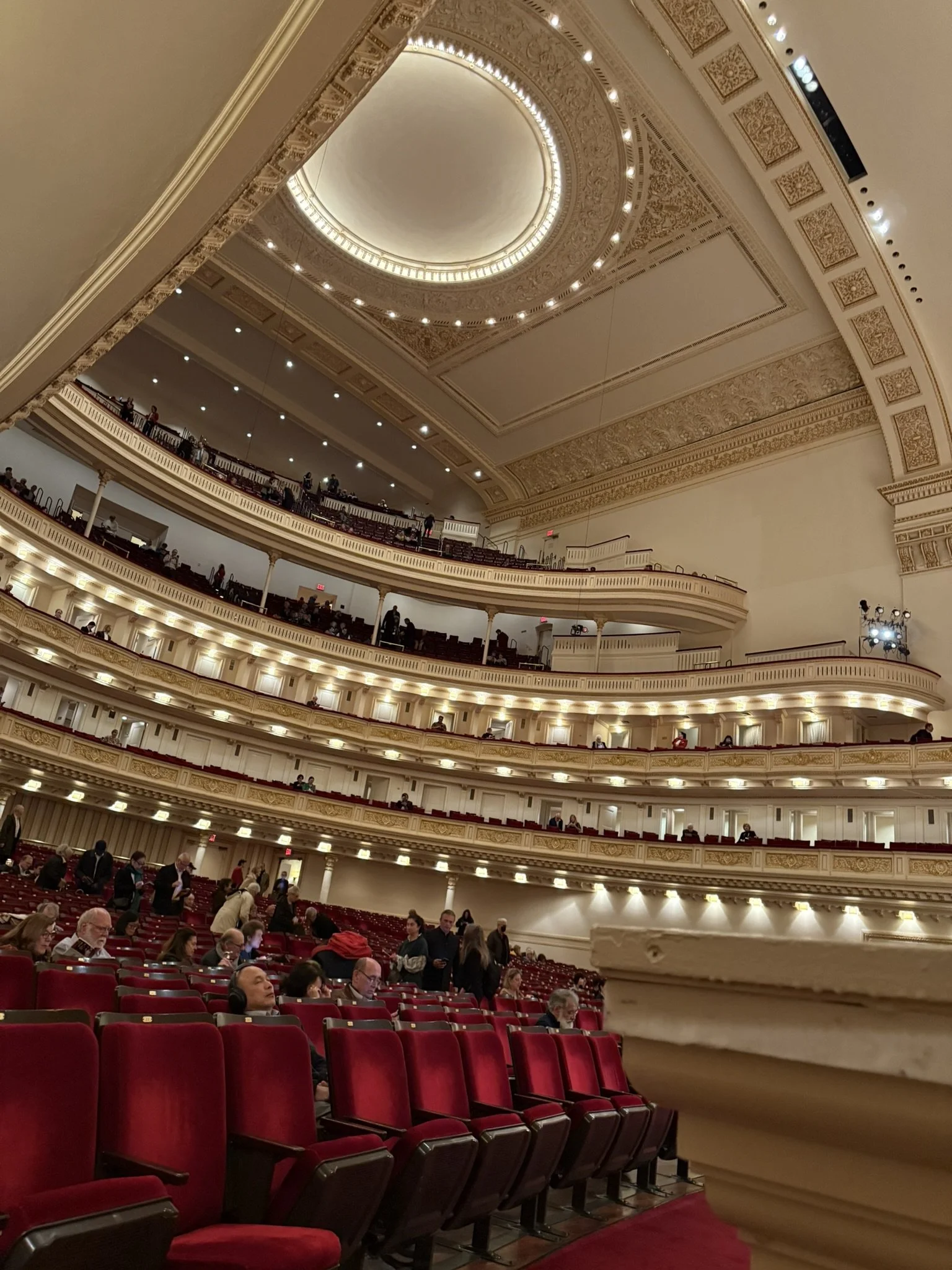
Labor Day long talk
—“A continuous effort to illuminate the fragile, ever-evolving human form.”
It is a landscape I have been observing myself in. I remembered August 4th, the day tickets for Carnegie Hall went on sale—a launch day for boarding the “time machine” that spans three venues of the world. At the head of the waiting line were the usual Russian ladies.
Read More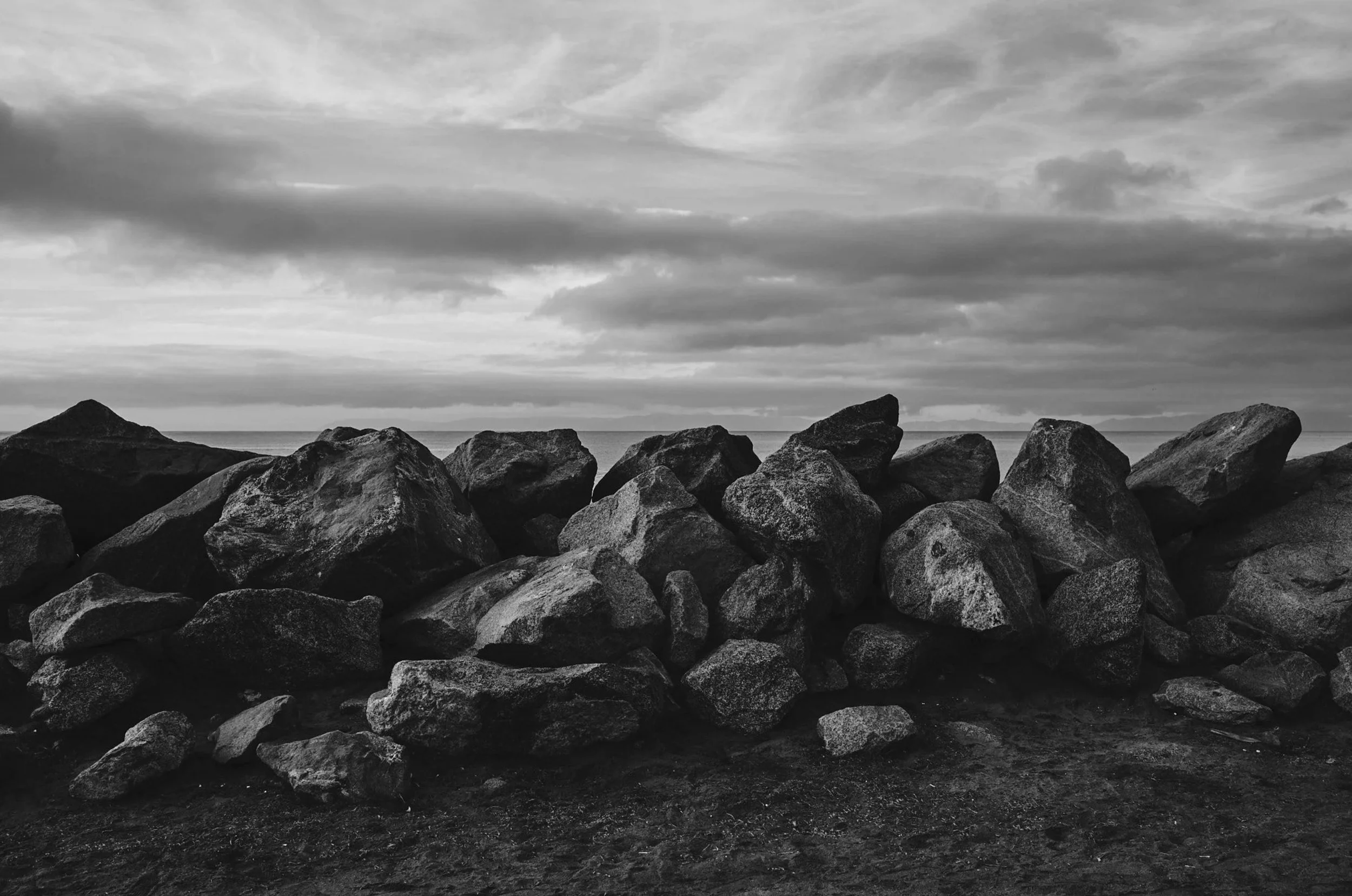
Webern
Balse told me about Leica.
It captures shadows, not light.
In music, it can be said to reflect silence rather than sound.
And then, an old memory came back: when we lived in the same apartment and listened to Webern's Op. 7 (1910) together.
Read More
Clara Iannotta
A few years ago, I got a sudden phone call from a friend to tell me that a family member had passed away. I was very confused. For better or worse, any encounter with contemporary music begins with confusion. As I listen, I get used to it, and sometimes I can see it much more clearly than I do now. This is because the stimulation reaches parts of the brain that I haven't used before, activating my senses.
Read More
amor fati
After listening to Kreisleriana, I remembered Kurtág's "Martha Ligature," which I heard in April at Uchida's recital. Kurtág studied unity using as few materials as possible. He was also fascinated by Webern.
Read More
Kreisleriana
I received a photo letter from Balse.
There were a few words in it.
After reading, I looked up the schedule for next May and found that I will be listening to Schumann's Kreisleriana.
Read More
To future Siegfried

Franz Welser-Möst, stand on the Carnegie stage with his Cleveland Orchestra in January 2024. The guy on his left side is the new Concertmaster of the Cleveland Orchestra.
Lieber Franz 親愛なるフランツ
Franz came to Cleveland in 2002 and has returned nearly every year, bringing thrilling programs of Beethoven, Prokofiev, and Shostakovich. I once watched Beethoven’s Seventh at Carnegie, where his fast tempo pushed the orchestra to its limits yet never collapsed. Franz embodies the composer’s spirit, patiently guiding the orchestra without imposing himself, making each performance feel immersive and timeless. Even a short piece, like Bartók, can capture the audience completely, as if transported on a multi-year journey. Cleveland remains my favorite orchestra for how it conveys the music’s soul.
Read More
Bach x YMO: Space Travelers バッハとYMOの宇宙旅行
Bach’s son and Hosono resemble each other in appearance, and their music is similar as well.
Released in ’79, Technopolis by YMO features synthesizers mainly handled by Sakamoto, with Hosono on bass. In the middle section, Hosono adds a wriggling, almost octopus-like obbligato over Sakamoto’s part—and it’s incredibly skillful! As you’re marveling at Sakamoto’s playing too, the musical scene shifts, and that wriggling line seems to run through your body.
Moreover, amid the solemn electronic programming, certain passages emerge with restraint and subtle expression—this controlled nuance calls to mind the harpsichord music of Bach’s son in the 17th–18th centuries.
Read More
Sound and Sumo: Sparkle of the Wildness 音と相撲はワイルドな衝突
I love both music and sumo, and during the July tournament I suddenly recalled the third movement of Bruckner’s Seventh. The crescendo before the winds enter felt like driving an opponent to the edge, the timpani tremolo sharpening the tension until the decisive moment. Then the swirling strings crashed in—like a perfectly timed throw—where wild energy met the vast illusion of the orchestra.
Read More
Mao Fujita: Verbier Festival 2024
Mao Fujita, born 1998 in Tokyo and 2019 Tchaikovsky Competition second prize winner, first impressed me in 2022 at Verbier performing Mozart. After Pollini’s cancellation, he appeared at Carnegie Hall in January 2023, moving me deeply, especially with Schumann. His playing blends gentleness with intense passion, conveying strictness, sorrow, and fear with fragile yet powerful expression. Unlike others, his energy feels fresh and unique, making live performances of any repertoire vividly immersive and highly anticipated in 2024.
Read More
Pletnev: Mozart Chatting to Us in Verbier
I looked at his review, but everyone is terrible at describing his art. But here, Pappano and the Orchestra are all chatting with each other as if Mozart is chatting with us.
Read More
Stockhausen: The ultimate world of space walking
As if thrown into space
The ultimate world of space walking
まるで宇宙に放り出されたような感覚。究極の宇宙遊泳世界を是非ご堪能下さい。
Read More
“Music is always profoundly human,” Wolfgang Rihm, An Obituary by Berliner Philharmoniker
Wolfgang Rihm, An Obituary by Berliner Philharmoniker
“Create sound events with a mind of their own.”
“Music is always profoundly human.”
“Even my fears, my anxieties and, of course, euphoria.”
Rihm was a composer who was not afraid to show vulnerability within his creative process.
Read More
What makes a good listener? - Music Critic, Corinna da Fonseca-Wollheim
Corinna da Fonseca-Wollheim argues that attentive listening—especially to complex instrumental music—trains the mind to follow multiple layers simultaneously, quiets distractions, and strengthens our capacity to truly listen in daily life. Music thus becomes both entertainment and essential mental exercise.
Read More
Pianist Alexandre Kantorow, Hard to miss new generation
"The stereotype is that competitions mint quick-fingered but mindless virtuosos, while the Gilmore rewards more mature, idiosyncratic artists. To win both the Tchaikovsky and the Gilmore suggests Kantorow has technical security as well as something to say." By Zachary Woolfe
In 2019, at age 22, Alexandre Kantorow became the first French pianist to win the Tchaikovsky Competition's First Prize, as well as the Grand Prix, awarded only three times before in the competition's history. Hailed by critics as the“reincarnation of Liszt” (Fanfare Magazine), he received the Gilmore Artist Award 2024, considered one of the most prestigious international piano prizes,and awarded only every 4 years. He is the first French artist and youngest winner of the Gilmore Artist Award.
Read More