
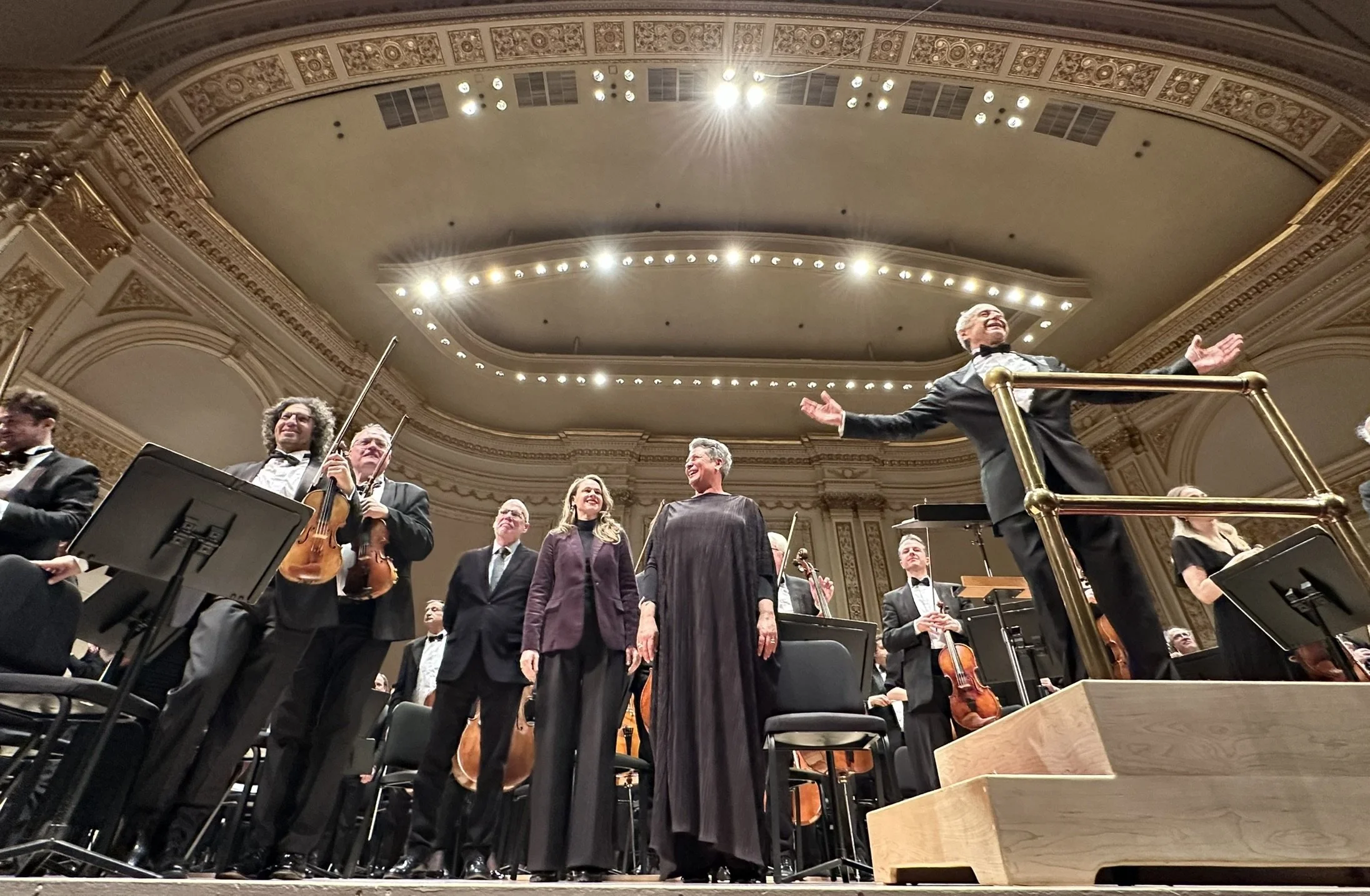
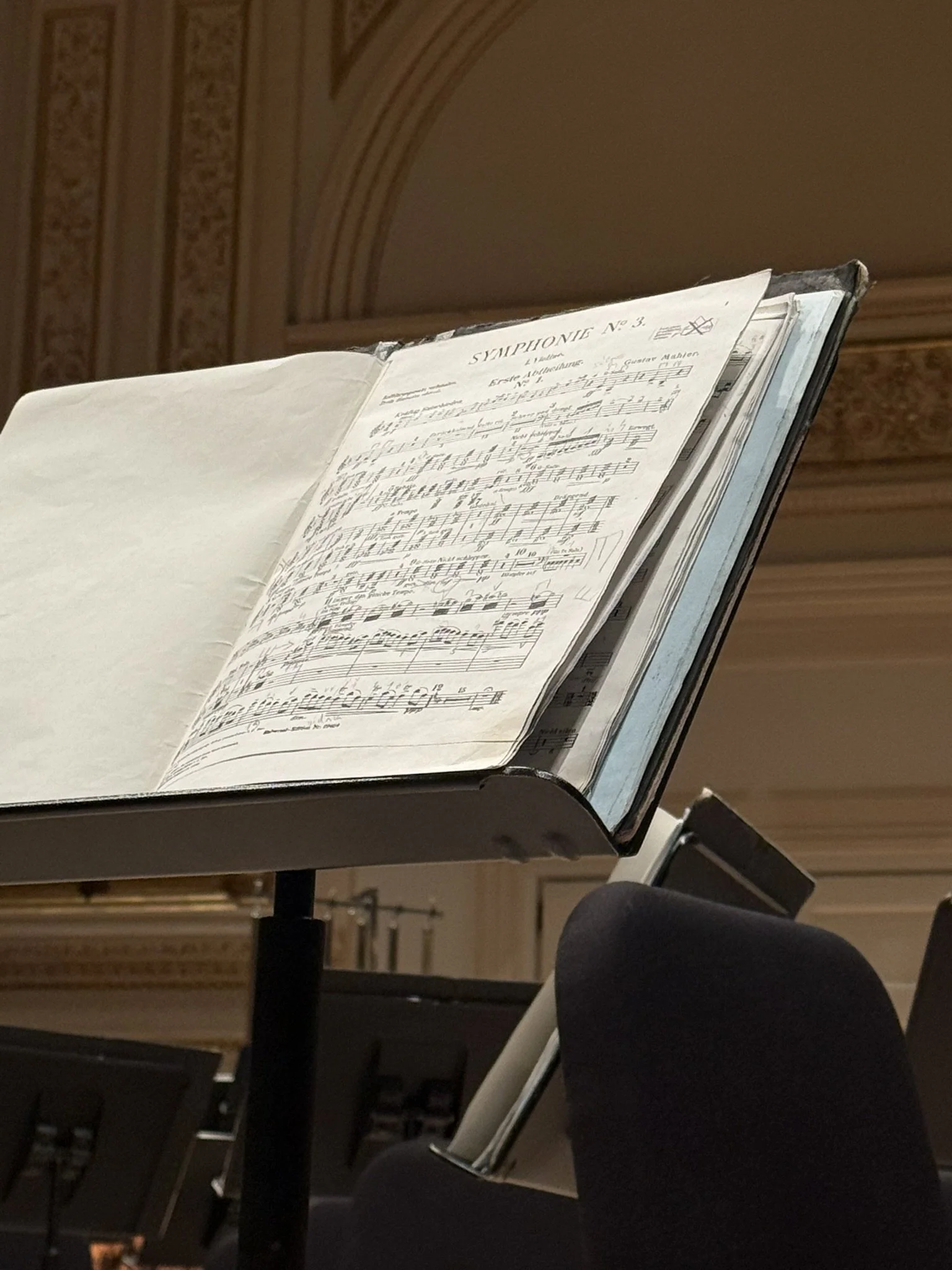
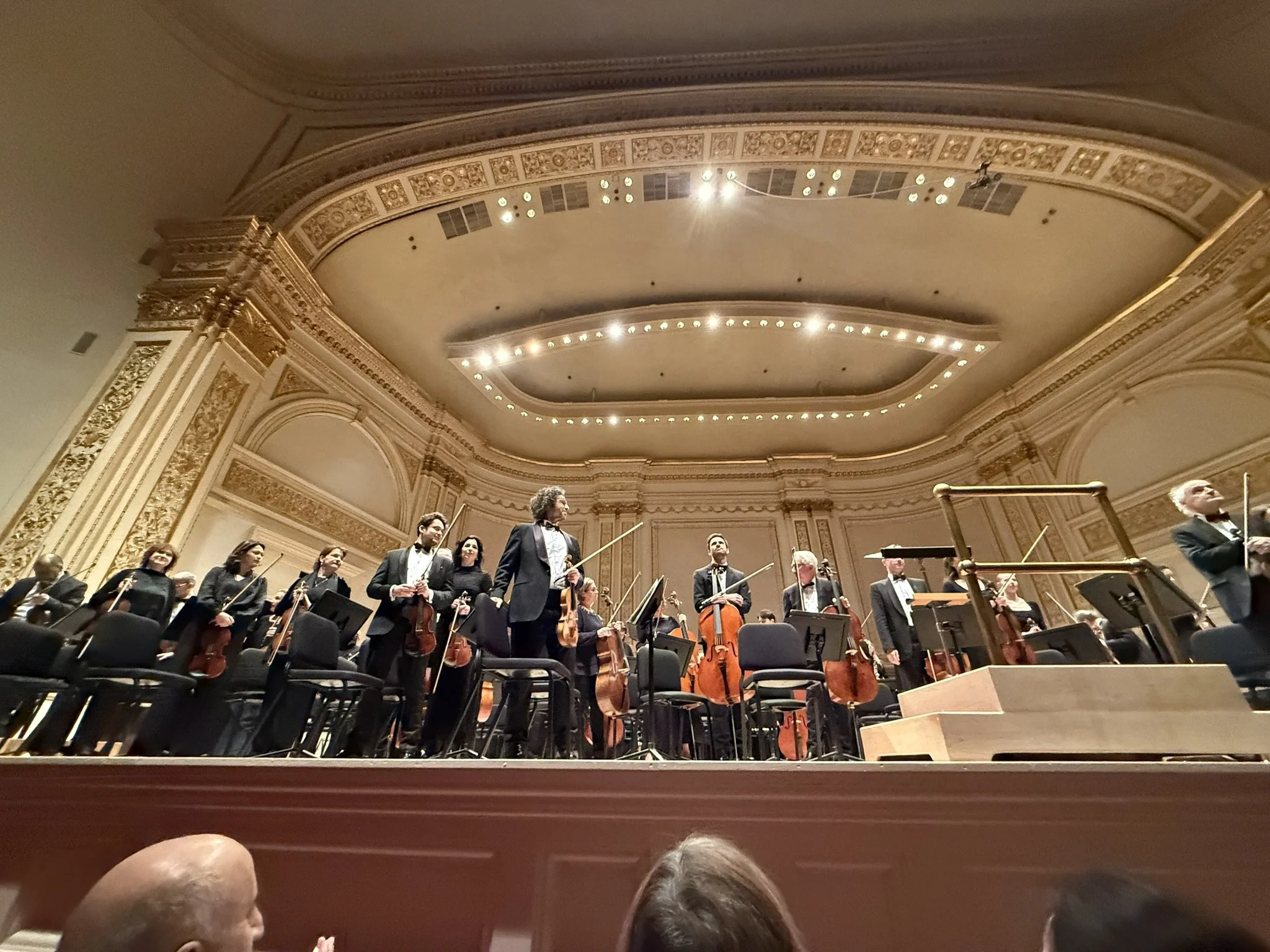
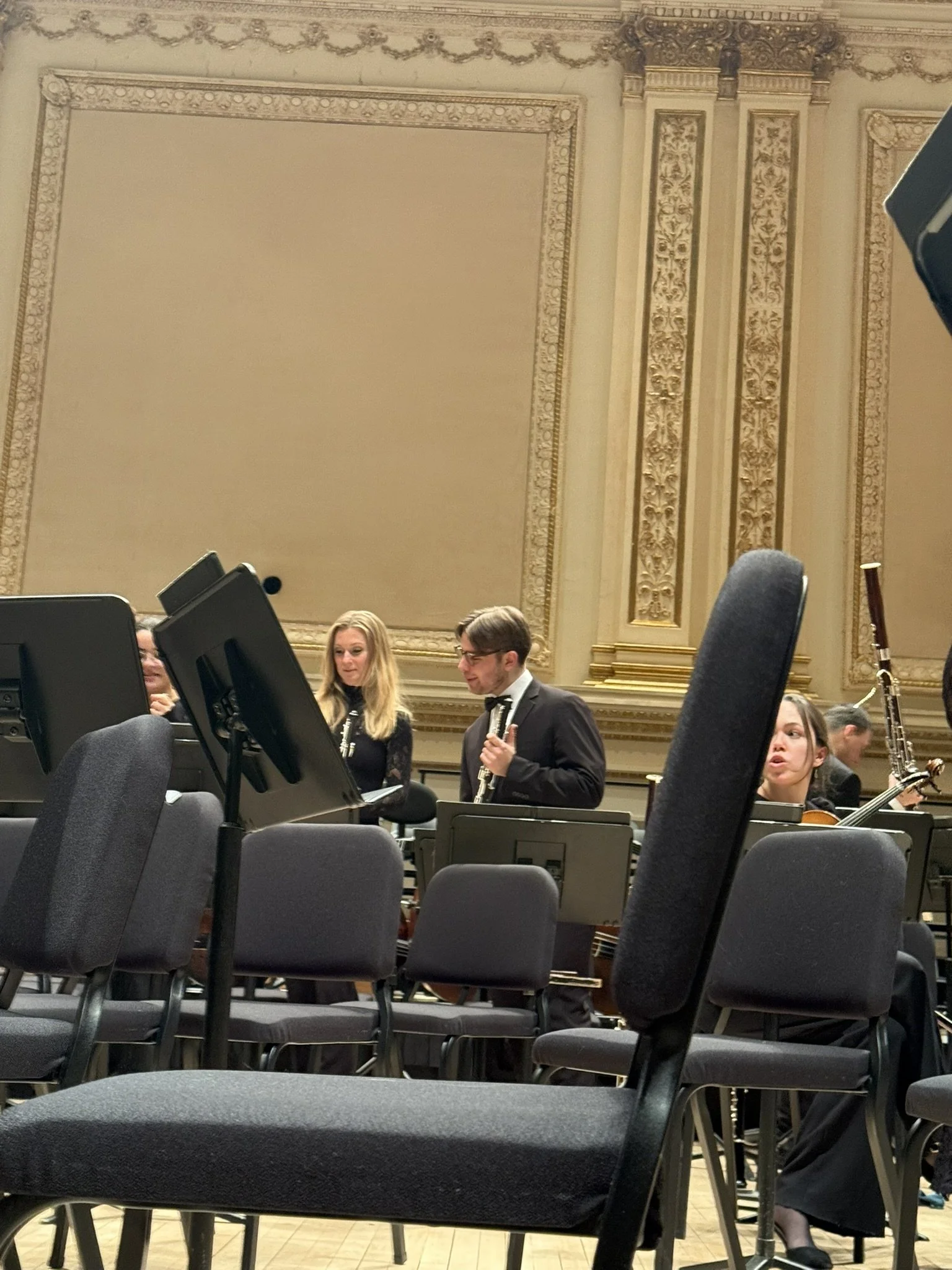
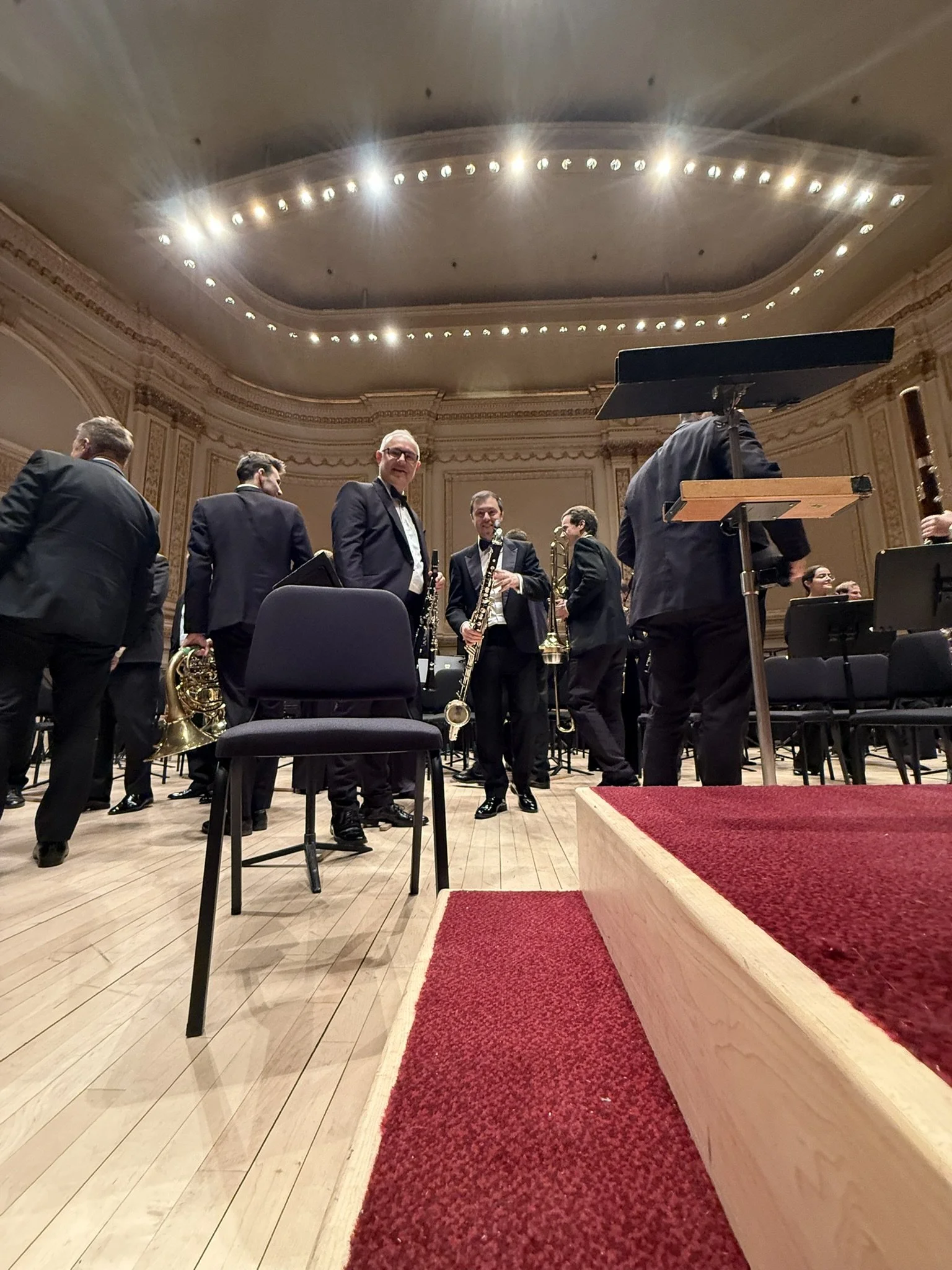
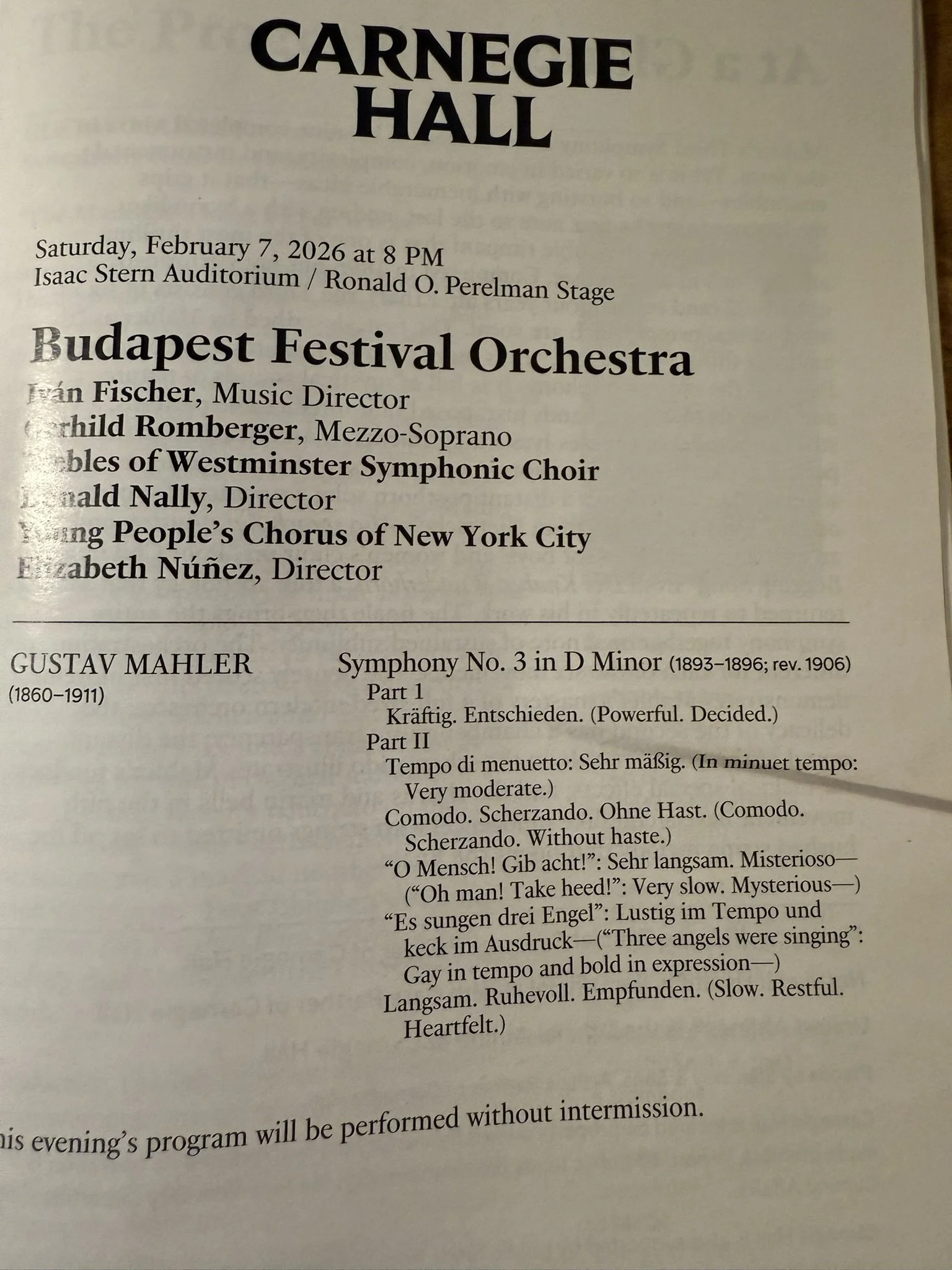
Budapest Festival Orchestra and conductor Iván Fischer's Mahler's Symphony No. 3 at Carnegie Hall on 2.6.2026. Mahler described this piece as "a work the world has never heard before. There, nature finds a voice, speaking profound secrets that man can only foresee in his dreams." Running for over 100 minutes, this piece depicts divine beauty and harshness, as well as human sin and salvation.
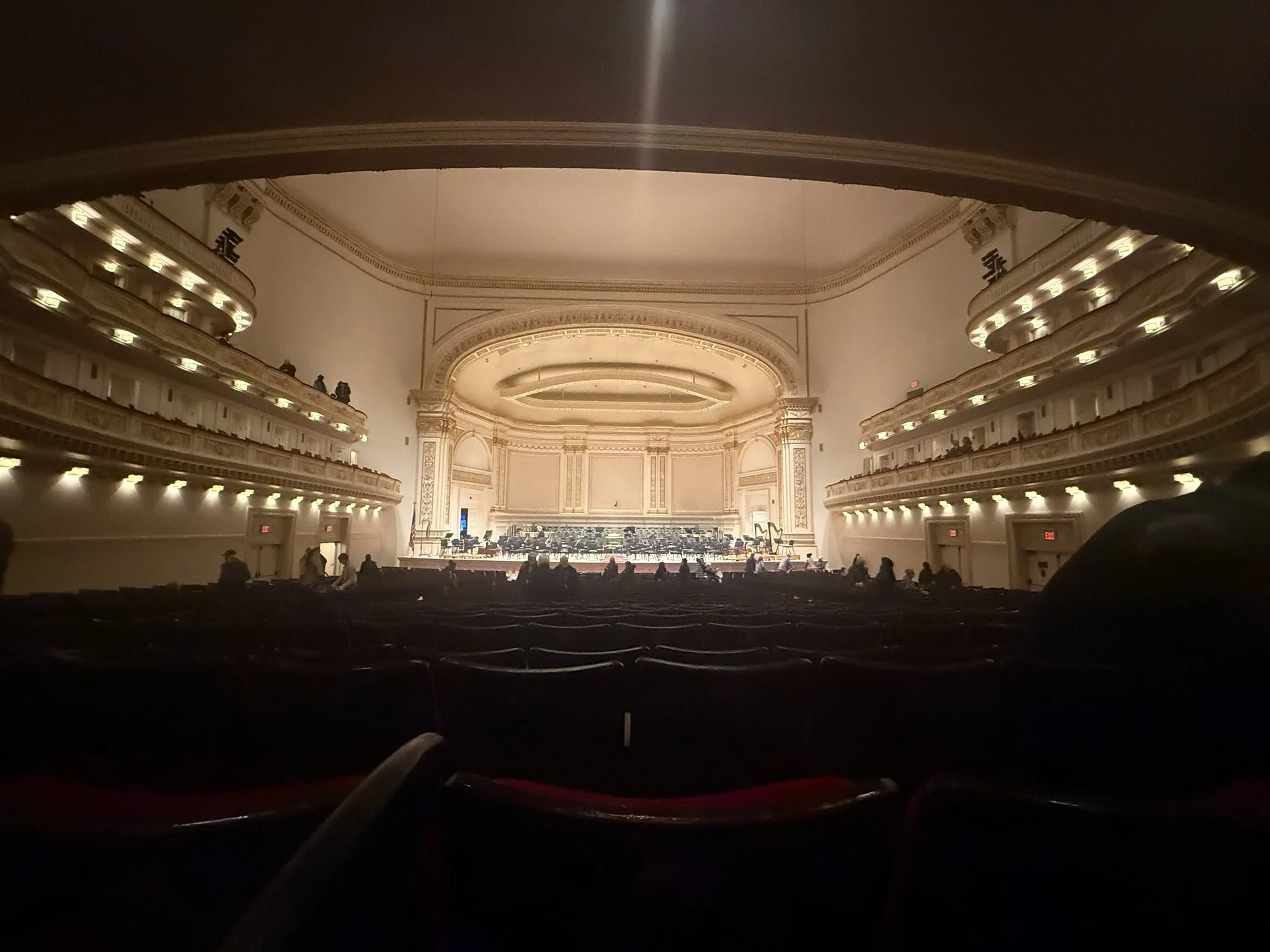
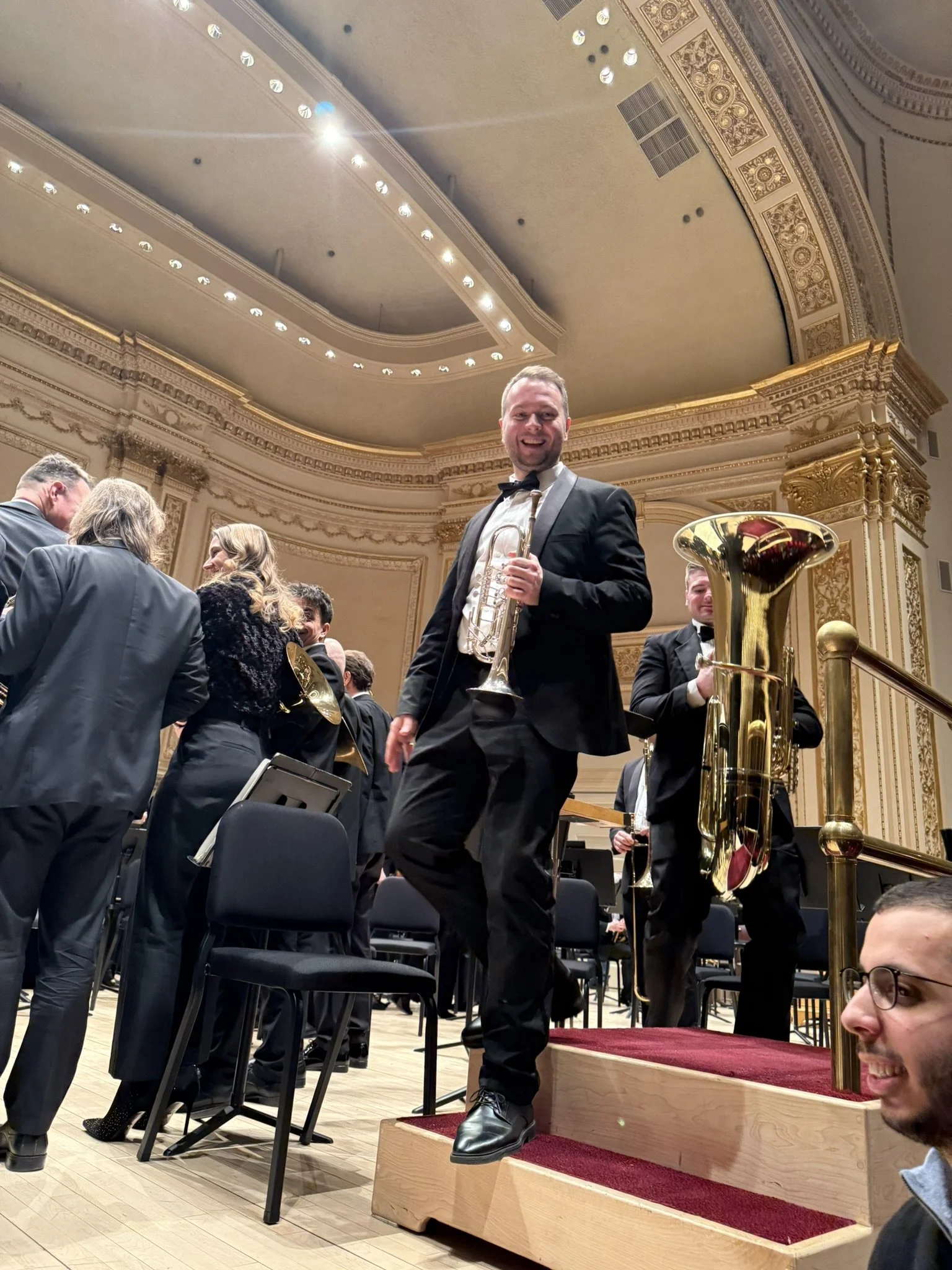
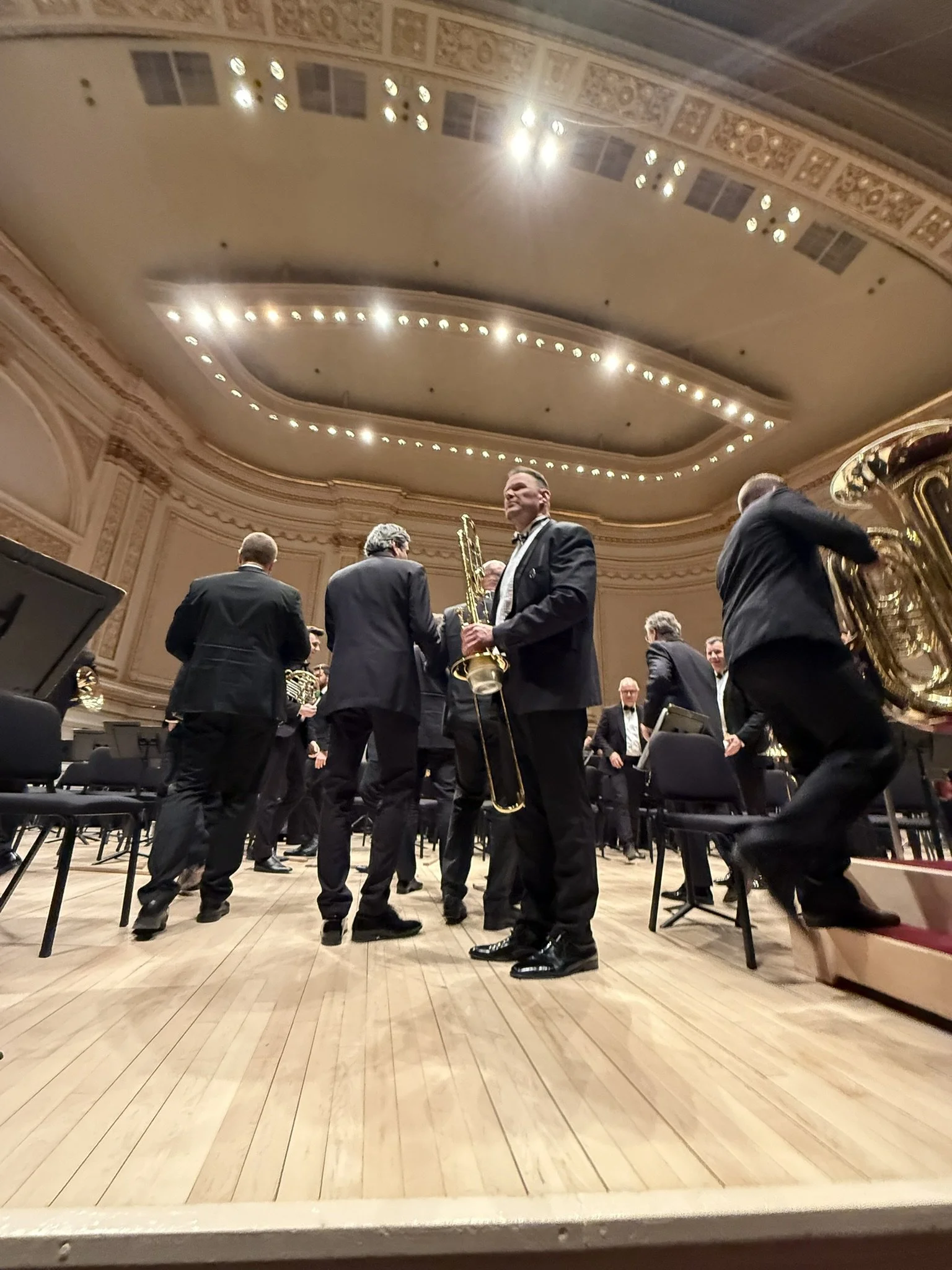
A horn fanfare awakens the god Pan, who resides within Carnegie Hall, on a January day at -15°C in New York. The brass responds, followed by a powerful bass drum and a solo trombone. The noble spirit overflowing from within the orchestra reflects the earth's breath, the world's chaos, its destruction, and creation. Double basses are positioned to the left, right, and at the center back, and bells and gongs are also positioned, each, making the 2,800-seat Carnegie Hall breathe like one enormous living creature. Eventually, a march begins, and the power of life surges forth. Under Fischer's direction, the heart is stirred by the crystal-clear sound of this vast life.
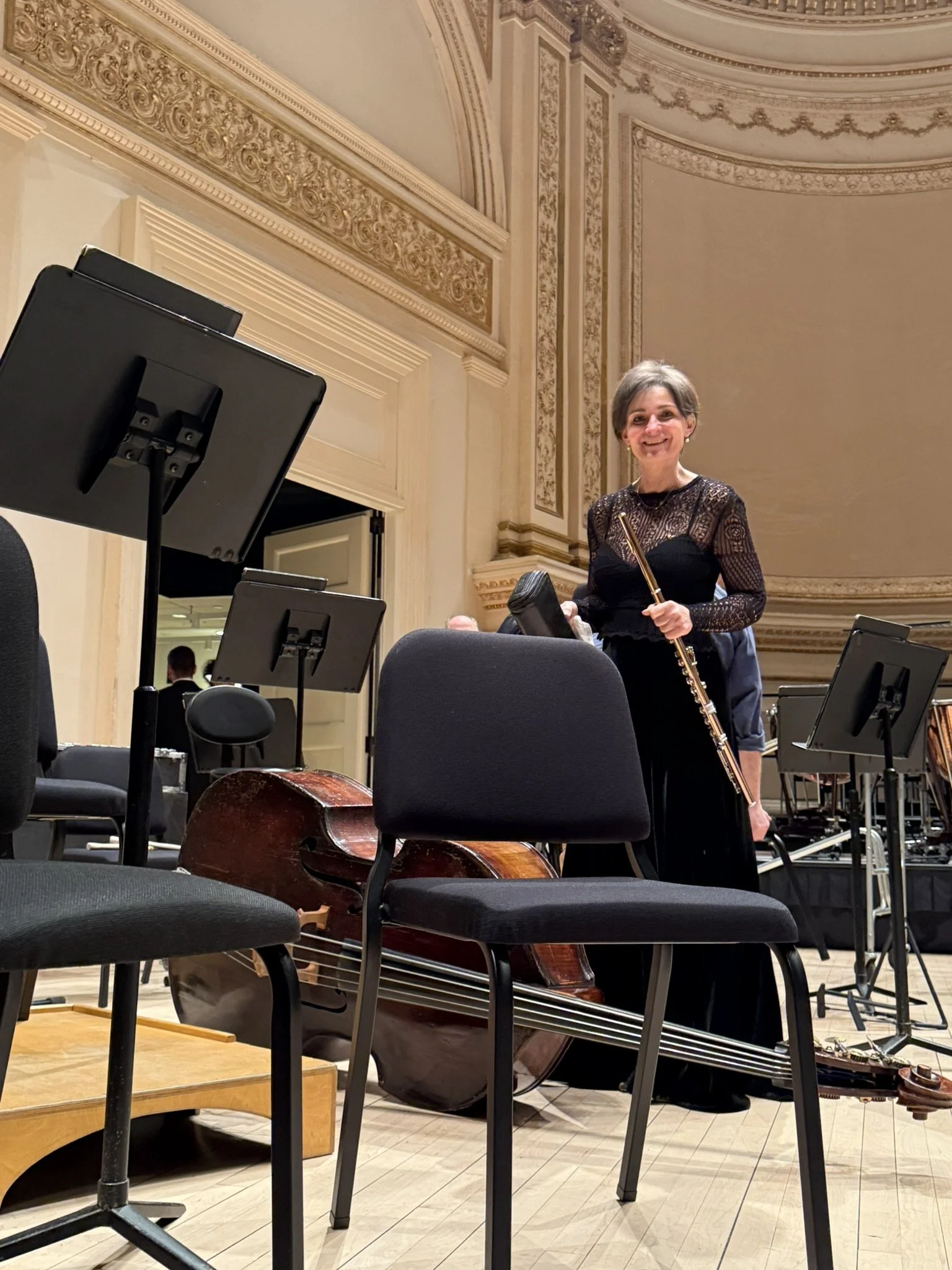
The flowers of the meadow speak in the second movement, a short, fragile life blooming on the earth, centered around string instruments. A fleeting image of tiny life. A beautiful loop of graceful, light orchestral music, harp, and wind instruments. The animal instincts of winds continue to rustle on the next movement, and then, as a post horn sounds from afar, a completely different time flows. Unreachable dream, loneliness, and nostalgia emerge. The rustling of the forest returns, and the powerful brass playing draws us back into the natural world again.
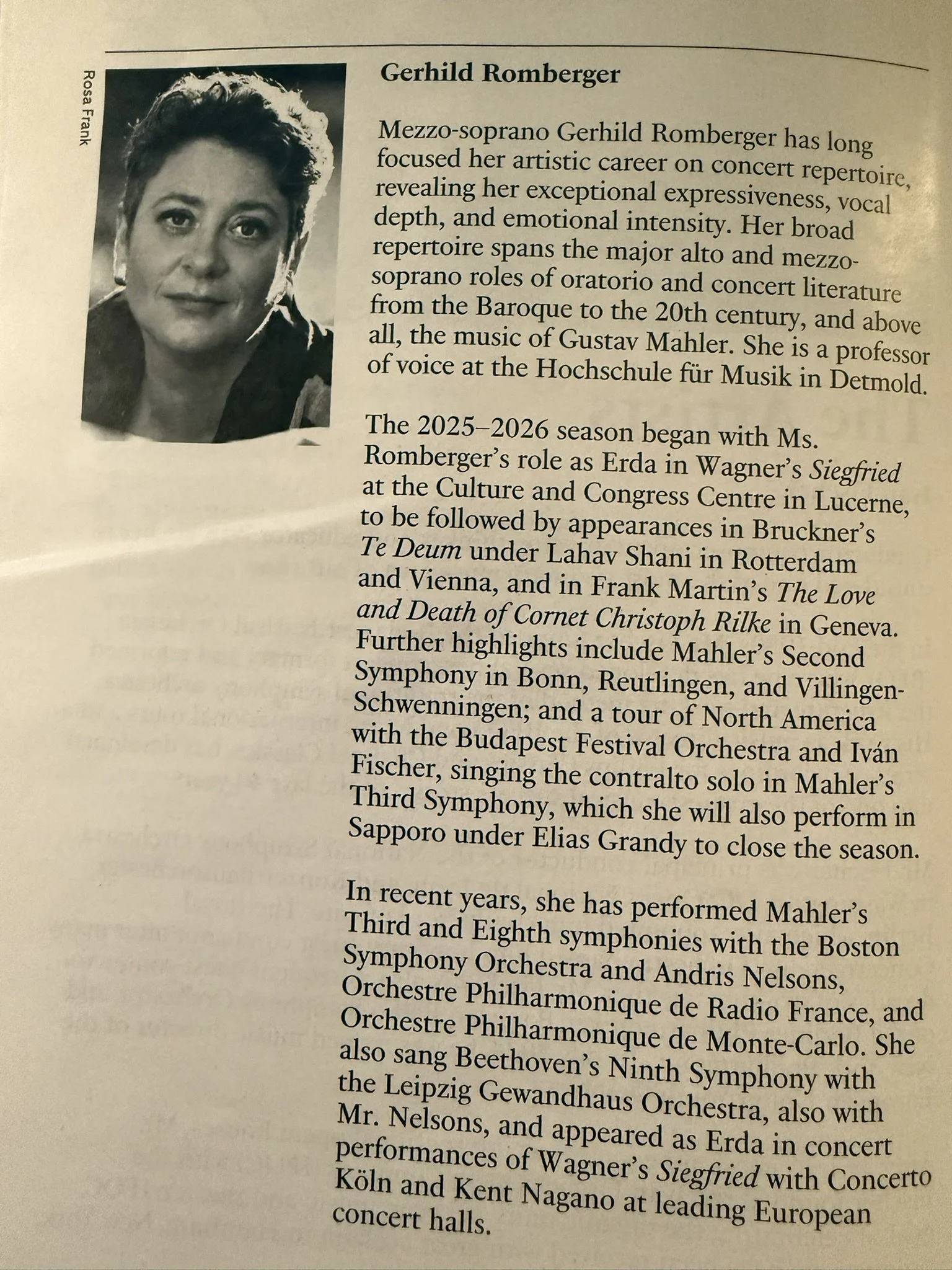
In the fourth movement, "Night Speaks to Me," Gerhild Romberger's alto, awakened from a deep slumber, sings "O Mensch! Gib Acht!" (Beware, man! What does midnight have to say?) with nature breathing theme on the first movement. Can we truly affirm this world enough to want to live it again, even with all its sorrow and pain? Mahler's question, quoting Nietzsche's Midnight Song, asks: Can you love this world, with all its beauty and harshness? Human morality and order have no place in freezing New York. Would I want to listen to Mahler's Third Symphony again in the same circumstances, desperately concentrating on it amid a rousing, enthusiastic older man with his fist raised, a hunched-over Chinese man occasionally glancing at his watch, and a restless older man fiddling with his program? I want to attend a free and open-minded classical music concert without disturbing anyone. "Tief ist ihr Weh, Lust – tiefer noch als Herzeleid", the sorrow is deep and the joy deeper than the pain of the heart, but the joy is deep and longs for eternity.
In the fifth movement, Mahler let angels speak of human sin. The pure voices of the choir overlap with the deep, dark alto, expressing human repentance and a yearning for salvation. The inner journeys of nature, plants, animals, and humans culminate in religion, culminating in a power of salvation that transcends words and permeates the entire universe. Fischer and the orchestra carefully capture the power of life, revealing its pain and weakness, the instincts of animals and humans, spiritual growth, and the attainment of God, captivated by every moment of tension and release born from the grace, splendor, and devotion inherent in this noble spirit.
The noble, naked spirit of the Budapest musicians, who play the swells of nature for over 100 minutes, contrasts with the audience's vulnerability, laid bare. They are frustrated, bored, and impatient, and they conceal their feelings, pretend to be strong, and pretend to understand. You are forced to show your weakness, feel the urge to pick up your phone, and, in the end, put on a show. And the moment it's over, you pretend that your shame never existed. So Mahler gave us the chance to see your weakness.
Performers
Budapest Festival Orchestra
Iván Fischer, Music Director
Gerhild Romberger, Mezzo-Soprano
Trebles of Westminster Symphonic Choir
Donald Nally, Director
Young People's Chorus of New York City
Elizabeth Núñez, Director
Program
G. MAHLER Symphony No. 3
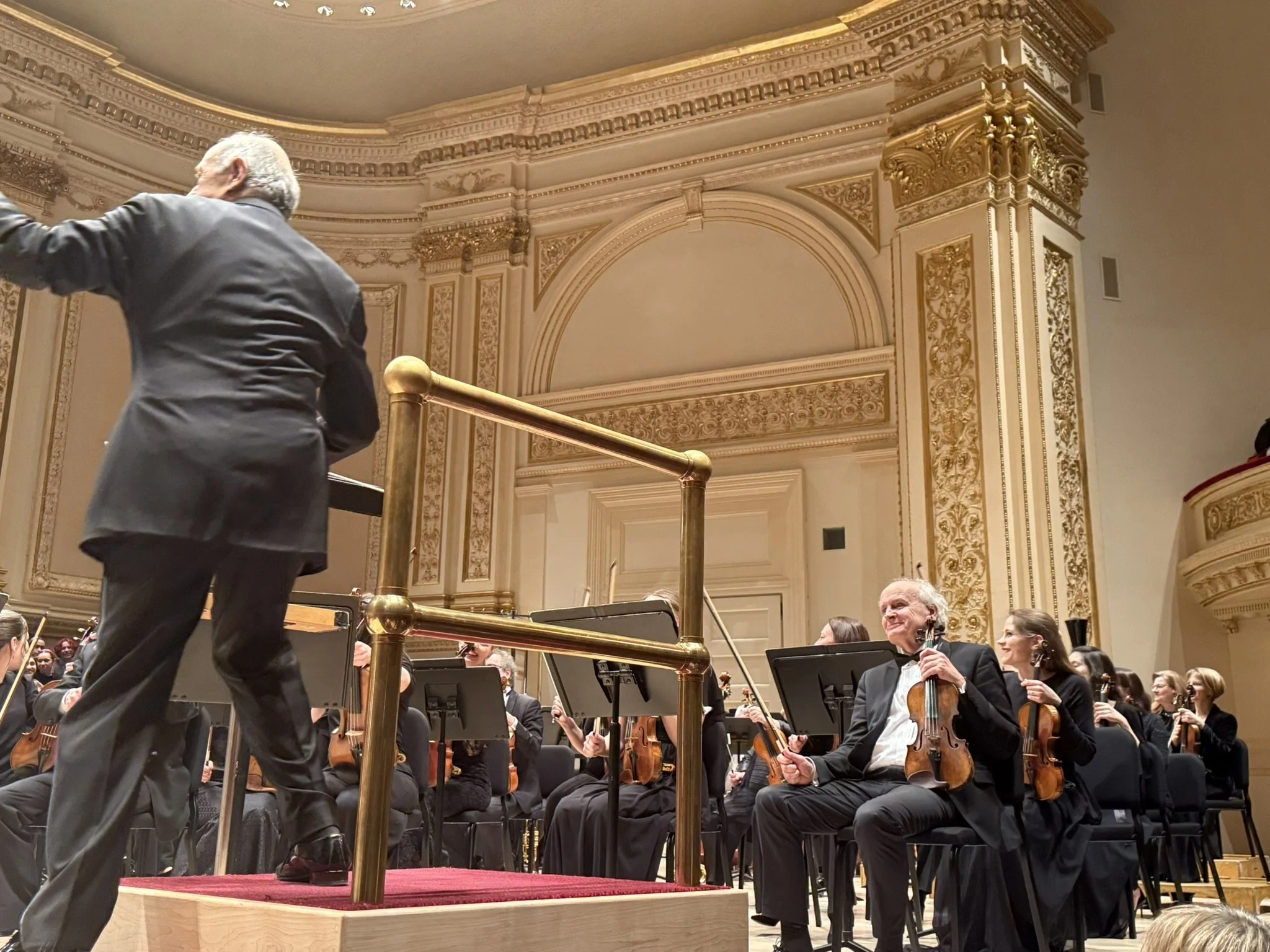

ブダペスト祝祭管弦楽団と指揮者イヴァン・フィッシャーは、2月6日、カーネギーホールでマーラーの交響曲第3番を演奏した。マーラーが「世界がいまだかつて耳にしたことがない。そこでは自然界が一つの声を得て、人が夢の中で予感することしかできない奥深い秘密を物語る」と残したこの曲は、100分を超え、神が宿る自然の美しさ、厳しさ、人間の罪と救済を描く。
ホルンのファンファーレが響き、1月、氷点下15度のニューヨークで、カーネギーホールに宿るパンの神が目覚める。ブラスが応答し、大太鼓の強打、トロンボーンのソロが続く。オーケストラの内側からあふれる気高い精神が、大地の息吹、世界の混沌、破壊と生成を映し出す。コントラバスは左右と正面奥に、ベルや銅鑼もそれぞれの場所に配置され、2800席のカーネギーが一つの巨大な生き物のように呼吸する。やがて、マーチが始まり、生命の力が押し寄せ、フィッシャー指揮のもと、巨大な生命の透明な響きに心がかき立てられる。
第2楽章では、草原の花々が語りかける。弦楽器中心の大地に咲く、はかない生命のメヌエット。束の間の小さな命の姿。オーケストラの優雅で軽やかな、ハープや管楽器を合わせた美のループ。第3楽章では、森の動物たちが語りかける。エスクラやフルートなど、獣の本能が絶え間なくざわめき、やがて遠くからポストホルンが響くと、まるで違う時間が流れる。届かない理想や孤独、郷愁といった感覚。森のざわめきが戻り、ブラスの強奏で再び自然界に引き戻される。
第4楽章、「夜が私に語る」では、第1楽章の原始の呼吸のテーマに合わせて、深い眠りから目覚めたゲルヒルト・ロンベルガーのアルトが「O Mensch! Gib Acht!」、人間よ、気をつけろ、真夜中は何を語るのか、と語りかける。この世界を悲しみも痛みも含めてもう一度生きたいと思えるほど本当に肯定できるか。ニーチェの真夜中の歌を引用したマーラーの問い。美しさも厳しさも、あなたはこの世界を愛せるか。マイナス15度の凍てついたニューヨークでは人間のモラルや秩序は通用しない。こぶしを振り上げるノリノリのおじさんと、前かがみになって動かない、時々時計を見る中国人のお兄ちゃんと、プログラムをピタピタいじる落ち着かないおじちゃんの中で、必死に集中して聴くマーラーの3番を、同じ境遇でもう一度聴きたいか? 私は自分の力で、自由で開かれたクラシックのライブを聴衆の一人として、誰の邪魔もせず、されず聴きたいし、そのように行動している。「Tief ist ihr Weh, Lust – tiefer noch als Herzeleid」、その悲しみは深く、喜びは心の痛みよりもさらに深い。しかし、喜びは深い永遠を望むのだ。
第5楽章で、マーラーは子どもの声で罪を語らせる。合唱の無垢で透明な天使の声に、アルトの太く暗さを帯びた人間の懺悔や救いへの渇望が重なる対話。自然、動植物、そして人間の内面の旅が、宗教と結実し、最終楽章では言葉を超えた全宇宙に広がる救済の力。痛みや弱さをさらけ出す生命の力、動物や人間の本能、精神の成長、そして神への到達を、フィッシャーとオーケストラは注意深く、その気高い精神に宿る優雅さ、華麗さ、献身から生まれる緊張と解放の一瞬一瞬に魅了された。
100分を超え自然のうねりの前に、弱さをさらけ出す聴衆。彼らは苛立ち、時間を持て余し、焦り、気持ちを誤魔化し、強がり、そしてわかったふりをする。気持ち弱さを見せつけられ、携帯を触りたい衝動に駆られ、最後は見栄を張る。そして、終わった瞬間、恥じた自分を無かったことにする。マーラーの前に人は弱さをさらけ出す。