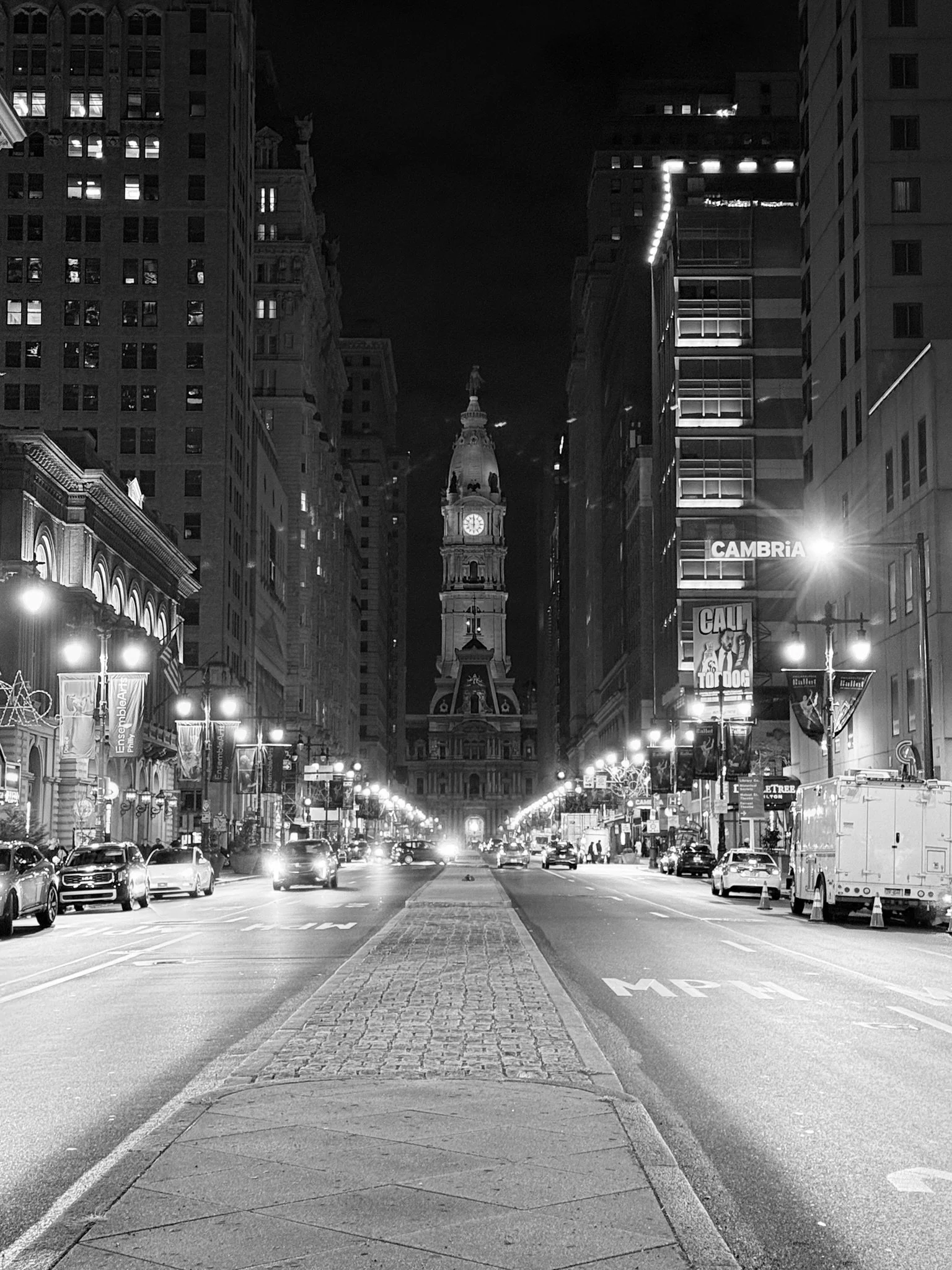
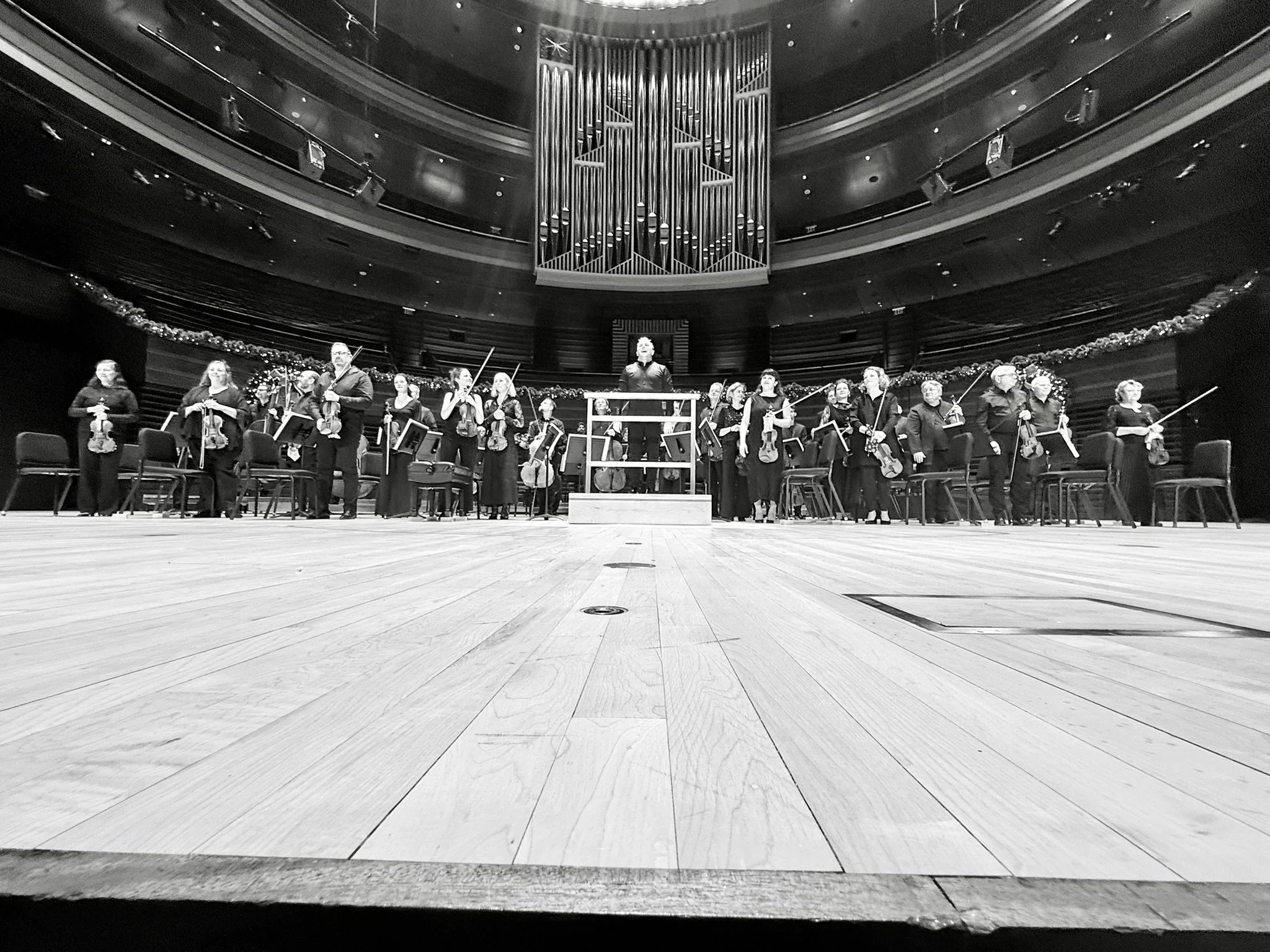
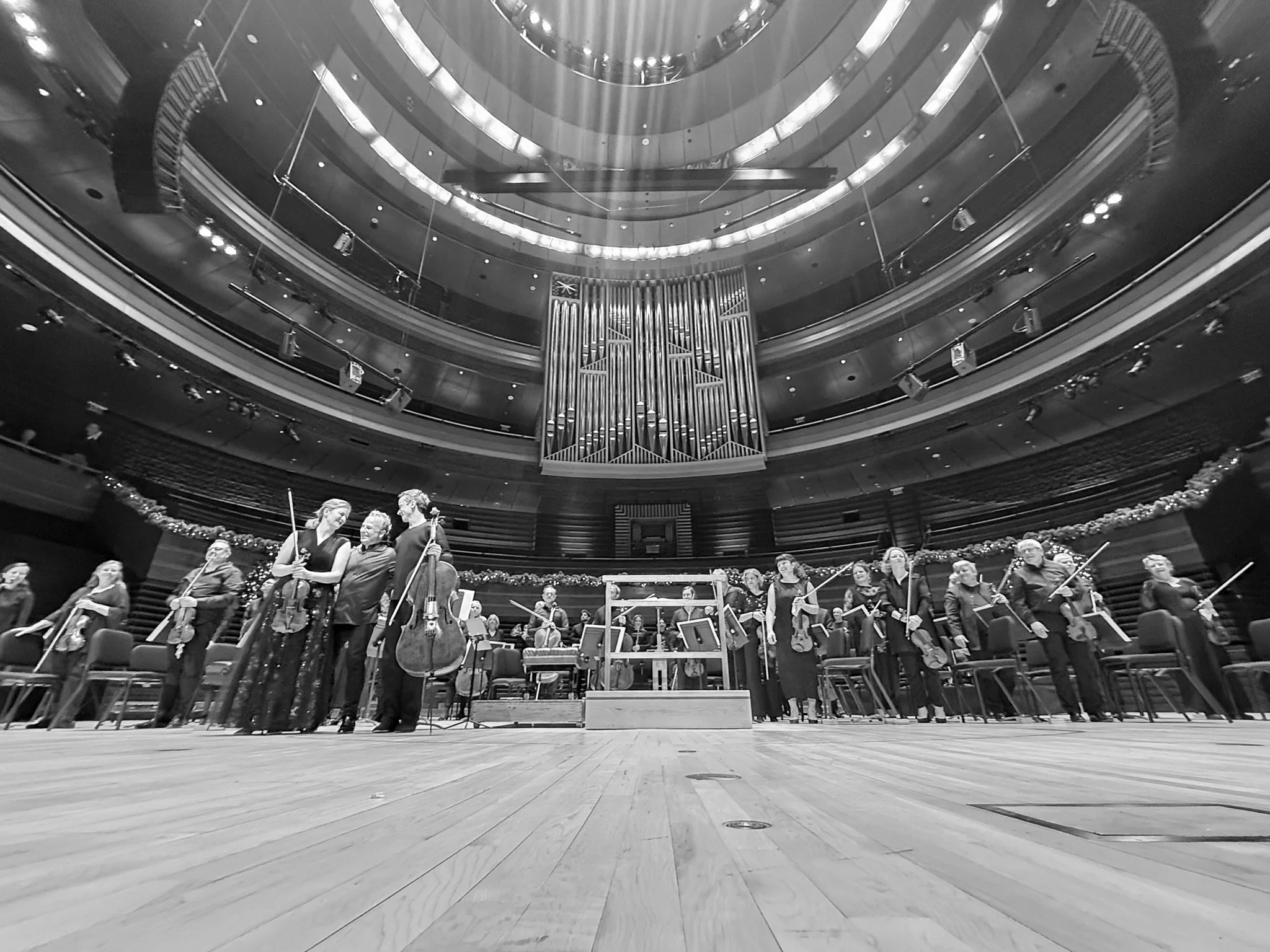
All Brahms by the Chamber Orchestra of Europe and Yannick Nézet-Séguin at Anderson Hall in Philadelphia, the day after their Carnegie Hall concert on 12.10.2025
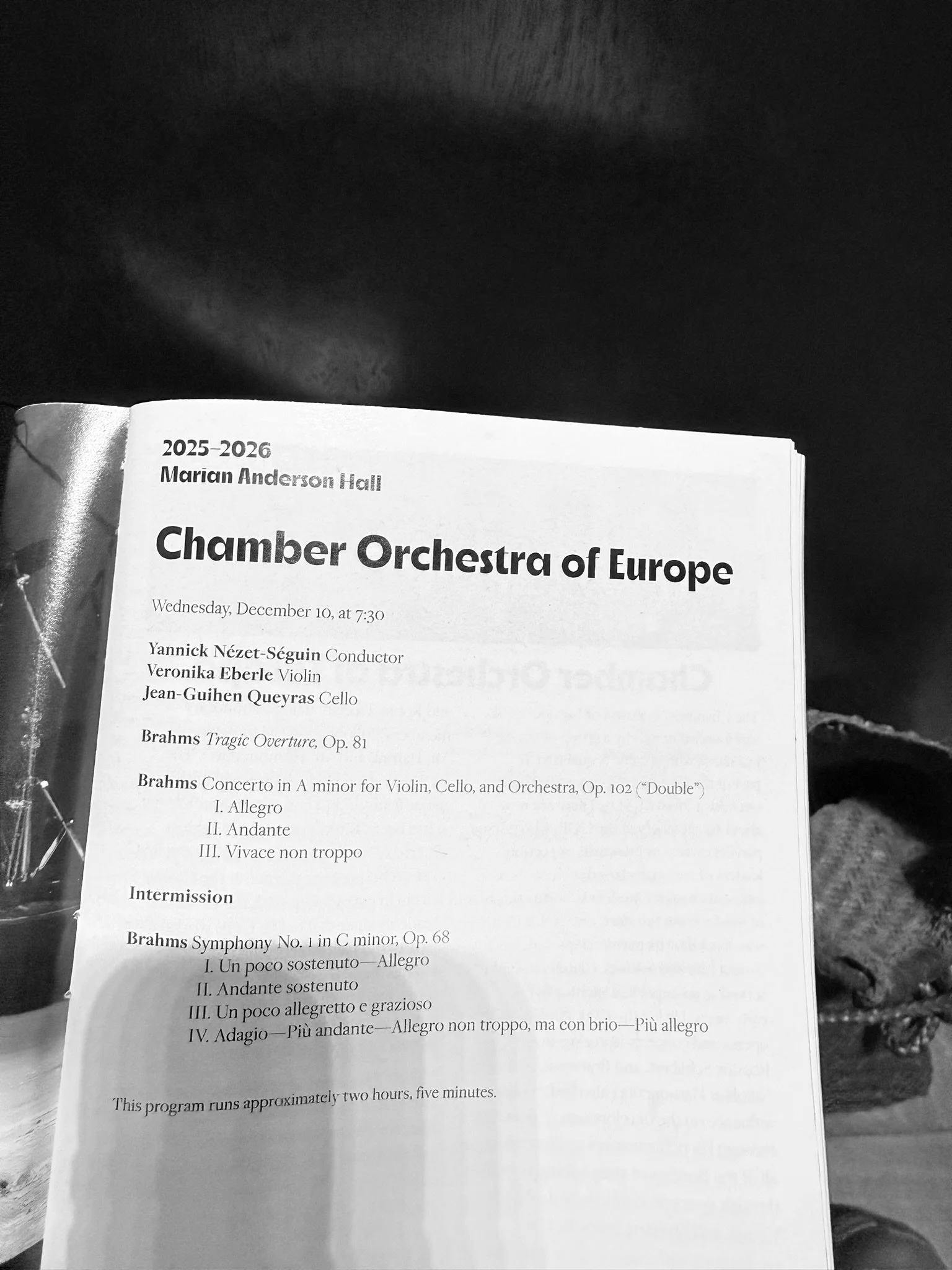
Wednesday, December 10, at 7:30
Yannick Nézet-Séguin Conductor
Veronika Eberle Violin
Jean- Guihen Queyras Cello
Brahms Tragic Overture, Op. 81
Brahms Concerto in A minor for Violin, Cello, and Orchestra, Op. 102 (“Double”)
I. Allegro
II. Andante
III. Vivace non troppo
Intermission
Brahms Symphony No. 1 in C minor, Op. 68
I. Un poco sostenuto—Allegro
II. Andante sostenuto
III. Un poco allegretto e grazioso
IV. Adagio—Più andante—Allegro non troppo, ma con brio—Più allegro
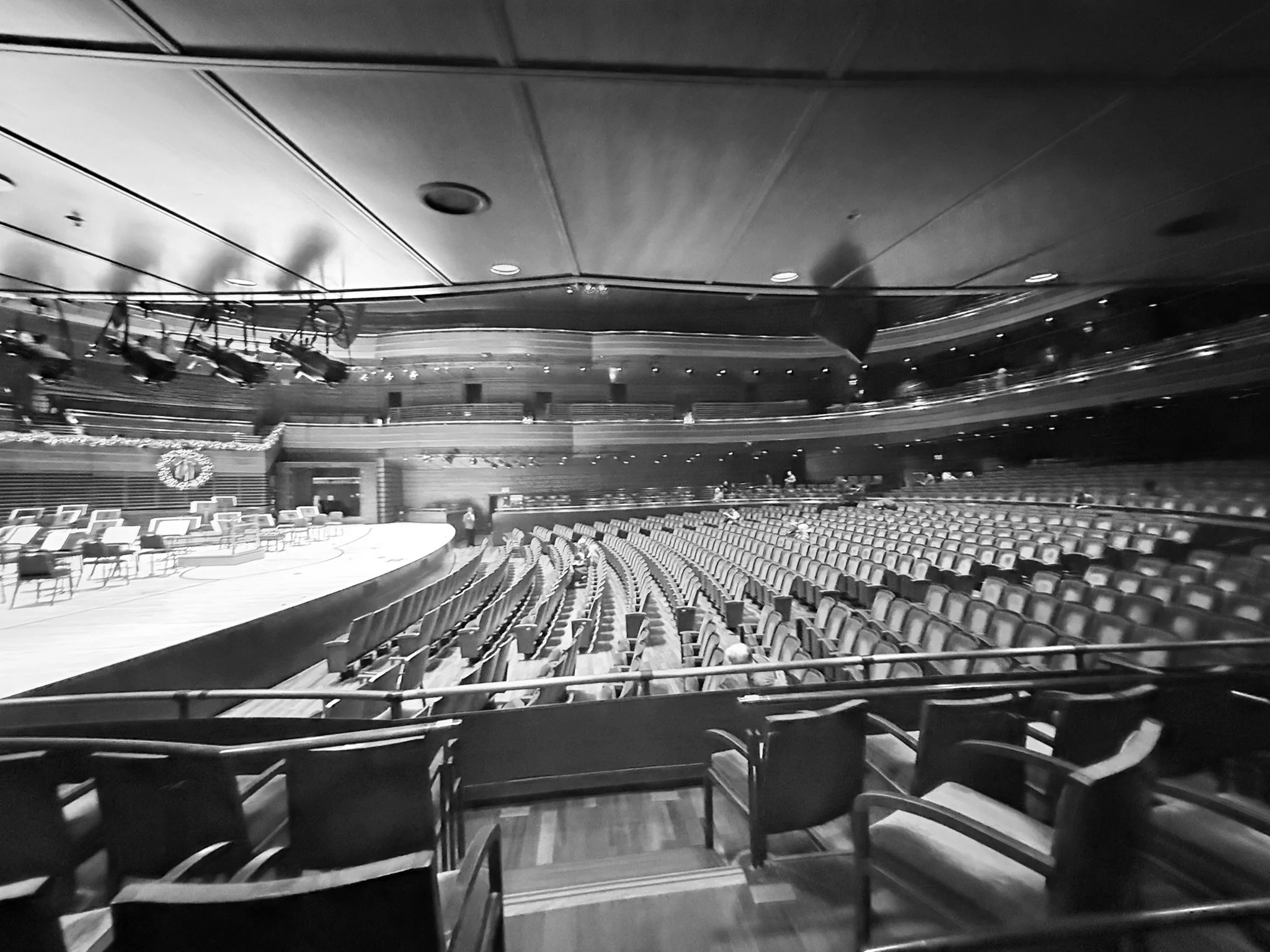
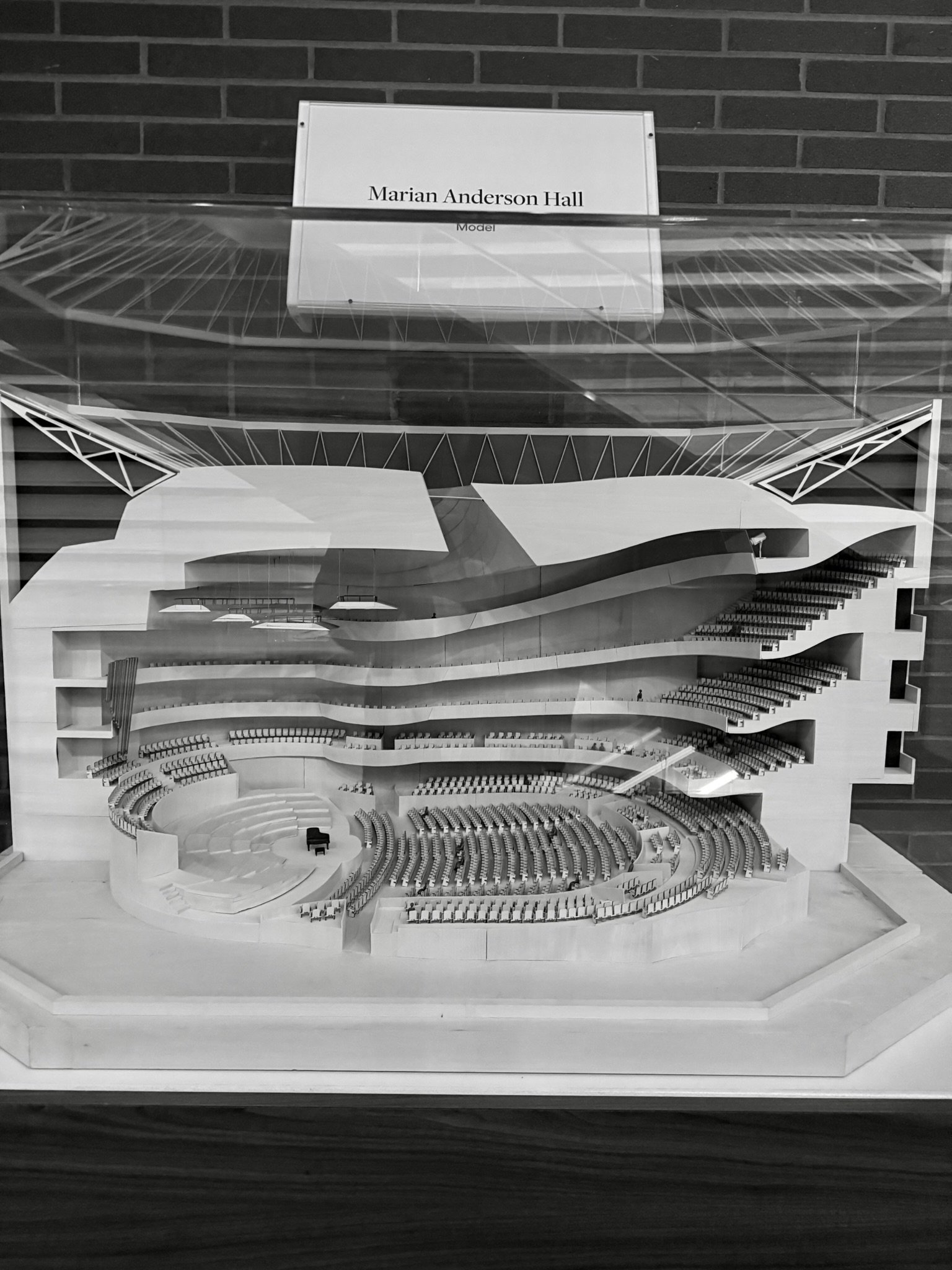
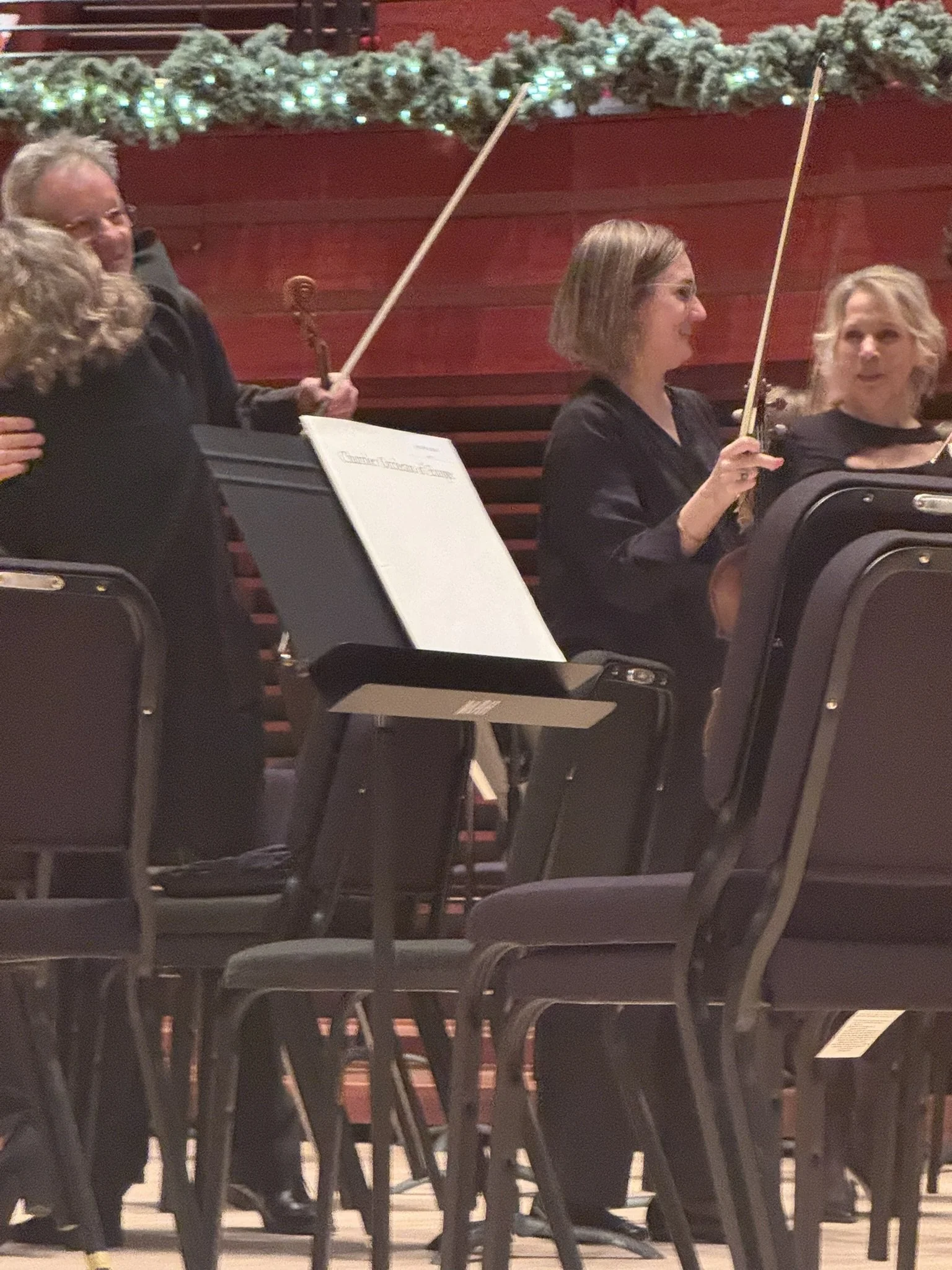
Compared with the Stern Auditorium at Carnegie, Anderson Hall has a longer reverberation. Even 1st row, the sound arrives with delay and swells as it reaches the listener. Because the resonance feels prolonged, the musical shapes can sound somewhat blurred. Some people describe this as a “rich acoustic,” but true sound richness originates from the artists. Acoustics may support that richness, yet this hall demands a different kind of shaping from the musicians. Still, they skillfully adjusted the relationship between their positions on stage and the sounds they produced, and once again unfolded a richly satisfying Brahms.
In every piece, more flexible and playful than at Carnegie. This was especially true in the Double Concerto: Yannick, Veronika, and Jan all played with a sense of freedom and evident enjoyment. Veronika, in particular, moved away from the chaste, restrained, and supremely refined beauty she displayed at Carnegie toward something more intimate, graceful, and playful. In the dance-like theme of the third movement, urged on by Yannick, she launched into an astonishingly mischievous dance. It was magnificent.
In the Symphony No. 1, tempos and dynamics were bolder than at Carnegie, and the entire Chamber Orchestra of Europe seemed to be freely delighting in the space of Anderson Hall. The fierce passages were fiercer, the gentle ones gentler. Whether fast or slow, they were free and assured within that acoustic environment.
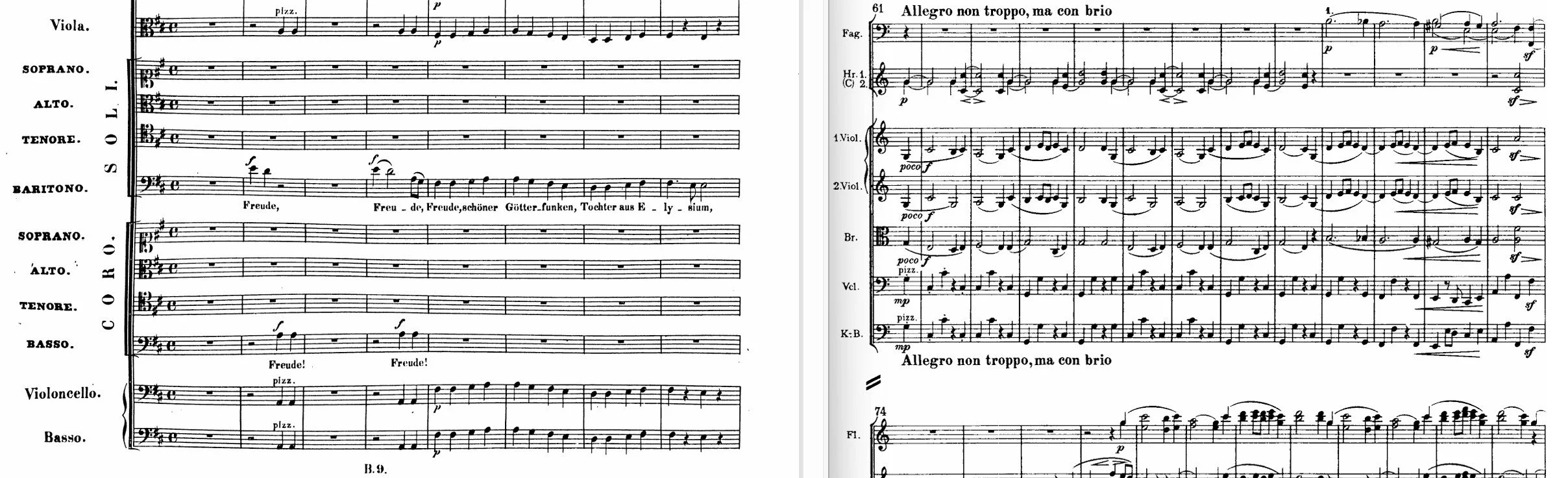
In the fourth movement of the First Symphony when the C-major theme began in complete ensemble, the person sitting next to me whispered, “Beethoven.” It recalled the way Beethoven—who cherished Mozart—shaped his music, much as Ax’s Beethoven piano concertos do. This time, in Philadelphia, I enjoyed a moment in which Brahms seemed to free himself from Beethoven.
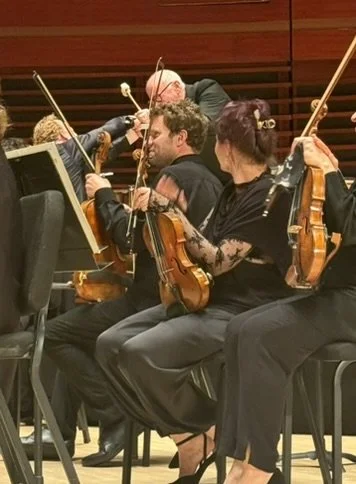
There were the bold articulations of concertmaster Lorenza Borrani and principal violist Pascal Siffert; the pianissimo pizzicatos of Enno Senft and the double basses; the refined shaping of flutist Clara Andrada de la Calle; the polished marcato of oboist Philippe Tondre; the outstanding solos by clarinetist Romain Guyot and former Paris Opera principal horn Benoît de Barsony; and the geometrically precise yet supple and refined attacks of timpanist Jon Chimes.
These jewel-like musicians displayed their artistry in Yannick’s home venue of Philadelphia, while the local audience watched over and enjoyed it warmly, like guests relaxing in a friend’s living room.
I would like to see Anderson Hall renovated. It is only 90 minutes from New York, and one can enjoy great performances in a far more relaxed atmosphere than at Carnegie. The restaurants and cafés are also far more approachable, and the food is excellent. If the reverberation here were slightly reduced and a tighter acoustic were created that better highlights the hall’s wooden resonance, Anderson Hall could offer audiences and performers alike a space of even greater freedom and imagination in the years to come.
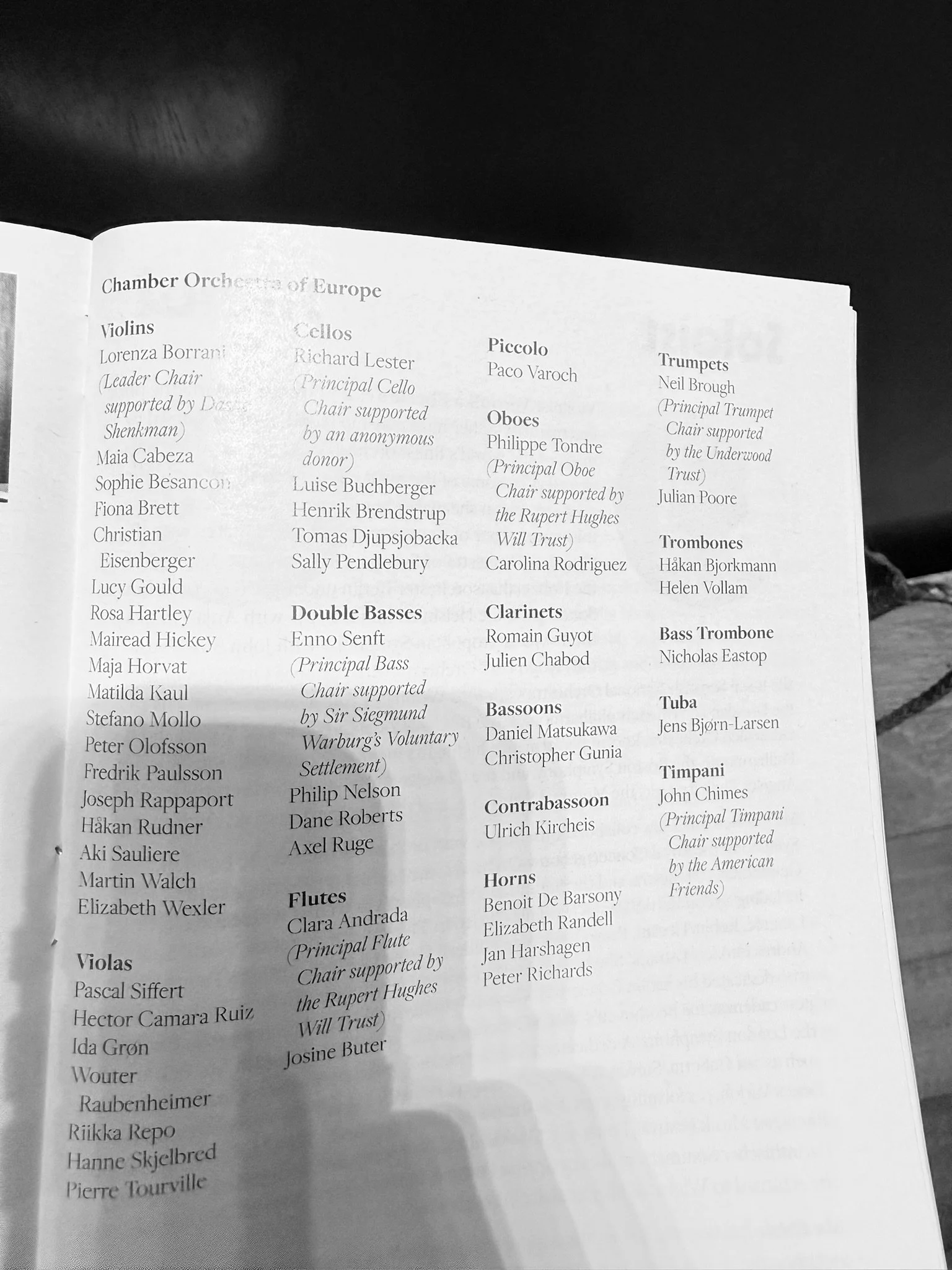
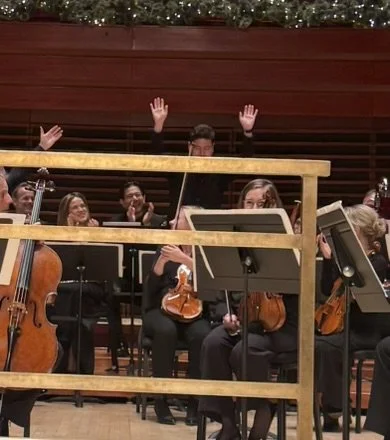
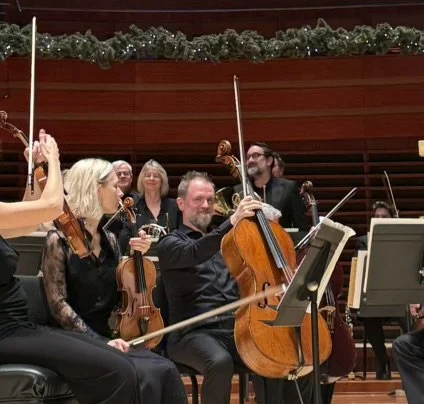
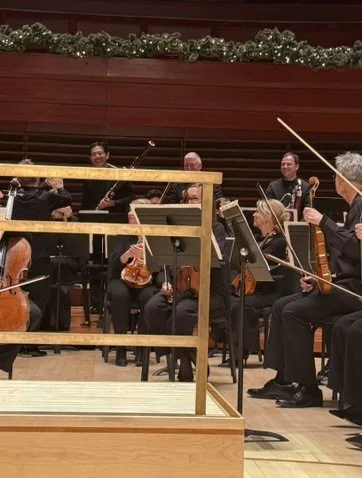
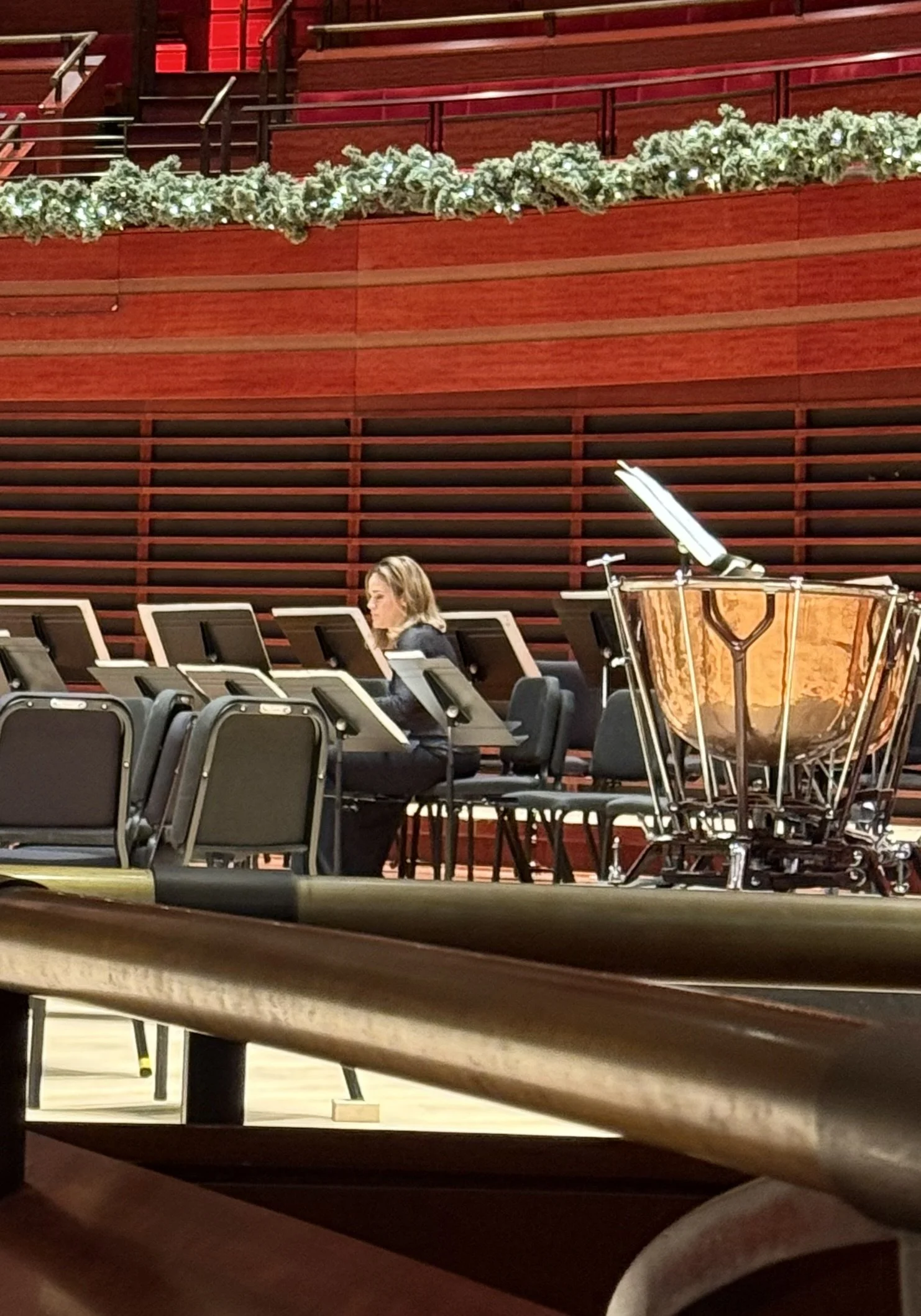
the refined shaping of flutist Clara Andrada de la Calle フルートのクララ・アンドラーダ・デ・ラ・カジェの洗練されたシェイプ
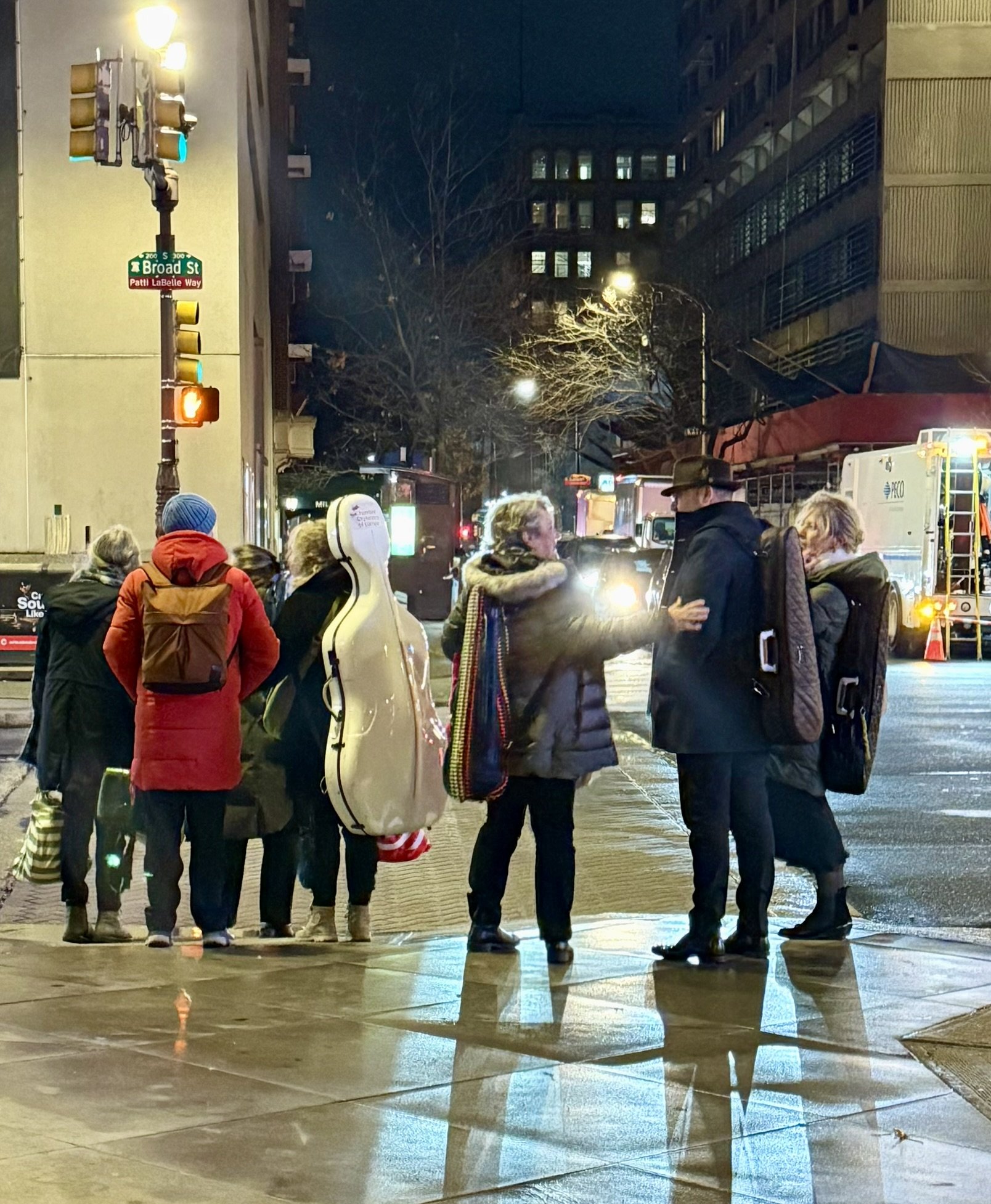
See you in the next season!
ヨーロッパ室内管弦楽団とヤニックの同じプログラムをフィラデルフィアのアンダーソンホールで、カーネギーの公演の翌日に聴いた。
アンダーソンホールはカーネギーのスターンオーディトリウムに比べて、残響が長い。一番前でも音が遅れて膨らんで聴こえる。響きが長く感じるので音楽のシェイプがぼやけて聴こえる。それを響きが豊だという人がいるが、豊かな響きは演奏家から出るもので、アコースティックはそれを助けるが、このホールは演奏家に別なシェイプを要求する。しかし、彼らは自分の場所と出ている音の差を調整して、再び豊なブラームスを繰り広げていた。どの曲もカーネギーの演奏よりも、より柔軟で遊びがあった。特にドッペルコンチェルトでは、ヤニックもベロニカもヤンも全員、自由で楽しそうに演奏していた。特にベロニカは、カーネギーで見せた貞淑で節度がある極上の美しさというよりは、アットホームで優雅で遊びに満ち溢れていた。3楽章の舞踏のテーマでは、ヤニックに煽られて物凄くふざけたダンスを繰り広げてくれた。最高だった。交響曲1番では、緩急やダイナミクスもカーネギーより大胆で、ヨーロッパ室内管弦楽団の全員が、アンダーソンホールの空間を自由に楽しんでいるようだった。激しいところはよりはより激しく、優しいところはより優しく、早くても遅くても彼らは、その空間で自由で確実。 交響曲1番の4楽章でハ長調のテーマで全員の演奏が始まると、横のお客さんが私にベートーベンと耳打ちした。アックスのベートーベンのピアノ協奏曲の様に、モーツアルトを大切に思っていた彼のアレンジ。今度はまた、フィラデルフィアでブラームスがベートーベンから自由になる時間を楽しんだ。コンサートマスターのロレンツァ・ボッラーニ、ビオラ首席のパスカル・シフェールらの大胆な刻み、コントラバス、エンノ・センフトらのピアニッシモのピッツィカート。フルートのクララ・アンドラーダ・デ・ラ・カジェの洗練されたシェイプ。オーボエ、フィリップ・トーンドゥルの磨かれたマルカート。クラリネット、ロマン・ギュイオ、元パリ管首席ホルン、ブノワ・ド・バルソニーらの卓越したソロの数々。そして、ティンパニのジョン・チャイムズの幾何学の様な柔軟で洗練されたアタック。珠玉の演奏家たちがヤニックのホーム、フィラデルフィアで繰り広げる名妓の数々。それをフィラデルフィアの聴衆は友人宅のリビングで寛いで温かく見守り楽しんでいる。個人的にはアンダーソンはリノベしてほしい。ニューヨークから90分で、カーネギーよりもずっと寛いだ雰囲気で、名演を楽しめる。レストランやカフェもニューヨークよりもずっと親しみやすく味も素晴らしい。ここの残響が少なくなり、アンダーソンの木の響きを活かしたより、引き締まったアコースティックは、これからの聴衆と演奏家により自由で発想に満ち溢れた空間を提供してくれるだろう。
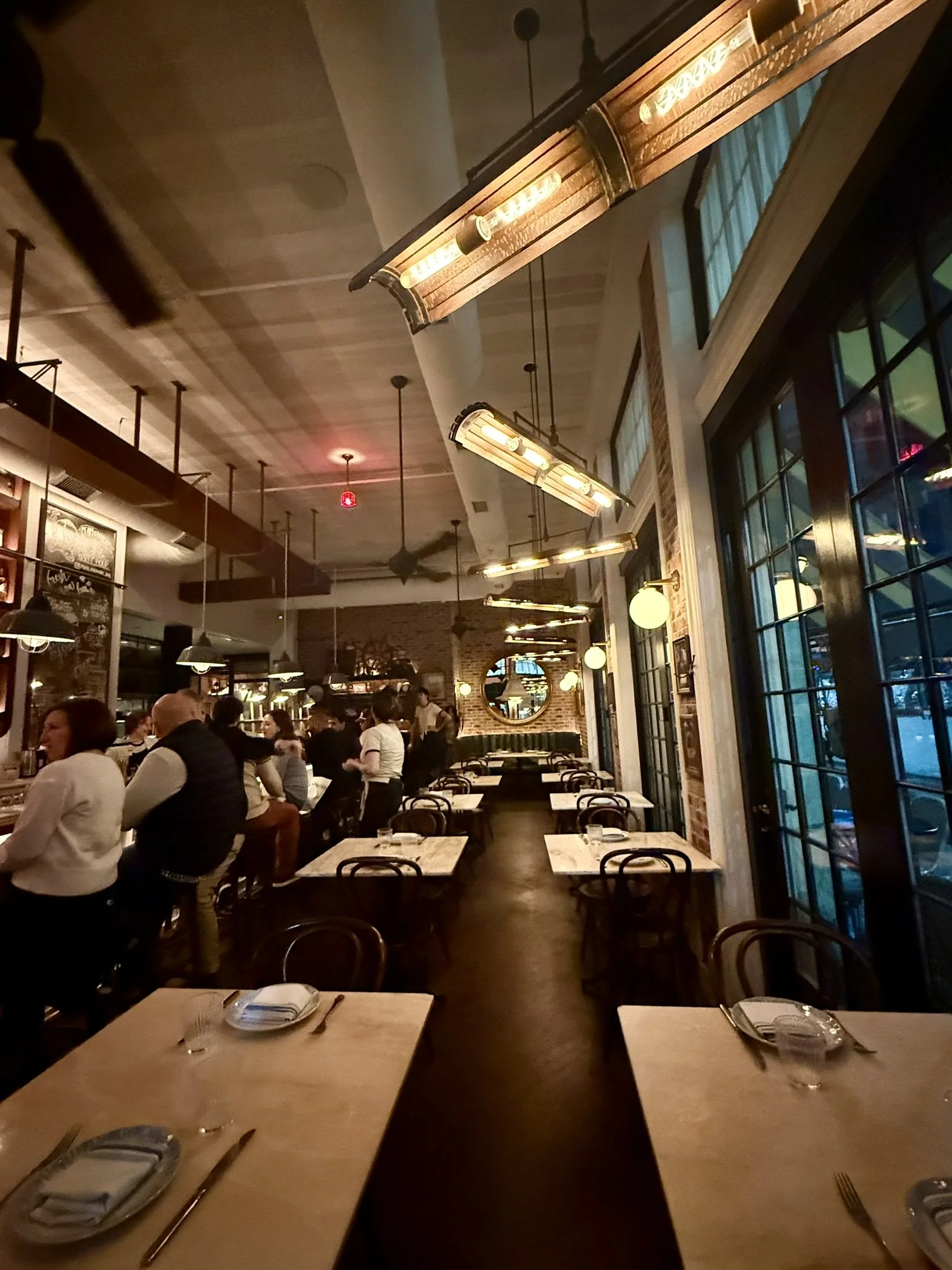
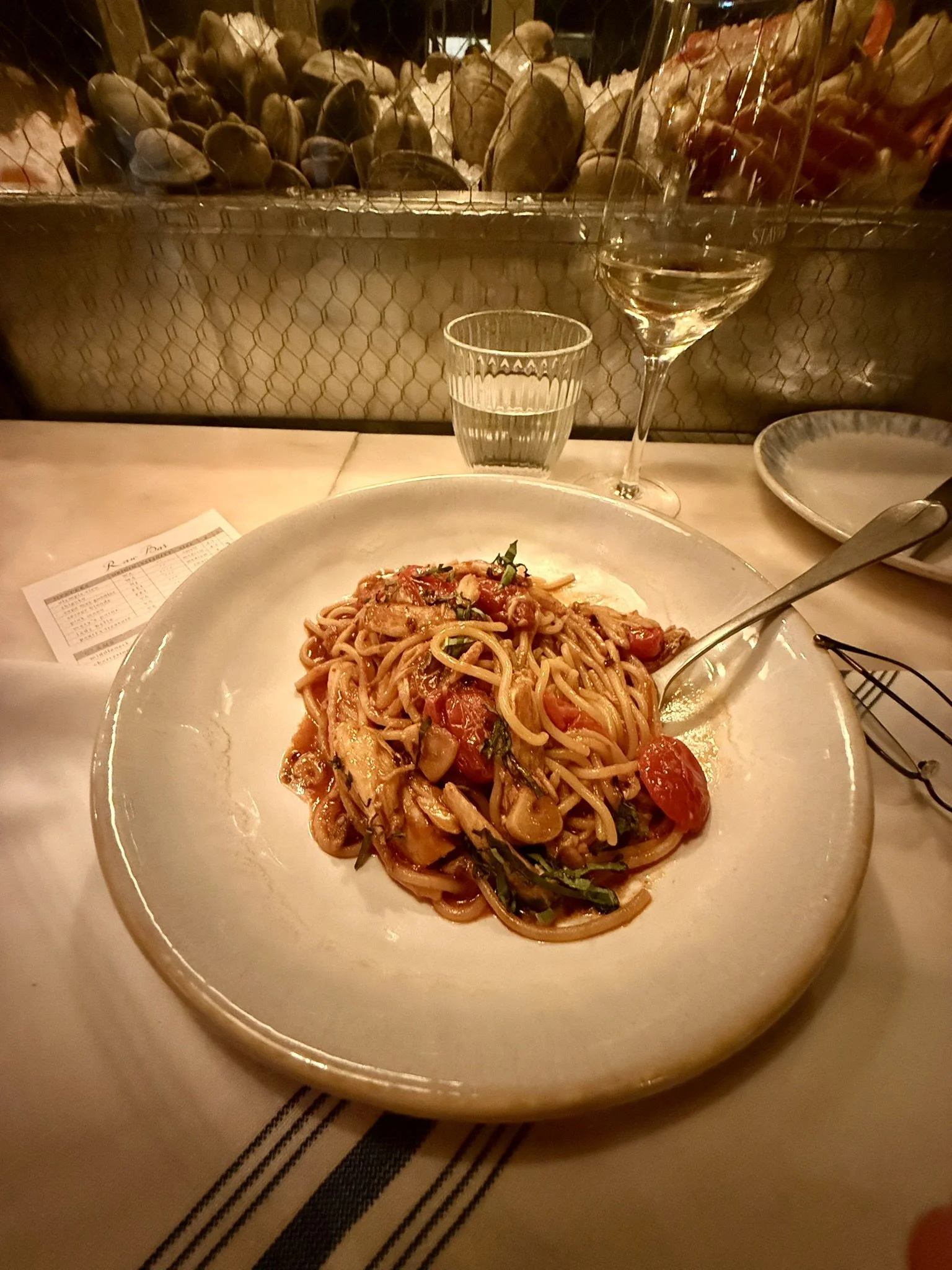
カニとトマトのパスタ。辛くてうまい。