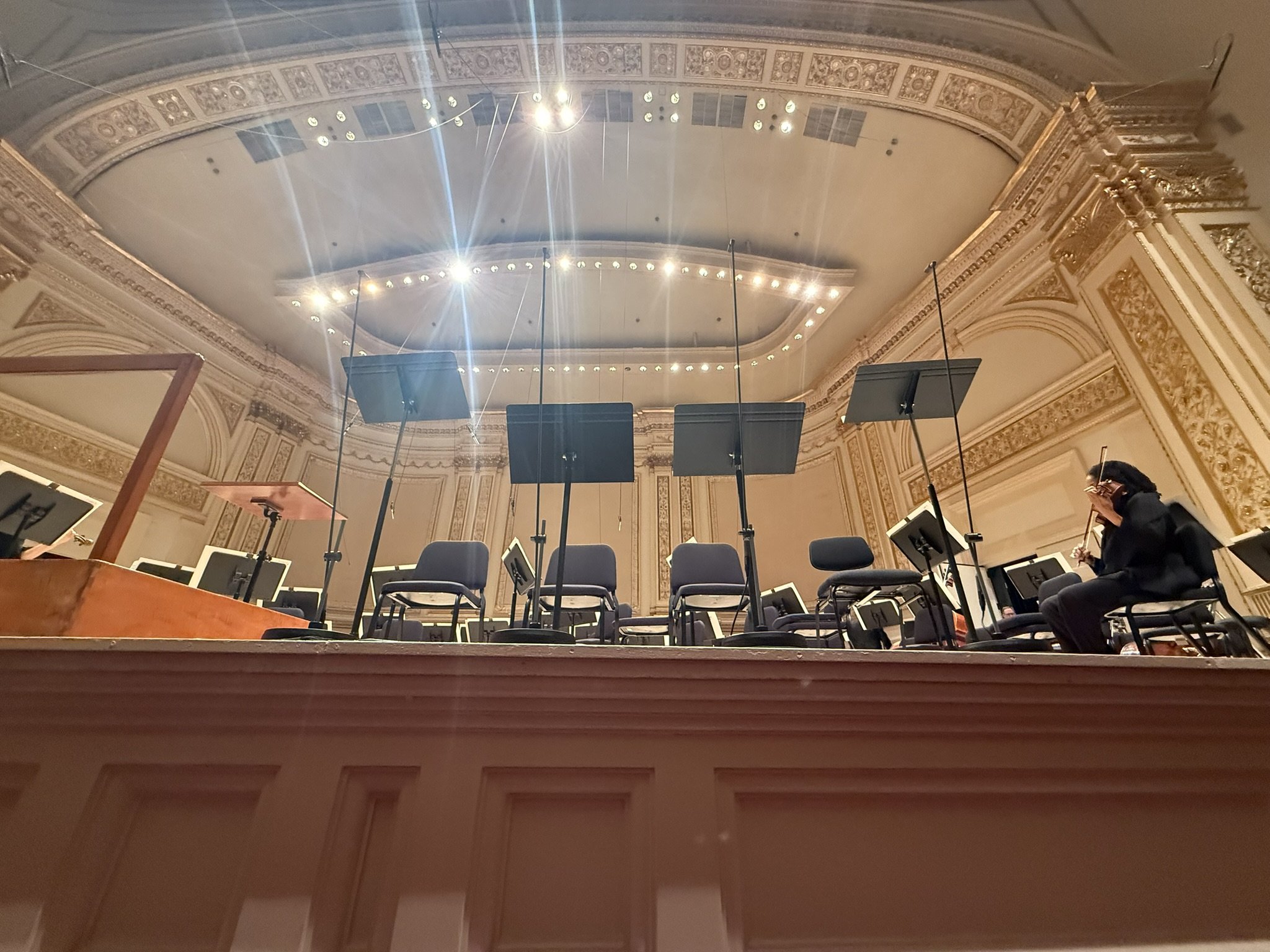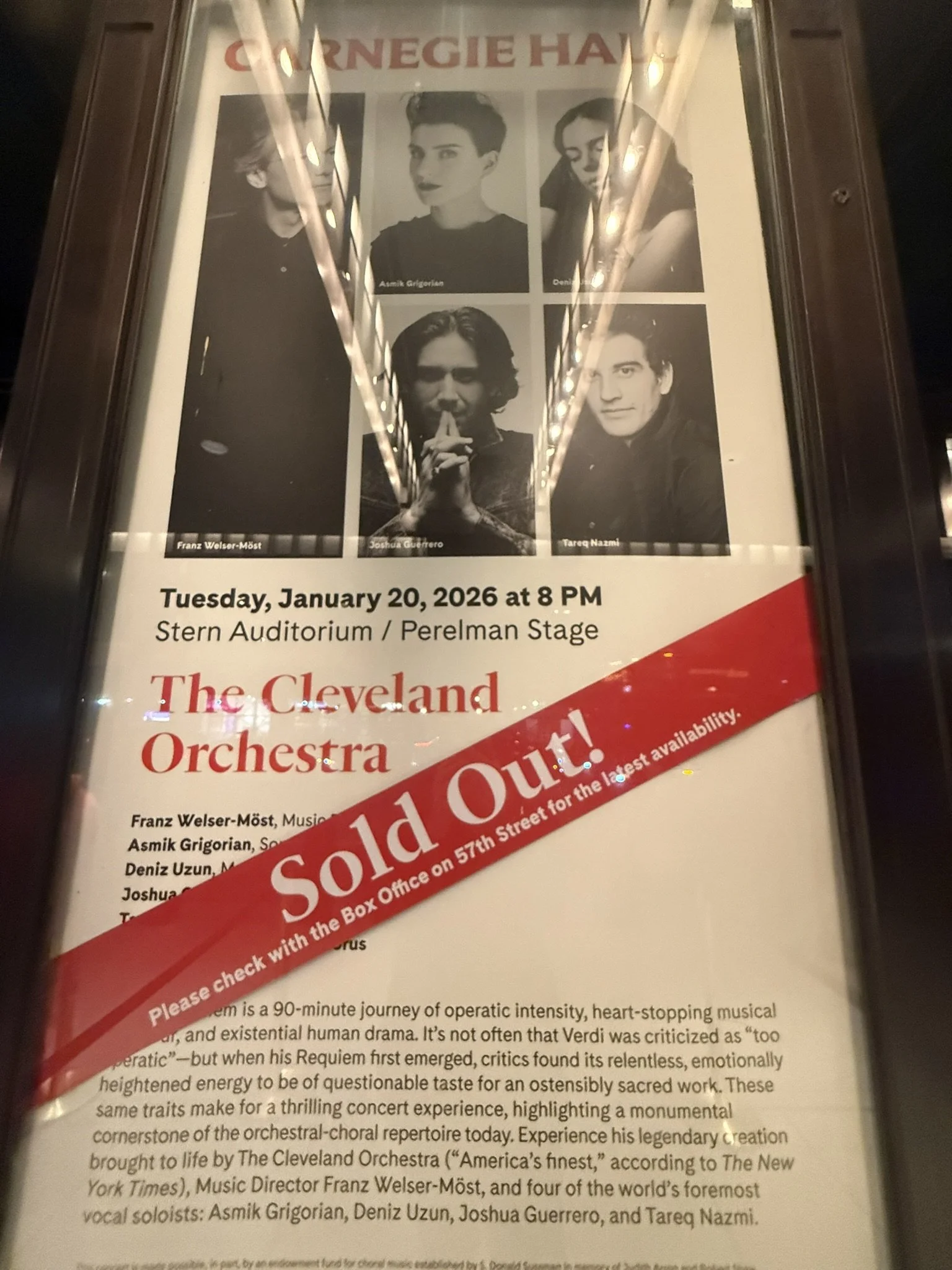
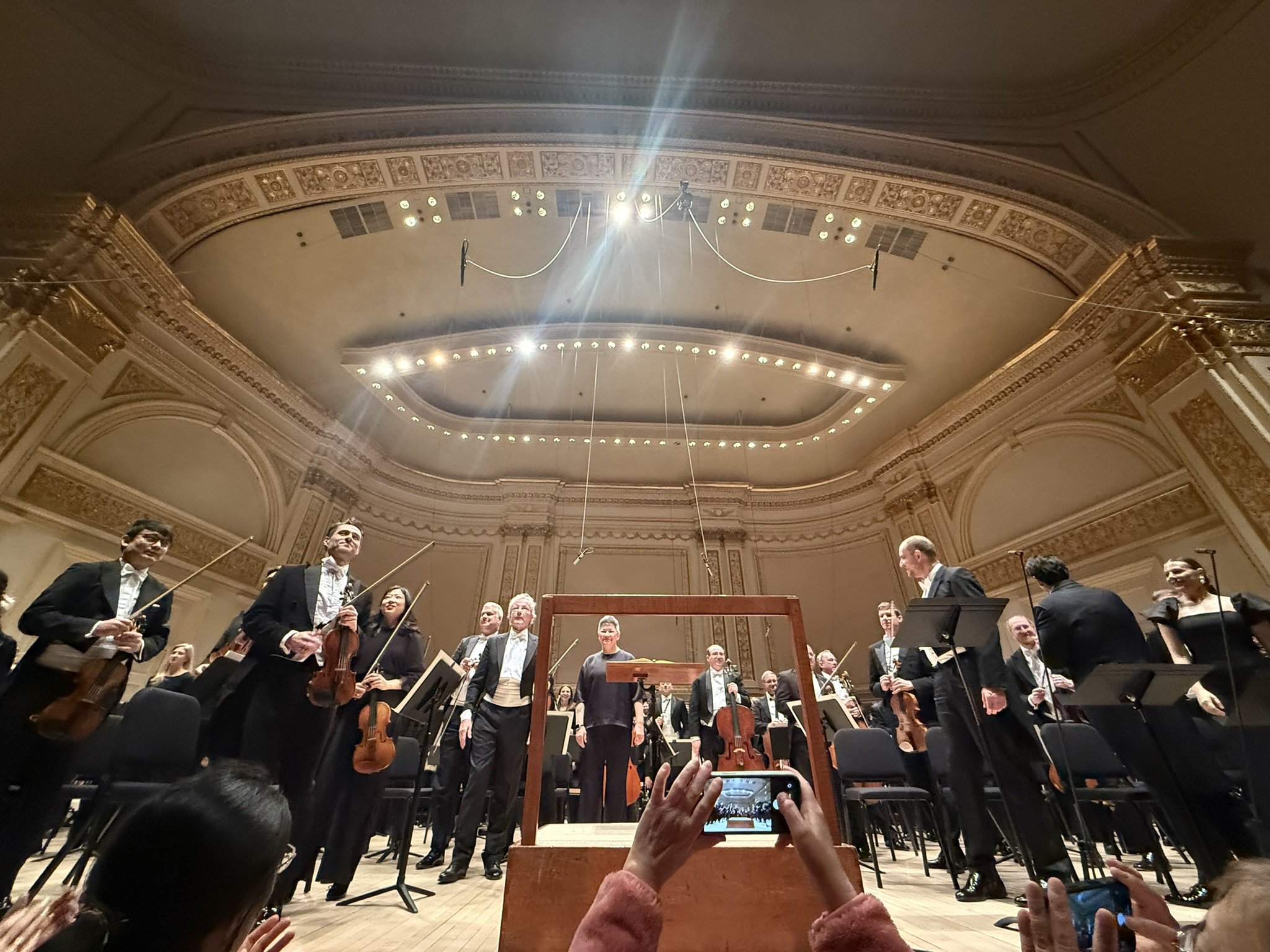
Verdi’s Requiem resonates with the heart. The Cleveland Orchestra and Most, with the Cleveland Choir at Carnegie Hall on 1.20.2026, the opening Requiem aeternam dona eis, Domine—“Grant them eternal rest, O Lord”—felt as if the sound was standing behind me. It was a different orchestra and voices compared to Bellini’s I Puritani, which I had heard at the Met just the two days earlier. Rather than placing my mind in the space, the Cleveland's Verdi’s Requiem appeared within my consciousness.
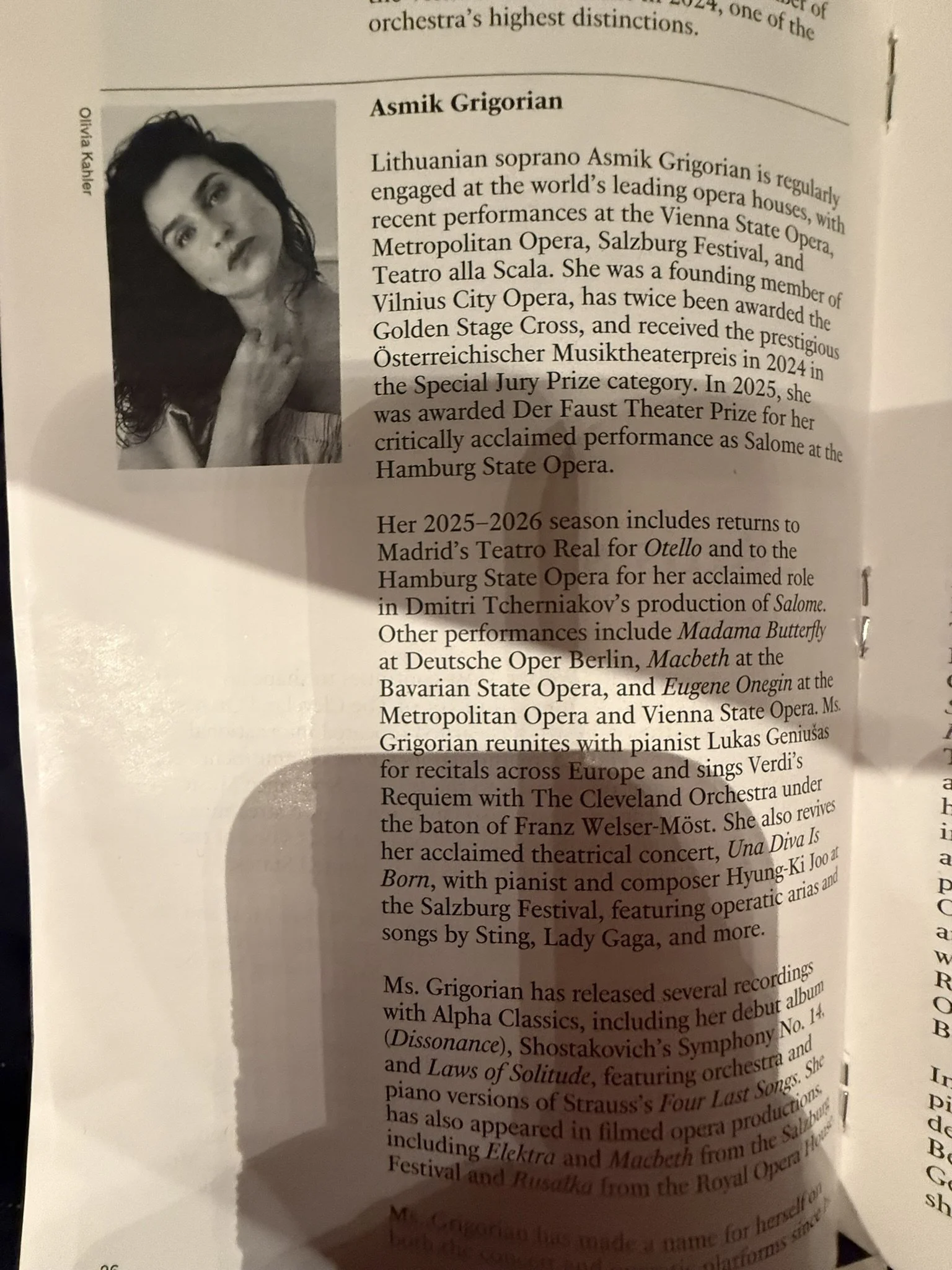
Following this, Dies iræ, the Day of Wrath, depicts fear across nine sections. The intense orchestra shakes the awareness of sin. In Tuba mirum, the trumpet that summons the dead reverberated even throughout the seats of Carnegie Hall. The trauma and the fear of judgment are not experienced just once; humans recall them repeatedly. Recordare—“Remember, O merciful Jesus”—is a duet with the mezzo-soprano. For the first time, an individual voice quietly pleads to be remembered: Asmik breathed through her nose while singing and continued to do so later in the piece. At the Lacrimosa, when she sang the final Amen, her eyes saw me.
In the Offertorio, the soul is entrusted to God; in Recordare, regret and prayer are expressed; in Sanctus, praise arises—each sound seemed to emerge from within. In Agnus Dei, which represents Christ’s self-sacrifice, my body disappeared beneath Asmik’s voice and the choir’s serenity. Lux Æterna, the eternal light, with the soprano and tremolo strings forming waves of light, brought deep purification and stillness that resonated within my heart, a spiritual journey of prayer.
Finally, in Libera me—“Deliver me”—fear and the plea for salvation intertwine. From the opening Libera me, Domine, de morte aeterna, the terror of judgment and the cry for rescue are made striking by the orchestra and choir, while the Gregorian chant provides a quiet but profoundly strong spiritual foundation. The fear of death and the longing for salvation, tension and serenity, simultaneously resonated—an unforgettable experience.
1.20.026
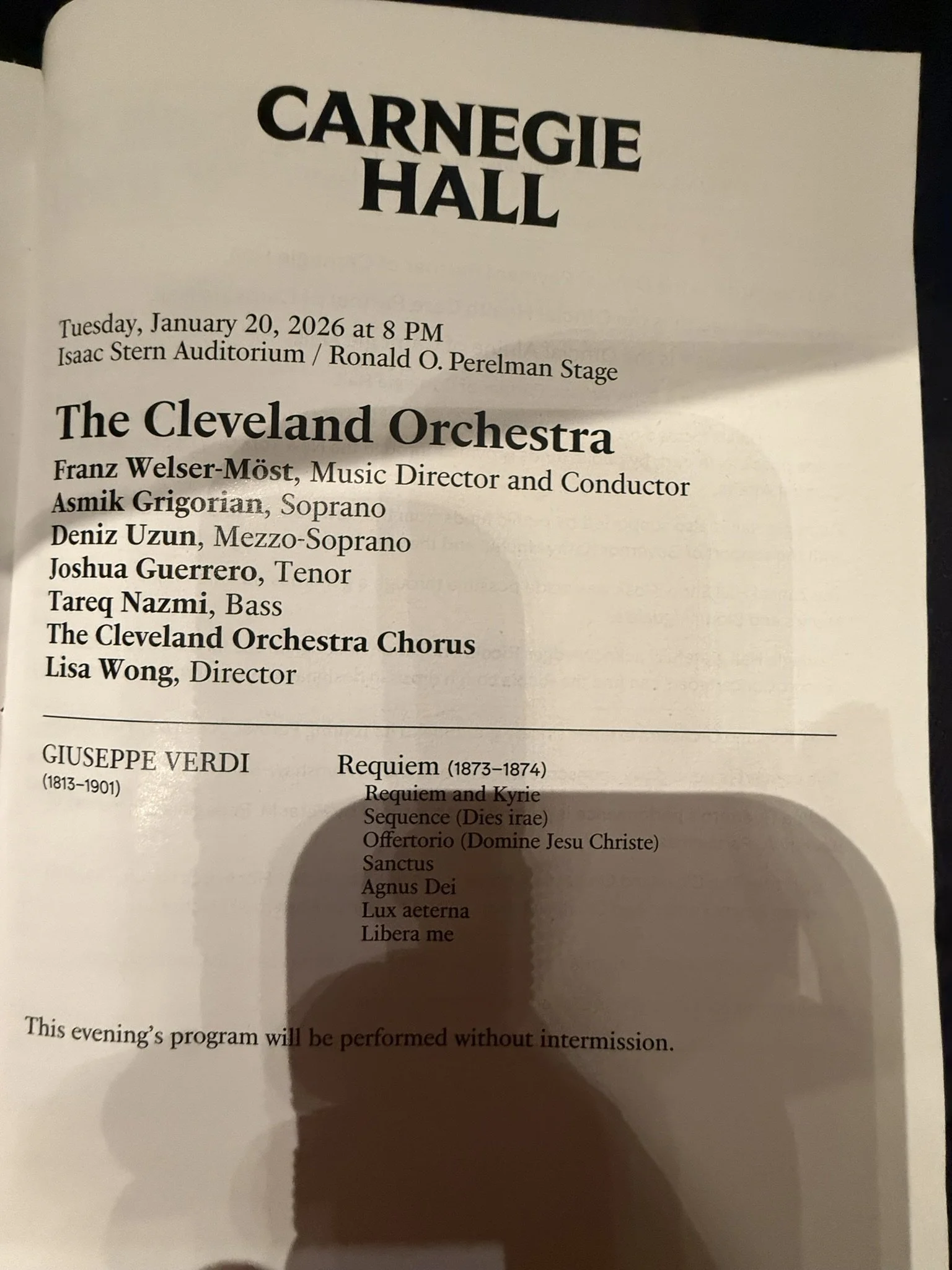
Franz Welser-Möst, Music Director and Conductor
Asmik Grigorian, Soprano
Deniz Uzun, Mezzo-Soprano
Joshua Guerrero, Tenor
Tareq Nazmi, Bass
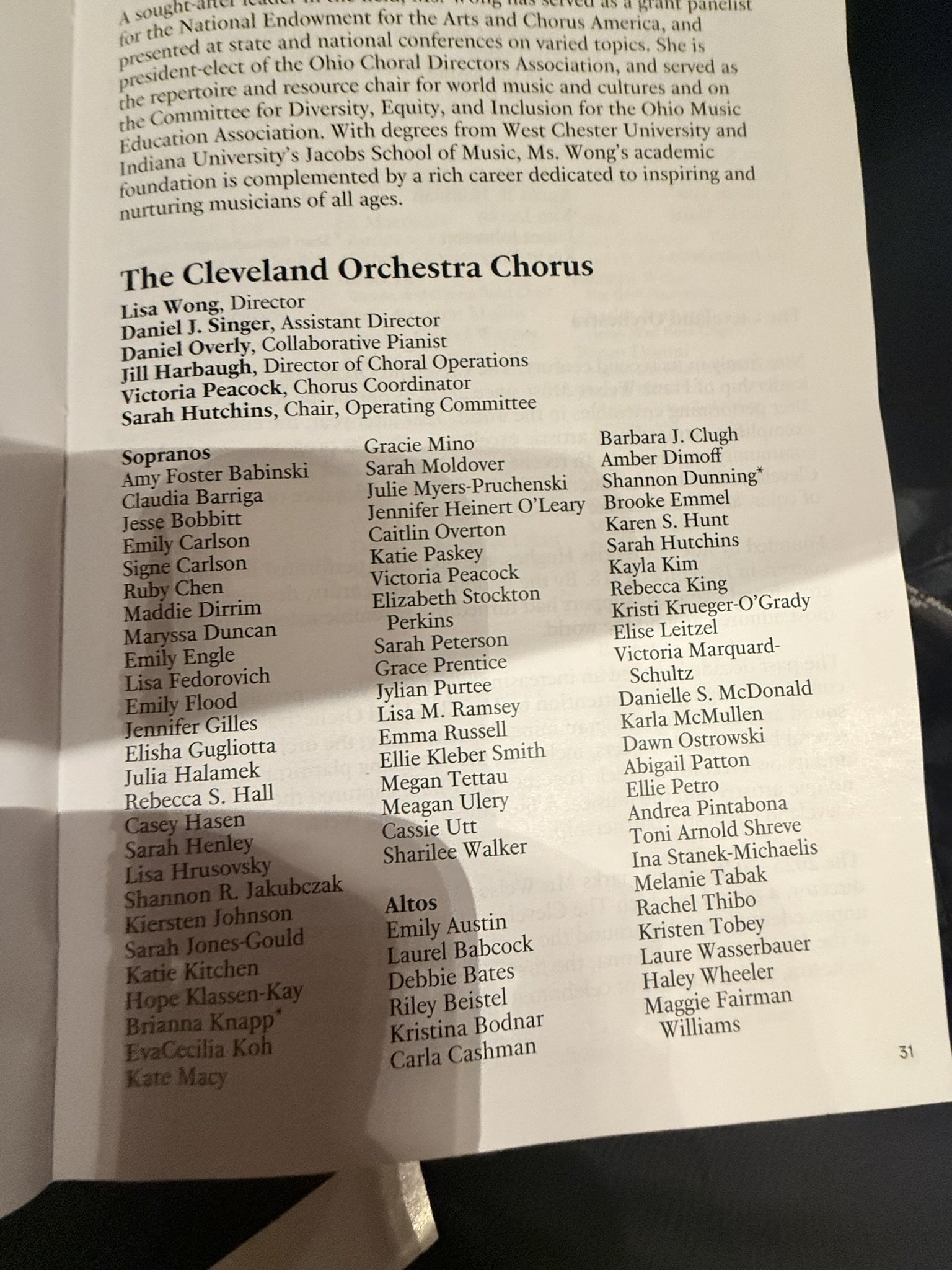
The Cleveland Orchestra Chorus
Lisa Wong, Director
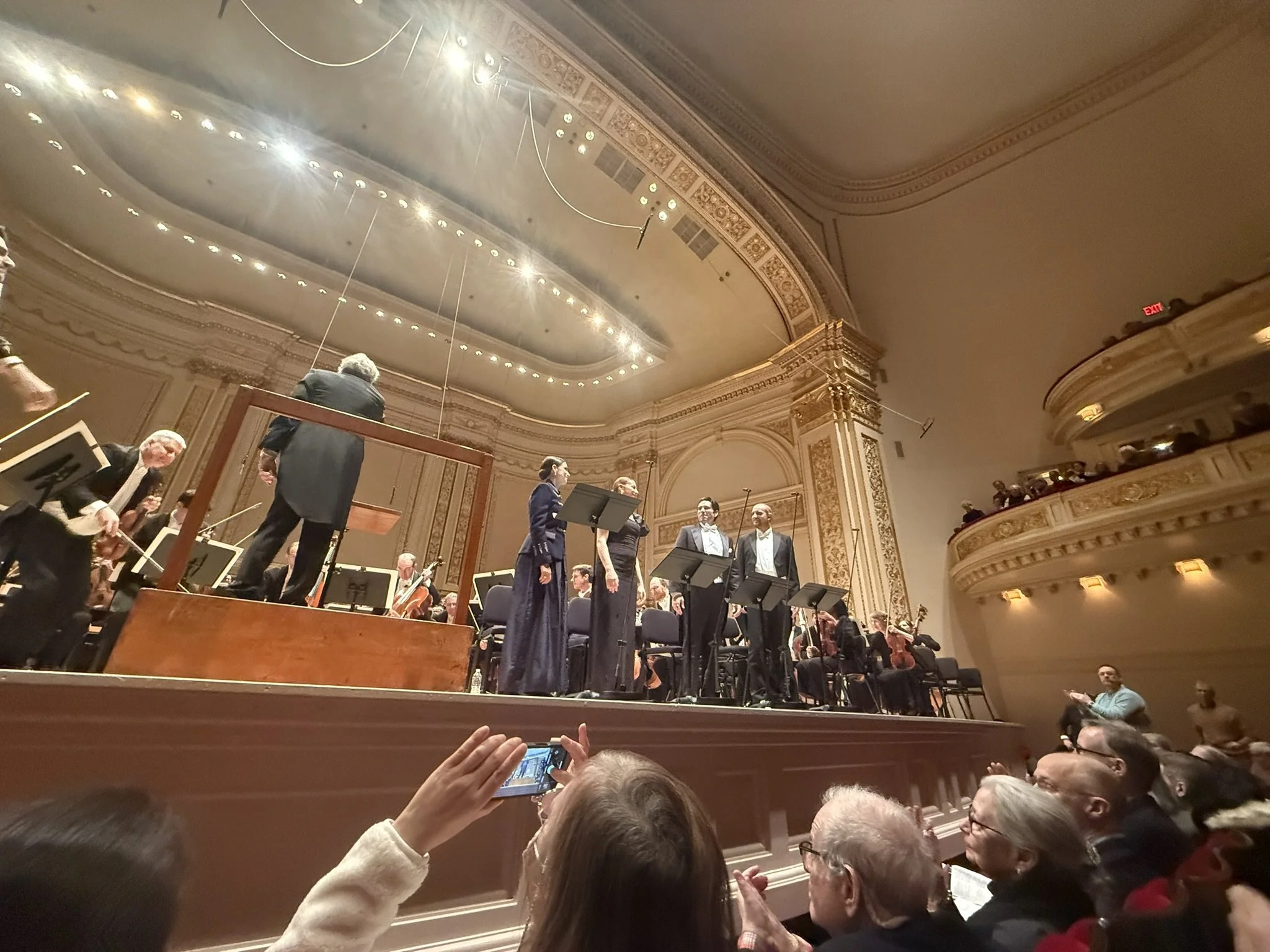
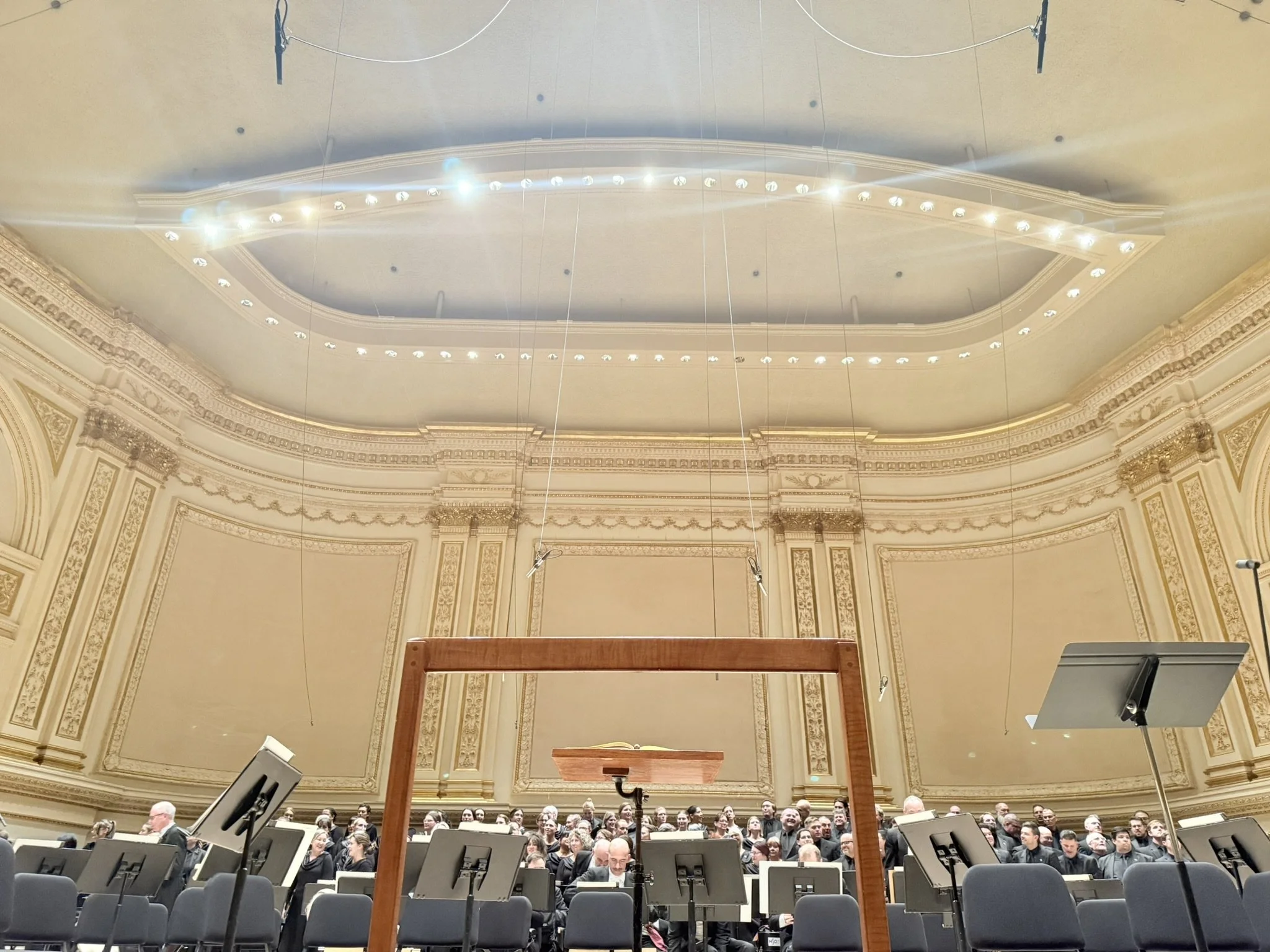
ベルディのレクイエムは、オペラと違って心の中に響きが沈み込む。1月20日のカーネギーのクリーブランド管弦楽団とメスト、そして、クリーブランド合唱団の演奏では、冒頭のRequiem aeternam dona eis, Domine、永遠の安息を、与えてくださいと語る音が、後ろにいる気配を感じた。この2日前までメットで聴いていたベッリーニの清教徒とは違うオケや人の声。空間に自分の心を置くというよりは、クリーブランドのベルディは心の中に現れる体験だった。
続く、Dies iræ、怒りの日は、恐怖心が9つのセクションで描かれる。激しいオーケストラが罪の意識を揺さぶる。Tuba mirumでは、死者を呼び覚ますラッパがカーネギーホールの客席からも響き渡る。トラウマ、裁かれるかもしれない恐怖は一度きりではない。人間は、何度もそれを思い出してしまう。Recordare、思い出してくださいイエスよ、はメゾソプラノとの二重唱。はじめて個人の声が、思い出してほしいと静かに願うアスミク・グリゴリアンは鼻から息を吸っていた。後半もっと歌つ場所でも鼻から息を吸っていた。ディアスイレ最後のラクリモザでアーメンと最後の言葉を唱えたアスミクと目が合った。
Offertorioで魂を委ね、Recordareで後悔と祈り、Sanctusの賛美を、それぞれ響きが内側から生まれるようだった。Agnus Dei、キリストの自己犠牲。アスミクの声と合唱の安息によって体の感覚が消えた。Lux Æterna、永遠の光は、ソプラノと弦楽器のトレモロが光の波となり深い浄化と静謐が心に響く精神の旅。
最後、Libera me、解き放ってくださいでは、恐怖と救済を切望する祈りが交錯する。冒頭のLibera me, Domine, de morte aeternaから、審判の恐怖と救いを求める声が、オーケストラや合唱の響きで際立つ中、グレゴリアンの歌唱に、静かだがとても強い精神の土台を感じた。死の恐怖と救済への願い、緊迫と静謐が同時に響く体験だった。