
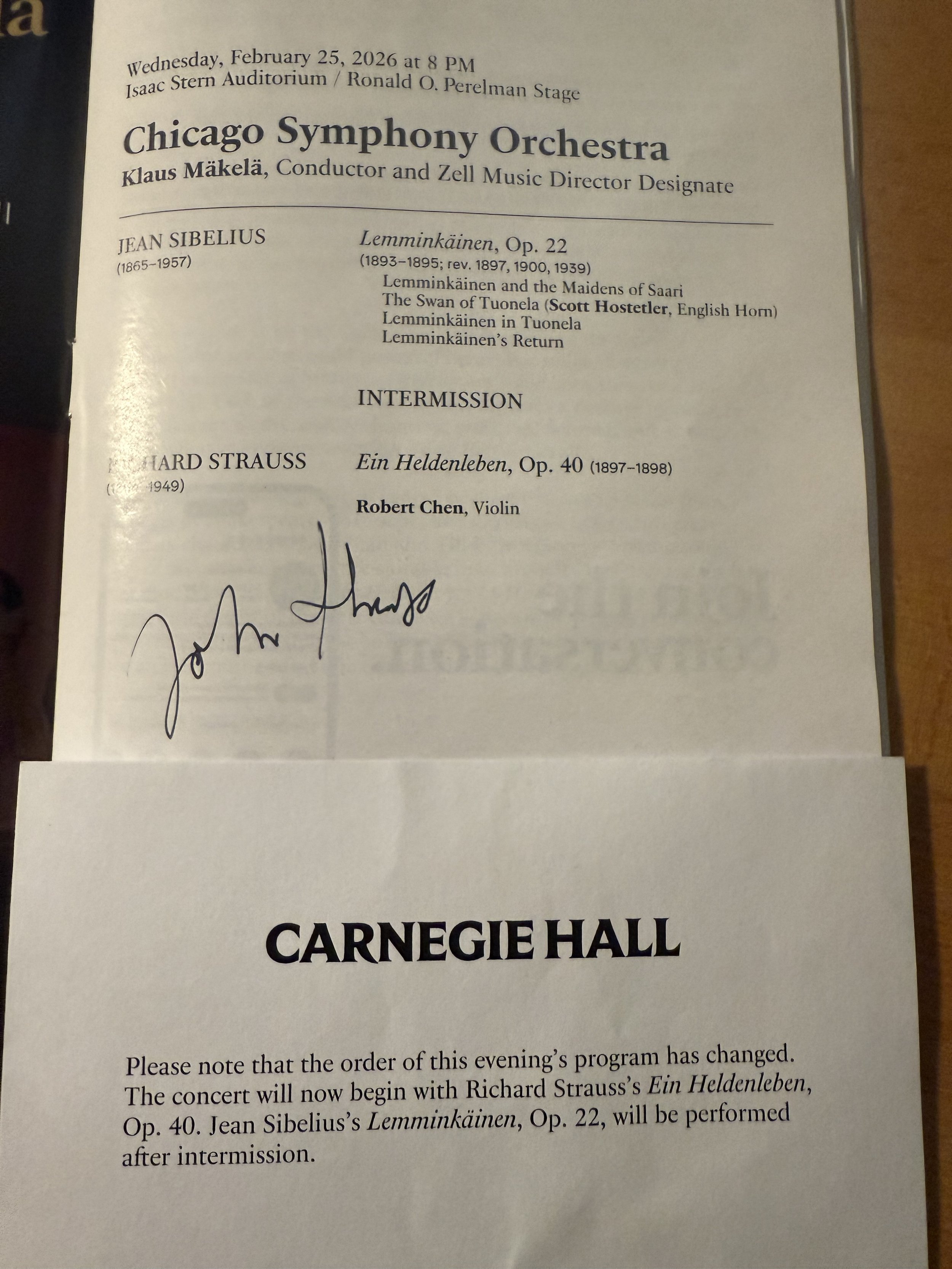
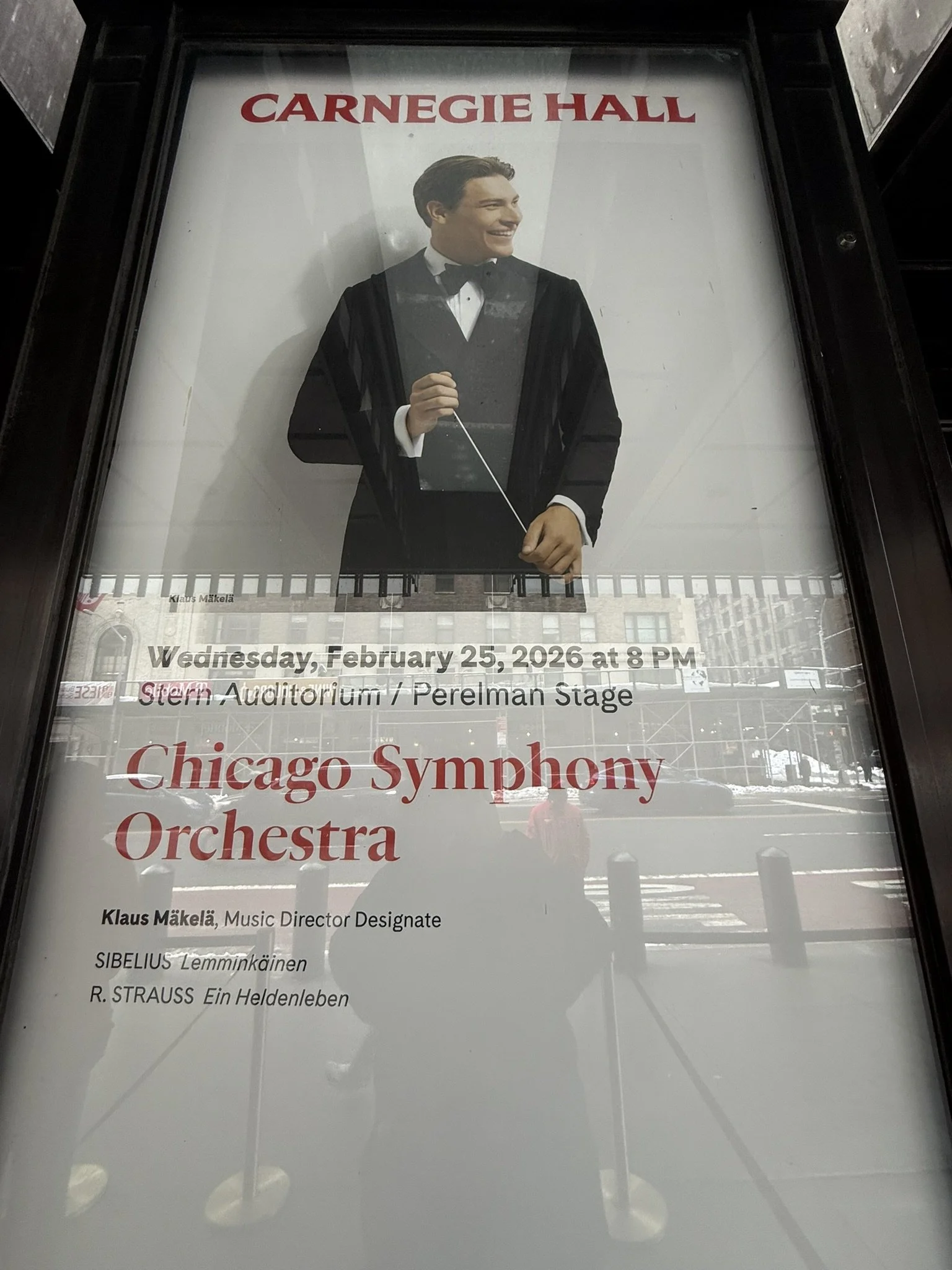
Finnish conductor Klaus Mäkelä, who turned 30 this January, arrived at Carnegie Hall with the Chicago Symphony Orchestra. I'd enjoyed Chicago since hearing with Daniel Barenboim in the 2000s and with Riccardo Muti until last year, but the new master breathed new life into a living tradition.
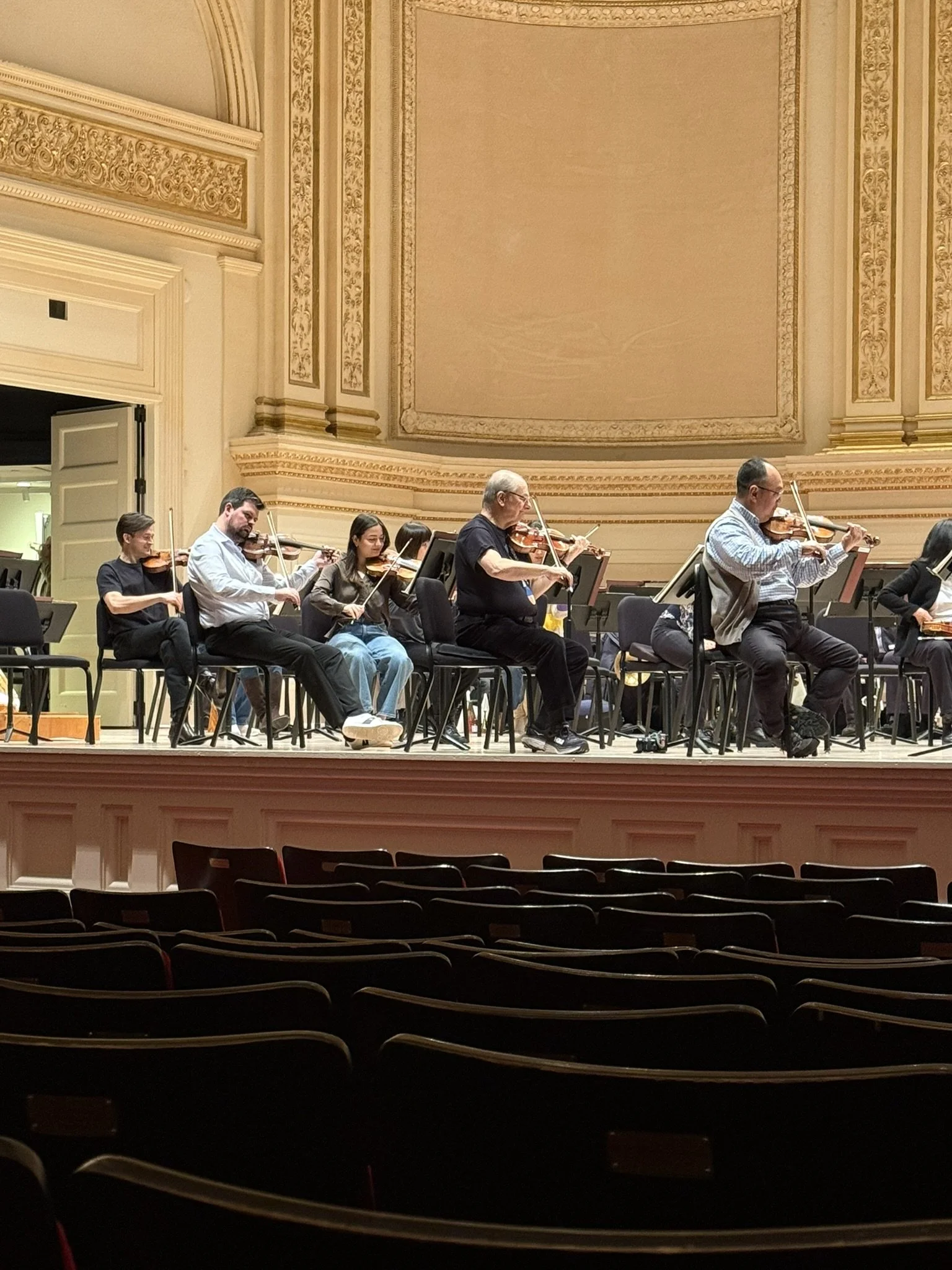
The concert began with Strauss's Heldenleben, a piece written by Strauss at the age of 34 as a self-portrait. The piece opened with the Eroica theme for eight double basses and ten cellos, and even from the very beginning, the double basses simply created a form that made it seem as if they were inside a giant organ. Strauss's unique orchestral sound. Then, fragments of Don Juan emerged from numerous wind instruments, and the rich legato of the horns and strings, the light triplets of the double bass, and the sumptuous Chicago brass blended beautifully within Makela's flow. During the morning rehearsal, each part sounded separate, but the flow was stunning during the evening. Moreover, while well-prepared, they were overflowing with the impulse to perform live.
I vividly remember hearing Barenboim conduct Chicago in the 2000s. Schumann's Manfred exerted an overwhelming force, and the accelerando was a masterpiece. Many in this audience have now heard Solti perform live, as well as many who have long enjoyed his and Muti's refined, richly dramatic, and deeply human world of poetry.
And now, Makela was conducting. The heart-rending bass became a driving force, serving as a catalyst, like a female prime minister in some country. The flow that emerged from there then expanded to include brass, wind, and string instruments, their impulse becoming more natural and fluid, transforming into a driving force. Strauss's Hero's Life resembled a Bach fugue, with one theme emerging from another before the other sections had even finished. Eventually, like a Mozart symphony, the orchestra's immense impulse created a beautiful mountain range of sound that enveloped the audience. When one major peak ended, and they began the next section, Makela and Chicago tugged each other, and there was a sense of a brief gap between their energies; their impulse was so great in this session. They were absorbing new DNA from each other.
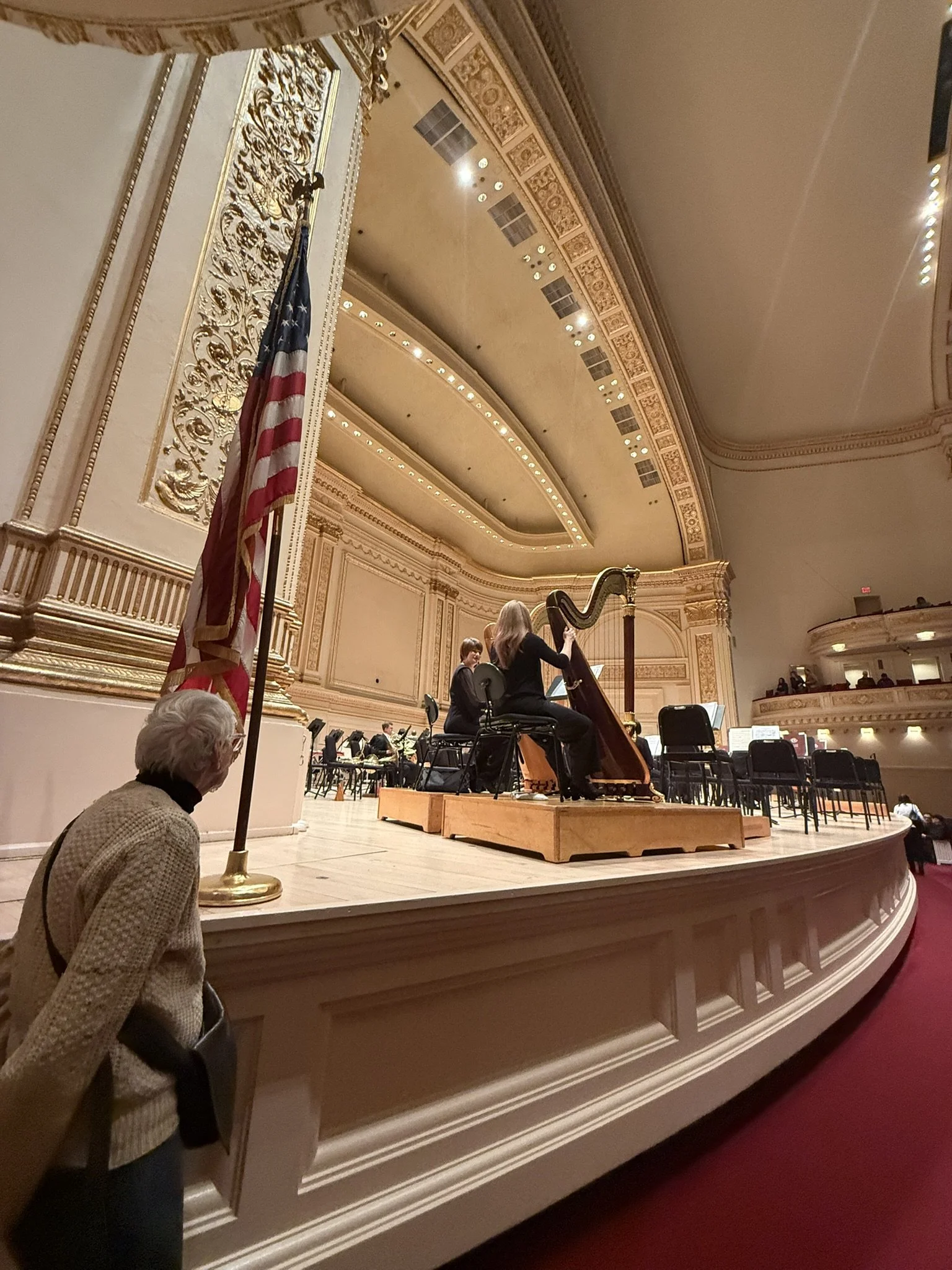
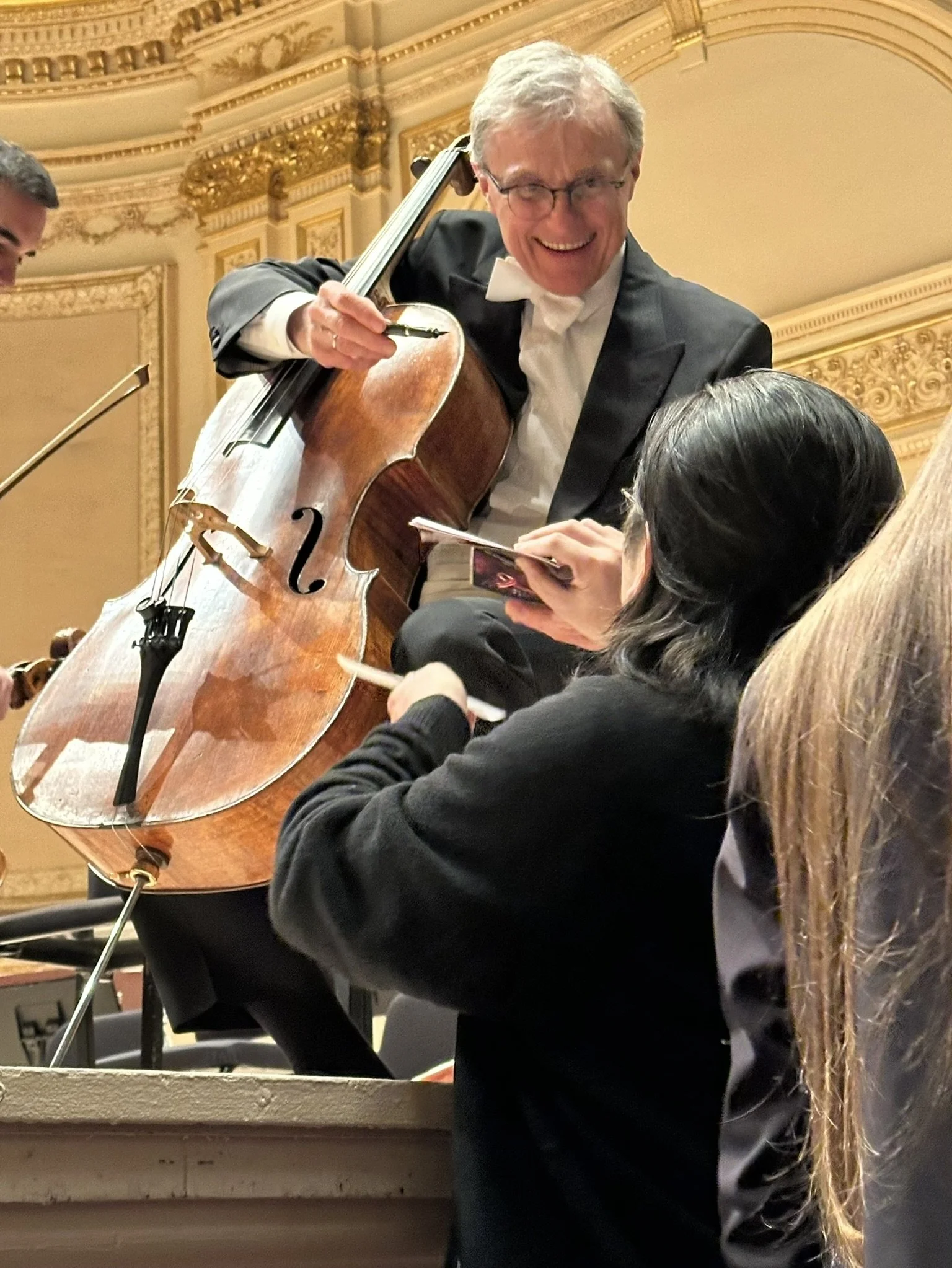
Chicago concertmaster Robert Chen led the tutti and, in solos, beautifully brought Strauss's wife, one shoe half offstage, in a powerful and masterful manner. The harp intertwines with the music, and the other string sections fill Carnegie Hall with silky, supple tones. During the battle in the middle section, under Mäkela's clear direction, the sneers of those attacking Strauss and the clear attacks of Munich Philharmonic principal flute Herman Kogelenberg, Es clarinet, and violas felt like a middle-aged woman trapped in a subway car this morning, looking at the world as she justifies herself. The second half recalls his own works. Principal cello John Sharp, in particular, portrayed Don Quixote's overzealous man facing an invisible enemy. Second violin Baird Dodge provided support, and principal viola Teng Li provided a powerful transitional presence. Each of Strauss's eccentric and skillful orchestral works, including love, irony, battle, and peace, was brilliantly entertaining. By the end, my eyes closed, and before I knew it, it was over. In the second half, Sibelius's Lemminkäinen blends Nordic colors with orchestral technique, depicting the Finnish spirit, Nordic nature, and the world of stories through a mythical hero. This piece was composed when Sibelius was the same age as Mäkela now. After marrying and starting a family, he visited the lush Karelia and immersed himself in the Finnish national epic poem, the Kalevala, becoming acquainted with its bountiful natural beauty, including swamps and lakes, as well as its numerous legends. It also bears the roots of Finland, divided by war.
Lemminkäinen felt more natural and impulsive than Mäkela and Chicago's Strauss. The hero's movements and depictions of nature seemed to breathe through the orchestra. The solos and parts intertwine naturally, and a mythical world emerges. In particular, there's the English horn solo in which the hero drifts. The mysterious mist of strings mutes the solitude and the passage of time. The murmurings of the heart, floating and disappearing. Principal cellist John's deep, lonely monologue and concertmaster Robert's heartfelt murmurs reminded me a little of the opening of Act 3 of Tristan. The final, ethical simple dance ended, eliciting a round of applause from the audience. I think the encore was also Sibelius.
Chicago, despite being performed by many conductors, had a certain aloofness and intimacy to it. The same was true of the audience. Mäkelä introduced Chicago's parts and solos, returned to the stage four times, bowed politely, and disappeared behind the door.
During each of the Strauss and Sibelius, I heard Mäkela's singing, which I had heard in the previous Concertgebouw and Mahler. And I felt young Abbado in it.
2.25.2026
Chicago Symphony Orchestra
Klaus Mäkelä, Music Director Designate
Program
SIBELIUS Lemminkäinen
R. STRAUSS Ein Heldenleben
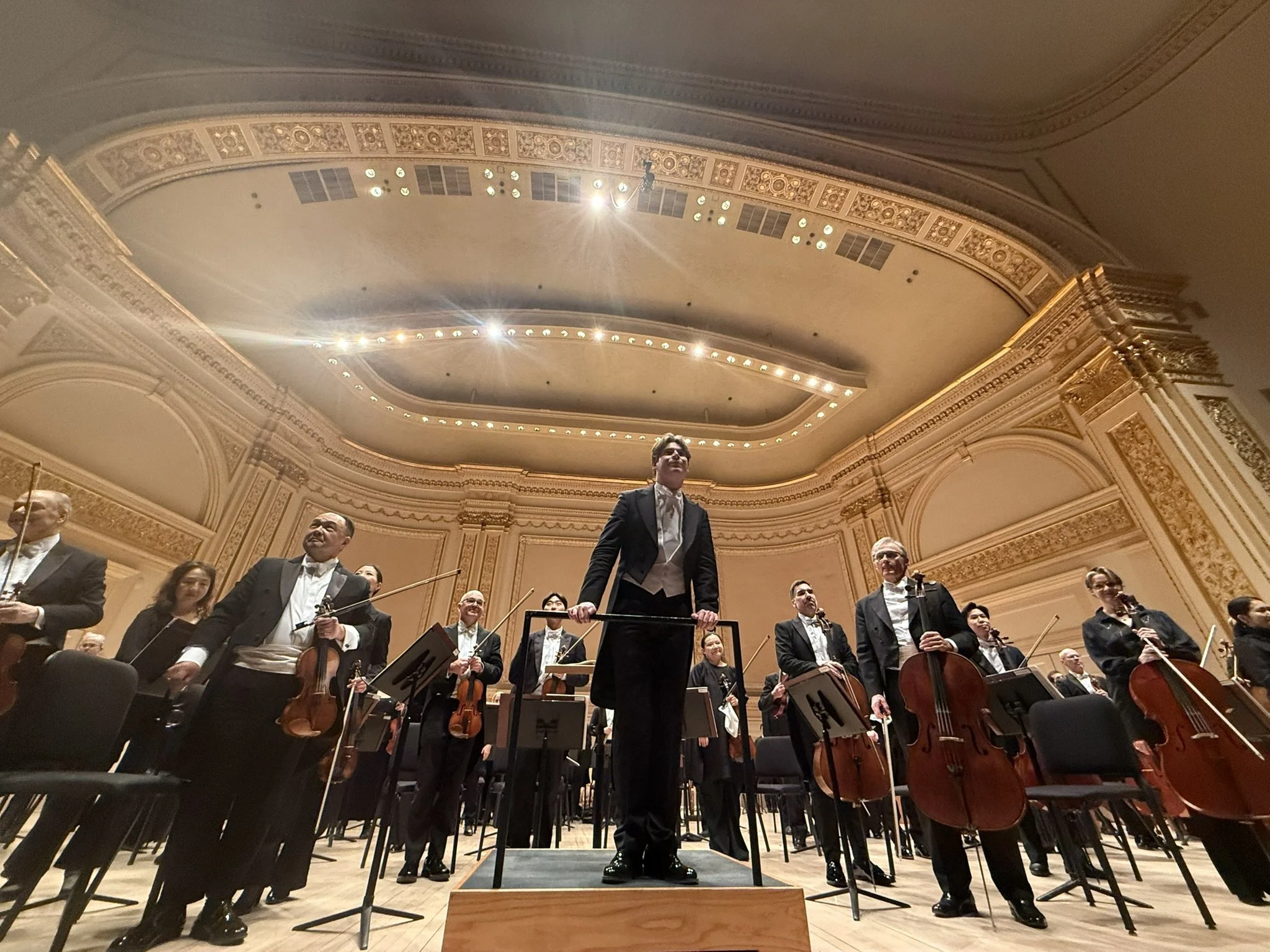
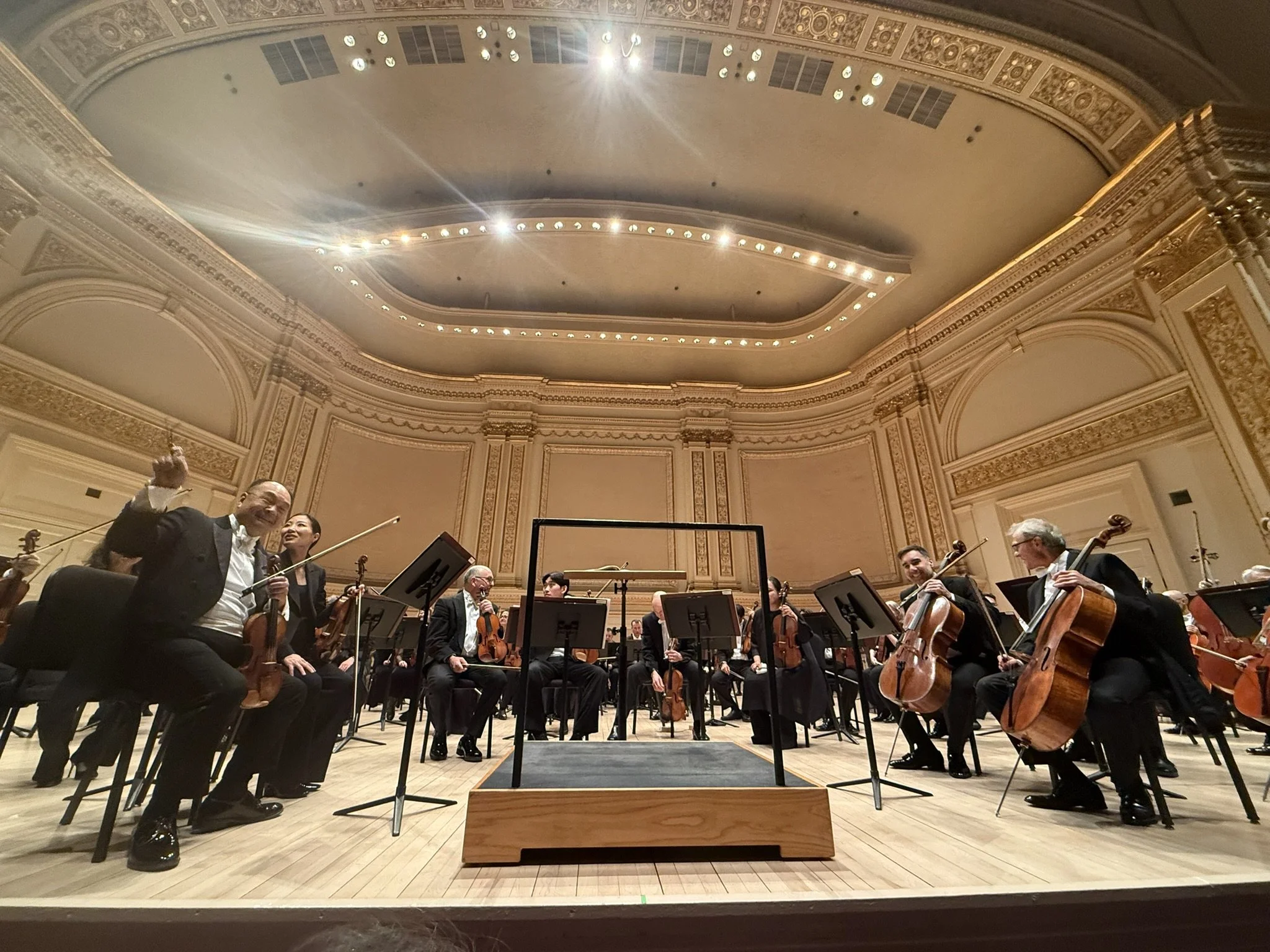
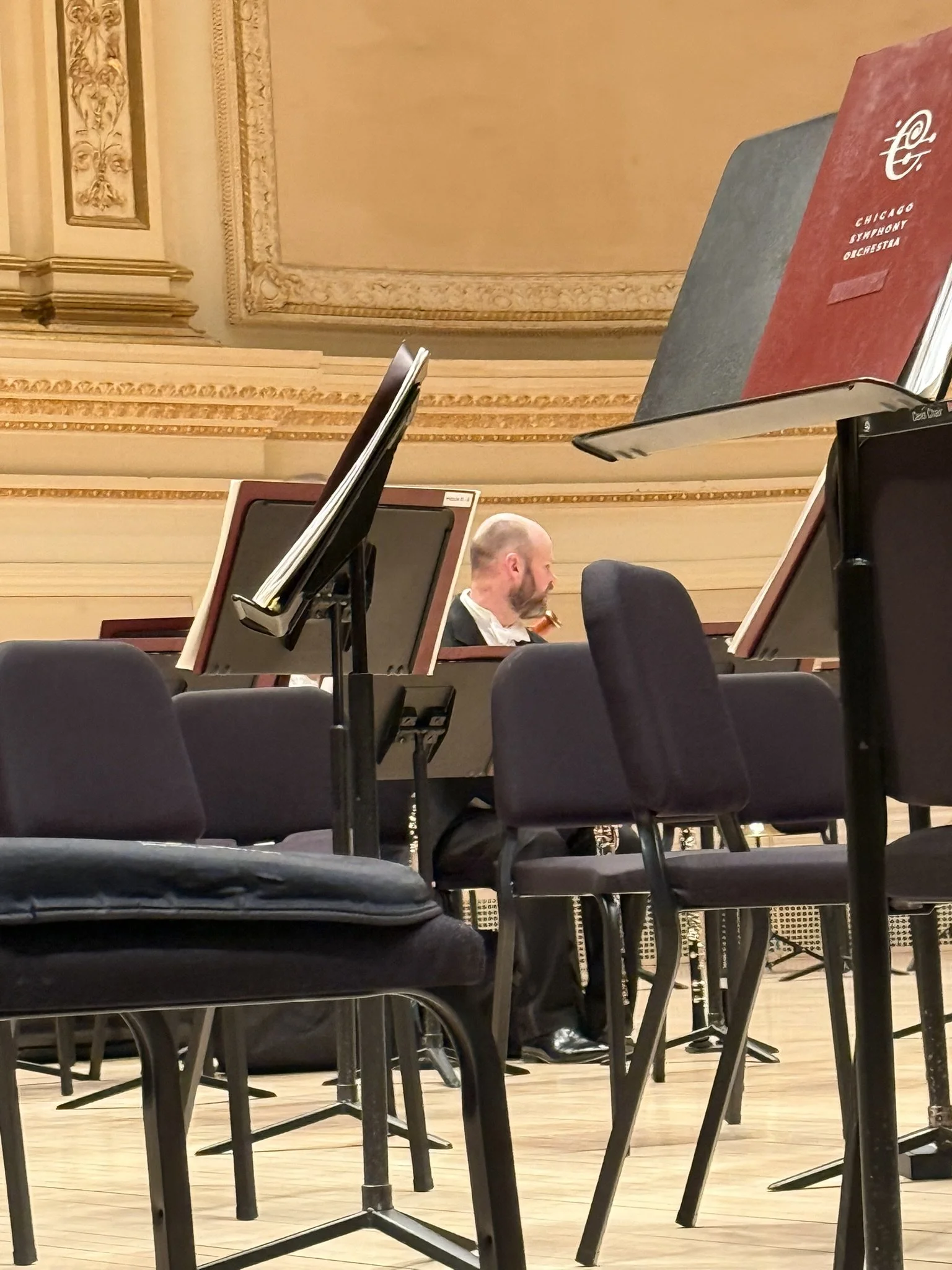
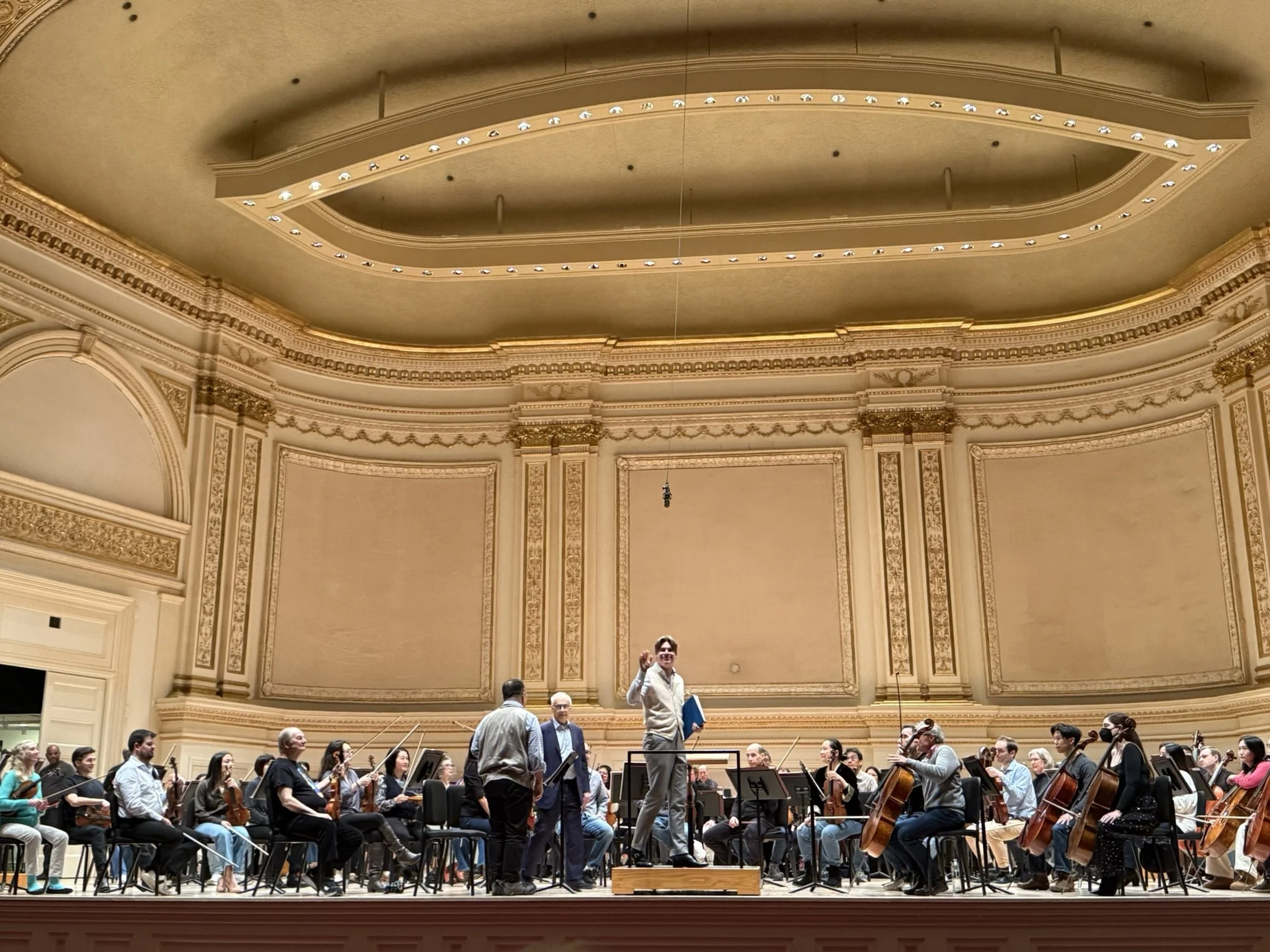
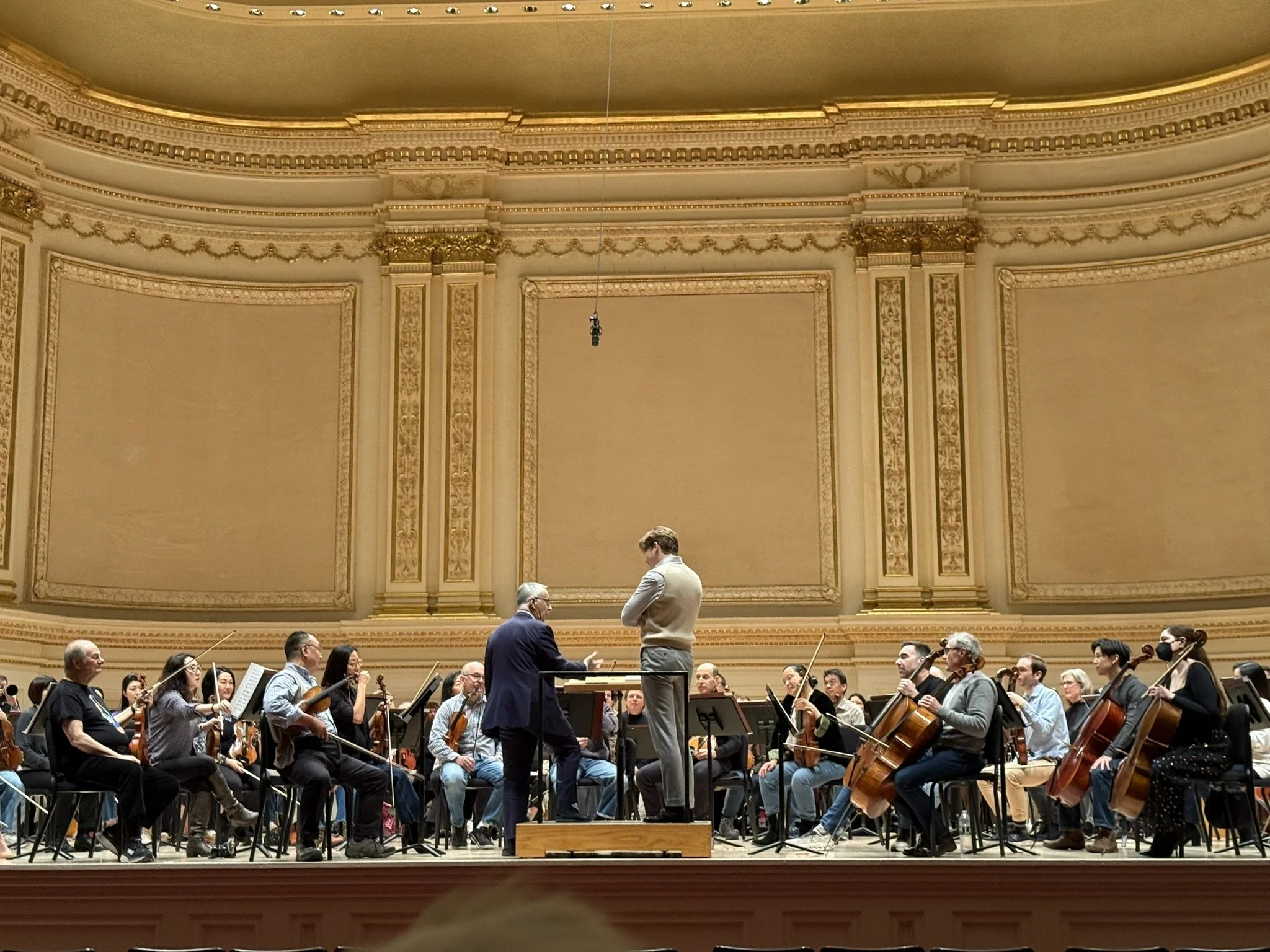
この1月に30歳を迎えたフィンランド人指揮者、Klaus Mäkeläが、Chicago Symphony OrchestraとCarnegie Hallにやってきた。シカゴは、2000年代にDaniel Barenboimで聴いて以来、昨年までRiccardo Mutiと共にカーネギーで楽しんできたが、この公演では次世代の巨匠が生きた伝統に新しい息を吹き込む瞬間を体験した。
コンサートはシュトラウスの英雄の生涯から始まった。シュトラウスが34歳の時に、自分の自画像として書いた曲だ。冒頭では8本のコントラバスと10本のチェロの英雄のテーマから始まる、しかも、出だしからコントラバスが巨大なオルガンの中にいるようなフォルムを作るだけ。あとやすみ。シュトラウスならではのオケの鳴らし方。その後、数々の管楽器のドンファンの欠片が飛び出すと、ホルンや、弦楽器の豊なレガートに、コントラバスは3連符の軽やかな刻み、豪華なシカゴの金管はマケラの流れの中で美しく溶け合う。朝のリハーサルでは、各パートが分離して聴こえたが、夜の公演では流れが見事だった。しかも、彼らはよく準備もされてはいるがライブの衝動に溢れていた。
2000年代に聴いたバレンボイムの指揮するシカゴをよく覚えている。シューマンのマンフレッドでは、圧倒的な重力が働きアッチェレランドは圧巻だった。今、この聴衆の中にはショルティの実演を聴いている方も多くいるし、ムーティとの端正で豊な劇と人間味溢れる詩情の世界を長年楽しんできた人たちも沢山いる。
そして、今、目の前でマケラが指揮している。胸をえぐるようなベースは、より前に進む力に変わり、まるでどこかの国の女性首相のようにきっかけを提案する。そこから生まれた流れは、その後、ブラス、管楽器、弦楽器へと発展していって、より自然で淀みがない彼らの衝動が前に進む力に変わり、シュトラウスの英雄の生涯は、バッハのフーガの様に、ひとつのセクションがテーマを終えないうちに他のパートから別なテーマが生まれて、やがてモーツアルトのシンフォニーの様に巨大なオーケストラの衝動が美しい音の山脈を描いて聴衆を包み込む。一つの大きな山が終わり、次の部分に取り掛かるときには、マケラとシカゴの引き合いがあって、エネルギーとエネルギーの間にほんの少しの空間を感じるくらい、このセッションは彼らの衝動が大きかった。新しいDNAをお互い取り込んでいる。
シカゴのコンサートマスターのロバート・チェンは、トゥッティをリードし、長大なソロではシュトラウスが描いた嫁を、片足の靴が半分ステージからはみ出しながら、見事に浮かび上がらせる、力のこもった名演だった。そこに、ハープがこれでもかと絡みつき、他の弦パートも絹の様なしなやかな音色でカーネギーを満たした。中間部の戦いではマケラの見通しの良い運営の元、シュトラウスを攻撃する連中の冷笑や、ミュンヘンフィル首席フルート、ハーマン・コゲレンベルグや、Esクラリネットやビオラのズケズケした鮮明な攻撃は、朝、地下鉄で閉じ込められた中年女性が自分を正当化している今の世界を眺めているようだった。後半は自分の仕事の回想である。特に首席チェロ、John Sharpがドン・キホーテの熱中しすぎた人が見えない敵に向かっている姿を演じる。セカンドバイオリン、Baird Dodgeのサポート。首席ビオラ、Teng Liのつなぎの存在感。愛情や皮肉、戦い、安らぎといったシュトラウスの奇抜で巧みな管弦楽をそれぞれ見事に楽しませてくれた。最後は目が閉じ気が付いたら終わっていた。
後半、シベリウスのレンミンカイネンでは、神話の英雄を通し、フィンランドの精神、北欧の自然、そして物語の世界を描いた、北欧の色彩が管弦楽の技巧が融合する。この曲は今のマケラと同じ年齢の頃に作曲された。シベリウスは結婚して家族を持ち、自然豊かなカレリアを訪れ、フィンランドの民族叙事詩カレワラに没頭し、沼や湖など豊かな自然と数多くの伝説を知る。そこには戦争で分断されたフィンランドのルーツも刻まれている。
レンミンカイネンではマケラとシカゴのシュトラウスよりもより自然な衝動を感じた。英雄の動きや自然の描写がオーケストラが呼吸するようだった。ソロもパートも自然に絡み合い、神話の世界が目の前に立ち上がる。特に、英雄が漂流するイングリッシュホルンの歌うソロ。孤独と時間の流れをミュートをかけた神秘の弦楽器の霧。浮かんで消えていく心のつぶやき。首席チェロのジョンが弾く深く孤独な独り言や、コンサートマスター、ロバートのしみじみしたつぶやき。トリスタン3幕冒頭を少し思い出した。最後の素朴な舞曲で勢いよく終わると、たくさんのブラボーが客席から湧いてきた。アンコールもシベリウスだったと思う。
数々の指揮者と数々の演奏を繰り返してきたシカゴも、どこかよそよそしくて、親密で。それは聴衆も同じだった。マケラはシカゴのパートやソロを紹介し、4度ステージに戻ると丁寧にお辞儀をしてドアの向こうに姿を消した。シュトラウスとシベリウスの中で、前回、コンセルとマーラーをやった時に聴こえたあのマケラの歌が聴こえた。そして、そこに若いアバドのようなエネルギーを感じた。