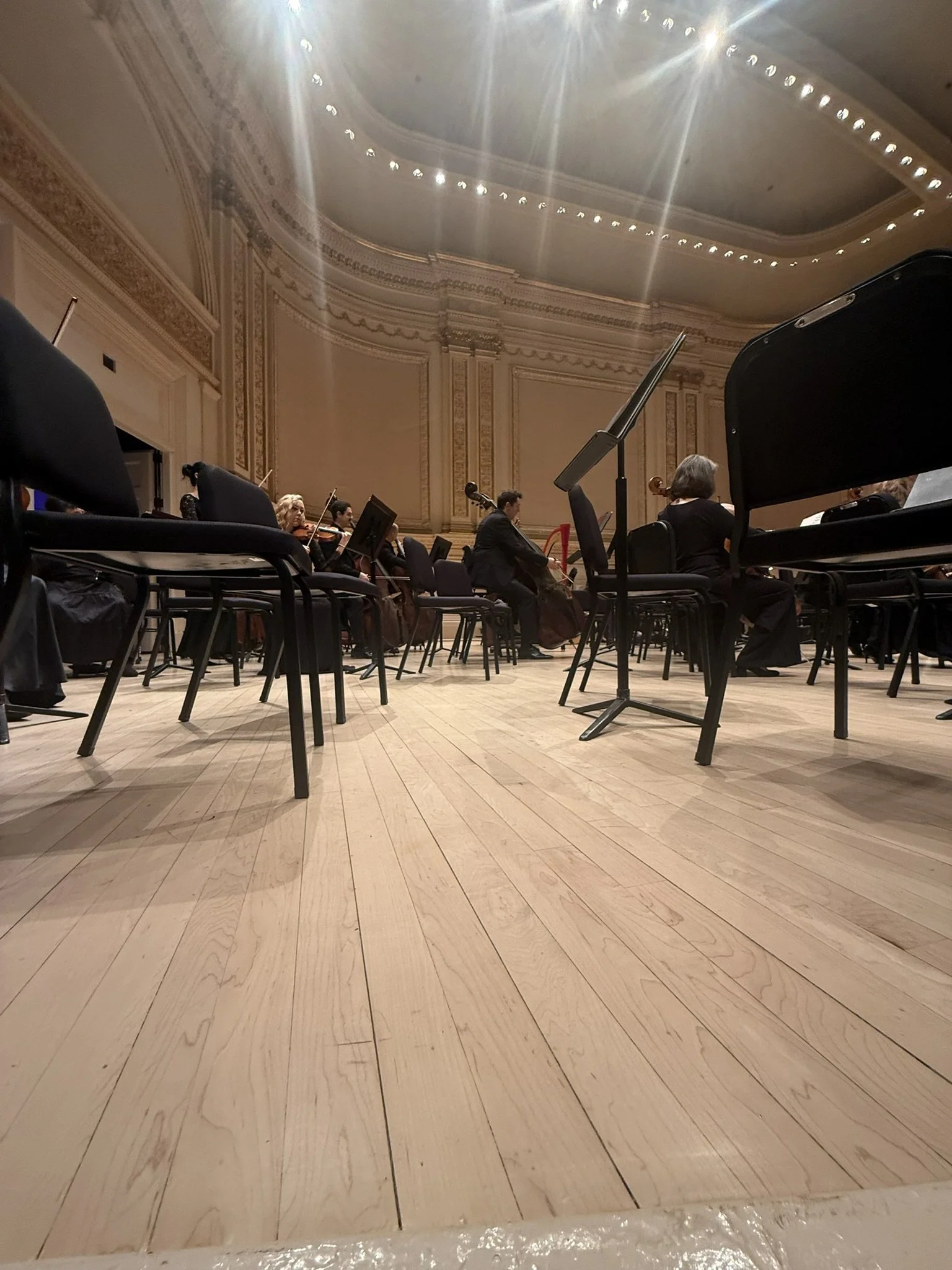
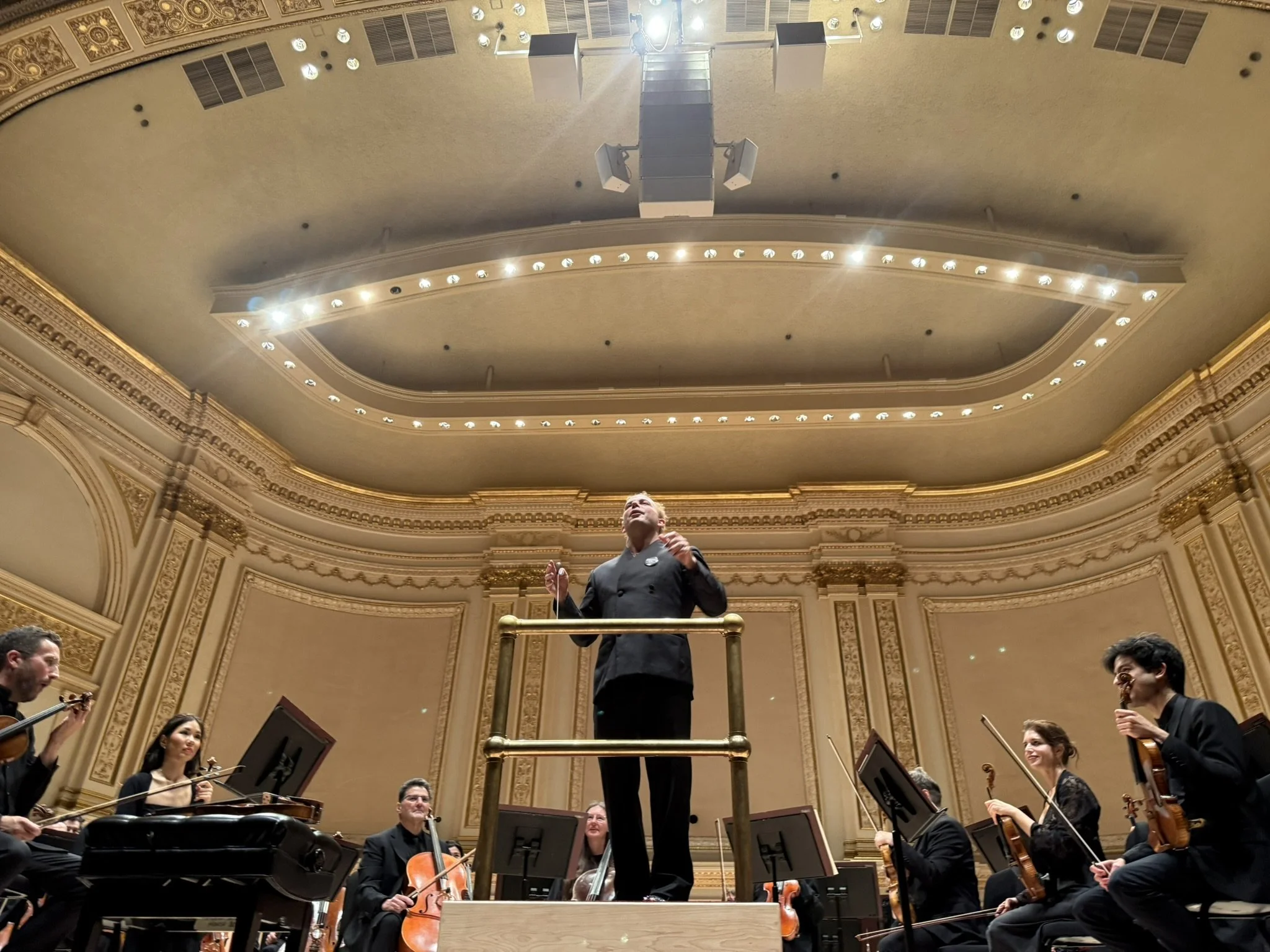
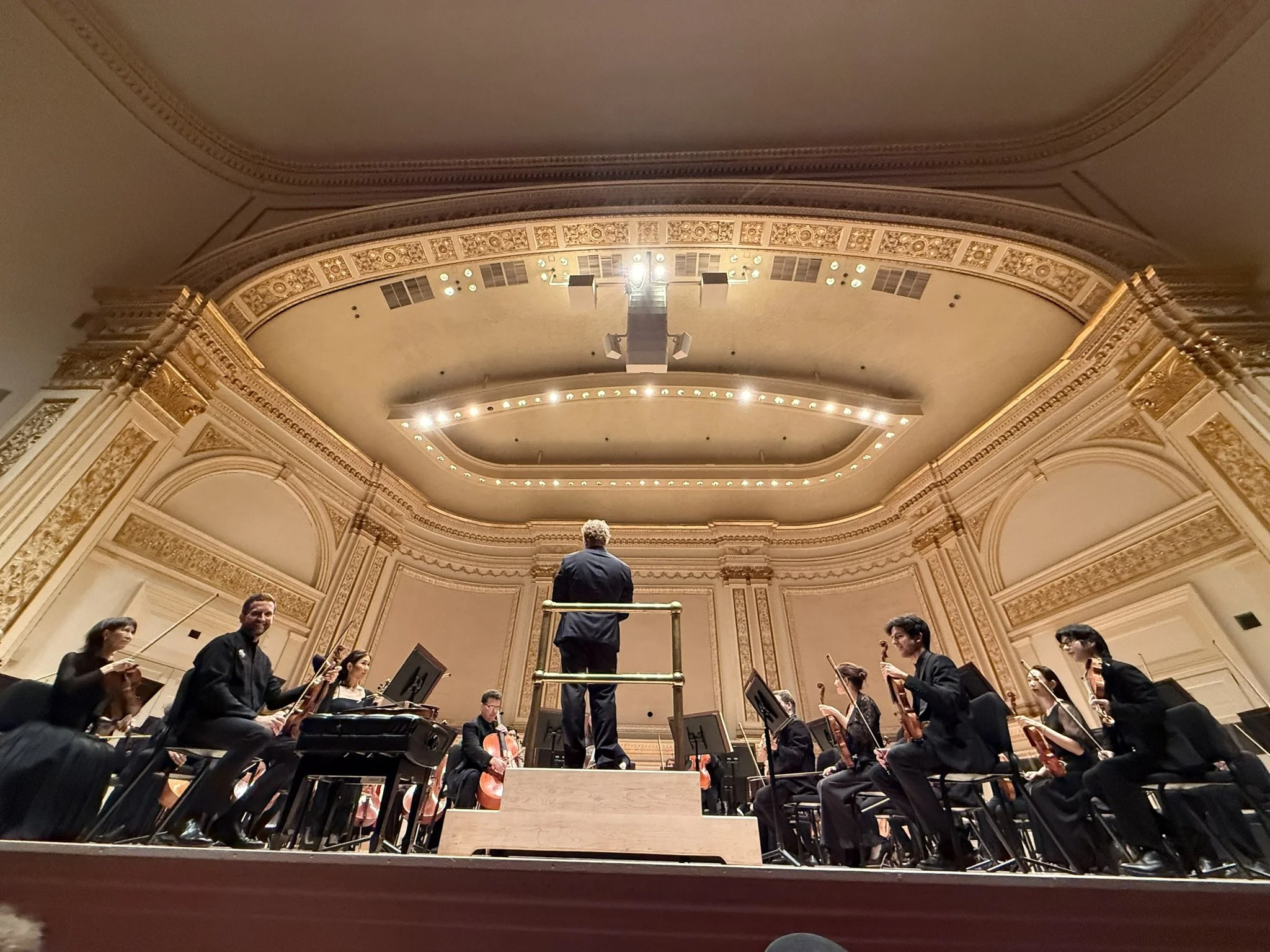
The last Met Orchestra on 6.18.2026 at Carnegie Hall was started by Saariaho, who was interested in sound and light, and she translated the timbral discoveries she made in electronic music back into acoustic instruments. In her opera Innocence, too, her artistic vision emerges clearly: a desire to fuse electronics and live performance into a single breath, a single continuum of expression.
Lumière et pesanteur (Light and Gravity), an orchestral work developed from her 2006 oratorio La Passion de Simone, stages an interplay between two forces: a dark, heavy sonority and a transparent, luminous sound that breaks through it like light. The music seems to glow from within; its contours dissolve as it melts into space. The sound floats, transforms, and at times even alters the perception of time itself, shaping the very space in which it resonates.
In La Passion de Simone, based on Simone Weil’s concept of “gravity and grace,” gravity signifies desire and suffering, while light represents spirit, love, truth, and transcendence—a movement toward something beyond the self. From within dense, shadowed textures, transparent overtones emerge like light. Within this tapestry, delicate fragments of melody intertwine like snow crystals carried by the wind. From deep sonorities, the shimmering sounds of harp, celesta, and percussion spread outward like light, continuously reshaping the layers of sound and filling space. Light seeps out from darkness, disappears, and then reappears elsewhere, and it is this continual transformation that gives the work its breath.
Saariaho composed music in which timbre itself becomes a means of spiritual ascent. Mahler, in turn, moved beyond the poetic world of Rückert toward a deeper metaphysical realm.
Friedrich Rückert, originally a translator of Arabic and Persian literature, brought Eastern poetic traditions into German Romanticism. His poems are marked by a delicate attention to love, death, loss, and nature. Mahler weaves this poetic world into his music.
This song cycle was begun in 1901, around the time when Mahler was completing his Fourth Symphony. The fact that the Fourth Symphony projects a vision of heavenly brightness suggests that, within Mahler, there also existed an extreme form of stillness and interiority.
The order of the songs was as follows:
Blicke mir nicht in die Lieder! (Do not look into my songs!)
Ich atmet’ einen linden Duft! (I breathed a gentle fragrance)
Liebst du um Schönheit (If you love for beauty)
Um Mitternacht (At midnight)
Ich bin der Welt abhanden gekommen (I am lost to the world)
Liebst du um Schönheit, drawn from a different poetic source, stands at the center of the cycle like a love letter addressed to his future wife, Alma.
In Blicke mir nicht in die Lieder!, the music moves like bees gathering honey, buzzing through the motivic world of Mahler’s Fourth Symphony. The singer (DiDonato) pleads not to be observed, while oboe and flute fragments chase and transform her line. One can sense a sensibility close to Saariaho’s attention to shifting timbres—Mahler’s way of perceiving the Rückert world resonates here. DiDonato sings with lightness, yet with warmth and density.
In Ich atmet’ einen linden Duft!, a gentle fragrance—the lingering presence of a beloved—seems to be inhaled. The strings unfold like a membrane of air, and the voice develops with remarkable clarity. Mahler’s pentatonic writing creates a floating world that seems to belong nowhere in particular, yet is unmistakably his. Within this richly layered orchestral texture, DiDonato sings with tenderness and precision, as if the very breath and presence of the beloved were still in the room.
In Liebst du um Schönheit, her voice becomes even more direct. Stripped of excess, what remains is a pure expression of love. The accompanying solo instruments gain a physical presence, and Mahler’s chromatic motion becomes especially audible.
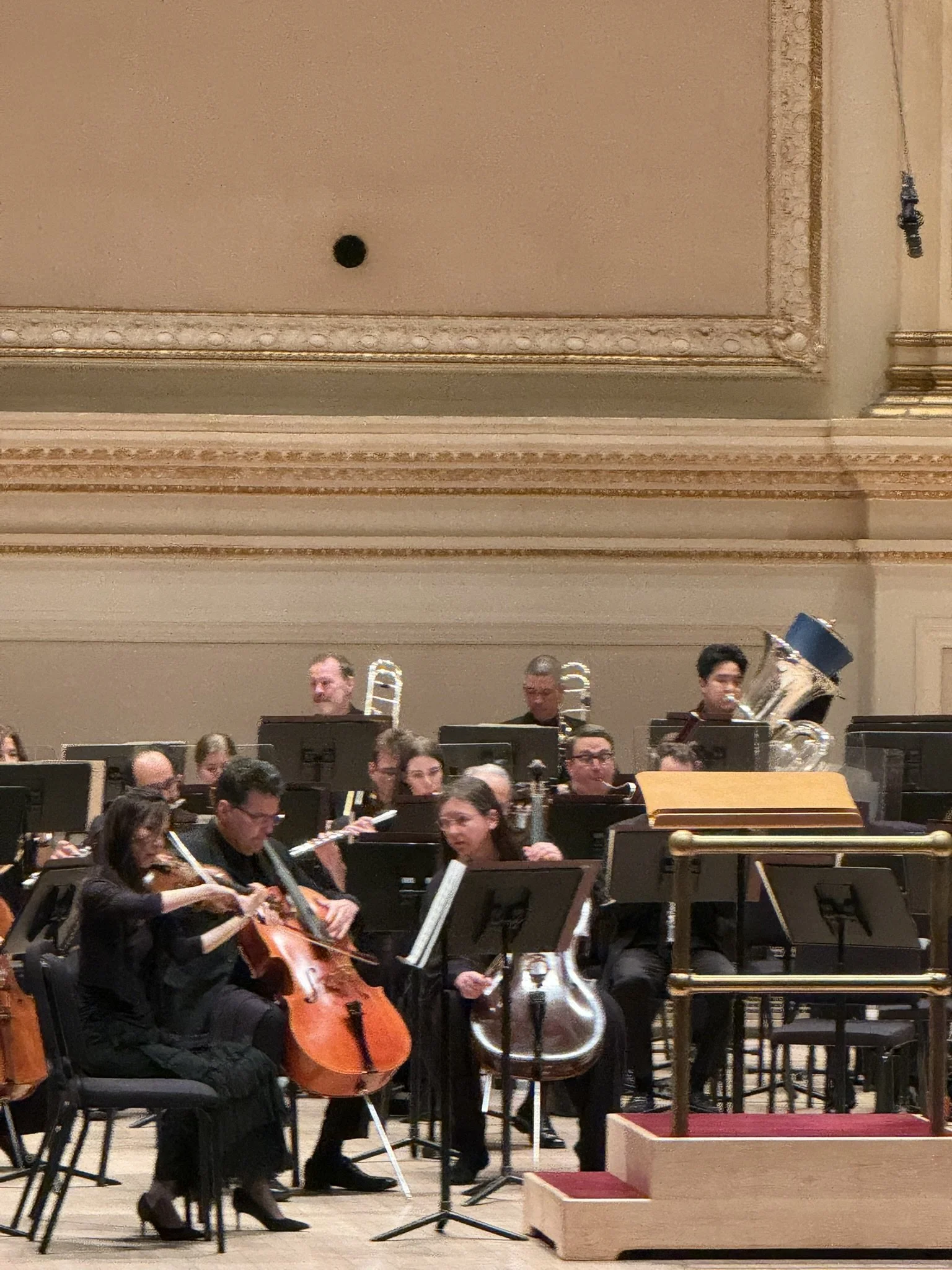
In Um Mitternacht, the voice deepens further. It loses strength, struggles, and finally releases itself. Desire and everyday noise dissolve; the orchestra descends into darkness. As the phrase “at midnight” is repeated, the tuba sounds the deepest register of night, and the brass shines briefly like a flame within silence.
In Ich bin der Welt abhanden gekommen, the English horn solo (Pedro) is joined by bassoon and supported by strings. DiDonato sings of a quiet freedom born from severing ties with the world. The orchestral breathing and the voice exist in a suspended time. For Mahler, the “world” is not external society but interior consciousness itself. Through love and art, the empty noise of daily life is transcended. Clarinet duets overlap with horn lines; the rests in the vocal line feel saturated with emotion that never overflows—an image of Mahler himself.
In meinem Himmel,
in meiner Liebe, in meinem Lied.
In my heaven,
in my love, in my song.
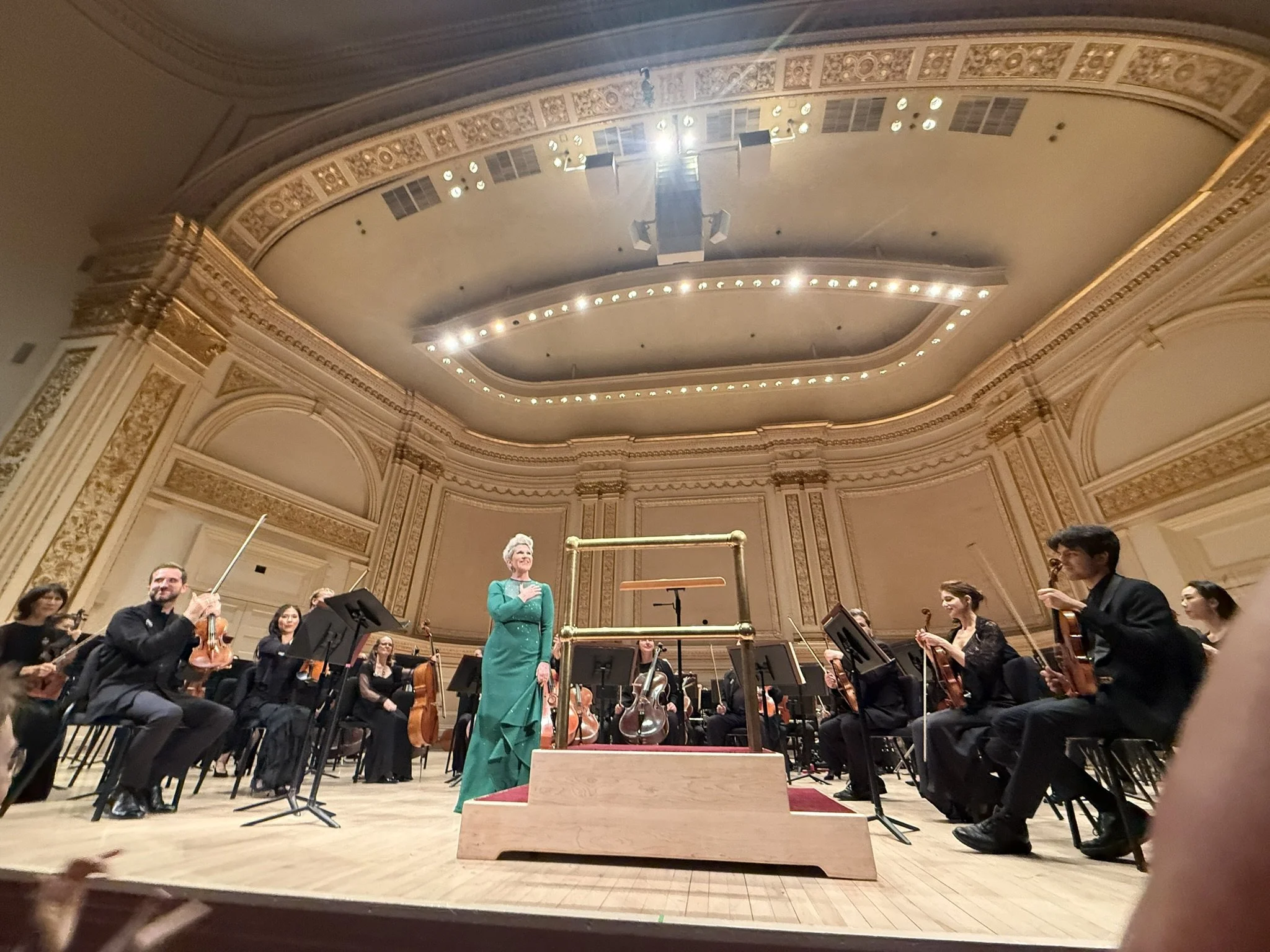
At the end of the season, the Metropolitan Orchestra and DiDonato offered a world beyond the noise of everyday life—a quiet state within oneself.
What is given when one lets go of the self?
After intermission, I listened to Mahler’s Fourth Symphony. The work is based on poems from Des Knaben Wunderhorn, written after the first three symphonies.
Mahler was drawn to this collection because it presents the world through a child’s perspective—simple, distorted, yet truthful. There, humor and cruelty coexist; life and death interpenetrate without clear boundaries. Heaven is described while food is discussed, soldiers’ deaths are sung in bright melodies, and saints and peasants share the same plane. These contradictions define Mahler’s world.
Between roughly 1887 and 1901, Mahler composed more than twenty songs based on this collection, gradually expanding them into symphonic form. As a result, his music carries multiple layers of narrative and shifting perspectives.
The Fourth Symphony represents the culmination of the Wunderhorn world. Its final movement, the “heavenly life,” depicts a post-mortem paradise seen through a child’s eyes.
It begins with sleigh bells—like the bells of Arabella’s carriage heading toward Fiakermilli: a sound of anticipation and longing. The second movement features a devilish violin. Concertmaster Benjamin Bowman played with a retuned violin, like a devil spreading its wings in attack. I had heard his solos many times in the pit, but never so close on stage. An eerie, high-pitched sound. In the midst of a journey toward a beautiful heaven, death suddenly appears and begins to dance. It was a performance that seemed to lay bare the strange world Mahler had hidden deep within the score—as if Mahler himself had possessed the performer.
The Instagram post from the Met Orchestra was captioned “geeking.” The first movement carries childlike expectation; the second is an encounter with the devil. The third unfolds in an extremely slow tempo, stretching time itself. After violent waves of percussion and harp, the clarinet reappears softly, and from afar, DiDonato begins to sing like an angel.
I kept my eyes closed. The sound of the Met passed through my mind and body. When the piece ended, Yannick Nézet-Séguin thanked the orchestra and bowed toward the audience.
Their performance was not a unified interpretation through a single conductor, but something closer to a series of immediate intuitions—traces of the season they had lived through together. To those who know Mahler well, it may have sounded unusual. Yet in this Fourth Symphony, shaped by opera and contemporary works alike, one could hear many echoes: fragments of memory and the emergence of new sensibilities from Ben and his colleagues.
The encore was “Urlicht” from Mahler’s Second Symphony.
The most important thing I learned from this performance was that light is something we must discover for ourselves. It is not always something a conductor can lead us toward.
A conductor can be like a lighthouse, showing that a path exists, but the direction we wish to take is something each of us must find on our own.
And throughout the season, it was not only the conductors who gave me so much to learn from and so many new ways of sensing the world.
Rather, it was Ben, the second violinists, the brass and horns that often seemed distant yet suddenly felt close, Parker’s timpani with its uniquely expansive sense of space, and so many others.
It was also the audience—old and new—with whom I shared these worlds, people connected to me through the experience of listening. Together, they shaped the way I heard, learned, and perceived throughout the season.
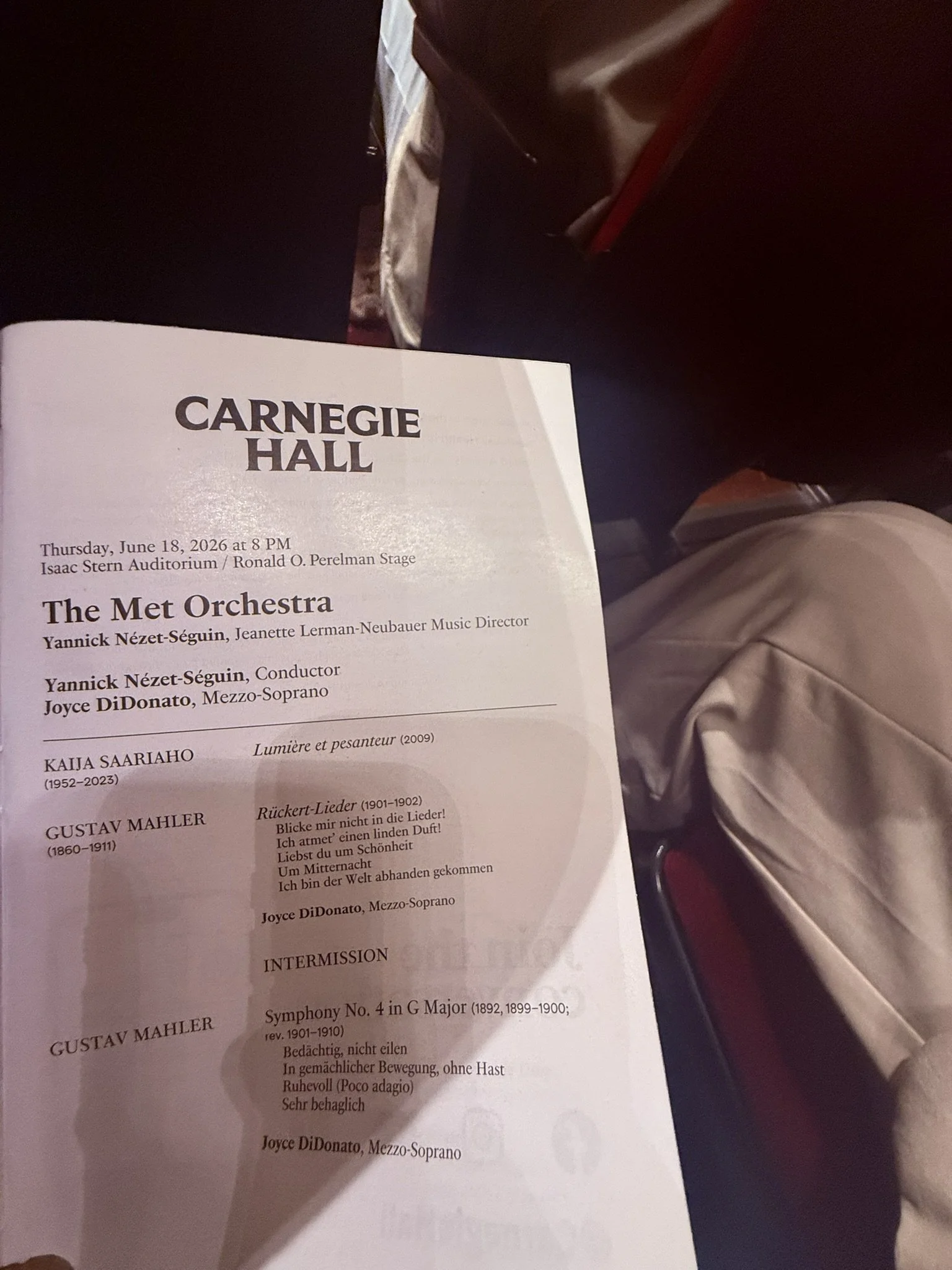
Performers
The Met Orchestra
Yannick Nézet-Séguin, Music Director and Conductor
Joyce DiDonato, Mezzo-Soprano
Program
SAARIAHO Lumière et pesanteur
G. MAHLER Rückert-Lieder
G. MAHLER Symphony No. 4
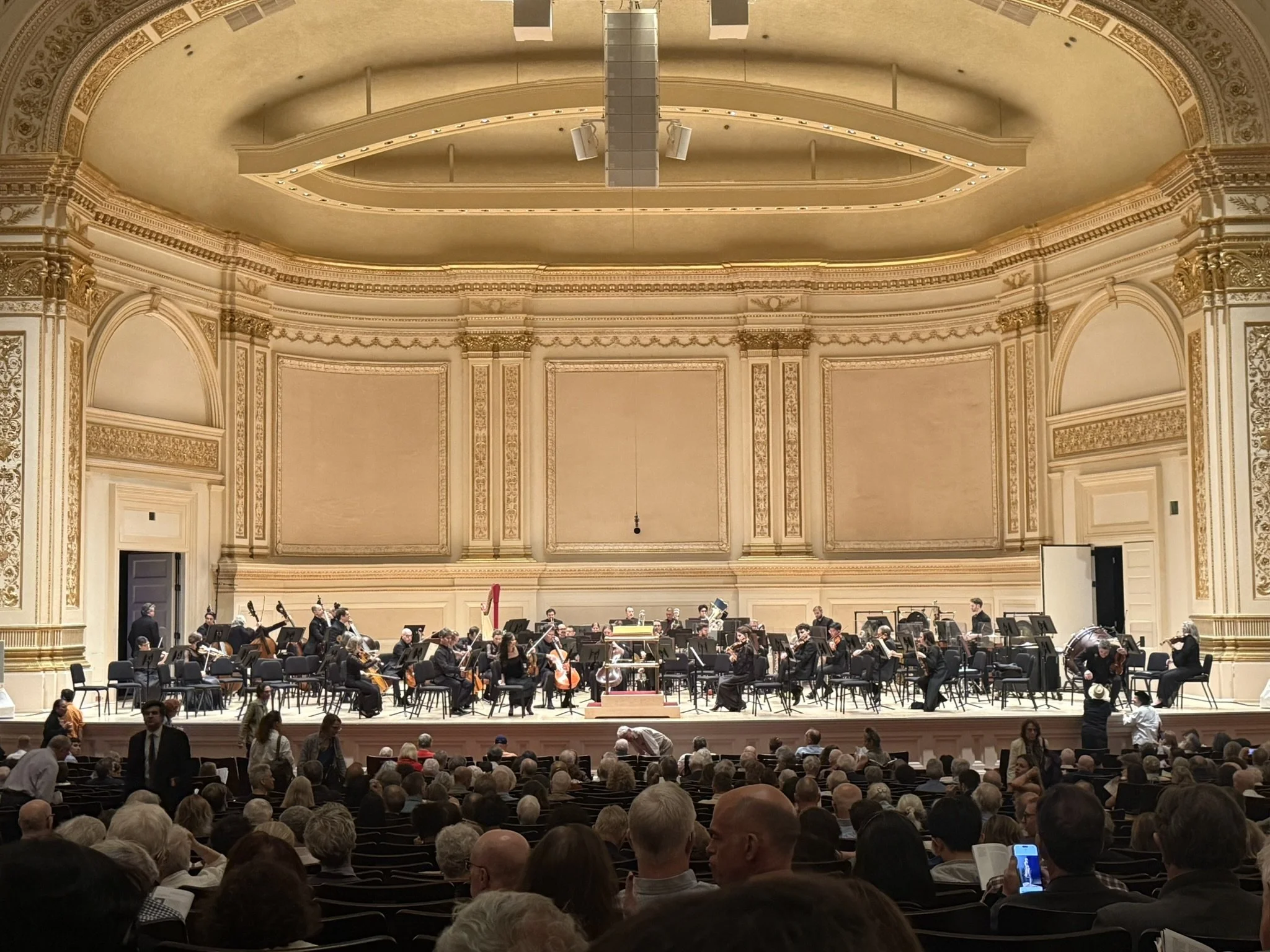
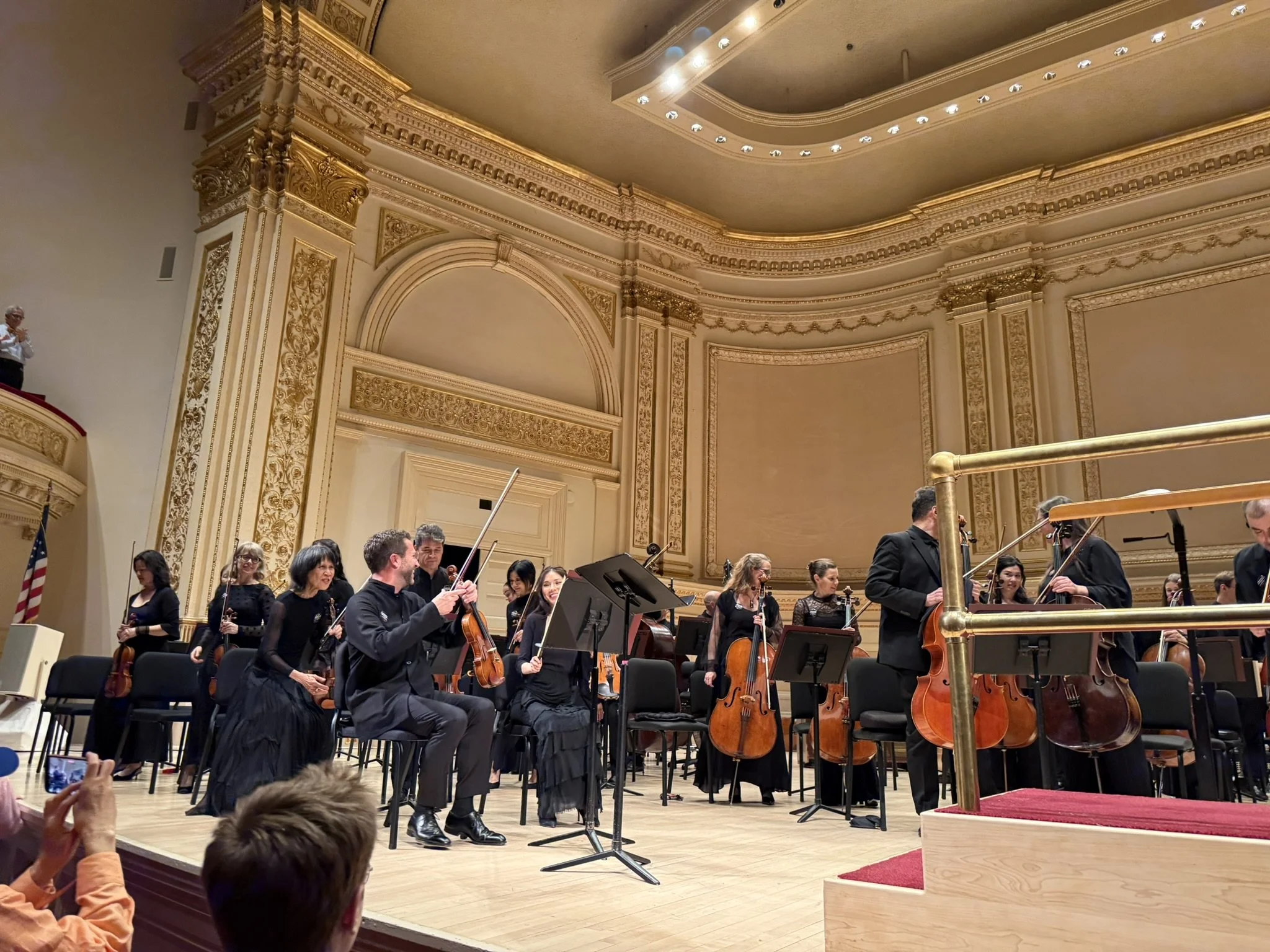
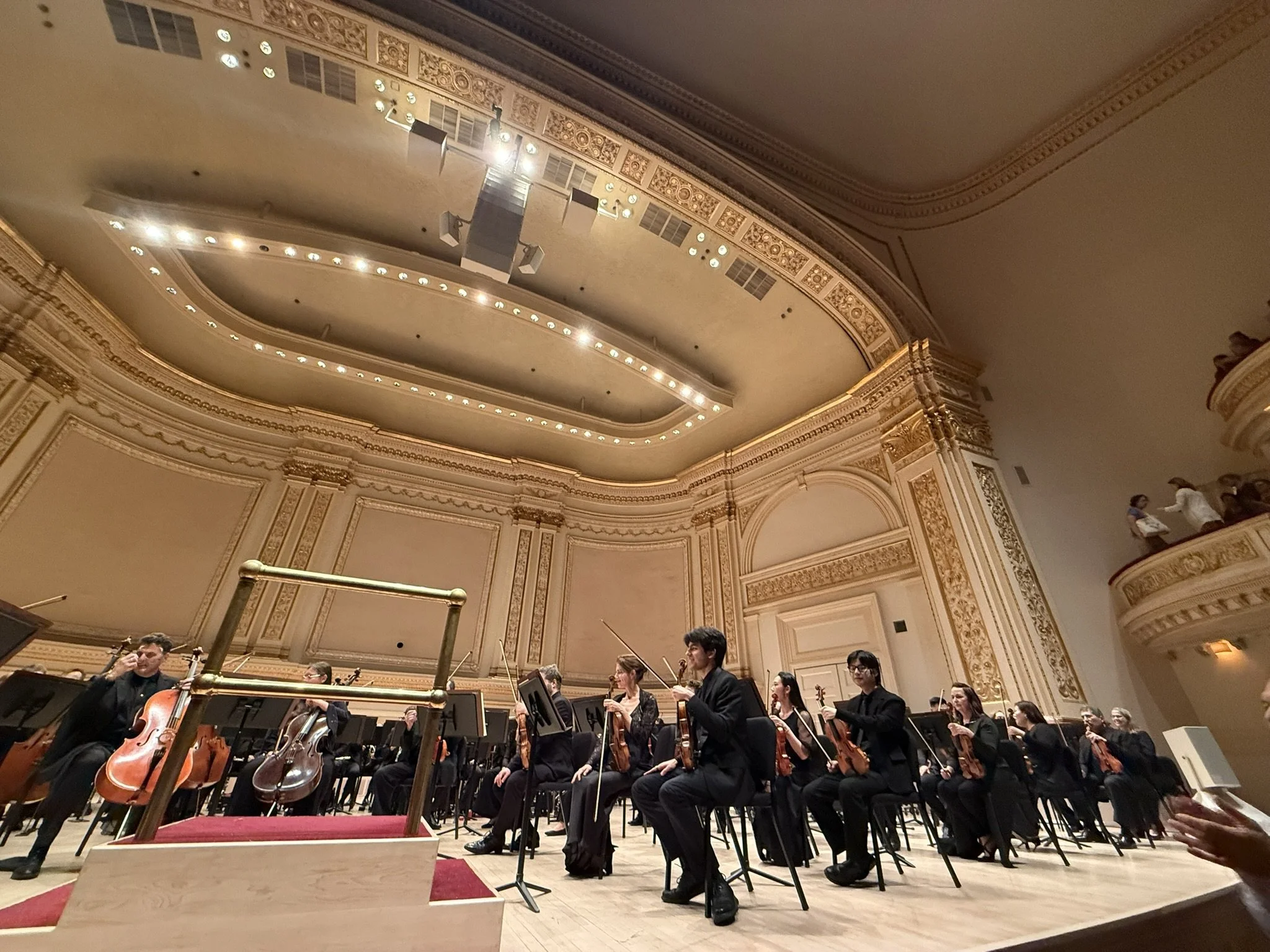
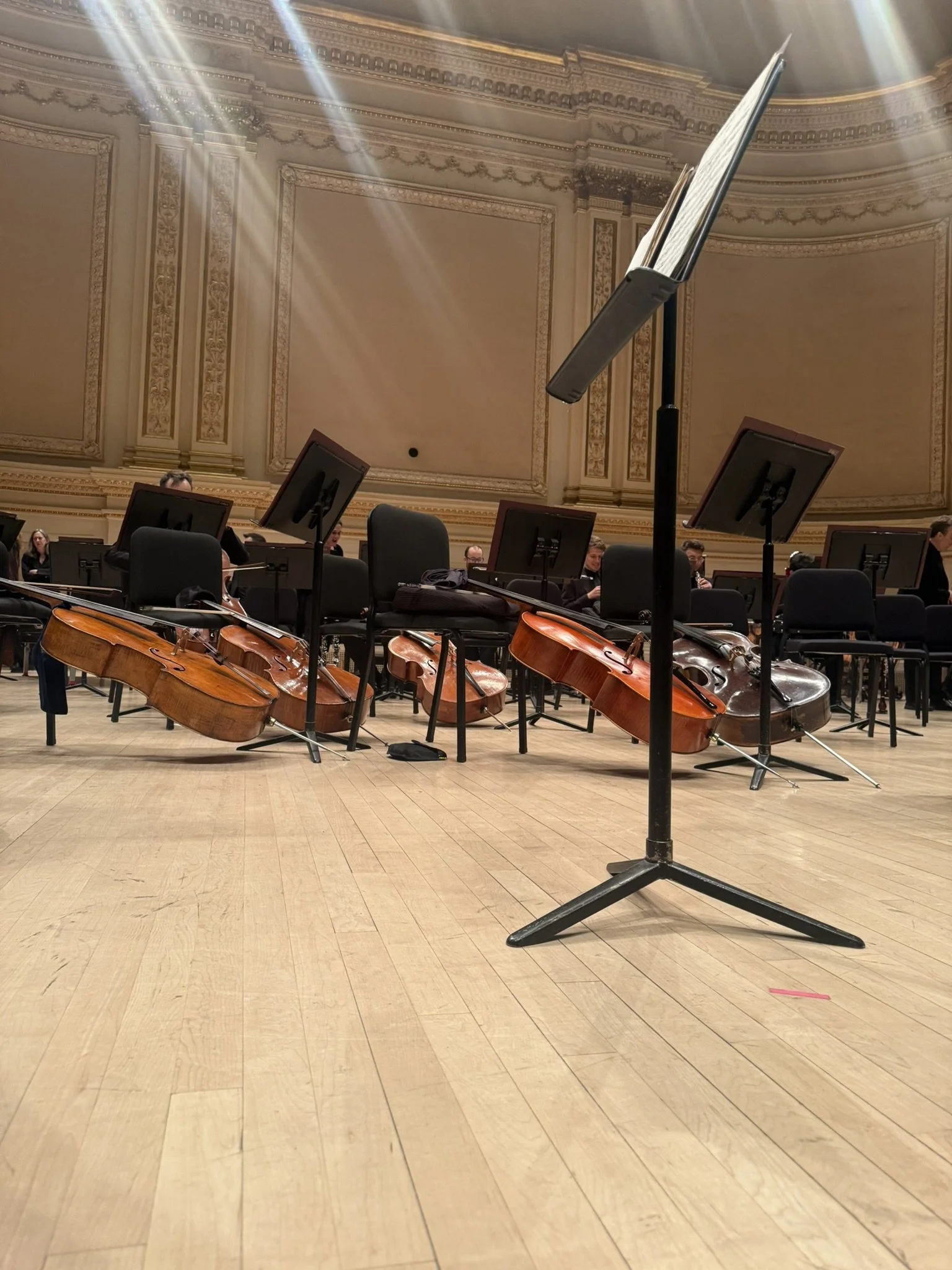
サリアホは音と光に興味があり、また電子音響で発見した音色や響きを生の楽器で実践した。オペラ、Innocenceでも、エレクトロニクスと人間の演奏を、一つの呼吸の中で融合させようとしたサーリアホの芸術観が表れていた。
Lumière et pesanteur、光と重力は、2006年に作曲したオラトリオ、シモーヌの受難から発展した管弦楽作品、この二つの力、暗く重い響きと、そこから差し込む光のような透明な音色が交錯し心に触れる。音は発光するように輝き、輪郭を失いながら空間へ溶け出す。響きは漂い、変容し、ときに時間の感覚も変え空間を形づくる。
シモーヌ・ヴェイユの重力と恩寵では、重力は欲望、苦しみ。光は精神、愛、真理、超越へ、自分を超えた何かに触れる。厚い響きの暗い音響の奥から、豊かな倍音の透明な音色が光のようににじみ出るタペストリーの中を、繊細な旋律の断片が風に舞う雪の結晶のように絡み合う。低音から立ち上がる響きから、ハープ、チェレスタ、打楽器のきらめく音色は光のように広がり音響の層が姿を変えながら空間を満たす。暗い響きの中から光がにじみ出ては消え、再び別の場所で輝きく。その変化が作品を呼吸させる。
サリアホは音色で精神の上昇を描いたが、マーラーは19世紀の詩人リュッケルトの世界から離れ深い精神の領域へ向かう過程を描いていた。フリードリヒ・リュッケルト(Friedrich Rückert)はもともとアラビア語やペルシャ語など東洋文学の翻訳家知られていた。彼の詩は、人間が持つ、愛、死、喪失、自然へのまなざしが繊細に表現されマーラーはその詩の世界を音楽で織り込んでいる。
この曲は交響曲4番が完成しようとしていた1901年に作曲が始まっている。天上の明るさを4番で表現していたマーラーの内側では極限の静けさが存在していたことになる。
曲順は次の通りだった。
Blicke mir nicht in die Lieder! 私の歌を覗き見しないで
Ich atmet' einen linden Duft! 私は仄かな香りを吸い込んだ
Liebst du um Schönheit 美しさゆえに愛するのなら
Um Mitternacht 真夜中に
Ich bin der Welt abhanden gekommen 私はこの世に捨てられて
Liebst du um Schönheitは他の詩から取り上げられた未来の妻アルマに充てた恋文のようなこの曲が5曲の真ん中に入っていた。
Blicke mir nicht in die Lieder 私の歌を覗き見しないで
では、蜂が蜜を集めて飛び回るように、マーラーが4番の1楽章の動機の中を音がゴロゴロ動き回るようだ。ディドナートが覗かないでと歌い、オーボエやフルートが断片で彼女の歌唱を追うと音色が変わる。サリアホの曲に現れた音色の変化を捉える感覚が、マーラーが捉えるリュッケルトを捉える世界と重なる。ディドナートは軽快にしかし、しっとり豊に歌っていく。
次のIch atmet’ einen linden Duft!では、柔らかな香り、愛する人の部屋に残る面影を吸い込んだ。弦楽器は空気の膜のようにゆったりと音を張り巡らせ、ディドナートの声が見事に展開していく。マーラーのペンタトニックが、どこでもないマーラー独特の世界を漂わせ、リュッケルトに影響された感性が現れている。じっくりと豊かに交錯するオーケストラに支えられて、ディドナートは、愛する人の香り、呼吸、かすかな気配が、愛の空気のように部屋にあると、やさしく、丁寧に、そして確かに歌い上げていく。
Liebst du um Schönheit、美しさゆえに愛するのならでは、ディドナートの声がさらにしっかり聴こえてきた。余分なものを削ぎ落とした後に残る、マーラーの純粋な愛の感情がそのまま響いているようだった。そして、声に寄り添うソロ楽器の音色がより実体があって、マーラーの半音進行がよくわかった。
真夜中、Um Mitternachtでは声はもっと深く、力を失い、苦しみを引き受けきれなくなり、格闘し、最後に手放す様子が歌われた。甘い憧れや、日常の喧騒を描いていた弦楽器が消え、光や心のつぶやきを描いていた管楽器が、深く下降を繰り返すと、どんどん闇が深くなっていく。真夜中にを繰り返し、チューバが一番低い闇を鳴らすと、ブラスが輝かしく響き、静けさに至る炎の様に響いていた。
Ich bin der Welt abhanden gekommen私はこの世から姿を消した)では、ペドロのイングリッシュホルンのソロにバスーンが加わり、弦楽器に導かれ、ディドナートが世界との接続をやめたことで生まれる静かな自由を歌う。呼吸のような管弦楽と、ディドナートの歌は、止まった時間の中にただある。つまりマーラーにとっての世界は、外の社会ではなく内側の意識そのもの。愛と芸術が持つ力によって、日常の空虚な喧騒を超越する。クラリネットのデュエットにホルンがオーバーラップする。私の天国に、ただ一人生きていると、ディドナートの歌唱の間の休符は感情に溢れていながら決してあふれ出さないマーラー自身を示している。
In meinem Himmel
In meinem Lieben, in meinem Lied.
私の天国で、
私の愛の中で、私の歌の中で。
シーズンの最後にメットオーケストラとディドナートが与えてくれた世界の騒音から離れ、私自身の中に生きる静かな境地だった。
自分を手放した時に与えられるもの。休憩の後で交響曲4番を聴いた。この曲は少年の魔法の角笛という伝承民謡の詩に基づいて作曲されている1-3の交響曲を作った後に作られた。
マーラーがこの詩集に惹かれたのは、子供の視点で、素朴で歪んだ世界を捉えていたからだ。そこではユーモアと残酷さが同在し、生と死が境界なく混ざり合っている。天国の歌でありながら食べ物の話ばかりし、兵士の死の歌が明るい旋律で歌われ、聖人と農民が同じ地平に並ぶ。こうした矛盾がマーラーの世界である。
1887年頃から1901年頃にかけて、マーラーはこの詩集に基づく歌曲を20曲以上作曲し、交響曲へ拡張されていったため、彼の音楽には語りと視点の交錯、世界の多層性が流れている。
交響曲4番は、角笛の世界の到達点であり、終楽章の天上の生活は、子供の目から見た至福の死後の世界を描いた歌。
開始は、鈴の音で始まる。アラベラがフィアカバルに向かうソリの鈴の音。これから始まる世界への期待と憧れ。2楽章の悪魔のフィドルがすごかった。コンサートマスターのBenjamin Bowmanが外れた調弦のバイオリンを悪魔が羽を広げて襲い掛かってくるように演奏した。メットのピットでも彼のソロは何度も楽しんだ。でもステージの上で彼のソロを間近に感じたのは初めてだ。不気味で甲高い響き。美しい天国へ向かう物語の途中に、死が姿を現して踊る楽章です。マーラーが楽譜の奥に隠した異様な世界をさらけ出すような、マーラーが乗り移ったような演奏だった。インスタのメットオケの投稿にはGeeking とあった。1では子供のような期待と憧れ、2楽章では悪魔に襲い掛かられ、3楽章では、またテンポがとてもじっくりしていた。時間が引き延ばされて、激しい打楽器とハープの洪水のような音の波の後に、またシルビオは仄々とクラリネットを歌い、遠くからディドナートが天使の歌を歌い始めた。目はずっと閉じていた。メットの音が心の中を通り過ぎていった。体が動かなかった。曲が終わると、ヤニックがみんなをねぎらい、こちらに向かってお辞儀をした。アンコールはマーラーの2番から原光だった。
彼らの演奏は指揮者を通じた統一された解釈に基づいた演奏ではなく、その場その場の閃きや、彼らが過ごしてきたシーズンの面影をしのばせるようなものだった。マーラーをよく知る人にはとても変わった演奏に聴こえたかもしれないが、彼らは現代からオペラの名作や新作も演奏し過ごしたシーズン最後の4番では、沢山の面影、そしてベンや仲間の新しい感覚に触れることもできた。
この公演で一番学んだのは光は自分で知り自分で見つけるということだ。必ず指揮者が導いてくれるものではないということだ。しかし、指揮者は灯台の様なもので、進みたい方法は自分で見つけるしかないということだ。
そして、シーズンを通して沢山の学びと感覚を与えてくれたのは、指揮者だけではなく、むしろ、ベンや、セカンドバイオリニストたちや、見えないが、遠くにいて近くになるブラスやホルン、パーカーの独特の宇宙の広がりをもつティンパニなどなど、そして、そのような世界を分かち合ってきた私と繋がりのある古くから新しい聴衆たち。