
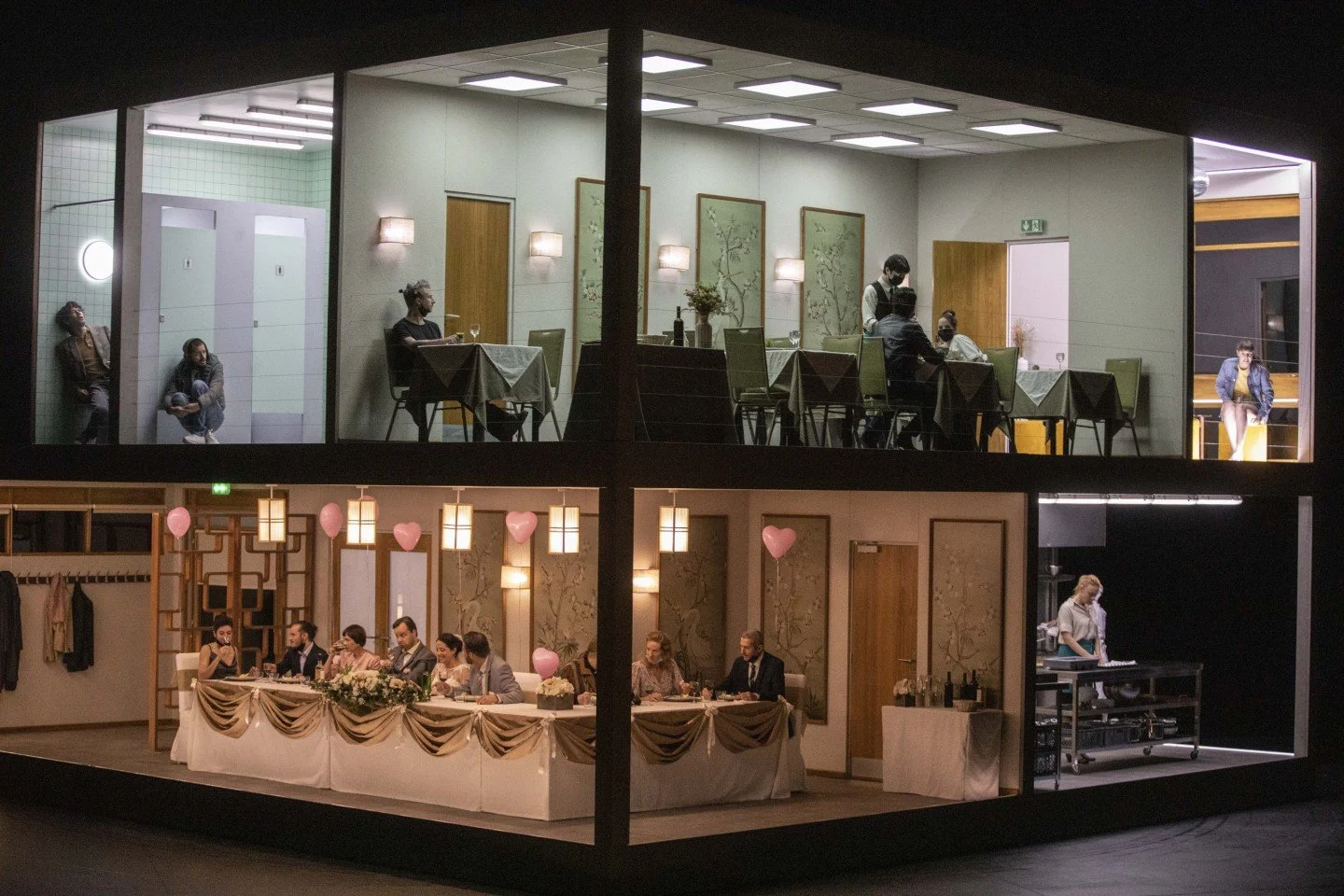
—Innocence is a story about recovery and healing: a large fresco of the human mind. A traumatic incident ties together thirteen lives from two generations.
——Kaija Saariaho, 2019
It has been nearly three years since the passing of Finnish composer Kaija Saariaho. Her final opera, Innocence (originally titled The Uninvited Guest), is set to premiere at the Metropolitan Opera this April.
On the day of the wedding, a waitress named Tereza realizes that the groom’s family is connected to the brother of the man who killed her daughter ten years earlier. She is struck by the realization that while her own life has been frozen in that moment, the perpetrator’s family has continued to live on.
As tensions between the groom’s parents surface, long-hidden family secrets begin to emerge. The suffering of both victims and perpetrators is gradually revealed, and at what should be a celebration of new beginnings, the tragedy of the past resurfaces. Each person is forced to confront guilt, loss, and wounds that have never healed.
Innocence is an opera by Finnish composer Kaija Saariaho (1952–2023), a psychological drama in which past and present intertwine. The story begins at a wedding reception in a restaurant in Helsinki. Behind the celebration of a Finnish groom and his Romanian bride lies a dark secret long concealed by the groom’s family.
That secret is a school shooting that took place several years earlier at an international school. The perpetrator was the groom’s brother, and many young lives were lost. This tragedy has been suppressed and never spoken of within the family, but the silence is shattered by the arrival of a waitress at the wedding. She is the mother of one of the victims, and upon recognizing the groom’s family, she begins to uncover the truth.
The narrative moves back and forth between the present-day wedding and memories of the shooting. The stage is inhabited by the spirits of the deceased students, each revealing their final moments and inner thoughts, bringing the weight of the tragedy vividly to life. The characters are burdened with guilt, denial, and grief, forcing the audience to question who, if anyone, can truly be called “innocent.”
Innocence is not merely a retelling of a violent event. It explores how the aftermath of violence lingers in the human psyche, and how silence and concealment can deepen pain. Through the layering of music and language, the past is shown not as something concluded, but as something that continues to intrude upon the present.
—Under its disguise of a thriller, Innocence is a story about recovery and healing: a large fresco of the human mind. A traumatic incident ties together thirteen lives from two generations. What is important here is the wide range of consequences of a single violent act. How do we react to unexpected tragedies in our lives? How does our destiny stigmatize us, and how can we overcome trauma? To foster a broader range of empathy, we have chosen characters from different nationalities, and although the main language is English, everyone also speaks their own language. This collection of different languages has been a great challenge, but also a source of inspiration for me. It has opened a rich network to different cultures, even if the opera takes place in my native Finland."
—Kaija Saariaho, 2019
イノセンス、再生と癒し。サリアホのラストオペラがメットで4月に公開。
フィンランドの作曲家、カイアサリアホが亡くなって3年になろうとしている。彼女の最後のオペラ、イノセンス(もとの題はThe Uninvited Guest)がメトロポリタン歌劇場で4月公開になる。
—イノセンスは再生と癒やしの物語。人の精神を描いた壮大なフレスコ画。ある凄惨な出来事が、二つの世代にまたがる13人の人生を結びつけていく。
——Kaija Saariaho, 2019
結婚式当日、ウェイトレスのテレザは、新郎の家族が10年前に娘を殺した犯人の兄であることに気が付く。彼女は自分の人生がその瞬間で止まってしまったのに、加害者の家族がその後も生き続けてきたことに、強い衝撃を受ける。
やがて、新郎の両親の対立や、隠されてきた家族の秘密、そして被害者と加害者双方の苦しみが浮き彫りになり、結婚式という新たな始まりの場で、過去の悲劇が再び姿を現し、人々が抱える罪や喪失、そして癒えない傷と向き合うことになる。
Innocenceは、フィンランドの作曲家Kaija Saariaho 1952-2023 のオペラで、過去の悲劇と現在が交錯する心理劇。物語はヘルシンキのレストランで行われる結婚式から始まる。フィンランド人の新郎とルーマニア出身の新婦の祝宴の背後に新郎の家族が隠し続けてきた暗い過去が存在している。
その過去とは、数年前に起きた国際学校での銃乱射事件である。犯人は新郎の兄であり、多くの若い命が奪われた。この出来事は家族の中で語られることなく封じ込められてきたが、結婚式の場に現れた一人のウェイトレスによって、その沈黙が崩される。彼女は事件の被害者の母親であり、新郎の家族に気づくと、次第に真実を明らかにしていく。
物語は結婚式の現在と、事件当時の記憶を行き来しながら進む。舞台には亡くなった生徒たちが現れ、それぞれの最後の瞬間や内面が描かれ、悲劇の重みが浮かび上がる。登場人物たちはそれぞれ罪悪感や否認、喪失感を抱えて、誰が本当に無垢(Innocence)なのかを観客に突きつける。
Innocenceは単なる事件の再現ではなく、暴力の余波が人々の心に残り続け、沈黙や隠蔽がさらなる痛みを生むことを描いている。音楽と言語が重なり、過去は過去として終わらず、現在に侵入し続けるものとして再現される。
—スリラーという装いをまといつつも、『イノセンス』は再生と癒やしの物語であり、人間の精神を描き出した壮大なフレスコ画でもあります。ある凄惨な出来事が、二つの世代にまたがる13人の人生を結びつけています。ここで重要なのは、たった一つの暴力的な行為がもたらす、多種多様かつ広範な結果のありようです。人生に降りかかる予期せぬ悲劇に、私たちはどう反応するのか。運命はいかにして私たちに烙印を押すのか。そして、いかにしてトラウマを乗り越えることができるのか。より幅広い共感を呼ぶため、私たちは登場人物たちにそれぞれ異なる国籍を持たせました。主要な言語は英語ですが、誰もが自らの母語も交えて話します。こうした多様な言語の集合体を作り上げることは、大きな挑戦であると同時に、私にとって尽きせぬインスピレーションの源でもありました。舞台は私の故郷であるフィンランドですが、この試みによって、異なる文化へと通じる豊かなネットワークが切り開かれたのです。
—カイヤ・サーリアホ(2019年)
—この物語を構想し、発展させていく過程において、ソフィとアレクシは、あたかも一人のリブレット作家が持つ『二つの半身』、あるいは『二つの頭脳』のように機能しました。ソフィは物語の筋書き(プロット)を構築する役割を担い、アレクシは音楽的・演劇的な形式や手法を考案する役割を担いました。ソフィはオペラという形式が持つ制約と格闘しながらも、そこに新たな主題や登場人物を導入していきました。一方のアレクシは、ソフィと私、双方に対して創造的な解決策を提示し、私たちを新たな領域へと導いてくれました。例えば、シュプレヒゲザング(語り歌い)から民謡風の歌唱まで、多彩な歌唱スタイルを使い分けるといった試みも、彼によって提案されたものです。ソフィがフィンランド語で書き上げた衝撃的な対話劇を、アレクシが多言語へと翻案し、私が作曲作業に取り掛かれるよう、磨き上げられた完成形のリブレットへと昇華させていったのです。ソフィが当初『招かれざる客(The Uninvited Guest)』と題していた原稿は、アレクシの提案によって『イノセンス(Innocence)』という新たなタイトルを冠した、全く新しい作品へと変貌を遂げました。
—カイヤ・サーリアホ(2019年)
あらすじ
第1幕
トゥオマスとステラはフィンランドで結婚式を挙げている。二人は、トゥオマスがルーマニアで休暇を過ごしていた際に出会った。ステラは「夜でも安全に散歩できる国」である新しい生活の地に魅了されており、トゥオマスの両親ヘンリックとパトリシアも、新たな家族の一員を迎えることを喜んでいる。しかし両親は、「あの悲劇」と呼ばれる家族の過去についてステラに話すべきかどうかで意見が対立している。
その結婚式には、まるで亡霊のように7人の人物が現れ、自らのトラウマと、元の生活を取り戻すことの難しさについて語る。10年前、彼らの人生は一変した。当時、そのうち6人は高校生であり、もう1人は彼らの教師であった。
第2幕
結婚式のケータリングスタッフの一部が体調を崩し、代わりにチェコ出身のウェイトレス、テレザが呼ばれる。会場に到着した彼女は、新郎の家族の名前に気づき、「その名前が10年前に私の人生を終わらせた」と悟る。自分の人生があの出来事で止まってしまったのに対し、彼らがその後も生き続けてきたことに、テレザは衝撃を受ける。
トゥオマスの両親は再び口論となる。パトリシアは、ステラがその存在を知らなくても長男を結婚式に招くべきだと主張するが、ヘンリックは「彼はもうこの家族の一員ではない」と拒絶する。後に彼はテレザに、息子への失望を打ち明けるが、彼女と過去に会ったことは覚えていないようだ。また、自分が子どもたちを厳しく育てすぎたことや、息子に銃の扱いを教えたことを悔いている。
やがて生徒たちと教師は現在の生活について語り、その中で、テレザの娘マルケータがあの悲劇で命を落としたことが明らかになる。
第3幕
テレザはステラと話し、花嫁がこの悲劇や家族の関与について何も知らされていないことに気づく。彼女は父親に自分の正体を明かし、娘の死の責任を追及する。一方で司祭は、息子を怪物にしてしまったと自責の念に苦しむパトリシアを慰めようとする。しかし司祭は内心、「あの少年には何か問題があった」と感じていながら何もできなかったことを認め、さらに、現在は別の名前で出所しているその息子が救われることはないと考えている。
マルケータや他の生徒たちは、トゥオマスの兄が10人の生徒と1人の教師を殺害した日の記憶を語る。その記憶はやがて犠牲者の名前の列挙へと変わる。生き残った者たちは「思い出さないようにすること」を学ばざるを得なかったが、同時にその悲劇はメディアや政治家によって利用され続けた。
第4幕
テレザは過去の出来事をステラと結婚式の出席者たちに明かす。トゥオマスは兄が死んでいればよかったと語るが、パトリシアはそれに反論し、「マルケータもまた息子をいじめたという意味で怪物だった」と主張する。
生徒たちの記憶から、マルケータや他の生徒たちが犯人を継続的にいじめていたことが明らかになる。犯人の友人であったアイリスは、いじめと事件は無関係だとする他の生徒たちの考えに異議を唱え、悲劇の責任は皆にあると非難する。
第5幕
ステラとトゥオマスは、テレザの告白がもたらした結果について語り合う。ステラは愛ゆえにすべてを受け入れようとするが、トゥオマスは新しい人生の出発はすでに壊れてしまったと感じている。司祭や両親が彼を励ます中で、トゥオマスはついに真実を告白する――彼と兄、そしてアイリスの3人で銃撃計画を立てていたのだ。しかし決行の直前にトゥオマスとアイリスは怖気づき、兄だけが実行し、すべての責任を背負った。それでも二人の中には、犯人への深い愛情と強い罪悪感が残り続けている。この告白によって、家族が過去から逃れる最後の望みも打ち砕かれる。
エピローグ
生き残った人々が、それぞれにより良い未来を夢見る姿が描かれる。最後にマルケータが現れ、母に「もう自分を手放してほしい」と語りかける。
Innocence is a journey from blame to empathy.From Met Opera article
With its eerie, darkly beautiful sound world and diverse vocal styles—ranging from traditional opera to expressionistic speak-singing to Scandinavian folk music—it is an opera like a human “fresco,” organized around a tragic event.
The human voice is used in multiple ways: there are parts sung with a traditional operatic voice (in several different intensities, as in the great tradition), sung with a child’s voice, sung according to an archaic folk tradition (a radical choice), half-sung (a bit like Sprechgesang), rhythmically spoken, and freely spoken... all of these styles represent the different psychological facets of one person or the different personalities of the various characters, as in a fresco.
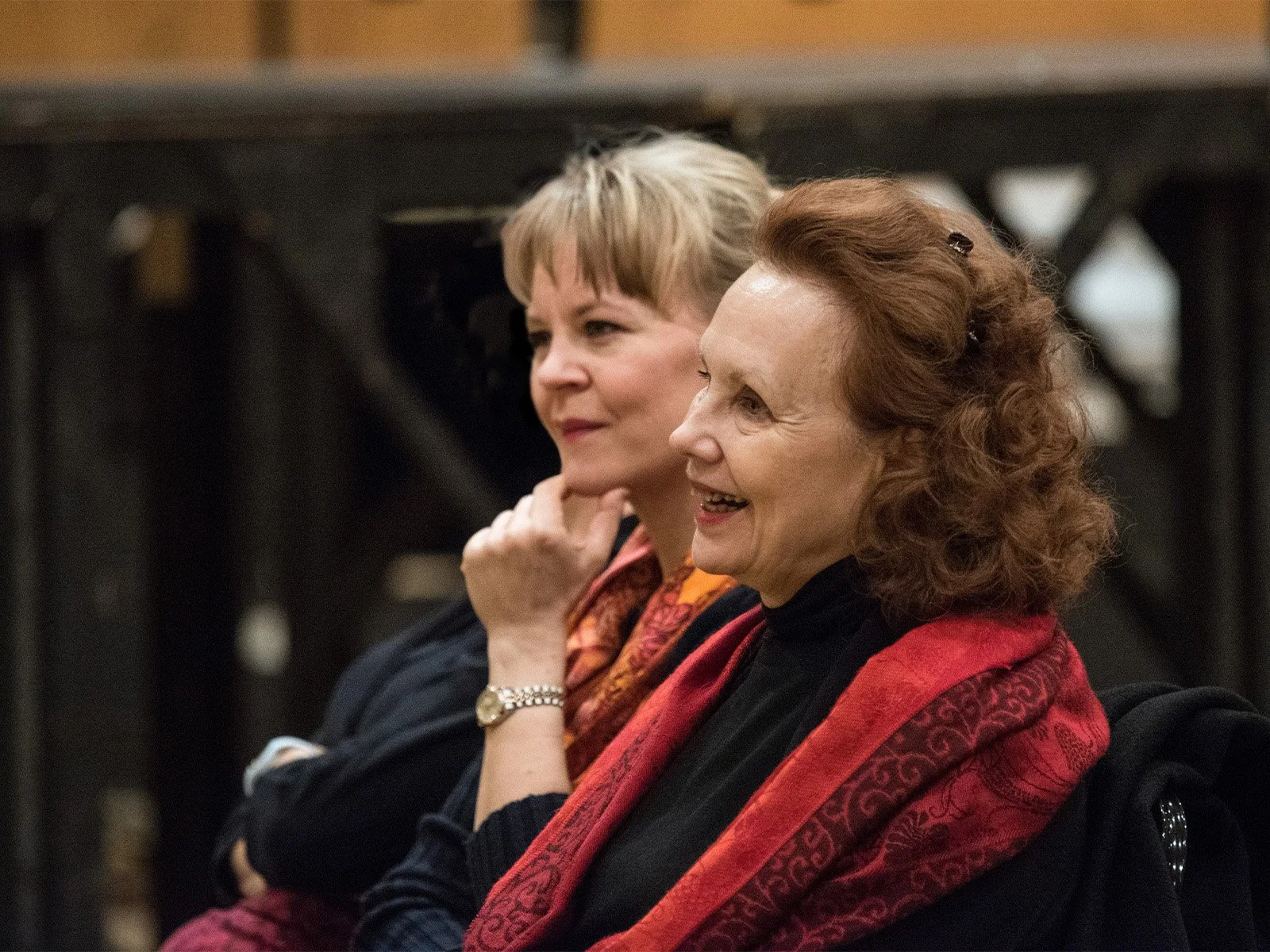
Below, Maestro Mälkki (pictured below, with Saariaho) shares her perspective,
The multiple languages underline the international nature of our world and of the topic—the tragedy—which has now become a real-life global psycho-epidemic.
Through the music, we feel that Kaija had deep empathy and compassion for every one of the 13 characters. They all relate what happened from their own perspectives, and none is treated as secondary. The emotional spectrum is heart-stopping, and the suffering or guilt is not confined to one side of the events. I feel that every single line, whether spoken or sung, was lived by Kaija herself.
Simon Stone’s production is fantastic and fully in line with both the libretto’s quick tempo and the music’s constant shifts between different situations.
Innocence is a work of our epoch—both heartbreaking and healing. It is a devastatingly sad story, but Kaija wanted there to be light at the end. Ultimately, we must process, accept, and continue to live our lives, and the future can be brighter if we allow these events to change us.
—Susanna Mälkki
Innocence は、「非難」から「共感」へと向かう旅である。
不気味でありながらも陰影に富んだ美しさを持つ音響世界と、伝統的なオペラ歌唱から表現主義的な語り歌い(スピーク・シンギング)、さらにはスカンディナヴィアの民俗音楽に至るまでの多様な声のスタイルによって、この作品は悲劇的な出来事を中心に構成された、人間の「フレスコ画」のようなオペラとなっている。
人間の声は多様な方法で用いられている。すなわち、伝統的なオペラ歌唱(その中でもさまざまな強度を持つもの)、子どもの声、古風な民俗的歌唱(非常に大胆な選択である)、半ば歌い半ば語るスタイル(シュプレヒゲザングのようなもの)、リズミカルな語り、そして自由な語りなどである……。これらすべてのスタイルは、一人の人間の異なる心理的側面、あるいはさまざまな登場人物の異なる人格を表現しており、まさにフレスコ画のように描かれている。
以下マルッキの言葉、
複数の言語の使用は、私たちの世界、そしてこの題材である悲劇が持つ国際的な性質を際立たせている――それは今や現実における世界的な心理的パンデミックとなっている。
音楽を通して、カイヤが13人それぞれの登場人物一人ひとりに対して深い共感と慈しみを抱いていたことが感じられる。彼らは皆、それぞれの視点から出来事と向き合っており、誰一人として脇役として扱われていない。その感情の幅は胸が締めつけられるほどであり、苦しみや罪は決して一方だけに存在するものではない。語られる言葉であれ歌われる言葉であれ、その一行一行すべてが、カイヤ自身の体験として生きられているように感じられる。
サイモン・ストーンの演出は見事であり、台本の速いテンポと、さまざまな状況の間を絶えず行き来する音楽の動きの両方と完全に調和している。
『イノセンス』は私たちの時代の作品であり、胸を打つ悲しさを持ちながらも、同時に癒しをもたらすものである。非常に悲痛な物語ではあるが、カイヤはその先に光があることを望んでいた。私たちは最終的に出来事を受け止め、受け入れ、そして生き続けていかなければならない。そして、出来事によって自分たちが変わることを受け入れるならば、未来はより明るいものになり得る。
—スザンナ・マルッキ