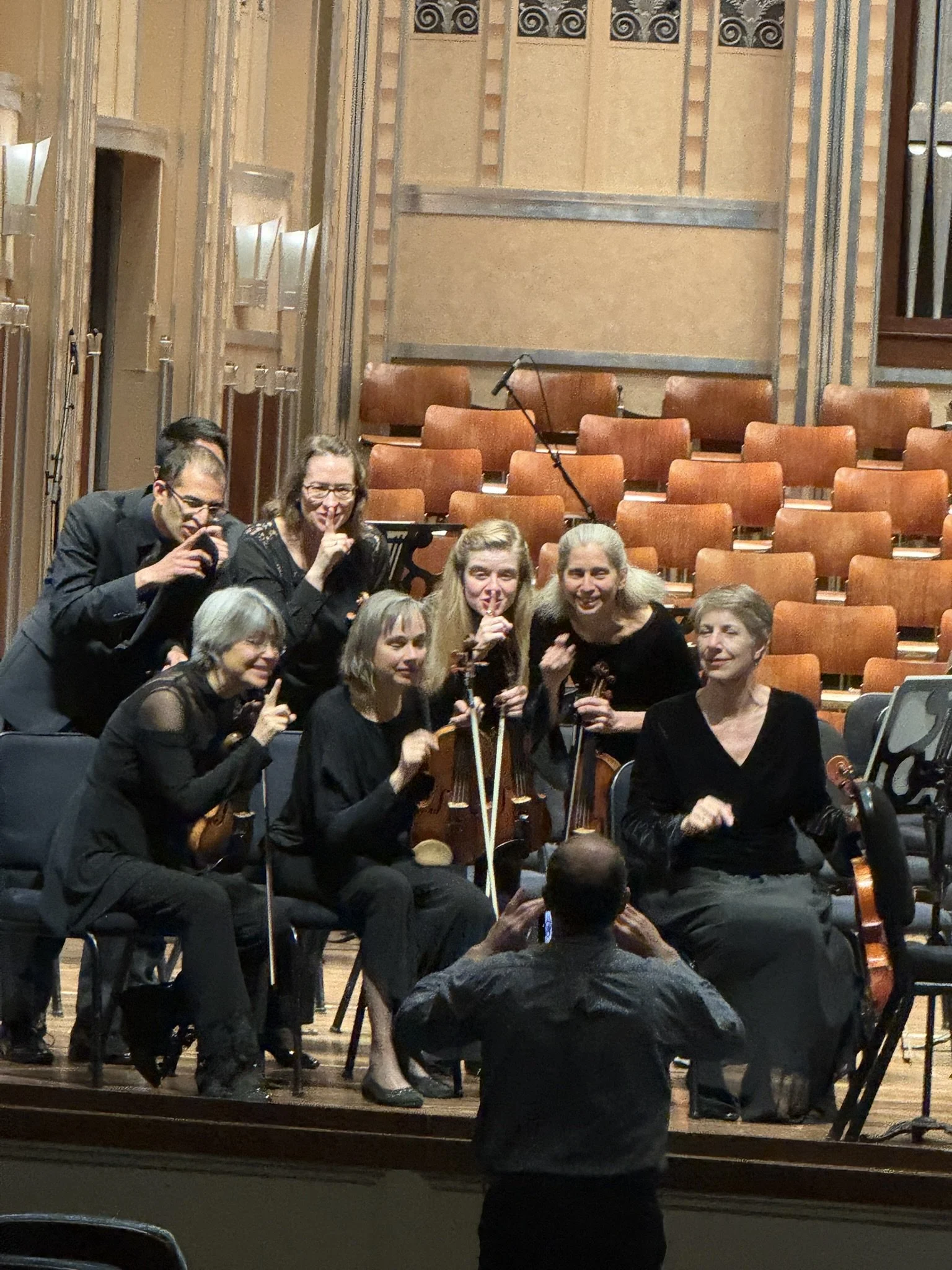
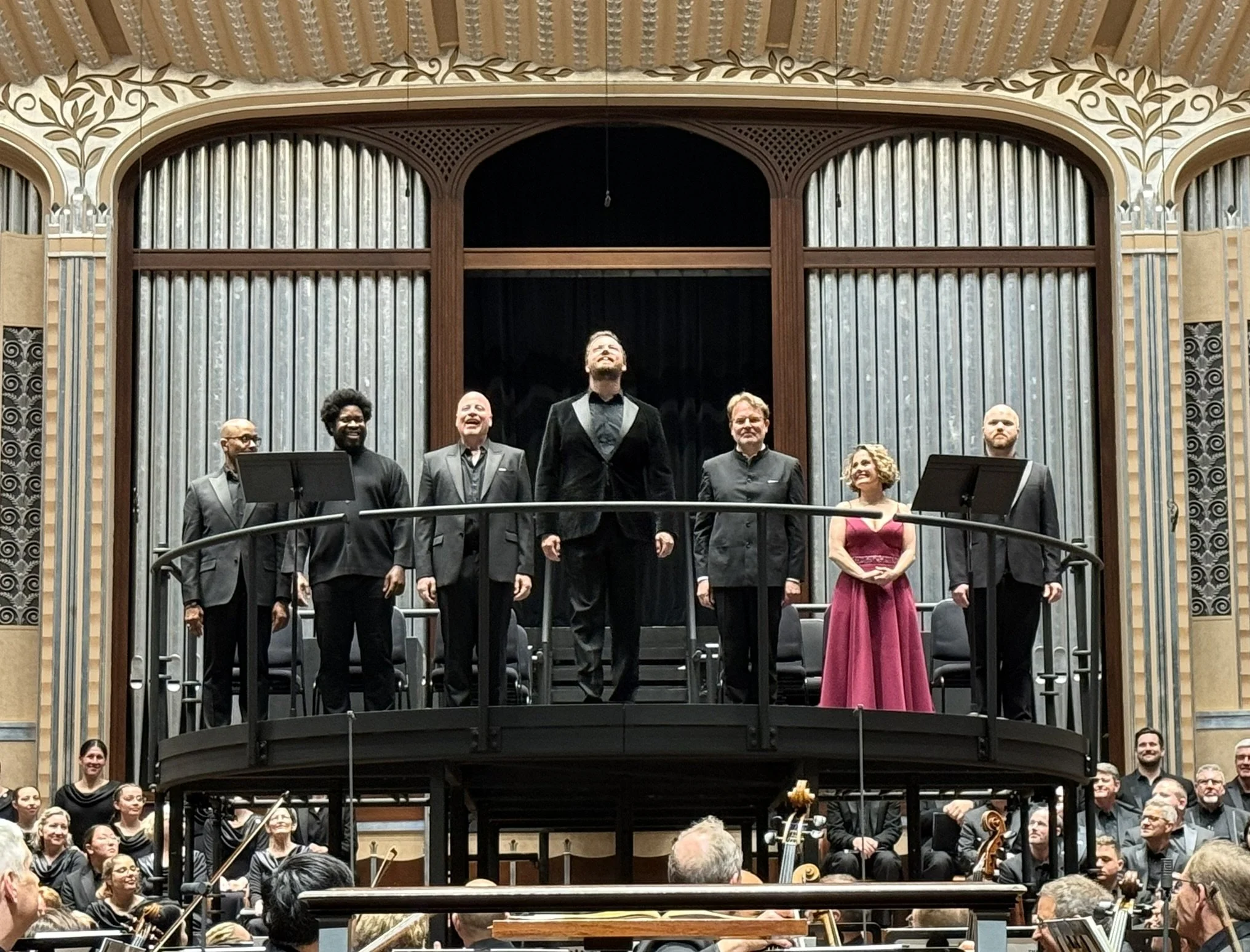
The Cleveland Orchestra's Beethoven opera Fidelio, conducted by Franz Welser-Möst.
I heard the Leonore Overture No. 3 at Carnegie Hall on 3.2025, and my impression was,
"Welser-Möst described Beethoven’s Leonore No. 3 as one of the greatest works written about freedom. This piece was originally composed as an overture for Beethoven’s opera Fidelio, a political prisoner rescue story, but it is often performed as a standalone work. Leonore is the woman who disguises herself as a man for two years to rescue her imprisoned lover, Florestan, deceiving those around her. She is like a goddess of freedom. The violin’s thrusting motion, joined by the rest of the strings, accelerates toward the coda at tremendous speed, portraying love, freedom, and courage more boldly and universally than perhaps any other work Beethoven wrote."
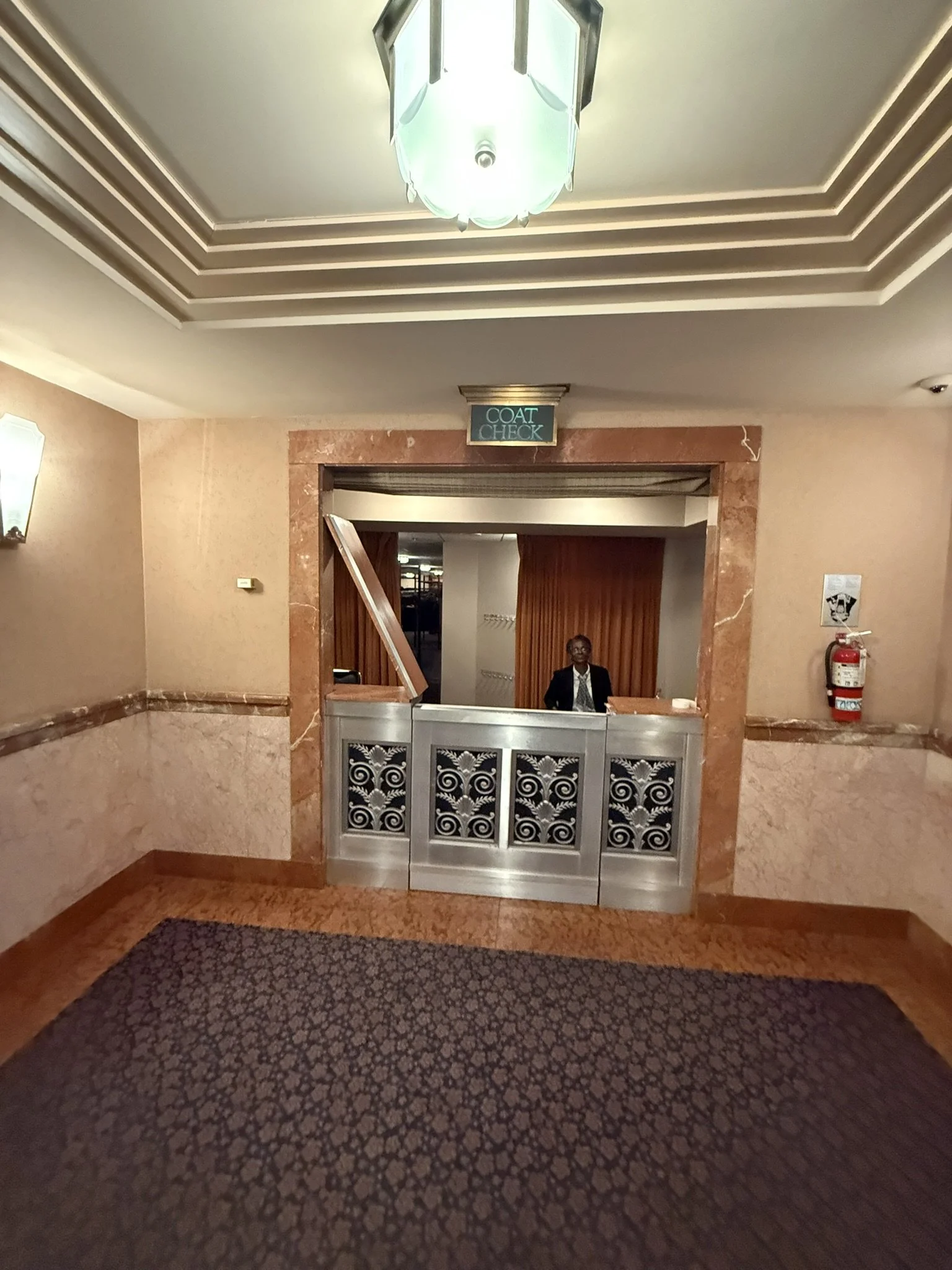
It was a slightly cloudy but pleasant day—neither hot nor cold. Severance Hall, built in 1931, gave me the impression that time itself had stopped. Looking at old photographs of its construction, I noticed a chapel visible in the background. Staring at the coat check and the woman sitting there, I felt as if I had slipped back in time. The shop was unchanged from a year ago, and I bought four stickers.
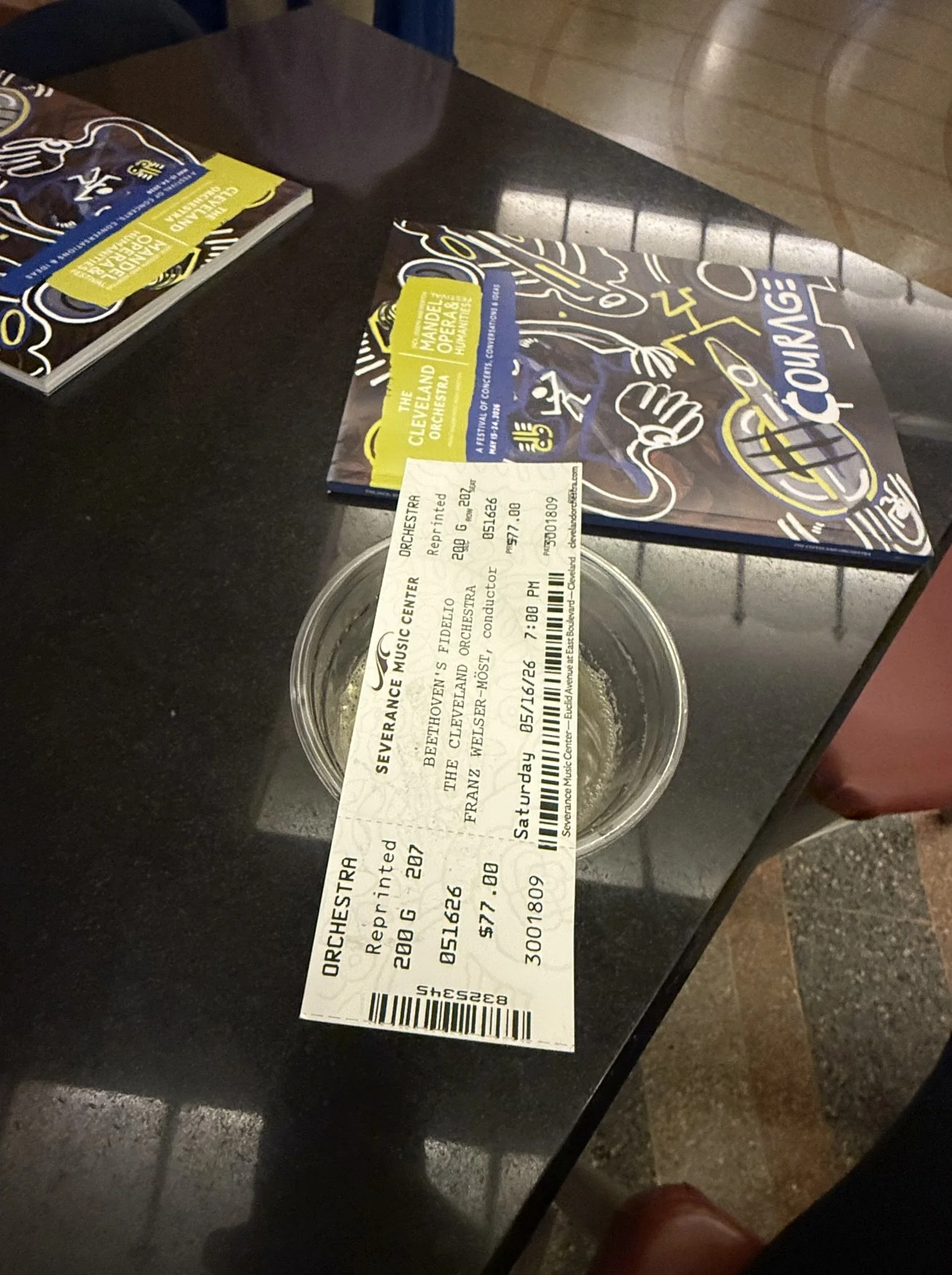
Time itself feels suspended here. There is a lounge anyone can use from the parking area. People were reading programs while eating pretzels with mustard and drinking beer. I received my ticket and relaxed in the lobby, bought prosecco, and sat watching people pass by. I spoke with someone who had played violin at Yale in the 1970s. Many people here have long histories with the classical repertoire. As the concert time approached, the hall gradually filled—families, couples, students, friends, and music lovers all gathering. I was seated dead center in row six. $77, that is what people pay to enjoy this in Cleveland.
Going upstairs from the lobby, you enter the venue itself. I felt the air of Severance again after a year, and my chest filled with emotion. From the back center of the hall, I saw Amy playing the overture theme. At Carnegie Hall, she had played Mozart’s Jupiter 4th mov. I moved closer and stood near the double bass, looking at the stage and audience. The day before, I had been at Philadelphia’s Marian Anderson Hall doing the same thing. Now I was doing it again in Cleveland. The sound, the air, and the presence of people were all different.
When I spoke with several audience members, everyone said Cleveland is unique. Wherever you go, people say the same thing. Everyone seems to have their own version of Cleveland, which means they love and take pride in the Cleveland Orchestra. Most of the audience seems to be local residents and students, though there are also music lovers from various fields. It is wonderful that people from different backgrounds can encounter the same sound, be inspired, and have their world open up. There were many engineers in particular.
The opening overture exploded like lightning with everyone’s individuality. No one was trying to match anyone else—each person’s own Fidelio resounded through Severance Hall, and I was astonished. After 26 years of experiencing Cleveland live, I find that in Carnegie Hall, it sounds refined and polished, while in Severance, it feels like lightning striking directly in front of you. In each episode, solo instruments such as oboe, flute, and clarinet are often intertwined with the vocal lines, allowing me to enjoy the unique sonic texture of Severance Hall. One inconvenience was that there was no espresso or coffee during intermission; it would be better to bring a thermos of coffee.
In the second half, David as Florestan was extraordinary. He was on another level. He reminded me of a male version of Lise Davidsen. The Cleveland Orchestra sometimes performs opera on stage using a raised structure, which can make the singers’ voices feel slightly less present compared to the orchestra. But this was not an issue for him at all. The same is true for Davidsen when she sings Isolde at the Met—her voice never feels obscured even within the stage structure. It is beyond that. It is the volume, the timbre, the individuality, and above all, an overwhelming energy. I felt a laser-like will in his voice, something that believes without doubt.
Opera is a tapestry woven from voices and orchestra. There is story and drama, but in the end, what truly captivates me is the voice itself and the interaction between the orchestra and the singing. David’s voice drew the orchestra toward him, and in “Gott! welch Dunkel hier!” (“God! What darkness here!”), Welser-Möst’s transparent and sincere presence allowed Florestan and the Cleveland Orchestra to resonate together, revealing a light found only in darkness. Freedom is the energy of attaining freedom itself. And once freedom is attained, it becomes another form of constraint. Therefore, the ensuing rush of the Leonore No. 3 sounded like a collective cry toward freedom.
I noticed the student next to me gradually becoming silent, the surrounding noise fading away. As the overture ended and the scene shifted to Pizarro, violist Richard Waugh caught my eye and smiled. No matter how many times I hear the Cleveland Orchestra at Carnegie Hall, only Severance Hall has this unique atmosphere and scent. Outside, there is a large pond and open grass where you can walk freely—something impossible in New York. In the lobby, wind flows through like a highland breeze. It is a place where both mind and body can truly relax. The audience is also unpretentious; no one is restless or disruptive. Young couples sit close together, listening happily.
From the cold and dry atmosphere of New York, the refreshing breeze of Cleveland rescued my heart. One year remains until Welser-Möst’s retirement.
5.16.2026 Severance Hall
メストとクリーブランドのベートーベンのオペラ、フィデリオを聴いた。
2025年の3月にレオノーレ3番の序曲をカーネギーで聴いた時の感想はこのようなものだ。
ベートーベンのレオノーレ3番をメストは自由について書かれた最高のものという。この曲はベートーベンの政治犯脱獄オペラ「フィデリオ」のために書かれた序曲だが単独で演奏される。レオノーレとは恋人を助けるために男性に変奏して2年、仲間をだまし続けて恋人のフロレスタンを救出する女性である。自由の女神だ。バイオリンの突進と他の弦楽器が集まってコーダに向かって猛スピードで疾走するこの曲はベートーヴェンが書いたどの曲よりも大胆に普遍の愛と自由と勇気を描いていた。
少し曇っていたが気持ちよく晴れた熱くも寒くもないいい日だった。セベランスは1931年に竣工。当時の写真を見ると、建設中の向こうにチャペルが見えた。コートチェックと座っているおばちゃんをじーっと見ていると、昔にタイムスリップしてしまった。ショップの方も1年前と変わらず。ステッカーを4枚買った。
とにかく、時間が止まっている。駐車場から中に入ってくると、ラウンジがあって、だれでも利用できる。プレッツェルにマスタードを塗ってビールを飲みながらプログラムを読む人がいた。私はチケットを受け取って、ロビーで寛いだ。プロセッコを買って椅子に座り行き交う人を眺める。70年代にイエールでバイオリンを弾いていた方と話した。セベランスも長年、クラシックのレパートリーに親しんできた人たちが大勢いる。公演が近づいてきて、人々がどんどん集まってくる。家族連れ、恋人、学生、友人、そしてただの音楽ファン。大勢集まってくる。私は6列目でど真ん中だ。77ドル。一般の方々はそのくらい支払ってこのような楽しみを持っているのだ。
ロビーから上に上がるとべニューに入ることが出来る。1年ぶりのセベランスの空気を感じて胸がいっぱいになる。最後部の中央から眺めるとエイミーが序曲のテーマを弾いていた。カーネギーではモーツアルトのジュピターを弾いていた。前に近づいてコントラバスの横からステージと客席を眺めた。私は前日、フィリーのアンダーソンホールにいて同じことをしていた。今、クリーブランドのセベランスで同じことをしてる。空間の音と空気、人の気配が違う。
何人かのお客さんと話すと、全員クリーブランドはユニークだという。どこにいってもみんんなそういう。みなさんがみなさんだけのクリーブランドを持っているということは、みなさんクリーブランド管弦楽団を愛していてとても誇りにしている。ここに集まったみなさんは、音楽ファンも多いと思うが、一般の地元の方や学生が中心と感じる。違う分野の方が同じ音色に触れ、触発され、世界が開けていくことは素晴らしいことだ。特にエンジニア系の方が多かった。
冒頭の序曲は稲妻の様にみなさんの個性が炸裂する。だれもだれにも合わせない、自分だけのフィデリオをセベランスに轟かせていて驚いた。クリーブランドをライブで体験して26年目。カーネギーでは美しく洗練されて聴こえるが、セベランスでは目の前で稲妻が走るようだった。各エピソードでは、オーボエ、フルート、クラリネットなどのソロ楽器がよく歌に絡んでセベランスの音の感触を楽しんだ。一つ困ったのは休憩にエスプレッソかコーヒーが飲めなかった。セベランスにいくときは水筒にコーヒーを用意していったらいい。後半はフロレスタンのデビットがすごかった。この人は男版のリセダビットセンのようだ。なぜそう感じたか。クリーブランドがオペラをステージでやるときは、ステージにやぐらを組んでその上で歌手が歌う。そうするとどうなるか。オケより歌手の声が薄く感じる。歌とオケが一緒に絡んで聴こえない。デビットは全然問題ではなかった。メットでリセがイゾルデを歌った時も、ステージのトンネルの中で声がこもって聴きづらことはなかった。彼らには関係ないのだ。声量、声質、クセ、そして何よりも漲るエネルギー。何かを信じて疑わないレーザービームのような意思を声と歌に感じる。オペラは歌とオーケストラが織りなす音楽のタペストリーだ。話とドラマもあるが、最終的には歌声その物、または管弦楽と歌の絡み合いそのものに心を奪われてしまう。デビットの声にオーケストラは惹き合い、Gott! welch Dunkel hier! 神よ、なんという暗闇だ、メストの透明で誠実な佇まいが、フロレスタンを歌うデビットとクリーブランド管弦楽団の声を轟かせ暗闇の中にしか見いだせない光をみせてくれた。自由とは、自由を獲得するエネルギーだ。自由になればそれはそれで不自由だ。だから、その後のレオノーレの3番の疾走は、自由に向かう彼らの叫びに聴こえた。隣の学生の頭のざわざわが消えていくのがわかった。序曲が終わり、ピツァロの場面に入ると、ビオラのRichard Waughと目が合い笑顔を見せてくれた。どんなにカーネギーで毎年クリーブランドを楽しんでも、このセベランスホールでしか味わえないクリーブランド管弦楽団の匂いや空気。外に出ると大きな池があり、芝生の上をたっぷりあるくことができる。ニューヨークでは不可能だ。ロビーでは風がたっぷり入ってきて、レノックスの高原のようだ。要はのんびりして心と体に大変いい場所だ。お客さんも素朴で、○○の○○で○○している人が真ん中にいてざわざわしたりしていない。若い夫婦も肩を寄せて幸せそうに聴いている。
冷たく乾いたニューヨークの空間から、クリーブランドの爽やかなそよ風は私の心を救出してくれた。メスト退任まで後1年。