5.23.2026 — David Geffen Hall
Marek Janowski with the New York Philharmonic was a rainy Mendelssohn evening.
On the way to the hall, jazz was playing, and I listened. In the lobby of David Geffen Hall, I bought a whiskey and sat down on a bench to relax. They poured quite a generous amount. The person next to me was German, and we talked about concerts and conductors. On the other side was a Jewish woman, and we talked about Mahler. They both loved Mahler and Wagner. The three of us talked about summer concerts, and before long, the whiskey was nearly gone, and it was time to take our seats.
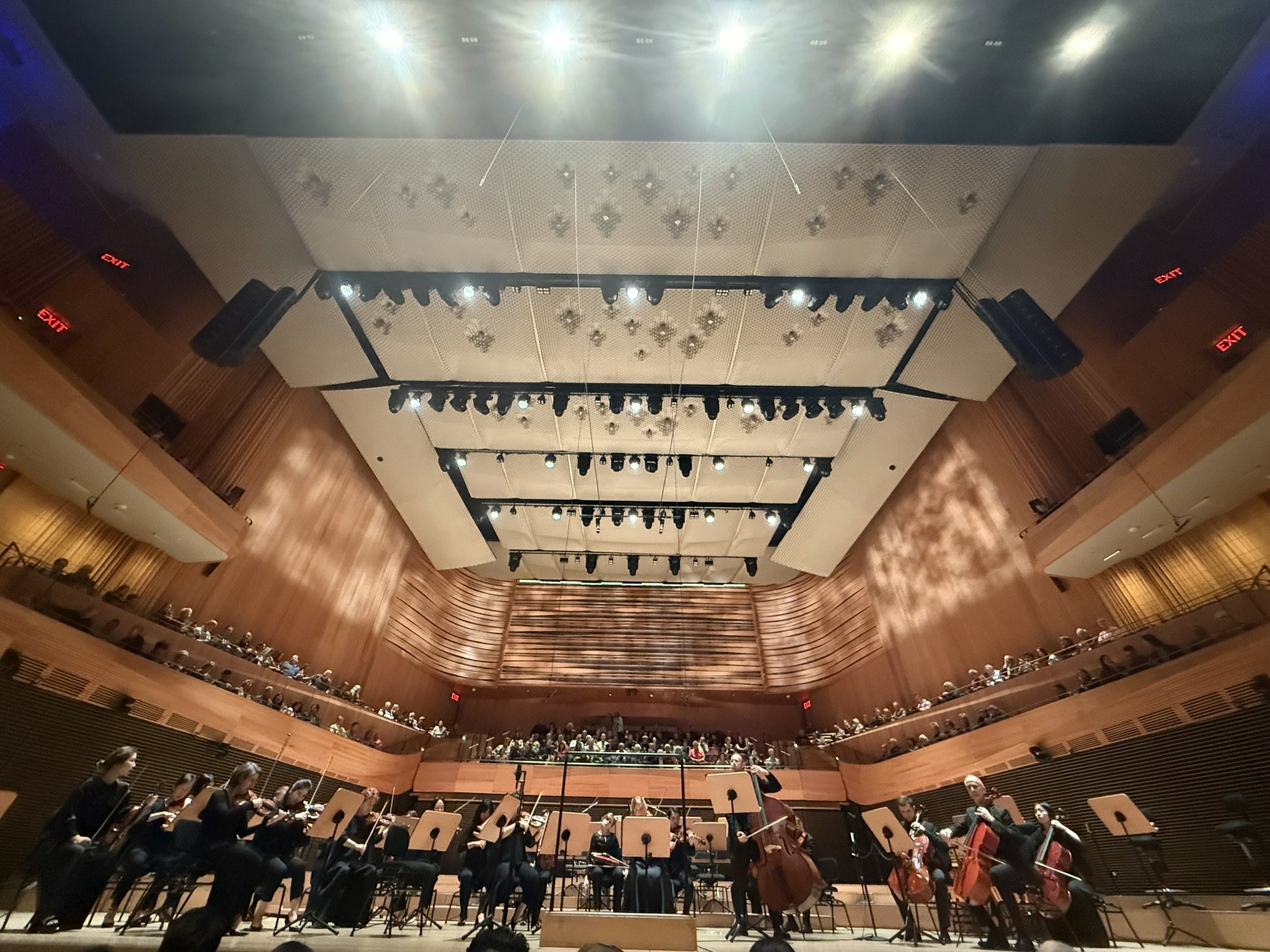
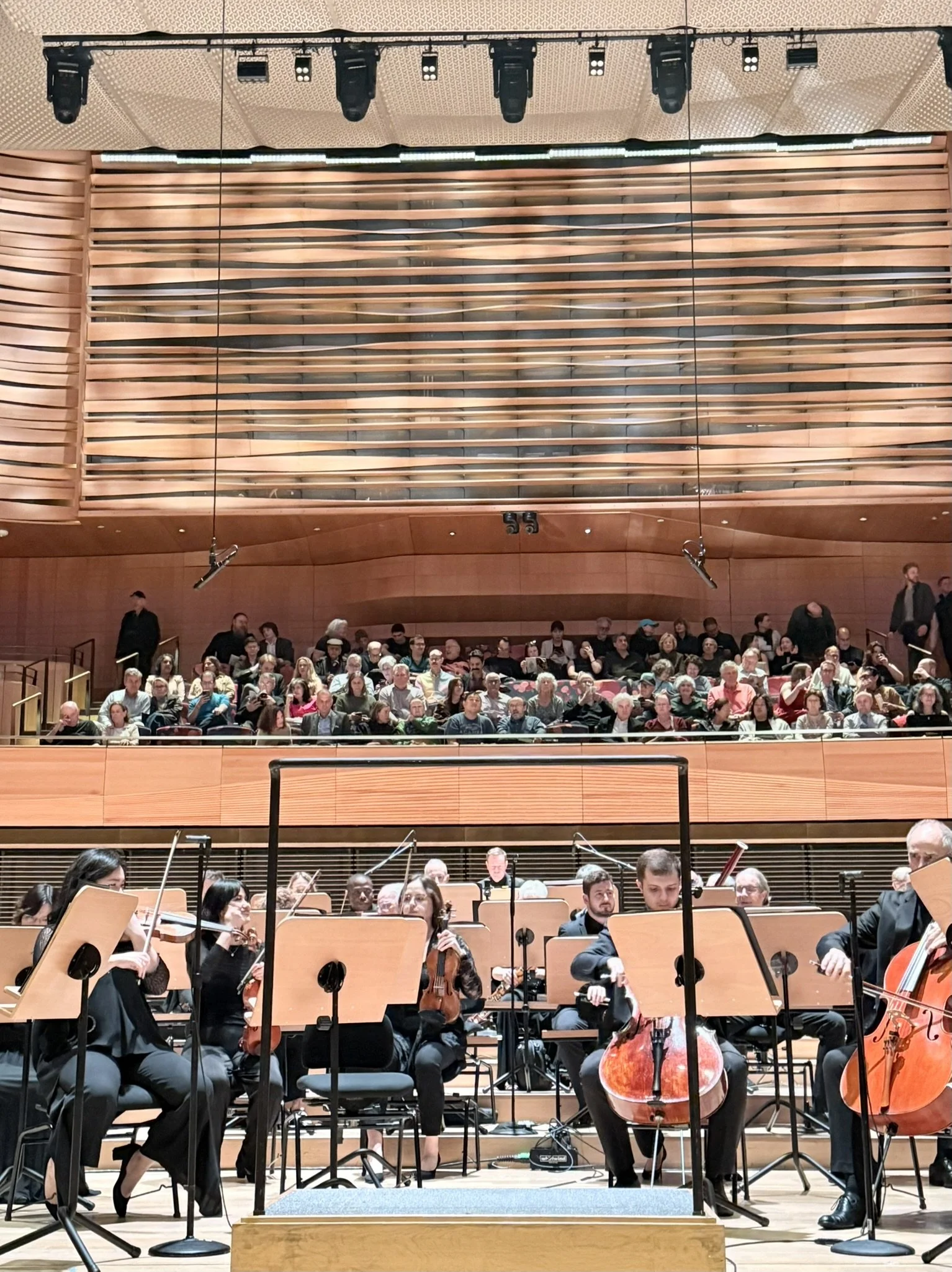
The first piece was Mozart’s serenade. It was written in Salzburg for carnival celebrations. The ensemble is small, but the solo violin, viola, and double bass were placed centrally. Max Zeugner’s double bass was fascinating. Next to him were the cello tutti players. While the double bass produced a soft, light tone as a solo voice, the cellos sometimes accompanied him, sometimes supported him.
A rainy Saturday night in New York made the sound feel slightly weighty. Against this dense orchestral texture, the double bass sounded light and bright, almost delicate. It was a gentle, moist atmosphere.
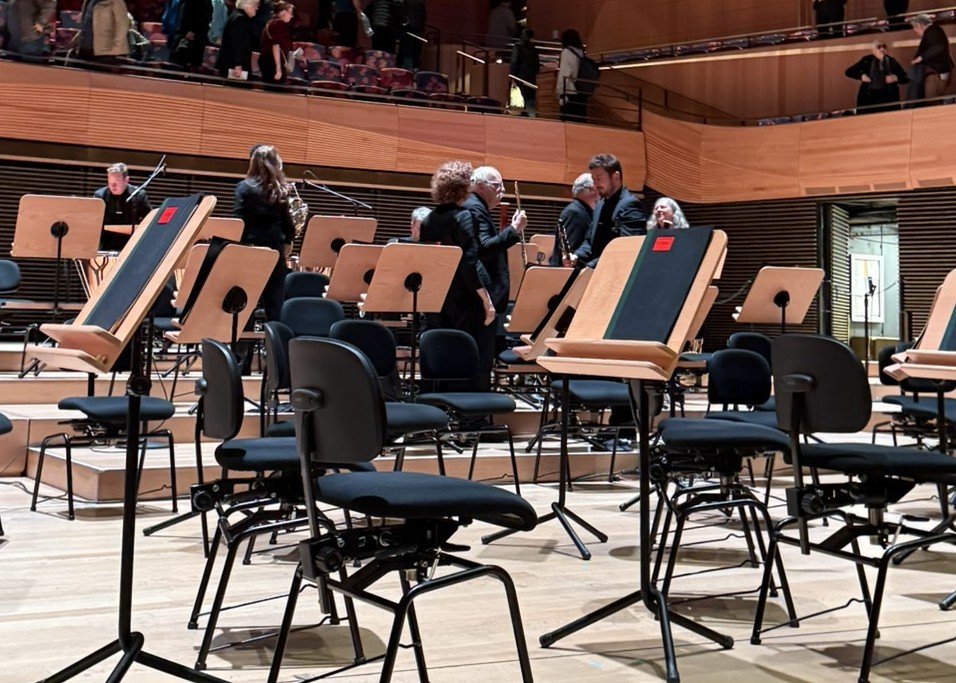
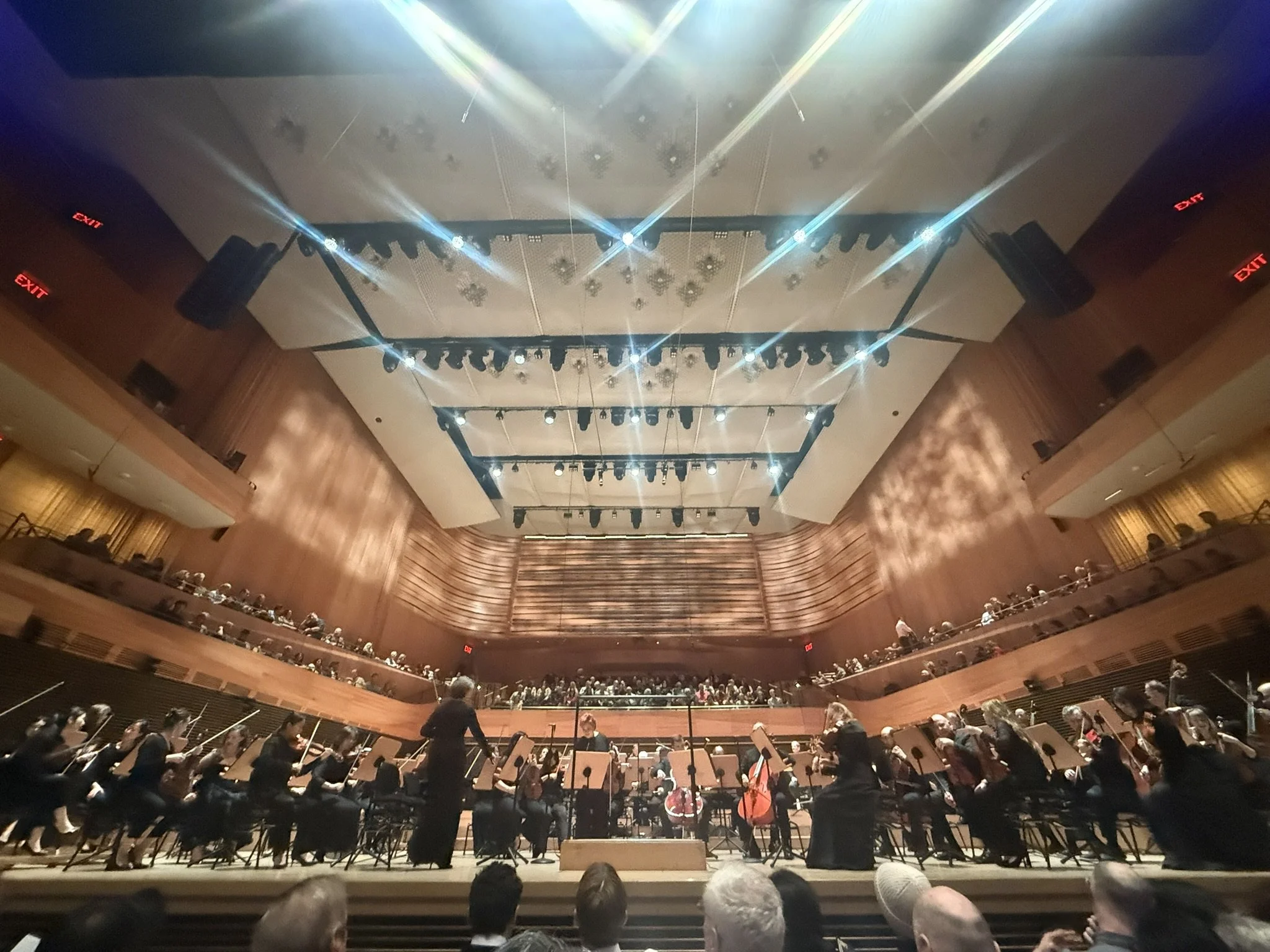
The acoustics of David Geffen Hall are fascinating. When the sound is focused, the tone itself appears right at the listener’s ear. But when the sound is released into the space, it expands into a 360-degree sound field. Sharp focus and vast spatial breadth coexist. In other words, the resolution is extremely high while the soundstage remains wide. It feels as if the amount of perceptible information exceeds even Disneyland in Los Angeles. The stage also immediately reflects the hall's collective awareness.
Janowski’s conducting, like Solti’s, uses strong bodily gestures—tight, forceful movements that shape accents and timing. While listening to Mendelssohn, I realized that although the fine details of phrasing and dynamics were created by the musicians themselves, Janowski’s baton drew out a larger flow within the music while revealing another, deeper world within it.
The program note mentioned that this Mozart piece was composed in Salzburg at a time when spatial awareness in music was beginning to emerge. Like perspective in painting, sounds appeared and disappeared in depth and shadow.
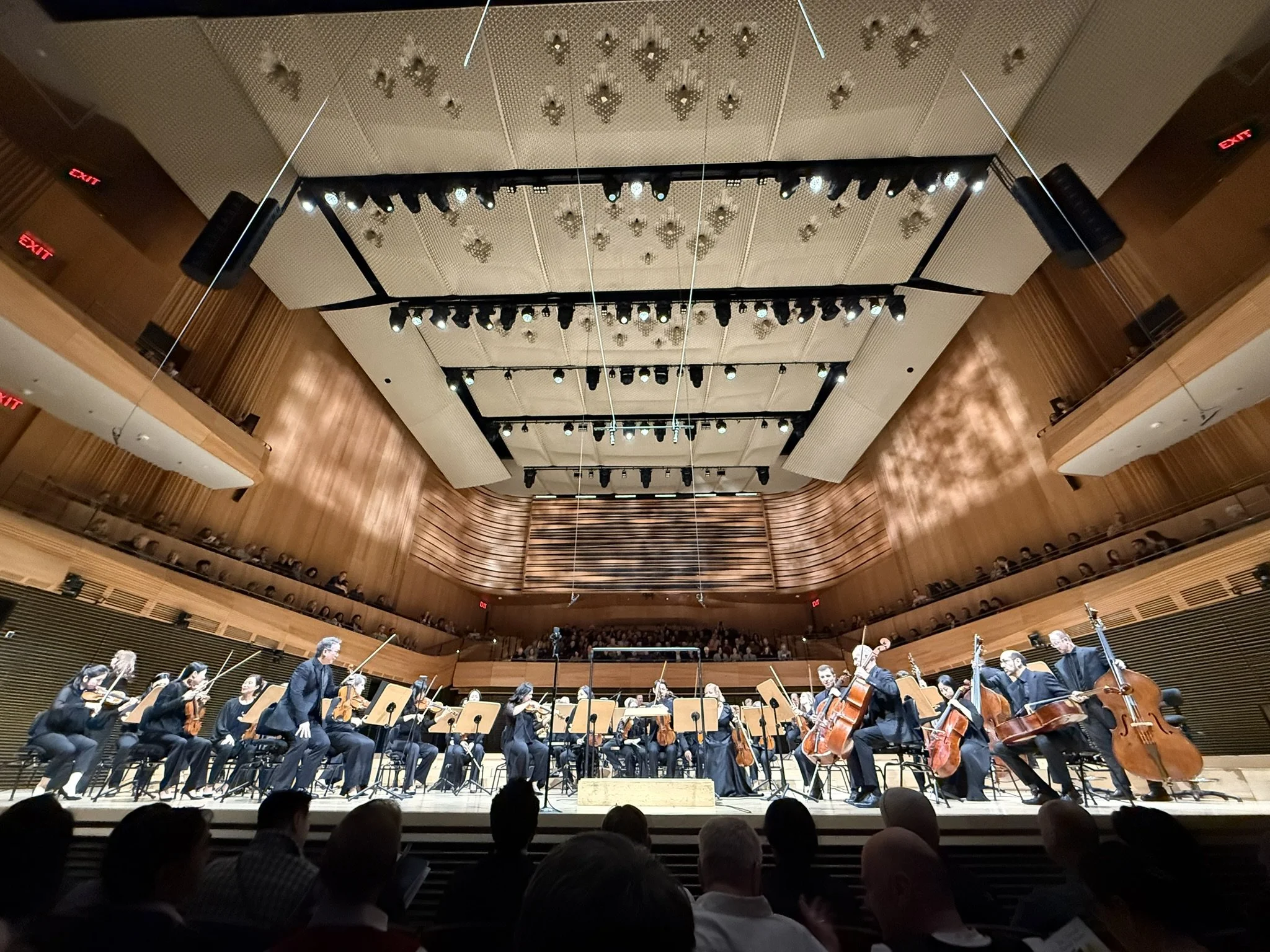
The second piece, Haydn’s Trumpet Concerto, was extraordinary. The trumpet solo sounded like metal cutting through the hall, resonating with tremendous force. The dynamic and expressive range between strings and winds felt strikingly different.
This concerto was written for a valved trumpet, allowing chromatic notes, and I enjoyed how the theme shifted through semitone movement.
The interaction between the orchestral texture and the trumpet’s themes and variations felt as if the sound was undulating through space. At times, the trumpet sang within the strings’ timbre; at others, its metallic sound cut through the orchestral fabric. It was a fascinating experience.
I would like to hear chamber music for wind instruments by French modern composers and Italian contemporary composers performed by the New York Philharmonic’s solo players. David Geffen Hall is truly a place where one can experience the present moment.
Henri Tomasi
André Jolivet
Luciano Berio
Franco Donatoni
The second half was Mendelssohn’s Scottish Symphony. The tone was light and soft. Rather than dramatic force, it felt as if Mendelssohn’s memory was unfolding before my eyes.
I sensed the traces of how this music has been performed over many years in many places, and the impressions it has left in people’s memories. It was grounded and solid, inviting a deep contemplation of overlapping layers of sound.
The oboe was Philippe Tondre. His sound was bright and strong. When he played in unison with the viola, it felt like an entirely different layer of sound.
Robert Langevin’s flute was outstanding. Whether in solo or unison passages, it always created transparent light and a humid spatial atmosphere. It was not “playing” in a performative sense, but rather shaping the air itself.
When the two blended, the result was an indescribable beauty that made listening deeply rewarding.
The horns were also expressive, and Anthony’s clarinet as well. Janowski’s Mendelssohn brought out complex textures, floating like a submerged city resting at the bottom of a lake. The sound of the rainy New York Philharmonic was magnificent.
Janowski returned for a third curtain call, smiling as he acknowledged the audience and the orchestra. With his right hand open, palm facing backward behind his body, he slowly walked off the stage. It felt as if he was saying, “Goodbye,” as he left.
Marek Janowski, Conductor
Christopher Martin, Trumpet
MOZART Serenade No. 6 in D major, K.239,
(1756–91) Serenata notturna (1776)
Marcia (Maestoso)
Menuetto — Trio
Rondeau: Allegretto
FRANK HUANG, QIANQIAN LI,
Violin
CYNTHIA PHELPS, Viola
MAX ZEUGNER, Bass
HAYDN Trumpet Concerto in E-flat major,
(1732–1809) Hob. VIIe/1 (1796)
Allegro
Andante
Finale. Allegro
CHRISTOPHER MARTIN
Intermission
Fe. MENDELSSOHN Symphony No. 3 in A minor, Op. 56,
(1809–47) Scottish (1840–42)
Andante con moto — Allegro un
poco agitato
Vivace non troppo
Adagio
Allegro vivacissimo — Allegro
maestoso assai
(played without pause)
Mozart set
Haydon set
Mendelssohn set
5.23.2026 David gueffin Hall
ヤノフスキとニューヨークフィルの演奏会を聴きにいった。雨のメンデルスゾーンだ。
会場まで、ジャズが流れていて聴きながらまった。デビットゲフィンのロビーでウィスキーを買ってベンチに座り寛いだ。大分たっぷり入れてくれた。隣の方がドイツ人で演奏会や指揮者の話になった。別となりはユダヤのご婦人で、マーラーの話になった。彼らはマーラーもワーグナーも大好きだった。3人で夏の演奏会の話などをしたらウィスキーが大分無くなり時間になったので席についた。
1曲目はモーツアルトのセレナーデ。ザルツブルクで謝肉祭のために書いた。小さな編成だが、ソロのバイオリンやビオラ、そしてコントラバスが中央にいた。Max Zeugnerのコントラバスが面白かった。彼の横にはチェロのトゥッティがいる。コントラバスの柔らかいトーンがソロでなっている横で、チェロのトゥッティが伴奏したりしていた。土曜の夜の雨のニューヨークは、響きが少し重い。この重いオケにコントラバスの軽くて明るい響き。しっとりしている。デヴィッド・ゲフィン・ホールの音響は面白い。音が集中しているとき、音色そのものが耳元に現れる。しかし響きを空間へ解放すると、今度は360度に音場が広がっていく。焦点の鋭さと空間の広さが同時に存在している。要は解像度が高く幅が広い。人間が知覚できる情報の量はロサンゼルスのディズニーよりも多いと感じる。ステージは会場の意識もすぐに感じてとれるということだ。ヤノフスキの指揮はショルティの様に体をぐぎっと動かして、アクセントをつけたり、タイミングを引き出している。メンデルスゾーンを聴いているときにわかったが、セクションごとの細かな表情や強弱は彼らが自分たちで作っていて豊かさを感じたが、ヤノフスキの指揮棒が大きな流れと音楽の中にまた音楽の世界がある深い音色を引き出していた。
プログラムにモーツアルトのこの曲はザルツブルクで空間を意識しだした時の曲だそうだ。絵で言うと遠近法の様な、音が影に隠れたり現れてたりした。
2曲目のハイドンではトランペットのソロがすごかった。金属の音がずーんとホールを切り裂くように響いていた。弦楽器と管楽器ではこのくらいダイナミクスも表現の幅も違う。また、これはバルブのトランペットに書かれていて、半音が出せるので、半音でテーマがシフトしていく部分を楽しんだ。オーケストラの響きにトランペットのテーマや変奏が空間をうねったり、弦楽器の音色にトランペットの金属の音色が歌ったりするのは面白い体験だった。フランスの近代のとマジやイタリアの現代作曲家の管楽器の名曲も、ニューヨークフィルのソロのメンバーの演奏で聴いてみたい。デビットゲフィンは、まさに今を体感できる場所だ。
Henri Tomasi
André Jolivet
Luciano Berio
Franco Donatoni
後半はメンデルスゾーンのスコットランド。音色が軽くて柔らかかった。演奏の迫力というよりは、目の前にメンデルゾーンの記憶が広がるようだった。メンデルスゾーンが長い年月をかけ様々な場所で演奏され、人の記憶や印象に残った影を感じる。どっしりしていていろんな音の重なりやまざりを深く見つめるような体験だった。オーボエはフィリップ・タンドレだった。音が明るく強い。ビオラとユニゾンをしたときは全く別な音の層だった。Robert Langevinのフルートが素晴らしかった。ソロでもユニゾンでも、どんな場面でも、透明な光や湿った空間。プレイというよりはそういった、その場の空気を描いている。そしてこの2人の音色がブレンドされると音楽の聴きごたえが言葉にならない美しさだ。ホルンもそうだし、アンソニーのクラリネットもそうだ。ヤノフスキが指揮するメンデルスゾーンのアンサンブルは、複雑なテクスチャを、まるで湖の奥に眠る街の佇まいのように浮かび上がらせていた。雨のニューヨーク・フィルの響きは見事だった。
ヤノフスキは3回目のカーテンコールに再び姿を現し笑顔で聴衆とステージのニューヨークフィルの拍手に応えた。ヤノフスキの右手。パーのまま体の後ろで手のひらを開いたまま、ゆっくり歩いてステージを後にする姿。それではごきげんようと言って去っていったようだった。