Suffering → consolation → light.
From the very beginning, everyone’s timing seemed individual—voices erupting all at once—yet the balance of brass and percussion and the horizontal lines remained stable. They collided and formed a massive, cohesive block.
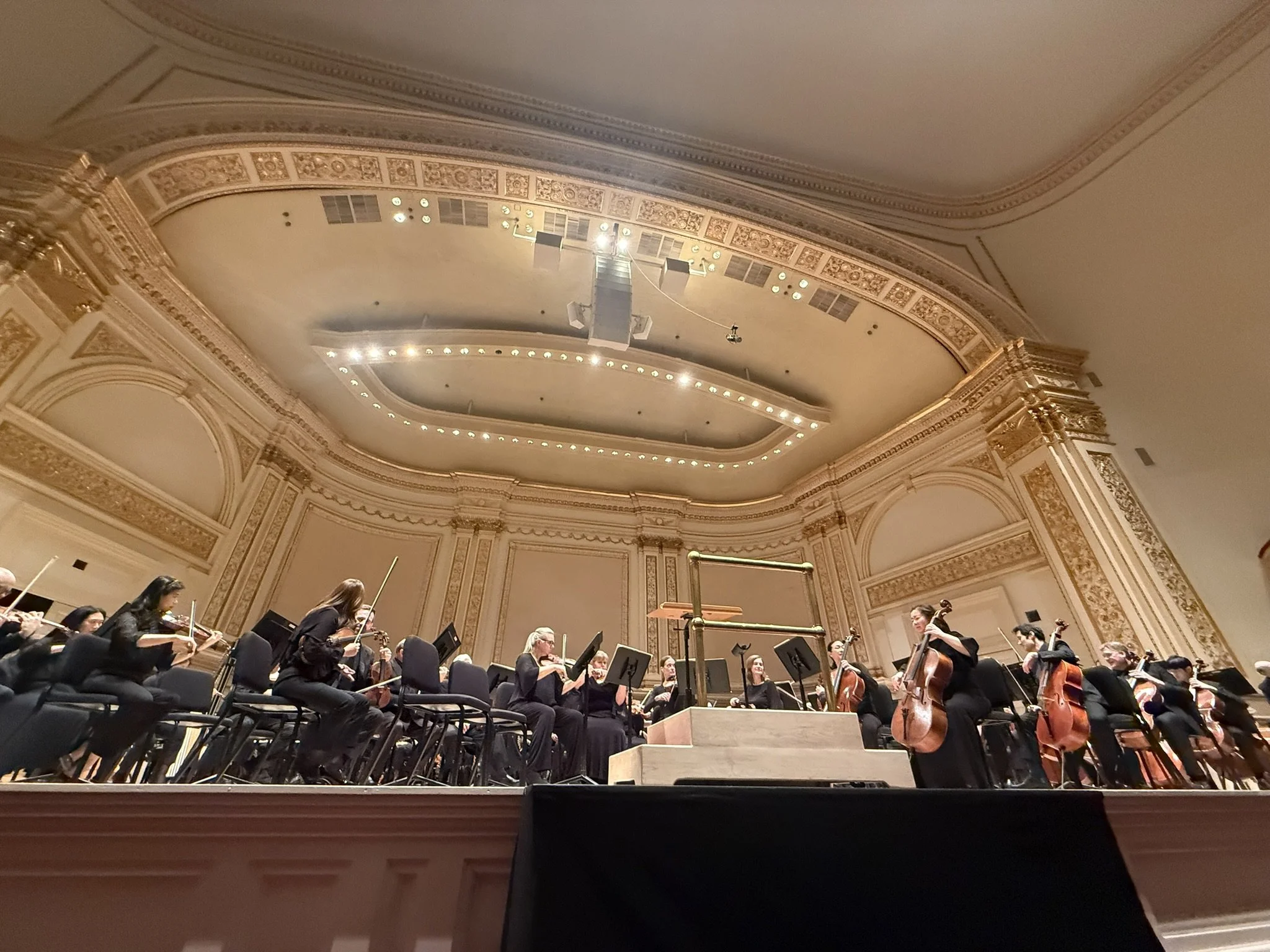
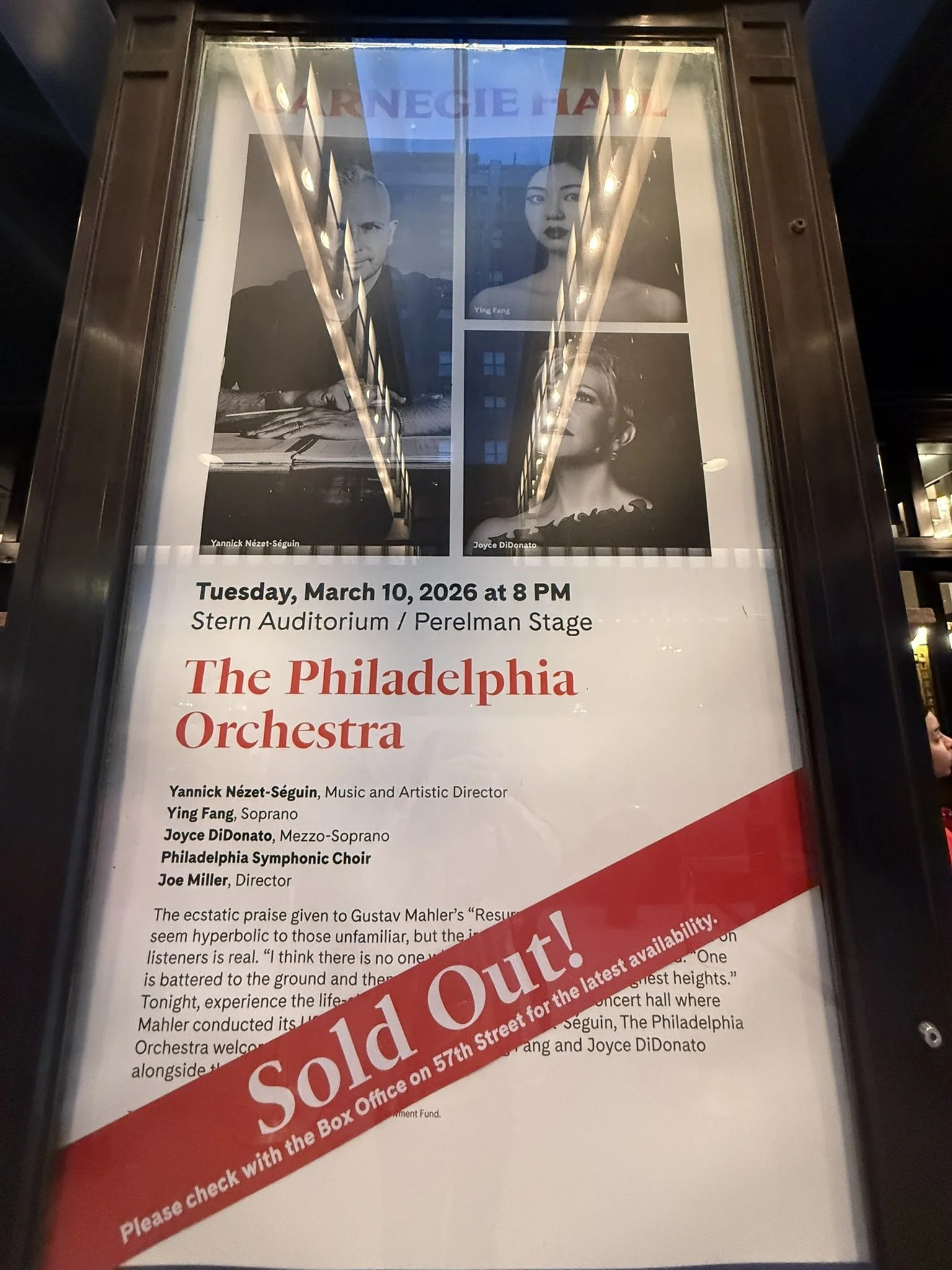
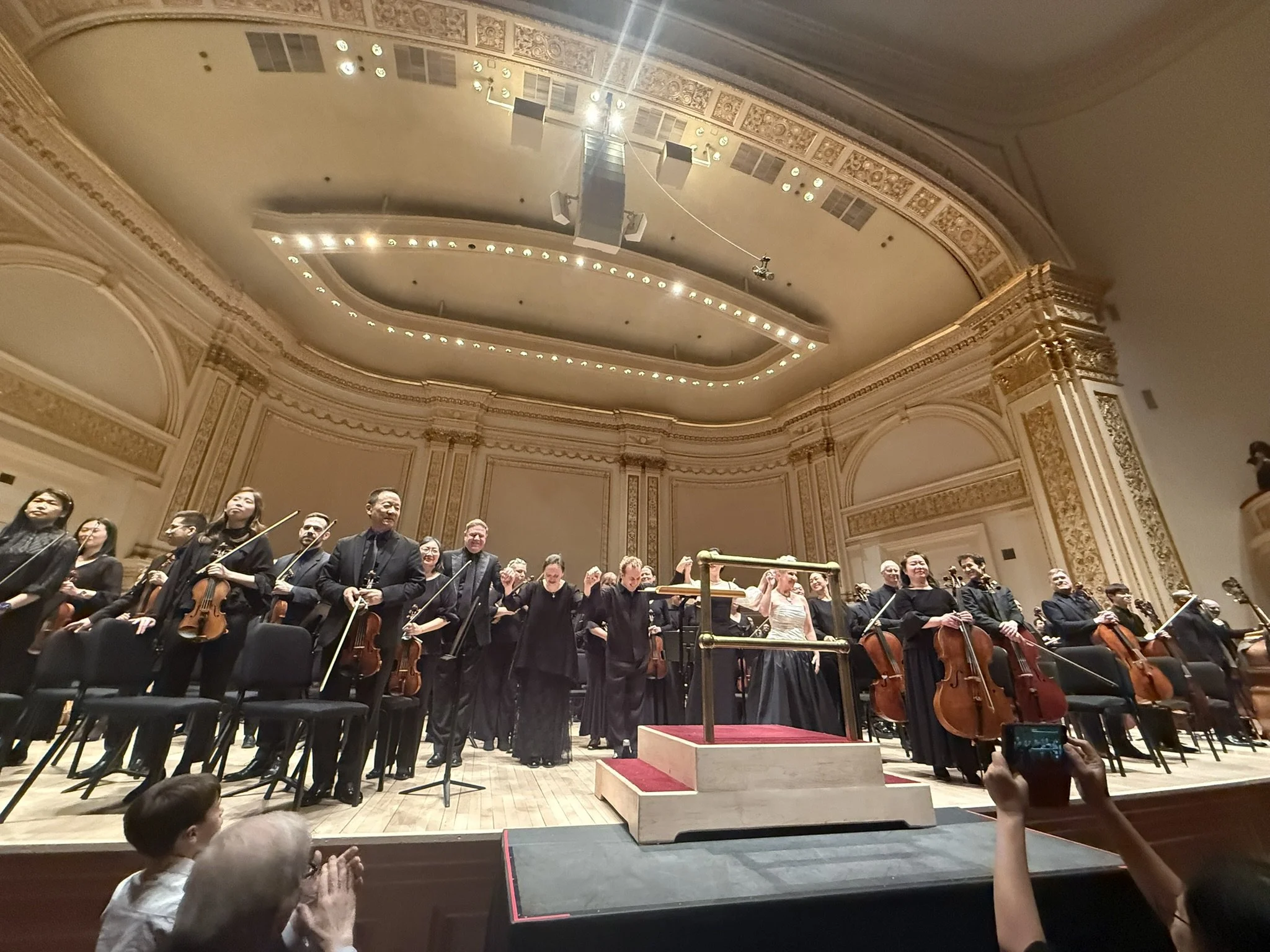
On March 10, 2026, at Carnegie Hall, I heard Yannick Nézet-Séguin and the Philadelphia Orchestra perform Mahler’s Symphony No. 2. The orchestra’s setup was enormous; the conductor’s podium extended beyond the stage, and the concertmaster David Kim’s right foot even hung off the edge. The opening featured high violins suspended in anxious tones, while cellos and double basses repeatedly played a theme reminiscent of Kaikobad from Strauss’s Die Frau ohne Schatten. A relentless succession of suffering. The rows of musicians each bore the weight of Mahler’s torment and projected it in a march of anguish. Then the brass introduced light, and the suffering violins briefly transformed into something beautiful, only to be drawn back into the darkness of Kaikobad. Kaikobad is like a toxic corporate world—pitch-dark and absurd, alternating with moments akin to watching the sunrise by a lake. Horns rang with crystal-clear brilliance, evoking memories of previous lives. Solos—from flutes to violins—appeared like shadows of my own path, only to be crushed again by the all-encompassing darkness. Absurd, cosmic, overwhelming blackness seemed to swallow everything, leaving me at a loss. Yet the powerful brass bursts and relentless timpani strikes resisted this darkness. Yannick’s Philadelphia Orchestra becomes a microcosm of society, extracted and channeled through Mahler, exploding in our hearts. That’s why even children are enthralled.
2nd Movement
A waltz (sehr gemächlich). Here, I felt the sound and timbre more than the rhythm. Nicht eilen: horn tonguing went pon pon pon pon, like glass spheres. Violins and cellos danced strangely within it, and when the flute sang with exceptionally rich beauty, the dance and song intertwined enchantingly.
3rd Movement
Yannick began by placing his baton on the stand; the timpani struck sharply, like the curtain rising on a new scene. Then he took up the baton, beginning a dance. Strings flowed smoothly while winds ticked peculiarly—a unique Yannick lilt. Sehr getragen und gesangvoll: the middle section was very slow, warm, and gentle, melting into Carnegie Hall’s space. Returning to the strange dance, sudden shocks erupted, followed by elegant, rich, soul-stirring dances; I closed my eyes at that point.
4th Movement (Urlicht)
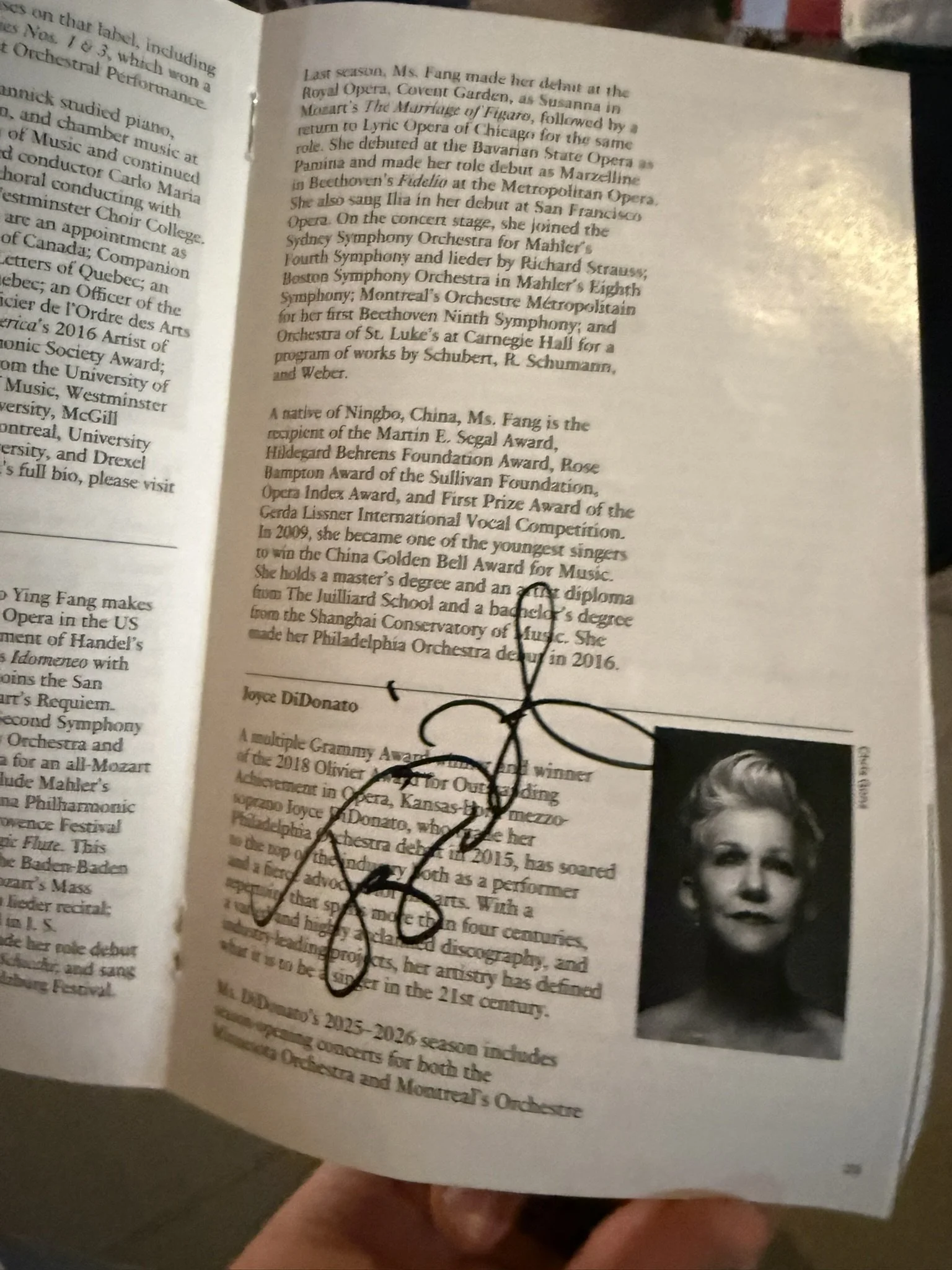
Joyce DiDonato’s mezzo voice came from the far left.
O Röschen rot!
Der Mensch liegt in größter Not;
Der Mensch liegt in größter Pein!
Je lieber möcht’ ich im Himmel sein.
Wenn ich ein Vögelein wär’
Und auch zwei Flüglein hätt’,
Flög’ ich zu meinem lieben Gott,
O Röschen rot!
Translation:
O little red rose!
Mankind lies in direst need;
Mankind lies in direst pain!
How much rather would I be in Heaven.
If I were a little bird,
And had two little wings as well,
I would fly to my dear God—
O little red rose!
The performance felt like a confession of suffering within the mist. The “red rose” symbolizes the pain of striving to grasp something beautiful. Angelic, soft brass and oboes supported her, as if wishing to ascend to heaven. Harps plucked lightly; DiDonato, David Kim’s violin, and clarinet with triangle intertwined, suggesting wings that could carry her to God. Then an overwhelming shock struck; I wiped tears and nose with a handkerchief, looking again at the stage. A delicate string pizzicato fugue introduced the Resurrection theme. The Philadelphia Orchestra and Yannick painstakingly polished each sound from scratch. Eventually, a brass chorale, horn fanfare, shimmering string tremolos, low strings covering the earth, and a piccolo piercing the sky heralded Molto ritenuto—the march to gain wings.
Flutes played a Falcon-like Strauss-inspired solo; the choir arose like mist:
Aufersteh’n, ja aufersteh’n wirst du,
Mein Staub, nach kurzer Ruh!
Unsterblich Leben
You shall rise again—yes, rise again—
My dust, after a brief rest!
Immortal life
A sense emerged from within. The children’s soprano voice seemed to rise from the choir, clearly audible.
Wird, der dich rief, dir geben.
Wieder aufzublüh’n, wirst du gesät!
Der Herr der Ernte geht
Und sammelt Garben
Uns ein, die starben!
He who called you will grant it to you.
You are sown to bloom anew!
The Lord of the Harvest goes forth
And gathers the sheaves—
Gathering us in, who have died!
Suddenly, tension and anxiety returned:
O glaube, mein Herz, o glaube:
Es geht dir nichts verloren!
Dein ist, ja dein, was du gesehnt,
Dein, was du geliebt, was du gestritten!
O glaube: Du wardst nicht umsonst geboren!
Hast nicht umsonst gelebt, gelitten!
Oh, believe, my heart—oh, believe:
Nothing is lost to you!
Yours it is—yes, yours—what you have longed for;
Yours, what you have loved, what you have striven for!
Believe: you were not born in vain!
You have not lived or suffered in vain!
Male voices continued:
Was entstanden ist, das muß vergehen!
Was vergangen, auferstehen!
Hör auf zu beben!
Bereite dich zu leben!
What has come into being must pass away!
What has passed, must rise again!
Cease your trembling!
Prepare yourself to live!
The choir shouted a commanding “Prepare to live!”
Alto and soprano voices sang together:
O Schmerz! Du Alldurchdringer!
Dir bin ich entrungen.
O Tod! Du Allbezwinger!
Nun bist du bezwungen!
Mit Flügeln, die ich mir errungen,
In heißem Liebesstreben
Werd ich entschweben
Zum Licht, zu dem kein Aug’ gedrungen!
O Pain! Thou All-Pervader!
From thee have I broken free.
O Death! Thou All-Subduer!
Now art thou subdued!
With wings that I myself have won,
In ardent striving of love,
I shall soar away
To the Light that no eye has ever reached!
Mit Flügeln, die ich mir errungen,
Werd ich entschweben!
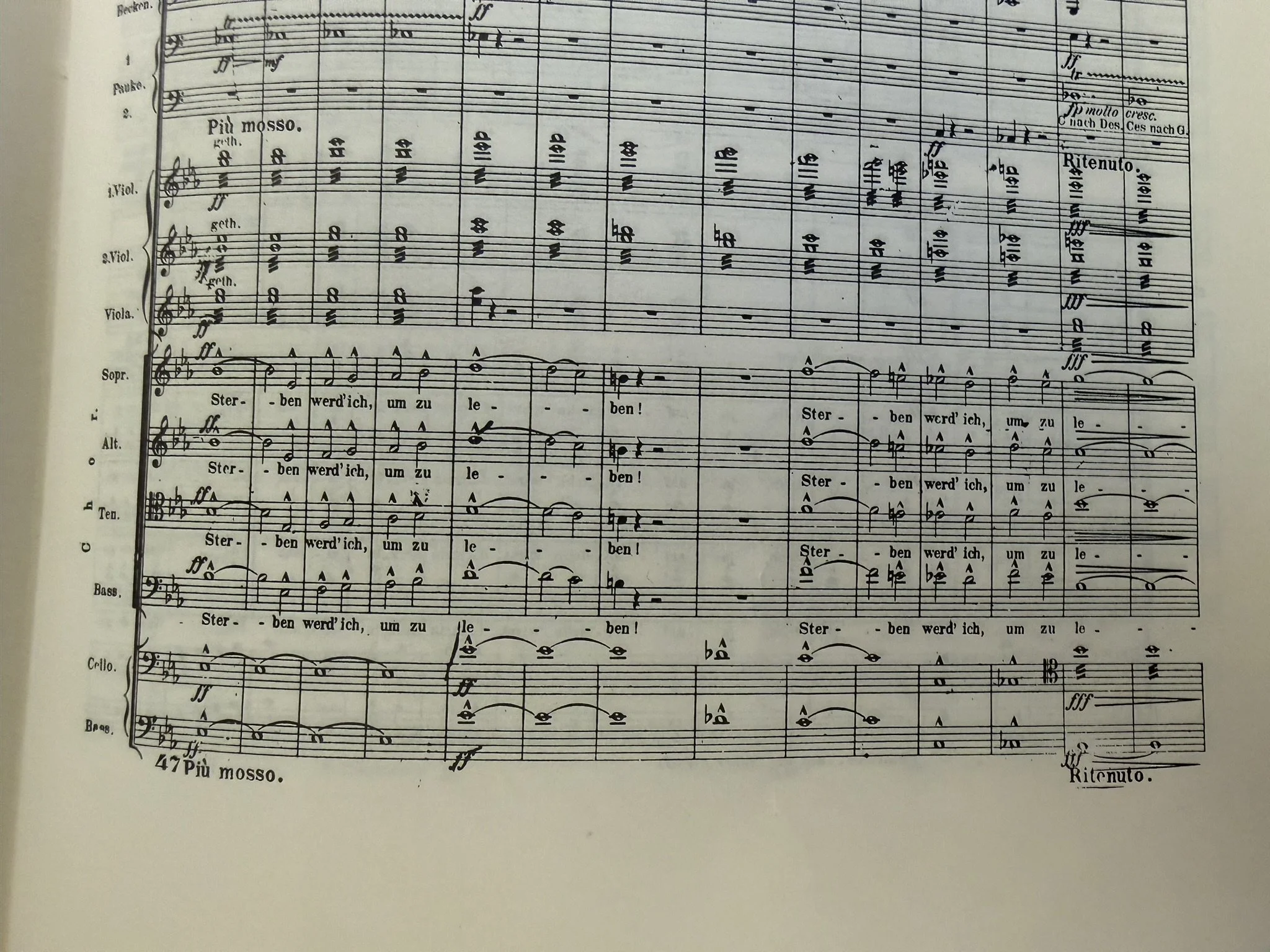
Sterben werd’ ich, um zu leben!
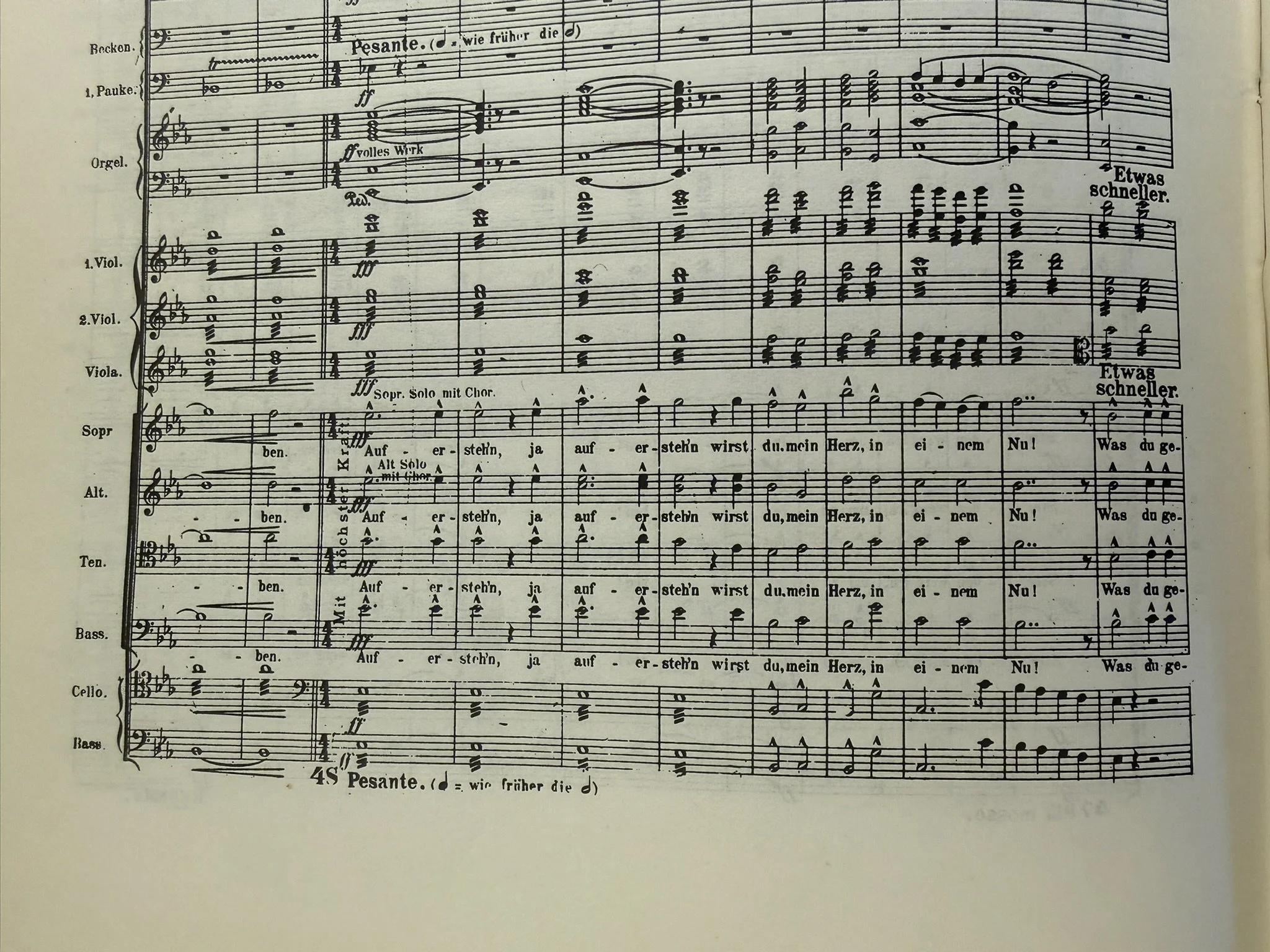
Aufersteh’n, ja aufersteh’n wirst du,
Mein Herz, in einem Nu!
Was du geschlagen,
Zu Gott wird es dich tragen!
With wings—
Wings echoing—
I shall soar away!
I shall die in order to live!
Rise again—yes, rise again,
My heart, in a moment!
What you have overcome
Will carry you to God.
90 minutes. That’s a third the length of Tristan. Mahler wrote the first movement at the age of 28, and Symphony No. 2 premiered in Budapest in 1895. His Symphonies 1, 3, and 4 are connected. Next season, Yannick and the Philadelphia Orchestra will perform many works by Mahler. Yannick will also conduct the Vienna Philharmonic and the Met Orchestra.
What makes Yannick’s Mahler so thrilling is not only the sheer power and the luscious, singing tones, but also the refined movement in the bass lines within the great swells, the freely singing strings where each player’s tone can be distinguished, the meticulous ensemble that brings out countless solos in brass and woodwinds, and his unique sense of dance.
They transformed Mahler’s massive narrative of life and death—from the late 19th to the early 20th century—into infinite light, emerging from a great explosion.
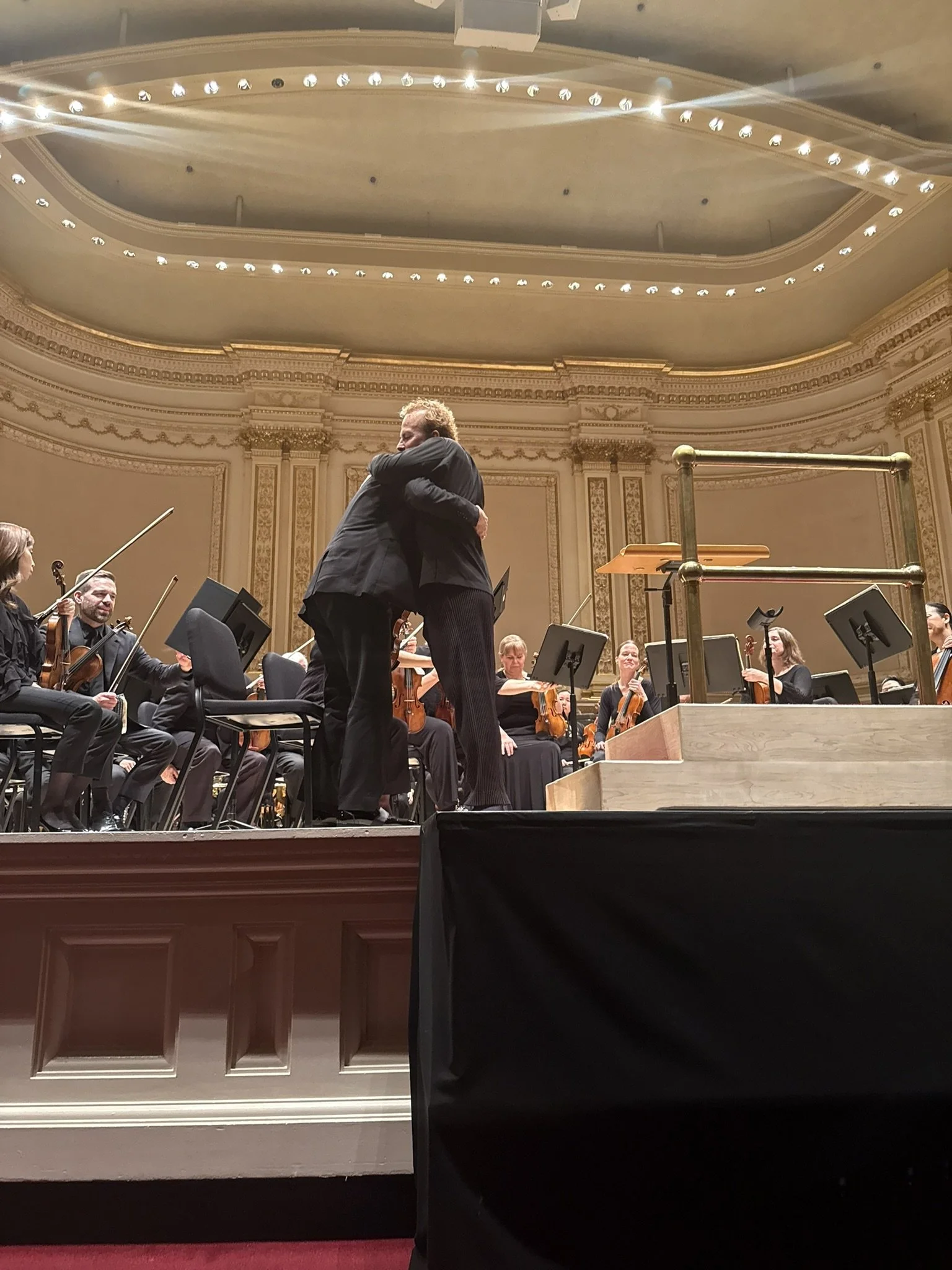
The night before, after successfully premiering his new Tristan, Yannick took a short rest, rehearsed Mahler’s Symphony No. 2 at Carnegie, and poured himself into it on stage. Yannick is a superman. This is how his new year began.
Performers
The Philadelphia Orchestra
Yannick Nézet-Séguin, Music and Artistic Director
Ying Fang, Soprano
Joyce DiDonato, Mezzo-Soprano
Philadelphia Symphonic Choir
Joe Miller, Director
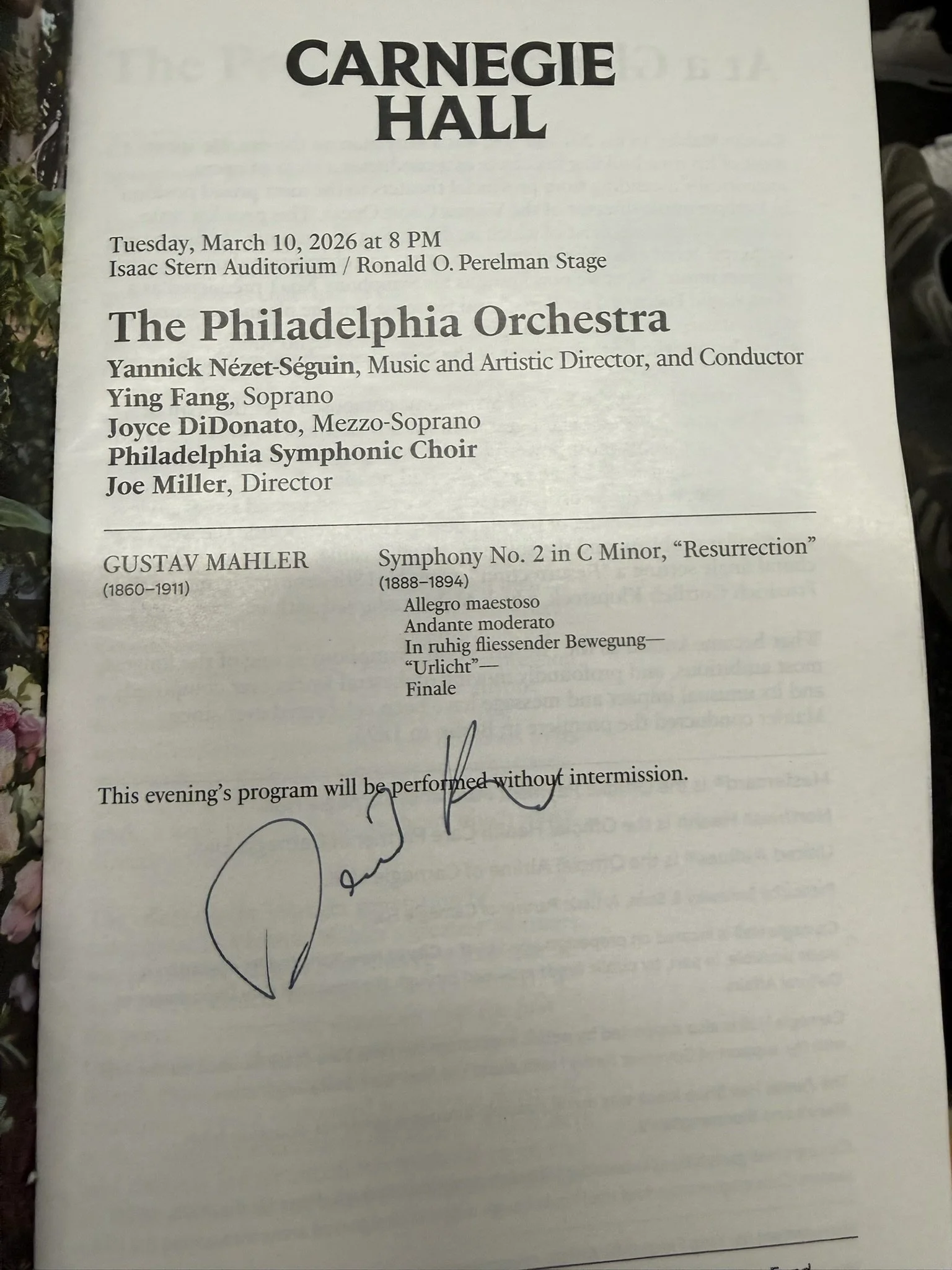
Program
G. MAHLER Symphony No. 2, "Resurrection"
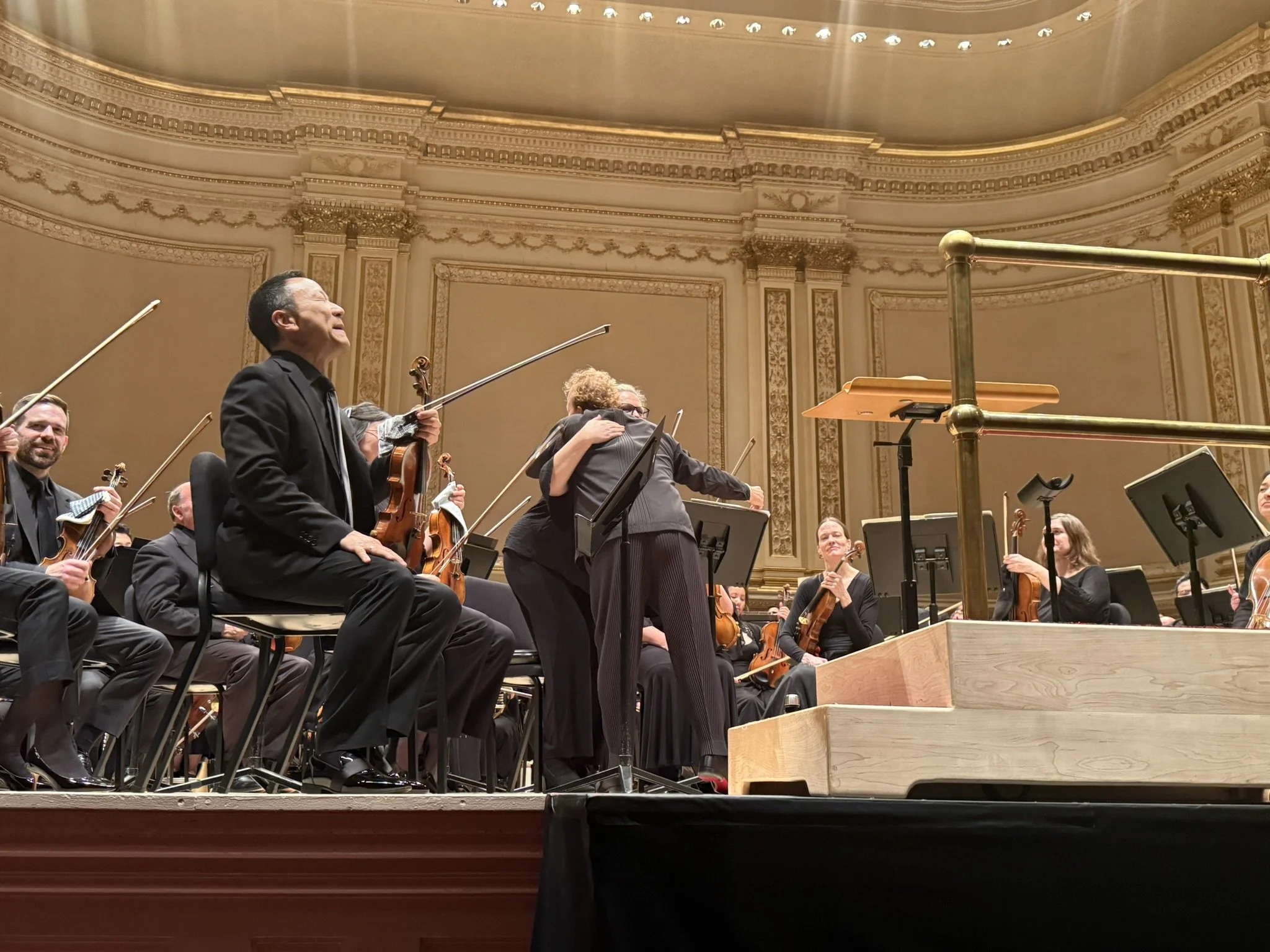
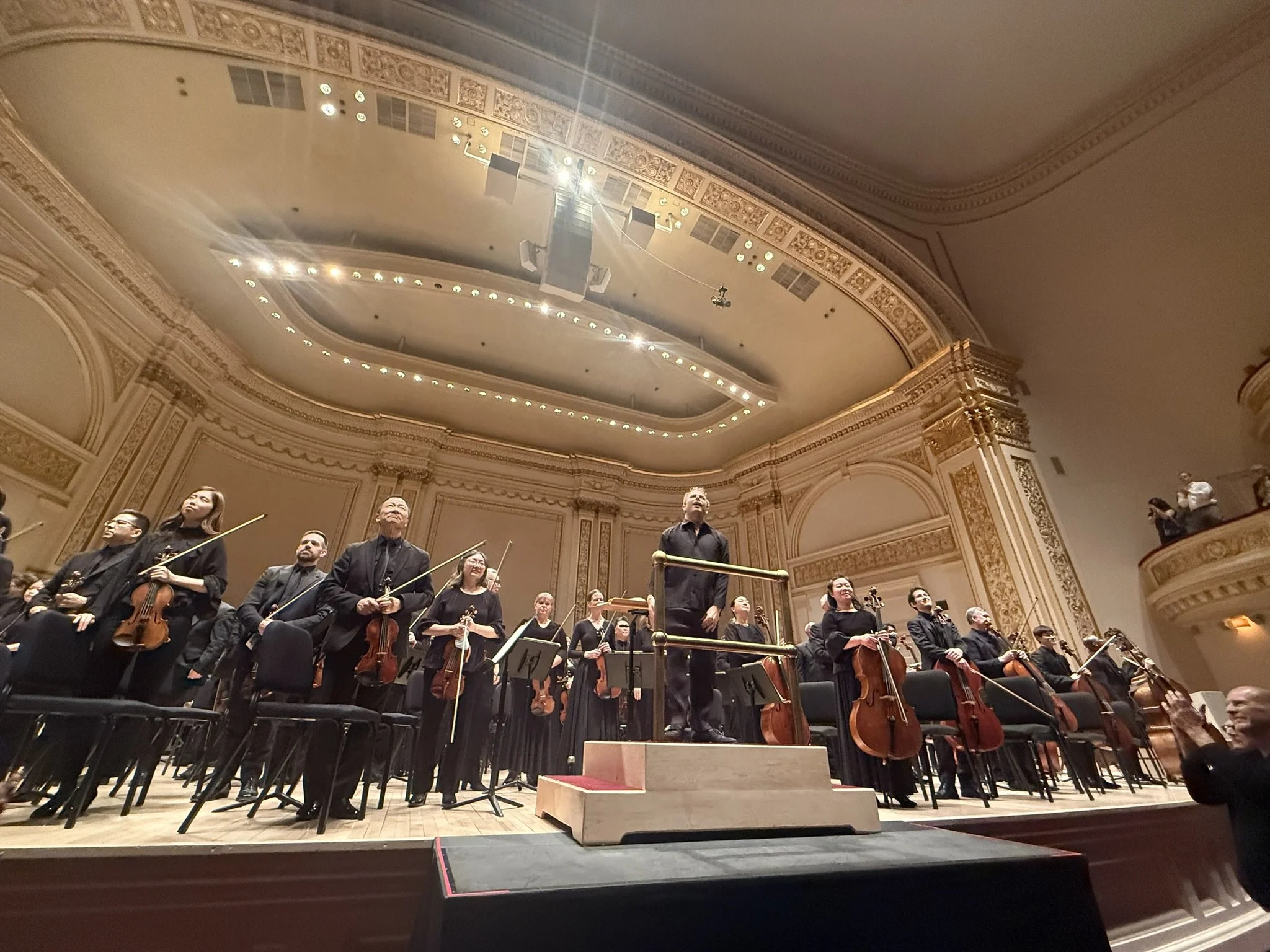
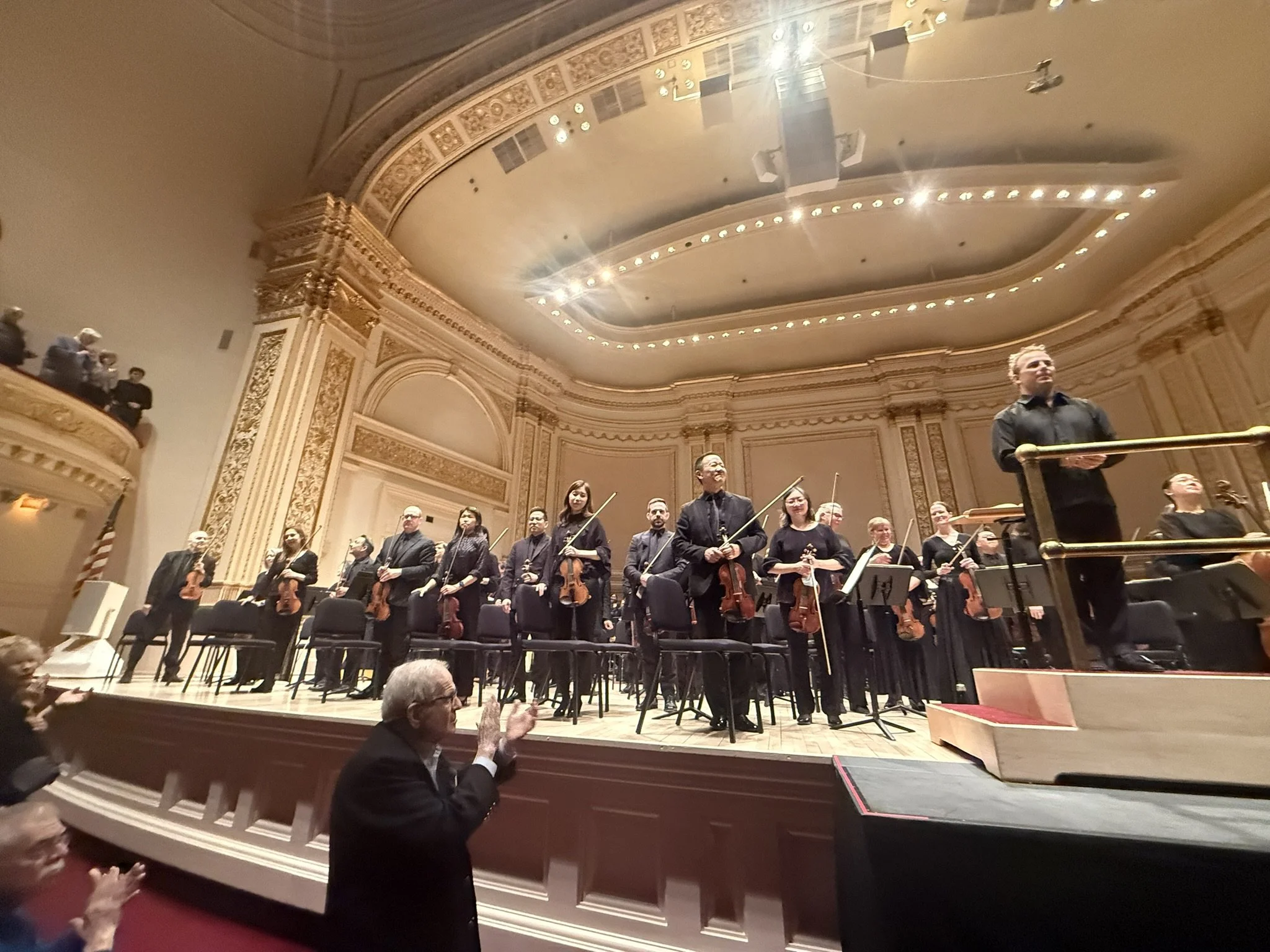
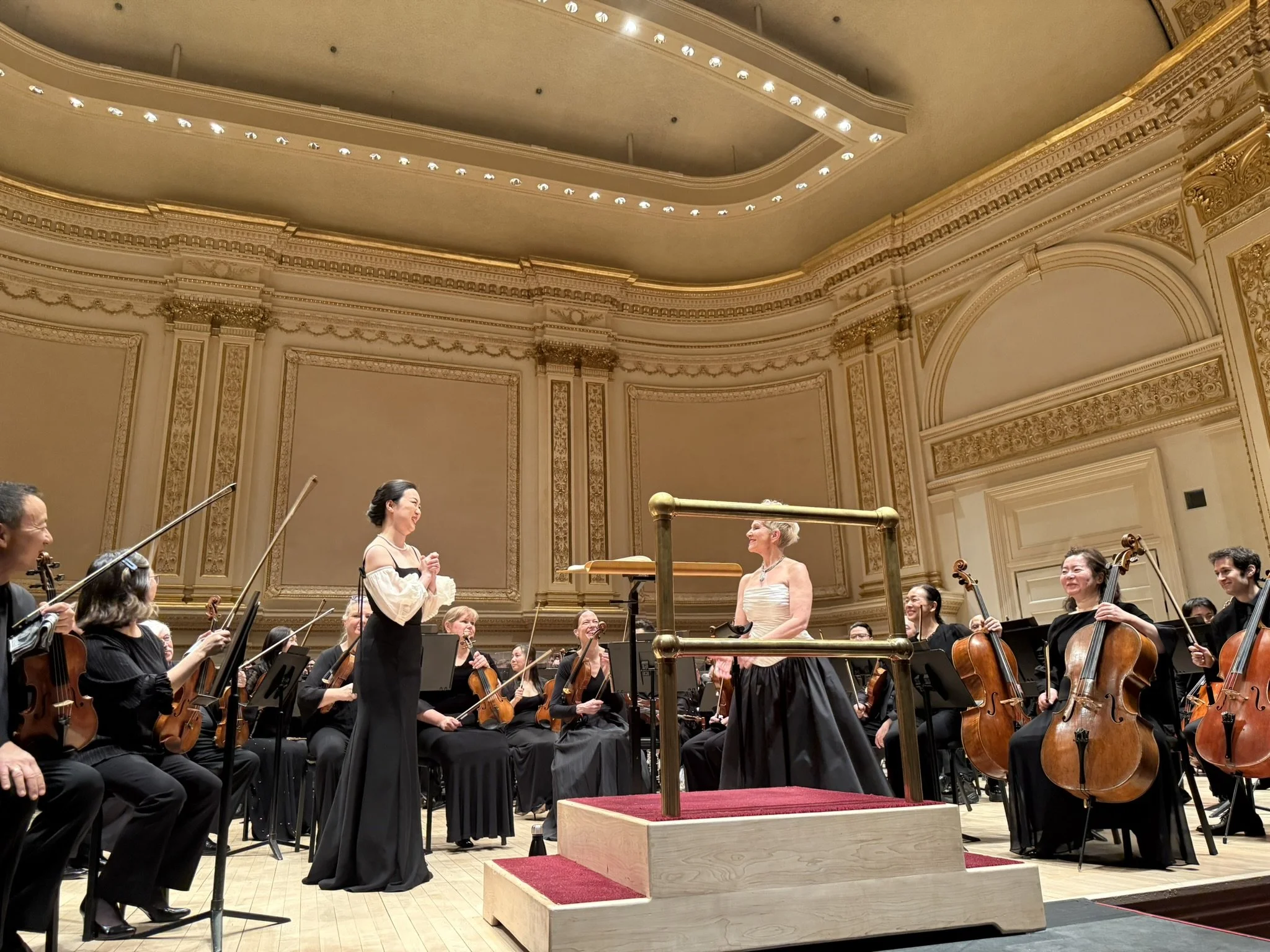
3.10.2026にカーネギーでヤニックとフィラデルフィア管弦楽団のマーラーの交響曲2番を聴いた。オーケストラのセットが巨大で、指揮台がステージからはみ出している。コンサートマスターのデビット・キムの右足もはみ出している。出だしはバイオリンの高音が不安を宙づりにし、チェロとコントラバスがシュトラウスの影の無い女にでてくるカイコバードのテーマを何回も繰り返す。苦しみの連続。ずらっと並んだみなさんがそれぞれのマーラー2の苦しみを振り絞って歌う苦しみのマーチ。そこから管楽器の光が現れて、苦しみのバイオリンは一瞬、美しい光に変わるがまたすぐにカイコバードに引き戻される。カイコバードとはブラック企業ようなものだ。どす黒い暗黒と湖のほとりで朝日を拝むような瞬間が交互になんどもやってくるのがマーラー2番。研ぎ澄まされたホルンの透明な響きや、自分の前世が蘇るよ瞬間の連続。美しいフルートからバイオリンのソロが自分が辿った影のように現れるがカイコバードに再び叩き潰される。荒唐無稽、森羅万象なブラックに全部持っていかれて途方に暮れてしまう。しかし、ブラスの強力な炸裂やティンパニの連打はブラックに必死で抵抗する。ヤニックが鳴らすフィラデルフィアは社会の縮図だ。ヤニックはそれ取りだしてマーラーに封じ込め私たちの心の中に爆発させる。だから子供でも夢中になる。
2楽章はワルツ。sehr gemächlich。リズムより響きや音色を感じた。nicht eilen、ホルンのタンギングがポンポンポンポン。ガラスの球のような音色。その中でバイオリンやチェロが奇妙な踊りを繰り広げ、フルートがこれ以上な豊かな響きで美しい歌を奏でると、その歌とダンスがうっとり交響する。
3楽章では、ヤニックは指揮棒を台において、ティンパニの強打で始まった。劇が再び幕を開けるような感覚だった。ヤニックは再び棒を取ってダンスをはじめる。弦楽器の滑らかなスロープと管楽器の奇妙な刻み。滑らかに弾むヤニック独特の感覚だ。sehr getragen und gesangvoll、中間部はとてもゆっくりだった。カーネギーの空間に温かくやさしい響きが溶け込んでいく。3楽章では、ヤニックは指揮棒を台において、ティンパニの強打で始まった。劇が再び幕を開けるような感覚だった。ヤニックは再び棒を取ってダンスをはじめる。弦楽器の滑らかなスロープと管楽器の奇妙な刻み。滑らかに弾むヤニック独特の感覚だ。sehr getragen und gesangvoll、中間部はとてもゆっくりだった。カーネギーの空間に温かくやさしい響きが溶け込んでいく。また奇妙なダンスに戻るが、突然激震が起こり、優雅で豊で魂が震えるダンスが続くが、激震が起こってから目が閉じていた。4楽章、Urlicht、原光がジョイス・ディドナートの声が、左の奥から聴こえてきた。
O Röschen rot!
Der Mensch liegt in größter Not;
Der Mensch liegt in größter Pein!
Je lieber möcht’ ich im Himmel sein.
Wenn ich ein Vögelein wär’
Und auch zwei Flüglein hätt’,
Flög’ ich zu meinem lieben Gott,
O Röschen rot!
O little red rose!
Mankind lies in direst need;
Mankind lies in direst pain!
How much rather would I be in Heaven.
If I were a little bird,
And had two little wings as well,
I would fly to my dear God—
O little red rose!
ああ、小さな赤いバラよ!
人は最も深い苦悩の中に横たわっている。
人は最も深い痛みの中に横たわっている。
私はどれほど天国に行きたいことか。
もし私が小さな鳥だったら
そして二つの小さな翼があったら
愛する神のもとへ飛んでいくだろう。
ああ、小さな赤いバラよ!
霧の中で、自分の痛みを告白しているようだった。赤いバラという、美しい何かを掴むための心と体の痛み。天使の羽のように柔らかなブラス、オーボエに寄り添われ、天国に行きたいと願う。すると、ハープがポンポン鳴りだし、ディドナーとデビットのバイオリンのソロとクラリネットのトライアングルの中にいた。翼があったら神の元へ飛んでいく。翼はどうやって手にいれるのか。ハープとオーケストラがいつ終わったのかわからなかったが、とんでもない衝撃音で、とりあえず涙と鼻水をハンカチで拭って、再びステージを見つめた。すると、物凄い細い音で、弦楽器のピッツィカートのフーガに復活のテーマが歌われていく。全くまた一からコツコツ、音楽を磨き上げていくフィラデルフィアとヤニック。やがて、ブラスのコラールに導かれてホルンのファンファーレ、弦楽器の輝くトレモロ、低弦が大地を覆い、ピッコロが天を突きさす。打楽器の強打で始まるMolto ritenuto。翼を手に入れる行進を始め、再び打ちのめされ、フルートがシュトラウスの影のファルコンのフルートソロのメロディを奏でると、合唱が霧の様に立ち上り歌う、
Aufersteh’n, ja aufersteh’n wirst du,
Mein Staub, nach kurzer Ruh!
Unsterblich Leben
You shall rise again—yes, rise again—
My dust, after a brief rest!
Immortal life
よみがえれ。再びよみがれ。
我が塵よ、しばしの休息の後!
不滅の命よ
自分の中から湧いてくるように気配が立ち上がる。
インファンのソプラノがUnsterblich Leben と合唱から一つの声が生まれるようだ。とても近くではっきり聴こえた。
Wird, der dich rief, dir geben.
Wieder aufzublüh’n, wirst du gesät!
Der Herr der Ernte geht
Und sammelt Garben
Uns ein, die starben!
He who called you will grant it to you.
You are sown to bloom anew!
The Lord of the Harvest goes forth
And gathers the sheaves—
Gathering us in, who have died!
あなたを召された方が、それを叶えてくださるでしょう。
あなたは新たに花開くために生まれたのです!
収穫の主は出陣され
束を摘み取られます。
そして、死んだ私たちも集めてくださるのです!
音楽は突然、不安で緊張した雰囲気になって、ディドナートとインファンがこう歌う、
O glaube, mein Herz, o glaube:
Es geht dir nichts verloren!
Dein ist, ja dein, was du gesehnt,
Dein, was du geliebt, was du gestritten!
O glaube: Du wardst nicht umsonst geboren!
Hast nicht umsonst gelebt, gelitten!
Oh, believe, my heart—oh, believe:
Nothing is lost to you!
Yours it is—yes, yours—what you have longed for;
Yours, what you have loved, what you have striven for!
Oh, believe: You were not born in vain!
You have not lived or suffered in vain!
ああ、信じよ、わが心よ、信じよ。
あなたには何も失われていない!
あなたが切望してきたものは、あなたのもの、そう、あなたのもの。
あなたが愛し、戦ってきたものも、あなたのもの!
信じなさい。あなたは無駄に生まれたのではない!
あなたは無駄に生き、苦しんできたのではない!
続いて、男性の声が
Was entstanden ist, das muß vergehen!
Was vergangen, auferstehen!
Hör auf zu beben!
Bereite dich zu leben!
What has come into being must pass away!
What has passed, must rise again!
Cease your trembling!
Prepare yourself to live!
生まれたものは必ず滅びる!
過ぎ去ったものは必ず蘇る!
震えるのをやめろ!
生きる準備をしろ!
合唱が強烈に生きる準備をしろ!と叫ぶ。
アルトとソプラノが歌いだし、2つの声はこのように続ける
O Schmerz! Du Alldurchdringer!
Dir bin ich entrungen.
O Tod! Du Allbezwinger!
Nun bist du bezwungen!
Mit Flügeln, die ich mir errungen,
In heißem Liebesstreben
Werd ich entschweben
Zum Licht, zu dem kein Aug’ gedrungen!
O Pain! Thou All-Pervader!
From thee have I broken free.
O Death! Thou All-Subduer!
Now art thou subdued!
With wings that I myself have won,
In ardent striving of love,
I shall soar away
To the Light that no eye has ever reached!
ああ、苦痛よ! 遍在する者よ!
汝から私は勝利した。
ああ、死よ! 汝、全てを征服する者よ!
今、汝は征服された!
Mit Flügeln, die ich mir errungen,
Werd ich entschweben!
Sterben werd’ ich, um zu leben!
Aufersteh’n, ja aufersteh’n wirst du,
Mein Herz, in einem Nu!
Was du geschlagen,
Zu Gott wird es dich tragen!
Mit Flügeln、
翼がこだまし
Sterben werd’ ich, um zu leben!
生きるために死ぬ!
蘇れ、そう甦れ
私の心よ、一瞬にして!
あなたが打ち負かしたものは
あなたを神へと導くだろう
90分。トリスタンの3分の1。マーラーは28歳で1楽章を書いた。そして1895年にマーラーがブダペストで初演した。2番は1,3,4と繋がっている。ヤニックとフィラデルフィアは来シーズン、マーラーをたくさんやる。ヤニックはウィーンフィルとメットオーケストラともやる。
ヤニックのマーラーで楽しいのは、迫力やうっとりする歌うような音色もそうだが、大きなうねりの中に洗練されたベースの動き、ひとりひとりの音色が聴き分けられる自由に歌う弦楽器、ブラスや木管の数々のソロを活かしたきめ細かなアンサンブルや独特のダンス。
19世紀末から20世紀初頭の巨大な音の生と死の物語を、彼らは大爆発から広がる無限の光に変え奏でた。
前夜、新作トリスタンを成功させ、少し休憩して、カーネギーでリハーサルをやりマーラー2番をカーネギーで振り絞るヤニックは超人だ。ヤニックの新たな年はこうして始まった。