6.11.2026
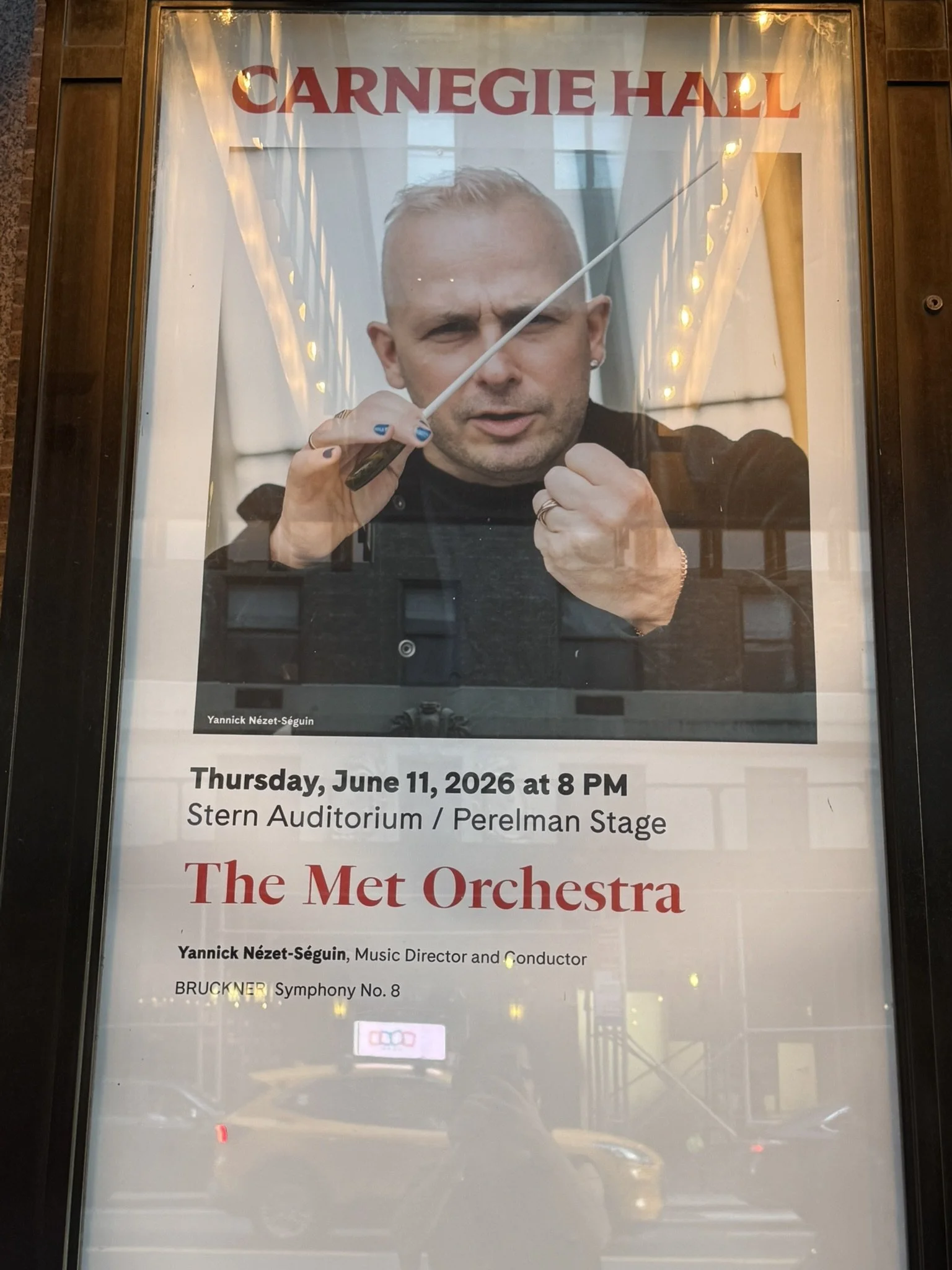
Yannick and the Met Orchestra performed Bruckner’s Symphony No. 8 at Carnegie Hall.
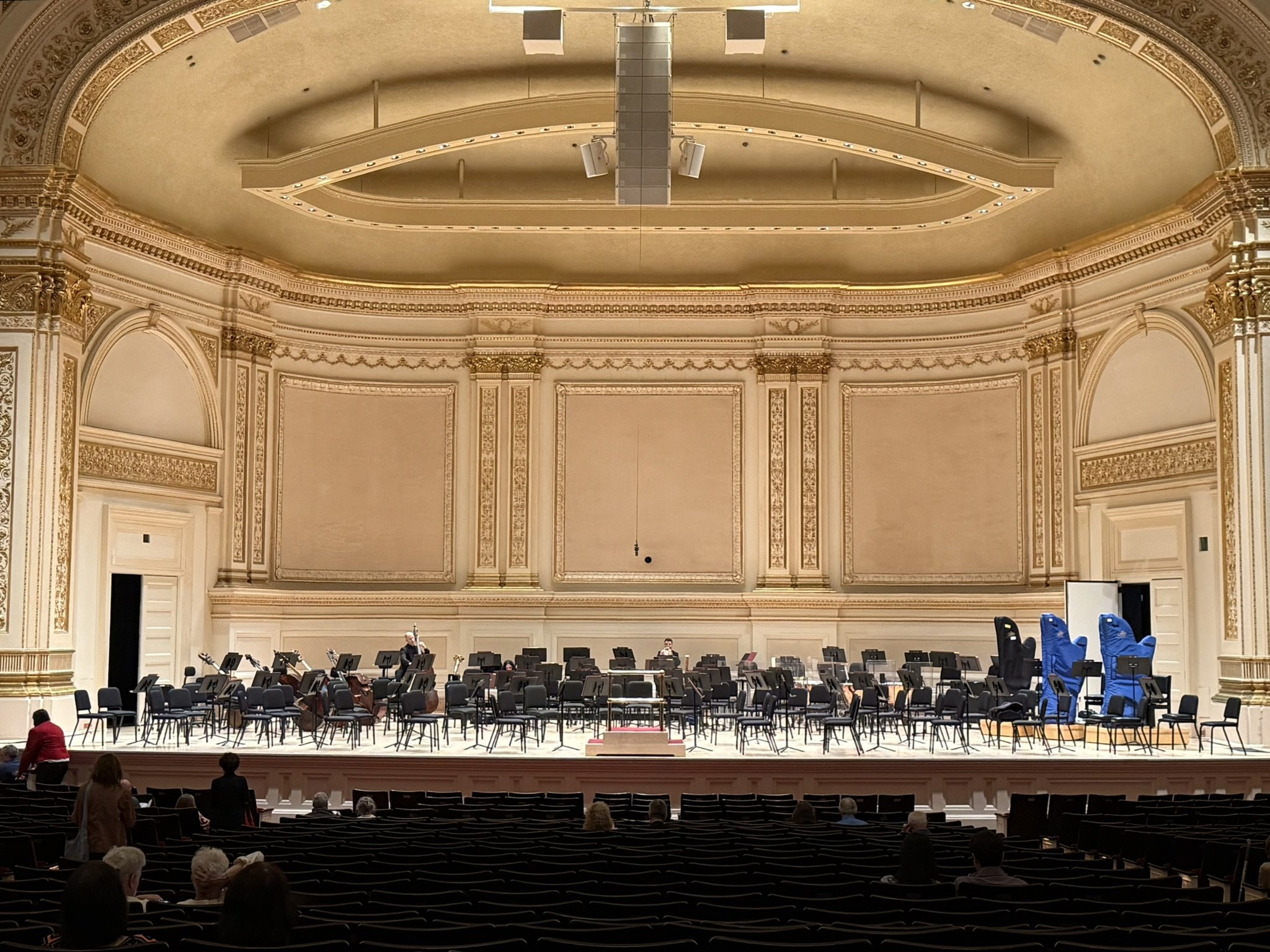
The sense of breath was free. The opening string tremolo, I could not notice when it started. The bass sounded from afar on the left. The double bassist Rex Surany could be seen beneath the seat of the concertmaster, Ben.
Bruckner unfolded like a vast symphony drawing enormous circles: breathing, trembling, reaching a peak, collapsing, and then continuing again. The flexibility of the orchestra in response to Yannick’s conducting was remarkable. Yannick absorbed their breath, and the orchestra in turn breathed with Yannick. They are an opera orchestra. They depict singers' breathing, psychology, and inner worlds. Bruckner’s anguish and ideals. The sound he imagined filled Carnegie Hall.
The oscillating theme of two beats and triplets. The lament theme. A sense of fatigue and struggle, as if one cannot move forward. The Met had been giving numerous performances since autumn. This was one of the final concerts of the season.
Waves of sound rose again and again—strings, brass, and finally a roll of timpani—passing by as if they were momentary events.
At David Geffen Hall, I did not feel much sense of distance in the sound; it was as if everything was happening inside me, with a direct and tangible sonic presence arriving one after another. At Carnegie Hall, however, the Met Orchestra unfolded a vast architectural space, like looking up at a monumental cathedral.
They spend long hours in intense proximity, listening to one another constantly, both in the underground rehearsal rooms and in the opera pit. Their sense of breath and sonic distance is closer than any other symphony orchestra, even closer than the Vienna Philharmonic, while the space they create feels even larger. The Metropolitan Opera Orchestra, with almost no amplification, fills the hearts of 4,000 listeners with pure, living sound.
Yannick’s control of tempo, especially at the end of the first movement, was striking. The precision of tempo and the orchestral cohesion were beautifully shaped, resulting in an astonishingly organic flow of music.
Each section of the orchestra was entrusted with its own expression, breathing freely and vividly, and the vast symphony existed as a true communal sound.
I listened with complete ease. Everything was under control, yet nothing felt constrained. It was like being in the living room of a friend’s house—such a comfortable feeling. I had never experienced listening to Bruckner’s vast music with such relaxation.
Yannick Nézet-Séguin is an opera conductor who creates an environment in which everyone can perform with a sense of security. This performance made that very clear.
The Wagner horns were magnificent. In the first movement, the gentle glow of the 2-beat and triplet figures floated in space like light. As the movement progressed, it suddenly felt as if the fog had cleared and I was standing on a mountain peak. The air was thin and tense.
A horn would appear, sound briefly, and disappear. Then John’s oboe entered with a slender, penetrating tone. From the distant bass at the beginning to this oboe alone at the exposed summit some five to six minutes later—the sense of distance was extraordinary.
The orchestra manipulates time and unfolds space through sound on a vast scale. As the theme grows, even when the brass surges powerfully or the tremolos of other instruments tighten in intensity, everything still floats clearly within the sonic space.
The brass sound was not simply loud; it was satisfying, like the sound of a well-tuned car engine. At the New York Philharmonic, the tuba was positioned centrally, but in the Met Orchestra, it was placed at the far right, and hearing it from the center made the bass contours stand out more clearly.
Bruckner is a world without text. For the Met Opera Orchestra, performing on the elevated stage above the audience is a very special experience.
Yannick and the orchestra do not unfold the music like a narrative of successive events; rather, they carefully savor Bruckner through sound itself. The sheer mastery of the players brings both tears and laughter at once—emotion and delight together.
In one passage of the first movement, the Wagner horn suddenly appears without notice. Their task is to steal the listener’s attention and make them forget time itself—to liberate them through sound. The Met Orchestra is connected like telepathy.
Seth’s long solo was beautiful. Then a massive block of sound arrived, followed by a trumpet fanfare that rang out and disappeared. Inside that massive sound mass, countless fragments of light seemed to pass through in an instant. In the end, everything slowly unraveled.
In the Scherzo, that unraveled light once again moves through space. Transparent, yet full of flavor.
The trumpet sound of David Krauss and others, which moments before had felt like molten metal seeping out, now shines like sunlight pouring down.
The violins spread across both sides once sounded like countless insects in a summer field at night, but in the Trio they begin to sing with rich resonance. Each sound is dense, full of flavor.
Even to the final sounds at the far edges of the stage, everything is drawn out with great richness and care. A truly full and satisfying sonority.
In the Adagio, within the slowly extended strings, various emotional patterns unfold for nearly 30 minutes. The harp colors the space gently. It feels like beings living under different gravity on a different star, woven together through breath into sound.
Yannick used the Haas edition for this performance. I could not clearly distinguish movements one and two, but in the third and fourth movements I felt Bruckner’s more “simple” character. A countryman, timid, weak before authority, awkward and hesitant, yet adept at navigating society. Clumsy and ungainly, yet utterly pure in music.
Yannick’s conducting reflected this as well; at moments of lightness, one could feel a slightly slipping, almost sliding gesture.
The members, who had given numerous outstanding performances throughout the 2025–2026 season, connected the music beautifully within this extended time, filling the hearts of those gathered at Carnegie Hall. Benjamin’s solo was understated.
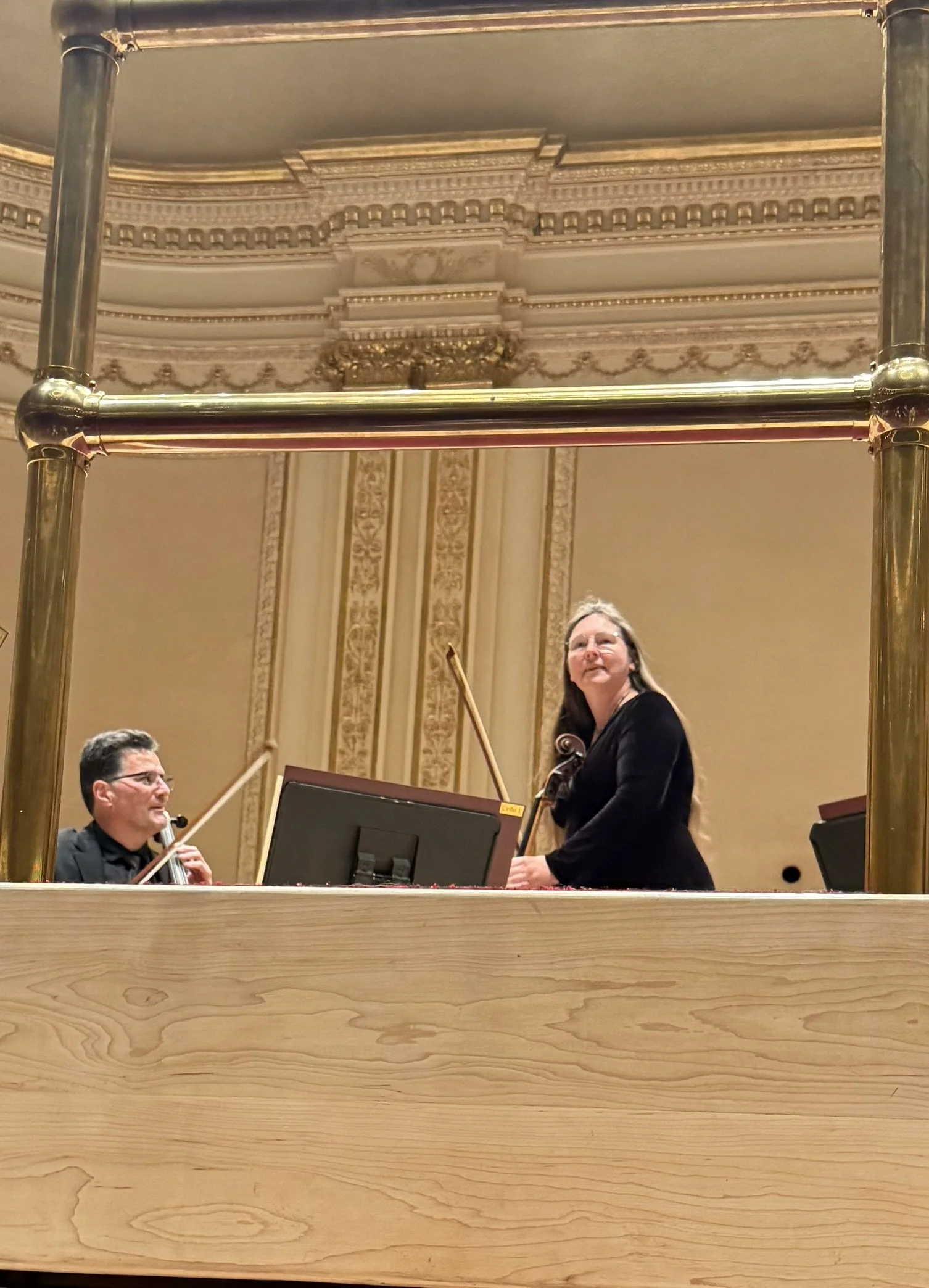
When cello and viola joined the central texture, the sound became even richer. Rather than performing, they seemed to let the music breathe naturally. Viola player Milan, in particular, was remarkable. His contribution felt like a hidden seasoning that subtly changed the color and radiance of the sound without notice.
After such a richly sustained Adagio, the fourth movement in the Haas edition seemed to reveal Bruckner’s personal character more clearly.
As my friend George said:
“Bruckner, I imagine as the machinist on a steam freight train barreling down an endless cathedral aisle, has the organ for a whistle but does not use it.”
Bruckner's music possesses overwhelming power, yet does not explode flamboyantly; instead, it continues forward as a restrained but immense force.
In the fourth movement, this immense propulsion is not expressed as an outward explosion but rather unfolds in a cyclical structure, transforming the music into a time of inward listening.
In the Haas edition, more than in the Nowak edition, the themes accumulate in layers like a vast circle, swelling again and again, exploding and being rebuilt. This overwhelming force is gradually calmed and drawn inward. It leads to a state in which one listens to one’s own inner voice. A sense of being alone remains. In this sense, Bruckner is simple.
As the massive fugue begins and the bass drops out, a more vivid sonic landscape emerges in space. In the coda, my heart feels lighter, and I grow slightly sad that this long, relaxed time of listening is about to end. The season is ending. Only one more concert remains. This will soon be over.
At the end of this article, even as the string tremolos grow tense and biting, Silvio’s clarinet passes through with a bright, humane tone, allowing a moment of release.
Performers
The Met Orchestra
Yannick Nézet-Séguin, Music Director and Conductor
Program
BRUCKNER Symphony No. 8
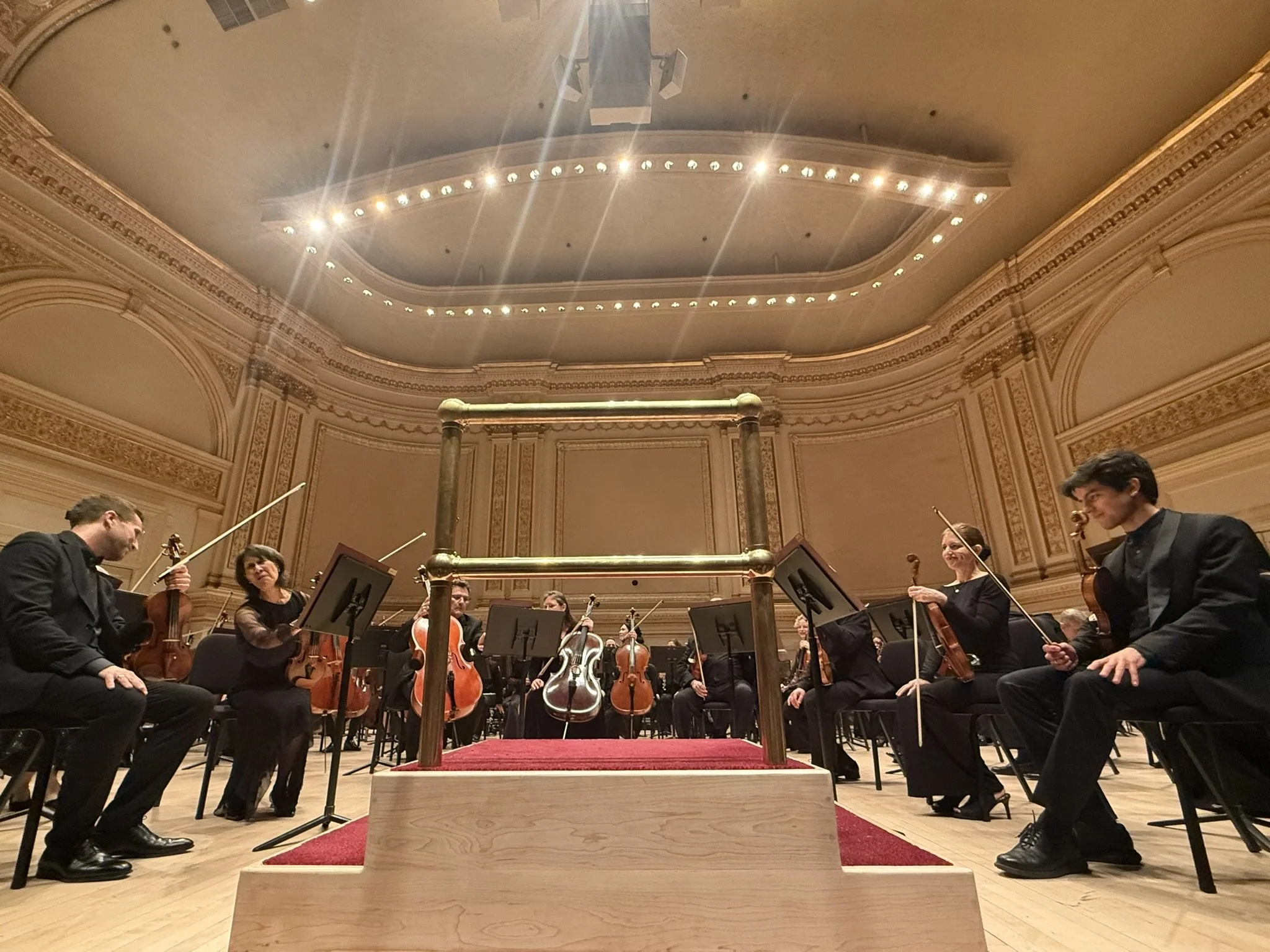
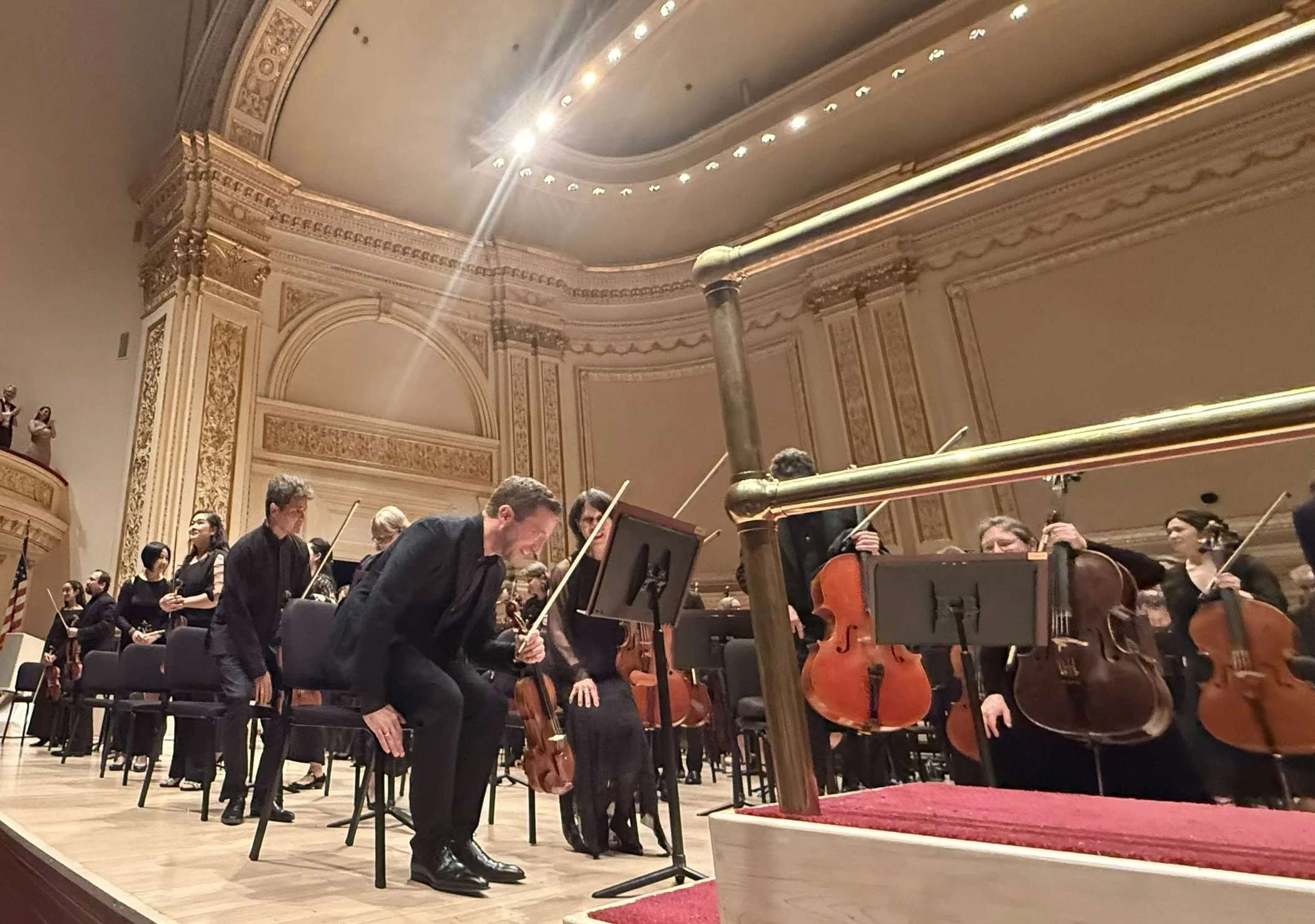
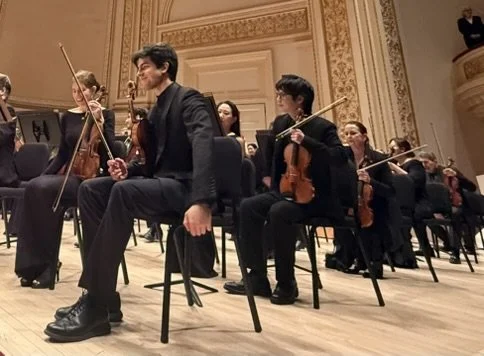
ヤニックとメット・オーケストラがブルックナーの8番をカーネギーで演奏した。
呼吸が自在だった。開始のヴァイオリンのトレモロは、どこから始まったか分からなかった。遠くから左のバスが響く。コントラバスのRex Suranyが、コンサートマスターのベンの椅子の下から見えた。
ブルックナーは、大きく円を描くように巨大なシンフォニーが呼吸し、震え、頂点を迎え、それが壊れて、また続く。ヤニックの指揮にオーケストラが応える柔軟さがすごい。ヤニックは彼らの呼吸を吸い上げ、またオーケストラがヤニックと呼吸する。彼らはオペラオーケストラだ。歌手の呼吸を支える情景や心理の描写。ブルックナーの苦悩や理想。彼の見た響きがカーネギーを満たしていく。
2拍と3連の上下するテーマ。ラメントのテーマ。足が前に出ない疲労や苦悩を感じる。メットも秋からたくさんの公演を行ってきた。これがシーズンを締めくくる最後のひとつ。
音の波がずーんと何度も、ヴァイオリンやブラス、そして仕上げにティンパニの連打が。これらがまるで一瞬の出来事のように通り過ぎる。
デビッド・ゲフィンでは、音の距離感をあまり感じなかった。すべて自分の中で起こっているような、現実味のある音の形が次々とやってきた。カーネギーでは、大きな伽藍を見上げるような、巨大な空間をメット・オーケストラは繰り広げる。
彼らは地下のリハーサル室と歌劇場のピットの中で、いやになるほどお互いを聴き合い、密接な時間を過ごす。彼らの呼吸と音の距離は、他のどのシンフォニーオーケストラよりも近く、ウィーン・フィルよりも音が鳴っている空間を大きく感じる。一度にほぼマイクなしで、生の音色で4000人の心を満たす大きな呼吸と音楽作り。
ヤニックの、特に1楽章の最後のコントロールが精密なテンポとオーケストラの繋がりはよくシェイプされ、驚くほど有機的に音楽を奏でていた。
オーケストラは、それぞれの表現を委ねられ、活き活きと自由に呼吸し、巨大なシンフォニーが共同体の響きとして存在していた。
私はそれを安心して響きを味わっていた。すべてがコントロールされているのに、誰も縛られていない。それは友人の家のリビングにいるような居心地の良さだった。ブルックナーの巨大な音楽を、こんなに寛いだ気持ちで聴くことができたのは初めてだ。
ヤニック・ネゼ=セガンは、全員が安心して表現できる環境を作るオペラ指揮者だ。このブルックナーでは、それがよくわかった。
ワーグナーホルンとホルンが素晴らしかった。第1楽章では仄々と2拍と3連のカーブの輝きが、空間に浮かび上がるように響く。しばらく進むと、突然霧が晴れて山の頂に立ったような気分になる。空気が薄くて、張り詰めている。
そこにホルンがポーンとやってきて、去っていく。次はジョンのオーボエが、細くて通る音色でやってくる。開始の遠くからやってくるベースから、この張り詰めた山の頂で約5〜6分でひとり響くオーボエまでの距離感。
このオーケストラが時間を操り、音で空間を繰り広げるスケールの大きさ。やがてテーマが成長していき、ブラスがドドーッと押し寄せてきても、他の楽器もキリキリするトレモロも、しっかり空間に浮かび上がっている。
ブラスは鳴りがすごいというより、いい車のエンジンの音のように気持ちがいい。ニューヨーク・フィルではチューバは中央にいたが、メット・オケではチューバは右奥の端にいて、真ん中で聴いていると、そのベースの輪郭がより際立つのがわかった。
そして、ブルックナーはテキストの無い世界。メット・オペラ・オーケストラにとって、客席よりも高いステージの上で音を鳴らすのはとても特別だ。
ヤニックと彼らは、物語みたいに次々に展開するというよりは、響きを大切に丁寧に、自らブルックナーを味わい繰り広げていく。その楽器のうまさに涙と笑いが同時にやってくる。感動と面白さ。
1楽章のある部分では、ワーグナーホルンがいつの間にか鳴っている。彼らの仕事は、聴く人々の心を盗み、時間を忘れさせることだ。一瞬でも音に心を奪い、心を解放する。メット・オーケストラはテレパシーでつながっている。
セスの長いソロの響きが美しかった。そして最後に巨大な音の塊がやってきて、トランペットのファンファーレが鳴り、消えていく。巨大な音の塊の中に、無数の光が一瞬で通り過ぎていったようだった。そして最後は、それがゆっくりとほどけていくようだった。
そして、スケルツォでは、そのほどけた光が再び空間を動き回る。透明なのに味わい深い響き。
ほんの少し前まで、熱い金属が染み出すように鳴っていたDavid Kraussたちのトランペットが、燦々と降り注ぐ太陽のように輝いて響く。
両サイドに展開するヴァイオリンは、さっきまで夏の夜に畑で無数の虫が鳴いているようだったが、トリオに入ると、豊かな響きで歌う。音のひとつひとつが詰まっていて、味わい深い響き。
大きく左右に展開する、最後の譜面台の音色まで、よく味わい深く引き出されている。本当に充実した響き。
アダージョでは、ゆっくり引き伸ばされた弦楽器の中で、様々な感情の模様が30分近く繰り広げられていく。ハープがゆったりとその空間を彩る。それはまるで違う星の、違う重力に惹かれて生きているような、そんな彼らの呼吸が織りなす音の世界だ。
ヤニックはこの公演でブルックナーのハース版を使っている。第1・第2楽章はわからなかったが、第3・第4楽章では、よりブルックナーの素朴な人柄を感じた。田舎者で、臆病で、権力に弱く、おどおどしているのに世渡りがうまい。ぎこちなくて不器用。でも音楽にはどこまでも純粋。
ヤニックの指揮ぶりもそれを物語っていた。軽快に鳴らしていると、ずるっと滑るようなしぐさを感じた。
2025–2026シーズンに数々の名演を繰り広げてきたメンバーたちが、この引き伸ばされた時間の中で見事に音を繋ぎ、カーネギーに集まった人々の心を満たす。ベンジャミンのソロがさりげない。
弦楽器の音の層に、中央にいるチェロとヴィオラが加わると、さらに音楽が豊かになった。彼らは演奏を披露するというより、音楽に自然に呼吸させるように扱っていた。特にヴィオラのミランの態度が素晴らしかった。気が付かないうちに音楽の響きや色や輝きが変わる、隠し味のようなヴィオラのトゥッティには心から敬服した。
こうしてアダージョでたっぷり音を響かせた後の第4楽章は、ハース版ではブルックナーの個人的な人柄がよりよく表れていると感じた。
友人のジョージが言うには、
“Bruckner I imagine as the machinist on a steam freight train barreling down an endless cathedral aisle, has the organ for a whistle but does not use it.”
「ブルックナーは、圧倒的な力を持ちながら、それを派手に爆発させず、抑制したまま巨大な推進力として進み続ける音楽だ。」
第4楽章では、ブルックナーの巨大な推進力は外向きの爆発としてではなく、循環する構造として展開され、音楽は内なる声を聴く時間へと変わる。
ハース版はノヴァーク版よりも、現れるテーマが大きな円を描くように、たっぷりとシンフォニーの響きを積み重ね、何度も膨らみ、爆発し、また組み上げられていく。その圧倒的な音の威力は次第に鎮められ、内側へと収束していく。そして自分の内なる声を聴くような状態へと導かれていく。ひとりになれた感覚が残る。ブルックナーは、そうした意味で素朴だ。
最後の巨大なフーガに入りバスが抜けると、空間に浮かぶ音色の景色がより鮮やかに浮かび上がる。最後のコーダに入ると、心が軽くなり、それまでたっぷり寛いで音楽を聴いていた時間がもうすぐ終わるのかと寂しくなった。今シーズンも終わってしまう。あと1公演を残すのみ。このメンバーで音楽を楽しめるのも終わりだ。
最後に、弦楽器のトレモロがどんなにキリキリさせても、シルビオのクラリネットが朗らかに通り抜けると、一呼吸つけた。