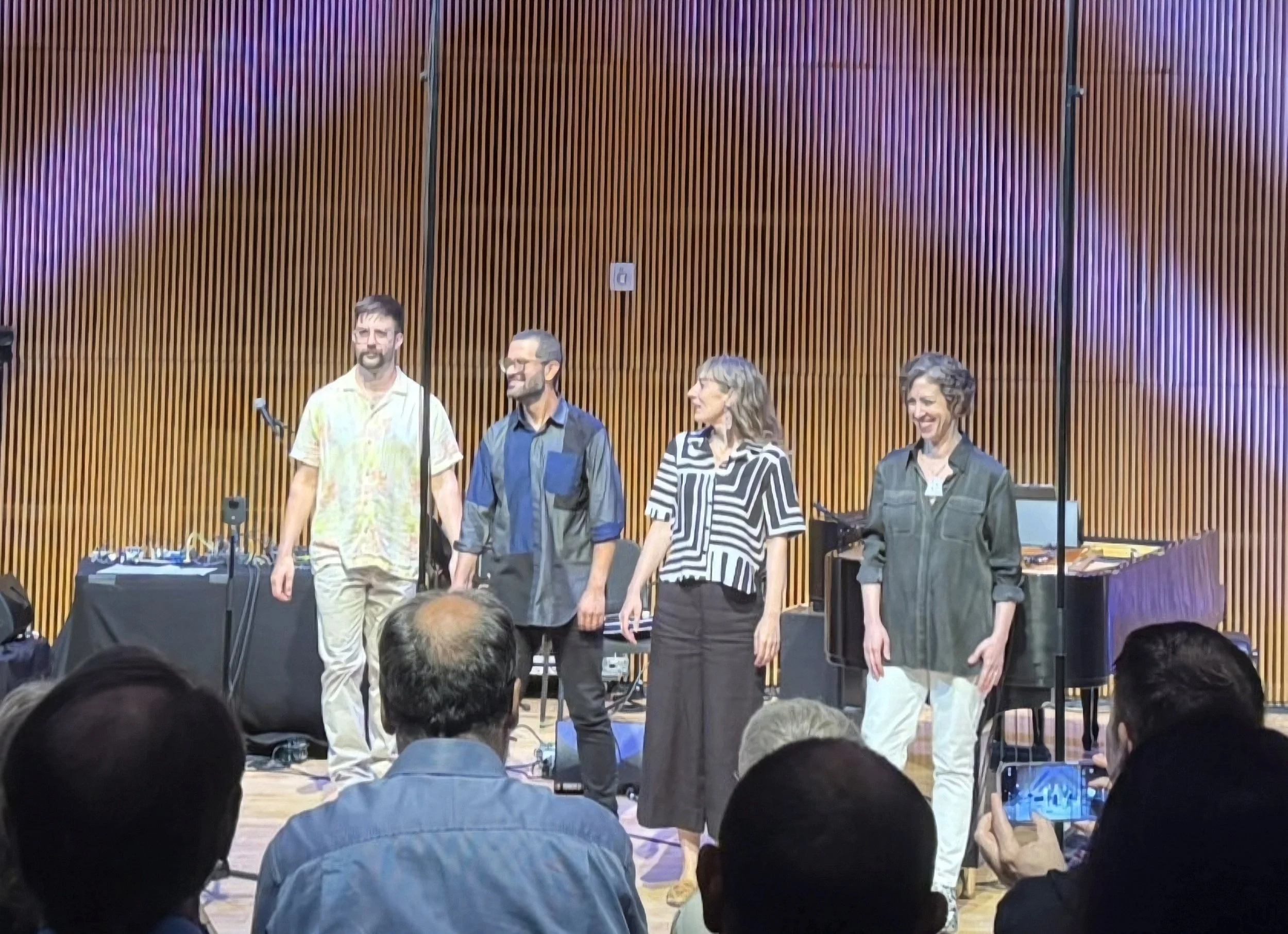
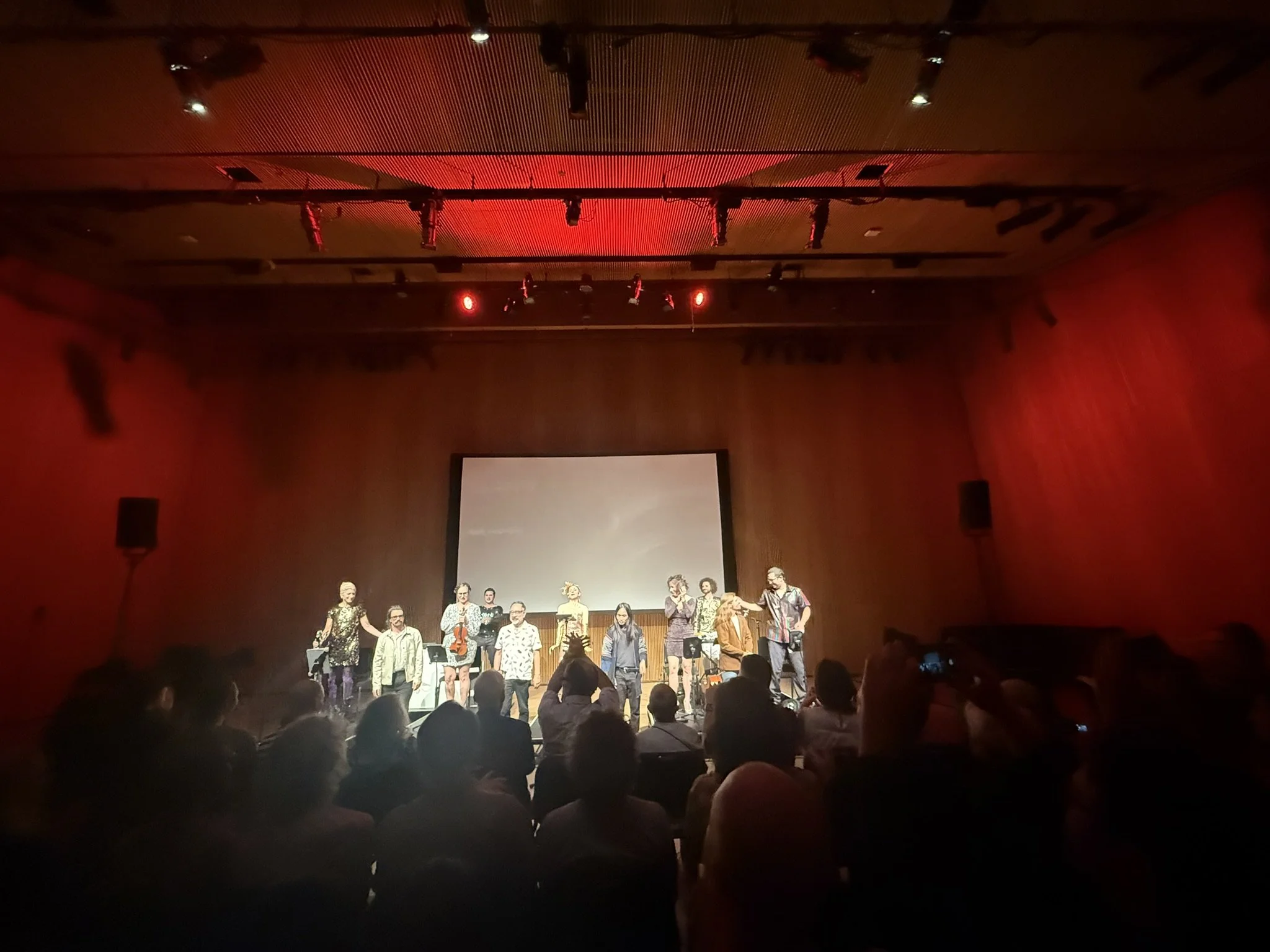
On the way there, Mäkelä’s Berlioz is playing in my head. Yarn/Wire’s studio in Bushwick, Brooklyn, where they've been fifteenth year. The program began with Igor Santos’s living to fall [music and rain]. As fragments of video unfolded alongside live sound, the consciousness of the four performers made the images—rain, shattering glass—appear vividly.
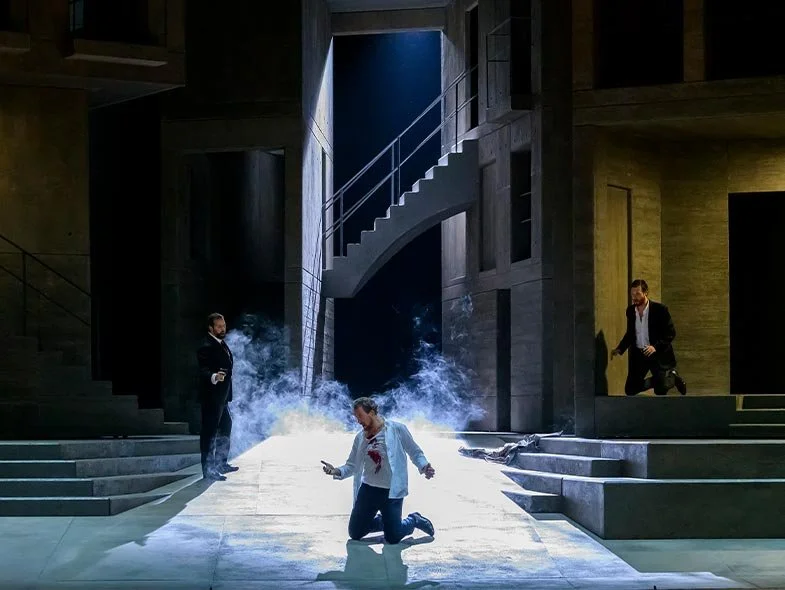
Read MoreEven you rely on laws and rules for your protection, yet establish your freedom at the expense of others, this opera is for you. Because you will see yourself reflected in the human nature that Mozart portrays. Conductor Yannick brings difficult classical music to life in an accessible, discovery-filled way, revealing your treasure. Director Hove drives a wedge into your hardened heart, using the interplay of power and redemption to enhance the music. Now, let us go witness the filth of humanity that thrives in every age.
Read MoreThe season features new American operas and performances by major orchestras from Chicago, Boston, Philadelphia, New York, and Cleveland at venues such as Carnegie Hall, the Metropolitan Opera, and David Geffen Hall. The Juilliard Orchestra, Juilliard 415, Gidon Kremer, and the Budapest Festival Orchestra, Klaus Mäkelä, Andris Nelsons, Yannick Nézet-Séguin, Erin Morley, Louise Alder, Lise Davidsen, Joyce DiDonato, Asmik Grigorian, and Rosa Feola plan to come.
Read MoreThe latest works by Canadian composers Sarah Davachi and Igor Santos at Yarn/Wire’s studio in New York. Davachi’s Feedback Studies for Percussion (2022) creates a meditative soundscape using percussion and feedback, minimizing melody and rhythm while exploring resonance and overtones. Performers do more than follow the score, shaping sound in response to the acoustics, immersing listeners in the subtle shifts and flow of time. Santos’ living to fall [music and rain] (2022) blends sound and visual media around the theme of water, employing piano, keyboards, percussion, and visuals to evoke thunder and rain, symbolizing both violence and healing. Yarn/Wire delivers precise and expressive performances of both works, offering a profound encounter with the possibilities.
Read MoreIf one listens closely, the orchestration’s structure, the thematic content of each scene, and the musical context emerge, revealing the composer’s intentions. Moreover, the ingenuity of the librettist and production team, the conductor’s interpretation, and the performers’ expressiveness also become apparent. Why was a particular instrument assigned to a specific scene? Why does bassoonist Billy’s tone always shine so brightly, producing textures entirely different between Dead Man Walking and familiar Italian opera? Why is the Maroon unison always precise? Why is Silvio’s timing and reed work on the clarinet impeccable? Why can Yannick infuse infinite emotion into the violin tutti? The answers are evident when you watch.
Read More—“A continuous effort to illuminate the fragile, ever-evolving human form.”
It is a landscape I have been observing myself in. I remembered August 4th, the day tickets for Carnegie Hall went on sale—a launch day for boarding the “time machine” that spans three venues of the world. At the head of the waiting line were the usual Russian ladies.
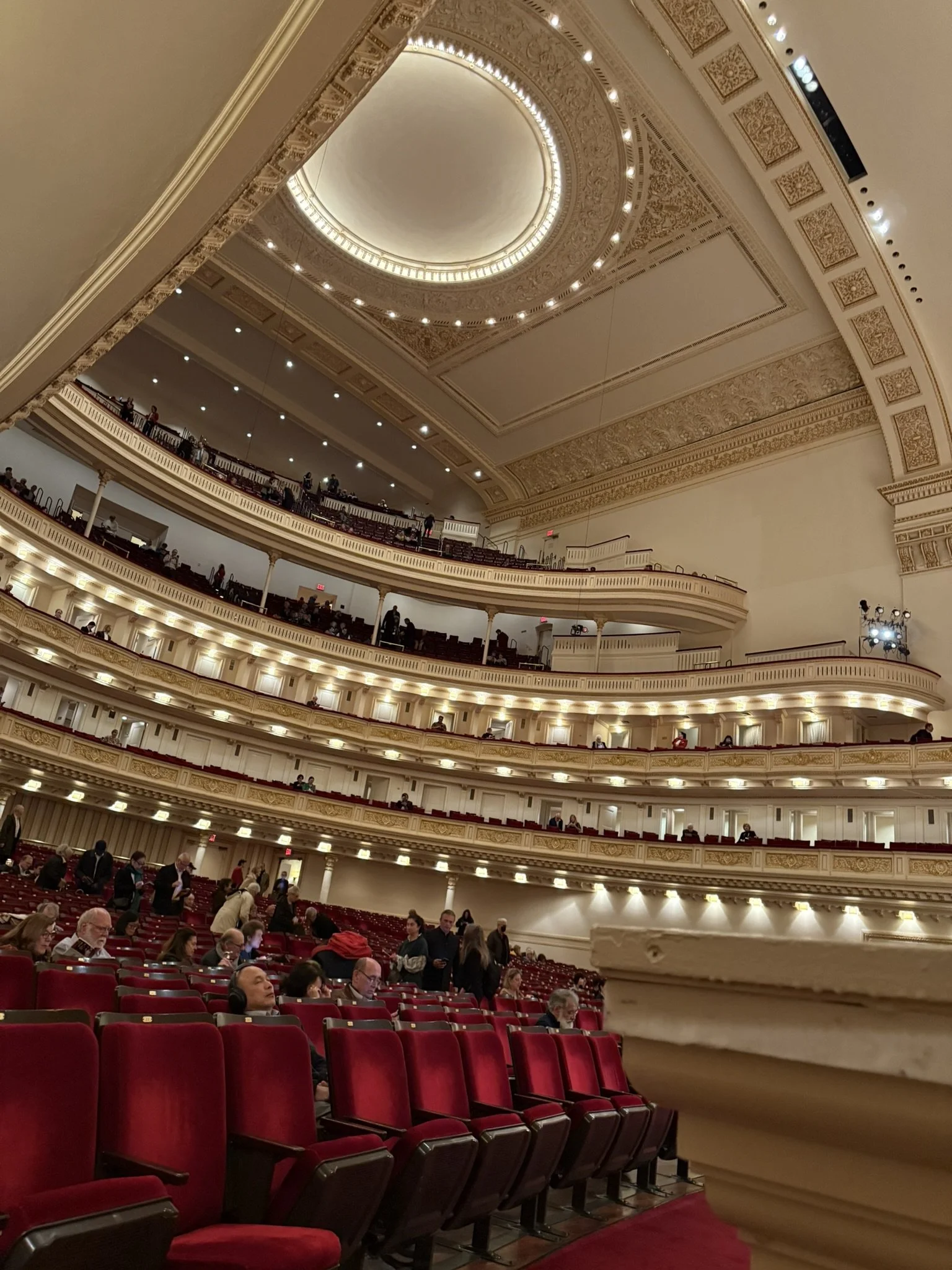
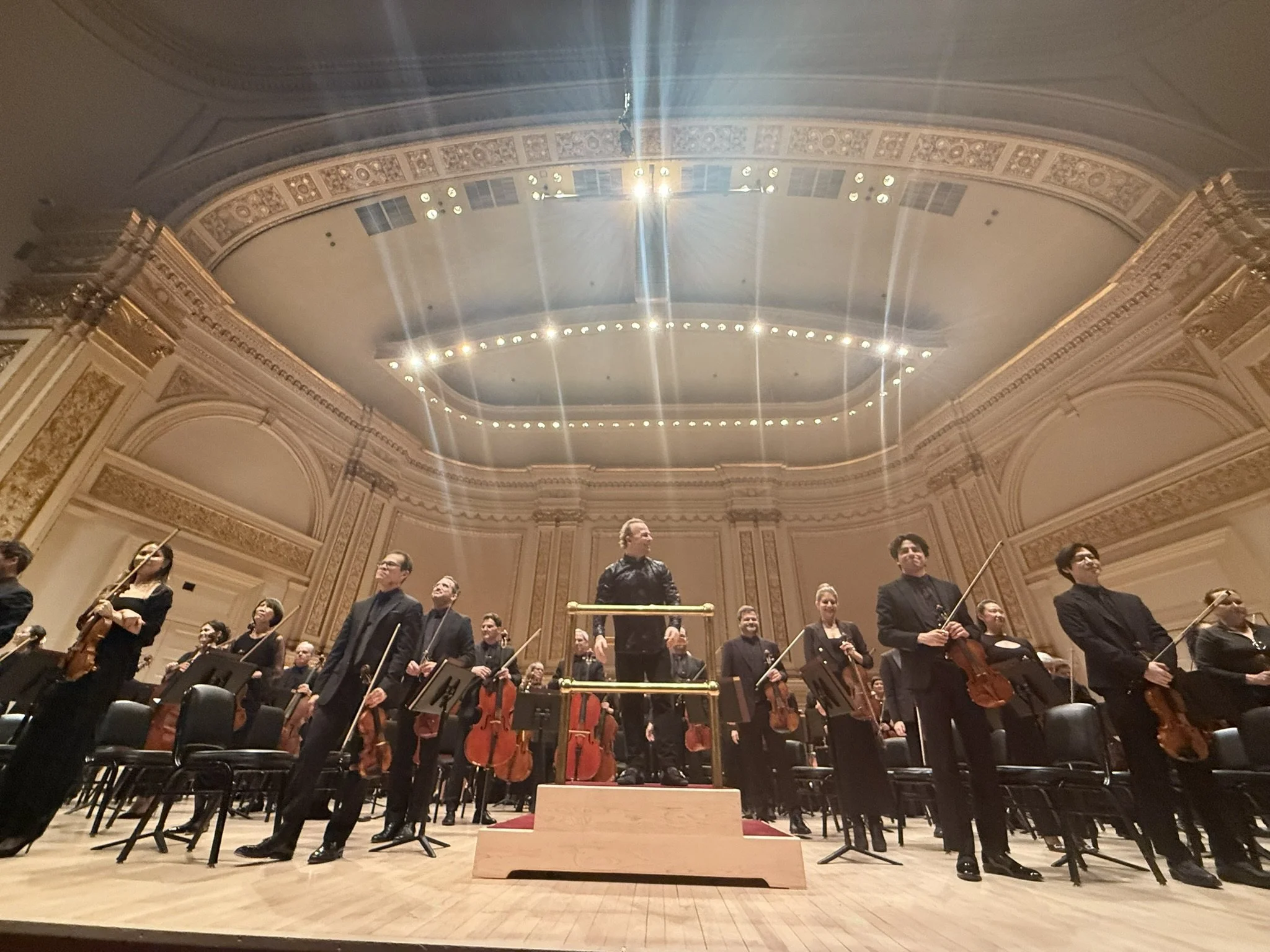
Read MoreAttendance that were not in my previous reviews, including Aida at Met Opera, Nina Stemme, Soprano, and Roland Pöntinen, Piano, at Carnegie Hall, Juilliard415 and Lionel Meunier, Pierre-Laurent Aimard, Piano at Carnegie Hall, Antony and Cleopatra at Met Opera, Evgeny Kissin and Friends at Carnegie Hall, Wagner’s Tristan and Isolde, Yannick Nézet-Séguin at the Philadelphia Orchestra.The Met Orchestra at Carnegie Hall
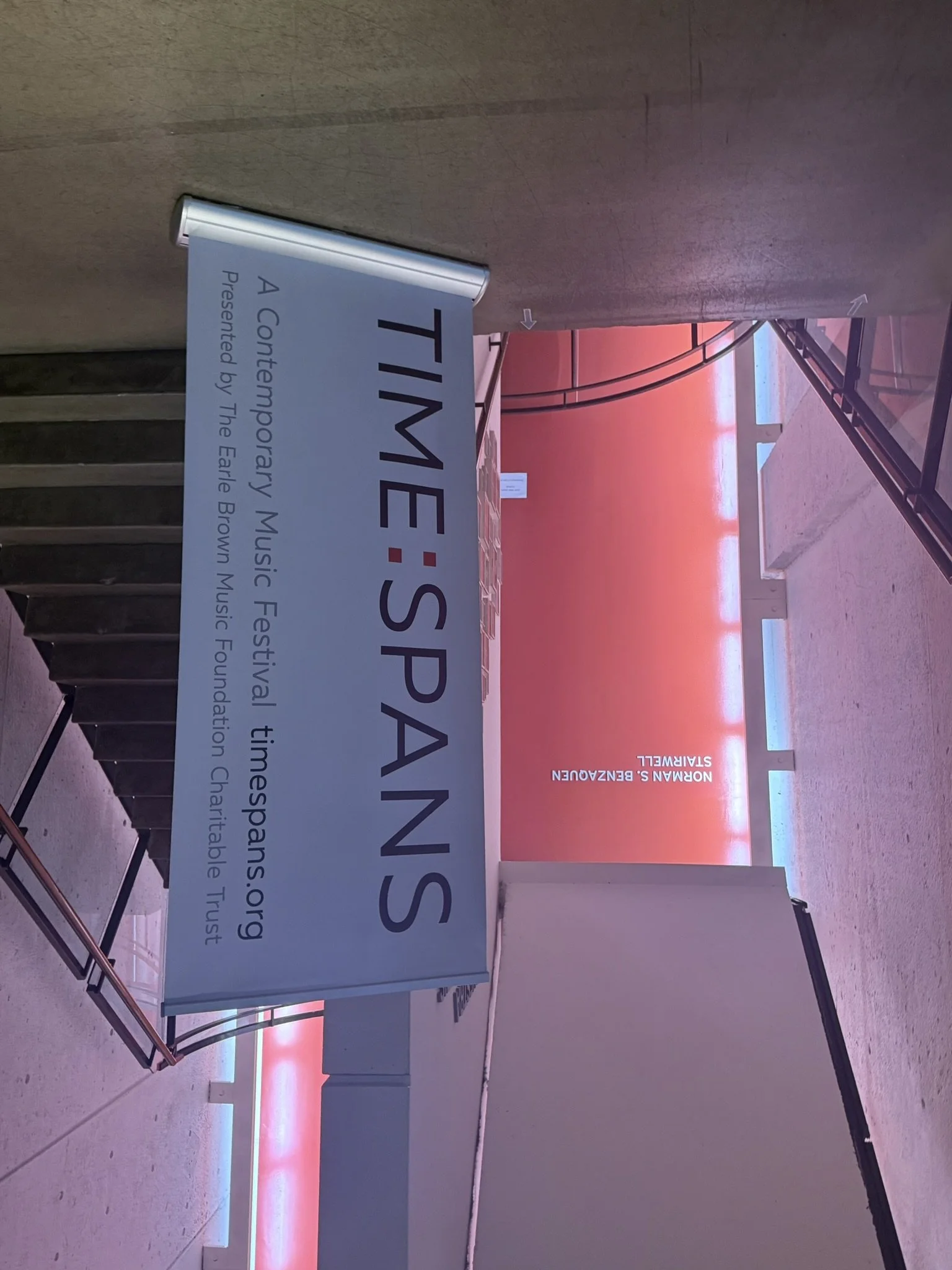
Read MoreAttended four concerts at the 2025 TIME:SPANS Contemporary Music Festival in NYC, featuring Ensemble Nikel, Christopher Trapani, Bekah Simms, and more, showcased cutting-edge sound art and offered a glimpse of the present and future of global contemporary music.
Read MoreMontreal's Red Theater merges poetry, sound, video, and performance into a total artwork. Takasugi and Huei Lin’s score, performed by seven vaudevillians, blends chaotic microtones with vivid visuals, dissolving illusions and evoking infinity. At Time: Spans 2025, the ensemble, led by Noam Bierstone, revealed mastery over time, space, and perception.
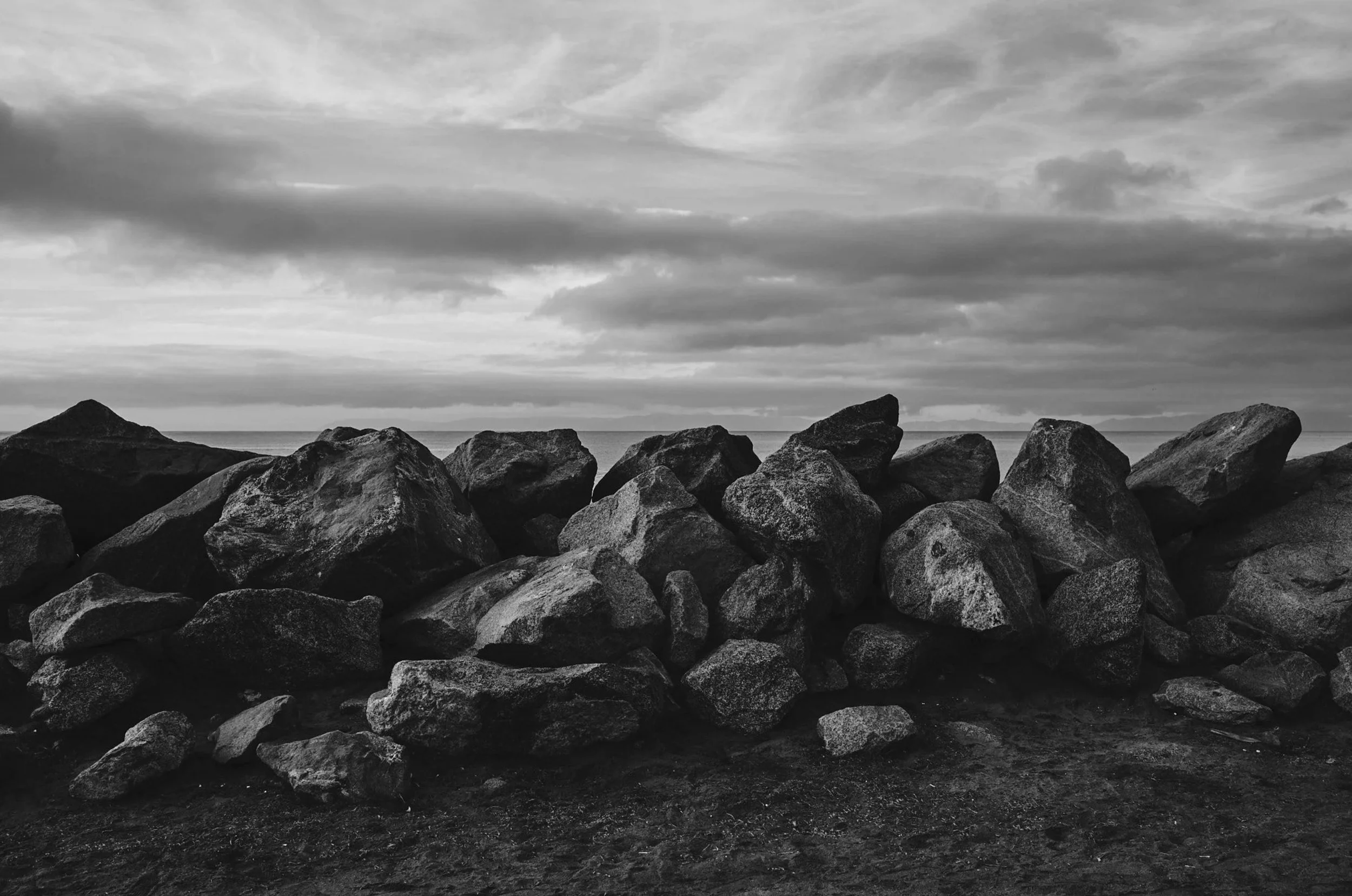
Read MoreBalse told me about Leica.
It captures shadows, not light.
In music, it can be said to reflect silence rather than sound.
And then, an old memory came back: when we lived in the same apartment and listened to Webern's Op. 7 (1910) together.
Read MoreA few years ago, I got a sudden phone call from a friend to tell me that a family member had passed away. I was very confused. For better or worse, any encounter with contemporary music begins with confusion. As I listen, I get used to it, and sometimes I can see it much more clearly than I do now. This is because the stimulation reaches parts of the brain that I haven't used before, activating my senses.
Read MoreAfter listening to Kreisleriana, I remembered Kurtág's "Martha Ligature," which I heard in April at Uchida's recital. Kurtág studied unity using as few materials as possible. He was also fascinated by Webern.
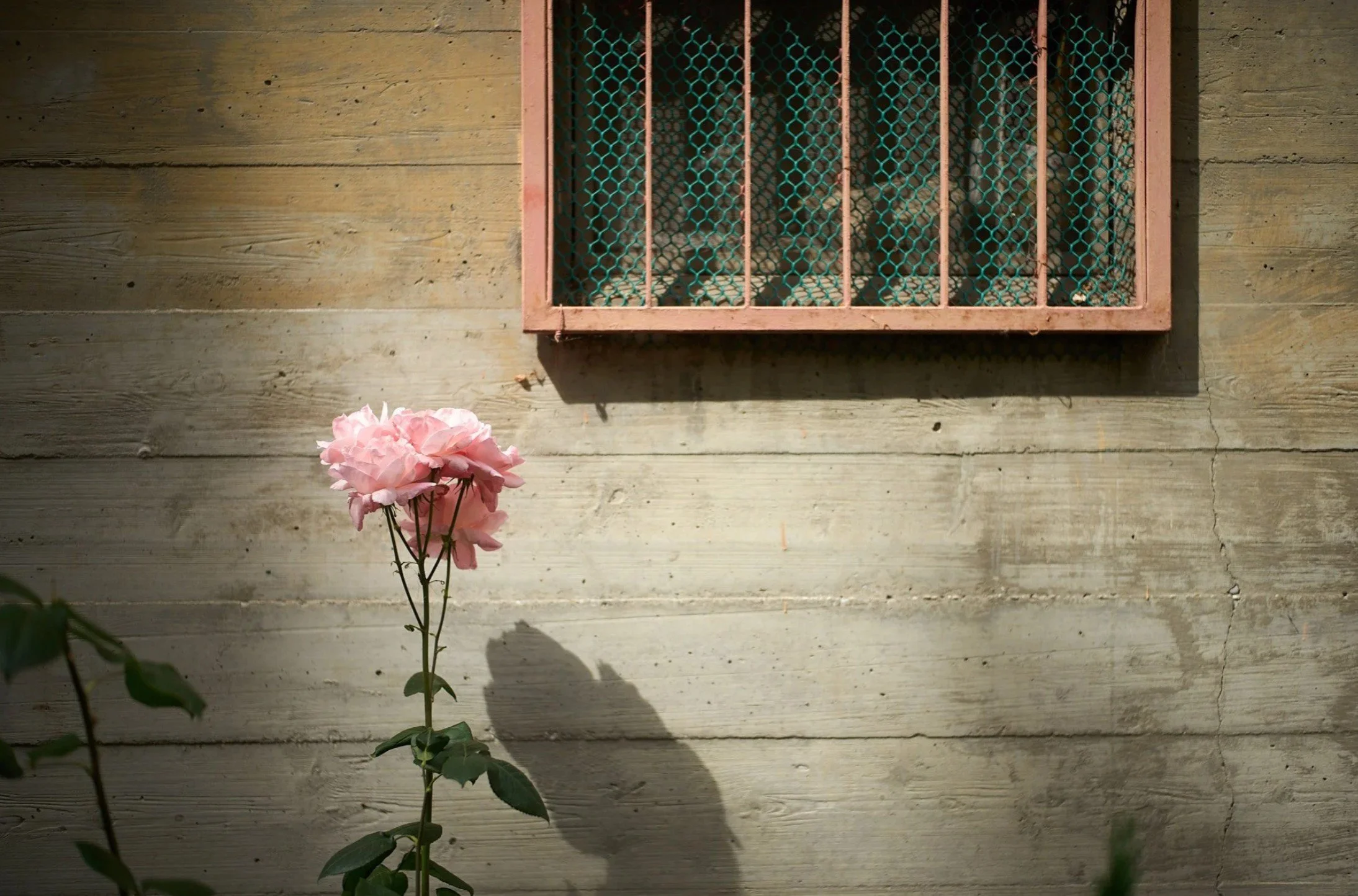
Read MoreI received a photo letter from Balse.
There were a few words in it.
After reading, I looked up the schedule for next May and found that I will be listening to Schumann's Kreisleriana.
Read MoreWhen I finished reading the letter from Balse,
This came to my mind.
Read MoreExtensive symphonic experience and exceptional soloists at LA Philharmonic.
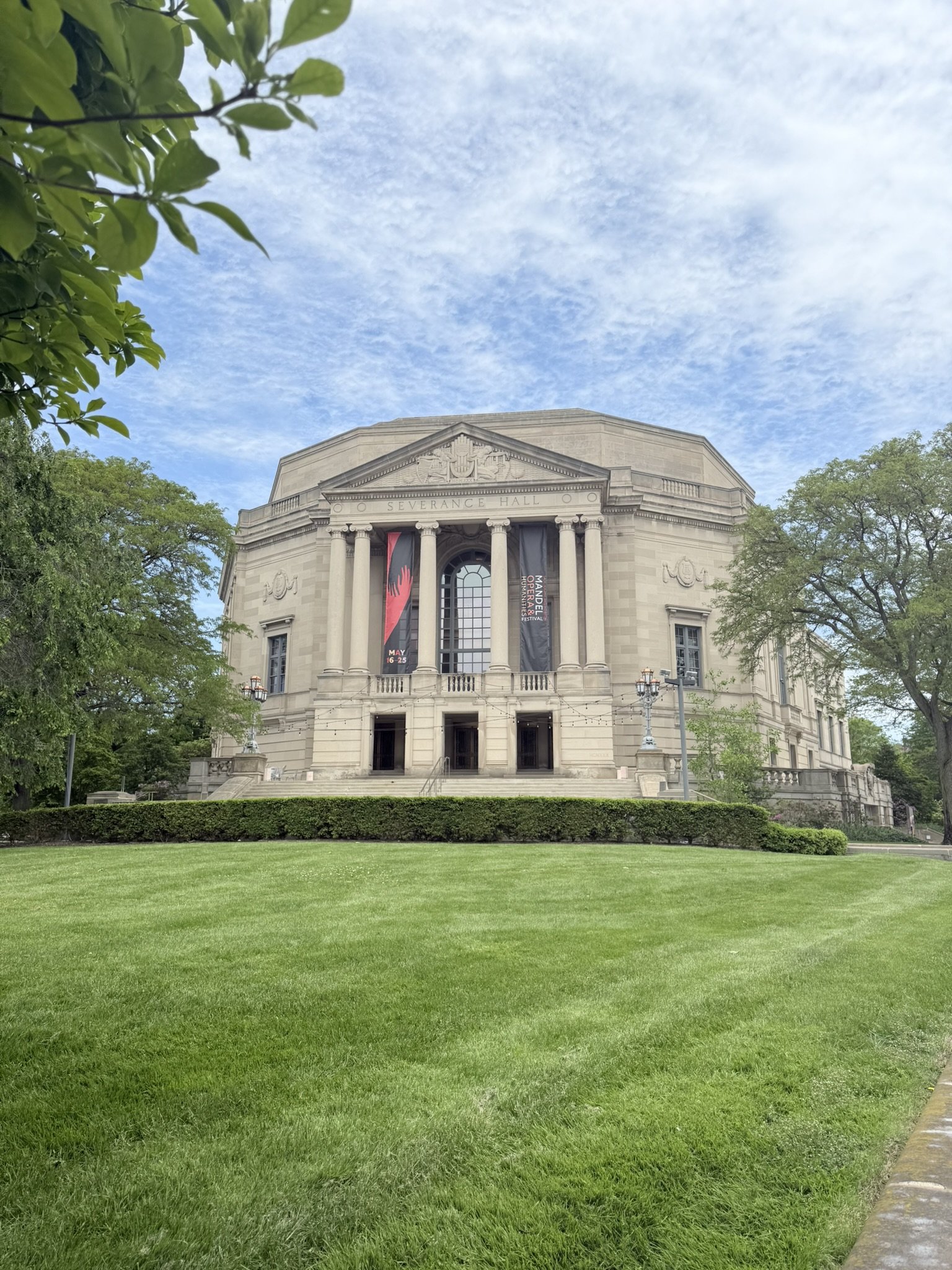
Read MoreThe Cleveland Orchestra under Franz Welser-Möst performed Janáček’s Jenufa at Severance Hall (May 25). With Nina Stemme as Kostelnička, the music’s raw motifs and immediacy revealed Janáček’s deep empathy for ordinary lives. Unlike New York, the intimacy of Severance Hall revived the author’s youthful passion for music.
Read MoreThe Met’s 2025–26 must-sees: Tchaikovsky’s Onegin with a world-renowned diva, Wagner’s Tristan under Yannick and Sharon’s new staging, Strauss’ poignant Arabella, Saariaho’s contemporary Innocence, and a fresh production of Mozart’s Don Giovanni.
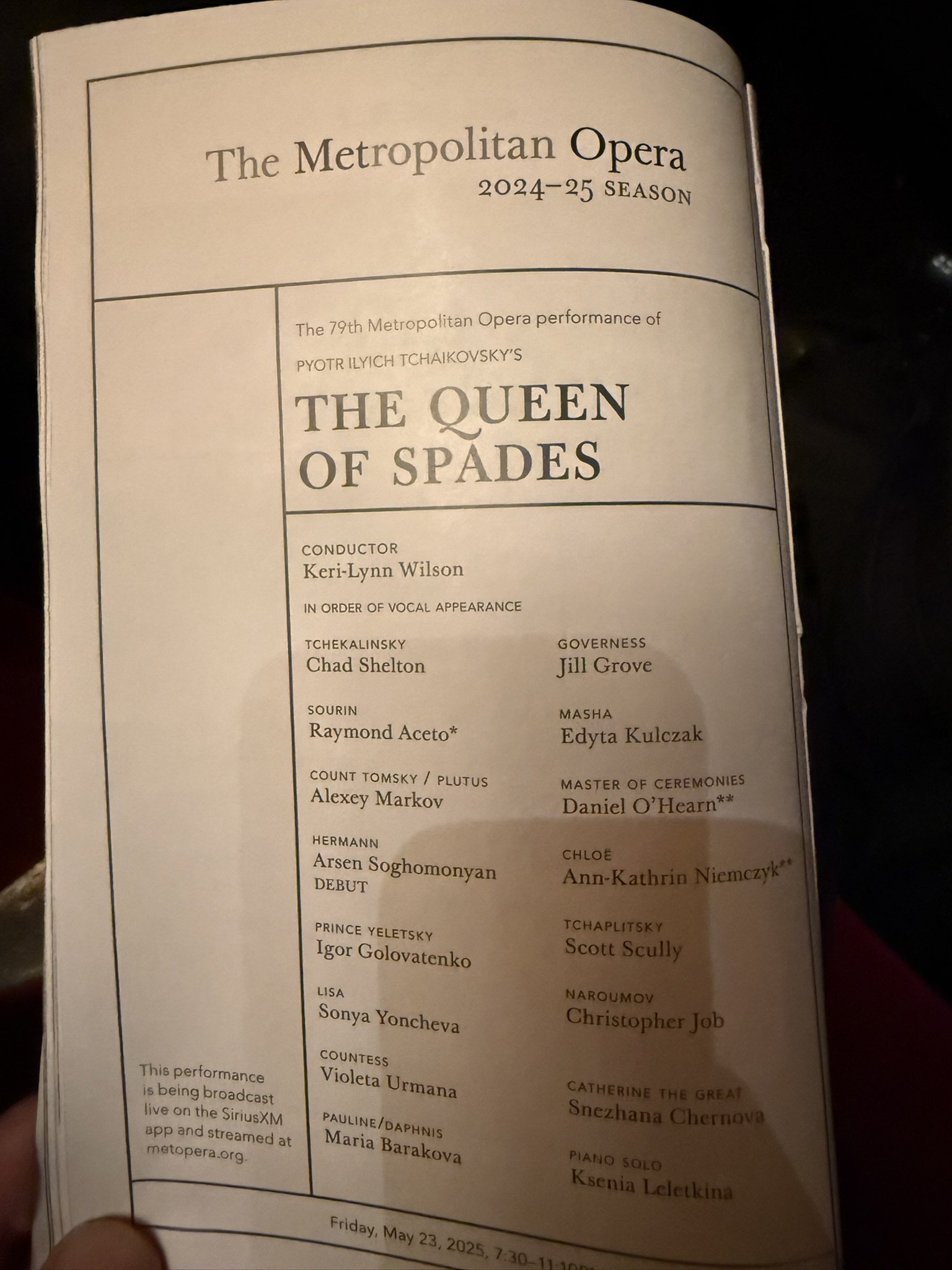
Read MoreAt the Met’s Queen of Spades, Herman, consumed by gambling, betrays Lisa to learn the Countess’s secret, leading to Lisa’s suicide and his own. Tchaikovsky’s drama blends corrupted aristocracy, aching folk songs, and Herman’s tormented passions. Stunning contrasts of love, riveting choruses, and Sonya Yoncheva’s tragic Lisa made it unforgettable.
Read MoreClaus Guth’s new Salome at the Met reimagines Strauss’ 1905 shocker with seven Salomes, tracing abuse, obsession, and fractured identity. Transparent orchestral colors heighten the perverse, ecstatic drama, while Elsa’s portrayal adds compassion over pure decadence. Childhood, violence, and desire fuse in a haunting 21st-century vision.
Read More