Für Lennart in memoriam (2006) honors Lennart Meri, evoking light and sea; L’abbé Agathon (2004) portrays monk Agathon’s kind deeds; Stabat Mater (1985/2008) contrasts anguish and prayer through voices and strings; Magnificat (1989) modernizes polyphony with tintinnabuli; Te Deum (1985–2007) embodies sacred stillness by Estonian.
Read MoreAt Carnegie Hall on October 23, 2025, Paavo Järvi led the Estonian Festival Orchestra and Choir in a luminous celebration of Arvo Pärt’s 90th birthday—a journey through sound, silence, and faith. From the solemn bell of Cantus in Memory of Benjamin Britten to the turbulent energy of Perpetuum Mobile and the haunting redemption of La Sindone, each work revealed Pärt’s struggle for spiritual truth amid oppression. The choir’s unified cry in Adam’s Lament evoked humanity’s exile and hope, while Tabula Rasa, with Midori and Hans Christian Aavik, blazed with life before dissolving into sacred stillness. An encore of Passacaglia glowed with Brahms-like warmth, followed by the serene timelessness of Fratres and the cathartic faith of Credo. The evening ended in the gentle peace of Estonian Lullaby, affirming Pärt’s profound humanity—his art born not of profession, but of silence and soul.
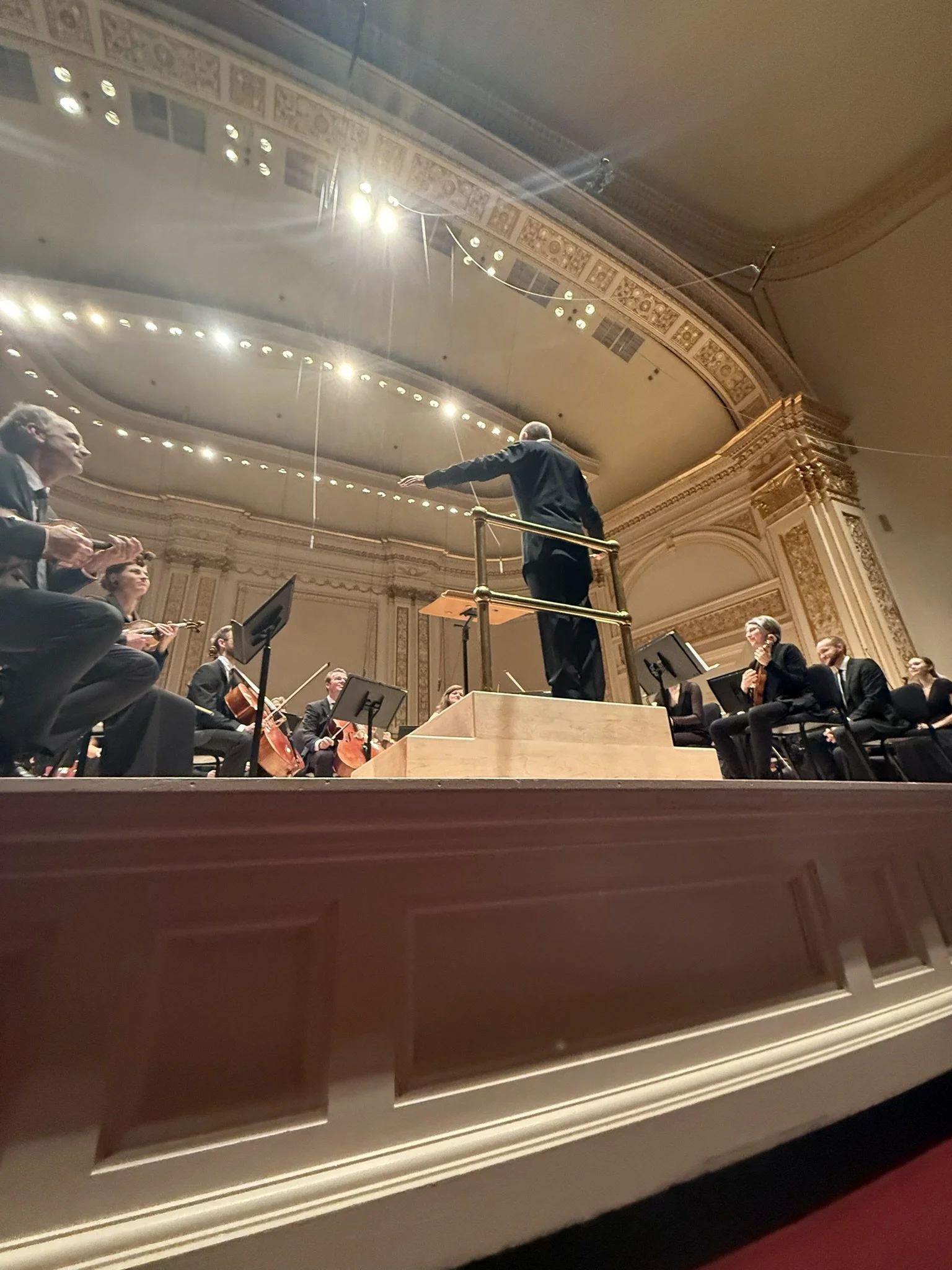
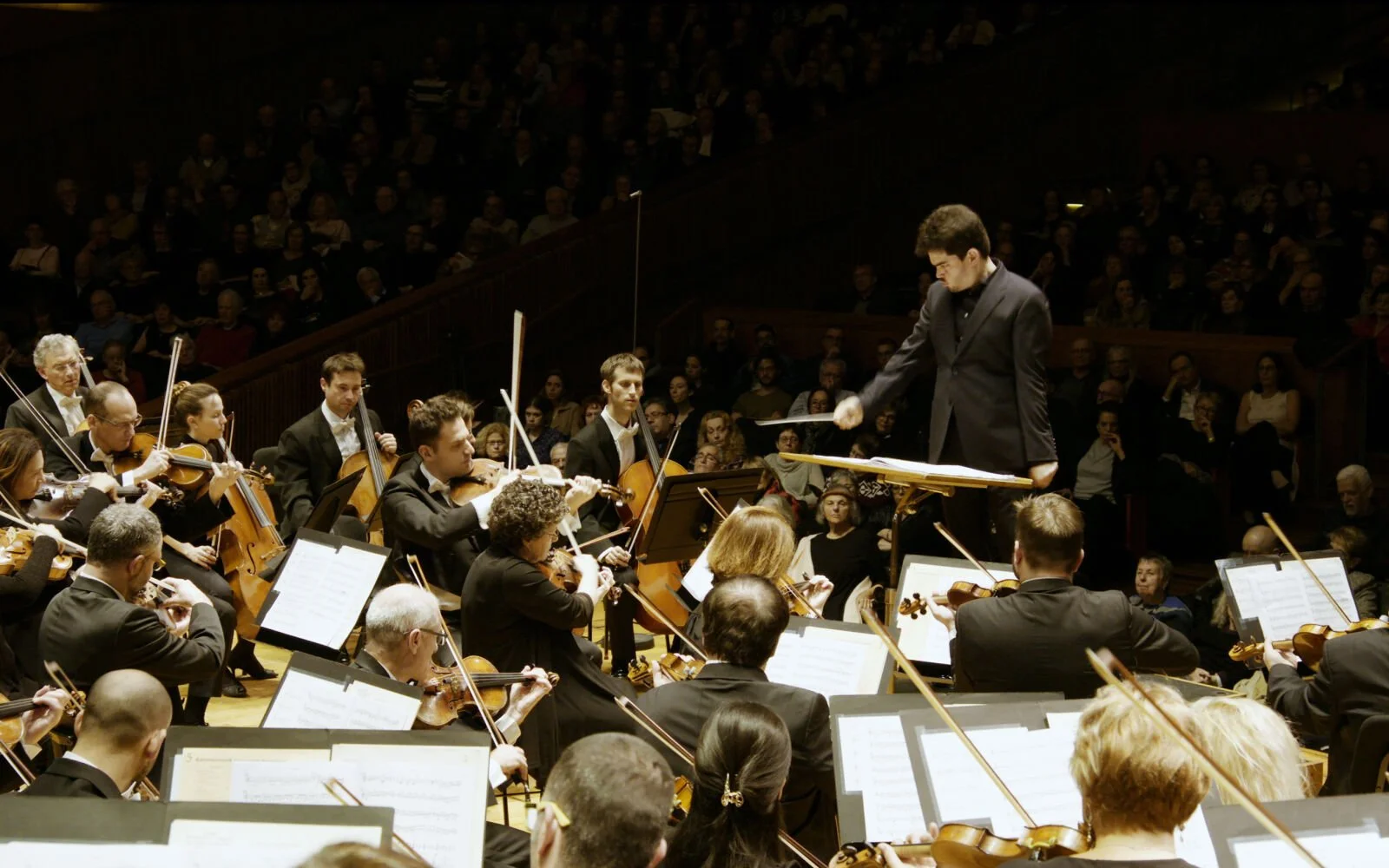
Read MoreThe third day of the Israel Philharmonic's Carnegie Hall performance. Shani is truly fascinating. First of all, his conducting looks Barenbom. He plays the final, dragging note of Tchaikovsky's 6th Symphony. The double bass is muted and plays the final note. The double bass stops. The orchestra's consciousness continues even after the sound has died down. The score specifies the length of the piece, and it ends with a fermata. He doesn't lower his baton. When Jeff, sitting next to me, applauds first, this memory becomes eternal. Shani is a conductor who unleashes everything in the concert. In one section, Shani did not time the Munich Philharmonic's principal cello, Thomas Ruge, and principal violin, Dumitru Pocitari, to enter simultaneously. Since they both enter at their own pace, the individuality of the cello and violin sections, each carrying the main melody, is highlighted. Shani's conducting brings out the artistry of each performer and unlocks unknown possibilities. Even when they are not synchronized, their individual voices eventually become a dialogue, overflowing with a single, powerful energy.
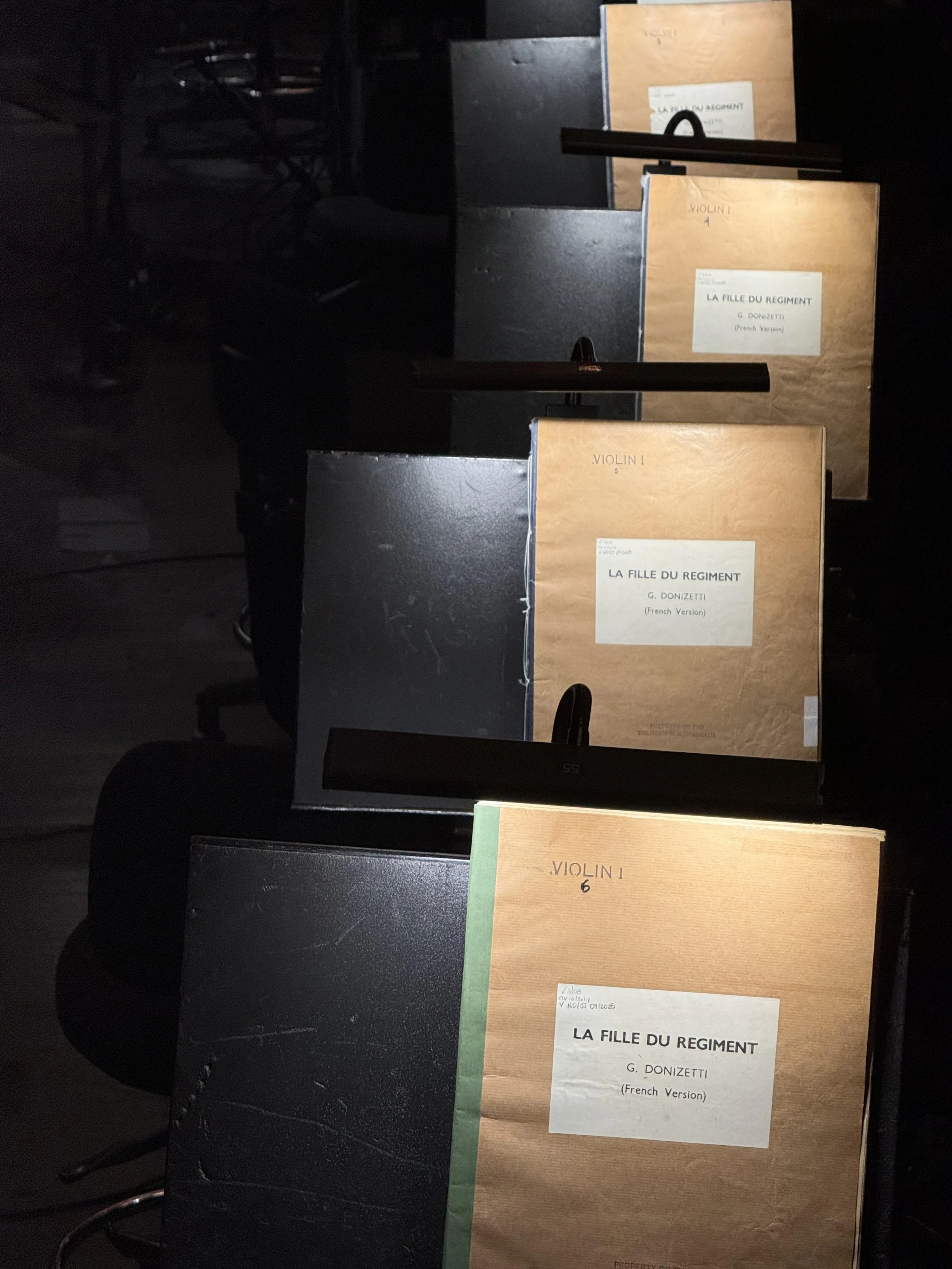
Read MoreDonizetti’s La Fille du Régiment, which premiered in 1840, opened at the Met Opera on 10.17.2025. Refined and flexible overture. The strings flowed in a legato unlike Mozart or Bellini—light, supple, smooth as silk. Under Sagripanti’s brushwork, the Met Orchestra’s colors spread like a live fresco on an autumn night in New York.
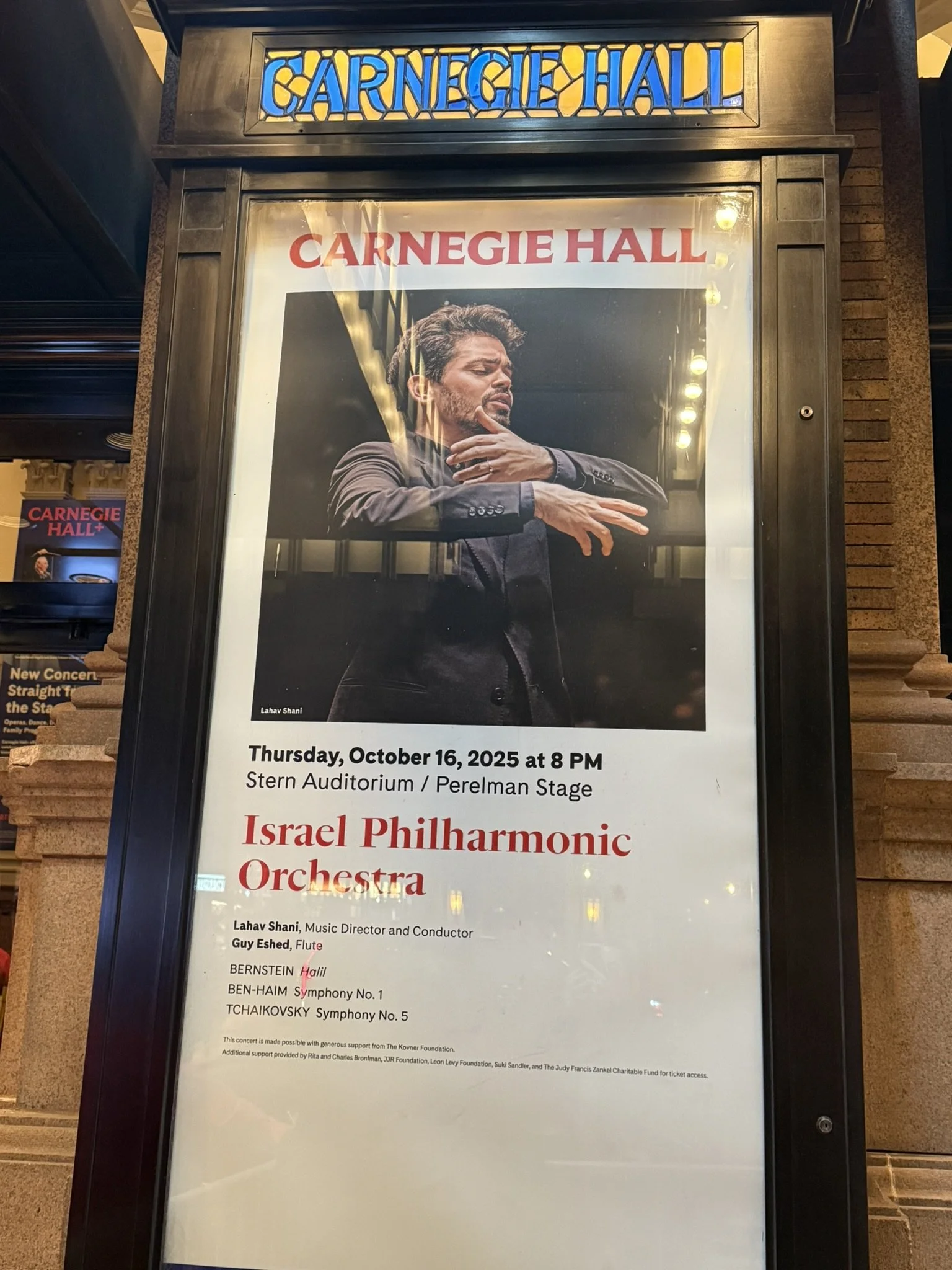
Read MoreThe Israel Philharmonic Orchestra and Lahav Shani’s second Carnegie Hall concert on October 16, 2025, opened with Bernstein’s Halil (1981), a haunting memorial to a young flutist killed in war. Principal flutist Guy Eshed’s faint singing and scraping sounds intensified the music’s atonal and tonal shifts, evoking Hindemith, Berg, and postwar American composers, blending menace, hope, and prayer. A silent tribute followed the final non-vibrato flute note. Ben-Haim’s Symphony No. 1 then burst forth with Wagnerian power in the strings, revealing Mahlerian structure infused with Yemeni prayers, marches, and oriental rhythms. The lyrical second movement recalled Adagietto, while a lively tarantella showcased violist Dmitri Ratush’s dark tone. Tchaikovsky’s Symphony No. 5 closed the evening with a heavy, lingering opening and surging brass power, as Shani led the orchestra through intensifying repeated themes, building to a feverish, triumphant finale.
Read MoreThe Israel Philharmonic and Lahav Shani at Carnegie Hall on 10.15.2025. Each one, thoroughly prepared and crafted with exquisite attention to detail, was an absolute joy. This is not only their deep understanding of the music, of the conductor, and of each other, but also the sense that they must exchange ideas, sometimes even clash, and ultimately build something together. I felt that they all spoke the same language, no matter what they were playing. All was playing for the others, and everyone was playing for one.
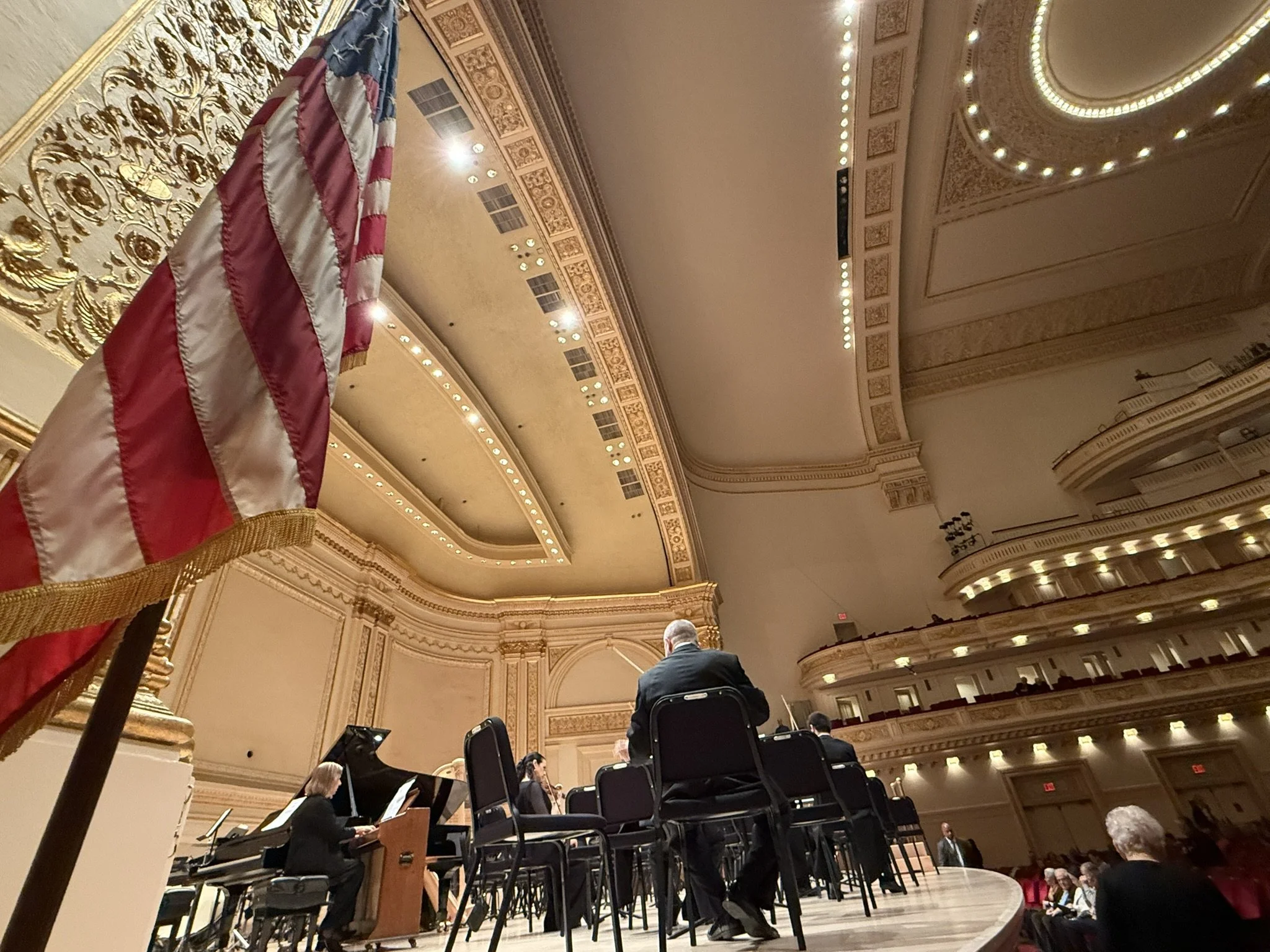
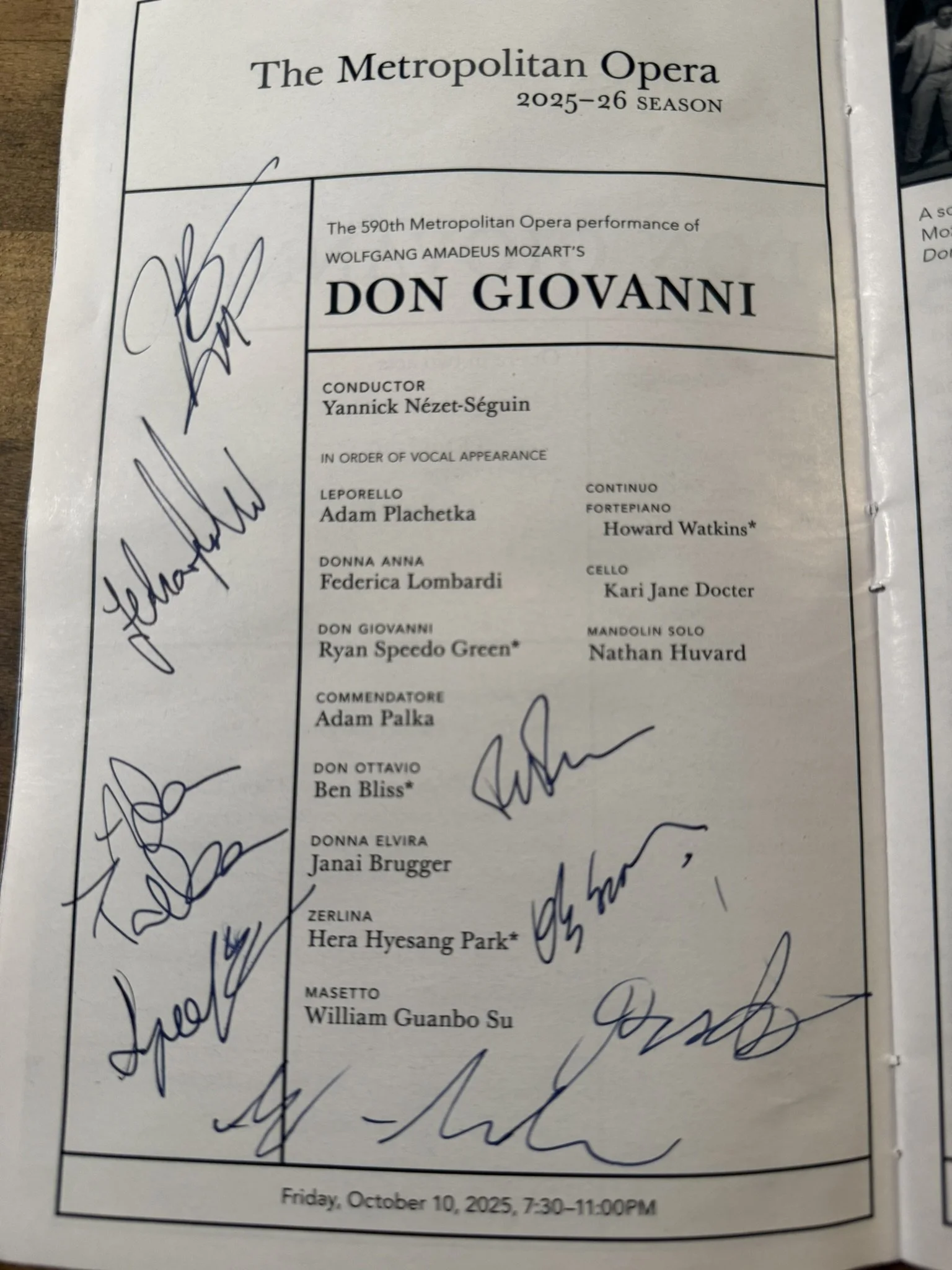
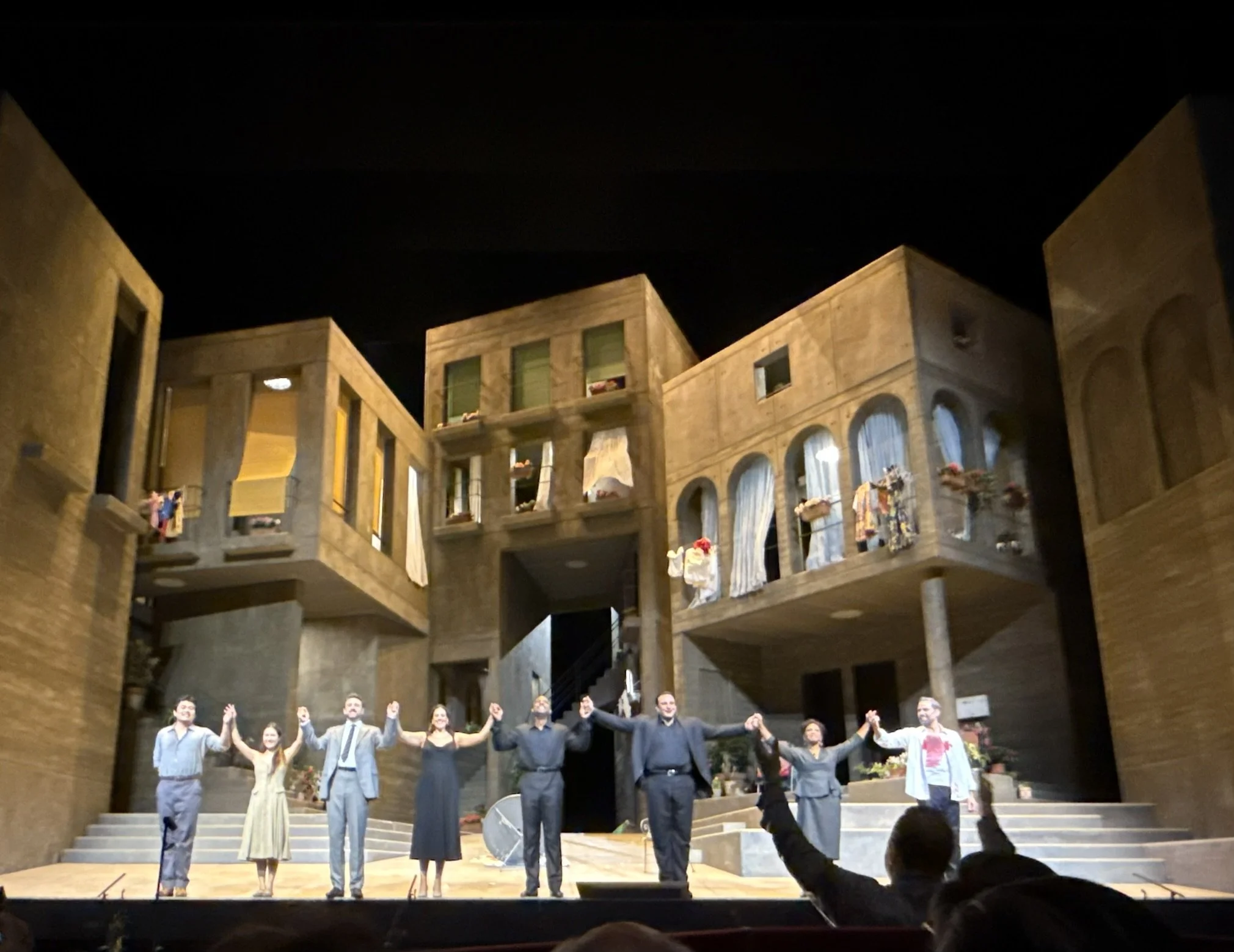
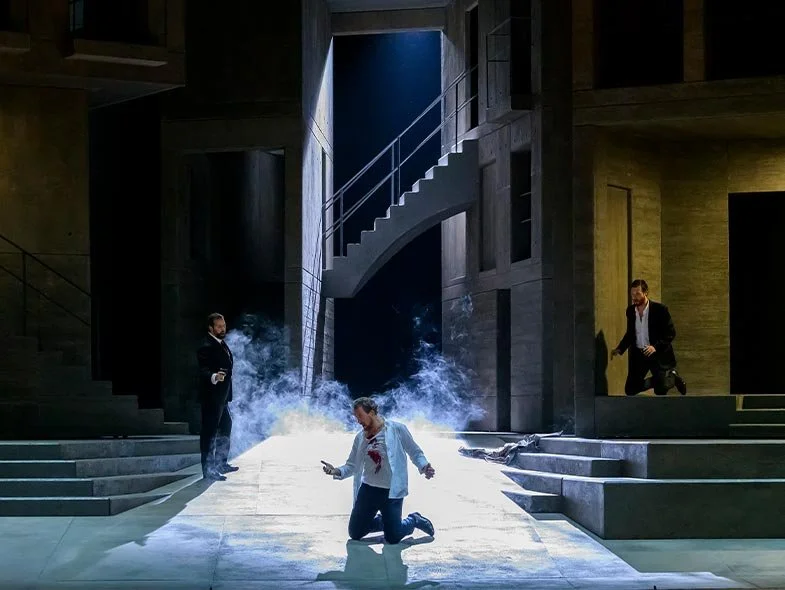
Read MoreI saw the 6th performance of Don Giovanni at the Met. Compared to the first performance, the orchestra’s more polished, period-informed approach felt intimate, light, and like a playful conversation. Against this backdrop, the singers’ refinement and subtle humor allowed Mozart’s modernity to shine at the Met. From beginning to end, the music was alive—overflowing with vitality. The texture of the orchestra’s sound was completely different when the Commendatore was alive versus after he was killed. The orchestra masterfully distinguished between a human brimming with life and one on the verge of death. When I focused on the singers, the orchestra’s sound came through even more vividly.
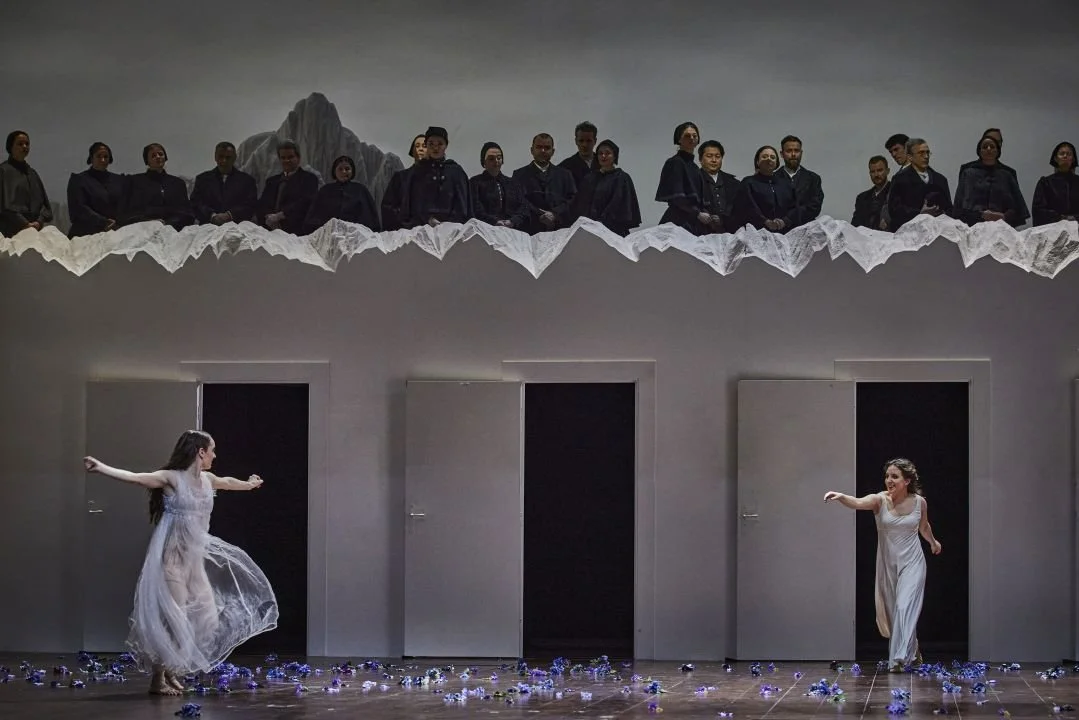
Read MoreRolando Villazón’s production depicts the village as strict and repressive, using minimalist sets and Alpine projections to contrast Amina’s sleepwalking freedom with societal pressures when awake. Nadine Sierra skillfully portrayed both her liberated and vulnerable sides, while the orchestra mirrored this with bright string tuttis for waking scenes and ethereal textures for dreamlike moments, emphasizing Amina’s innocence and marginalization.
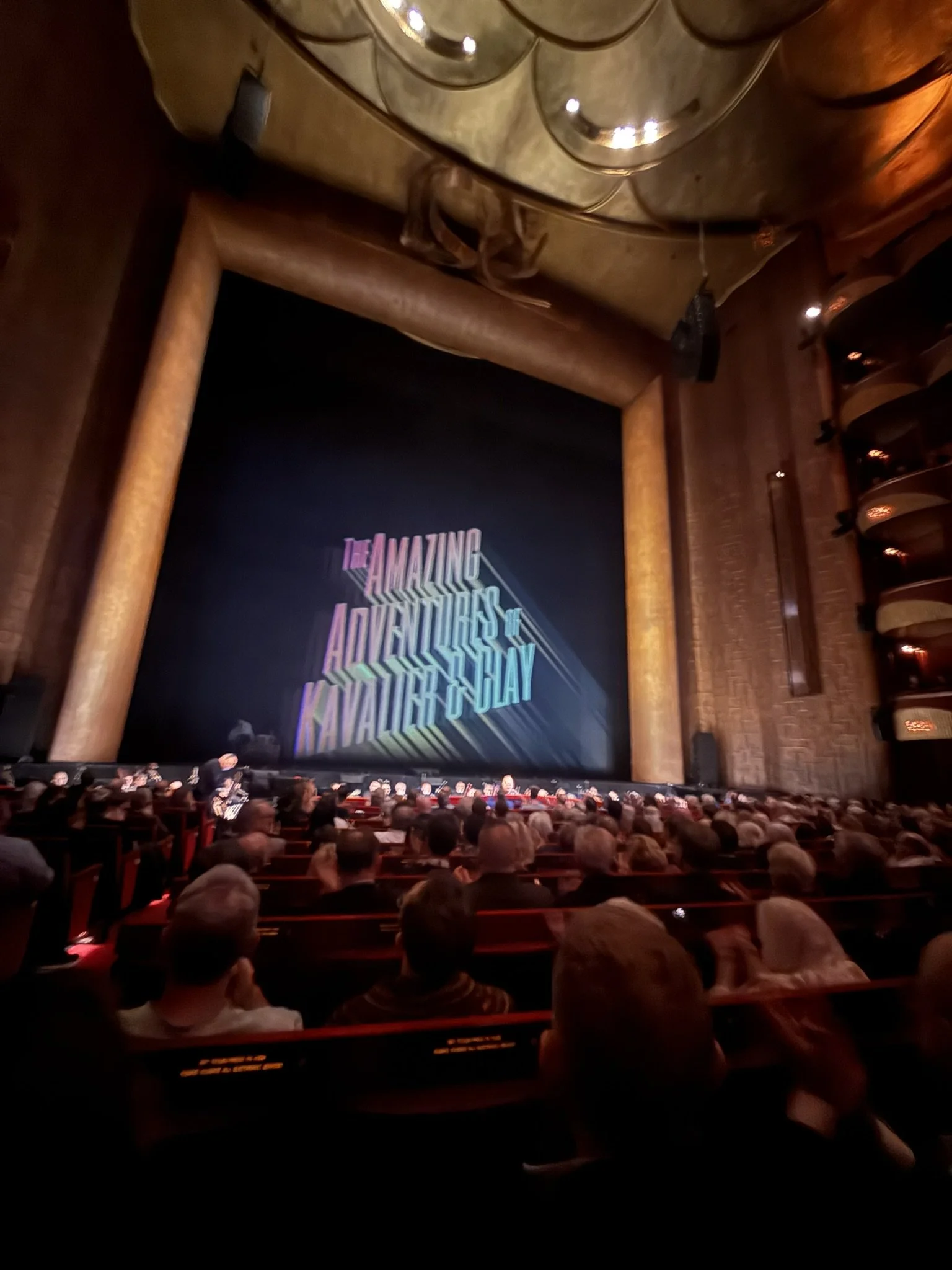
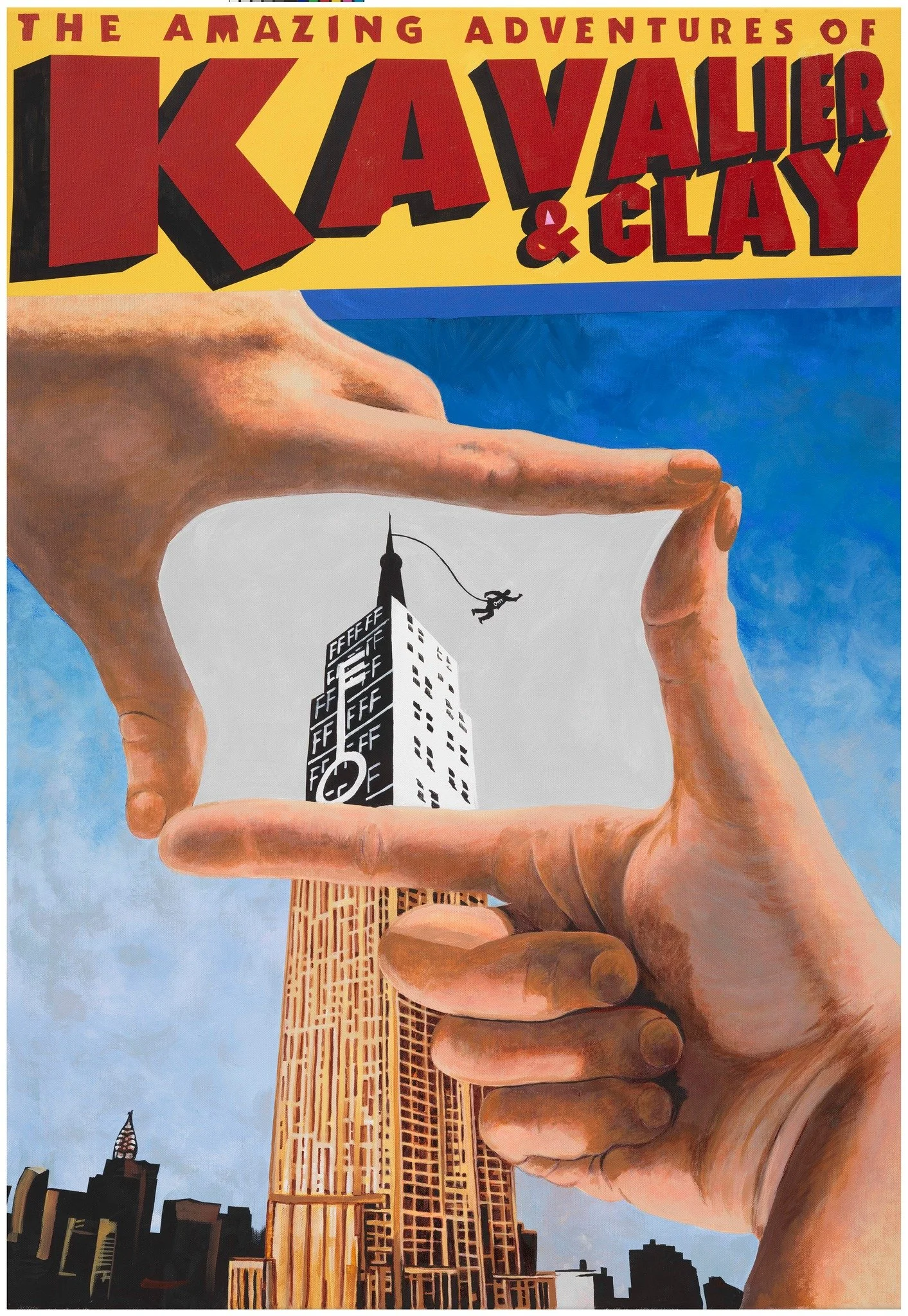
Read MoreMason Bates hung speakers from the ceiling of the world’s largest opera house, which convinced someone who had enjoyed Detroit, German techno, or other electronica that a fine symphonic experience was the event. The sound filled the vast space of the Met. Met orchestra, including Wagner tubas, was layered with electronics. Speakers were positioned on both sides of the stage and from the ceiling, blending electronic sound as if to create a new species, resonance, and power in the orchestra. Whereas I usually find PA effects distracting, they were intricately integrated. For someone like me, who has enjoyed both classical and electronic music, it was a new sensation to experience The Amazing Adventures of Kavalier & Clay at the Metropolitan Opera.
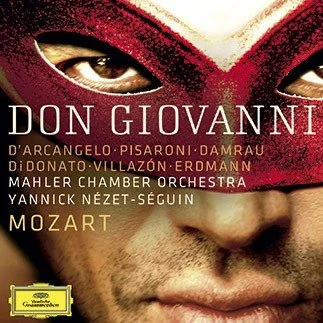
Read MoreMozart’s masterpiece comes vividly to life. Emotion infused the score, where even a sigh became music, and the Met orchestra and singers revealed the complexity of human ties. Yannick Nézet-Séguin let Mozart’s voice emerge freshly, alive with individuality and truth.
Read MoreThe final scene of Act 1 of Don Giovanni. The women who have been deceived raise their voices: “Tremble, you villain! lightning bolt will strike above your head!”— leading into Act 2.
Read MoreBellini is a poet of melody. He places long, flowing lines over a restrained orchestra, expressing emotions and psychology to their utmost depth. La sonnambula (The Sleepwalker) exemplifies this, with its melodies conveying both narrative and the subtleties of feeling.
Read MoreMet Opera will present Bellini and Donizetti, 19th-century Italian. Bellini was a poet of melody, writing long, flowing lines over a restrained orchestra to express emotion and psychology to the fullest. La sonnambula (The Sleepwalker) exemplifies his style, where the melody drives the story and conveys lyricism and psychological depth. Donizetti, by contrast, was prolific across comedy and tragedy, blending melodic beauty with dramatic development and insight, condensing the flow of the story into the music. In La fille du régiment (The Daughter of the Regiment), he skillfully uses coloratura, choruses, and modulations to vividly depict comedic situations and romantic conflicts, merging melody and drama. After savoring Bellini’s poetic melodies, audiences can enjoy the theatrical drama that Donizetti created a decade later.
Read MoreThe Israel Philharmonic, born out of persecution and exile, dedicates a performance of Ben-Haim’s works, conducted by Lahav Shani, at Carnegie Hall. Ben-Haim masterfully integrated the musical traditions of different Jewish communities into Western structures, achieving a refined and richly expressive synthesis of ethnic elements.
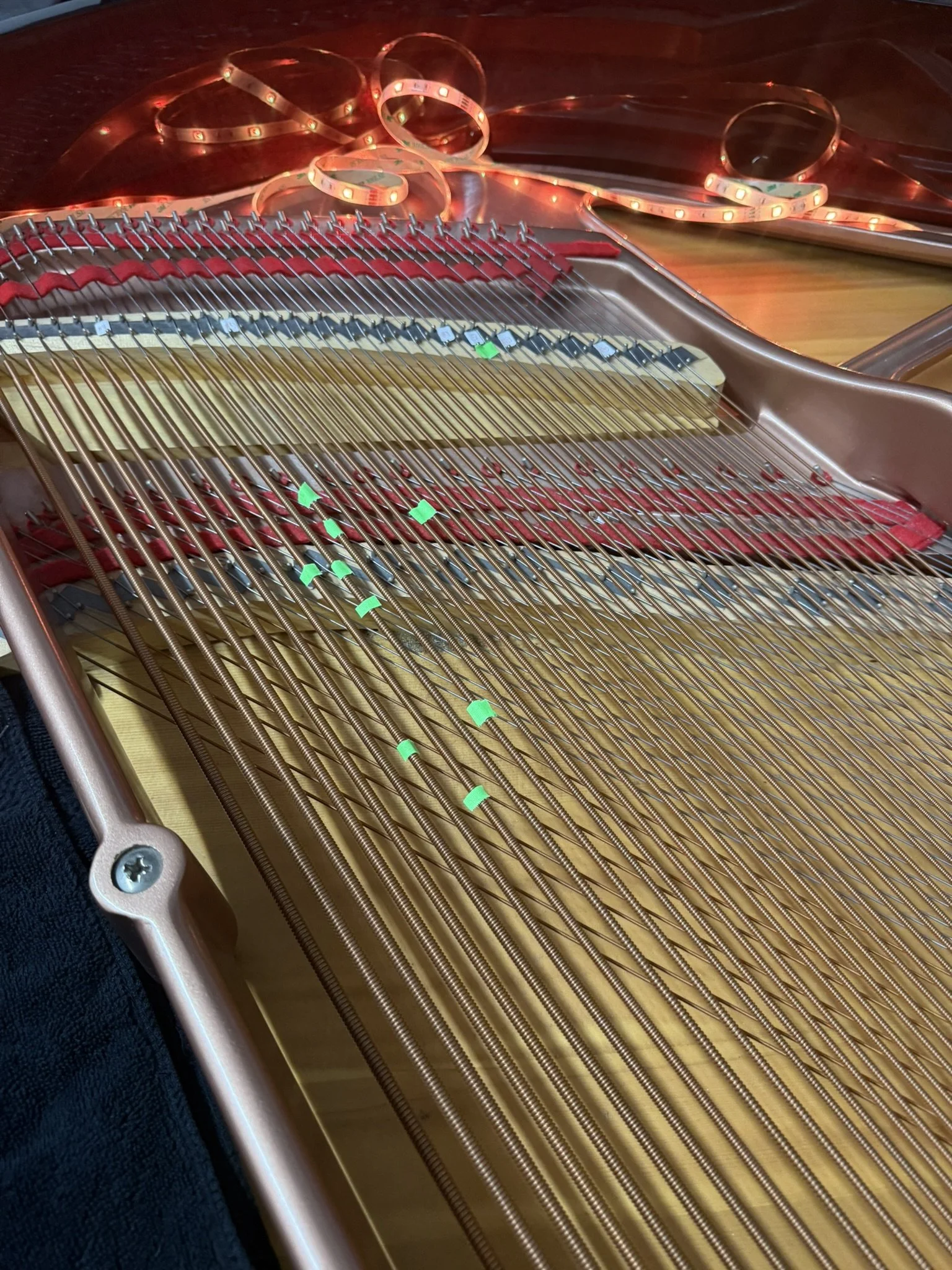
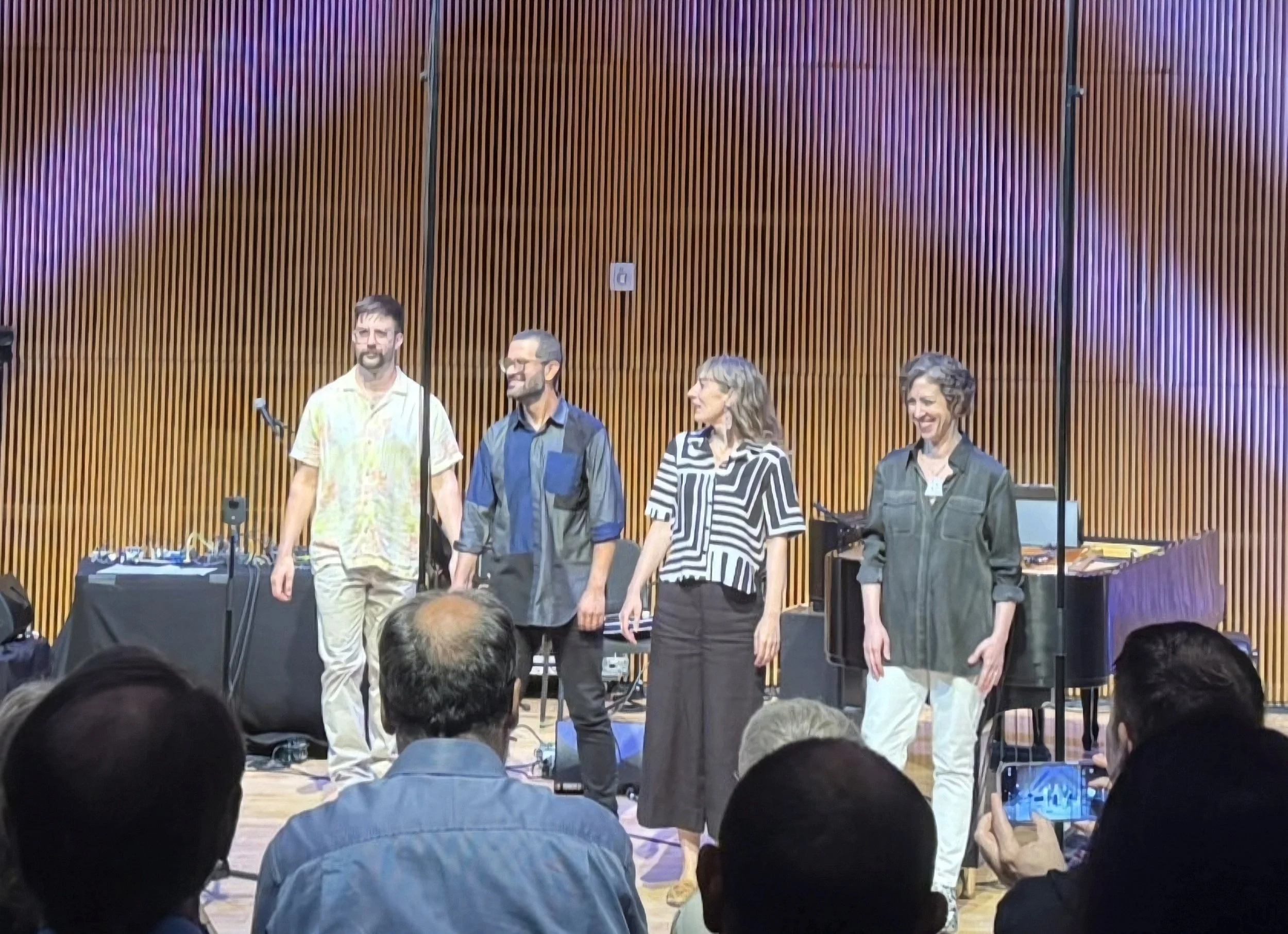
Read MoreOn the way there, Mäkelä’s Berlioz is playing in my head. Yarn/Wire’s studio in Bushwick, Brooklyn, where they've been fifteenth year. The program began with Igor Santos’s living to fall [music and rain]. As fragments of video unfolded alongside live sound, the consciousness of the four performers made the images—rain, shattering glass—appear vividly.
Read MoreEven you rely on laws and rules for your protection, yet establish your freedom at the expense of others, this opera is for you. Because you will see yourself reflected in the human nature that Mozart portrays. Conductor Yannick brings difficult classical music to life in an accessible, discovery-filled way, revealing your treasure. Director Hove drives a wedge into your hardened heart, using the interplay of power and redemption to enhance the music. Now, let us go witness the filth of humanity that thrives in every age.
Read MoreThe season features new American operas and performances by major orchestras from Chicago, Boston, Philadelphia, New York, and Cleveland at venues such as Carnegie Hall, the Metropolitan Opera, and David Geffen Hall. The Juilliard Orchestra, Juilliard 415, Gidon Kremer, and the Budapest Festival Orchestra, Klaus Mäkelä, Andris Nelsons, Yannick Nézet-Séguin, Erin Morley, Louise Alder, Lise Davidsen, Joyce DiDonato, Asmik Grigorian, and Rosa Feola plan to come.
Read MoreThe latest works by Canadian composers Sarah Davachi and Igor Santos at Yarn/Wire’s studio in New York. Davachi’s Feedback Studies for Percussion (2022) creates a meditative soundscape using percussion and feedback, minimizing melody and rhythm while exploring resonance and overtones. Performers do more than follow the score, shaping sound in response to the acoustics, immersing listeners in the subtle shifts and flow of time. Santos’ living to fall [music and rain] (2022) blends sound and visual media around the theme of water, employing piano, keyboards, percussion, and visuals to evoke thunder and rain, symbolizing both violence and healing. Yarn/Wire delivers precise and expressive performances of both works, offering a profound encounter with the possibilities.
Read MoreIf one listens closely, the orchestration’s structure, the thematic content of each scene, and the musical context emerge, revealing the composer’s intentions. Moreover, the ingenuity of the librettist and production team, the conductor’s interpretation, and the performers’ expressiveness also become apparent. Why was a particular instrument assigned to a specific scene? Why does bassoonist Billy’s tone always shine so brightly, producing textures entirely different between Dead Man Walking and familiar Italian opera? Why is the Maroon unison always precise? Why is Silvio’s timing and reed work on the clarinet impeccable? Why can Yannick infuse infinite emotion into the violin tutti? The answers are evident when you watch.
Read More