


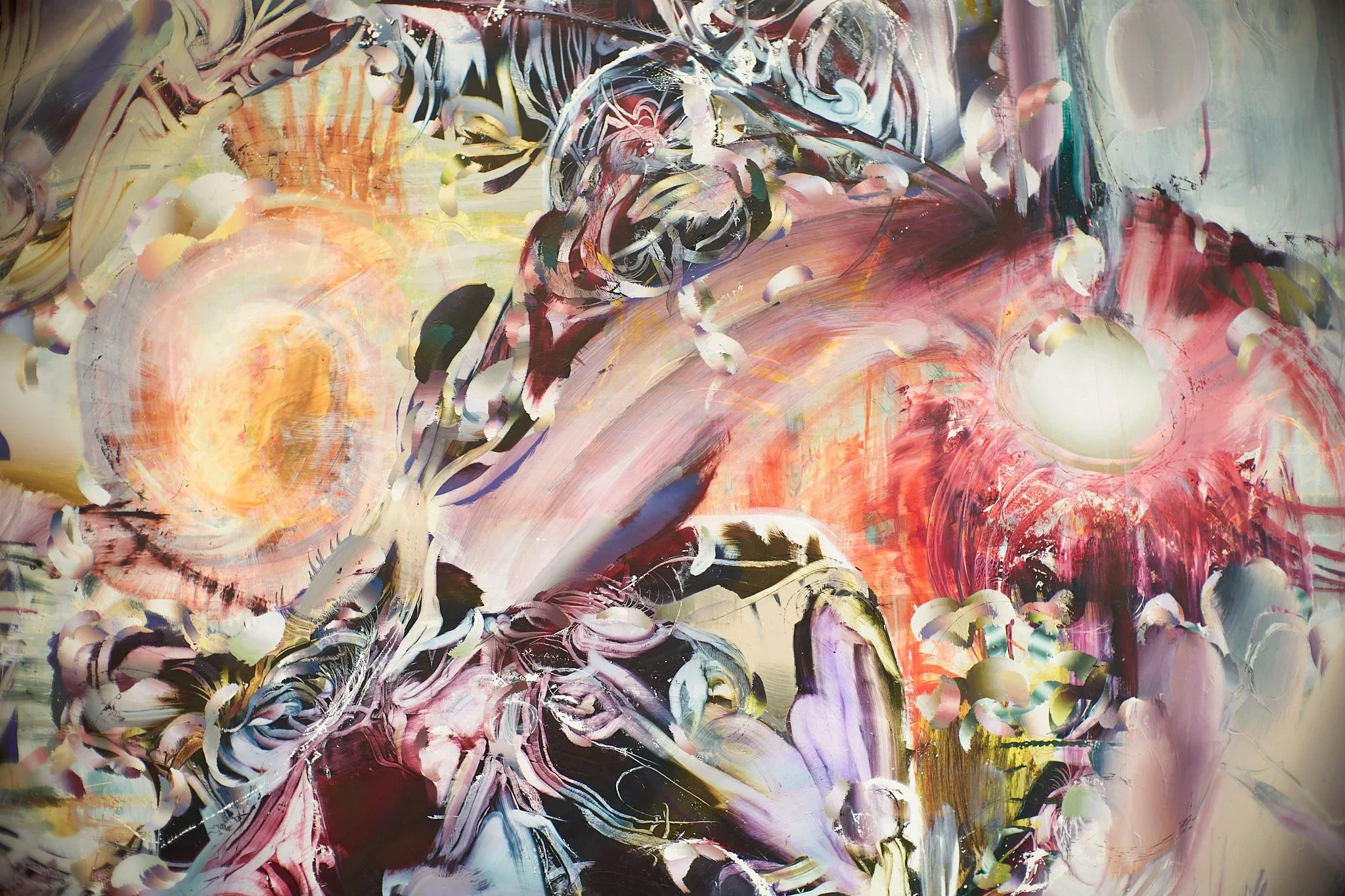
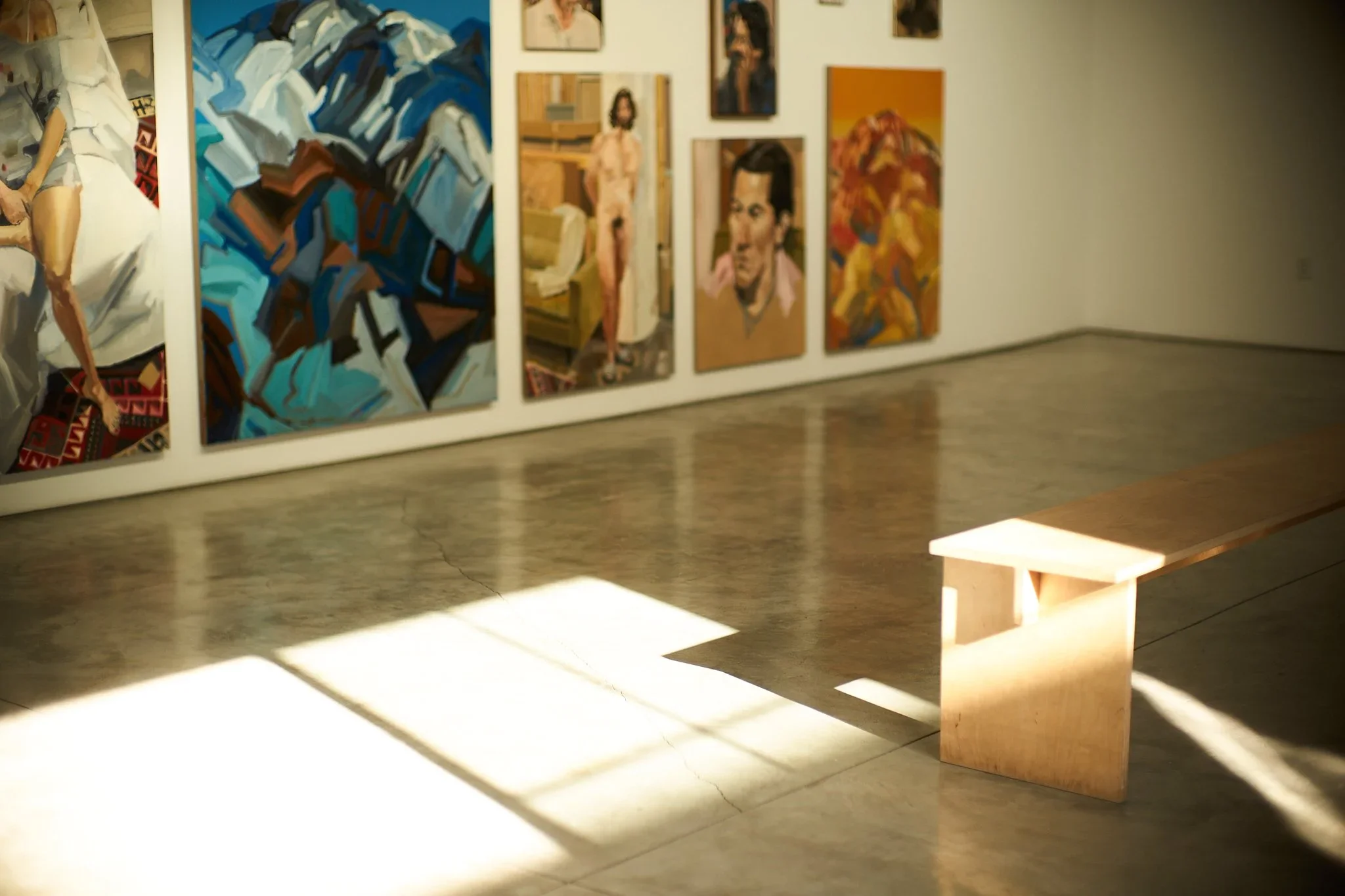
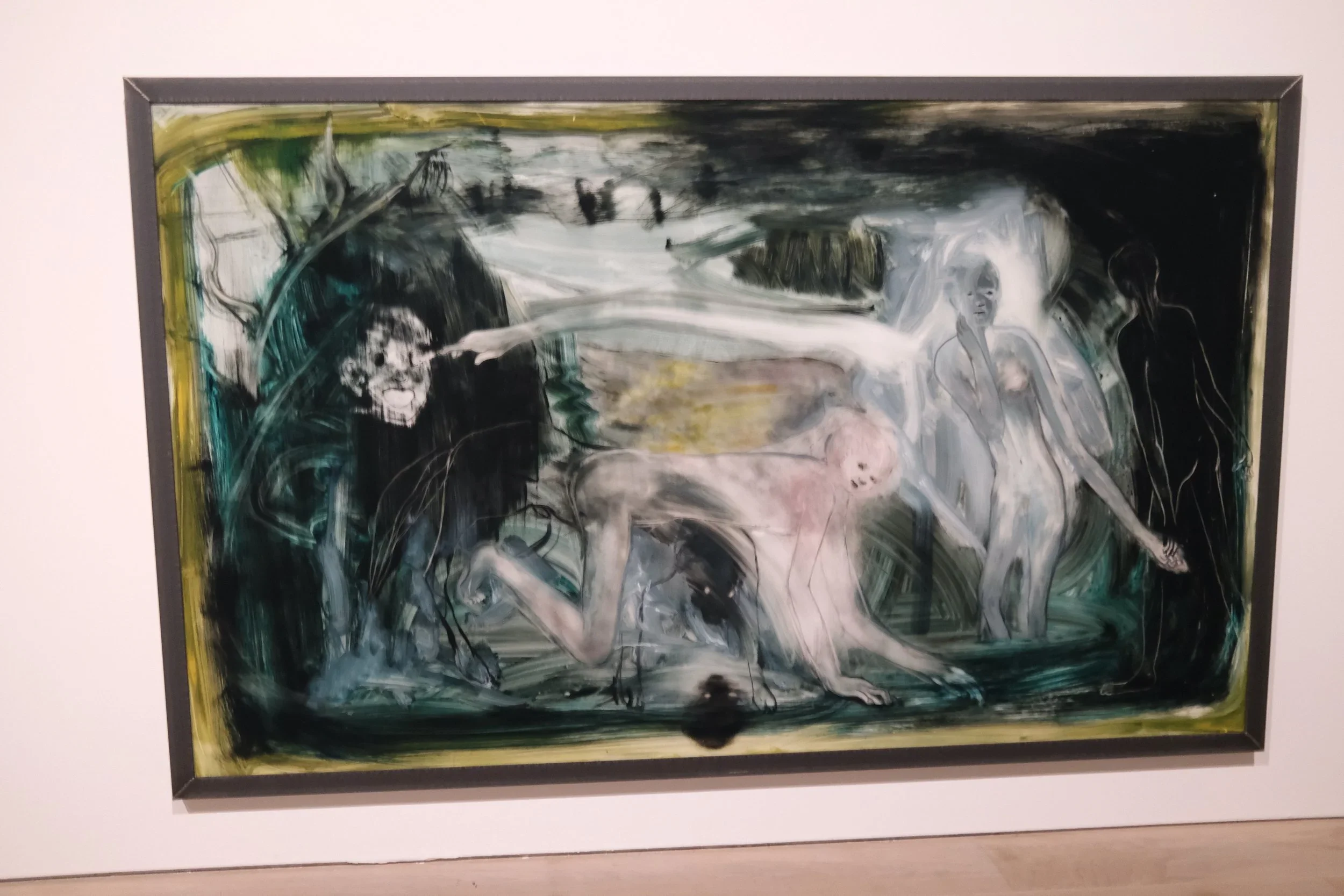
Lauren Quin Eyelets of Alkaline
Jan 31 – Mar 28, 2026
PACE Gallery, Los Angeles
I hold my breath and
TWO FOLD
the sound of a rainy day helps RECALL the forgotten pen deep inside the drawer
I loved.
revisit William Blake. drawing attention to the sky,
turning things inside out.
1.5 meters away, what will you see? Stage, platform, theater. Perfectly wrong, rhythm wrong, rigid, blip, something interesting happens, detuned. They, the birds, made the body of work. To allow it to happen. Enabling the subject to speak for itself. Birds come through. Spirits and personality of birds. The Pillar. To visit the pillars every three days. To see their world, not anything to do with my world. A doorway to their world. The birds representing themselves. The images that were a little offbeat, wrong, worked better. It’s the feeling, and not just the aesthetics.
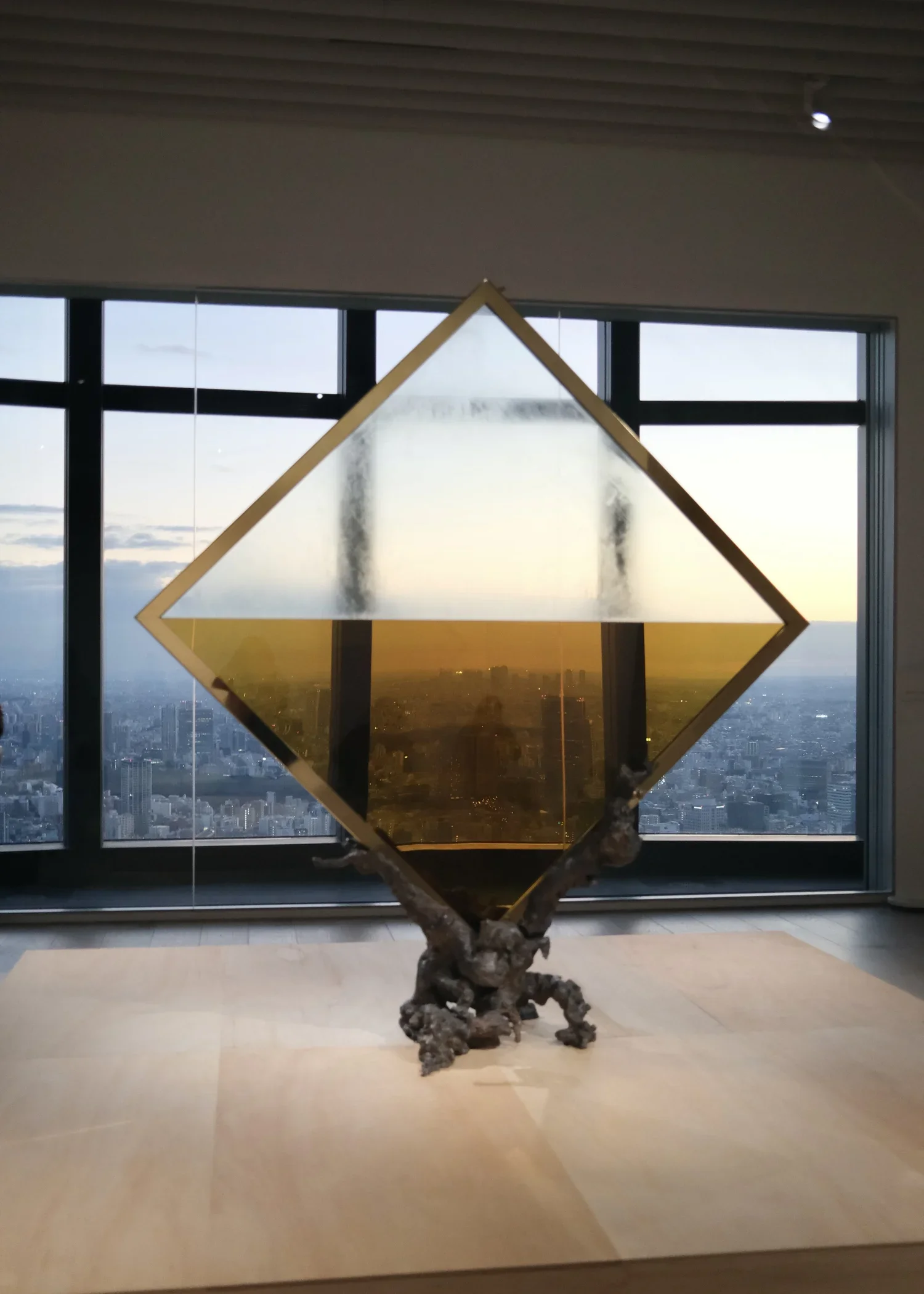

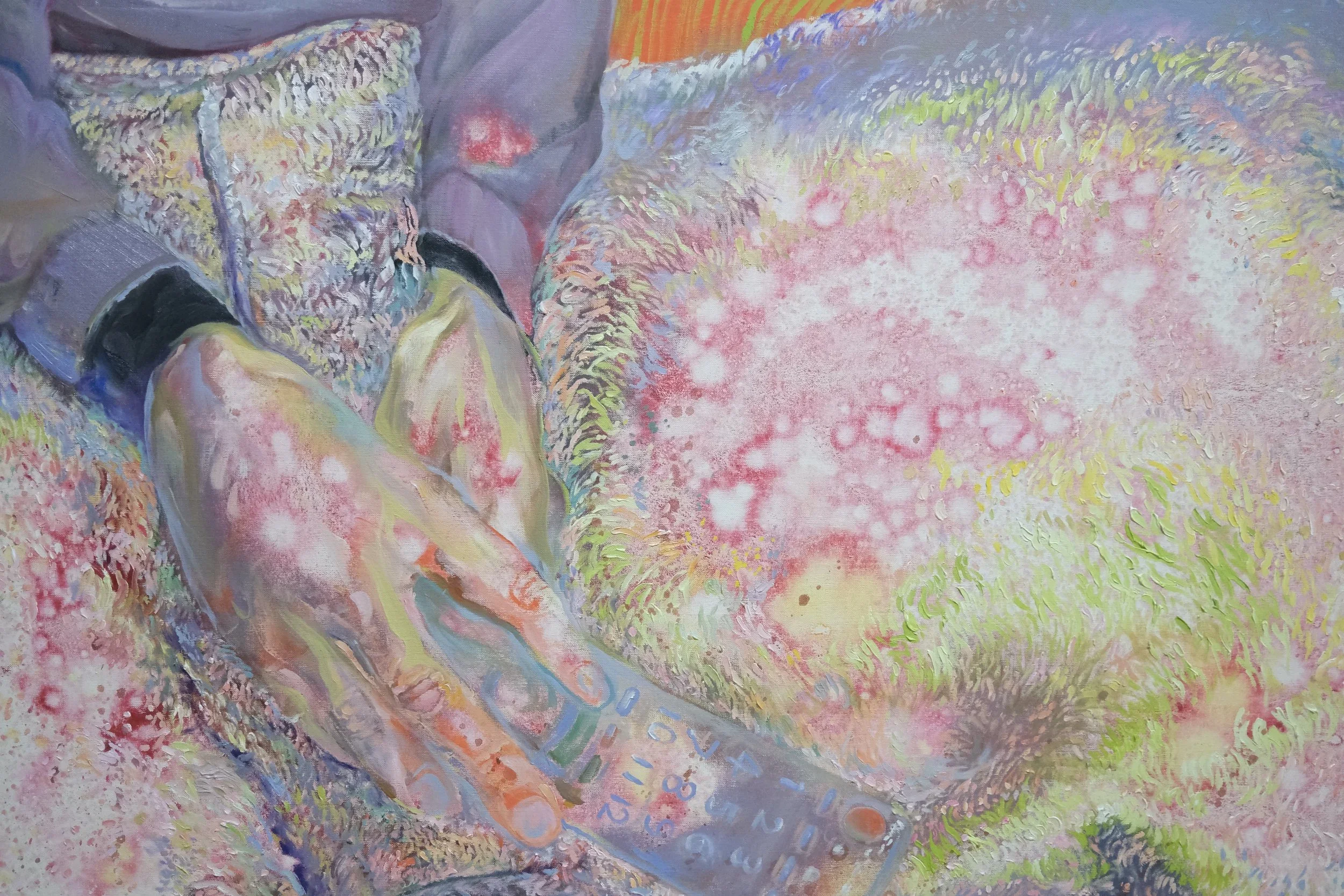
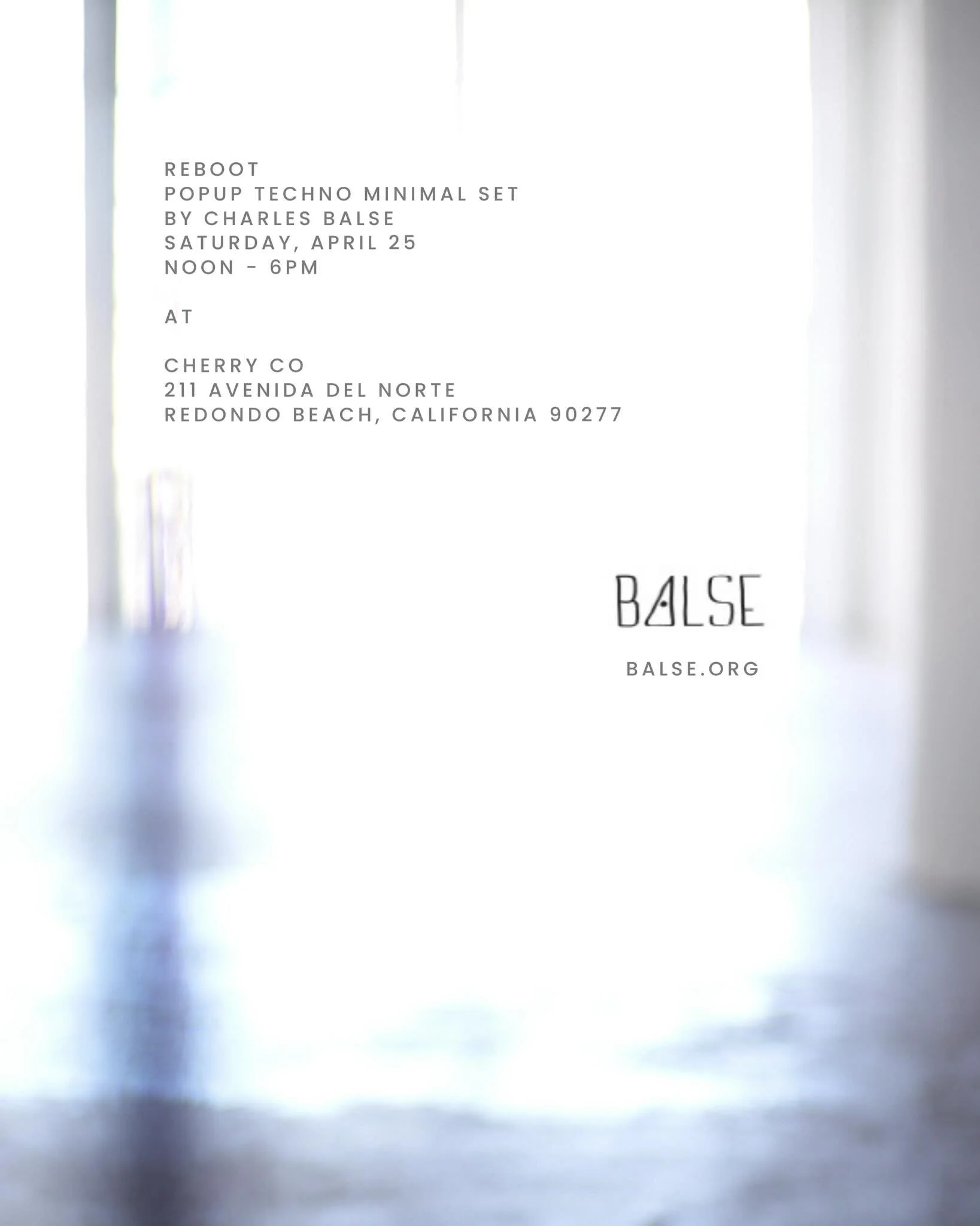
Two weeks, at Balse.
Approach in a Breeze
I sense the 色 - Iro: Color as coordinates of time, of place, of emotion. When you see difference, the world becomes infinite. Seeing the world at 1/5th, and fashion from another perspective.
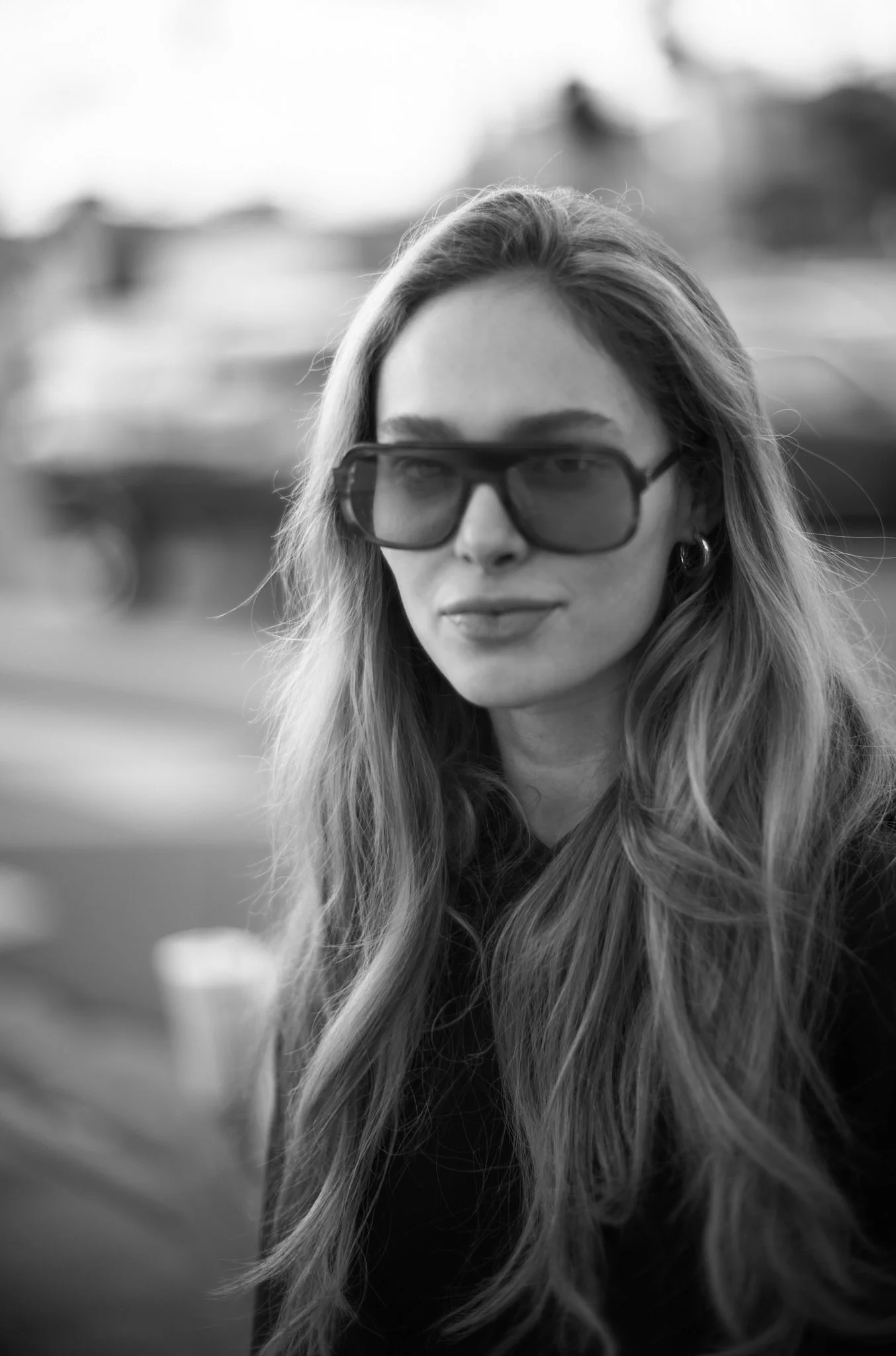
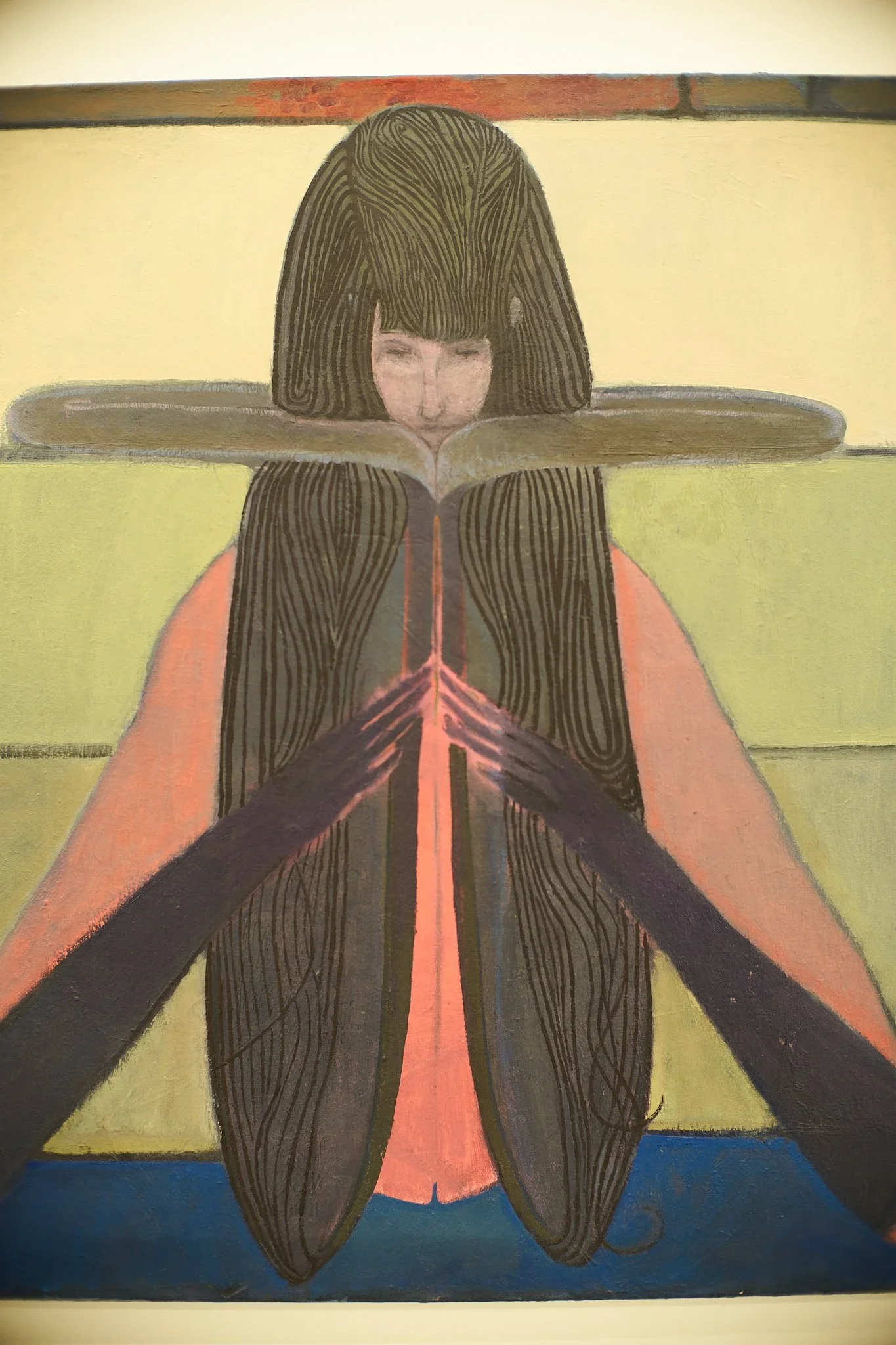
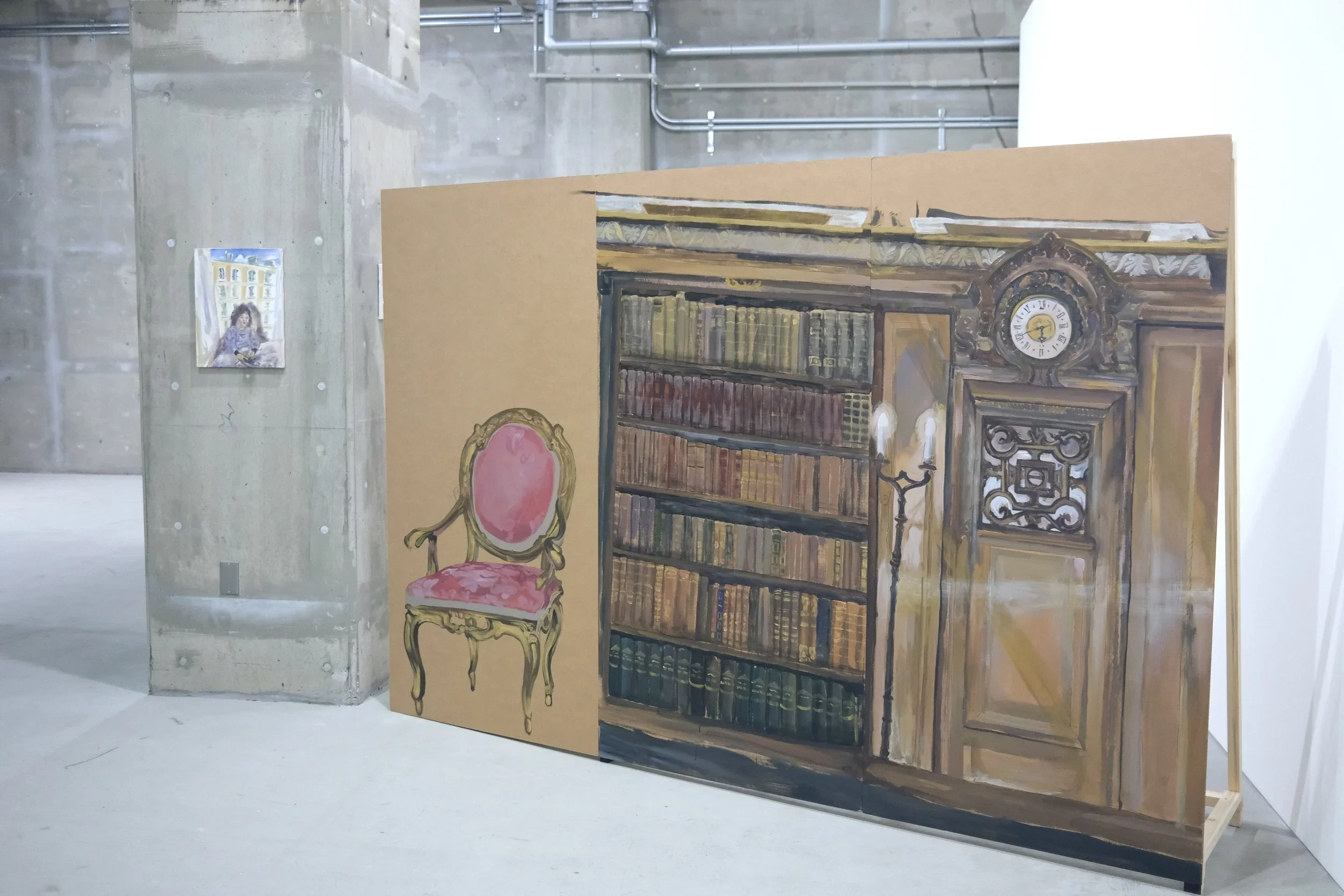

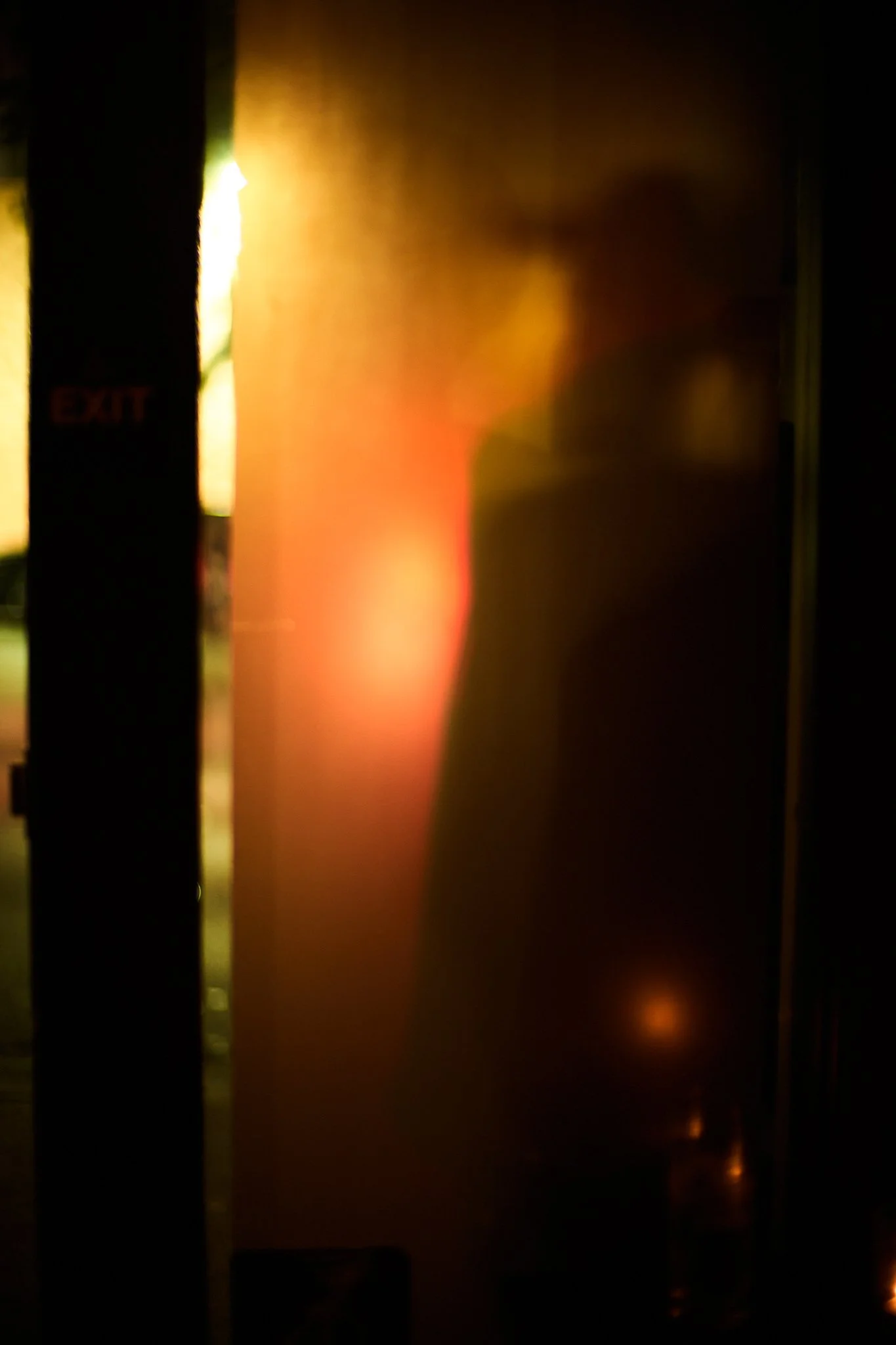
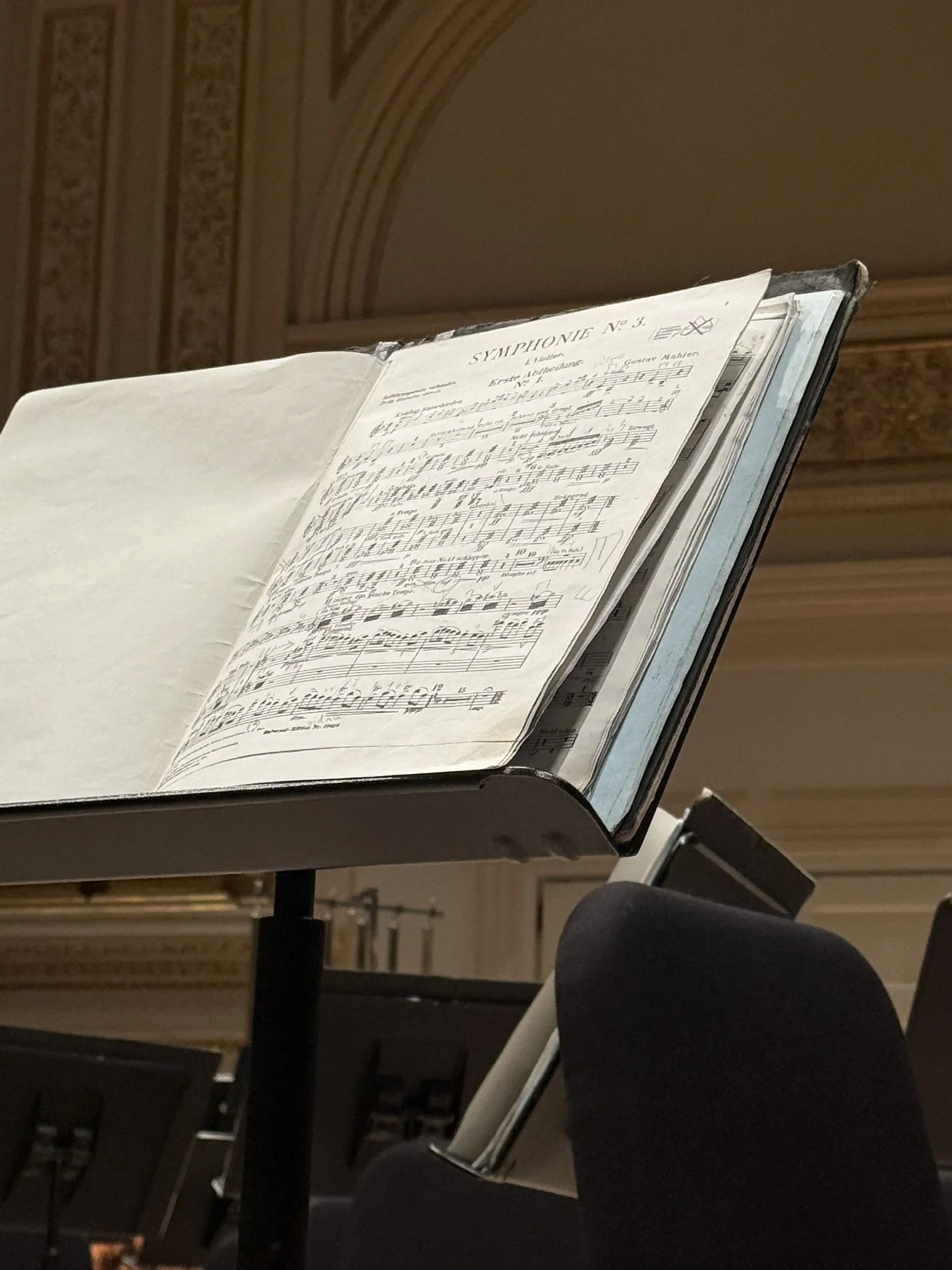
Ephemerality on Mahler 3rd Symphony, Budapest Festival Orchestra and conductor Iván Fischer's at Carnegie Hall on 2.6.2026
Words of Wisdom
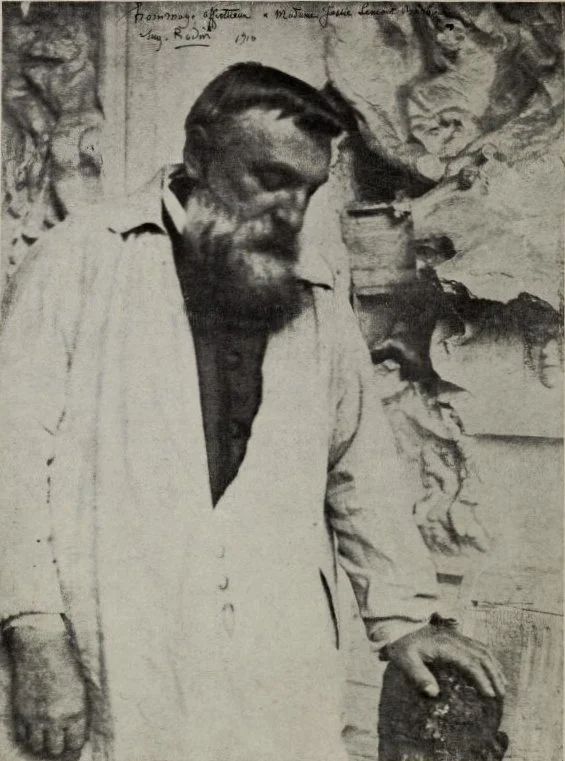
The work that is to be spoken of in these pages developed through long years. It has grown like a forest and has not lost one hour. One walks among these thousand forms overwhelmed with the imagination and the craftsmanship which they represent, and involuntarily one looks for the two hands out of which this world has risen.
One thinks of how small man's hands are, how soon they tire, and how little time is given them to move. And one longs to see these hands that have lived like a hundred hands; like a nation of hands that rose before sunrise for the accomplishment of this work. One asks for the man who directs these hands. Who is this man?
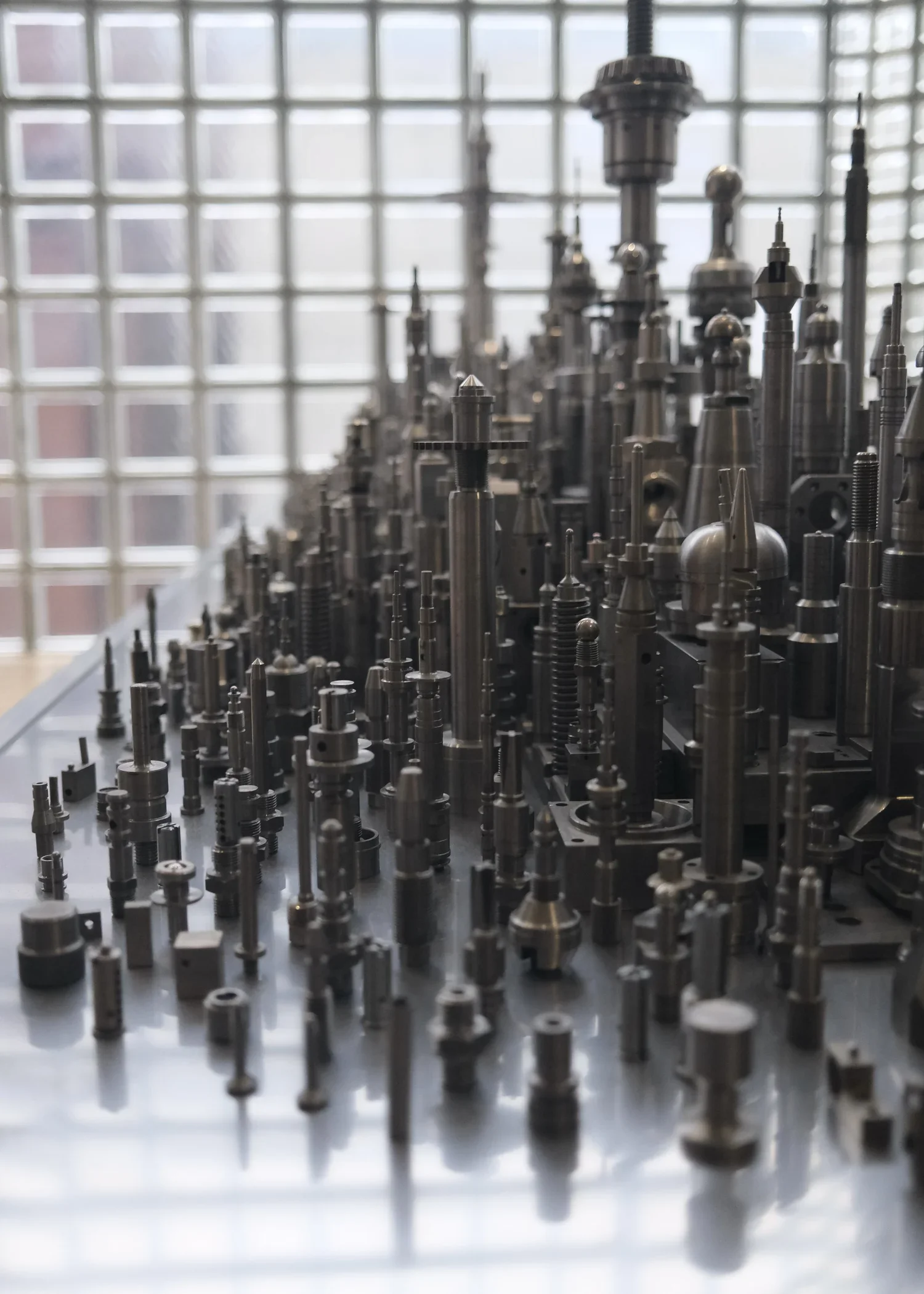
He is a man rich in years; and his life is one that cannot be related. It began and still continues; stretches out deeply into a great age, and to us, it seems as though it had passed many hundreds of years ago. It perhaps had a childhood; a childhood in poverty-dark, groping and uncertain. And maybe it possesses this childhood still, for, says St. Augustine somewhere, whither should it have gone? It holds, perchance, all its past hours, the hours of expectation and abandonment, the hours of doubt and the long hours of need. It is a life that has lost nothing and has forgotten nothing; a life that has absorbed all things as it passed, for only out of such a life as this, we believe, could have risen such fulness and abundance of work; only such a life as this, in which everything is simultaneous and awake, in which nothing passes unnoticed, could remain young and strong and rise again and again to high creations. Perchance the time will come when someone will picture this life, its details, its episodes and its conflicts.
Someone will tell a story of a child that often forgot to eat because it seemed more important to him to carve inferior wood with a cheap knife, and someone will relate some event of the days of early manhood that contained promise of future greatnessone of those incidents that are intimate and prophetic.
Auguste Rodin, by Rainer Maria Rilke, Translated by Jessie Lemon and Hans Trausil
Page 4,5
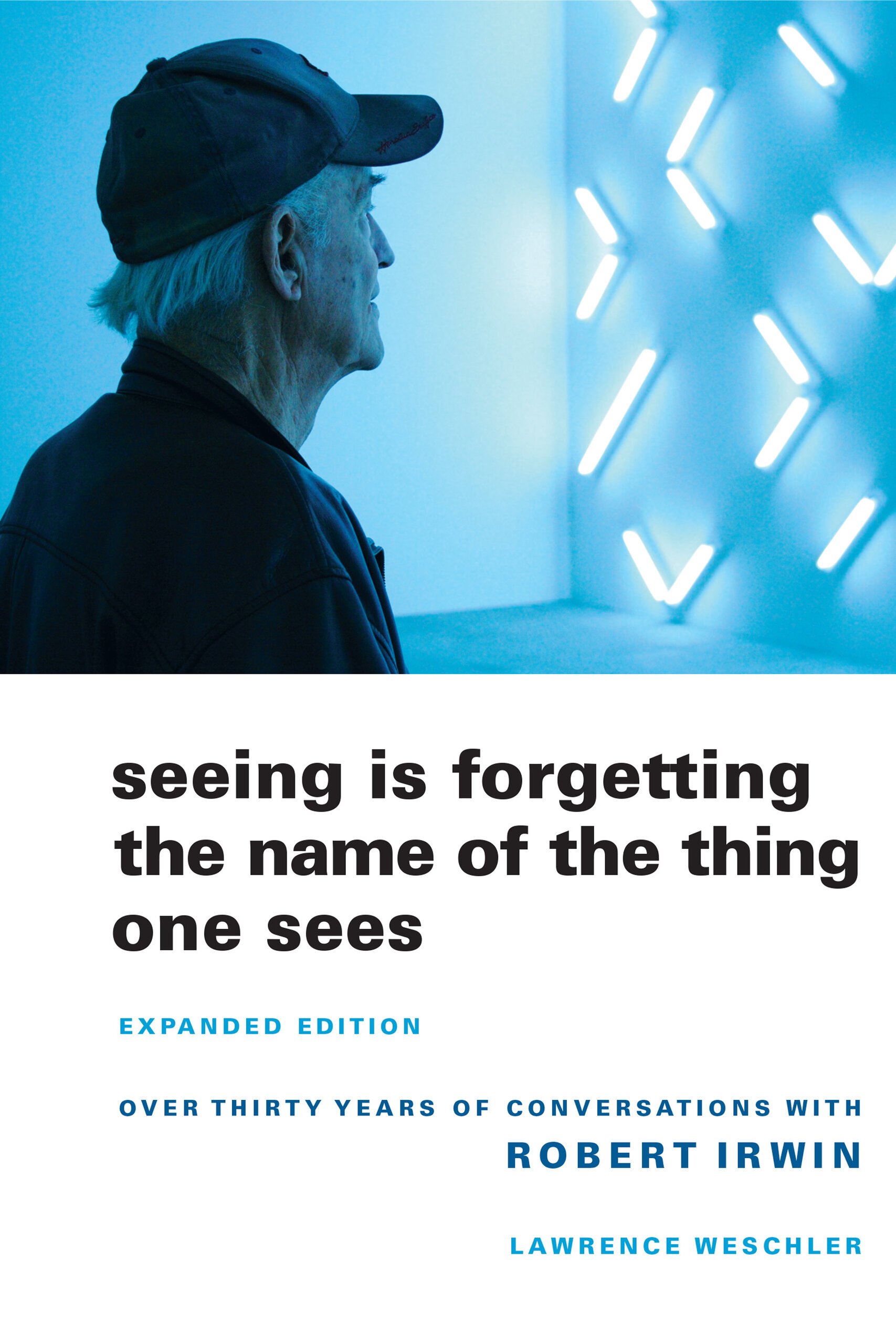

seeing is forgetting the names of the thing one sees
February 14, 2026
Though Irwin now began visiting the museums, for a long while his curiosity remained at best perfunctory. Mainly he walked around the cities aimlessly. "I walked in the daytime for a long, long time, but then I got into the habit in the evening of buying myself a couple bottles of beer, sticking them in my pocket, and then just walking, for example, in Paris, all night long in Paris until it became dawn, and then returning to my hotel room, sleeping till evening, having dinner, and starting out again. Just walking by myself. At certain times of night I'd be the only one out in the whole city. I mean, whole areas were just dead silent. And it was an incredibly romantic, very beautiful city, especially late at night like that."
It was a strange way to see Europe. "After I'd been over about six or eight times during that decade," Bob recalls, "having spent maybe two or more years there al-together, I remember once having a conversation with some people who'd just come back from a two-week tour and being unable to convince them that I'd been there at all. They'd talk Étoile and Élysées and Opéra and all those names, and I couldn't remember any of that stuff. I'd probably seen more of Paris than all of those people combined, but I couldn't tell them anywhere I'd been in terms of the name of the street or the café or whatever. I just wasn't interested in that. In fact, I maybe saw all the churches in Paris, but I never went to see any of the churches in Paris. In my wanderings there would be this building and I'd walk into it just like I walked into every building, but I didn't care whether it was built in the Whatever or who did it. I mean, even to this day, I couldn't care less. On the other hand, I retained a very real sense of the differing textures of each of those places..." With each new trip Irwin began spending more and more time in the muse-ums. As his own involvement in art grew, his interest in the masters expanded— but only to a point. "After going through the Louvre twenty times and the National Museum and the Prado and whatever—I can't remember the names of the ones in Amsterdam and Florence—well, after a while it got to the point where Id enter a room and just twirl around and go to the next one and twirl and then the next one.... I mean, it got to the point where if I ever saw another fucking brown painting ... I was so fucking tired of brown paintings. I mean, they all looked exactly the same! After a while my whole relationship to the history of art got cleared out to a matter of trusting my own eye. I mean, I could enter a room and go like. that, zap, and pick out the one or two paintings that were at all interesting in terms of technique, like some Davids that were technically really incredible; and there were some that really just jumped out at you, like some Vermeers which were just spectacular. Now and then a piece of Egyptian art or something would really bang you. And if you ever saw an impressionist painting in that atmosphere-which I did once, saw a Gauguin through a haze of brown—it just summoned you back to your senses. But as for the Renaissance and the high tradition, I just came to see that—man, are you kidding? I wasn't interested in any of that stuff. And I'm still not. I look at Da Vincis and Piero della Francescas, and I'm not interested at all. I look at them with the same kind of interest I'd have turning the pages of a magazine.
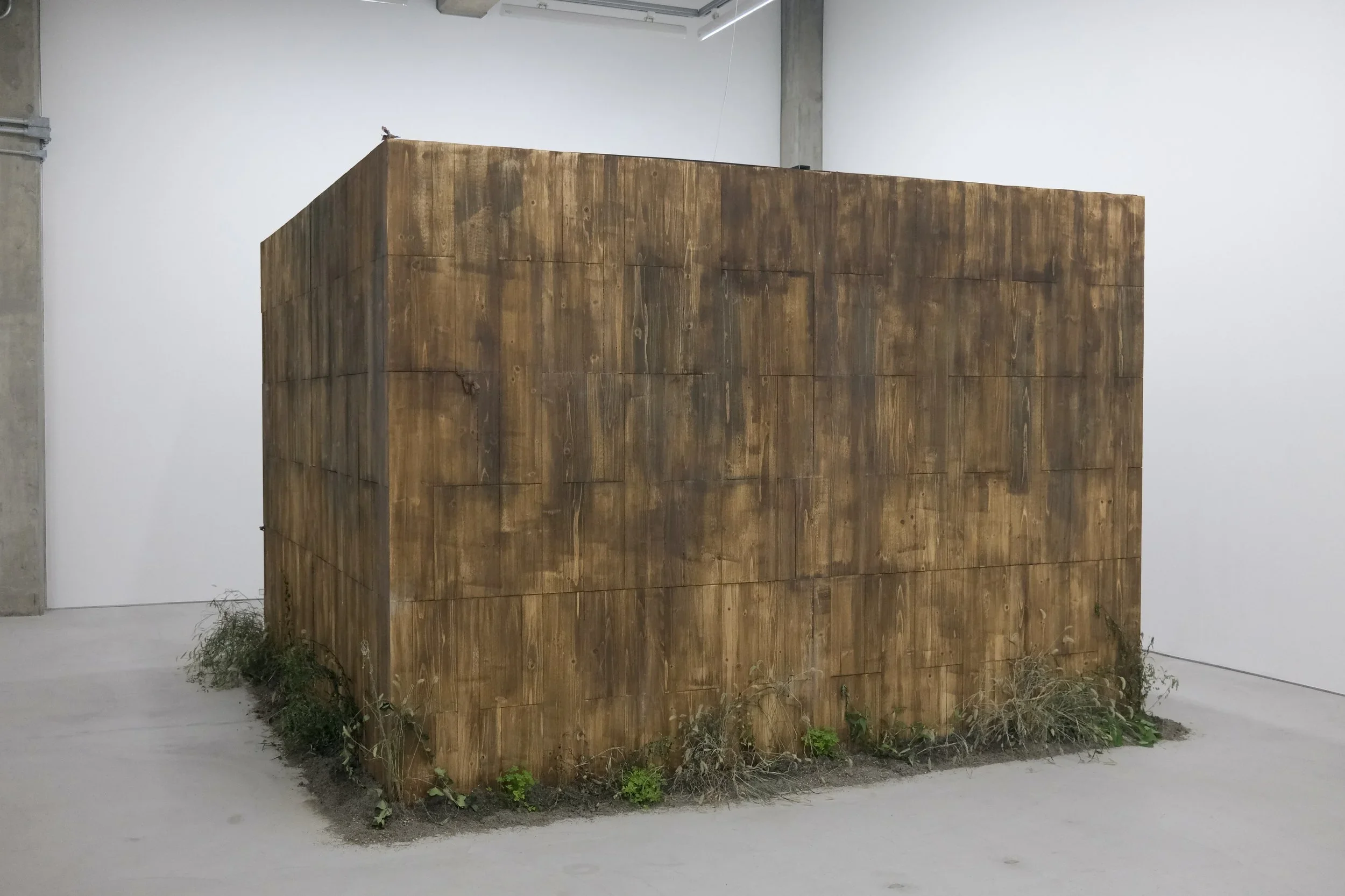
seeing is forgetting the names of the thing one sees
February 14, 2026
Bob had been headed south from Paris toward Morocco, when, passing through Barcelona, he first heard about Ibiza, a small island off the Spanish Mediterranean coast. He continued to North Africa, but several weeks later, for no particular reason—it was cheap, it was warm, it was said to be peaceful —he ventured out to the dry, barren island. In subsequent years Ibiza (pronounced "E-bē-tha" by native Castilians) became known as something of an artist's colony, a winter resort, but during the season Irwin spent there, it was still utterly remote. On the edge of a barren peninsula, Irwin installed himself one day in a small rented cabin and then did not converse with a soul for the next eight months.
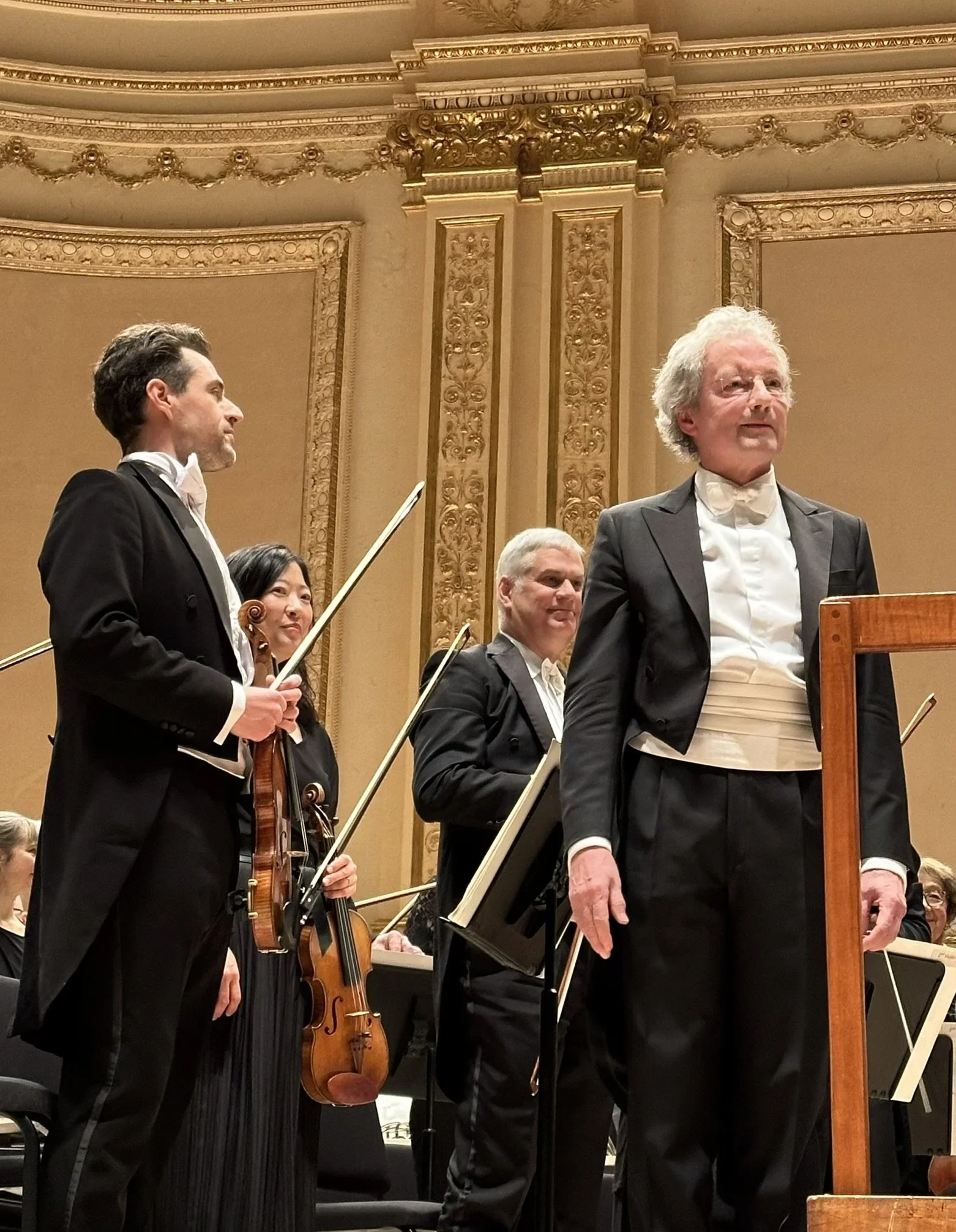
Cleveland Orchestra and Franz Welser-Möst at Carnegie Hall 2026
Artists who came to abstract expressionism with a literate pictorial bias, Irwin feels, were especially unprepared to confront these physical issues. This was particularly the case with the European abstract expressionists, he argues, steeped as they were in the tradition of post-Renaissance pictorial expression. Paradoxically, one artist who exercised a pivotal fascination for the young Californian, particularly in terms of his mastery of those physical laws, was a contemporary European, but not one of those who is usually considered an abstract expressionist. "The Italian painter Giorgio Morandi captivated a lot of us," Irwin recalls, "and we eventually even staged a small show of his paintings at Ferus" (in 1961). "Now, here was a painter whit been repeating the same subject, the same theme, over and over again, for year.
In his studio, he had a collection of bottles and jars, and he painted them continuously: small paintings of groups of these bottles on his table, a kind of still life.
So in one sense they seemed extremely traditional, extremely formal. They still had a subject matter in the most classical sense, the simplest, most direct kind of subject matter, unloaded in any way. This especially seemed the case when you compared Morandi with some of his bold, gestural contemporaries, say, someone like Pierre Soulages, with his modernist imagery, the strokes and slashes and all that.I mean, someone with a conceptual, literate eye, oriented toward looking at the imagery, would certainly think of the Soulages as the modern painting and the Morandi as the old-fashioned one. But if you looked at them on the physical level, in terms of how they actually dealt with the time and space relationships within the painting per se, the Soulages was pre-cubist, almost floating in like a seventeenth-century space, with its sense of distinct figure and ground; whereas the Morandi was essentially the same as a de Kooning or a Kline, with its intimate interpenetration between figure and ground. In Morandi they were never really separate. In fact, even with the figurative elements, there were cases where his ground actually got in front of the figures or in many cases couched them so intimately that there was no separating the two. Physically he carved a space for each one of these elements, where the amount of space left by the so-called ground was exactly that which the object occupied, so that it was as if the air had taken on substance. They were really good paintings.
"But anyway, my discovery was that from one hundred yards away—this was just one of those little breakthroughs—that from this distance of one hundred yards, I looked over, and that goddamn Guston.... Now, I'm talking not on quality, and not on any assumption of what you like or don't like, but on just pure strength, which was one of the things we were into. Strength was a big word in abstract expressionism; you were trying to get power into the painting, so that the painting really vibrated, had life to it. It wasn't just colored shapes sitting flat. It had to do with getting a real tension going in the thing, something that made the thing really stand up and hum.... Well, that goddamn Guston just blew the Brooks right off the wall.
"Now, by all overt measures—size, contrast, color intensity that shouldn't have happened. Everything was in favor of the Brooks. But the Guston blew it right off the wall. Just wiped it out. Not on quality, just on power. The Brooks fell into the background, and the Guston just took over. And I learned something about... some people call it 'the inner life of the painting, all that romantic stuff, and I guess that's a way of talking about it. But shapes on a painting are just shapes on a canvas unless they start acting on each other and really, in a sense, multiplying.
A good painting has a gathering, interactive build-up in it. It's a psychic build-up, but it's also a pure energy build-up. And the good artists all knew it, too. That's what a good Vermeer has, or a raku cup, or a Stonehenge. And when they've got it, they just jump off the goddamn wall at you. They just, bam!"
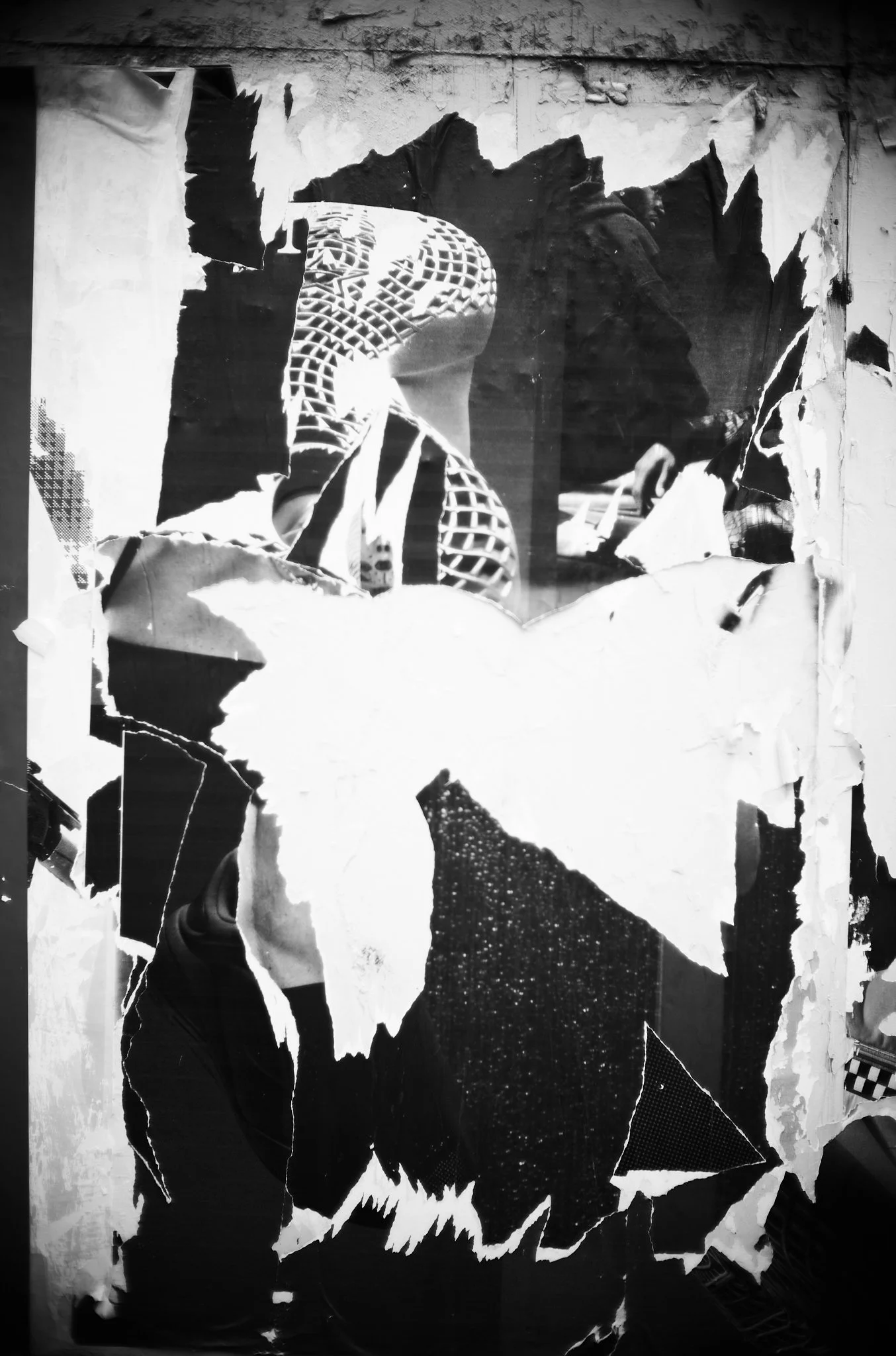
Main Studies
Latvians: A Tribute to Arvo Pärt - NYC
Tragedies, solve by individualities/Chamber Orchestra of Europe and Yannick Nézet-Séguin at Carnegie Hall - NYC
Frei aber froh! The Chamber Orchestra of Europe and Yannick Nézet-Séguin in Philly. - NYC
The way of seeing-After Ruth Asawa at MOMA - NYC
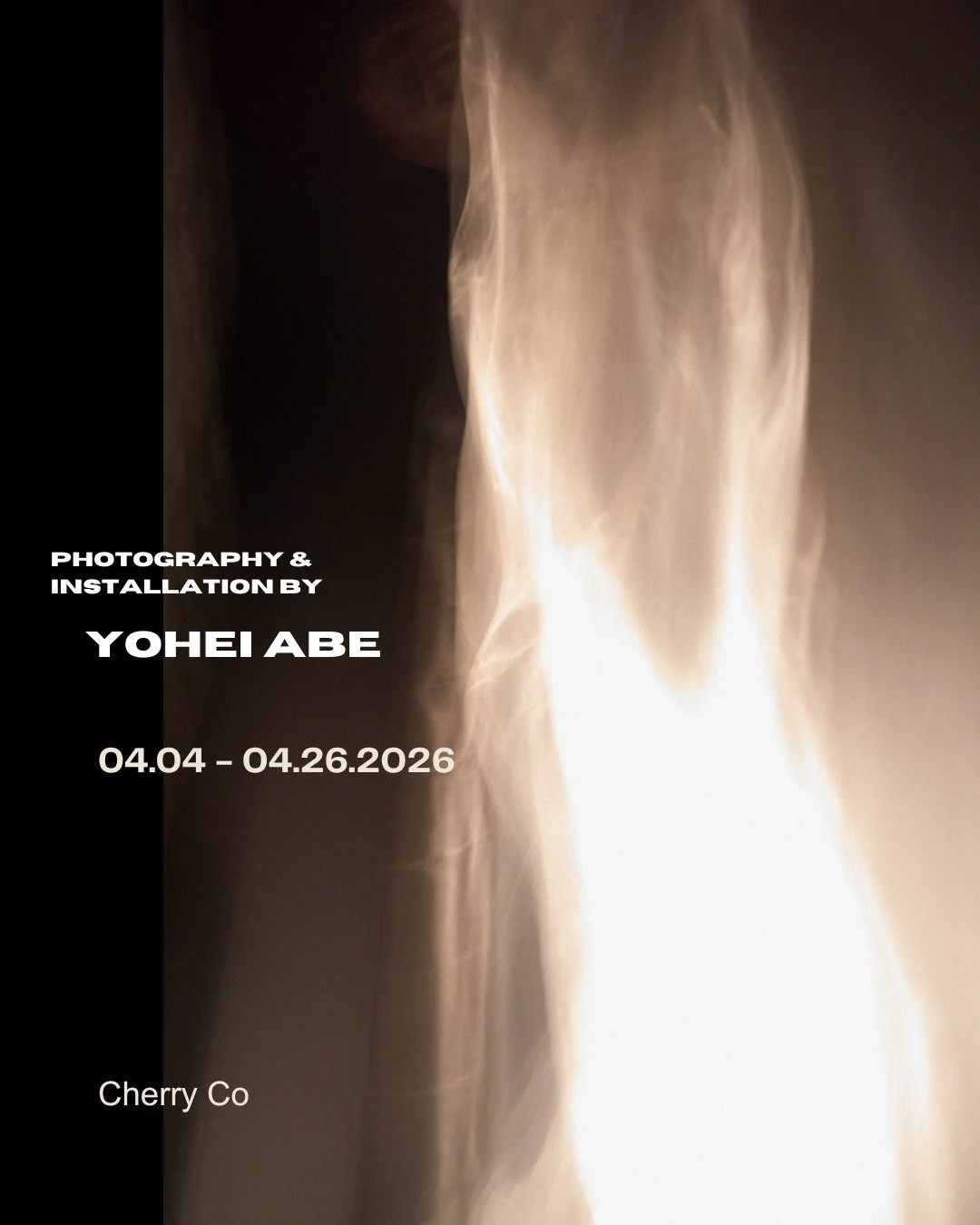
Yohei Abe, the photo book released in SF - NYC
Daniil Trifonov at Carnegie 2025 - NYC
Musica Sacra's Classics for Christmas at Carnegie Hall - NYC
Mahler in Philly on January - NYC
Presence / Duo Seraphim - NYC
Blanc Canon - NYC
I Puritani at Met Opera - NYC
Dalia Stasevska's gravity in winter Philly - NYC
Cleveland Orchestra's Verdi Requiem at Carnegie Hall - NYC
Ternary - Paul Becker, Amalia Schulthess, Julia Yerger - LA
ANDY WOLL New Objectivity - LA
Roppongi Crossing - What Passes Is Time. We Are Eternal - TOKYO
LEE Kit - Some broken days and broken fingers - TOKYO
Ebosi Yuasa|Sea of Mud/Clod of Mud - TOKYO
Metal - Chu Enoki, Maiko Endo, Élodie Lesourd - TOKYO
Enokura Koji: A Retrospective - TOKYO
Chim↑Pom from Smappa!Group 穴の中の穴の中の穴 - TOKYO
Erina Matsui Solo Exhibition Astral Dreamer - TOKYO
Moon Kyungwon & Jeon Joonho "Dialogue Manual" - TOKYO
原口典之 Noriyuki Haraguchi 個展 「Black Surface」 - TOKYO
Noritoshi Hirakawa Himmelstrasse - TOKYO
Cleveland Orchestra and Franz Welser-Möst at Carnegie Hall 2026 - NYC
Budapest Festival Orchestra Sings Nature at Carnegie Hall - NYC
Ephemerality on Mahler 3rd Symphony - NYC
APPENDIX:
Inside Arthur Jafa’s Studio: Crafting Worlds from Found Images The Museum of Modern Art
TWO FOLD ALEPH
"Photography is about turning things inside out." | Photographer Stephen Gill | Louisiana Channel
"It was a world where you could get lost." | Photographer Stephen Gill | Louisiana Channel
Tor-Arne Moen painting birches
Isabel Soto | Shift Radio | 20.11.25
Pantha du Prince - Approach in a Breeze (Official Video)
Disclosure - Holding On ft. Gregory Porter
ENV_petals ALEPH
RECALL ALEPH
Wata Igarashi - Floating Against Time (Wata Igarashi Shimmering Mix) - Kompakt
Wata Igarashi - Agartha (Wata Igarashi Sorcery Acid Mix) - Kompakt
Wata Igarashi - Abyss II X Darkness (Philipp Stoffel Fusion Mix) - Kompakt KOMPAKT 144K subscribers
Yaeji Gives A Tour of Her Playful Powerful Creative Studio
IRO Vol.1 : The Japanese Philosophy of Color and Imperfection
Karl Ove Knausgård: The writer who broke the rules | Arts in Motion
D1g1tal D1ary #1 (2025 lessons♡) S1RENA
A visual essay on balance, as a stable force that connects spiders, skateboarding, and our thoughts NOWNESS
William Blake on the Imagination Adam Walker - Close Reading Poetry
Apashe & Alina Pash - Kyiv
【椅子と、居場所。】濱田由一が作り出す、1/5の世界。
discussing menswear as a woman
Everything is a Distraction — But From What?
COMING UP
Village Square: Gifts of Modern Art from the Pearlman Collection to the Brooklyn Museum, LACMA, and MoMA
Feb 22–Jul 5, 2026
LACMA
Destiny Is a Rose:
The Eileen Harris Norton Collection
24 February – 16 August 2026
Hauser & Wirth, Downtown Los Angeles
Christina Quarles
24 February – 3 May 2026
Hauser & Wirth, Downtown Los Angeles
January 10 — March 1, 2026
THE BODY DOES NOT EXPLAIN ITSELF
Ángeles Agrela / June Canedo de Souza / Æmen Ededéen / Stanley Edmondson / Liang Fu / Igor Hosnedl / Larry Madrigal / Marta Mattioli / Teresa Murta / Daniel Pitín / Nicola Samorì
NICODIM Los Angeles
January 31 – March 21, 2026
Tacita Dean
Trial of the Finger
21 February - 25 April 2026
Marian Goodman, Los Angeles
Judith F. Baca: Great Wall of Los Angeles: The 1970s- A Decade of Defiance and Dreams
February 21–April 11, 2026
Jeffery Deitch, Los Angeles
Marco Perego: The Being
February 20–April 4, 2026
Jeffery Deitch, Los Angeles